The Florida Shrubs To Prune In August And The Ones To Leave Alone
Your pruning shears are already out, but half of what’s growing in your Florida shrub beds will punish you for using them this month. August heat puts certain shrubs into a state where a fresh cut invites stress instead of new growth.
Others actually benefit from a trim right now, setting up stronger shape and denser blooms before fall arrives. Guess wrong on either one and you’re stuck looking at the consequences for months.
Bloom timing decides most of it. Shrubs that set next year’s flower buds late in the season take real damage from an August cut, while others recover fast and reward you for the attention.
Knowing which shrubs belong on which list changes how the rest of your season looks. Grab a coffee before you grab those shears.
1. Hibiscus Can Take A Light August Trim
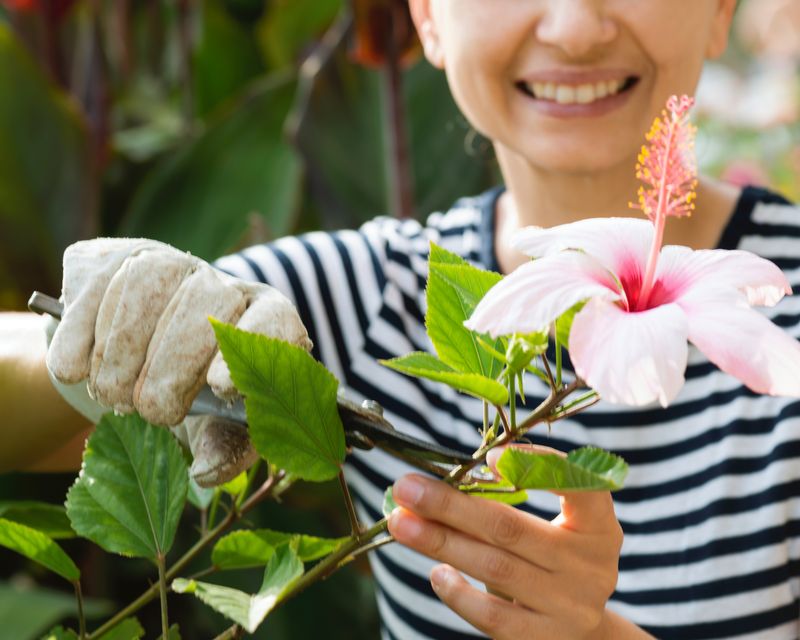
Picture a tropical hibiscus loaded with dinner-plate blooms in the middle of a humid summer. That burst of color is a strong sign the plant is actively growing, and actively growing hibiscus can handle some careful shaping in August.
According to UF/IFAS, tropical hibiscus is among the summer-flowering shrubs that can receive light pruning during warm weather because its flowers develop on new growth.
Light pruning means selectively shortening stray shoots or removing a few stems that have gotten out of bounds. A gardener reaching for a hedge trimmer to cut the whole plant back hard is doing something very different.
Removing too much foliage at once can temporarily reduce both flowers and leaf cover, leaving the shrub looking sparse during its most active season.
Central and South Florida gardeners are the most likely to benefit from this tip. In those regions, tropical hibiscus stays in active growth through August without stress.
North Florida gardeners should be more cautious, since cooler fall temperatures arrive earlier and heavy cuts can leave new growth vulnerable. Keep the focus on light shaping, and the plant will reward you with fresh stems and fresh blooms within weeks.
2. Ixora Can Be Shaped But Blooms Pay The Price
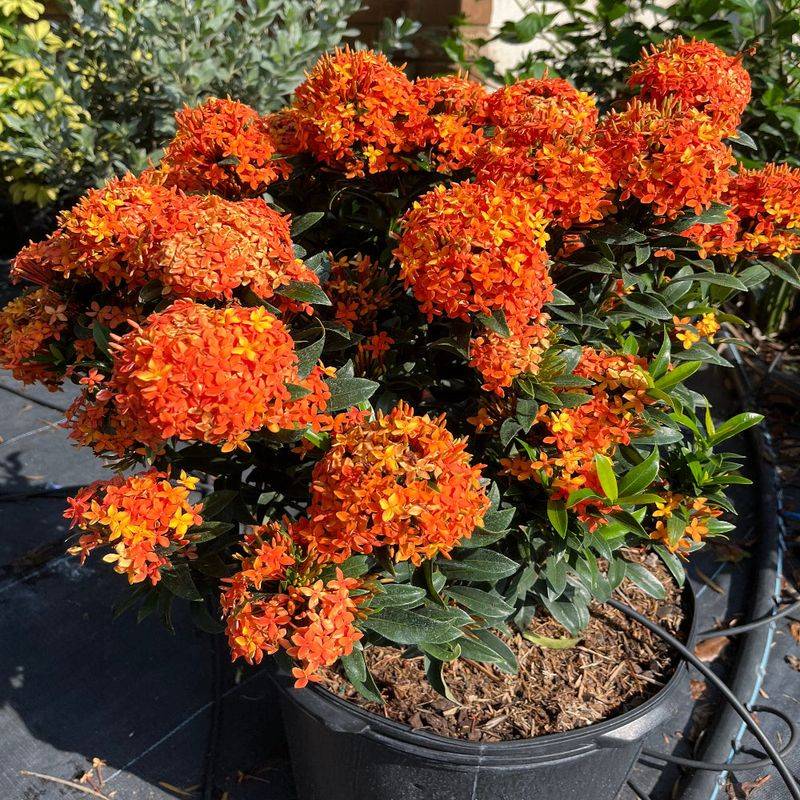
An overgrown ixora hedge stretching past a fence line presents a real dilemma for Florida gardeners. The shrub can absolutely tolerate shearing and selective trimming.
UF/IFAS acknowledges that ixora handles pruning reasonably well, but notes that cutting back reduces its flower display. That tradeoff deserves some honest thought before the shears come out.
A hedge that has grown so wide it blocks a walkway probably justifies selective trimming even if some flower clusters are lost. A plant covered in vibrant orange blooms or tight buds is a different story.
Removing those actively flowering branches simply for a tidier silhouette is a trade many gardeners would regret within a week of making the cut.
Ixora is primarily a Central and South Florida plant. It thrives in warm, frost-free conditions, so gardeners in those regions encounter this decision far more often than those in North Florida.
Routine heavy shearing is not recommended simply because the plant can survive it. Remove only what truly needs to go and let the plant’s natural form guide the decision.
Your Florida Garden Changes Every Week. Your Plan Should Too.
Gardening in Florida changes quickly throughout the season. Every Friday you’ll receive a simple weekly plan showing exactly what to plant, prune, fertilize, harvest, and protect so you never miss the right timing.
Save any significant reshaping for a time when flowers are not actively forming or opening.
3. Gardenias Still Have A Late Summer Window
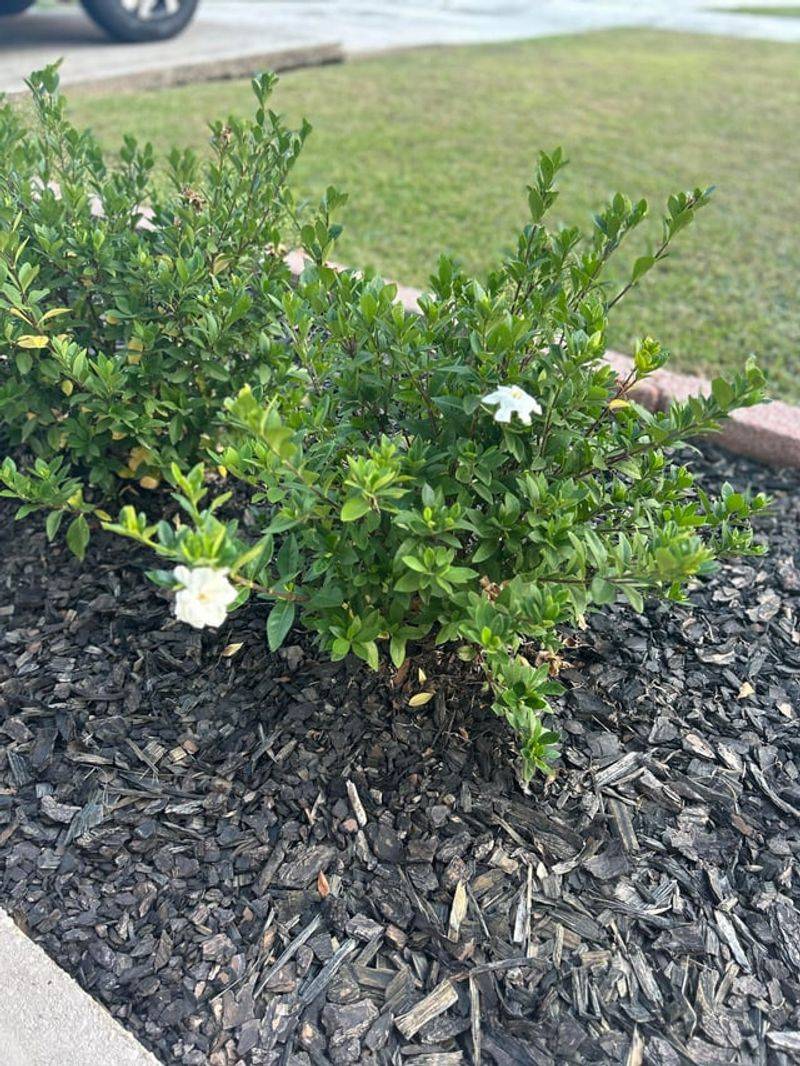
Few shrubs smell as good as a gardenia in full bloom, which makes it harder to pick up pruning shears anywhere near one. Fortunately, gardenias that have already finished their main flowering period can still receive light shaping in August.
UF/IFAS notes that vigorous gardenia plants can be lightly shaped throughout summer after the primary bloom has finished.
The key word is lightly. A quick trim to remove leggy shoots or restore a pleasing shape is very different from cutting the plant back hard.
Gardenias that are still producing flowers or that finished blooming only recently may need a few more weeks before any shaping makes sense.
Cultivar choice matters more than many gardeners realize. Some gardenia varieties bloom once in late spring, making August a comfortable window for shaping.
Others flower more than once or continue producing blooms well into summer, so their window closes later. Checking which cultivar is growing in your yard helps avoid an accidental mistake.
Hard pruning pushed into fall can reduce flower production for the following season, according to UF/IFAS guidance. August light shaping, done soon and done conservatively, gives the plant time to recover and set buds before cooler weather arrives.
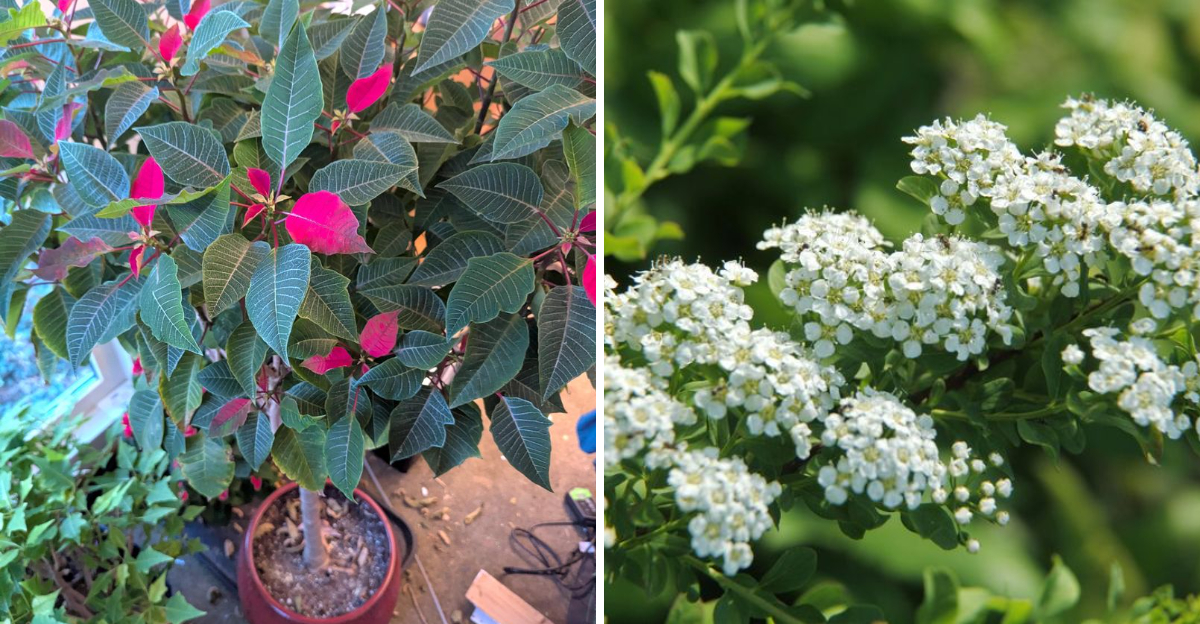
4. Poinsettias Need Their Final Pinch Before Fall
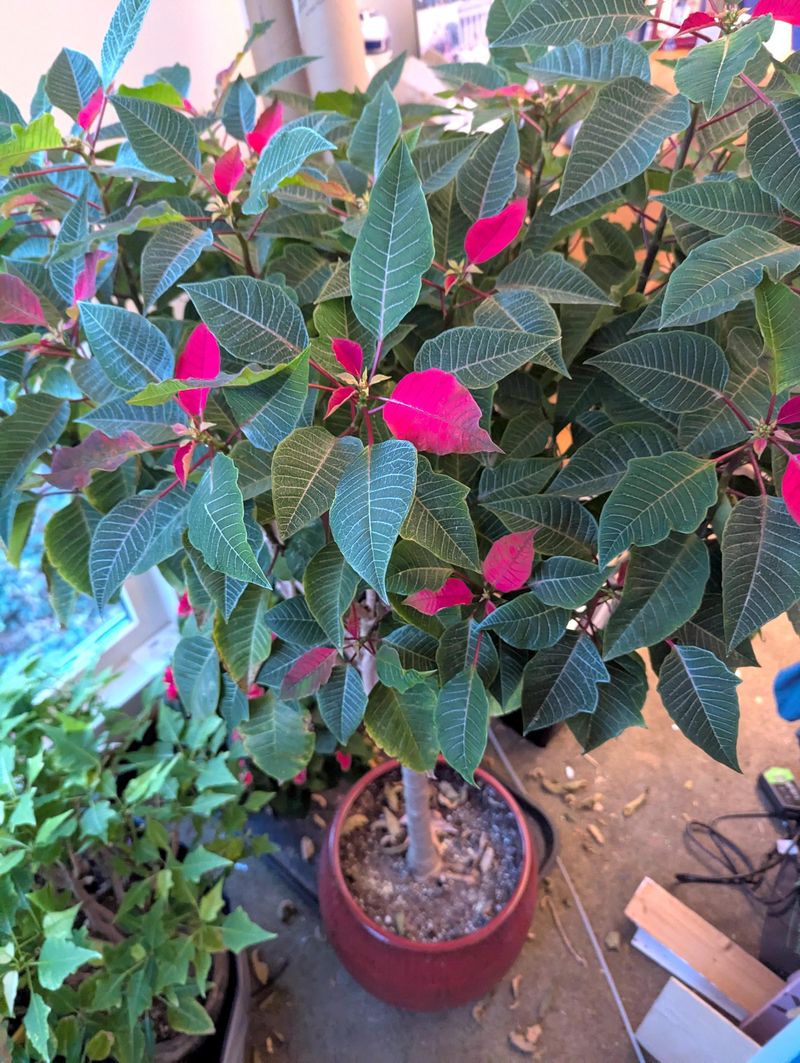
Most people only think of poinsettias as holiday potted plants, but in warm parts of the state, they grow outdoors as landscape shrubs that can reach several feet tall. Encouraging a bushy, full shape requires pinching stem tips periodically through the growing season.
By August, that window is getting narrow.
UF/IFAS guidance makes clear that pinching should stop before fall flowering development begins. Poinsettias respond to shortening days as a signal to shift from vegetative growth into flower bud formation.
Continuing to pinch after that shift starts will remove the very growth that would have produced the colorful bracts the plant is known for.
A light pinch, where just the soft tip of a stem is removed, is not the same as a major cutback. Removing an inch of new growth to encourage branching is a routine part of managing a healthy landscape poinsettia.
Cutting back several large stems is a different action with longer recovery time. South Florida gardeners have the longest season for this practice, while those in Central Florida should check local UF/IFAS county extension guidance on specific timing.
Making the last small pinch in early-to-mid August leaves the plant enough time to branch before flower bud development takes over.
5. Leave Azaleas Alone Once Summer Buds Are Set
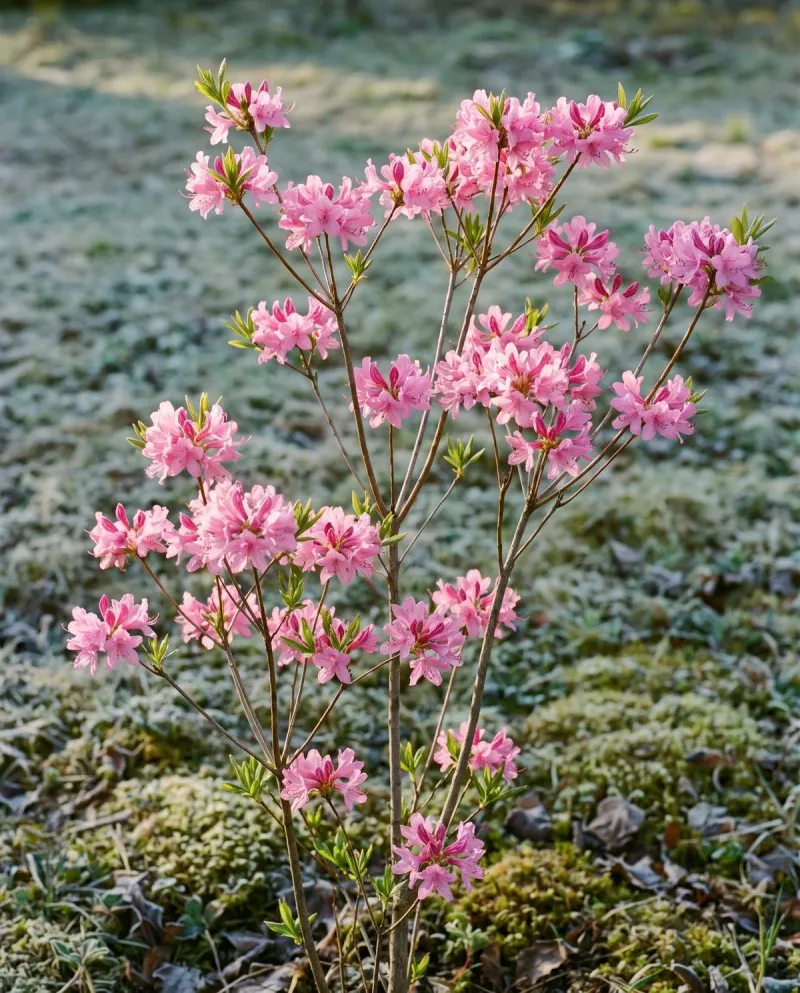
A gardener who spots an azalea looking a little shaggy in August might reach for the shears without a second thought. That impulse is worth resisting.
By midsummer, azaleas in Florida are quietly forming the flower buds that will open next spring. Those buds sit tucked among the leaves, invisible to most people, but very much present.
UF/IFAS recommends pruning azaleas shortly after their spring flowering period ends. That timing allows the plant to recover and set new growth without sacrificing the buds it needs for the following season.
An August trim may look harmless from the outside while removing a significant portion of next spring’s flower display from the inside.
Removing a genuinely broken or badly damaged branch in August is a different matter. Leaving a clearly injured stem in place is not necessary, and a single targeted cut to address real damage is not the same as routine cosmetic shaping.
The concern is about casually shortening healthy stems simply because the shrub looks overgrown. Azalea flower-bud timing is unforgiving.
Once those buds are gone, no amount of good care between now and spring will replace them. Patience through August is the most productive thing an azalea gardener can offer.
6. Keep The Pruners Off Camellias In Late Summer
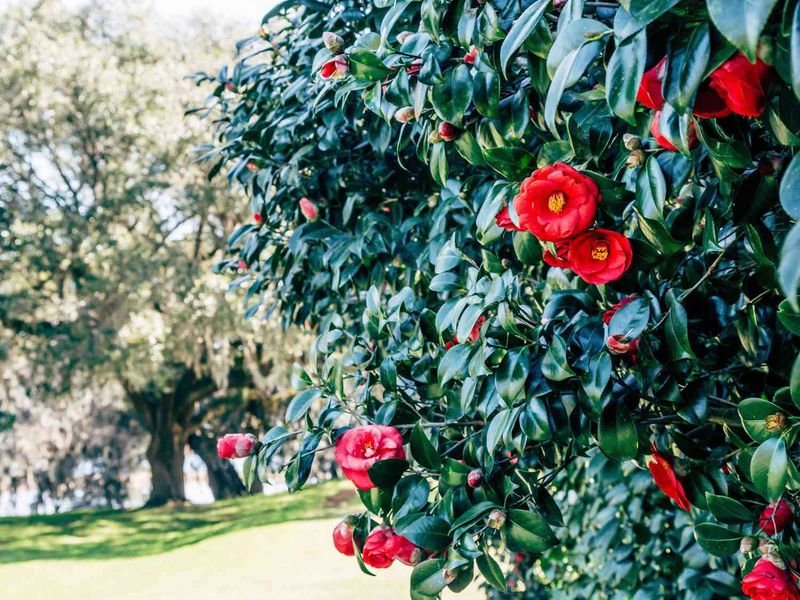
Look closely at a camellia in late summer and you may spot small, rounded bumps appearing along the stems among the glossy leaves. Those are flower buds, and they have been developing quietly for weeks.
By August, routine shaping of camellias should already be finished. UF/IFAS specifically recommends completing camellia pruning before this bud development period gets underway.
The challenge is that those buds blend in easily with the surrounding foliage. A homeowner who has not spent time learning what developing camellia buds look like can remove dozens of them without realizing anything has happened.
The result shows up months later when the plant produces far fewer flowers than expected during its blooming season.
Unnecessary cosmetic pruning in August is the habit to break. A branch that is clearly broken, rubbing against a structure, or causing a real problem can be removed without guilt.
That kind of targeted cut is very different from shaping the whole shrub for appearance. Camellia flowers are one of the pleasures of a winter garden, particularly in the northern part of the state where camellias thrive.
Protecting those buds through late summer is a small act of patience that pays off in a big way when blooms open months later.
7. Treat Oakleaf Hydrangeas Like Old Wood Matters
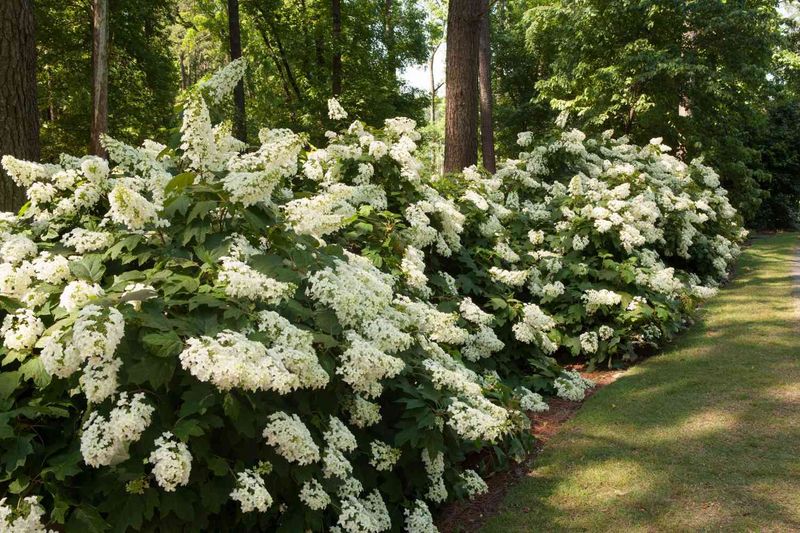
Not all hydrangeas behave the same way, and mixing them up leads to pruning mistakes that cost an entire season of blooms. Oakleaf hydrangea, native to the southeastern United States and well-suited to North Florida landscapes, flowers on old wood.
That single fact changes everything about when and how to prune it.
Old wood means the stems that grew and matured last year. Those stems already carry the buds that will produce next season’s large, cone-shaped flower clusters.
Cutting them off removes next year’s blooms, not just the current season’s spent flowers. Pruning right after flowering finishes gives the plant time to produce new stems that will then mature and carry the following year’s buds.
Bloom timing varies by location, so gardeners should confirm that flowering has genuinely finished before making any cuts. In North Florida, that window may still be open in early summer, but by August it is usually closed.
Removing spent flower heads is a light task that does not threaten future blooms. Cutting back large portions of the shrub in August is a different decision with real consequences.
Understanding old wood versus new wood is the foundation of good hydrangea care, and oakleaf hydrangea makes that lesson especially clear.
8. Leave Spring Flowering Spirea Until Its Next Pruning Window
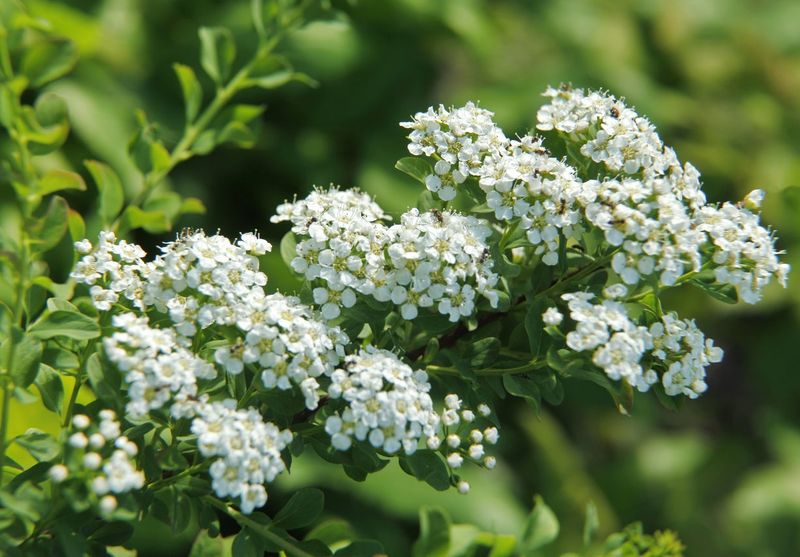
Bridal-wreath spirea, known botanically as Spiraea cantoniensis, puts on a spectacular show of small white flowers in spring. Those flowers grow on year-old wood, and UF/IFAS recommends pruning this shrub right after it finishes flowering.
By August, the wood that will carry next spring’s blooms has already been growing for months. Cutting into it now removes that future flower production.
Spirea naturally grows with long, graceful arching branches that sweep outward and downward. That form is part of its appeal, and it develops without much help when the plant has enough space.
Shearing it into a tight ball shape destroys the arching habit and forces the plant into a look it was never meant to have. Routine shearing in August also removes the very stems the plant needs for its next flowering season.
August pruning decisions across the board come back to one core question: does this shrub bloom on new growth or old growth? Spirea answers that question clearly.
So do azaleas, camellias, oakleaf hydrangeas, and others covered here. Knowing when a shrub flowers and where its future flower buds form gives any gardener a reliable guide.
That knowledge matters far more than whether a shrub simply looks overgrown on a hot August afternoon.