Plant This Georgia Native Shrub Where Boxwoods Struggle With Wet Soil
That soggy corner of your yard does not have to remain an empty space where shrubs keep struggling. Some plants are simply better prepared for soil that stays damp after rain.
Boxwoods prefer good drainage, so constantly wet ground can leave them stressed and performing poorly. Instead of fighting the site, choose something that naturally handles those conditions better.
One Georgia native shrub offers an attractive answer for these difficult areas. It brings its own character while making better use of ground that other landscape favorites may dislike.
Look closely at where water collects before planting another replacement. The soil itself may be pointing you toward a better choice.
Working with your yard can save plenty of frustration later.
This native shrub could turn that troublesome wet spot into something worth noticing.
1. Inkberry Holly Can Handle Soil That Stays Moist
Wet feet do not bother inkberry holly one bit. Most shrubs struggle when water lingers around their roots, but inkberry is built differently.
It naturally grows along stream banks, pond edges, and low-lying areas across the Southeast, so saturated soil is something it handles well.
Boxwoods planted in those same spots often develop root rot within a season or two. Inkberry, on the other hand, can stay in damp ground for extended periods without much visible stress.
That is a significant advantage for yards with drainage problems.
Gardeners in Georgia and surrounding states frequently deal with heavy clay soils that hold water after storms. Inkberry fits right into those conditions.
It does not need special raised beds or amended soil to survive in wet spots.
Keep in mind that inkberry prefers consistently moist soil rather than standing water at all times. Prolonged flooding can still stress the plant, especially in containers or restricted root zones.
But compared to most ornamental shrubs, its tolerance for moisture is genuinely impressive.
Planting inkberry in a rain garden or near a downspout outlet makes practical sense. It absorbs excess water, stabilizes soil, and looks tidy doing it.
Few native shrubs offer that combination of toughness and good looks in wet conditions.
2. Wet Soil Can Cause Problems For Boxwoods
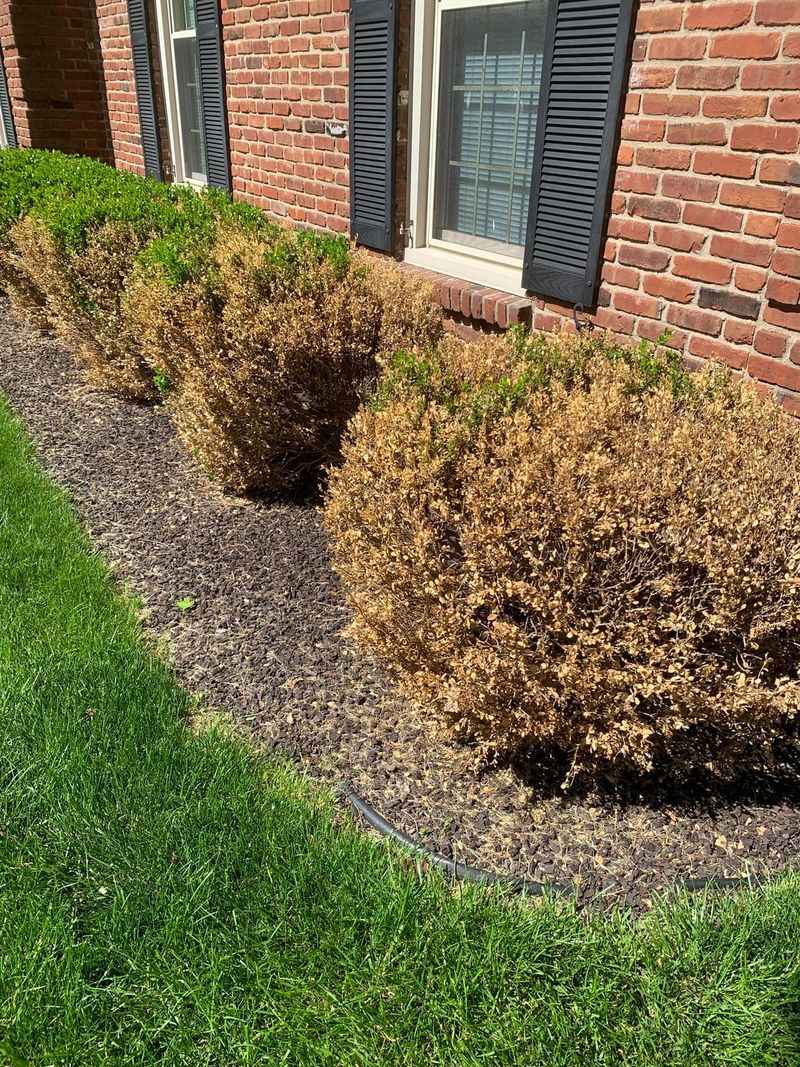
Boxwoods look sharp in a formal garden, but they have limits. Saturated soil cuts off oxygen to their roots, and that leads to serious trouble fast.
Root rot sets in quietly, and by the time leaves start yellowing, the damage is often already deep.
Phytophthora root rot is one of the most common reasons boxwoods fail in wet spots. It is a water-mold pathogen that spreads easily in poorly drained soil.
Once it takes hold, recovery is difficult and sometimes not possible.
Soggy conditions also make boxwoods more vulnerable to other fungal issues. Volutella blight and boxwood decline are more likely when moisture stays trapped around the base of the plant.
Good drainage is basically a requirement for boxwoods to stay healthy long-term.
Many homeowners plant boxwoods without checking drainage first. They look fine for a season, then slowly start to decline.
Replacing them repeatedly in the same wet spot is frustrating and expensive.
Your Georgia Garden Changes Every Week. Your Plan Should Too.
Gardening in Georgia changes quickly throughout the season. Every Friday you’ll receive a simple weekly plan showing exactly what to plant, prune, fertilize, harvest, and protect so you never miss the right timing.
Switching to a plant that actually suits the conditions makes more sense than fighting the soil. Inkberry holly fills a similar visual role in the landscape, holds its shape well, and does not demand the dry, well-drained conditions that boxwoods need.
Matching the right plant to the right place saves time, money, and effort over the long run.
3. Evergreen Leaves Keep The Shrub Green All Year
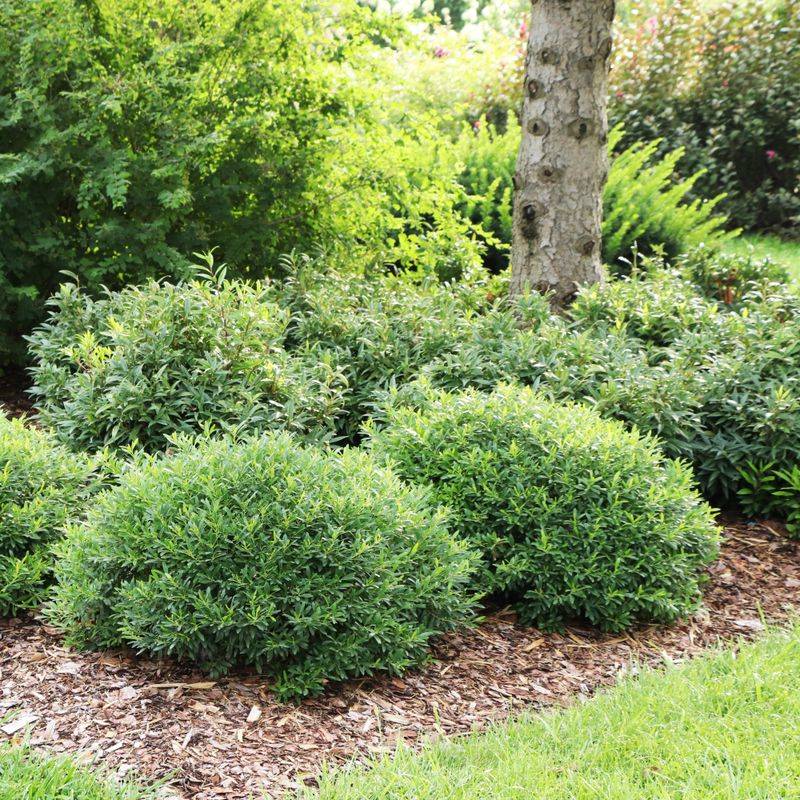
Bare shrubs in winter make a garden feel empty. Inkberry holly skips that problem entirely.
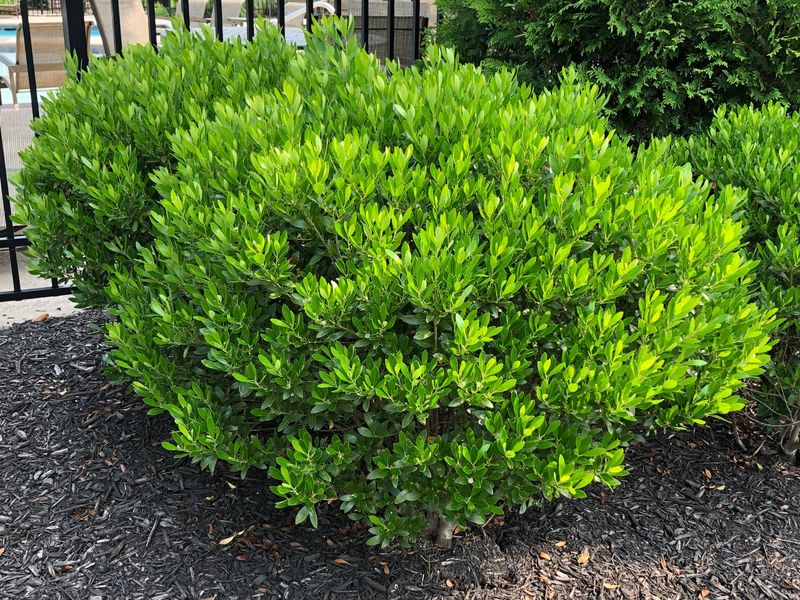
Its dark green leaves stay on the plant through cold months, giving the landscape structure and color when most other plants have gone dormant.
Evergreen foliage is one of inkberry’s most practical features. Gardeners who want a low-maintenance hedge or border plant appreciate not having to look at bare sticks from November through March.
Inkberry keeps things looking tidy without extra effort.
The leaves are small, narrow, and slightly glossy. They are not as bold as some tropical evergreens, but they have a clean, natural look that works well in both formal and informal settings.
The foliage stays a consistent deep green through most of the year.
In very cold winters, some leaf drop can occur, especially in the northern parts of the plant’s range. Across much of Georgia and the broader Southeast, though, inkberry typically holds its foliage reliably.
Local conditions, including wind exposure and temperature dips, can affect how well it holds its leaves.
Pairing inkberry with other native evergreens creates a layered, year-round garden that supports wildlife and looks intentional. Wax myrtle, native azaleas, and sweetbay magnolia can all work alongside inkberry for a full-season display that requires minimal upkeep.
4. Sun Or Partial Shade Can Support Healthy Growth
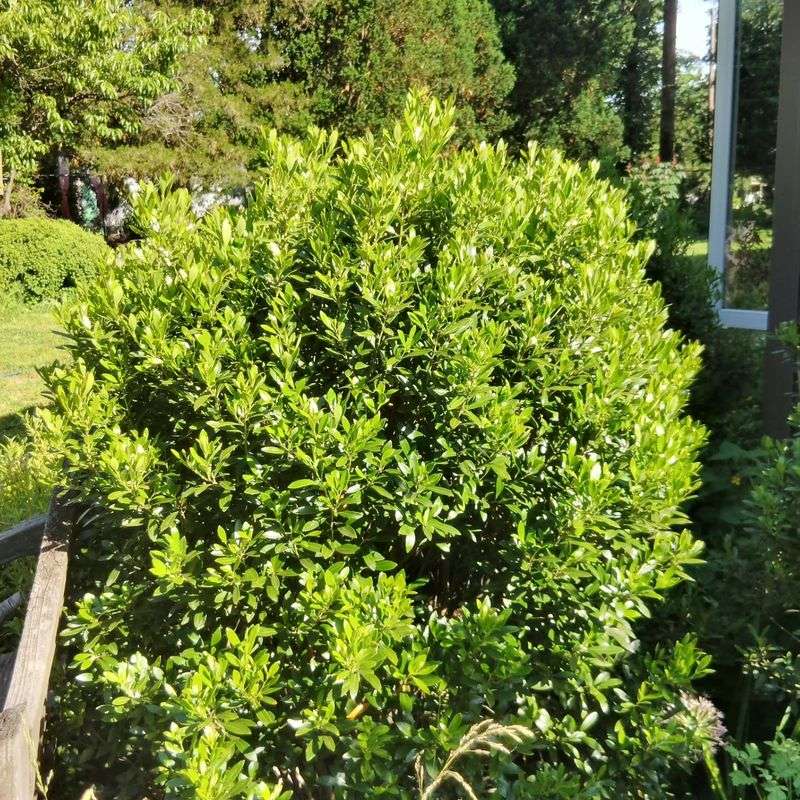
Not every garden has full sun, and not every gardener wants to work around that limitation. Inkberry holly is flexible enough to handle both sunny and shadier spots, which makes it easier to fit into most yard layouts.
In full sun, inkberry tends to grow more compactly and produce more berries. The plant gets enough light to fuel strong growth and fruit development.
Six or more hours of direct sunlight per day is considered ideal for maximum berry production.
Partial shade works well too. Inkberry naturally grows at the edges of forests and along shaded stream banks, so it is accustomed to lower light conditions.
Under a canopy or near taller trees, it still grows steadily, though it may be slightly looser in form.
Deep shade is where inkberry starts to struggle. Fewer than two or three hours of sunlight can slow growth noticeably and reduce berry production.
Planting it under dense evergreen trees with no light penetration is not likely to give great results.
Most suburban yards fall somewhere between full sun and partial shade, which puts inkberry right in its comfort zone. Spots along the north side of a fence or under a high deciduous canopy are often good candidates.
Observing how light moves through your yard before planting helps you choose the best location.
5. Acidic Soil Gives Inkberry Better Growing Conditions
Soil chemistry matters more than most gardeners realize. Inkberry holly prefers acidic soil, typically in the pH range of 4.5 to 6.0.
Fortunately, much of the Southeast naturally falls within that range, which gives inkberry a head start in many yards.
Heavy clay soils common across Georgia tend to be moderately acidic, making them a decent match for inkberry without much amendment. Sandy coastal soils can also be acidic, though they may need organic matter added to hold moisture better.
If your soil leans more neutral or alkaline, inkberry can still grow, but it may show signs of nutrient deficiency. Yellowing leaves, sometimes called chlorosis, can appear when the pH is too high for the plant to absorb iron efficiently.
A simple soil test can confirm whether adjustment is needed.
Sulfur is a common amendment for lowering soil pH. It works gradually, so testing and adjusting before planting is smarter than trying to correct after the shrub is in the ground.
Most local extension offices can help with soil testing and recommendations.
Mulching with pine bark or pine straw helps maintain soil acidity over time. Both break down slowly and release mild acids into the soil.
Adding a few inches of mulch around the base of inkberry also helps retain moisture, which doubles the benefit for this water-loving native shrub.
6. Small Flowers Provide Nectar For Bees
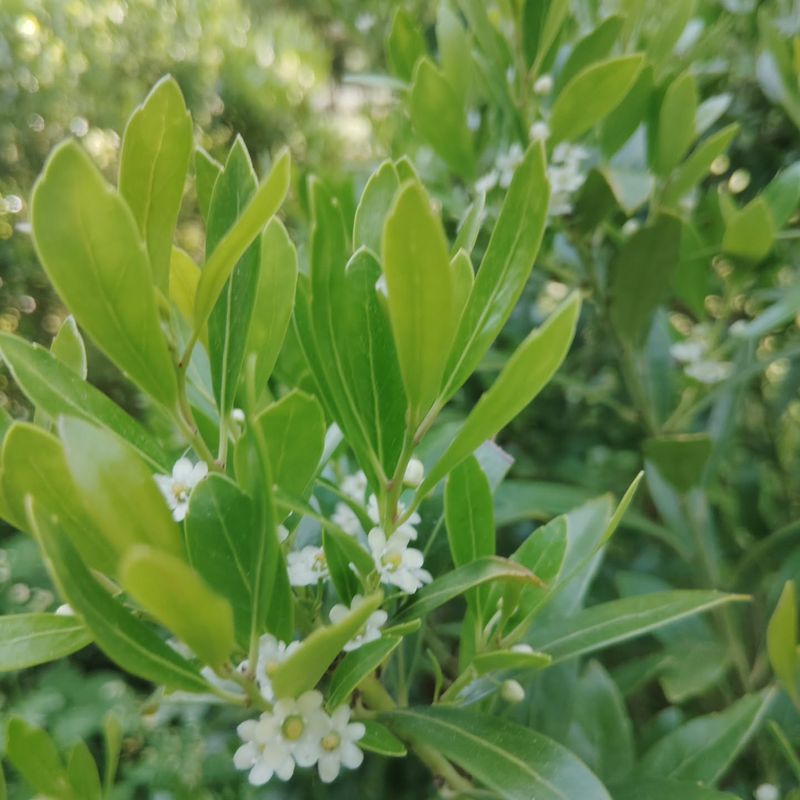
Bees need more food sources than most people realize. Inkberry holly blooms in spring with small, white flowers that may look subtle, but they are genuinely valuable to native bees and other pollinators looking for early-season nectar.
Bumblebees visit inkberry flowers regularly. Smaller native bee species also forage on the blooms.
Because inkberry tends to flower before many summer perennials have started, it helps fill a gap in the pollinator food calendar.
Honeybees will visit too, though inkberry is especially useful for supporting wild native bee populations.
Native bees are important pollinators for vegetables, fruits, and wildflowers, so planting shrubs that feed them has broader garden benefits beyond just looks.
The flowers are not showy. You will not stop and stare at an inkberry in bloom the way you might with a gardenia or azalea.
But the ecological value of those small blooms is real and worth factoring into plant selection decisions.
Planting inkberry alongside other native flowering shrubs creates a longer window of support for pollinators. Pairing it with native viburnums, buttonbush, or sweetshrub can keep bees and beneficial insects active in your yard from early spring through fall.
Supporting pollinators benefits the whole garden ecosystem, not just one corner of it.
7. Dark Berries Add Interest In The Fall
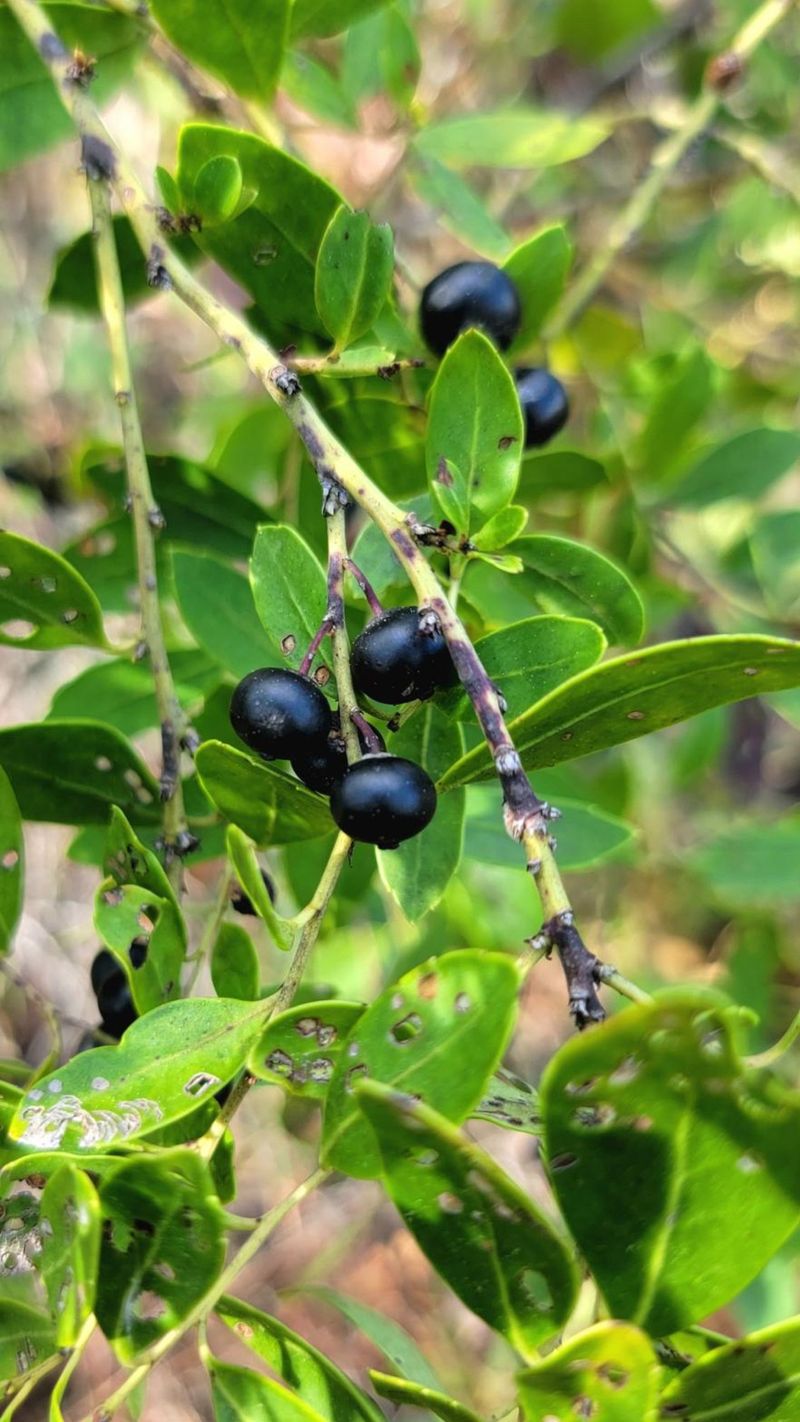
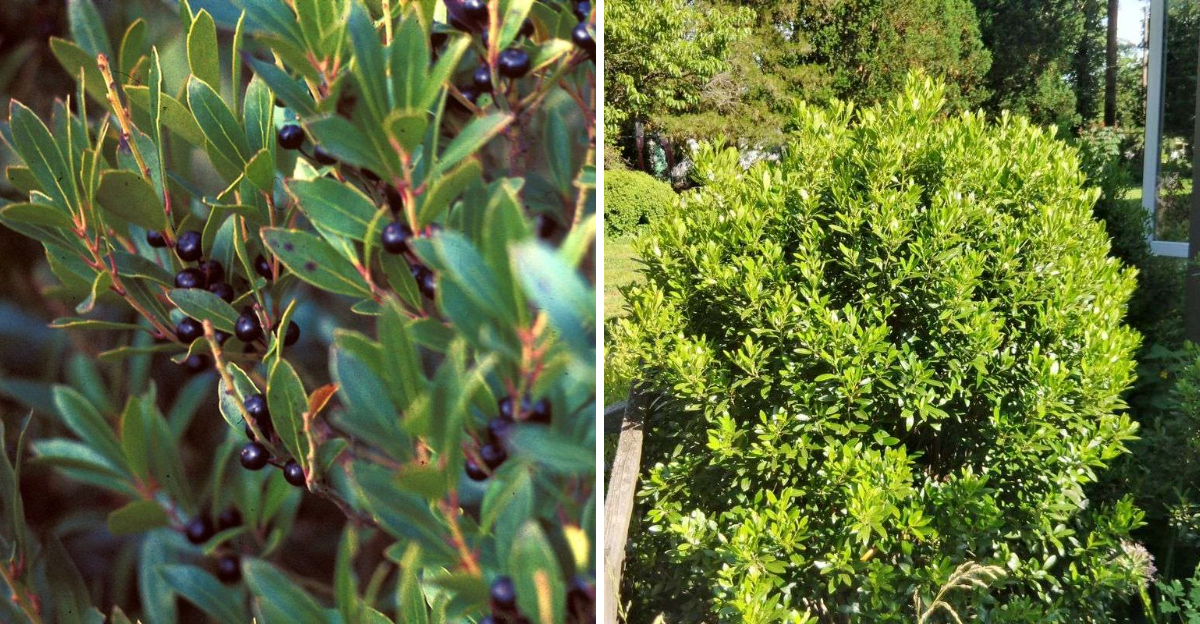
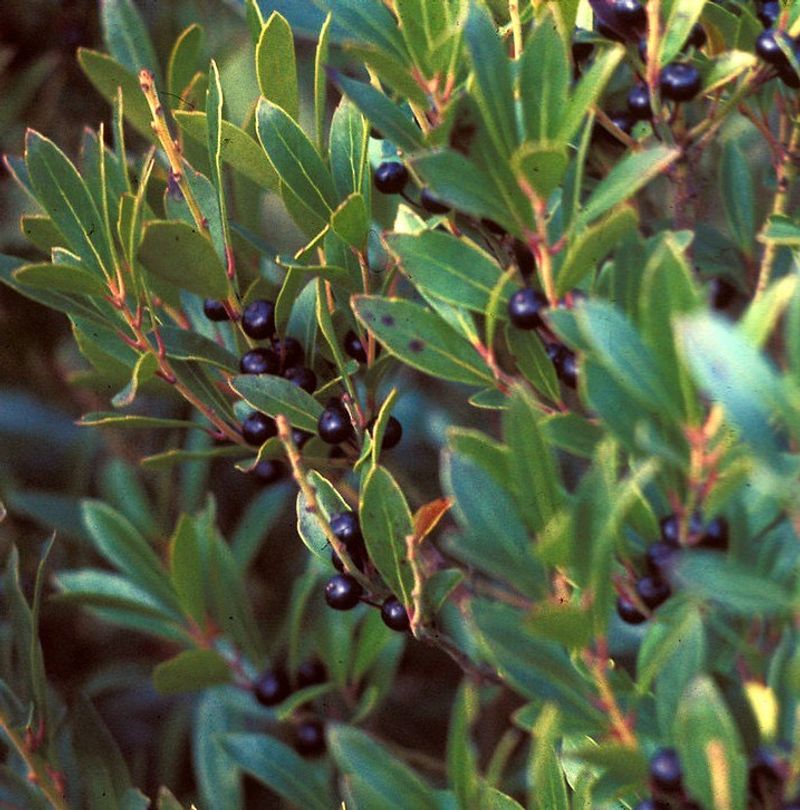
By late summer, inkberry starts putting on a show that lasts well into winter. Small, round, dark berries develop in clusters along the stems, turning a deep blue-black as they ripen.
Against the green foliage, they create a striking contrast that looks intentional even in a naturalistic planting.
Birds are the biggest fans of inkberry fruit. Species like cedar waxwings, bluebirds, and various thrushes feed on the berries during fall and winter migration.
Planting inkberry near a window gives you a front-row seat to that activity without any extra effort.
The berries are not edible for people, and they can cause stomach upset if eaten in quantity. Keeping that in mind is worth it if young children play near the planting area.
The plant is clearly labeled as potentially toxic to humans in most horticultural references.
Female plants produce the berries, and a nearby male plant is needed for pollination. Planting at least one male inkberry within a reasonable distance of your female plants improves berry production noticeably.
Nurseries that sell inkberry often stock both, so ask when purchasing.
Fall interest is something many native shrubs lack, which makes inkberry stand out.
Combining it with native grasses or late-blooming perennials creates a layered fall display that supports wildlife while keeping the garden looking structured and purposeful through the cooler months.