The Leafy Greens Arizona Gardeners Can Start Planting In September
September opens the door to a different kind of vegetable garden after months of intense summer conditions. This is when you can start thinking beyond heat lovers and make room for leafy greens.
Cooling weather does not arrive everywhere at once, so planting time still depends on where you garden. Arizona’s low desert stays much warmer than higher areas, making local timing especially important.
Some greens can get started while days still feel surprisingly hot. Others perform better when temperatures settle down and the soil begins losing some summer warmth.
Check your local conditions before filling every open bed with seeds.
Getting the timing right gives young plants a much better start as the season changes.
Your fall garden can begin taking shape now, with plenty of fresh growth still ahead.
1. Leaf Lettuce Gets A Fresh Start In September
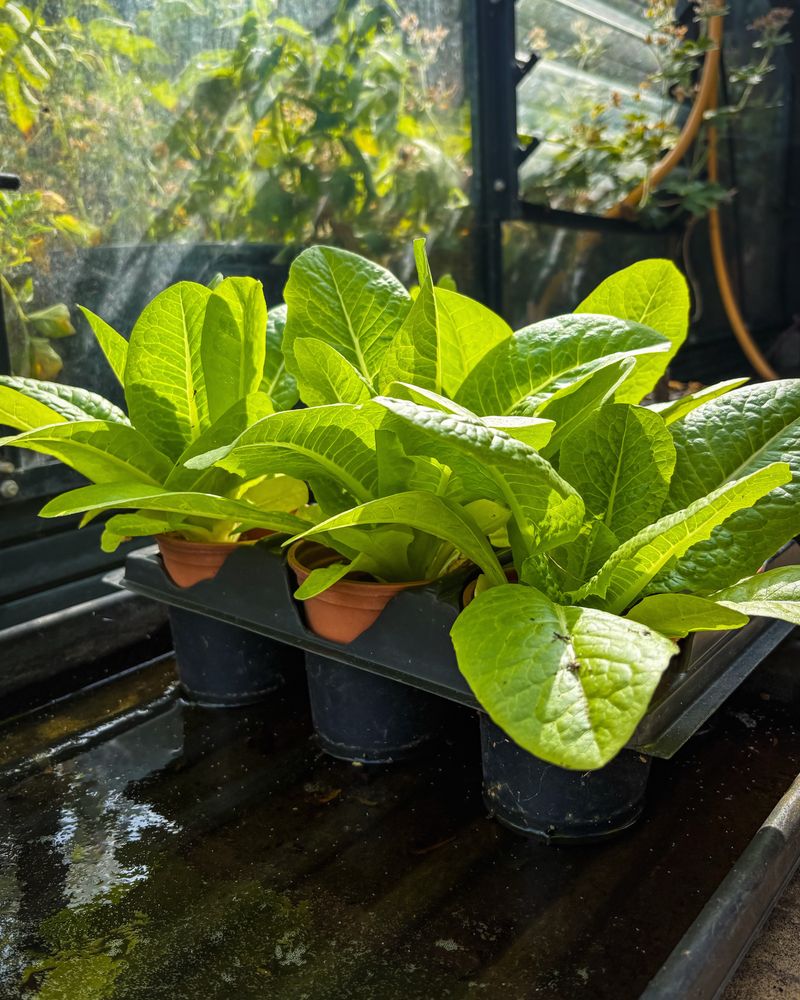
Leaf lettuce is one of the fastest crops you can grow in a fall garden. Seeds sprout quickly, and you can start harvesting outer leaves in as little as 30 days.
That kind of speed is hard to beat when you want results fast.
Unlike head lettuce, leaf varieties do not need to fully mature before you eat them. Just snip a few outer leaves at a time and let the plant keep growing.
Varieties like Black Seeded Simpson, Red Sails, and Oak Leaf all perform well in cooler fall conditions.
Plant seeds about a quarter inch deep and keep the soil moist until germination. Once seedlings appear, thin them to about six inches apart.
Crowded plants tend to struggle, so giving them space pays off.
Leaf lettuce prefers temperatures between 45 and 75 degrees Fahrenheit. Fall conditions in the Low Desert fit that range well through October and November.
If a warm spell hits, light shade cloth can help protect the plants.
Water consistently but avoid soaking the soil. Lettuce roots are shallow, so even moisture matters more than deep watering.
A simple drip system or hand watering every couple of days usually works fine.
2. Head Lettuce Fits Into The Early Fall Garden
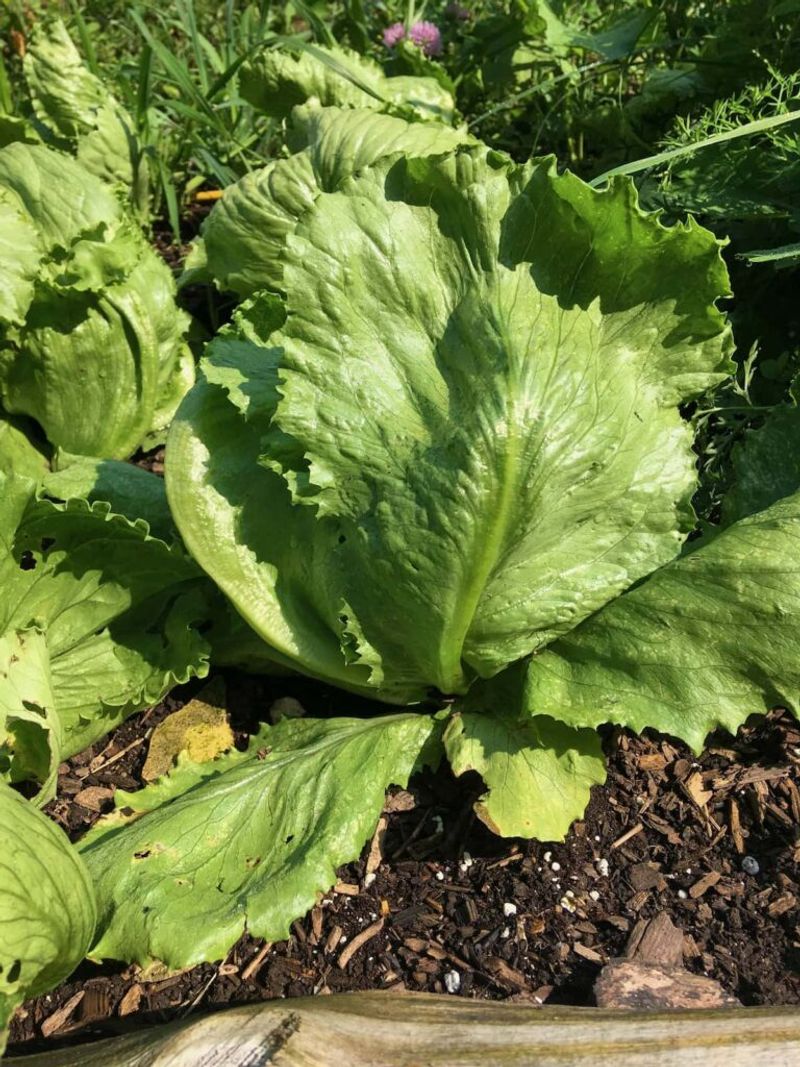
Head lettuce takes a bit more patience than leaf types, but the payoff is worth it. Varieties like Butterhead, Romaine, and Iceberg are all solid choices for a fall planting in the desert Southwest.
Start seeds indoors in late August or direct sow in early September. Transplants tend to establish faster when daytime temperatures are still warm.
Aim to get plants in the ground before mid-September for the best results.
Head lettuce needs consistent moisture and well-draining soil. Sandy desert soils benefit from added compost, which helps hold water without becoming waterlogged.
Work in a couple inches of compost before planting.
Spacing matters a lot with head varieties. Give each plant at least ten to twelve inches of room so heads can form properly.
Tight spacing leads to smaller, looser heads that may bolt early.
Fertilize lightly with a balanced vegetable fertilizer about two to three weeks after transplanting. Avoid heavy nitrogen applications, which can cause leafy growth but poor head formation.
Your Arizona Garden Changes Every Week. Your Plan Should Too.
Gardening in Arizona changes quickly throughout the season. Every Friday you’ll receive a simple weekly plan showing exactly what to plant, prune, fertilize, harvest, and protect so you never miss the right timing.
Keep feeding light and steady rather than heavy all at once.
Heads are usually ready to harvest in 70 to 80 days. Check firmness by pressing gently on the top of the plant.
3. Spinach Prefers The Cooler Weather Ahead
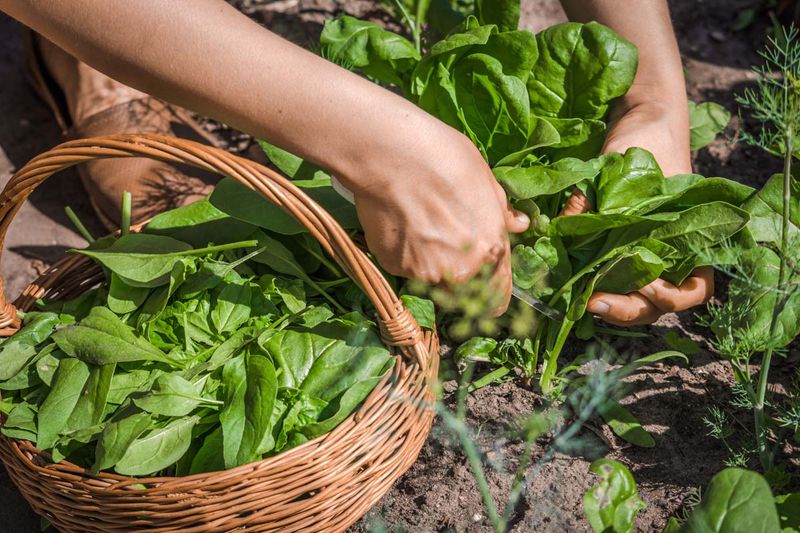
Spinach is a cool-season green that genuinely thrives once summer heat fades. Planting in September sets it up to grow through some of the nicest weather the fall season offers.
Savoy types like Bloomsdale have crinkled leaves and good disease resistance. Smooth-leaf varieties like Space or Tyee are easier to wash and work well in salads.
Both types perform reliably in fall gardens across the Low Desert region.
Sow seeds about half an inch deep and keep rows about twelve inches apart. Spinach germinates best when soil temperatures are between 50 and 70 degrees.
If the soil is still warm from summer, wait a week or two before seeding.
Consistent watering is key. Spinach has shallow roots and dries out faster than deeper-rooted crops.
Check the soil every day or two and water when the top inch feels dry.
Side-dress with a nitrogen-rich fertilizer about three weeks after seedlings emerge. Spinach is a heavy feeder and responds well to extra nitrogen.
Yellowing lower leaves often signal that the plant needs more nutrients.
Harvest outer leaves once plants reach four to six inches tall. Spinach keeps producing new growth from the center as long as temperatures stay cool.
4. Kale Is Ready For The Fall Growing Season
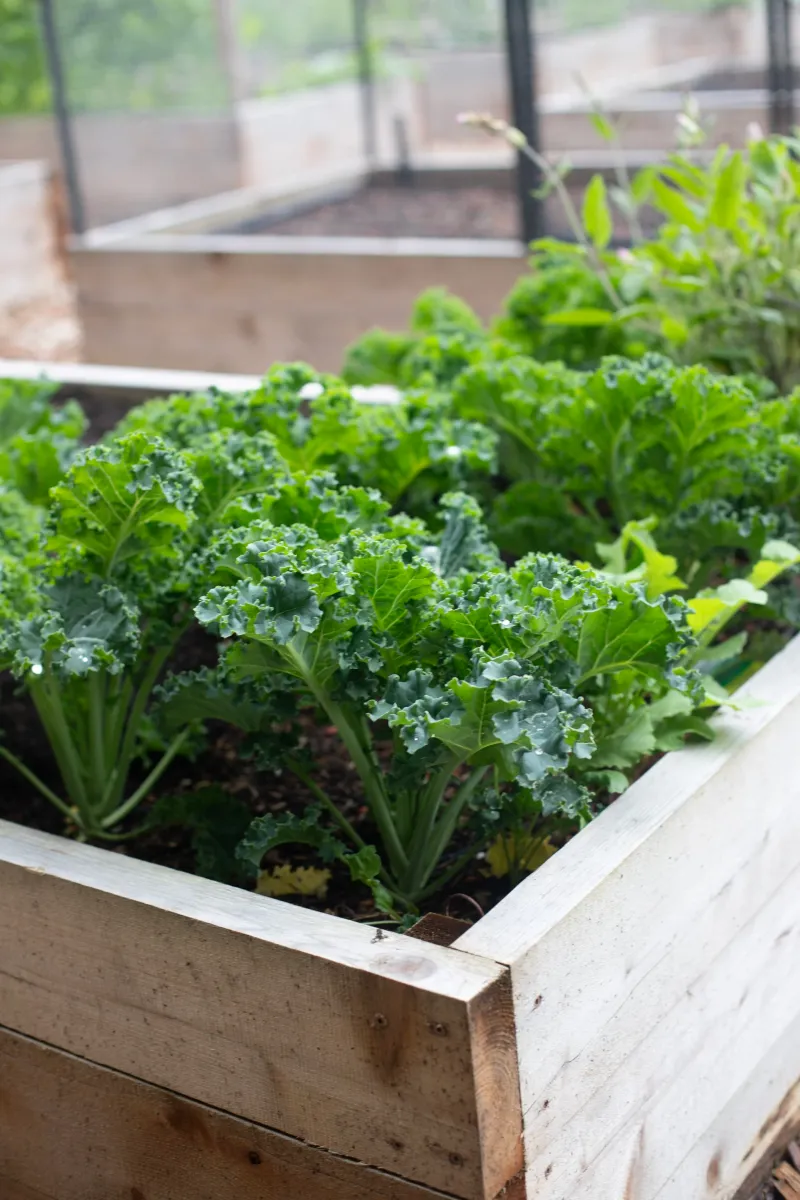
Kale is one of the toughest leafy greens you can grow in a fall garden. Once established, it handles cool nights and mild frosts without much trouble at all.
Lacinato kale, also called Dinosaur kale, is a popular choice for its flat, dark leaves and rich flavor. Curly kale varieties like Winterbor or Redbor also grow well in fall conditions.
Both types mature in roughly 55 to 75 days from transplant.
Start seeds indoors three to four weeks before you plan to transplant. Or direct sow in early September and thin seedlings to about twelve inches apart.
Kale grows large, so generous spacing helps it reach full size.
Well-draining soil with added compost gives kale the nutrients it needs to grow strong. Fertilize every three to four weeks with a balanced vegetable fertilizer.
Avoid over-fertilizing with nitrogen, which can make leaves bitter.
Water deeply but let the top inch of soil dry between sessions. Kale roots go deeper than lettuce, so it handles short dry spells better.
Still, steady moisture leads to the most tender leaves.
Harvest from the bottom up, leaving the growing tip intact. Kale keeps producing new leaves from the center throughout the season.
5. Swiss Chard Keeps Producing As Temperatures Cool
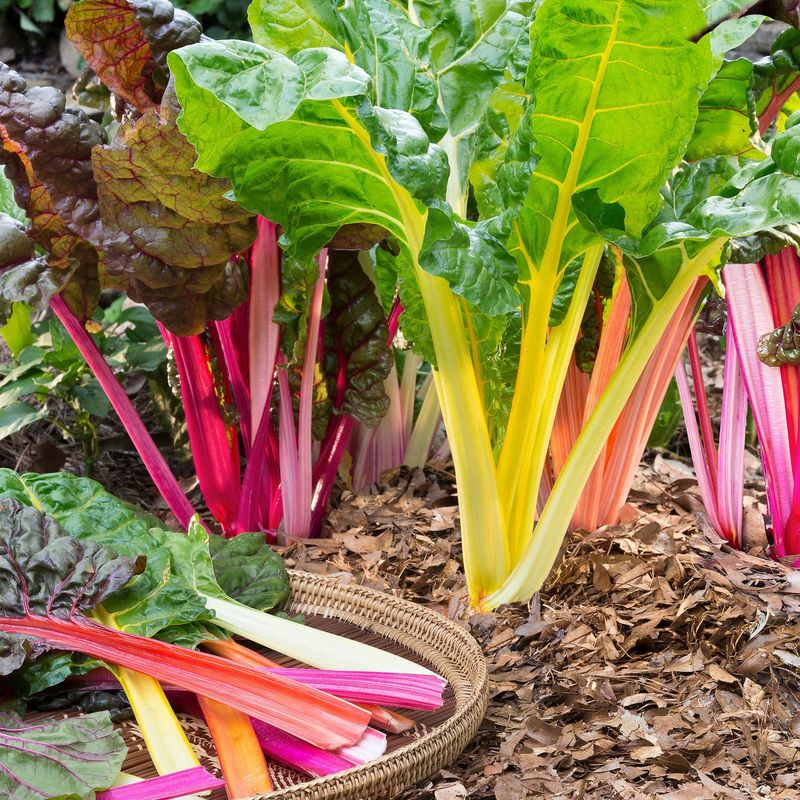
Swiss chard is one of the most reliable producers in a fall garden. Plant it once, and it keeps delivering fresh leaves for weeks with very little fuss.
Rainbow chard is especially popular because of its bright red, yellow, orange, and white stems. It looks great in a garden bed and tastes just as good as it looks.
Fordhook Giant is another solid option with broader, more traditional green leaves.
Chard tolerates a wider temperature range than most leafy greens. It handles both lingering warmth in early fall and cooler nights as winter approaches.
That flexibility makes it a great choice for gardeners who want a low-stress crop.
Direct sow seeds about half an inch deep in early to mid-September. Thin plants to about nine to twelve inches apart once seedlings reach two inches tall.
Crowded chard tends to produce smaller leaves over time.
Water regularly and fertilize every three to four weeks. Chard responds well to consistent feeding, especially as the season progresses.
Leaves stay tender and flavorful when the plant gets steady nutrients and water.
Harvest outer stalks at the base once plants are six to eight inches tall. Leave the inner leaves to keep the plant growing strong through the season.
6. Mustard Greens Grow Quickly From Seed
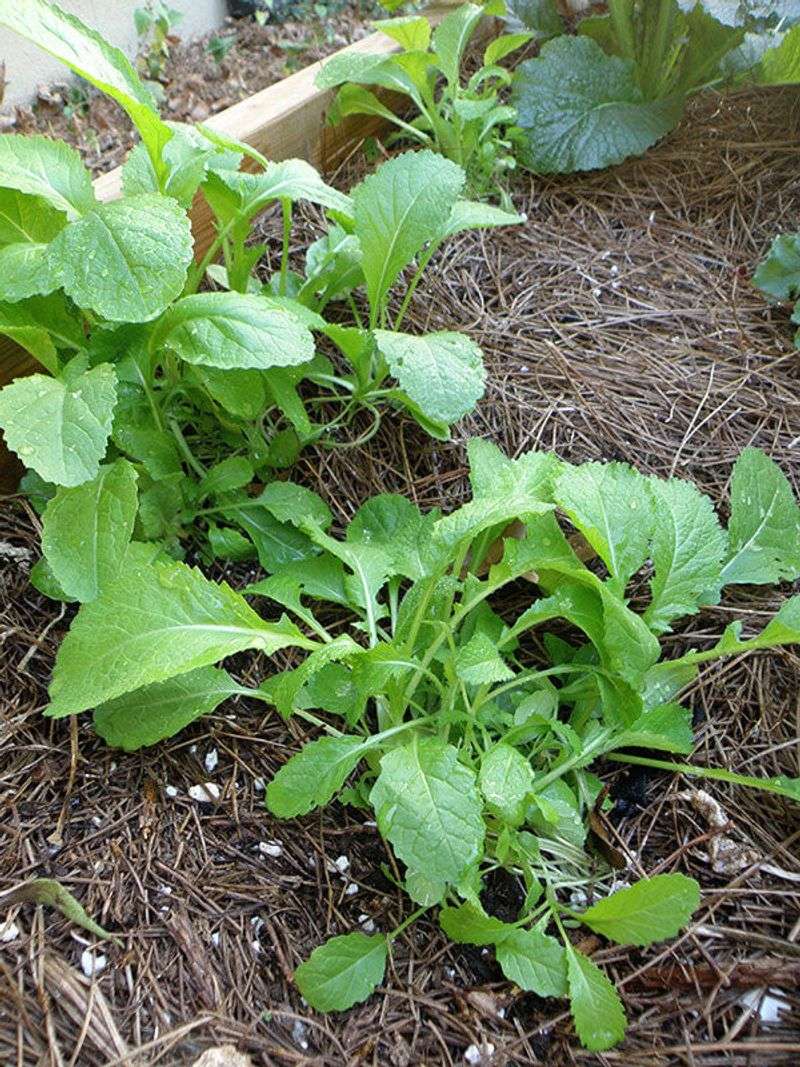
Few greens move from seed to table as fast as mustard. Under good conditions, you can be harvesting baby leaves in as little as 25 to 30 days after planting.
Southern Giant Curled and Red Giant are two popular varieties with strong flavor and good heat tolerance. Both grow quickly and produce large, ruffled leaves that work well in salads or cooked dishes.
Flavor gets sharper and spicier as the plants mature.
Sow seeds directly in the garden bed about a quarter inch deep. Space rows about twelve inches apart and thin seedlings to six inches once they are established.
Mustard greens do not transplant as easily as some other crops, so direct sowing is usually the better approach.
Soil does not need to be overly rich, but adding compost helps with moisture retention. Water consistently, especially in the first two weeks while seeds are germinating.
Dry soil during germination slows sprouting and can reduce the stand of plants.
Fertilize lightly once plants are three to four inches tall. Avoid heavy applications, which can push leafy growth that turns bitter quickly.
Light, steady feeding keeps flavor balanced.
Harvest young leaves for the mildest taste. Older leaves carry more heat and work better when cooked rather than eaten raw.
7. Collard Greens Handle Cooler Fall Weather Well
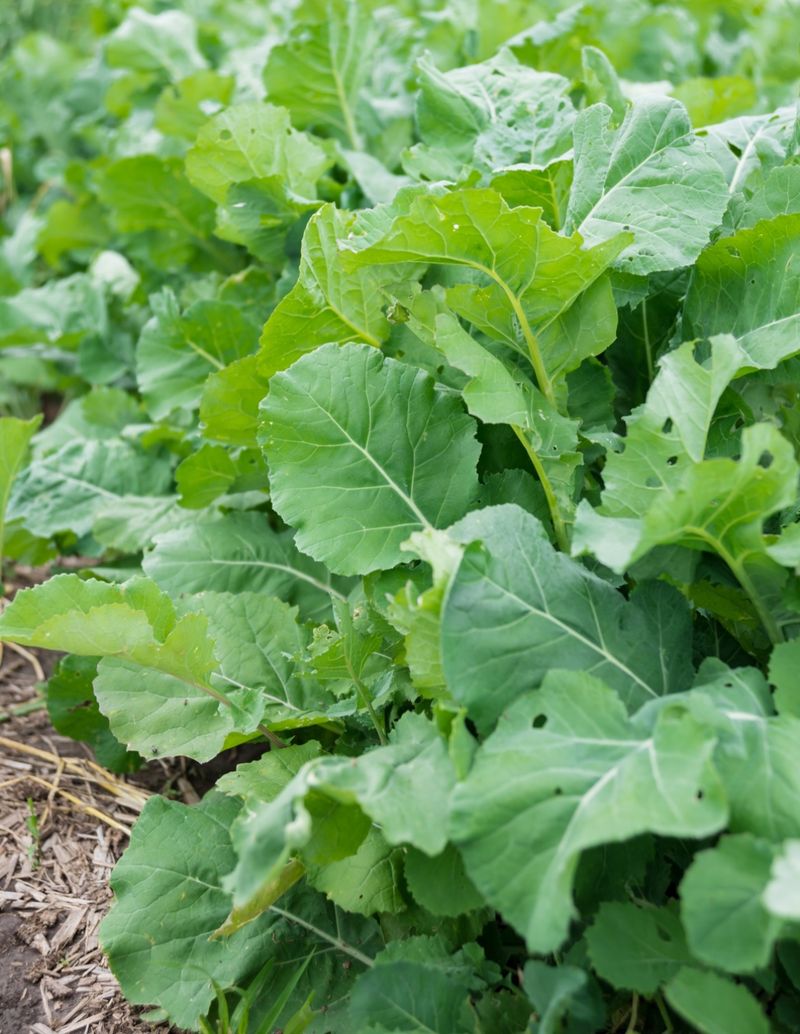
Collard greens are built for cooler weather, and fall is exactly when they hit their stride. A light frost can actually improve flavor by converting some of the starches into sugars.
Georgia Southern and Champion are two widely grown varieties that perform well in fall gardens. Both produce large, flat leaves on sturdy stems and mature in roughly 60 to 80 days.
Collards are hearty plants that rarely need much attention once established.
Start seeds indoors three to four weeks early or direct sow in September. Transplants should be spaced about eighteen inches apart to give the large leaves room to develop.
Collards grow bigger than most other greens, so generous spacing matters.
Work compost into the soil before planting to improve drainage and nutrient content. Collards are moderate feeders and benefit from fertilizing every three to four weeks.
A balanced granular fertilizer works well throughout the season.
Water deeply and let soil dry slightly between sessions. Overwatering can lead to root problems, especially in heavier soils.
Consistent but not excessive moisture keeps plants healthy through fall.
Harvest outer leaves regularly to encourage new growth from the center. Collards can produce fresh leaves well into winter in mild climates like those found in Arizona’s Low Desert.
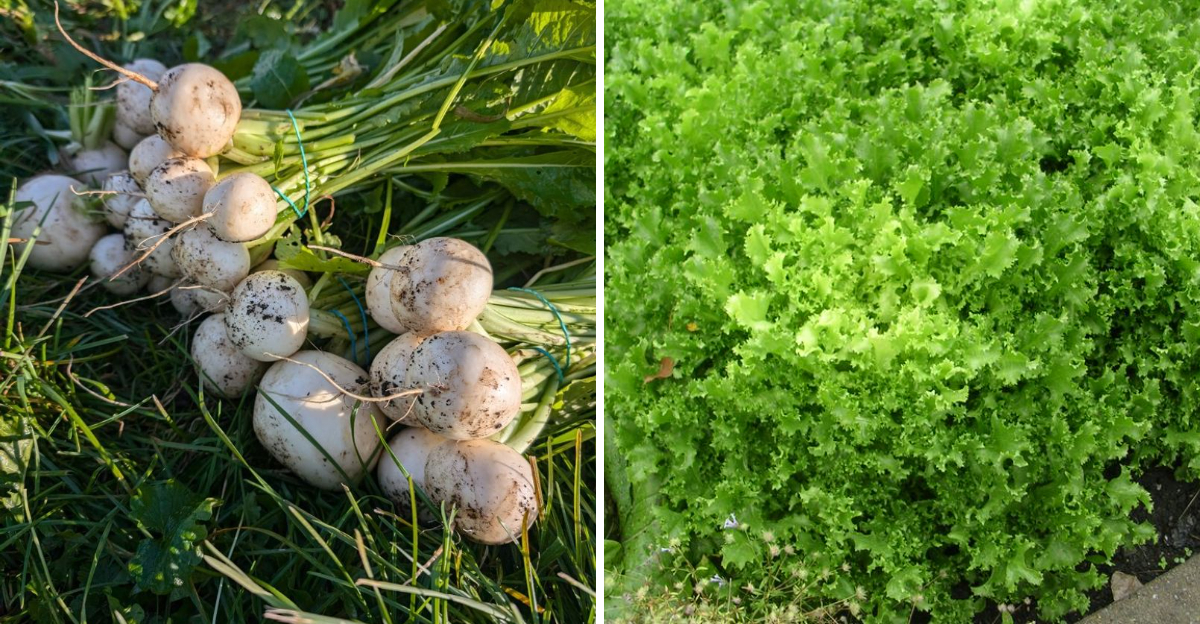
8. Turnip Greens Give You Fresh Leaves And Edible Roots
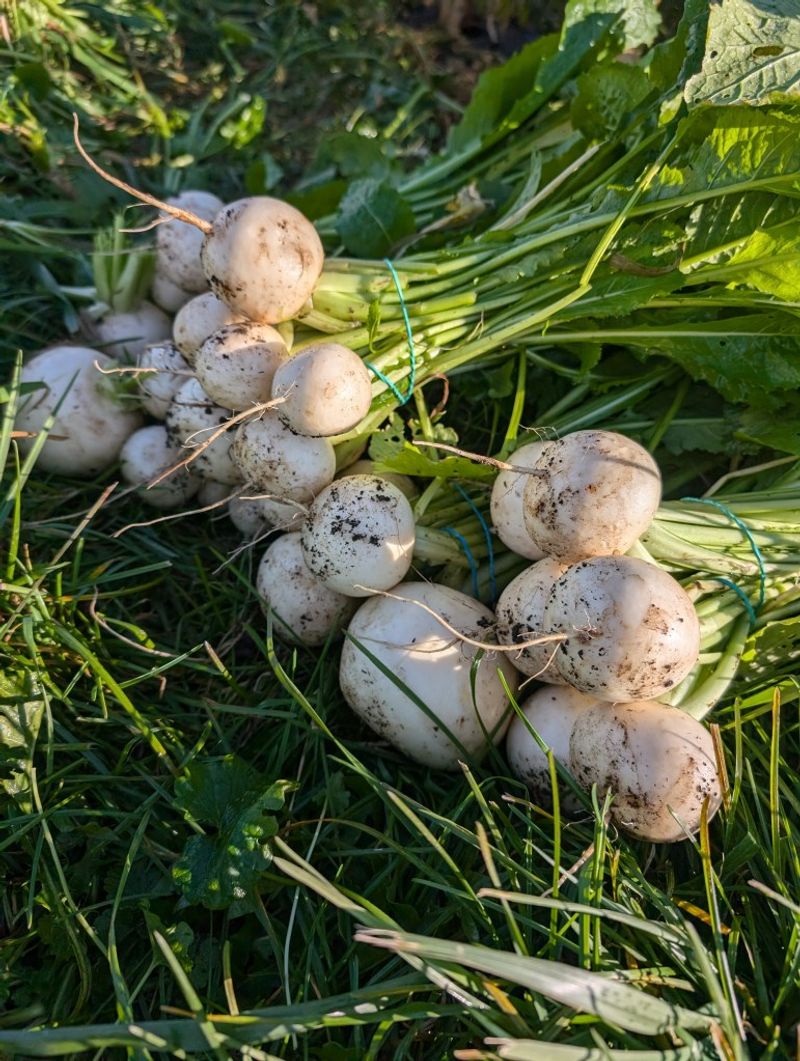
Turnips are a two-for-one crop that many gardeners overlook. Plant one seed and you get both edible greens from the top and a tasty root from below.
Purple Top White Globe is one of the most common varieties and does well in fall gardens. Seven Top is grown specifically for its greens rather than the root.
Both are easy to grow from seed and mature relatively quickly in cool conditions.
Direct sow seeds about a quarter inch deep in early September. Space rows twelve inches apart and thin plants to four to six inches once seedlings emerge.
Crowded turnips produce smaller roots and weaker greens overall.
Turnips prefer loose, well-draining soil. Rocky or compacted soil causes roots to fork or grow unevenly.
Loosening the bed at least eight to ten inches deep before planting helps a lot.
Water steadily and avoid letting the soil dry out completely. Inconsistent moisture leads to tough, woody roots that are less enjoyable to eat.
Even watering produces the best quality from both the tops and the roots.
Greens can be harvested when plants are six to eight inches tall. Roots are typically ready in 40 to 60 days, depending on the variety and growing conditions.
Pull roots before they get too large, as oversized turnips tend to lose quality.
9. Endive Gives Fall Gardens Another Leafy Choice
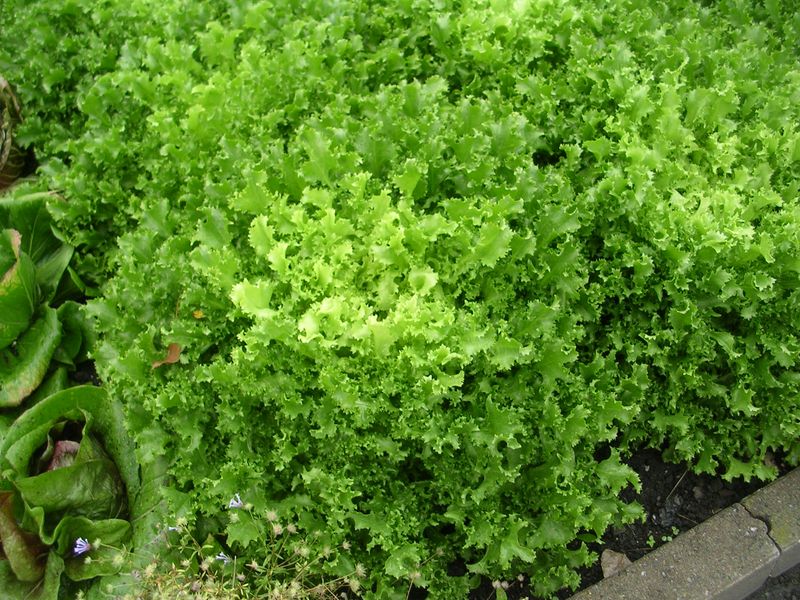
Endive does not get nearly as much attention as lettuce or spinach, but it earns its place in a fall garden. It is crisp, slightly bitter, and holds up well in both salads and cooked dishes.
Two main types are worth knowing: curly endive, sometimes called frisee, and broad-leaf endive, also called escarole. Curly types have frilly, lacy leaves with a stronger bite.
Escarole has wider, softer leaves and a milder flavor that many people find more approachable.
Sow seeds about a quarter inch deep in September. Thin plants to ten to twelve inches apart once seedlings are established.
Endive needs decent spacing to form full, attractive heads.
Well-amended soil with good drainage gives endive the best chance to thrive. Add compost before planting to improve both soil structure and moisture retention.
Endive is not overly demanding, but it does appreciate consistent care.
Water regularly and fertilize every three to four weeks with a balanced fertilizer. Avoid letting soil dry out completely between waterings.
Steady moisture keeps leaves tender rather than tough or overly bitter.
Blanching the center of the plant about two weeks before harvest softens the inner leaves and reduces bitterness. Simply tie the outer leaves loosely over the center to block light.
This simple step makes a noticeable difference in flavor.