The Native Oregon Groundcovers That Stay Green Under Evergreen Trees
The bare patch of ground beneath a large Douglas-fir or western red cedar is one of those garden challenges that quietly defeats a lot of well-intentioned planting attempts. You put something in, it struggles, you try again with something else, same result.
Dense shade, serious root competition, and soil that dries out dramatically by midsummer create a combination that most plants simply cannot handle long term. The good news is that Oregon’s own native woodlands have already solved this problem.
Plants that evolved right alongside these trees know exactly how to work with those conditions rather than against them, and several of them hold their foliage through the colder months too, which means the ground layer stays covered and interesting year round.
That said, conditions beneath evergreen conifers vary quite a bit, and matching the right plant to your specific spot still matters considerably.
1. Cascade Oregon Grape Handles Woodland Shade
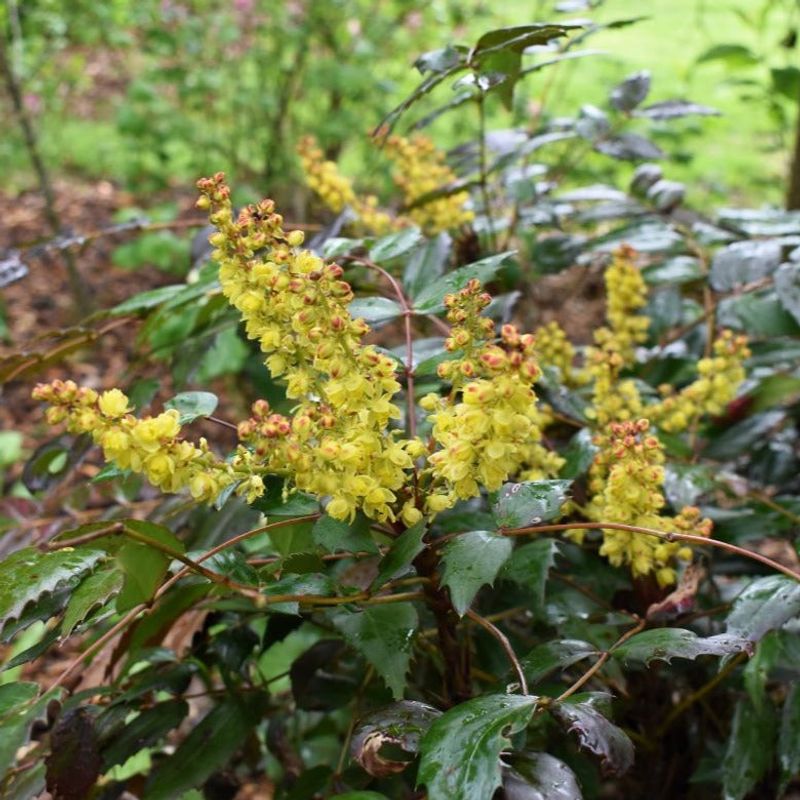
Walking through a mature Douglas-fir forest in Oregon, you have likely spotted the stiff, holly-like leaves of Cascade Oregon grape growing in the understory without anyone planting or watering it.
That natural toughness is exactly why Mahonia nervosa earns a place in shaded gardens.
It is an evergreen native shrub that can function as a relatively tall groundcover, typically reaching one to two feet in height, and it spreads slowly over time to form loose colonies.
Beneath conifers, Cascade Oregon grape performs well in part to full shade, making it one of the more shade-tolerant choices on this list.
Its compound leaves stay attached through winter, though they can take on reddish or bronze tones during colder months before returning to deep green in spring.
Bright yellow flower clusters appear in late winter to early spring, followed by blue-purple berries that attract birds and other wildlife.
Soil moisture and root competition still influence how well it establishes. Sites where tree roots have thoroughly dried out the soil may slow early growth, so some supplemental watering during the first couple of summers can help new plants settle in.
Once established, Cascade Oregon grape shows reasonable tolerance for the dry summer conditions that are common beneath dense conifer canopies.
Because it grows taller than a flat mat, it works best where some vertical presence in the ground layer is acceptable. Spacing plants about three feet apart gives each one room to fill in gradually without crowding.
2. Creeping Oregon Grape Suits Lighter Tree Shade
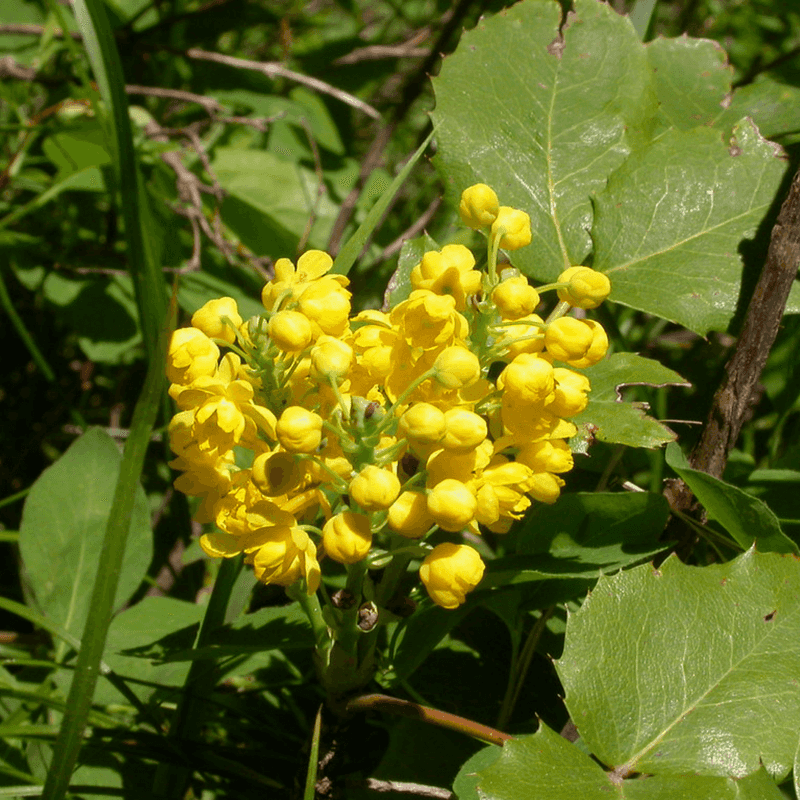
At the sunnier edges of an evergreen canopy, where filtered light still reaches the ground, Mahonia repens finds its footing more comfortably than many other native groundcovers.
Creeping Oregon grape grows lower to the ground than its relative Cascade Oregon grape, typically staying under one foot tall, and it spreads by underground stems to gradually cover open areas over several years.
Current guidance from Oregon State University places Mahonia repens in sun to partial shade rather than deep shade.
That distinction matters for gardeners hoping to tuck it directly beneath the densest part of a conifer canopy, because it may struggle where light is very limited.
Your Oregon Garden Changes Every Week. Your Plan Should Too.
Gardening in Oregon changes quickly throughout the season. Every Friday you’ll receive a simple weekly plan showing exactly what to plant, prune, fertilize, harvest, and protect so you never miss the right timing.
The edges of an evergreen planting, transition zones between full sun and heavy shade, or spots where the canopy thins naturally tend to suit it better than the darkest interior positions.
One appealing quality of this plant is what happens to its foliage in winter. The leaves, which stay attached year-round, can shift toward bronze, reddish, or purple tones during cold weather before greening up again in spring.
That seasonal color change adds visual interest without sacrificing the evergreen coverage the plant provides. Clusters of small yellow flowers appear in spring, and blue berries follow later in the season.
Because Mahonia repens tolerates relatively dry conditions once established, it can be a practical option for drier, sunlit edges where summer soil moisture drops.
Giving plants enough light and reasonable drainage tends to produce the most reliable results in Oregon landscapes.
3. Twinflower Creates A Low Evergreen Forest Mat
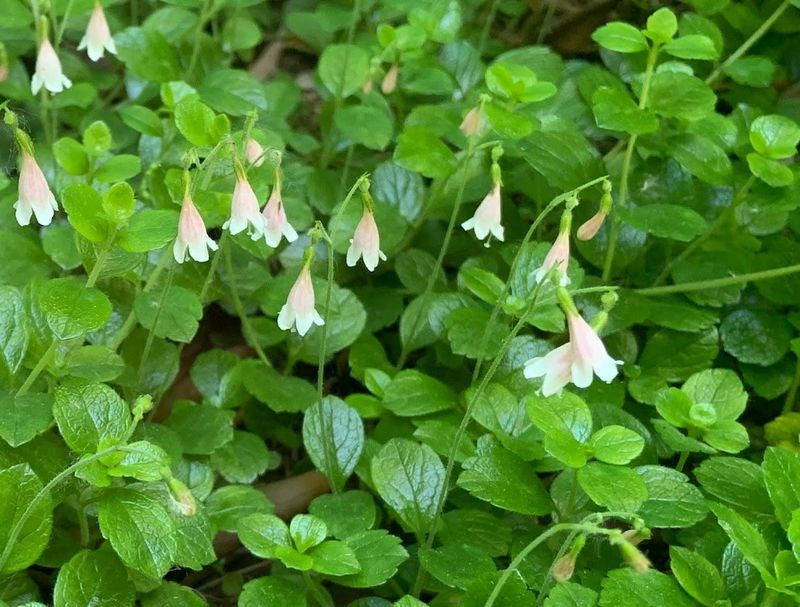
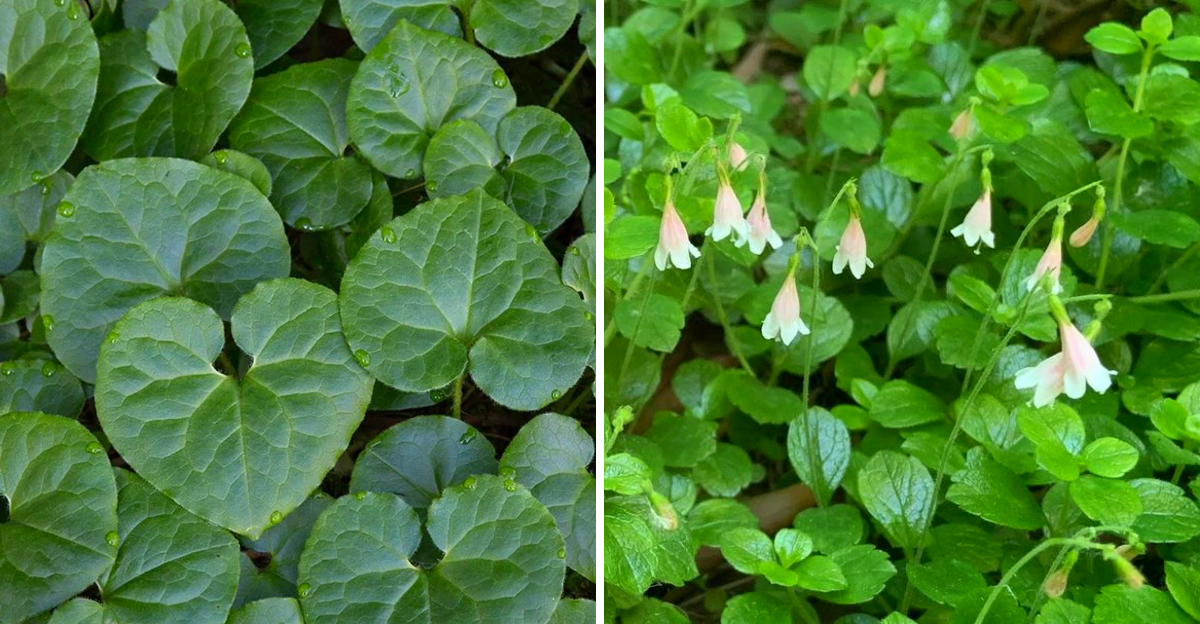
Few plants match the quiet charm of twinflower spreading quietly across a shaded forest floor, its tiny paired pink blooms nodding above a dense carpet of small, round leaves.
Linnaea borealis is genuinely one of the best native matches for the headline of this article, because it naturally lives on the floors of coniferous forests throughout the Pacific Northwest, including Oregon, and it holds its small evergreen leaves through winter.
Twinflower is a trailing, mat-forming plant that stays very close to the ground, rarely rising more than a few inches above the soil surface. It spreads by slender runners that root as they travel, gradually filling in shaded areas with a low, dense layer of foliage.
In Oregon’s conifer understories, it grows in association with species like Douglas-fir and western hemlock, which gives it a natural affinity for the conditions those trees create.
Moisture preferences lean toward the moderate to moist side. Twinflower tends to perform better where woodland soil retains some moisture rather than in sites that become extremely dry during summers.
If the ground beneath a particular tree dries out severely by midsummer, twinflower may struggle to establish well without supplemental water during its first seasons.
The paired, nodding flowers that appear in early summer are small but genuinely pretty, and they carry a light fragrance. Twinflower can be a slow establisher in garden conditions, so patience is helpful.
Once it finds its footing in a suitable shaded site, its spreading habit makes it a reliable low mat beneath conifers.
4. Western Wild Ginger Prefers Moist Evergreen Shade
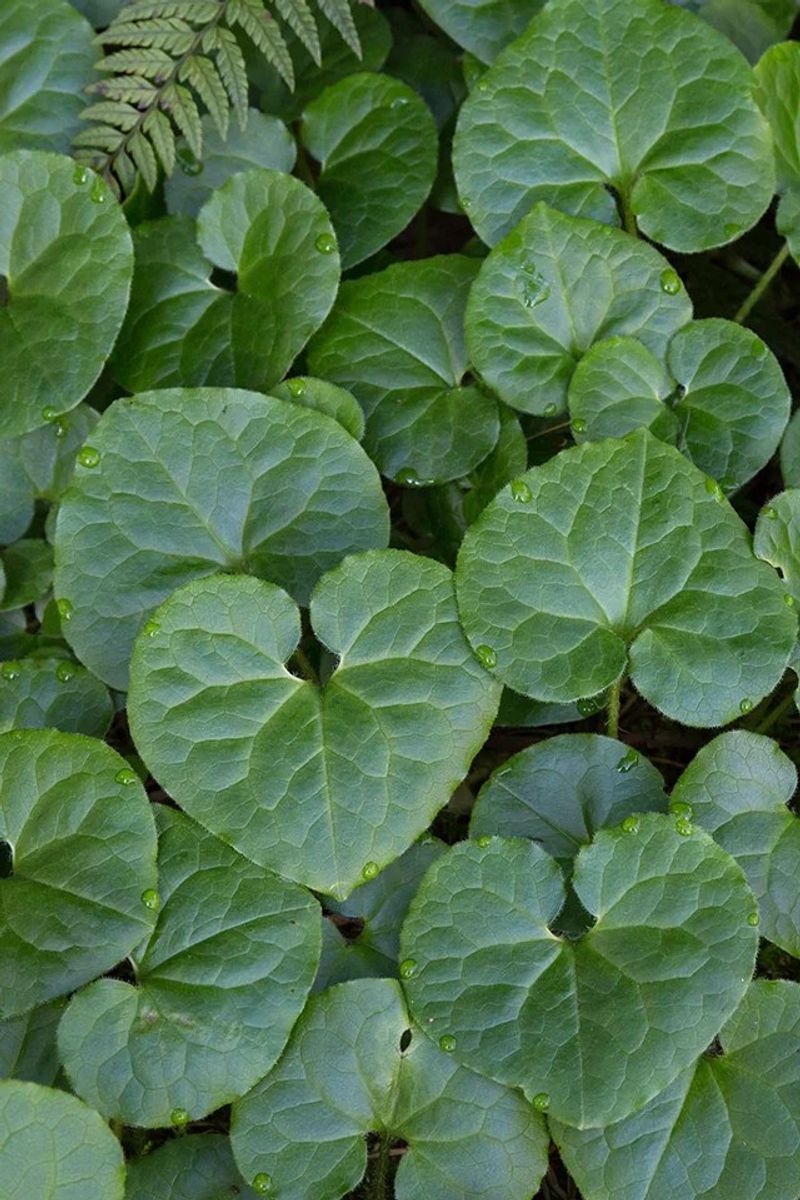
Broad, heart-shaped leaves overlapping one another in a shaded woodland pocket give western wild ginger a lush, almost tropical appearance that can feel surprising in an Oregon forest.
Asarum caudatum is a native evergreen groundcover that spreads by rhizomes to form dense patches on the shaded woodland floor, making it one of the more visually striking low-growing options for the right site.
The right site, however, is an important phrase with this plant. Western wild ginger performs best where the soil stays reasonably moist and is rich in organic material.
It is not among the most drought-tolerant choices on this list, and it may struggle beneath evergreen trees where summer soil moisture drops very low or where dense root competition leaves little available water.
Moist, sheltered spots beneath Oregon conifers, particularly where leaf litter builds up and the soil retains some humidity, tend to suit it well.
Its leaves are held close to the ground, typically reaching about six inches in height, which makes it a genuinely low groundcover rather than a taller shrubby plant.
The foliage stays evergreen through winters, though it may look a bit tired by late winter before fresh growth appears in spring.
Small, brownish-purple flowers hide beneath the leaves near the soil in spring, rarely noticed but botanically interesting.
Gardeners who can offer Asarum caudatum a shaded spot with decent moisture and organically rich soil are often rewarded with a spreading, weed-suppressing layer that fills in steadily over several growing seasons.
5. Deer Fern Adds Greenery To Moist Shade
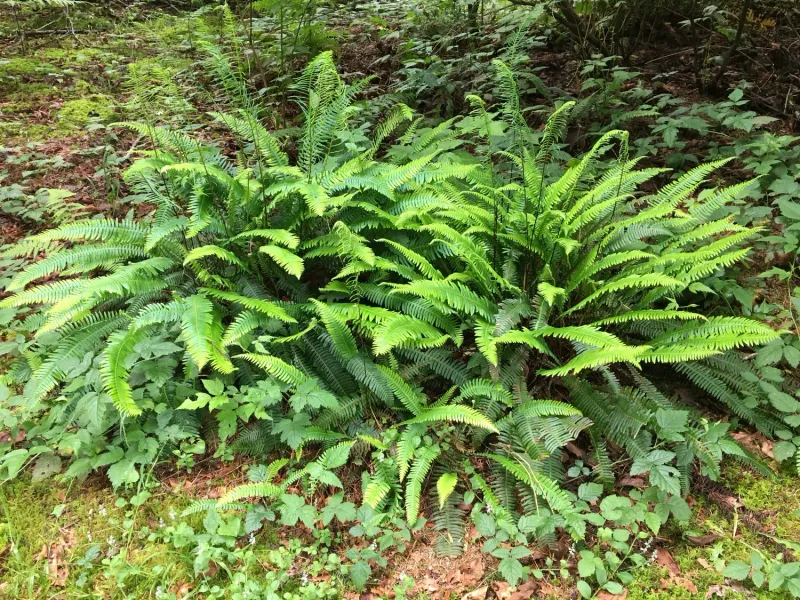
Glossy, deep green fronds that stay attached and looking fresh through winter make deer fern one of the more reliable evergreen plants for moist, shaded sites beneath conifers.
Struthiopteris spicant, also found in older references under the name Blechnum spicant, is a native Pacific Northwest fern with a distinctive two-frond structure that sets it apart from other forest ferns.
The plant produces two different types of fronds. Sterile fronds spread outward in a low, arching rosette and stay green through the colder months, providing the evergreen coverage that makes this fern useful as a ground-layer plant.
Fertile fronds rise more upright from the center of the plant, carrying spore structures along their undersides.
Together, they give deer fern a layered, textural look that can complement other woodland plants or stand on its own beneath taller trees.
Deer fern grows as individual crowns or clumps rather than spreading quickly to form a solid carpet. It is not a fast colonizer, which means spacing plants thoughtfully and expecting gradual coverage rather than quick fill-in.
In Oregon woodland gardens, planting several individuals together at appropriate spacing tends to produce a more unified look over time.
Moisture is genuinely important for this fern. It suits shaded sites where the soil stays consistently moist rather than drying out significantly in summer.
Spots near seasonal streams, low-lying woodland pockets, or north-facing slopes beneath Oregon evergreens often provide the conditions deer fern needs to grow steadily and hold its foliage reliably through winter.
6. Sword Fern Fills Taller Areas Of Dry Shade
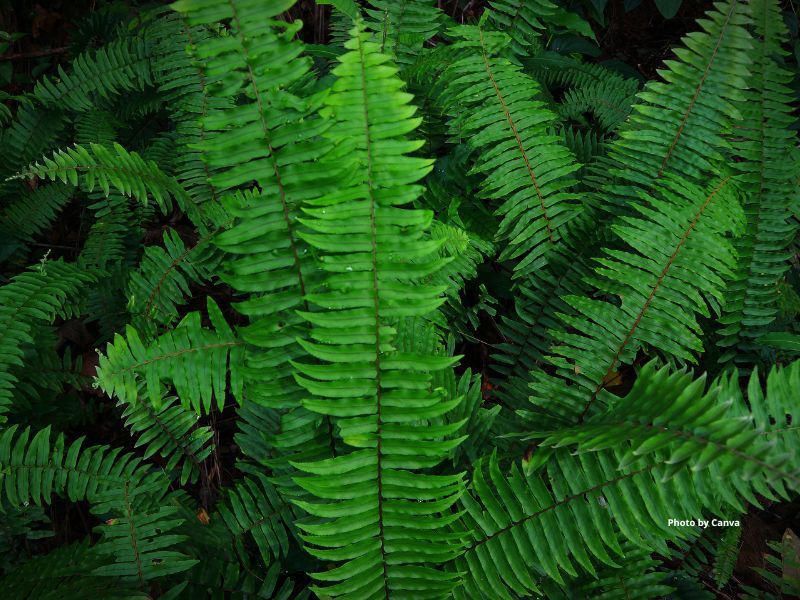
Stand beneath a mature Douglas-fir on an Oregon hillside, and there is a reasonable chance that sword fern is already doing exactly what this article recommends, growing in the dry, shaded understory without irrigation or much attention from anyone.
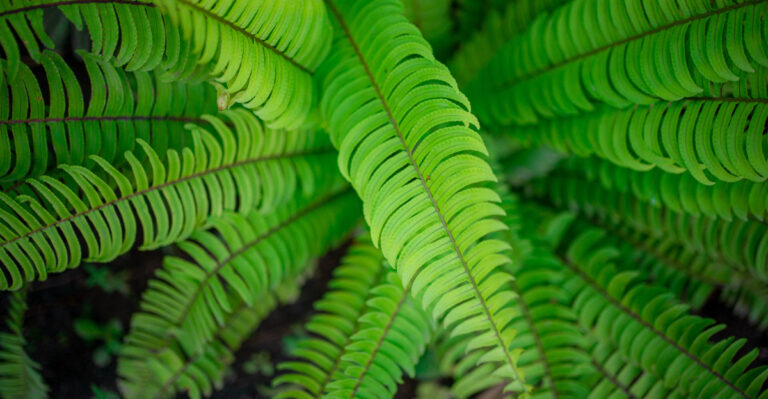
Polystichum munitum is one of the most recognizable native, and its ability to handle relatively dry shade once established makes it genuinely useful beneath large evergreen trees.
Sword fern is not a low mat or carpet-style groundcover. Its arching fronds typically reach two to four feet in length, which means it fills the lower woodland layer rather than hugging the ground closely.
That height can actually be an advantage beneath large conifers, where a taller ground layer creates a more natural-looking understory and helps suppress weeds more effectively than shorter plants might in the same space.
The fronds are evergreen, staying dark green and attached through winters under typical conditions. New growth emerges in spring with a lighter, brighter green before maturing to the deeper color that holds through the rest of the year.
The plant spreads slowly over time, and established clumps can become quite large and impressive beneath mature trees.
Dry shade tolerance is one of sword fern’s more valuable traits. After the first season or two with some supplemental watering to help roots establish, sword fern can often manage on Oregon’s natural rainfall patterns beneath dense canopies.
It suits spots where summer drought and root competition have made other planting attempts unreliable.
7. Salal Works As A Taller Evergreen Groundcover
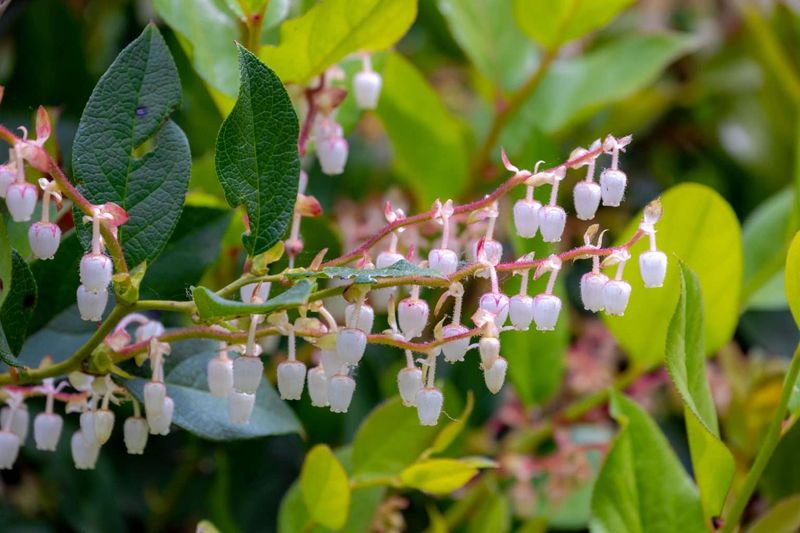
Salal is the plant that covers miles of Oregon coastal forest floor and spills out along roadsides beneath Sitka spruce and Douglas-fir, holding its glossy leaves year-round without complaint.
Gaultheria shallon is a native Oregon evergreen shrub that spreads underground by rhizomes to form dense colonies, and regional horticultural guidance consistently describes it as a taller groundcover rather than a low mat.
Taller is an important word here. Salal can grow anywhere from two to six feet in height depending on site conditions, with taller growth often occurring in favorable shaded spots.
Gardeners who expect a low, flat groundcover will be surprised by how much vertical presence salal develops over time.
Beneath large conifers where several feet of height in the ground layer is not a problem, that robust growth can actually be an asset, providing dense cover, wildlife habitat, and year-round visual structure.
Dry shade tolerance is one of salal’s most useful characteristics in Oregon landscapes.
Once established, it can handle the summer dryness that develops beneath dense conifer canopies, making it a practical choice for spots where more moisture-dependent plants struggle.
Bell-shaped pink and white flowers appear in spring, followed by dark blue-purple berries that attract birds and are edible for people as well.
Salal spreads gradually but persistently. In a large, open area beneath mature evergreens where coverage is the primary goal, that spreading habit is a genuine benefit.
Smaller, confined spaces may require occasional management to keep it from expanding beyond its intended boundaries.