Ohio Wildflowers You Should Plant Before Summer Ends (And What To Skip)
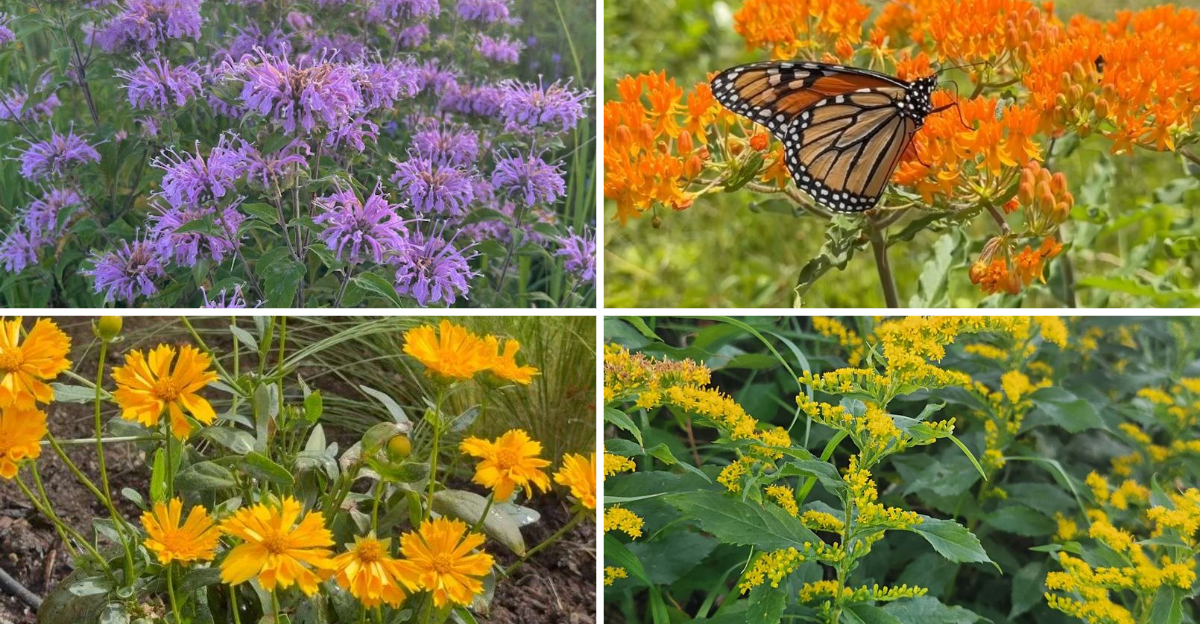
Late summer in Ohio still leaves more room than most guides admit. Nobody mentions that a few smart choices can still take hold before things cool off completely, if you move soon enough.
Certain plants settle in fine even with cooler nights creeping closer each week. Others simply won’t have enough time to establish real roots before frost shows up uninvited.
Knowing which is which saves you money, effort, and a fair amount of frustration later. It also keeps your yard looking intentional and cared for, instead of rushed and patchy.
Ohio’s weather can turn quickly once autumn starts creeping into the forecast. That shift alone changes which choices are worth your time and which ones you should quietly skip.
Most people plant on impulse and end up regretting it once October arrives. A little patience now saves you from redoing all of this later.
Purple Coneflower Welcomes Autumn Pollinators
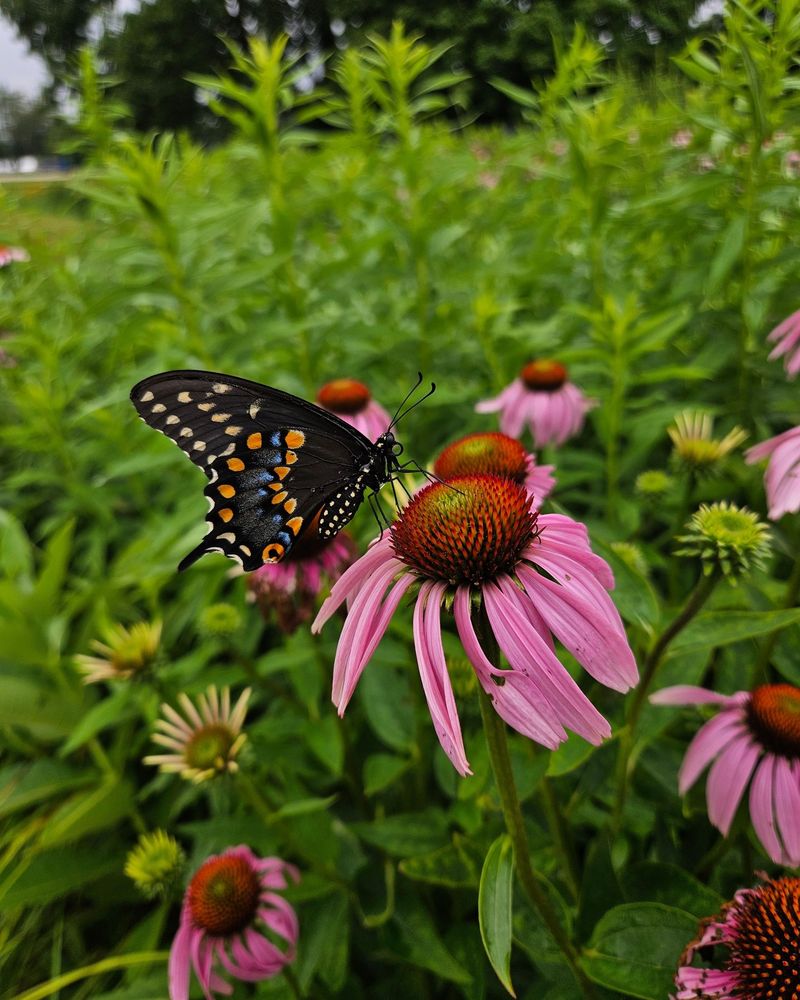
Few plants earn their keep like purple coneflower does in a late-summer garden. Bees, butterflies, and goldfinches all show up uninvited, and honestly, you will not mind one bit.
Getting this one into the ground during August gives roots six to eight weeks to settle before frost arrives. That underground head start means bigger, bolder blooms next season without much extra effort from you.
Purple coneflower, or Echinacea purpurea, is native to the eastern half of the country and thrives in Ohio’s clay-heavy soils. It handles drought well once established, easing late-summer planting.
Choose a sunny spot with decent drainage, and avoid overwatering during the first few weeks. Too much moisture at the roots can cause rot before the plant gets a chance to anchor itself properly.
Spacing matters more than most beginners realize. Give each plant about eighteen inches of room so air can circulate freely between stems.
Skip removing the spent blooms in fall. Those seed heads become a critical food source for migrating birds passing through, and they add a beautiful texture to your winter garden landscape.
By spring, your coneflowers will push up fresh growth faster than plants set out in May. Starting now gives you a genuine advantage, and pollinators will thank you every single warm afternoon through October.
Black-Eyed Susan Withstands Fading Sunlight
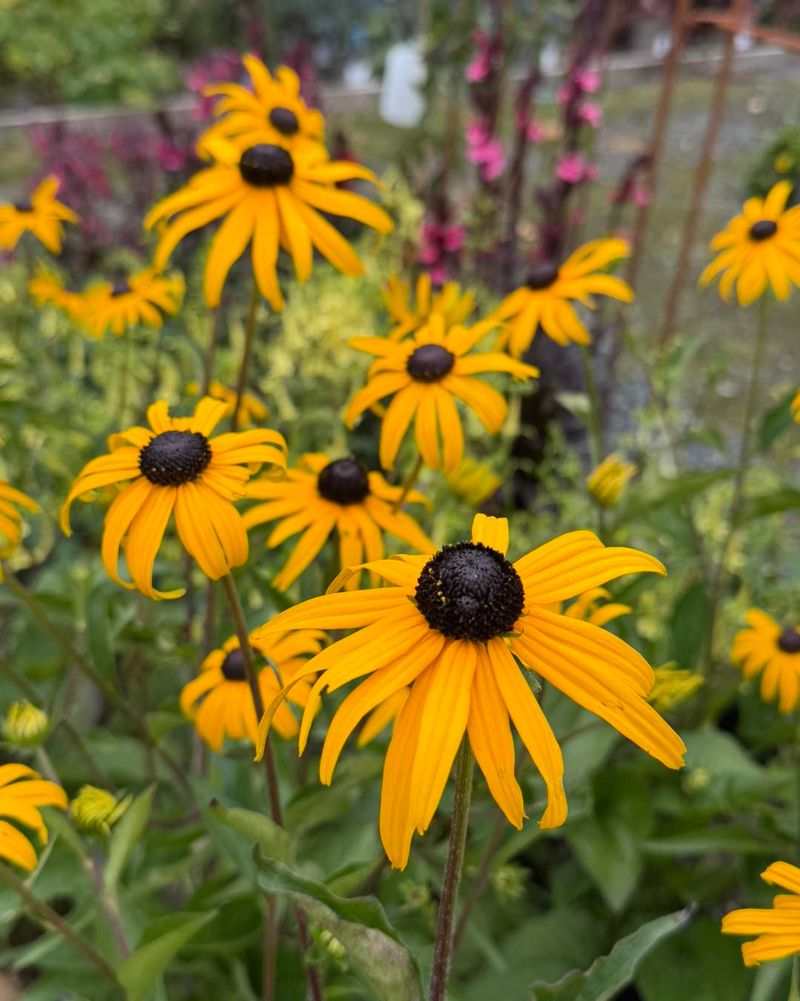
Walk past a field of Black-Eyed Susans in August and something in your chest just lifts. These cheerful yellow blooms feel like the last great hurrah of summer before the cool air takes over.
Rudbeckia hirta is tough, adaptable, and perfectly suited for late-season planting across Ohio. Even as daylight hours shrink, this plant soaks up every available ray and keeps pushing forward with stubborn optimism.
Plant transplants or established plugs now rather than direct-seeding. Seeds sown this late may not germinate reliably before temperatures drop, but young plants will root in quickly and reward you generously come next July.
Black-Eyed Susan tolerates poor soil better than almost any other native wildflower on this list. Sandy patches, compacted edges, and dry slopes are all fair game for this resilient bloomer.
Your Ohio Garden Changes Every Week. Your Plan Should Too.
Gardening in Ohio changes quickly throughout the season. Every Friday you’ll receive a simple weekly plan showing exactly what to plant, prune, fertilize, harvest, and protect so you never miss the right timing.
Water consistently for the first two weeks after planting, then back off and let the plant find its footing. Overattentive watering past that point can actually weaken the root system rather than strengthen it.
One underrated benefit of planting now is that you avoid the spring competition for garden center stock. Late summer is when nurseries discount native plants, so your wallet wins too.
By next summer, clumps of Black-Eyed Susan will spread naturally and fill gaps in your border without any coaxing. Few plants give back so generously for so little investment of time or money.
Wild Bergamot Attracts Hummingbirds Before Frost
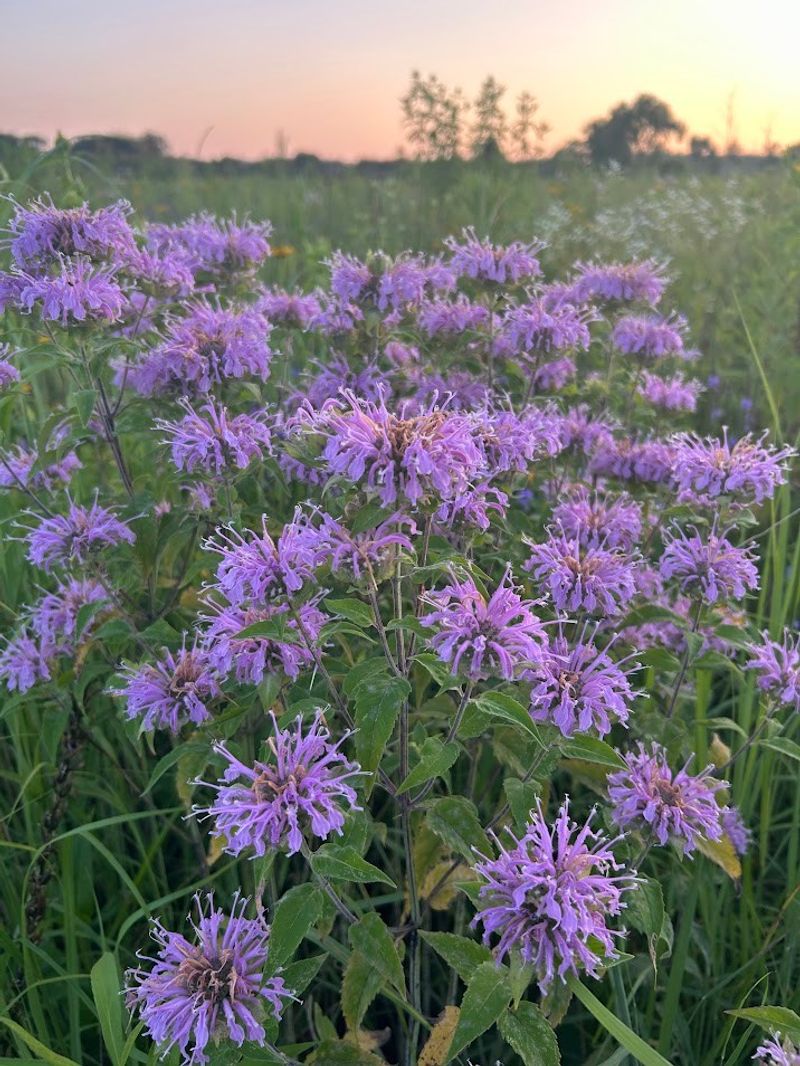
Hummingbirds are already thinking about heading south, and Wild Bergamot is one of the last flowers that makes them pause and linger. Planting it now means you catch the tail end of migration season with something truly irresistible in your yard.
Monarda fistulosa grows with a relaxed, open habit that looks naturalistic rather than fussy. It fits beautifully into cottage-style gardens, prairie patches, and even the wilder corners of a suburban backyard.
This plant prefers full sun and well-drained soil, but it adapts to partial shade without throwing a fit. Ohio gardeners in wooded lots can still enjoy its lavender-pink blooms without major adjustments to their planting plan.
Late-summer planting works well with established nursery plants, not seeds. Seeds of Wild Bergamot need cold stratification, meaning they must experience winter before they will sprout, so skip that route until fall direct-seeding season.
Pinch back any existing flower stalks on your new transplant to redirect energy toward root development. It feels counterintuitive to remove blooms, but roots built now translate directly into a stronger plant next spring.
Wild Bergamot also attracts native bees, sphinx moths, and skippers, making it one of the most ecologically productive plants you can add to any Ohio landscape. Its aromatic leaves smell faintly of oregano when brushed.
Few wildflowers deliver this much wildlife activity for this little maintenance. Plant it once and enjoy the show for many seasons ahead.
Late Rudbeckia Stretches The Blooming Calendar
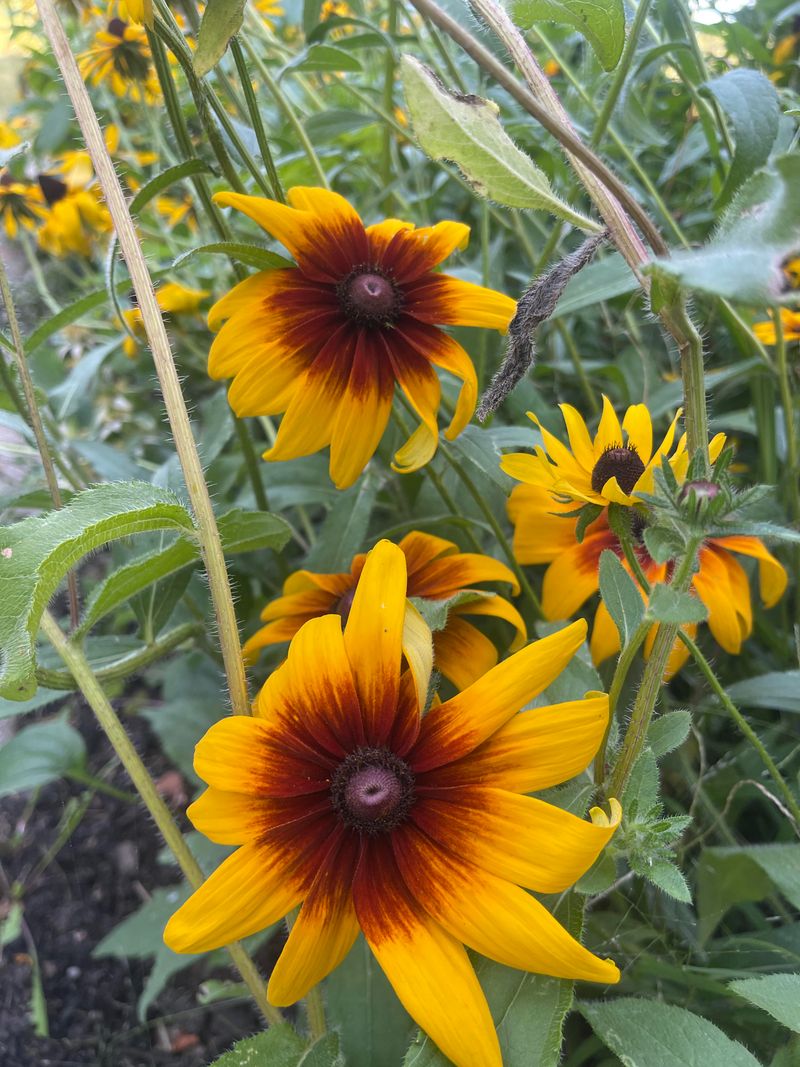
Most gardeners think of Rudbeckia as a midsummer plant, but later-blooming species hold a lesser-known trick. Rudbeckia maxima and Rudbeckia triloba push blooms well into October.
These later varieties are worth tracking down at specialty native nurseries before stock runs out in August. Mainstream garden centers rarely carry them, but the search pays off in a big, dramatic way.
Rudbeckia triloba, sometimes called three-lobed coneflower, produces hundreds of small golden flowers on branching stems up to four feet tall. The volume of blooms creates a cloud of yellow against the cooling autumn backdrop.
Plant into amended soil with some organic matter worked in at least six inches deep. Unlike its tougher cousins, late Rudbeckia benefits from a richer planting environment to fuel its extended bloom period.
Give plants plenty of breathing room, since Rudbeckia triloba branches out wide as it matures. Crowding stems together invites powdery mildew once humidity rises in early fall.
Water regularly through September if rainfall is sparse. Consistent moisture during the establishment window keeps stems strong and prevents premature leaf drop that can stress young plants.
Leave seed heads standing through winter rather than cutting them back in fall. Birds rely on those dense clusters of seeds during lean months when other food sources have disappeared from the landscape.
Adding late Rudbeckia to your beds now is one of the smartest calls you can make this season.
Butterfly Weed Powers Monarch Migration
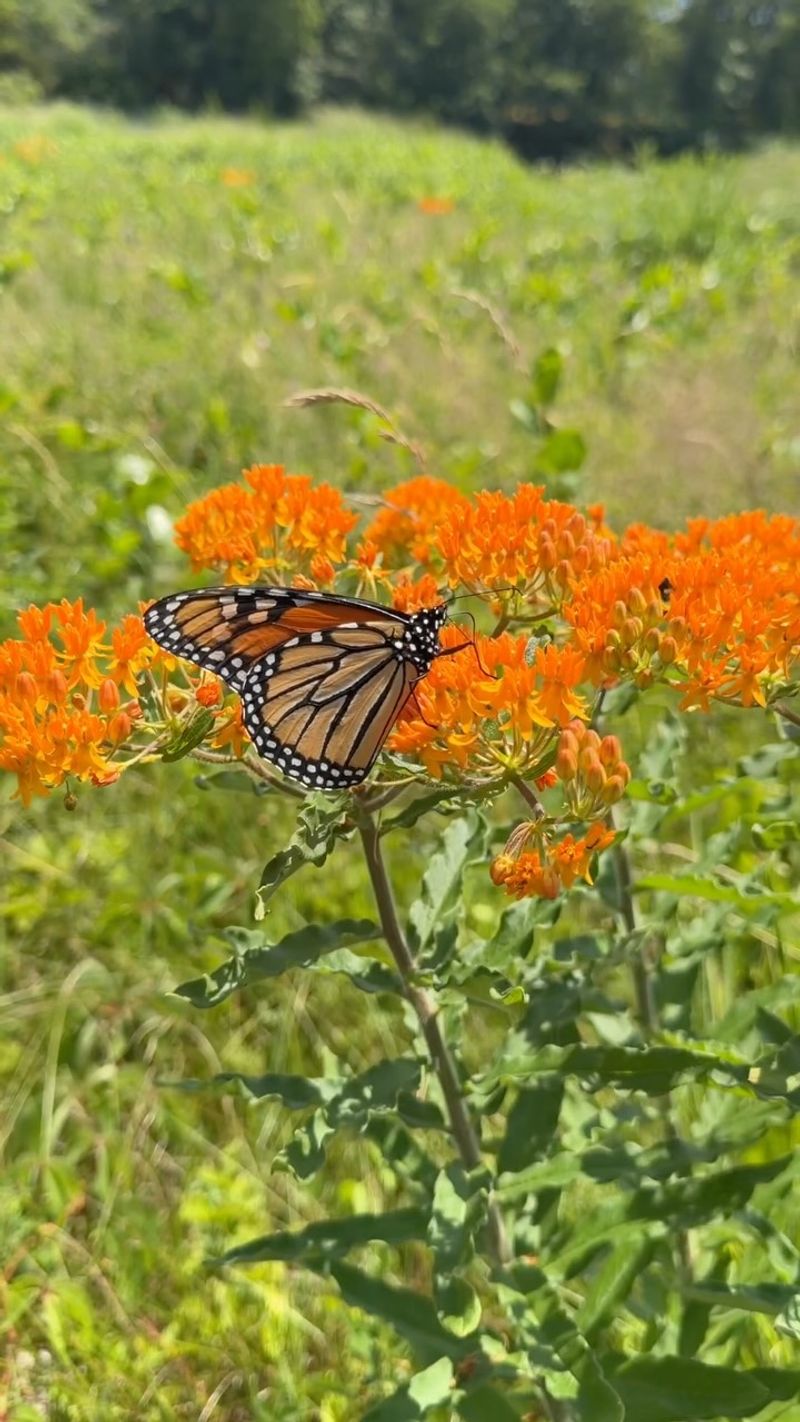
Monarch butterflies are running out of time, and so are you if Butterfly Weed is not already in your garden plan. This blazing orange native milkweed is one of the most critical plants you can add to any Ohio landscape right now.
Asclepias tuberosa is the showiest member of the milkweed family, with vivid tangerine blooms that glow in afternoon sunlight. Monarchs need milkweed to breed, and late-summer plantings can still fuel migrating adults heading south.
One important note: Butterfly Weed has a deep taproot that hates being moved once established. Choose its permanent home carefully before planting, because relocating it later rarely goes well.
Full sun and sharply drained soil are non-negotiable for this plant. Heavy clay that holds moisture will cause the taproot to rot before winter even arrives, so amend generously or build a raised bed if your soil is problematic.
Skip starting from seed this late in the season. Young transplants from a reputable native plant nursery are your best bet for late-summer success with Butterfly Weed.
Do not expect blooms this fall from a newly planted specimen. The energy going into root development now is what produces those spectacular orange flower clusters next June and July.
Patience here is genuinely rewarded. A well-established Butterfly Weed plant can live for decades and support generations of Monarchs along the way.
Coreopsis Struggles In Parched August Soil
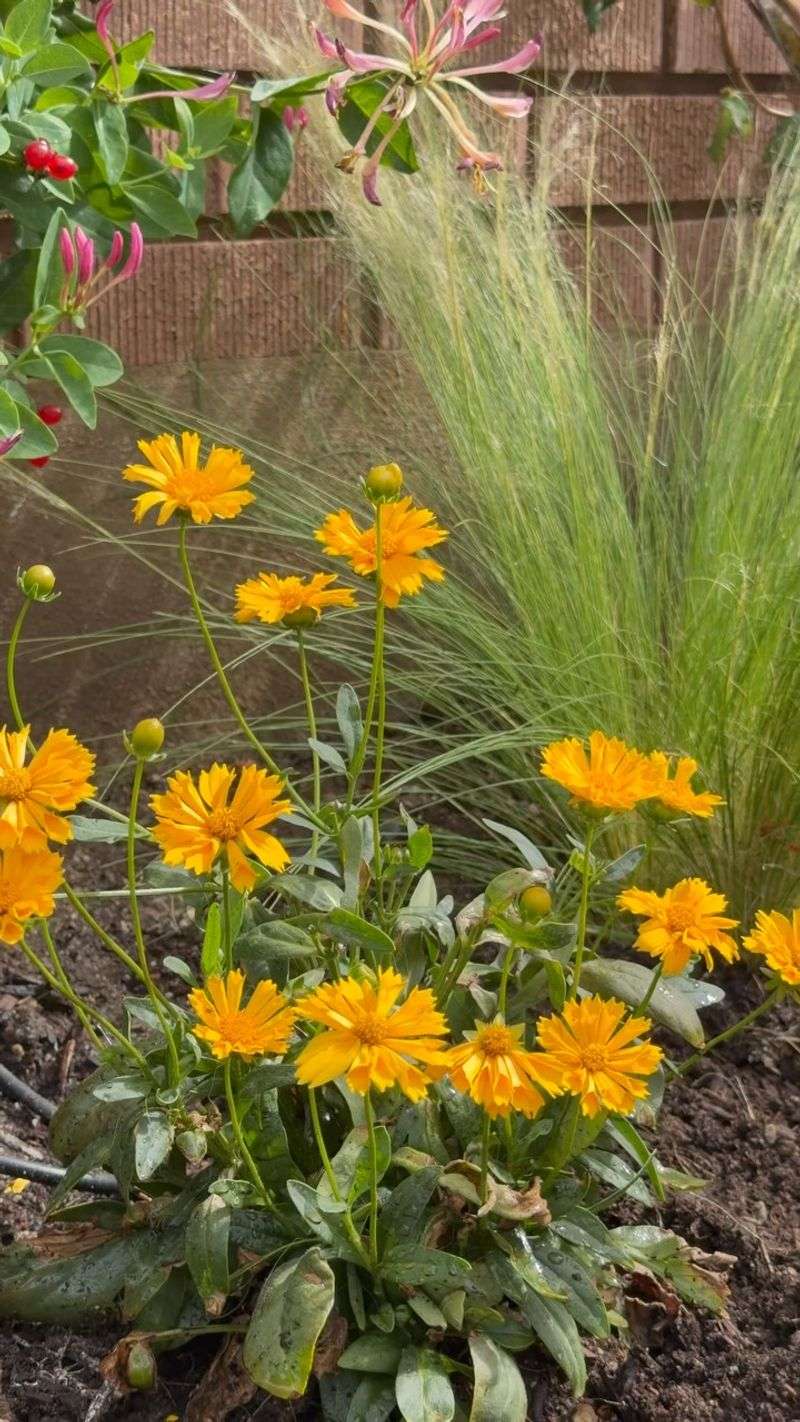
Coreopsis gets a reputation as a bulletproof wildflower, and for most of the season, that reputation is well earned. August, though, is where things get complicated for this otherwise cheerful plant.
Planting Coreopsis during Ohio’s hottest and driest weeks puts it at a significant disadvantage. The combination of heat stress and moisture-depleted soil makes root establishment nearly impossible for newly set transplants.
Even established Coreopsis plants can look ragged by mid-August after weeks without meaningful rain. Asking a brand-new plant to push roots into that same parched ground is setting it up for a very rough start.
If you are determined to plant now, choose Coreopsis lanceolata over other varieties. Its thicker root system gives it slightly more resilience during dry spells than the more delicate Coreopsis tinctoria.
Water deeply every other day for the first three weeks. Shallow watering encourages shallow roots, which makes the plant even more vulnerable to late-summer heat fluctuations.
A two-inch layer of mulch around the base helps retain soil moisture and keeps ground temperatures from spiking during afternoon heat. This single step can mean the difference between a struggling plant and one that actually pulls through.
Honestly, the smartest move with Coreopsis is waiting until early September when nights cool down and rain becomes more reliable. A few extra weeks of patience now saves months of frustration later.
New England Aster Resists Early Disturbance
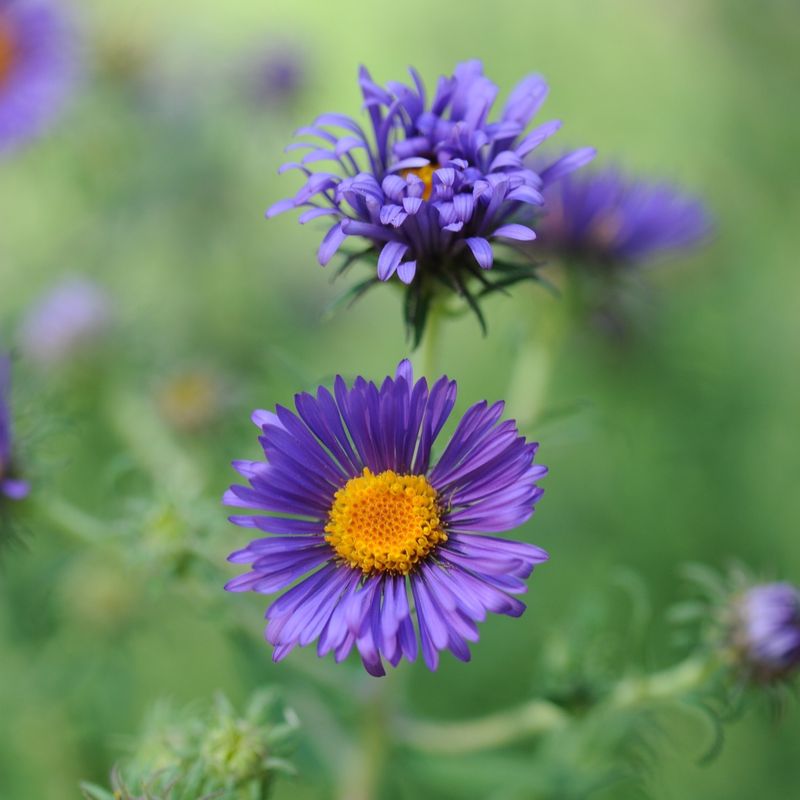
New England Aster is one of those plants that rewards gardeners who leave it alone. Disturb it too much in the early weeks after planting and it sulks dramatically, dropping leaves and stalling root growth.
Symphyotrichum novae-angliae is a powerhouse of late-season color, producing masses of purple or pink flowers from September through October. Planting it in August gives it just enough time to anchor before its natural bloom window arrives.
Choose a spot with at least six hours of direct sun daily. Shadier conditions produce leggy, floppy stems that need staking, which defeats the naturalistic appeal of this wildflower entirely.
Handle the root ball as gently as possible during transplanting. New England Aster is sensitive to root disturbance, and rough handling at planting time can set the whole establishment process back by several weeks.
Water thoroughly right after planting, then step back and resist the urge to fuss. Checking on it daily and adjusting things repeatedly is exactly the kind of interference that slows this plant down.
Expect some leaf drop in the first week or two, especially during a heat wave. That is a normal stress response, not a sign of failure, so hold your nerve and keep watering consistently.
By mid-September, those same stressed-looking stems will be covered in blooms that pollinators absolutely cannot resist. New England Aster earns every bit of the patience it demands from you.
Goldenrod Seed Needs Cooler Temperatures First
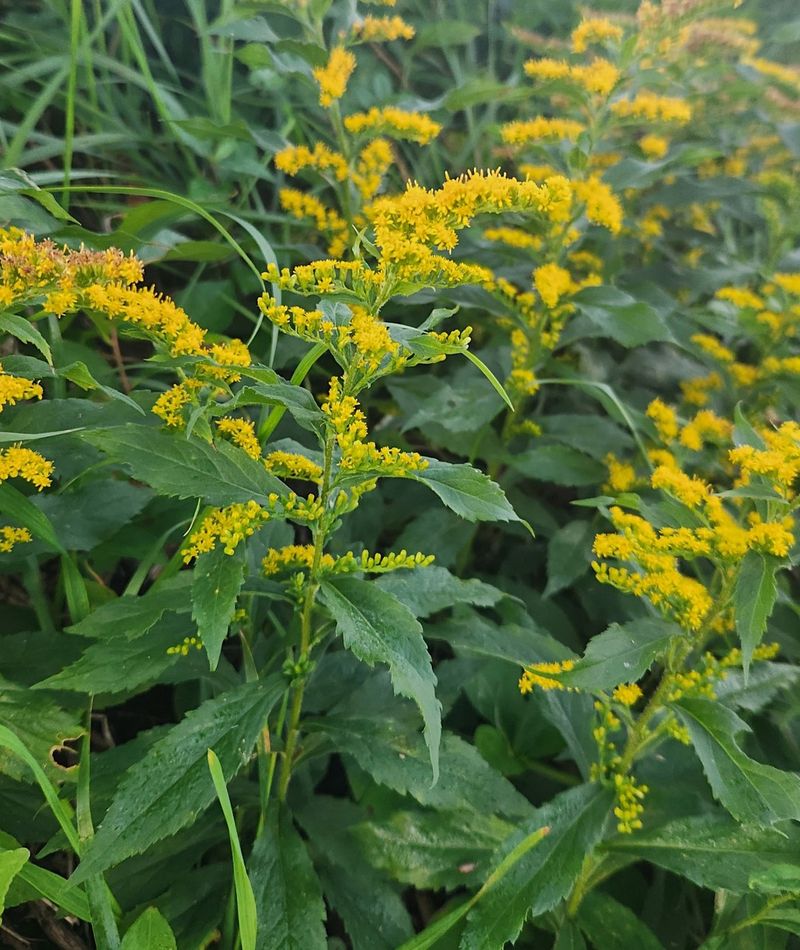
Goldenrod gets blamed for hay fever it did not cause, and that injustice has kept it out of far too many Ohio gardens for far too long. Its pollen is heavy and insect-carried, not airborne, so sneezes are not its fault.
Here is the catch with Goldenrod and late-summer planting: the seeds simply do not cooperate with warm soil. Solidago species need cold stratification before germination, so seeds sown in August heat will sit dormant and likely rot before spring.
Skip direct seeding Goldenrod until late October or November when soil temperatures drop naturally. Letting nature handle the cold stratification process through winter is far more reliable than any indoor refrigerator trick.
If you want Goldenrod in your garden this season, seek out potted transplants from a native plant sale or nursery. Established plants skip the seed germination problem entirely and settle in well during late summer with consistent watering.
Solidago rugosa and Solidago speciosa are two Ohio wildflowers worth prioritizing. Both bloom later than common Goldenrod and extend the season beautifully into October when most other plants have already faded.
Give transplants a sunny location and avoid fertilizing at planting time. Extra nitrogen pushes leafy growth at the expense of the root development that actually matters most right now.
Goldenrod anchors a strong pollinator garden, drawing dozens of native bee species along the way. Plant it right, and it will pay dividends for years ahead.