Why You’re Suddenly Hearing More Owls Around Ohio Homes This Fall
Something is out there in the dark, and it is not shy about it.
One minute you are winding down on the porch on a cool October night, leaves skittering across the driveway, and the next a low, eerie sound drifts out of the trees like it has been waiting for just the right moment.
The dog’s head goes up. You go completely still. Is that a hoot? A whinny? Something in between?
Ohio fall nights have a way of getting genuinely mysterious once the temperatures drop and the leaves come down, and a lot of families across the state are noticing the same thing right now.
The good news is that there are real, fascinating explanations behind all of it. Grab something warm to drink and let’s figure out exactly what is calling from your backyard.
1. Owl Families Are Splitting Up For The Season
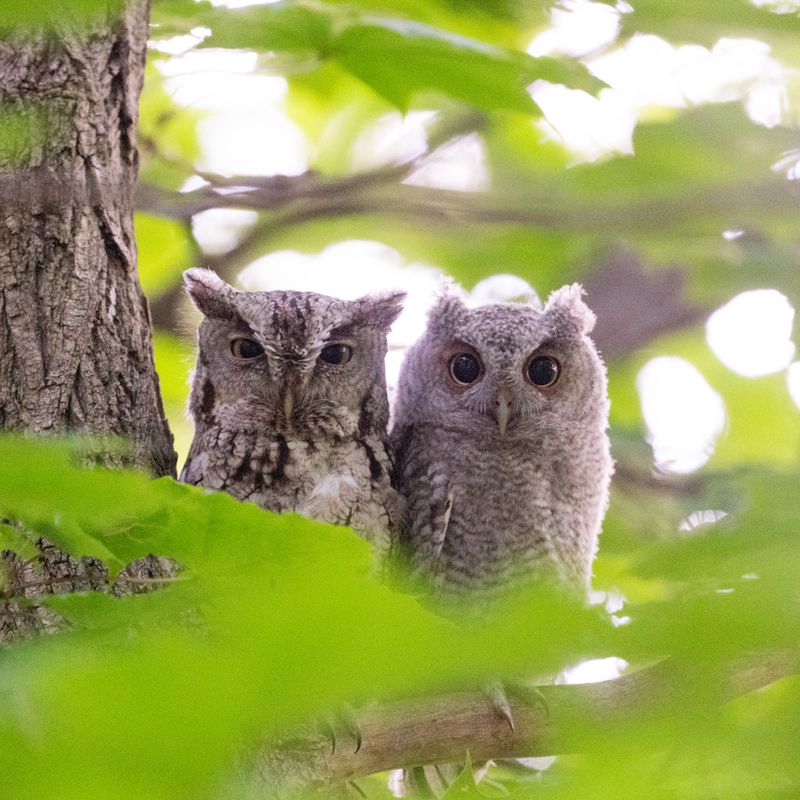
Think of fall as moving-out season for young owls across the state. Babies hatched in spring are now grown and ready to find their own homes.
Parents do not let them stay forever, so the youngsters wander into new neighborhoods. Many of them end up in quiet yards, parks, and wooded lots near houses.
Every young owl needs a patch of land to call its own. To claim a spot, it calls out loudly to tell other owls that the space is taken.
Older owls answer back to defend their turf, and soon you have a whole hooting conversation. That back-and-forth can go on for a long time on calm nights.
You might hear calls that sound a little wobbly or unsure. Those shaky notes often come from beginners still learning how to sound like grown-ups.
Did you know? A young owl may travel many miles before it settles into a territory it likes.
Some Ohio owls cross several counties during their first autumn.
If you want to spot one, step outside just after sunset and listen closely. Turn off bright porch lights, stay quiet, and let your eyes adjust to the dark.
Try not to chase or bother a young owl you find. It is simply searching for a safe new home, just like a college kid hunting for a first apartment.
2. Great Horned Owls Start Courting Early
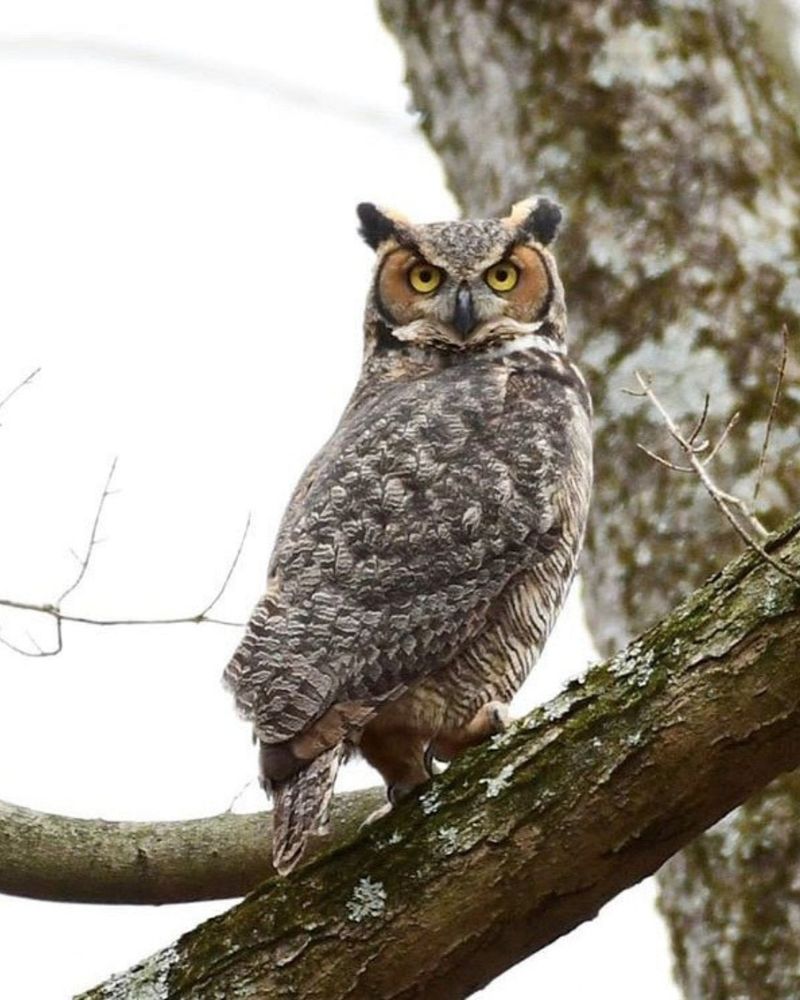
Romance arrives surprisingly early for great horned owls. While most birds are winding down, these big owls are already thinking about spring babies.
Pairs begin calling to each other in late fall to build their bond. Their deep hoo-hoo-hoooo, hoo-hoo sounds carry far across Ohio fields and neighborhoods.
Listen closely and you may catch a duet. The male usually has a lower voice, while the female sounds a bit higher, even though she is the bigger bird.
Their nesting season starts in winter, sometimes as early as January. That means fall is their time to pick a partner and choose a good nest spot.
Here is a fun fact to share at dinner. Great horned owls often borrow old hawk or squirrel nests instead of building their own.
Your Ohio Garden Changes Every Week. Your Plan Should Too.
Gardening in Ohio changes quickly throughout the season. Every Friday you’ll receive a simple weekly plan showing exactly what to plant, prune, fertilize, harvest, and protect so you never miss the right timing.
Because they plan so far ahead, their chatter ramps up as nights get longer. Longer dark hours give them more time to sing to each other.
You can join the fun by learning their call. Free bird apps let you compare what you hear with real recordings, which makes a great family activity.
Keep tall, old trees in your yard if you can safely do so. Those big trees give courting owls a front row seat and maybe a future home.
3. Bare Trees Let Owl Calls Travel Farther
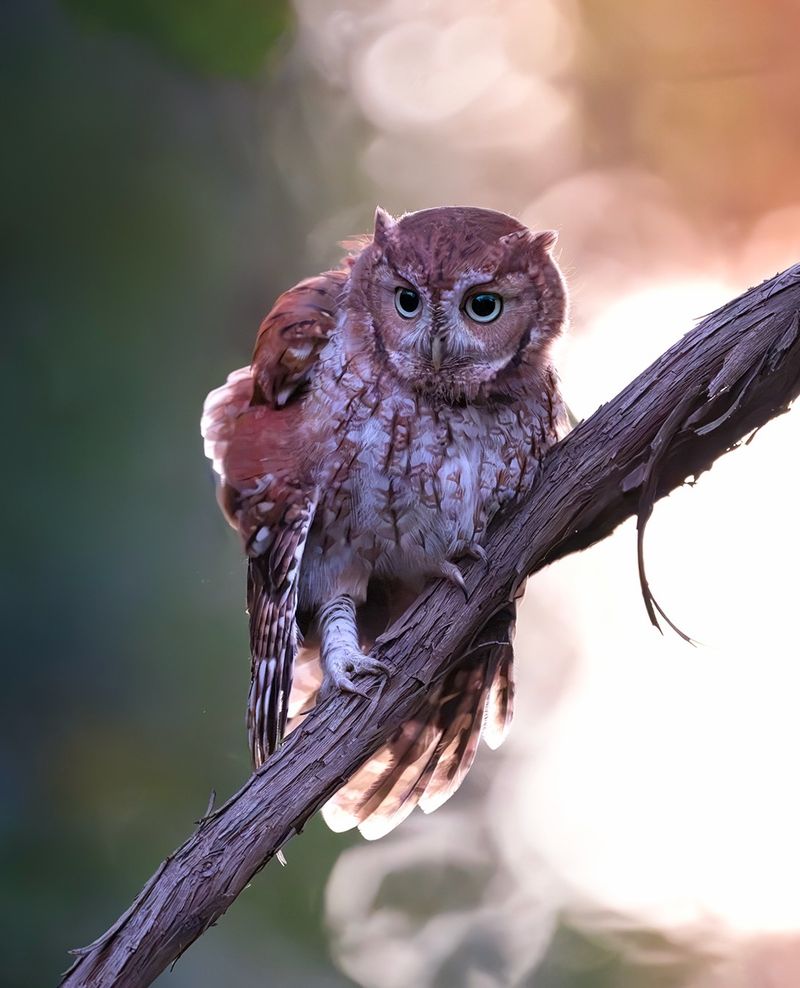
Sound acts differently once the leaves drop. In summer, thick green leaves soak up noise like a giant sponge wrapped around your yard.
By late October, many Ohio trees stand mostly bare. With fewer leaves in the way, owl calls bounce and travel much farther than before.
So the owl you hear now might have been hooting all summer long. You just could not hear it through the leafy curtain.
Cold air helps too. On chilly, still nights, sound can carry over longer distances, making a far-off owl seem like it is right outside your window.
Neighborhoods also get quieter in fall. Kids head inside earlier, lawn mowers rest in the garage, and air conditioners stop humming.
That calm gives owl voices a clear stage. Even a soft call from a small owl can reach your ears across several Ohio backyards.
Here is a simple trick for better listening. Cup your hands behind your ears and slowly turn your head to figure out which direction the sound comes from.
Bare branches make owls easier to see as well. Scan the trees with a flashlight covered in red paper, which is gentler on their eyes, and look for a round shape sitting very still.
4. Rodents Are Busy Stocking Up For Winter
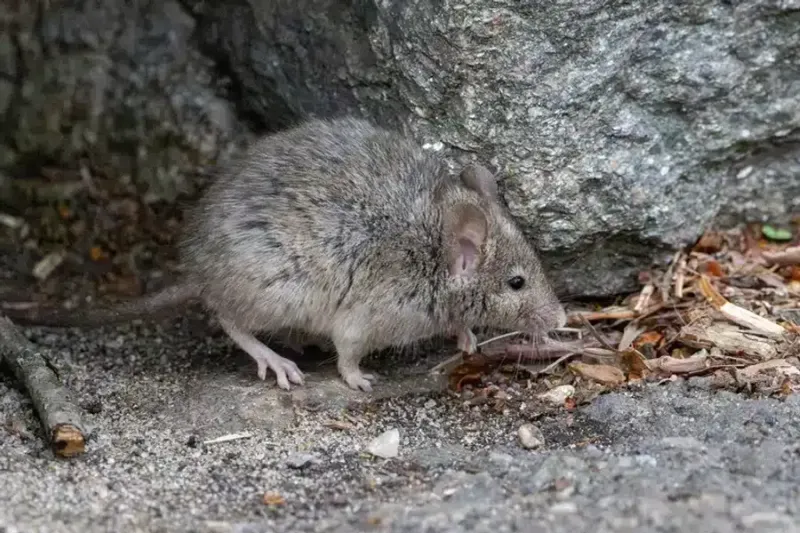
Owls follow the food, plain and simple. And in fall, Ohio yards turn into a busy buffet of mice, voles, and chipmunks.
Small critters rush around gathering seeds, acorns, and nuts before snow arrives. All that scurrying makes them easy to hear and spot for a hungry owl.
Owls have amazing hearing. A barred owl can locate a mouse rustling under leaves just by sound, even on a moonless night.
If your yard has bird feeders, spilled seed draws rodents in. Those rodents then attract owls, which explains why some houses get more visitors than others.
Many homeowners actually welcome this natural pest control. Barn owls in particular are well documented hunters, and a nesting pair can catch hundreds of rodents during a single breeding season.
Other owl species contribute meaningfully to rodent control as well, making them genuinely valuable neighbors in any yard. The more varied your owl visitors, the broader the range of prey they tend to target across your property.
Want to keep the balance healthy? Skip rat poison, because owls can get sick after eating rodents that swallowed it.
Secondary poisoning is a real and documented threat to raptors, including owls, across the state.
Instead, seal gaps around your house and store birdseed in metal bins. That way, rodents stay outside where owls can handle them.
A small brush pile at the edge of your yard can also help. It shelters wildlife and gives owls a reason to hang around your property all season.
5. Eastern Screech Owls Love Ohio Suburbs
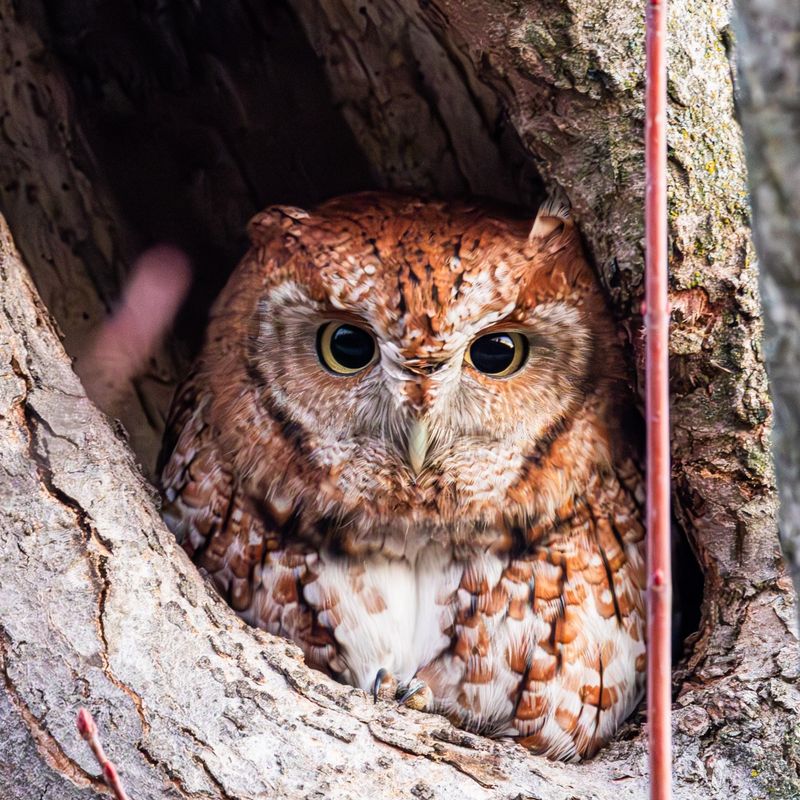
Ever heard what sounds like a tiny horse whinnying in the dark? Meet the eastern screech owl, one of the most common owls living near Ohio homes.
Despite the name, these little birds rarely screech. They mostly make a shaky whinny or a smooth, steady trill that sounds a bit like a toy.
Screech owls are only about the size of a soda can. Their gray or reddish feathers blend so well with bark that you could walk right past one.
They are so good at staying still and camouflaged that birdwatchers sometimes stare directly at one perched in a tree cavity without realizing it is there.
Suburbs suit them nicely. Old shade trees, backyard creeks, and plenty of insects and mice give them everything they need.
They are remarkably adaptable birds and have learned to thrive in landscapes that many other owl species tend to avoid.
In fall, screech owls get chattier as they guard territories and keep in touch with mates. Their calls often start right after dusk.
You can invite one to stay by putting up a nest box. Mount it about 10 to 20 feet high on a tree trunk, and add a layer of wood shavings inside.
Fall is actually a great time to hang a box. Owls often check out roosting spots now and may nest there come spring.
Fun fact: screech owls sometimes bring live blind snakes to their nests. The snakes eat insect pests, acting like tiny housekeepers.
6. Migrating Owls Pass Through Ohio In Autumn
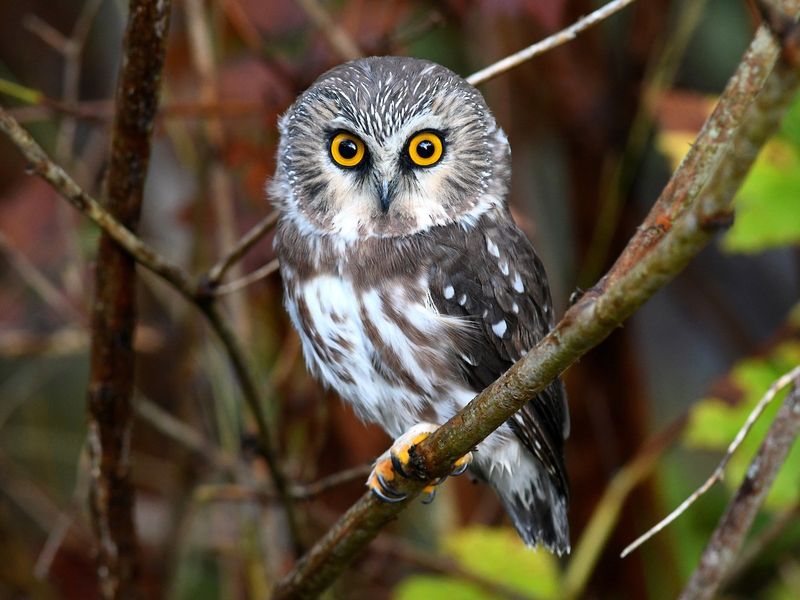
Some owls are just visiting. Every autumn, travelers from Canada and the northern states fly through the state on their way south.
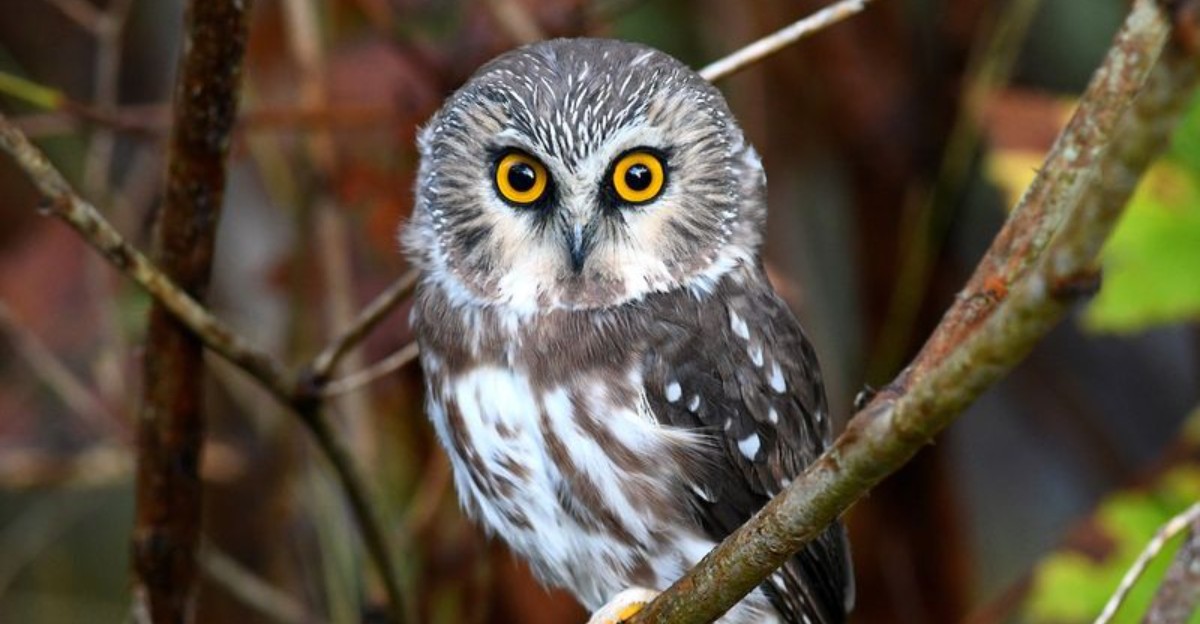
The northern saw-whet owl is a star of this journey. It is tiny, cute, and has a call that sounds like a truck backing up, beep, beep, beep.
Despite their small size, these little owls are remarkably strong fliers and can cover impressive distances in a single night of travel.
Researchers band these little owls each fall to study their travel routes. They have learned that many more pass through than anyone once guessed.
Long-eared and short-eared owls also show up in colder months. They often hang out in pine groves, grassy fields, and open farmland across the state.
These visitors add new voices to the nighttime mix. So if a call sounds unfamiliar, you might be hearing a guest from far away.
Migration peaks in October and November. Clear nights with gentle north winds tend to bring the biggest waves of travelers.
Planting evergreens like pines and spruces gives passing owls a cozy place to rest. Thick branches hide them from crows that love to pester owls.
Check with local Ohio nature centers too. Several host owl walks or banding events, which are a memorable way for families to see these birds up close.
7. Barred Owls Make Ohio Nights Extra Noisy
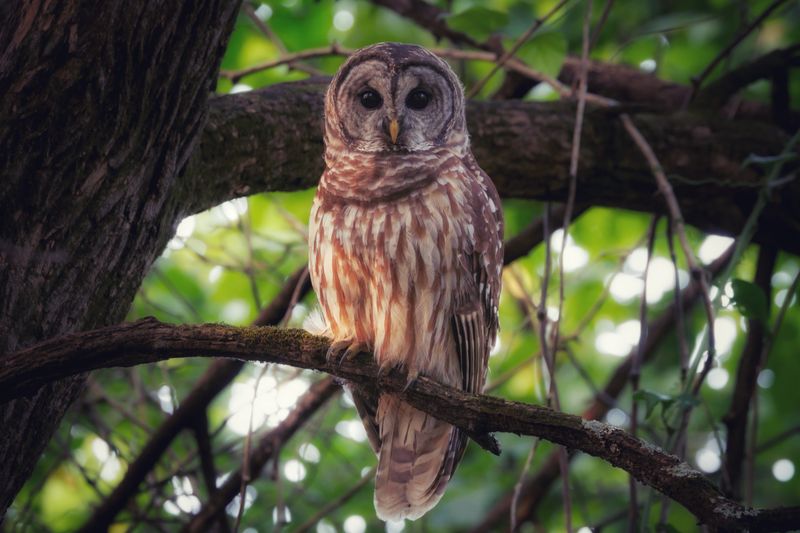
“Who cooks for you? Who cooks for you-all?” If you have heard that question hooted through the woods, a barred owl is nearby.
Barred owls are the loudmouths of the owl world. Sometimes a group gets going with wild cackles, hoots, and screams that sound like a monkey party.
These group calling sessions, sometimes called caterwauling, are one of the most startling and entertaining sounds a backyard can produce on a fall night.
People camping in Ohio state parks often get startled by these noisy gatherings. Rest easy, since it is just owls chatting, not anything scary.
These owls prefer wooded areas near water. Homes close to creeks, rivers, or large parks in the state tend to hear them the most.
Barred owl populations have actually expanded across the state in recent decades as suburban tree cover has matured and woodland corridors have grown more connected.
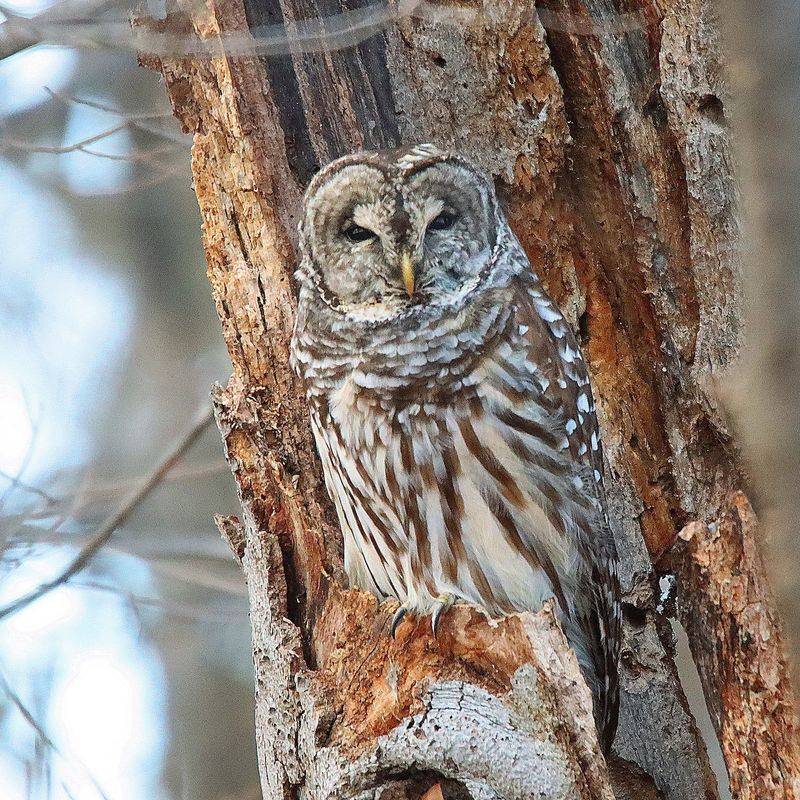
Their dark brown eyes set them apart from most other owls, which have yellow eyes. Look for stripes running across the chest and down the belly.
Want to hear them answer back? Some birders try a gentle imitation of the call, but do it only once or twice so you do not stress the birds.
A little patience pays off with these characters. Sit quietly near the woods at dusk, and you may enjoy a free concert.
8. Homeowners Can Welcome Owls Safely
Good news: owls make wonderful neighbors. With a few smart choices, families can enjoy them while keeping everyone safe and happy.
Start with lighting. Bright floodlights can confuse owls, so try motion-sensor lights or warm, dim bulbs around your home.
Keep small pets indoors after dark, especially cats and tiny dogs. Big owls rarely bother pets, but it is wise to play it safe.
Leave some leaves on the ground instead of bagging every single one. Leaf piles shelter insects and mice, which feed the owls you want to see.
Keeping a wilder, less manicured corner of your yard can make a surprising difference in how much wildlife activity you notice through the season.
Nest boxes are a fun family project. Many hardware stores and wildlife groups offer simple plans for screech owl and barred owl boxes.
Found an owl that seems hurt? Do not try to handle it yourself, and call a licensed wildlife rehab center in Ohio for help instead.
Remember that owls are protected by law. It is illegal to capture, keep, or harm them, so enjoy them from a respectful distance.
Finally, start an owl journal with your kids. Write down the date, time, weather, and what you heard, and you will soon notice patterns in your own backyard all through the fall season.