The 8 Yard Mistakes Making Mosquito Problems Worse In Ohio Before Fall
Something in your yard is working harder than the weather to keep mosquitoes around this late in the season. Ohio’s warm, humid stretch before fall already favors them.
What most people never connect are the small habits sitting right in their own routine, ones that stretch that window even longer without anyone noticing a mosquito problem building until it’s already bad.
None of these habits look like mistakes in the moment.
That’s exactly why they’ve gone unnoticed all summer. Eight specific culprits are quietly working against you right now, and there’s a good chance you’re not aware of a single one.
1. Standing Water Turns Into A Mosquito Nursery
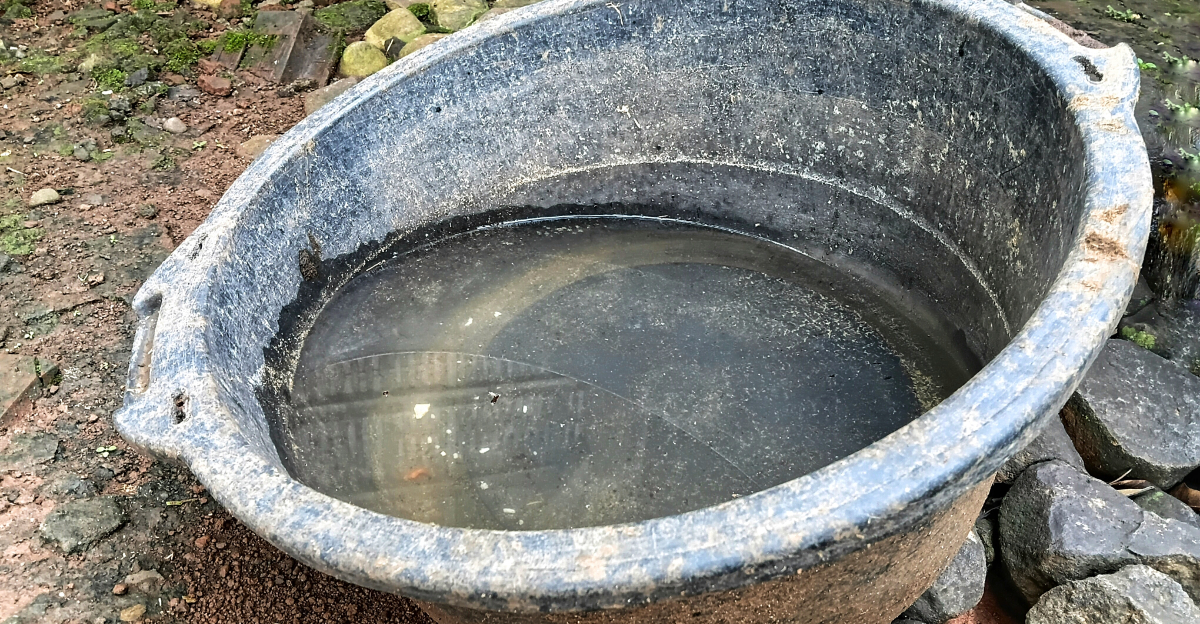
Even a bottle cap holding a tablespoon of water can be enough for some mosquito species to lay eggs. According to the CDC and Ohio State University Extension, mosquitoes need water to complete part of their life cycle.
Some species can use even very small containers. Buckets, watering cans, old tires, plastic toys, and tarps folded at an odd angle can all trap rain and hold it for days.
A large, visible puddle in the yard might seem like the obvious problem, but it often dries up faster than a shaded container tucked against the fence. Water that sits undisturbed in a covered or shaded spot can stay fresh enough for development much longer.
Different mosquito species use different types of aquatic habitat, so not every body of water behaves the same way.
Practical yard care means walking the property after every rain and looking for anything holding water. Overturn containers that do not need to stay upright.
Remove items that serve no purpose. Cover anything that must stay outside.
Emptying containers at least once a week during warm months is a step recommended by the Ohio Department of Health and other public health agencies.
Small changes in how you store and manage outdoor items can reduce available habitat significantly before fall arrives.
2. Clogged Gutters Hide Trouble Overhead
Most people check the yard at eye level when they are trying to figure out where mosquitoes are coming from. Few people look up.
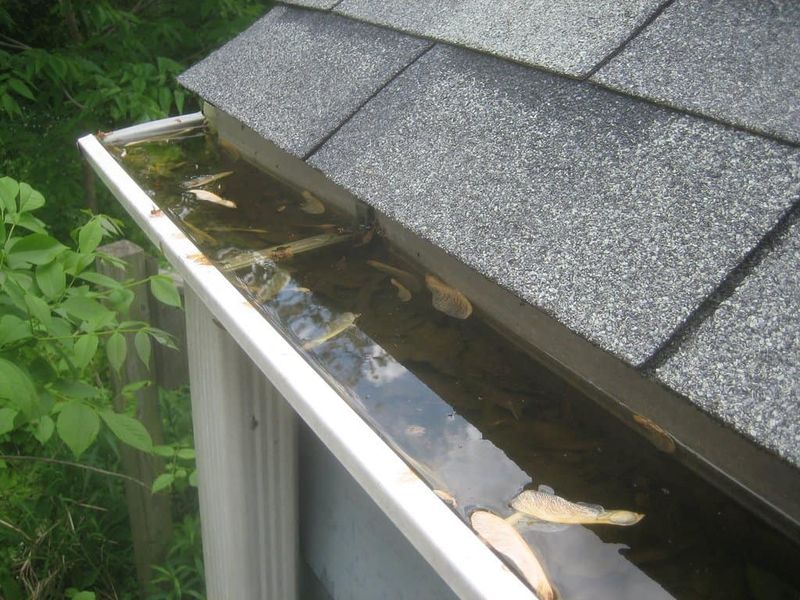
Gutters clogged with leaves, twigs, and seed pods can slow drainage to a crawl, leaving pockets of trapped water sitting along the roofline for days after a storm.
The EPA and CDC both identify rain gutters as potential mosquito breeding sites when debris blocks the flow of water. A gutter that drains freely after rain is far less likely to hold water long enough to become a problem.
A gutter packed with wet leaves is a different situation entirely. The water stays, the debris keeps it shaded and relatively cool, and conditions can become suitable for development.
Clearing gutters at least twice a year is standard home maintenance. In Ohio, late-summer leaf drop and storm debris can clog them faster than expected.
Checking gutters in August and early September makes sense before fall leaf drop makes the problem worse. Look for low spots where water collects even after the main debris is cleared.
Your Ohio Garden Changes Every Week. Your Plan Should Too.
Gardening in Ohio changes quickly throughout the season. Every Friday you’ll receive a simple weekly plan showing exactly what to plant, prune, fertilize, harvest, and protect so you never miss the right timing.
Make sure downspouts are directing water away from the foundation and that they are not blocked at the bottom. Keeping water moving freely through the entire gutter system is the goal.
3. Birdbaths Sit Full For Far Too Long
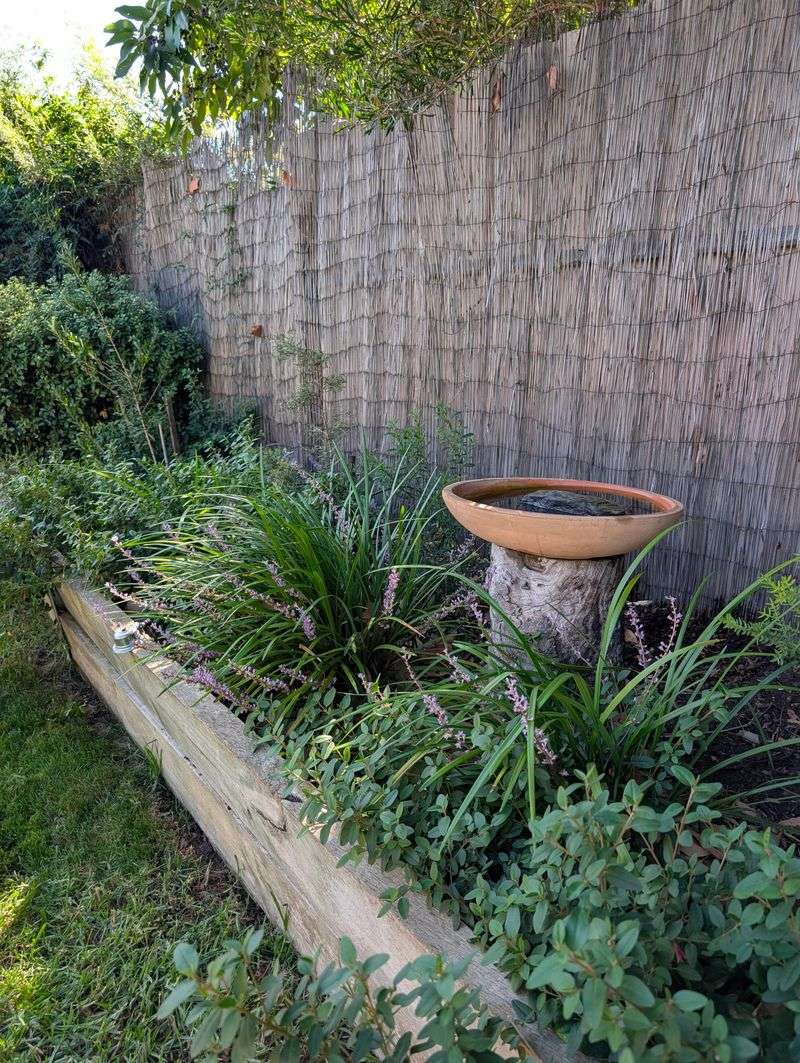
Picture a birdbath that got filled on a Monday and is still sitting with the same water by the following weekend. The surface looks calm and undisturbed.
Birds may have splashed in it once or twice, but the water has not been changed. That kind of undisturbed, stagnant surface is exactly what some mosquito species seek out for laying eggs.
CDC and Ohio State University Extension guidance recommends changing birdbath water at least once a week. This helps prevent it from becoming a suitable mosquito breeding site.
Simply topping off the water with a garden hose is not the same as dumping the old water out and scrubbing the basin before refilling. Algae, organic debris, and standing time all affect how attractive the water is to egg-laying mosquitoes.
Providing fresh water for birds is a worthwhile backyard practice and does not need to stop. The key habit is regular turnover.
Empty the birdbath completely, scrub the surface to remove any film or buildup, and refill with clean water. Doing this every few days during warm months gives birds a reliable water source while making it much harder for mosquitoes to use the same feature.
Placement also matters. A birdbath in full sun may heat up and evaporate faster, while a shaded one may hold water longer between changes.
4. Plant Saucers Become Tiny Breeding Pools
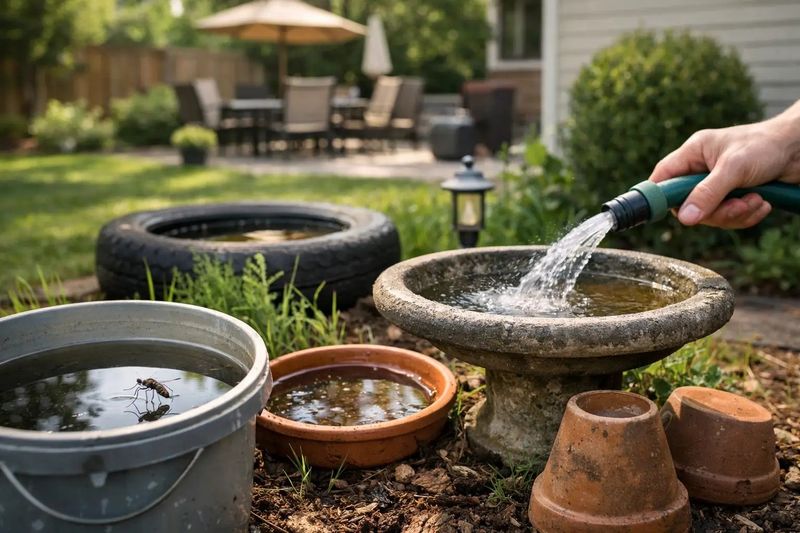
A container garden arranged along a sunny porch or patio can look great all summer long. What is easy to miss is what is happening underneath those pots.
Saucers, trays, decorative cachepots, and drip trays collect water every time it rains or every time someone waters the plants.
The EPA and CDC both list plant trays and saucers as potential mosquito breeding containers. Their small size makes them easy to overlook during a yard inspection.
A saucer holding even a small amount of water for more than a few days can provide enough of a water source for certain mosquito species to use.
Late-summer rain events in Ohio can refill saucers repeatedly, keeping water present even when the gardener is not actively watering.
After watering or after a rain, walk the patio and check each saucer. Dump out any water that has collected and does not drain on its own.
For outdoor container plants, consider whether a saucer is truly necessary. Many outdoor containers can drain freely without a saucer underneath, especially if they are placed on a surface that allows water to run off.
Indoor plants moved outside often still have saucers designed to protect floors. In the yard, those same saucers can hold water and become a mosquito problem.
Staying attentive to these small details adds up quickly over the course of a warm Ohio summer.
5. Open Rain Barrels Invite More Mosquitoes
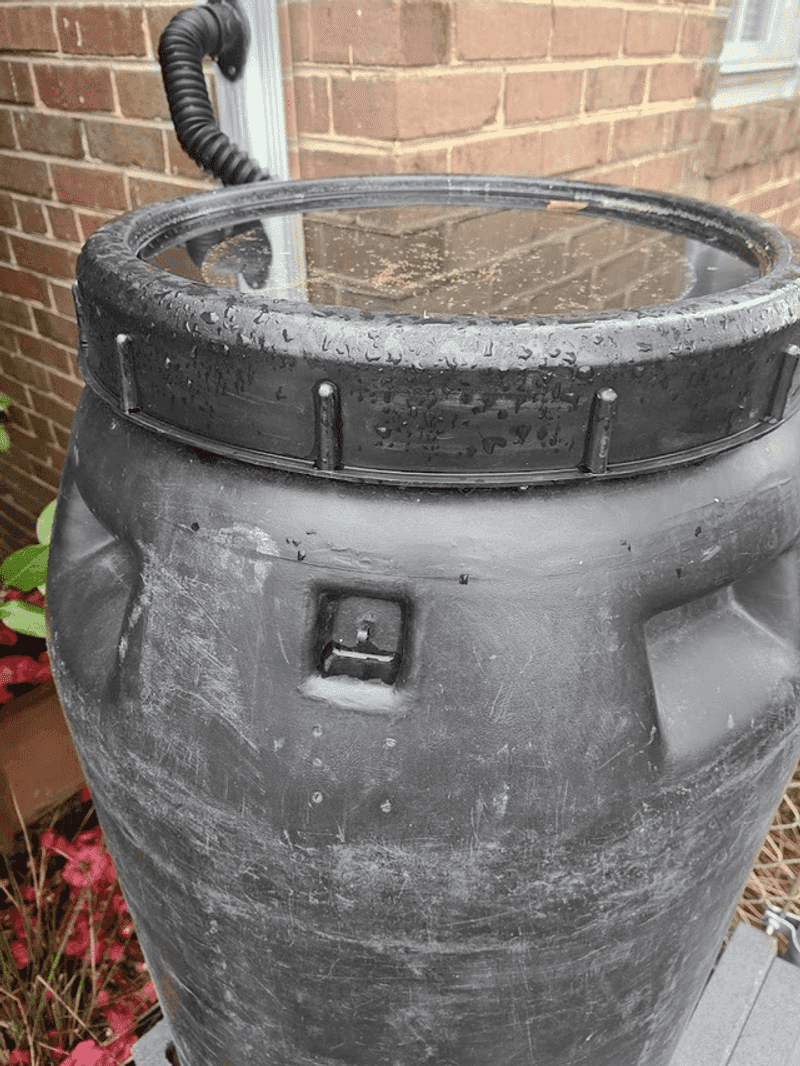
Collecting rainwater is a smart way to conserve water and reduce runoff. A rain barrel connected to a downspout can store a meaningful amount of water for garden use.
The problem shows up when that stored water is accessible to adult mosquitoes looking for a place to lay eggs.
An open lid, a cracked screen, a gap around the overflow fitting, or a loosely fitted cover can all give mosquitoes a way to reach the water surface inside a barrel.
The CDC and EPA both note that rain barrels should be tightly covered with screens or lids that prevent adult mosquitoes from getting in.
A fine mesh screen that fits securely over the entire opening is the recommended approach. Any gap, even a small one, can be enough for access.
Check the screen or cover after every storm. Debris from trees can damage or dislodge screens over time.
Make sure the overflow outlet is also screened so that water exiting the barrel during heavy rain does not create a pooled area nearby.
Using stored water regularly also helps, since a barrel that empties and refills more often gives standing water less time to become a concern.
Homeowners who want to keep collecting rainwater can absolutely continue doing so. Keeping the barrel properly covered and well-maintained is what separates a useful garden tool from an unintended mosquito habitat sitting right next to the house.
6. Pool Covers Collect More Than Rainwater
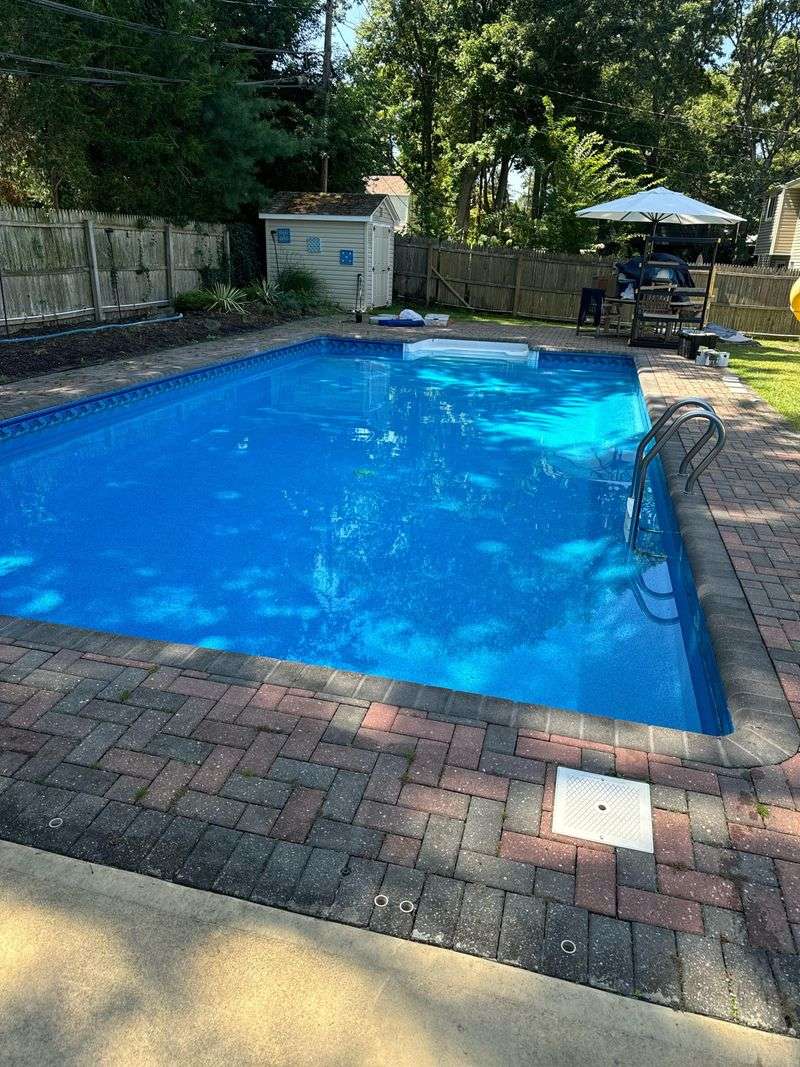
After a good Ohio summer storm, the pool cover can look like a shallow pond of its own. Folds, sags, and low spots in the cover fabric trap rainwater and hold it well above the treated, circulating water in the pool below.
A properly maintained pool with the right chemical balance and working circulation is very different from the puddles sitting on top of the cover.
The EPA and CDC both point out that standing water on pool covers can serve as mosquito habitat. A pool itself, when maintained correctly with proper filtration and chemistry, is not the same kind of concern as a neglected surface of trapped water.
The issue is specifically the rainwater that collects in the folds and depressions of the cover material, not the pool water underneath.
After storms, use a cover pump or a push broom to move pooled water off the cover surface. A pump designed for pool cover water removal is a practical tool for Ohio homeowners who close or cover their pools for part of the season.
Checking the cover after any significant rain takes only a few minutes. Adjusting how the cover sits on the pool can also reduce the number of low spots where water collects.
A tight-fitting cover with fewer folds leaves less surface area for rainwater to pool and sit undisturbed between storms.
7. Tall Weeds Give Adults A Place To Hide
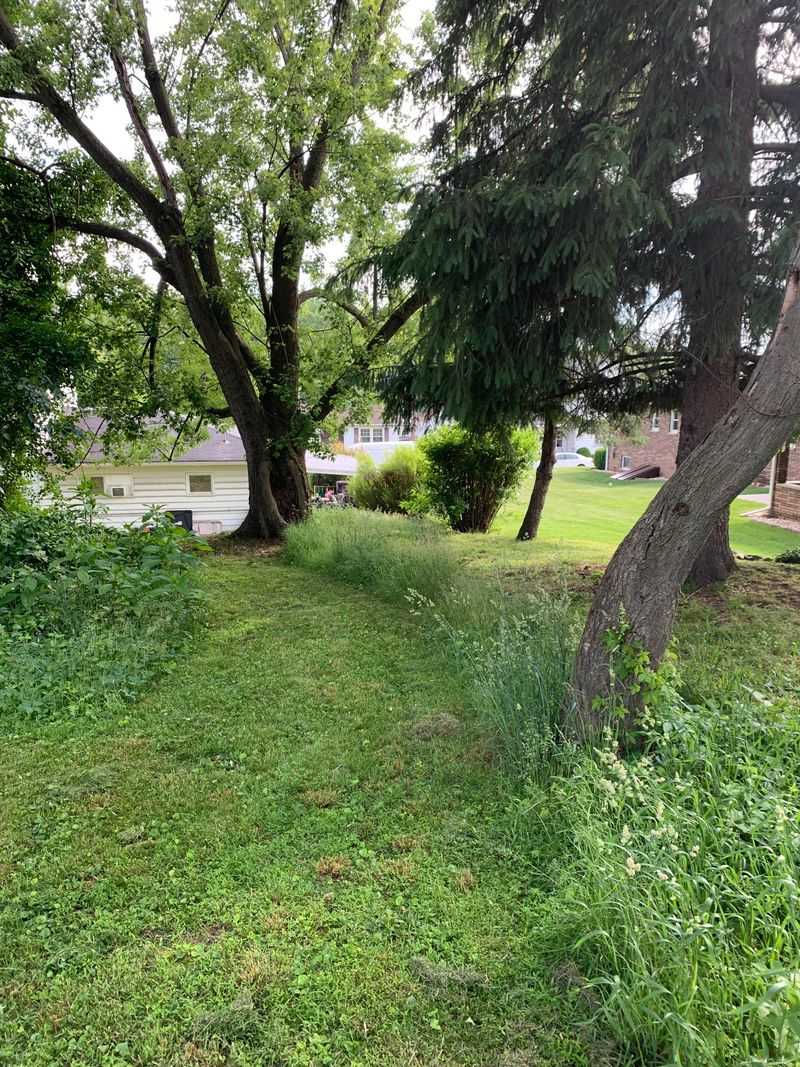
Breeding happens in water, but adult mosquitoes do not spend all of their time near the water where they developed. After emerging, adult mosquitoes often seek out shaded, humid, sheltered spots to rest during the hotter parts of the day.
Tall weeds, overgrown grass, dense shrubs, and thick vegetation near patios and paths can provide exactly that kind of cover.
Ohio State University Extension and the CDC both note that adult mosquitoes rest in cool, shaded vegetation. Reducing overgrown weedy areas near outdoor living spaces can make those areas less hospitable to resting adults.
Regular mowing and trimming of dense weedy growth along fence lines, foundations, and garden edges is a reasonable step to take.
This is about managing weedy, overgrown growth near places where people spend time, not about removing native plants, pollinator gardens, or shrubs that serve a purpose.
Tall vegetation does not produce mosquitoes on its own. Adults that developed in water nearby may simply move into shaded vegetation to rest between activity periods.
Reducing that resting habitat near the areas where your family spends time can lower the number of mosquitoes you encounter up close.
Mowing regularly during late summer, trimming back weedy growth along the edges of the yard, and keeping pathways clear are all practical steps.
A well-maintained yard edge makes a noticeable difference in how many resting adults find comfortable spots near outdoor seating areas.
8. Sprays Miss The Problem Growing In Water
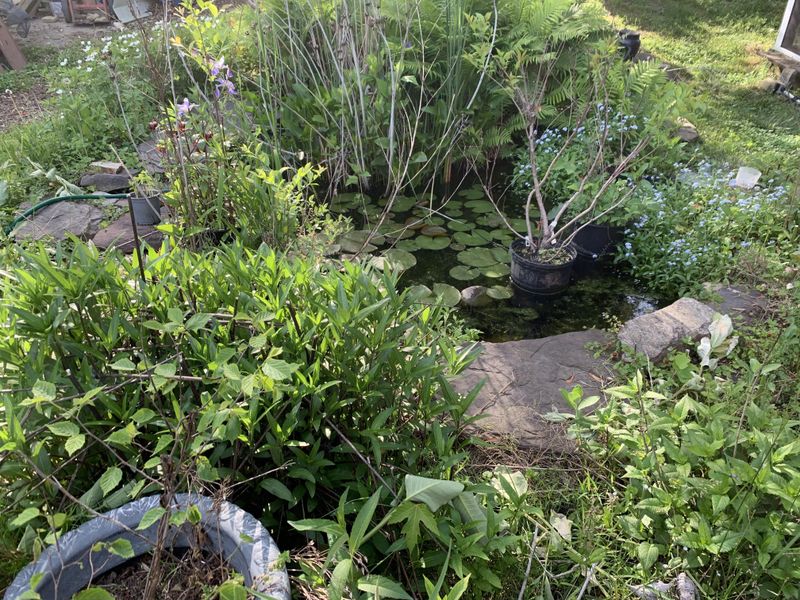
Reaching for a spray can feel like the fastest fix when mosquitoes are bad. Sprays can temporarily reduce the number of adult mosquitoes present.
They do not address immature mosquitoes still developing in nearby water. New adults will continue to emerge from untreated breeding sites and replace those that were reduced by the spray.
EPA, CDC, and Ohio State University Extension guidance emphasizes source reduction. Removing breeding sites is the foundation of effective mosquito management.
Source reduction means finding and eliminating the water where immature mosquitoes develop. Spraying without addressing breeding sites treats the symptom rather than the underlying condition producing it.
Any pesticide product must be used strictly according to its label, only for the listed site and purpose, and in a manner that matches the label directions.
The most effective yard strategy starts with a thorough inspection. Walk the entire property and look for every container, surface, or feature holding water.
Address those sites first. Mow and trim overgrown weedy areas near outdoor spaces.
Fix drainage problems that leave low spots wet for days after rain. Once source reduction steps are in place, additional control options can be considered if needed.
Public health experts consistently recommend inspecting the yard and removing breeding opportunities first. That approach is more effective than simply applying more spray.