The Tooth Marks On California Fruit That Reveal What Is Eating It At Night
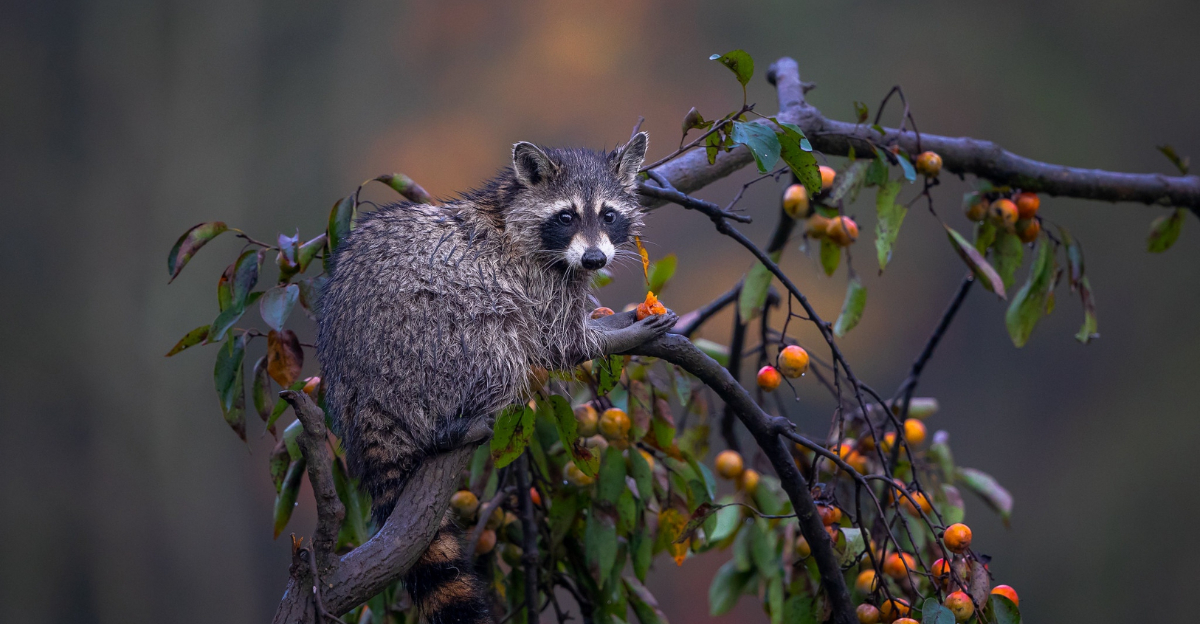
Peaches don’t just fall apart on their own overnight. Something with teeth, claws, or a beak made that happen.
Your California garden can attract several different animals looking for an easy meal. Each one interacts with fruit in its own distinct way.
Torn skin, missing chunks, and scattered pits all point toward a specific culprit. Paying attention to these details helps you figure out who’s really behind it.
California gardeners often assume the worst without checking the actual evidence first. Small clues in the fruit usually tell a clearer story than guesswork ever could.
Figuring out what you’re looking at makes the whole problem easier to handle. Here’s exactly what those marks are telling you.
Raccoons Leave The Most Common Overnight Signature
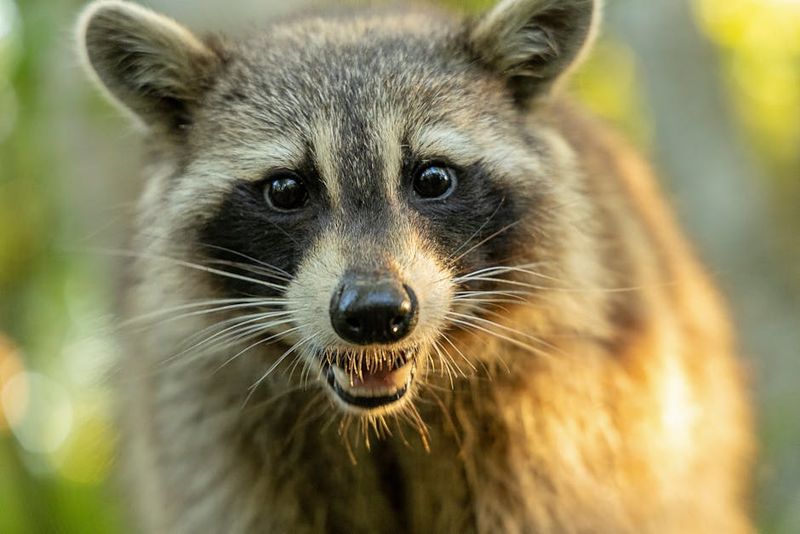
You wake up, walk outside, and your fruit tree is stripped bare overnight. Raccoons are the most frequent nighttime fruit thieves across California yards and suburban gardens.
Their front paws work almost like hands. They grip, twist, and pull fruit with surprising control for a wild animal.
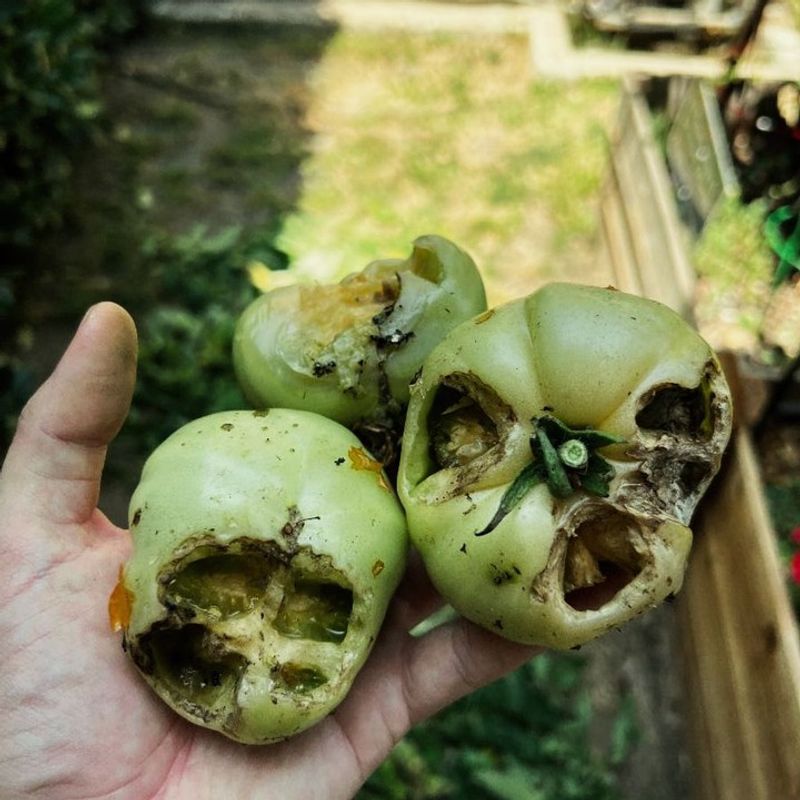
Raccoon bite patterns show up as wide, irregular gouges in the flesh. Canine teeth punch deep, while the molars crush and drag across the surface.
Unlike a clean bite from a rodent, raccoon damage looks messy and chaotic. Chunks are missing, edges are ragged, and the flesh is often scooped rather than sliced.
Raccoons prefer soft, ripe fruit above anything else. Peaches, plums, figs, and tomatoes top their list every single season.
They tend to eat partially and move on. You will rarely find a fruit eaten completely to the core in one sitting.
One raccoon can strip a low-hanging branch in a single night. A family group can take down most of a tree before sunrise.
Raccoons also tend to feed repeatedly in the same spot. Once they find a food source, they return night after night without hesitation.
Spotting their damage early gives you the best chance to respond. The pattern is distinctive once you know what you are looking for.
Recognizing their signature is the first step toward protecting your harvest from further losses.
Wide Irregular Gouges Mark Their Feeding Spots
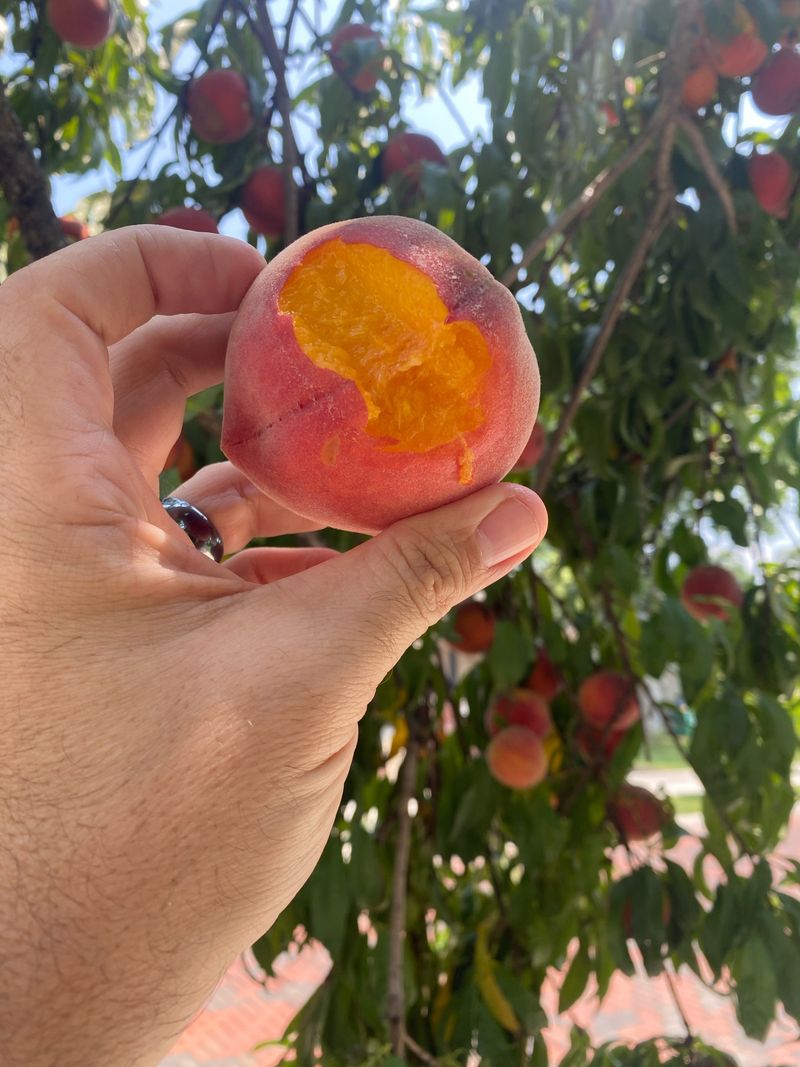
Pick up a damaged piece of fruit and look closely at the wound. Wide, ragged gouges with uneven edges point directly to raccoon activity.
Raccoon canine teeth are spaced farther apart than rodent teeth. That spacing creates a wider bite pattern you can measure with your fingers.
The gouge itself often has a scooped quality. Raccoons do not bite straight through like a squirrel or rat would.
Instead, they press down and drag, pulling pulp outward as they feed. The result looks more like a spoon carved through soft clay than a clean cut.
Claw marks sometimes appear alongside the bite. Short parallel scratches near the wound confirm that paws were actively gripping the fruit during feeding.
Compare this to rodent damage, which shows neat, narrow incisor marks. The difference is obvious once you place the two patterns side by side.
Your California Garden Changes Every Week. Your Plan Should Too.
Gardening in California changes quickly throughout the season. Every Friday you’ll receive a simple weekly plan showing exactly what to plant, prune, fertilize, harvest, and protect so you never miss the right timing.
Deer leave wide, torn edges too, but deer lack upper front teeth. Their damage looks more like a ripping motion with no defined puncture points.
Raccoon gouges show clear puncture entry points surrounded by torn tissue. That combination is their most reliable identifier in the field.
Fruit found on the ground often shows damage on one side only. Raccoons frequently drop fruit mid-meal and move to the next piece.
Studying the gouge shape gives you solid, reliable evidence. Those gouges rarely lie about who made them.
Torn Skin Replaces Clean Precise Bites

Clean bites mean rodents. Torn, shredded skin means something much bigger found your garden last night.
Raccoons do not have the sharp incisor setup that rats and squirrels rely on. Their teeth work differently, and the damage reflects that.
When a raccoon bites into a fig or plum, the skin does not split neatly. It tears, stretches, and peels back in uneven strips.
That torn quality is one of the clearest signs you can find on damaged fruit. Rodent bites leave smooth edges with tiny parallel grooves from incisor teeth.
Raccoon feeding leaves jagged, pulled-apart edges with no consistent groove pattern. The skin around the wound often curls or folds outward.
Soft fruits like figs and ripe tomatoes show this tearing pattern most clearly. Harder fruits like apples or unripe pears may show deeper puncture wounds instead.
Look at the interior of the damaged fruit as well. Raccoons often leave a hollowed-out section where pulp was scooped away in chunks.
The seeds or pit may be left behind, sitting in the hollow like a small bowl. Raccoons rarely consume pits or hard seeds.
Birds also tear fruit skin, but bird damage is shallower and shows beak-shaped punctures. Raccoon damage goes deeper and covers a larger surface area.
Once you train your eye to spot torn skin versus clean bites, identification becomes quick and confident. Those details are easy to spot once you know what to check.
Fruit Often Ends Up Discarded Nearby
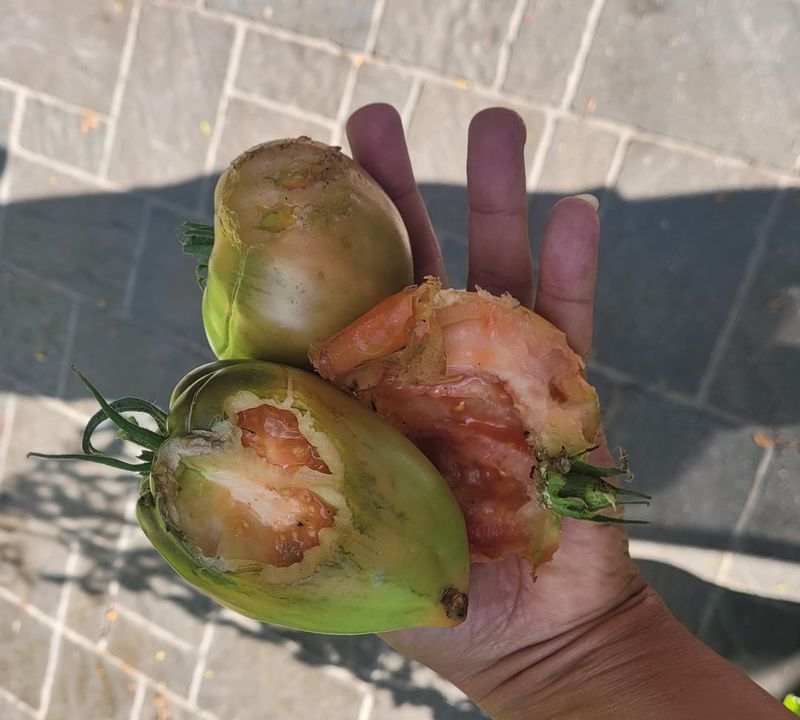
Raccoons are picky eaters with short attention spans. They take a bite, lose interest, drop the fruit, and grab another one.
That feeding habit leaves a trail of discarded pieces scattered around the base of the tree. Finding partially eaten fruit on the ground is one of the strongest raccoon indicators there is.
Other animals eat more completely. Rats tend to consume most of a small fruit before abandoning it.
Squirrels often carry fruit away to eat elsewhere or bury it for later. Raccoons almost never bother relocating their food source.
The discarded fruit usually lands within a few feet of where it was pulled from. You will often find multiple pieces clustered together in one feeding zone.
Some pieces may still be attached to a broken branch. Raccoons sometimes pull hard enough to snap small stems right off the tree.
Look for a radius of scattered debris extending out from the base of affected trees. That scatter pattern tells you the animal fed in one spot and moved casually.
Birds drop fruit too, but the pieces are smaller and the damage is shallower. Raccoon-discarded fruit is larger, heavier, and more deeply damaged.
Opossums are slower and more deliberate feeders. They tend to consume more of each piece before moving on to the next one.
Finding discarded, partially eaten fruit is a fast, reliable clue. Pair it with the bite pattern itself and the case becomes clear.
Tracks Near The Damage Confirm Their Visit
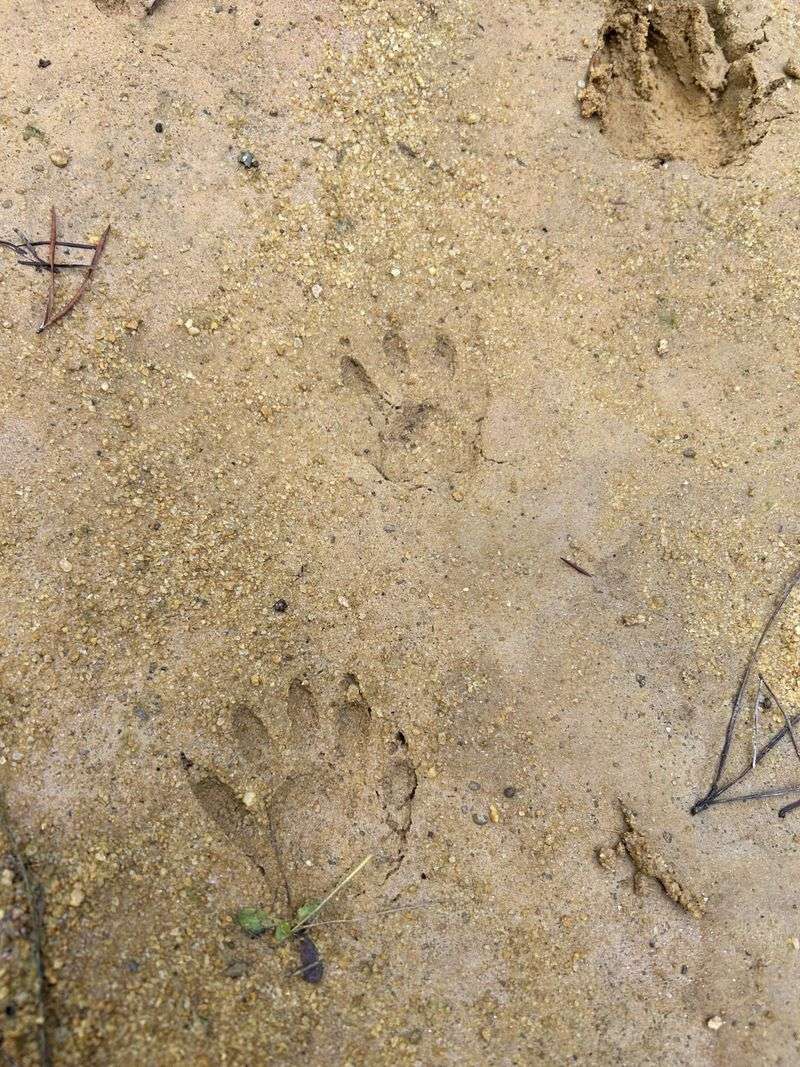
Bite patterns tell you a lot, but tracks seal the deal. Raccoon paw prints are unmistakable once you know what to look for.
Front paws leave a print that looks almost like a tiny human hand. Five long fingers splay outward with clearly visible claw tips at the end of each digit.
Back paw prints are longer and narrower, resembling a small flat foot. Both prints together create a distinctive walking pattern in soft soil.
Check the ground beneath and around your fruit trees after a suspected feeding event. Soft dirt, mulch, or mud near irrigation lines holds prints especially well.
Raccoon tracks measure roughly two to three inches wide on the front paw. That size helps separate them from opossum tracks, which are smaller and show an opposable thumb.
Look for the stride pattern as well. Raccoons walk in a paired gait, placing a front and back paw close together on alternating sides.
That paired pattern creates a distinctive two-print cluster that repeats as the animal moves. Squirrel tracks show a bounding pattern with four prints grouped together.
Rat tracks are much smaller and show only four toes on the front foot. Deer hoofprints are large, split, and rarely confused with anything else.
Setting up a small patch of dampened soil near your tree can create a natural tracking station. Check it each morning during peak fruit season for fresh impressions.
Tracks plus tooth marks equals a confirmed visitor. Now you know exactly what you are dealing with.
Fencing And Timing Reduce Future Losses
Knowing who ate your fruit is satisfying, but stopping them is even better. Raccoons are smart, strong, and persistent, so your defense needs to match their determination.
Hardware cloth fencing is one of the most effective physical barriers available. Use a gauge of at least 14 and bury the bottom edge six inches into the soil.
Raccoons are strong diggers and will go under a fence that stops at ground level. Burying the edge removes that option entirely.
Motion-activated lights are another solid deterrent. Raccoons prefer darkness, and a sudden bright light often sends them retreating without feeding.
Motion-activated sprinkler systems work even better in warm seasons. A burst of water at midnight is unpleasant enough to discourage repeat visits quickly.
Harvest fruit as soon as it reaches peak ripeness. Leaving ripe fruit on the tree overnight is an open invitation to every nocturnal animal in the area.
Pick in the evening before dark whenever possible. Removing the food source is always the most effective long-term strategy you can use.
Tree baffles placed around the trunk prevent climbing access. A smooth metal band around the lower trunk makes it nearly impossible for raccoons to grip and ascend.
Avoid leaving fallen fruit on the ground overnight. Clean up beneath your trees each evening to eliminate easy ground-level feeding opportunities.
Combining two or three of these methods works far better than relying on one alone. Repeated fruit damage does not have to be a nightly mystery anymore.