Why New York Oaks Are Dropping Acorns Weeks Ahead Of Schedule
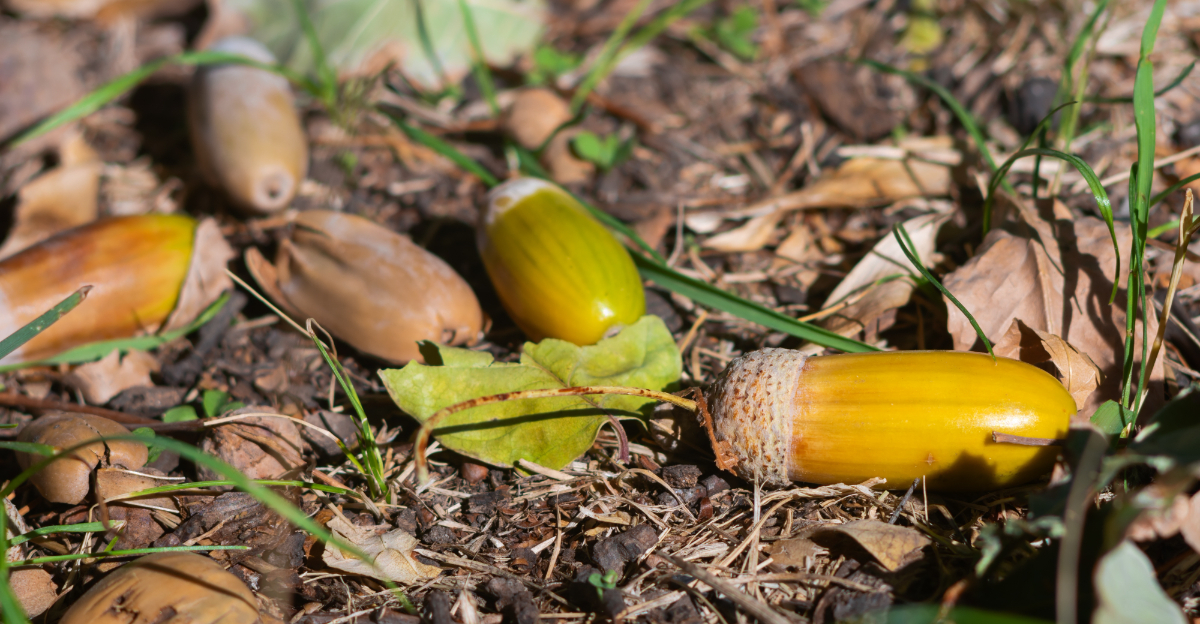
Something is falling out of sync in New York’s oak canopies this year. Acorns are hitting rooftops and driveways months before anyone expected them this year.
Homeowners across New York keep asking the same question, and it concerns you too. Trees rarely act without reason, and this shift is a warning meant for you.
Pressure, not chance, is pushing these nuts down before you even expect it. Your lawn may already be scattered with evidence, and much of it points to trouble you cannot yet see.
Little about this pattern is random, and most clues on your property eventually reach you. Every acorn on the ground carries a message meant for you to notice before it becomes something bigger.
You need to see what your oak is trying to say before the damage spreads any further.
Drought Stress Is Pushing Oaks To Release Acorns Early

The ground is cracked, the lawn is crunchy, and your oak looks tired. Drought stress is one of the biggest culprits behind this season’s premature acorn fall.
When an oak tree does not get enough water, it shifts into survival mode fast. Growing acorns takes a tremendous amount of energy and moisture, so the tree cuts its losses early.
Think of it like a business owner trimming costs during a slow month. The oak is protecting its core systems by letting go of acorns it cannot afford to finish developing.
This stress response is a natural part of how trees cope, but it is also a warning sign. If your oak is shedding green, underdeveloped acorns by the dozens, drought is likely the culprit.
Soil conditions in several parts of the state have been noticeably drier than usual this summer. Trees in sandy or shallow soils feel that pressure even faster than those in rich, deep ground.
Younger oaks and those planted in full sun tend to suffer first. Established trees with deep root systems handle dry spells better, but even they have limits.
The good news is that catching drought stress early gives you a real chance to help. A slow, deep watering session once a week can make a surprising difference for a stressed tree.
Your oak has been standing in your yard for years, maybe decades. Giving it a little extra water this season could be the simplest act of care that keeps it thriving for years ahead.
Trees Shed Developing Nuts To Conserve Limited Water
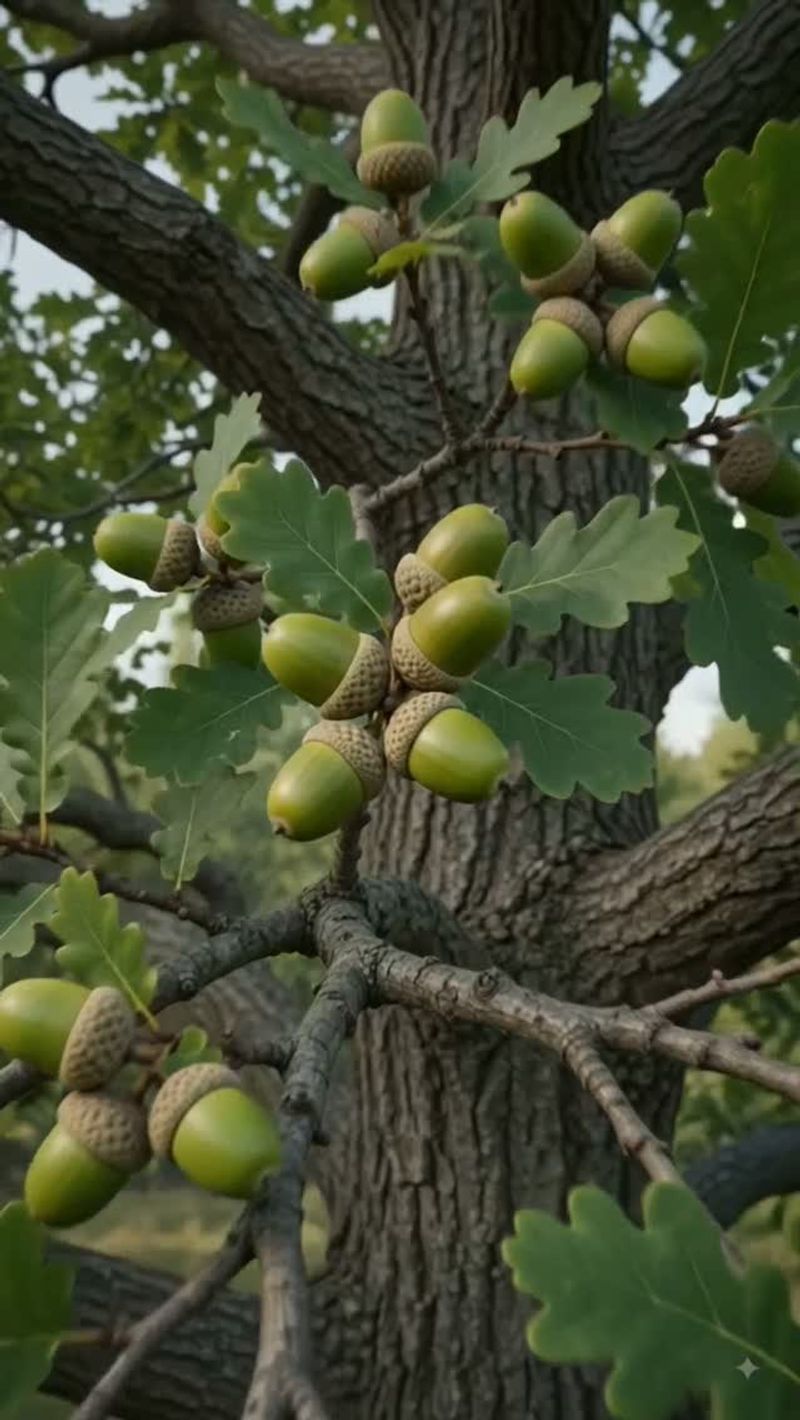
Acorns do not just fall when they are ready. Sometimes an oak pushes them off the branch on purpose, and water conservation is usually the reason.
Producing a full acorn requires significant moisture at every stage of development. When water runs low, the tree makes a tough call and drops the acorns that are draining its reserves.
Botanists call this process “June drop,” though in stressed trees it can happen any time from early summer through fall. The name is a bit misleading, but the mechanism is straightforward.
An oak tree prioritizes its own trunk, roots, and leaves over reproduction when resources are scarce. Acorns are the tree’s next generation, and they are dropped to keep the parent tree alive.
Your New York Garden Changes Every Week. Your Plan Should Too.
Gardening in New York changes quickly throughout the season. Every Friday you’ll receive a simple weekly plan showing exactly what to plant, prune, fertilize, harvest, and protect so you never miss the right timing.
This is not a sign that your tree is failing. It is actually a sign that the tree is smart enough to manage its own resources under pressure.
You might notice the dropped acorns are tiny, pale green, and still have their caps attached. That is a clear indicator they were shed before natural ripening occurred.
Ripe acorns are darker, plumper, and often drop without their caps. Spotting the difference helps you quickly figure out whether your tree is stressed or simply finishing its normal season.
Understanding why your oak is shedding early puts you in a much stronger position to respond. A tree that conserves water wisely today is one that can bounce back strong when rain finally returns.
Green Acorns On The Ground Signal Stress Rather Than Ripeness
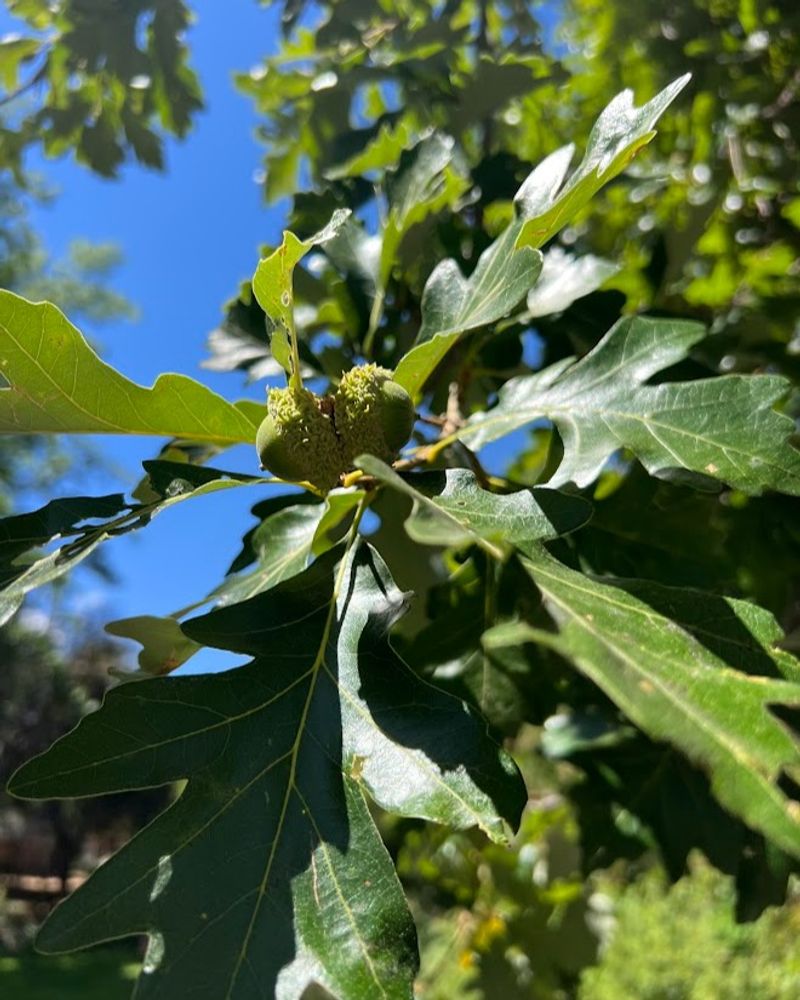
Spotting green acorns on your lawn in August feels confusing, especially if you expected them in October. Those little green nuts are actually sending you a message worth reading carefully.
Ripe acorns are brown, firm, and usually release cleanly from their caps. Green acorns still wearing their caps tightly are almost always the product of stress, not seasonal timing.
Color is one of the easiest ways to diagnose what your tree is going through. A lawn covered in green acorns tells a very different story than one covered in rich brown ones.
When an oak sheds green acorns long before autumn arrives, it is typically reacting to environmental pressure. Heat, drought, and soil problems are the most frequent triggers behind this early release.
Some homeowners mistake early green acorn drop for a bumper crop season. That assumption can lead to ignoring a tree that actually needs attention right now.
If you scoop up a handful of those green acorns and they feel hollow or lightweight, that confirms they were not mature. A healthy, ripe acorn feels dense and solid when you roll it between your fingers.
Checking the inside of a fallen acorn is another quick test. Slice one open and look for a pale, undeveloped embryo rather than a firm, white interior.
Your oak is giving you real-time feedback about its condition. Paying attention to what is on the ground beneath it is one of the best ways to stay ahead of bigger tree problems.
Weevil Damage Produces A Similar Early Drop

Not every early acorn drop comes from drought. Sometimes the culprit is a tiny insect with a very long snout, working quietly inside the nut before it ever hits the ground.
Acorn weevils are small beetles that drill into developing acorns to lay their eggs. Once the larvae hatch inside, they feed on the acorn’s interior and cause it to drop prematurely.
The adult weevil uses its curved beak to bore a perfect hole through the acorn shell. From the outside, the damage can be nearly invisible until you look closely at the base of the acorn.
If you pick up a fallen green acorn and notice a tiny round hole, a weevil has likely been there. That small hole is the entry point the female used to deposit her eggs inside.
Weevil populations tend to spike during warm, humid summers, a pattern the Northeast has trended toward in recent years. A higher weevil count means more acorns get targeted before they can fully develop.
Fortunately, weevil damage to acorns does not typically threaten the health of a mature oak. The tree loses some of its seed crop, but the trunk and canopy remain strong.
Picking up and disposing of fallen acorns quickly can help reduce the weevil population the following season. The larvae inside those dropped acorns will pupate in the soil if you leave them there.
A simple cleanup routine this fall could mean noticeably fewer weevil-damaged acorns next summer. Small actions now create real results you will appreciate a whole year from now.
Masting Cycles That Vary Naturally From Year To Year
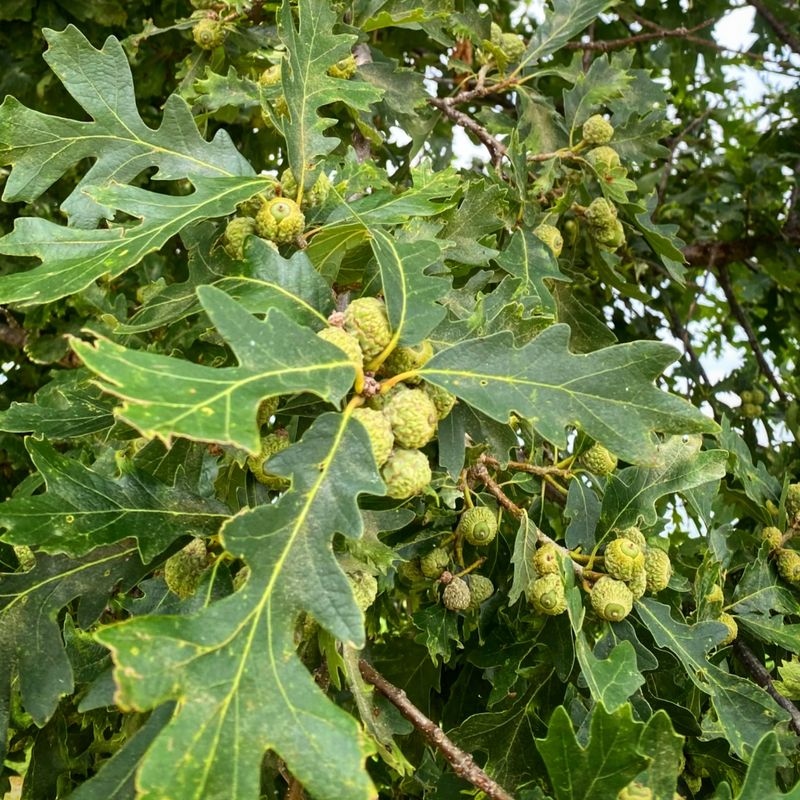
Oak trees do not produce the same amount of acorns every single year. They follow a fascinating boom-and-bust pattern that scientists call masting, and it shapes entire ecosystems.
During a mast year, oaks across a region simultaneously produce enormous quantities of acorns. The following year, production often drops sharply, leaving the forest floor almost bare by comparison.
Researchers believe oaks sync their masting cycles partly in response to temperature cues. A warm spring followed by a cool period can trigger a synchronized mass production event across many trees.
In a low-mast year, the acorns that do form may drop earlier and in smaller numbers. This can look alarming to homeowners who remember last year’s enormous crop blanketing their yard.
Masting is not a sign that something is wrong with your tree. It is one of nature’s most clever strategies for overwhelming seed predators like squirrels and deer in boom years.
By flooding the forest with acorns every few years, oaks ensure that more seeds survive long enough to germinate. Predators are unable to consume the full surplus when supply is this massive.
Tracking your oak’s annual acorn output over several seasons reveals the masting pattern clearly. A journal or even a few phone photos each fall can help you spot the cycle over time.
Understanding masting turns a confusing season into a fascinating one. Your oak is not struggling; it is simply following a rhythm that has worked for thousands of years.
Deep Watering Mature Oaks During Extended Dry Spells
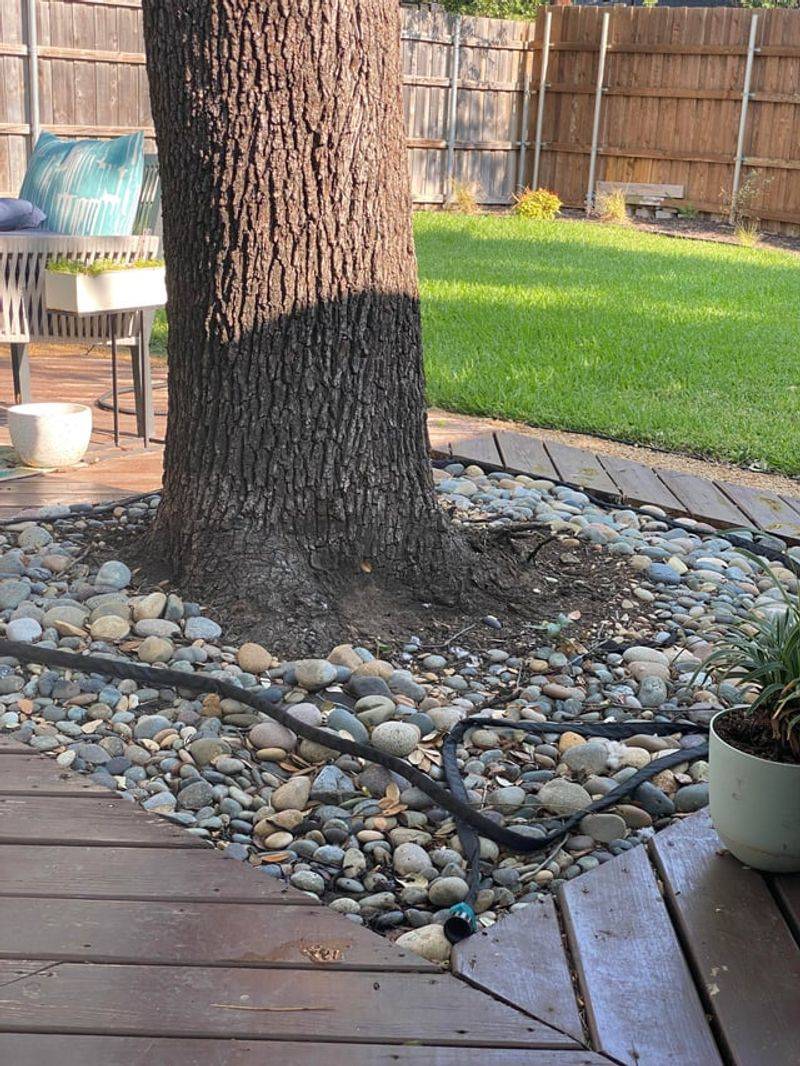
Mature oaks look tough, and they are, but even a well-established, deep-rooted oak needs help during a serious dry stretch. Deep watering is one of the most effective things you can do right now.
Shallow watering, like a quick sprinkler pass, does not reach the deeper roots where a mature oak actually drinks. Water needs to penetrate at least 12 inches into the soil to make a real difference.
A soaker hose laid in a wide circle around the drip line of the tree is one of the best tools for this job. The drip line is the outer edge of the canopy, where feeder roots are most active.
Run the soaker hose slowly for 45 minutes to an hour, letting the water seep down gradually. Fast watering just runs off the surface and never reaches where the tree needs it most.
Early morning is the best time to water a stressed oak. Moisture applied before the heat of the day has time to soak in before evaporation pulls it back out of the ground.
Avoid watering right at the base of the trunk, since that can encourage fungal growth near the root collar. Spread the water outward toward the drip line for maximum absorption.
A 2 to 3 inch layer of mulch around the tree can dramatically reduce moisture loss between watering sessions. Keep the mulch a few inches away from the trunk to prevent rot.
Helping your oak through this dry stretch is an investment that pays off for decades. A tree that survives stress well today grows stronger and more resilient for every season ahead.