Is It Time To Start Your Georgia Fall Cabbage Indoors Right Now?
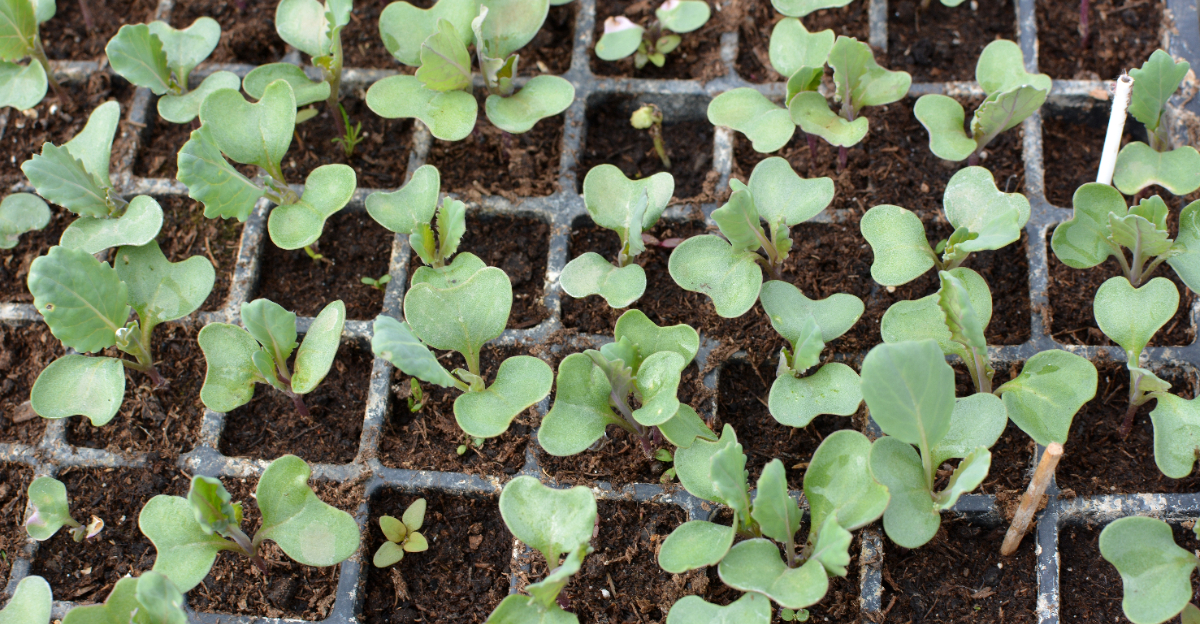
Timing decides everything if you want a real Georgia fall cabbage crop. Wait too long and your transplants show up weak just when cool weather hits.
Autumn moves fast in Georgia, and it will expose any seedling started late. Behind-schedule seeds usually mean stunted heads and a disappointing harvest.
Plenty of gardeners feel this pressure right now, and honestly, you probably do too. Each day you put it off chips away at your plant’s strength.
Cool weather favors roots that had time to develop, not ones rushed at the end. Healthy seedlings need real time to grow before you ever move them outside.
Putting this off costs you the tender, crisp heads you’re actually hoping for. Nothing about this crop forgives waiting, and patience can only carry you so far. Your planting date is closer than you think, and missing it means starting all over again.
Cabbage Needs Six To Eight Weeks Indoors
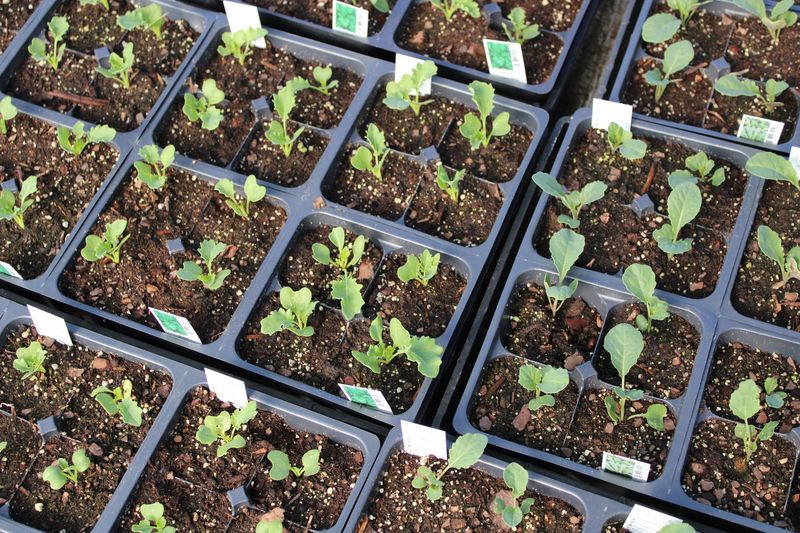
Cabbage seedlings are not in a rush, but your calendar definitely is. Giving them six to eight weeks indoors builds the kind of strength that outdoor conditions simply cannot create.
Starting too early wastes effort and space on seedlings that outgrow their trays. Starting too late sends weak transplants into soil that is already warming back up.
Those six to eight weeks allow the plant to develop a strong stem and healthy leaf structure. A thick stem means the seedling can handle wind, rain, and fluctuating temps without snapping.
Root development during this indoor phase is just as important as what you see above the soil. Roots that spread wide and deep inside a small cell tray are primed to explode with growth once placed in garden beds.
Most Georgia gardeners underestimate how much work happens below the surface. Watching a seedling look small above ground can feel discouraging, but the real action is underground.
Cabbage also benefits from consistent indoor light during this phase. Aim for at least fourteen to sixteen hours of light each day using a grow light or a very bright south-facing window.
Watering consistently without overwatering is the other key habit to build early. Soggy roots invite damping off, a fungal issue that can destroy entire trays of seedlings fast.
Respect the six-to-eight-week rule for Georgia fall cabbage, and your transplants will thank you with vigor.
Count Backward From Your Transplant Date
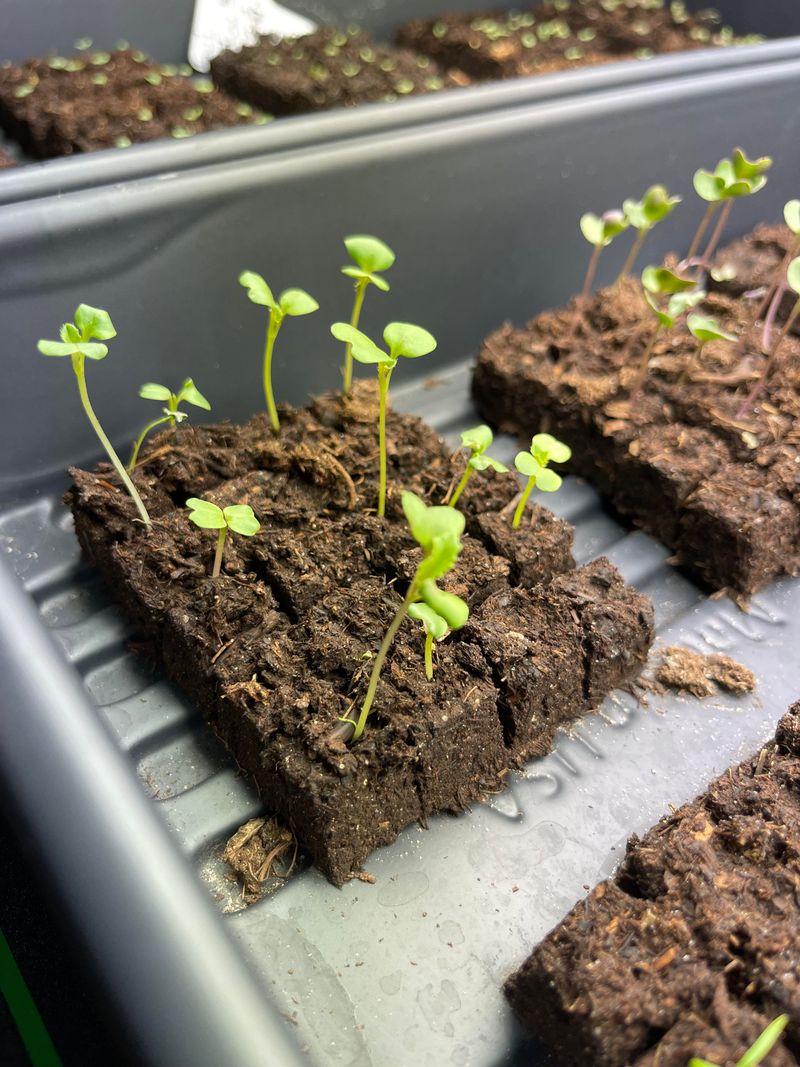
Pull out a calendar right now, because math is your best friend this season. Counting backward from your target transplant date tells you exactly when to drop those seeds into trays.
For most Georgia fall cabbage growers, the transplant window lands between late September and mid-October. That is when soil temps cool enough for cabbage roots to settle in without stress.
Count back eight weeks from your planned transplant date and circle that start date in red. That circled date is your seed-starting cutoff, and missing it has real consequences.
If you plan to transplant on October 1st, your seeds need to go in the tray around August 6th. Simple subtraction saves your entire harvest from a frustrating late-season scramble.
Your Georgia Garden Changes Every Week. Your Plan Should Too.
Gardening in Georgia changes quickly throughout the season. Every Friday you’ll receive a simple weekly plan showing exactly what to plant, prune, fertilize, harvest, and protect so you never miss the right timing.
Some gardeners prefer to count back only six weeks, aiming for slightly younger transplants. Younger plants sometimes establish faster because they experience less transplant shock in the garden.
Either approach works well as long as you commit to a date and stick with it. Flexibility is great in life, but cabbage timing rewards the planner over the improviser.
Write the start date and transplant date somewhere visible in your garden space. Seeing those dates every day keeps you accountable and prevents the common mistake of forgetting until it is too late.
Counting backward is the simplest tool any Georgia fall cabbage grower can use to stay on schedule.
Late August Through September Fits Most Regions
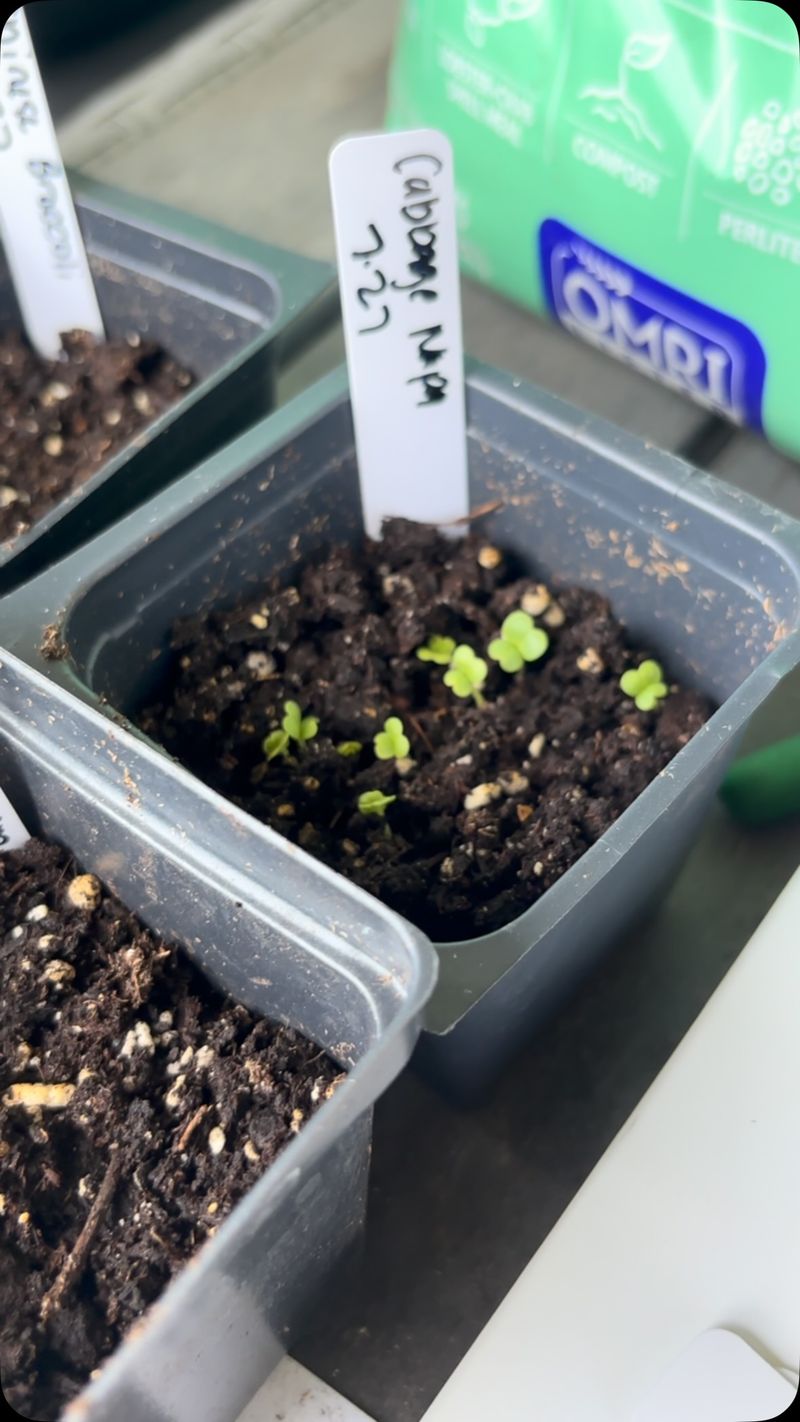
Late August has a specific feeling in Georgia, hot days but slightly shorter nights hinting at what is coming. That shift in the air is your cue to get those cabbage seeds started.
For most parts of the state, beginning seeds indoors between late August and early September lines things up perfectly. Transplants will be ready right when the soil starts to cooperate.
September starts can also work well if you are targeting a later harvest closer to Thanksgiving. A November harvest of crisp heads is well within reach with the right start date.
The key is matching your indoor start to the outdoor conditions you expect in your specific area. Georgia is a big state with real climate differences from one region to the next.
Late August starters in the southern part of the state often see the best results. The longer warm season means transplants need to go in a bit later to avoid heat stress.
Northern Georgia gardeners can often push their start date slightly earlier because cooler fall temps arrive sooner. Starting in mid to late August gives those mountain-area plants the full six to eight weeks they need.
Coastal growers should lean toward September starts to avoid putting transplants out during lingering summer heat. Matching your schedule to your specific microclimate beats following a one-size-fits-all guide.
Match your seeds to your region, and the harvest practically plans itself.
Mountains Piedmont And Coastal Areas Differ Slightly
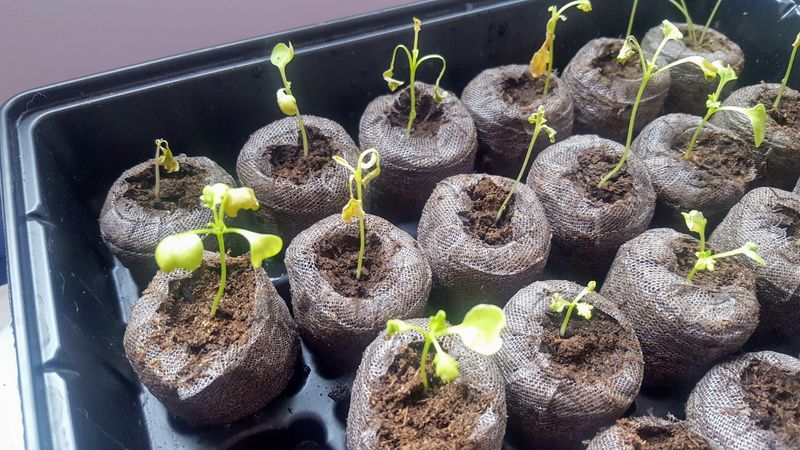
Georgia is not one climate, it is three wrapped into one state. The mountains, the Piedmont, and the coast each play by slightly different rules when it comes to fall cabbage timing.
Blue Ridge mountain gardeners enjoy cooler falls that arrive earlier and stay longer. That means transplants can go in the ground a week or two ahead of gardeners in lower elevations.
Starting seeds in early to mid August works well for mountain-region growers. The cooler nights that come in September and October are exactly what cabbage loves for forming tight heads.
Piedmont gardeners, sitting in the middle of the state, deal with red clay soil and a more moderate fall season. Starting seeds around mid to late August gives transplants time to root before October cool-downs.
The Piedmont is also where many Georgia home gardeners live, making it the most common timing reference. Aiming for an August 15th to August 25th seed start covers most Piedmont situations well.
Coastal growers face the longest warm season, with genuine fall temps sometimes not arriving until November. Pushing the seed start into early September and transplanting in late October often works best near the Georgia coast.
Humidity near the coast also affects how seedlings develop indoors. Good airflow around trays and slightly drier watering habits help prevent mold issues in coastal growing spaces.
Know your region, adjust your dates, and your fall cabbage will perform like a champion.
Strong Root Balls Come From Patient Timing
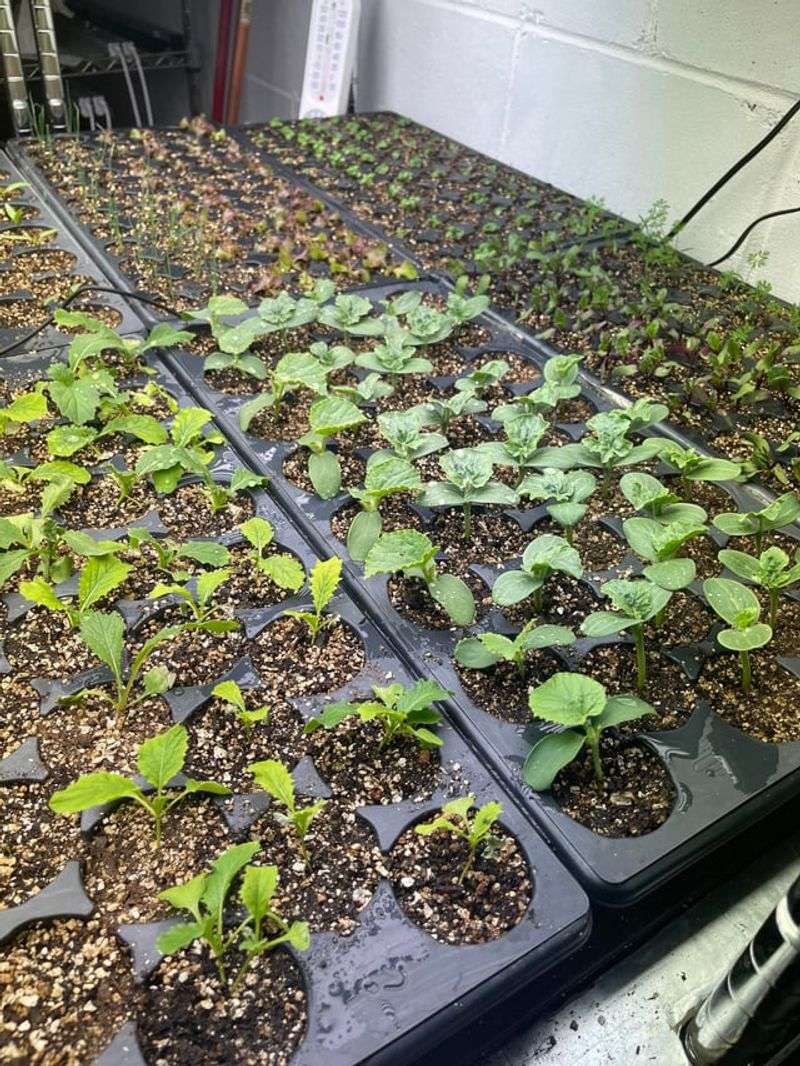
There is something deeply satisfying about pulling a seedling from its tray and seeing a firm, white root ball clinging to the soil. That moment means your timing was right.
Root balls that are dense and compact hold together during transplanting without falling apart. A seedling that holds its shape when placed in the ground recovers from transplant shock much faster.
Patient indoor timing is what creates that strong root structure. Rushing seeds into the garden before roots have filled out the cell tray leads to slow establishment and stunted plants.
A well-rooted transplant can handle Georgia’s unpredictable early fall weather without skipping a beat. Even a surprise warm spell is far less likely to derail a plant with strong roots anchoring it to the soil.
Gardeners who try to speed up the process by transplanting too early often report soft, floppy heads or plants that struggle to thrive. Patience during the indoor phase pays off in a very visible way at harvest time.
Checking root development is easy: gently tip a tray cell and look at the bottom. If roots are circling the bottom or poking out of the drainage holes, the plant is ready.
If roots are sparse and pale, give the seedling another week or two indoors. Rushing a plant that is not ready is one of the most common mistakes fall cabbage growers make.
Strong roots build strong heads, and strong heads are worth every day of waiting.
Skipping This Step Risks A Late Fall Harvest
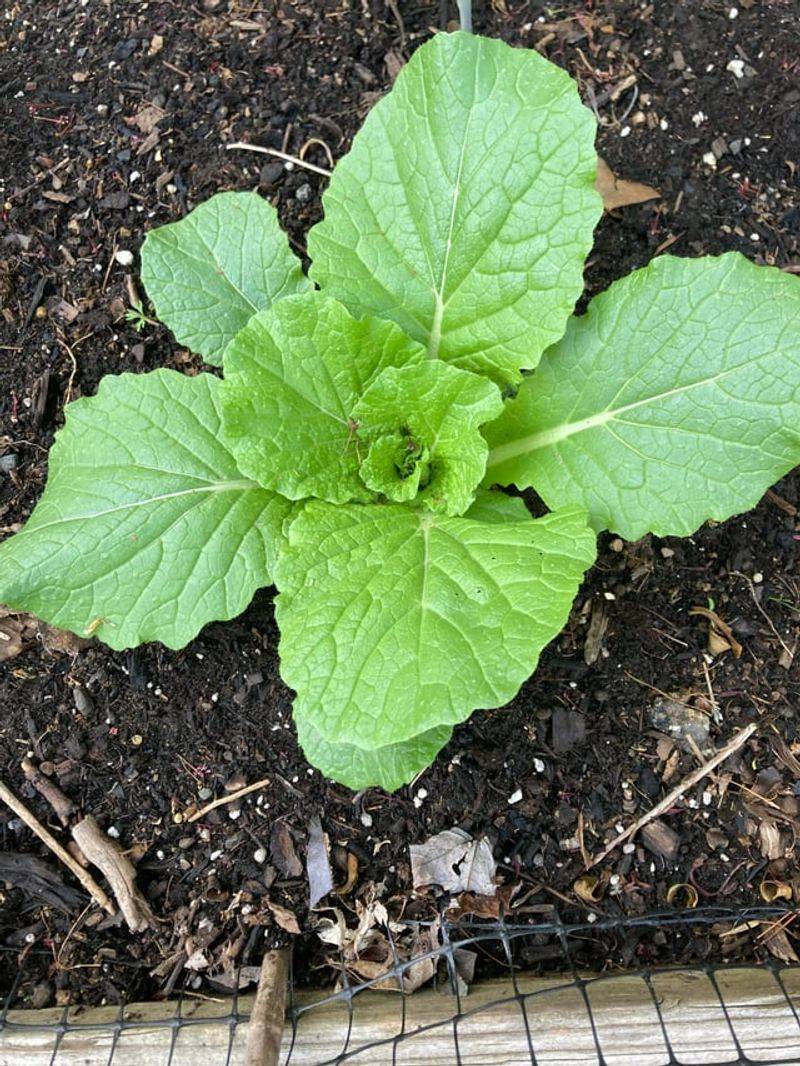
Skipping this early step is a gamble that rarely pays off. Direct seeding outside in summer heat gives seeds a rough, uphill start from day one.
Outdoor conditions in July and August in Georgia are not friendly to tiny cabbage sprouts. Intense heat, afternoon thunderstorms, and soil that dries fast create a tough environment for germination.
Even if seeds do sprout outside, they come up weeks behind where they should be. That delay pushes your harvest right into the coldest part of winter, when heads may not form properly.
An indoor start gives seeds a controlled environment with steady moisture, consistent temps, and no pest pressure. Germination rates indoors are dramatically higher than what you will see from direct outdoor seeding in summer.
Missing the indoor window by even two or three weeks can push your harvest back significantly. In Georgia, that delay can mean the difference between beautiful heads and frost-damaged plants that never close up.
Some gardeners try to compensate by buying transplants from a nursery. That works in a pinch, but availability of fall cabbage starts at local garden centers is often limited and unpredictable.
Growing your own transplants puts you in control of timing, variety selection, and plant health from the very beginning. That kind of intentional care is what separates a real harvest from a wasted season.