8 Michigan Vegetables That Bolt Fastest In Summer Heat
Michigan spring gardens have a way of making vegetable growing feel effortless, and then June arrives and the lettuce sends up a flower stalk, the spinach goes bitter overnight, and the whole cool-season bed starts making decisions nobody asked it to make.
That is bolting, and it happens to every Michigan gardener eventually, usually right at the moment when the garden was looking its best.
A plant that bolts has stopped focusing on the leaves, roots, or heads worth harvesting and shifted its energy entirely toward flowering and setting seed. Once that process gets going in earnest, it does not reverse, which is the part that makes timing so important.
Understanding what triggers bolting in different crops, and what can slow it down, is what keeps the spring harvest going as long as possible.
1. Spinach Bolts Fast In Summer Heat
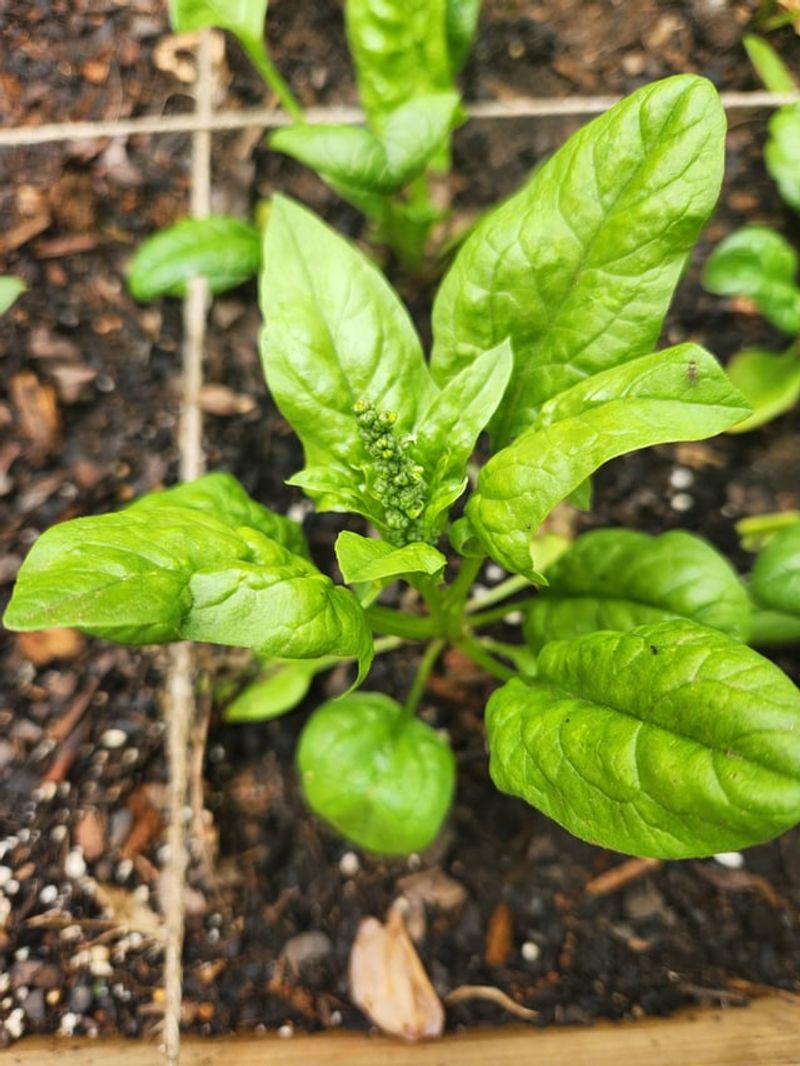
Few vegetables make the shift from leafy productivity to flowering as noticeably as spinach does once Michigan’s spring warmth gives way to summer.
Spinach is a cool-season crop that responds strongly to both rising temperatures and lengthening days, two things Michigan summers deliver reliably.
When those conditions arrive together, spinach plants can begin sending up a central flower stalk surprisingly quickly.
As bolting progresses, the leaves often become smaller, more pointed, and less tender than the broad, smooth leaves harvested earlier in the season. The flavor can also shift, becoming more bitter and less pleasant for fresh eating or cooking.
Once the flower stalk is well established, the plant’s energy is firmly focused on reproduction rather than leaf production.
Gardeners generally get their best spinach harvests during the cooler parts of spring or in early fall when temperatures are more favorable. Planting spinach early in the season, before days grow long and warm, gives gardeners the best chance at a good harvest.
Some slow-bolting cultivars are available and may extend the harvest window by a few weeks, but they are not a permanent solution when summer conditions fully set in.
Succession planting small amounts every week or two during spring can also help spread out the harvest before heat becomes a bigger factor.
Consistent moisture and good soil can reduce unnecessary plant stress, though they cannot stop the natural bolting process once it has been triggered by day length and warming temperatures.
2. Lettuce Stretches As Temperatures Rise
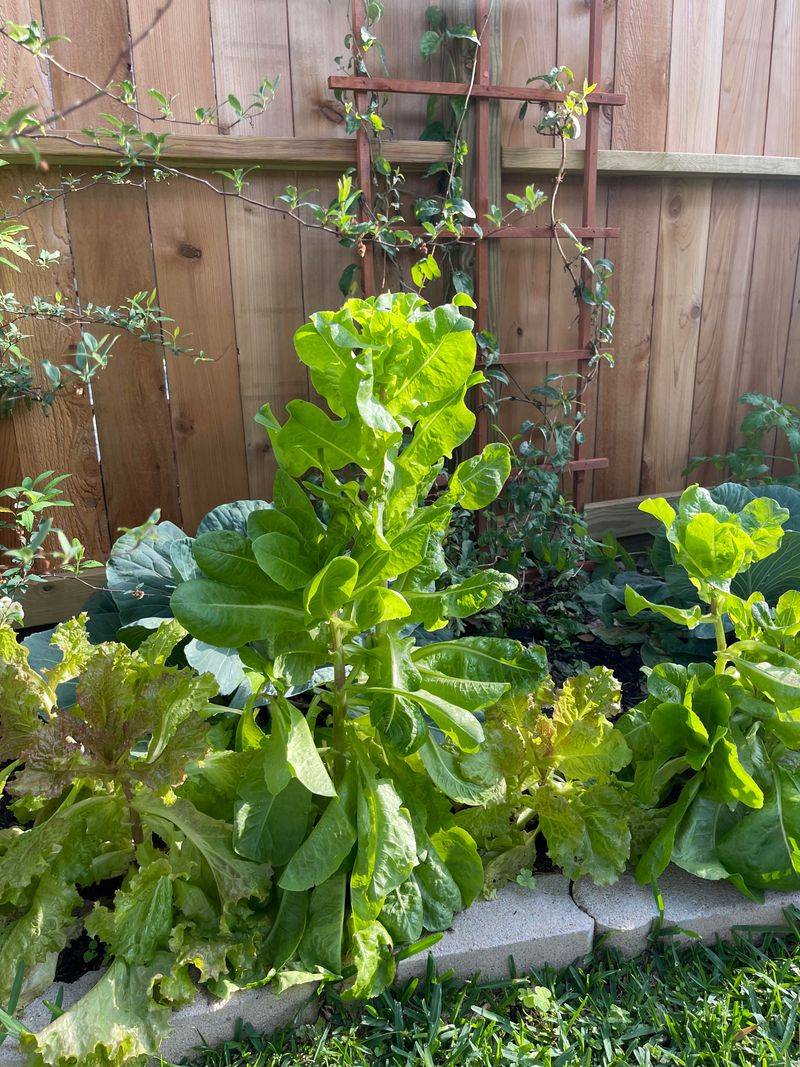
Walk through a Michigan vegetable garden in late spring or early summer, and you might notice your lettuce plants looking taller and leggier than they did just a week or two before. That upward stretch is one of the earliest signs that lettuce is beginning to bolt.
The plant starts directing its energy toward producing a flower stalk rather than the full, leafy head most gardeners are hoping to harvest.
Warm temperatures can speed up this process considerably. As flowering progresses, lettuce leaves often develop a noticeably more bitter flavor, which many people find less enjoyable for salads or sandwiches.
The texture can also become tougher as the plant matures toward seed production. Harvesting lettuce promptly once heads reach a good size is one of the most practical ways to stay ahead of bolting before the quality drops.
Your Michigan Garden Changes Every Week. Your Plan Should Too.
Gardening in Michigan changes quickly throughout the season. Every Friday you’ll receive a simple weekly plan showing exactly what to plant, prune, fertilize, harvest, and protect so you never miss the right timing.
Succession planting is another helpful approach. Rather than sowing all your lettuce seed at once, planting smaller amounts every week or two through spring keeps fresh, young plants coming in as older ones begin to stretch.
Choosing slower-bolting cultivars, which are widely available from seed suppliers, can also give gardeners a bit more time before flowering begins.
Providing some afternoon shade with shade cloth may help reduce heat stress for leafy vegetables during warmer stretches, though it will not stop the effects of increasing day length and natural plant maturity.
Timing plantings carefully around Michigan’s seasonal conditions remains one of the most reliable strategies.
3. Radishes Turn Tough When They Bolt
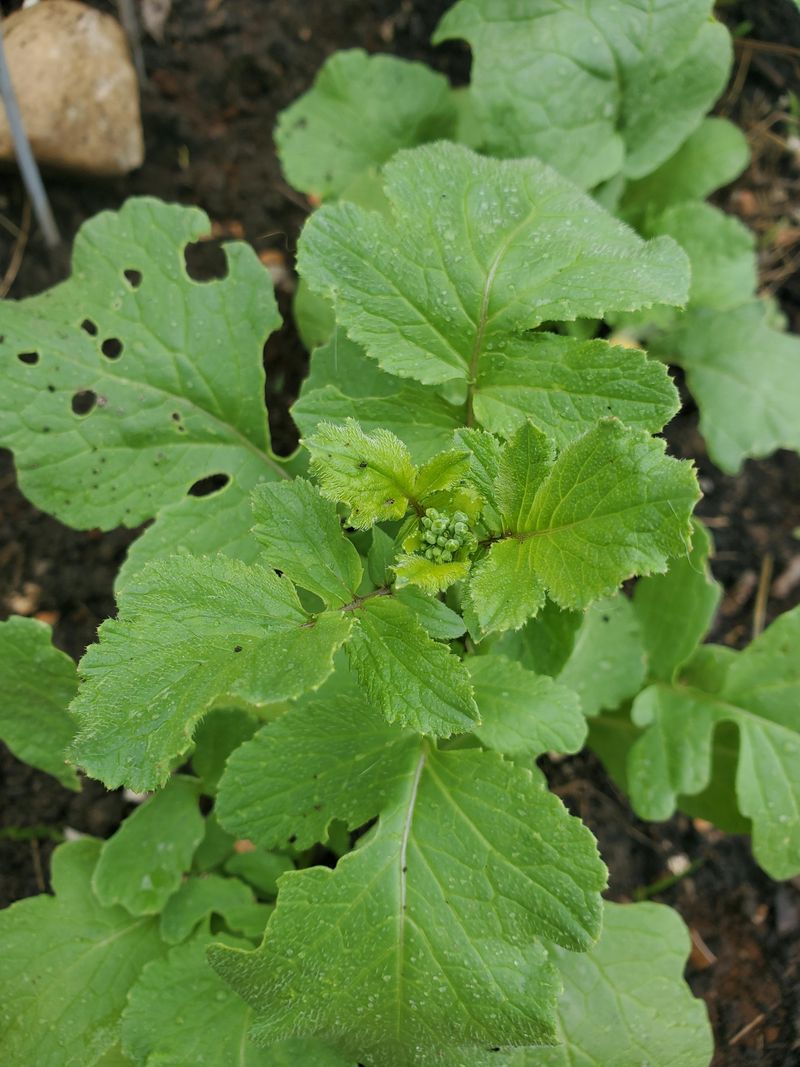
Radishes have a reputation for being one of the quickest crops to grow, but that speed works against gardeners when Michigan summer heat arrives.
Hot weather and delayed harvesting can both push radishes toward bolting, and when that happens, the roots that most people are growing them for begin to suffer in quality.
Instead of the crisp, mild, or pleasantly spicy roots harvested in spring, bolting radishes often develop a tougher, more fibrous texture that makes them far less enjoyable to eat.
As the plant shifts toward flowering and seed production, most of its energy moves away from root development.
The roots may also become pithy or hollow in the center, which is a common complaint from gardeners who leave radishes in the ground too long during warm weather.
Flavor can intensify in ways that are not always welcome, becoming sharper or more pungent than a freshly harvested spring radish.
Radishes tend to perform much better during Michigan’s cooler spring and fall seasons, when temperatures are mild and days are shorter.
Planting them early in spring or again in late summer for a fall harvest generally gives better results than trying to grow them through the hottest part of the year.
Harvesting promptly once roots reach a good size is one of the simplest ways to avoid quality loss.
Some bolt-resistant varieties exist and may hold up a bit longer, but no radish variety is immune to the effects of sustained heat and lengthening summer days in Michigan.
4. Arugula Quickly Sends Up Flower Stalks
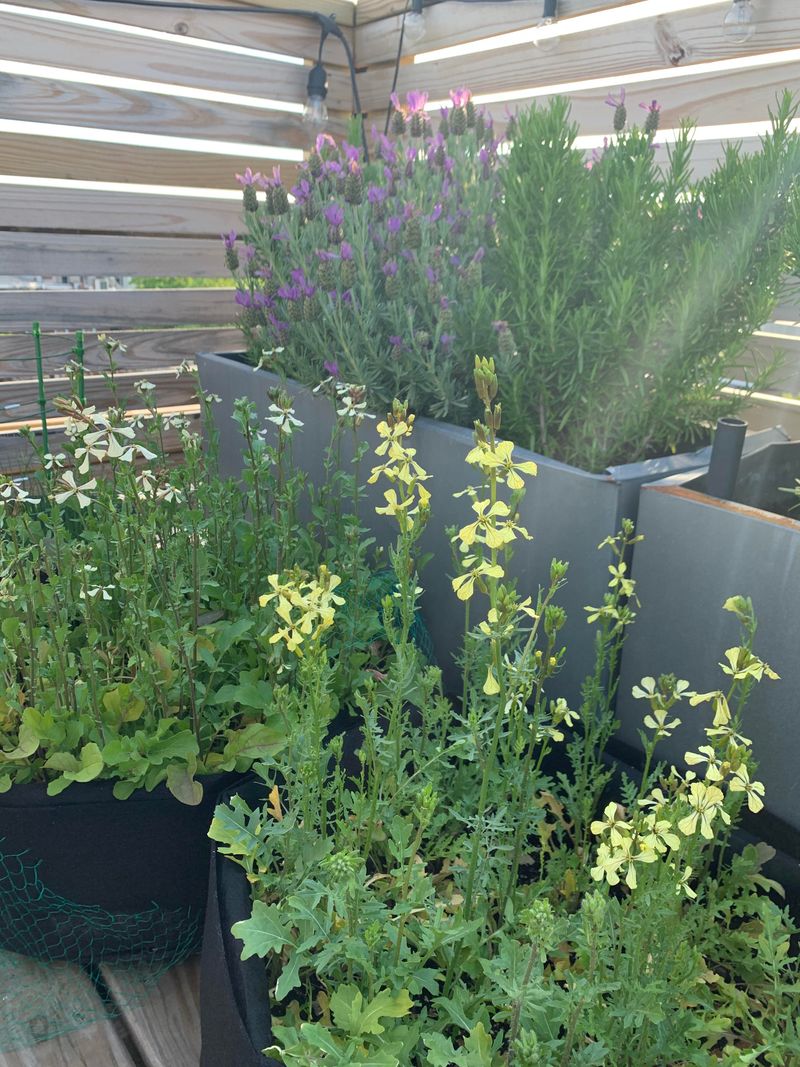
Arugula has a bold, peppery flavor that many Michigan gardeners enjoy fresh from the garden, but keeping it in that productive leafy stage can feel like a race against the calendar once temperatures begin climbing.
As a cool-season green, arugula responds to warming conditions and lengthening days by transitioning toward flowering, sometimes noticeably faster than gardeners expect during Michigan’s late spring and early summer weeks.
When arugula begins to bolt, it sends up slender flower stalks topped with small white blooms.
The leaves that remain on the plant often become tougher and more intensely flavored as flowering progresses, which some people find too sharp or bitter for salads.
Harvesting young leaves regularly before the plant matures can help extend the window of good-quality greens, though it will not stop the plant from eventually moving into its reproductive stage.
Succession planting is one of the most practical approaches for gardeners who want to keep arugula available through more of the season.
Sowing small amounts of seed every couple of weeks during spring means that as one planting begins to bolt, a newer, younger batch is ready to harvest.
Fall plantings often perform well too, since Michigan’s cooling temperatures in late summer and early fall are more favorable for arugula’s growth.
Choosing slower-bolting varieties when available may provide a modest extension of harvest time, though no variety will remain in a vegetative stage indefinitely when conditions shift toward summer.
5. Mustard Greens Bolt As Summer Builds
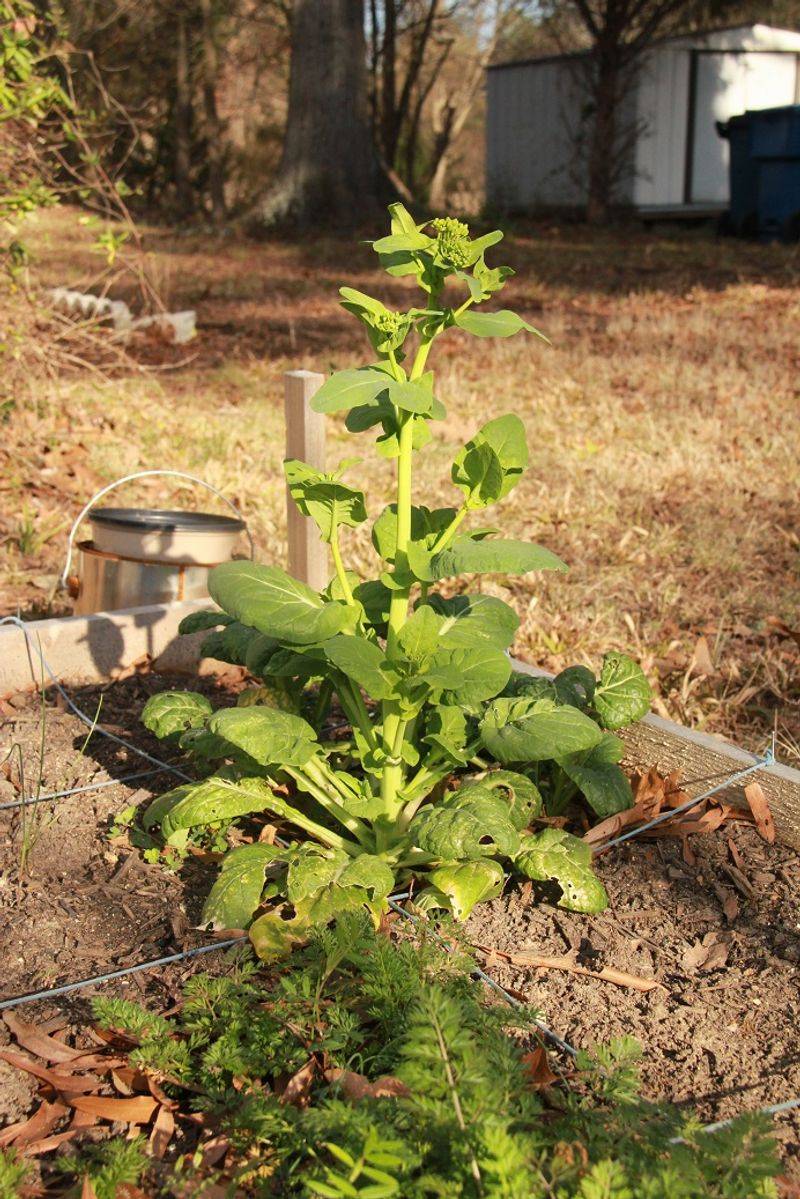
Mustard greens bring a bold, slightly spicy flavor to the garden, and they grow quickly during cool Michigan spring weather. But as summer days grow longer and temperatures rise, mustard greens respond by shifting their energy toward flowering.
The transition can happen fairly quickly, especially during stretches of warm weather that gardens often experience from late spring onward.
As mustard greens begin to bolt, the leaves may become tougher and the flavor can intensify in ways that some gardeners find less appealing for fresh eating or cooking.
Younger leaves harvested earlier in the plant’s life tend to be more tender and milder than leaves left on a maturing plant heading into its flowering stage.
Once the central flower stalk is clearly rising, the plant is well into its reproductive phase and leaf quality tends to decline from that point.
Spring and fall are generally the most productive seasons for mustard greens in Michigan, when temperatures are cooler and days are shorter.
Planting in early spring and again in late summer for a fall harvest gives gardeners two windows of good production while avoiding the most challenging midsummer conditions.
Harvesting outer leaves regularly while plants are young can help maximize what you get before bolting begins. Succession planting small batches through spring is another way to keep a fresh supply coming in before summer heat fully takes hold.
Keeping plants consistently watered can reduce heat stress, though it will not prevent bolting once seasonal triggers are in place.
6. Broccoli Heads Open Early In Heat
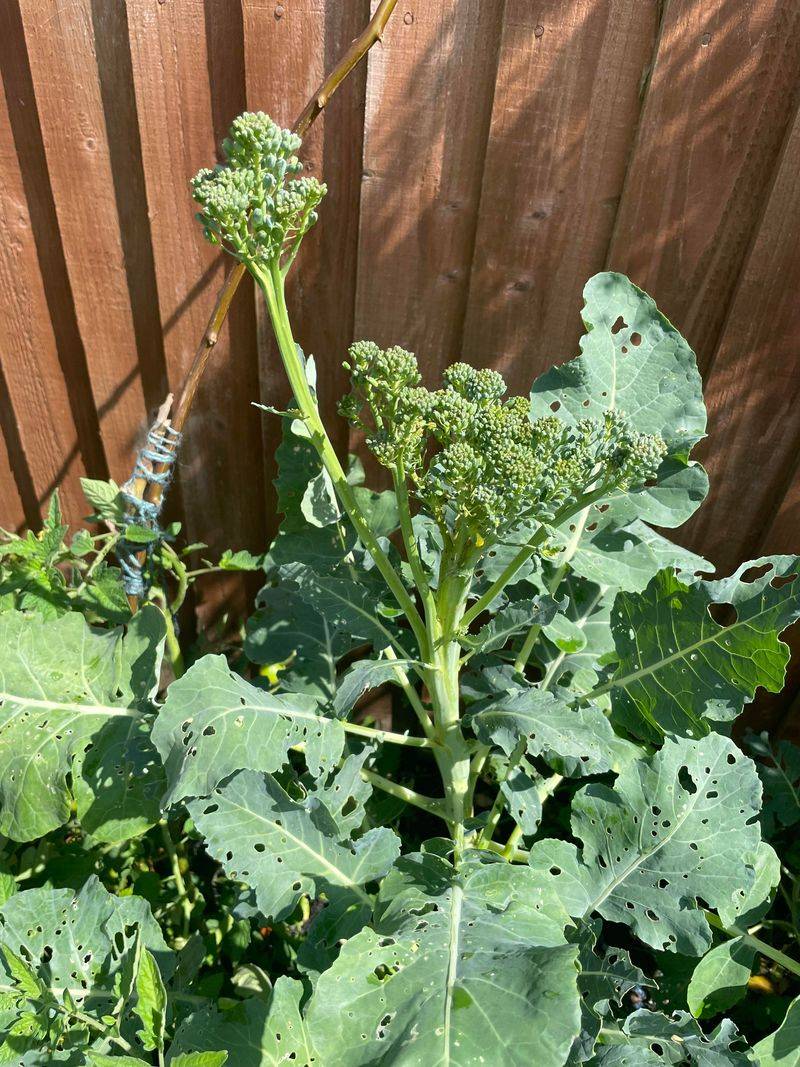
Broccoli’s relationship with heat is a little different from what happens with leafy greens like spinach or arugula.
Rather than sending up a tall flower stalk from a vegetative plant, broccoli responds to warm temperatures during head development by allowing its tightly packed flower buds to loosen and open before gardeners get the firm, compact head they were hoping to harvest.
Seeing those small yellow flowers beginning to appear on a broccoli head is a sign that the window for harvesting has passed or is closing very quickly.
Heat stress during the period when the head is forming and maturing can accelerate this process.
Michigan gardeners who time their broccoli so that heads develop during the warmer weeks of summer may find that the heads open faster than expected, leaving less time between the right harvest moment and the point where quality drops.
Not every plant exposed to warm weather will respond in exactly the same way, since variety, overall plant health, and how heat arrives all play a role.
Timing broccoli so that heads mature during cooler parts of the season tends to give Michigan gardeners better results.
Starting transplants early enough for a spring harvest before peak summer heat, or timing a fall crop so heads develop as temperatures cool in late summer, are both practical approaches.
Harvesting broccoli heads promptly once they reach a good size, even if they are slightly smaller than expected, can help gardeners get a usable crop before heat causes buds to open.
7. Cauliflower Struggles In Hot Weather
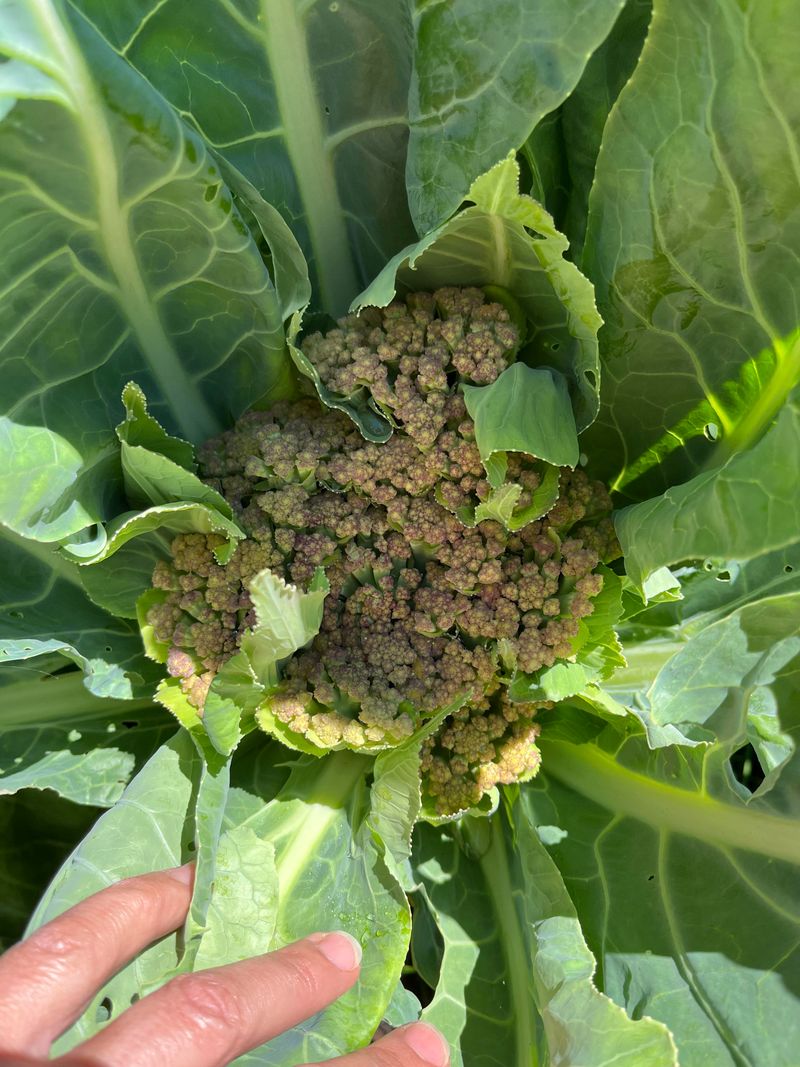
Cauliflower has a reputation for being one of the more temperamental vegetables in the garden, and Michigan’s summer heat is a big part of the reason why.
Unlike spinach or lettuce, which bolt by sending up a flower stalk from a leafy plant, cauliflower’s challenges in warm weather show up differently.
High temperatures during curd development can cause the head to form loosely, develop an off color, or begin opening prematurely before it reaches a size worth harvesting.
The curd, which is the white edible portion most people recognize, is actually made up of undeveloped flower buds.
When temperatures become unfavorable during this developmental stage, those buds can begin separating or advancing toward flowering rather than staying tightly packed.
The result is often a head that looks rough, ricey, or simply less appealing than what gardeners were expecting. Temperature history during the entire growing period, not just a single hot day, can influence how well the plant forms its head.
Gardeners often have better results with cauliflower when it matures during cooler parts of the season.
A spring crop started early enough to head up before peak summer heat, or a fall crop timed to mature as temperatures moderate in late summer and early fall, can reduce the risk of heat-related quality problems.
Choosing heat-tolerant varieties when available may help, though cauliflower remains sensitive to temperature fluctuations compared to many other vegetables commonly grown in Michigan gardens.
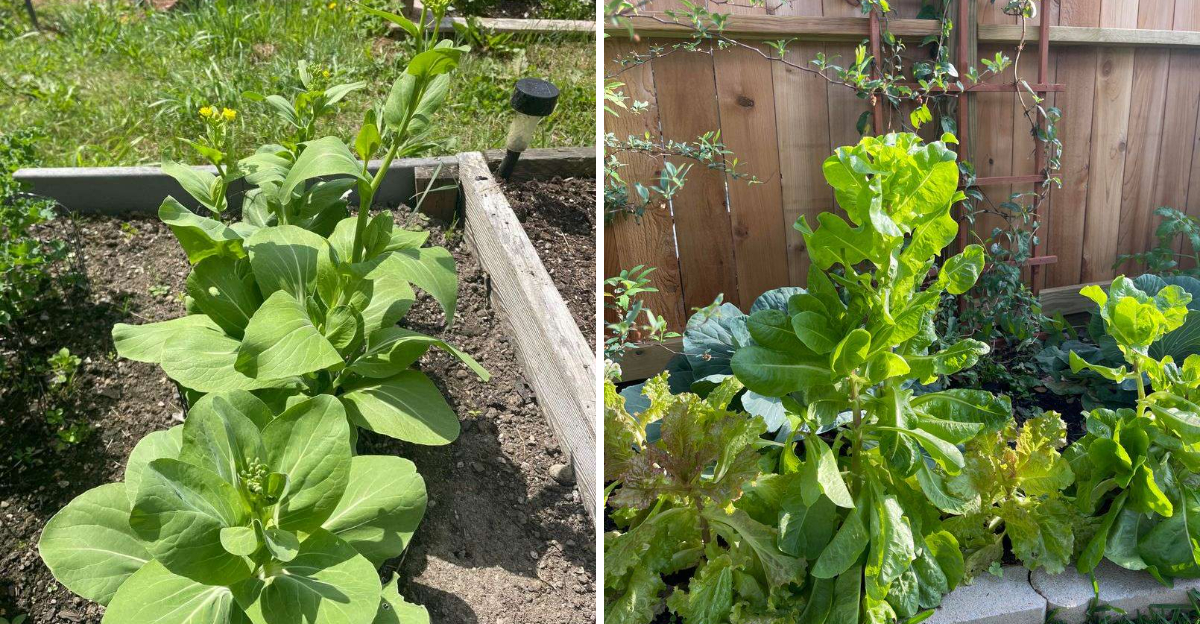
8. Bok Choy Bolts In Warm Conditions
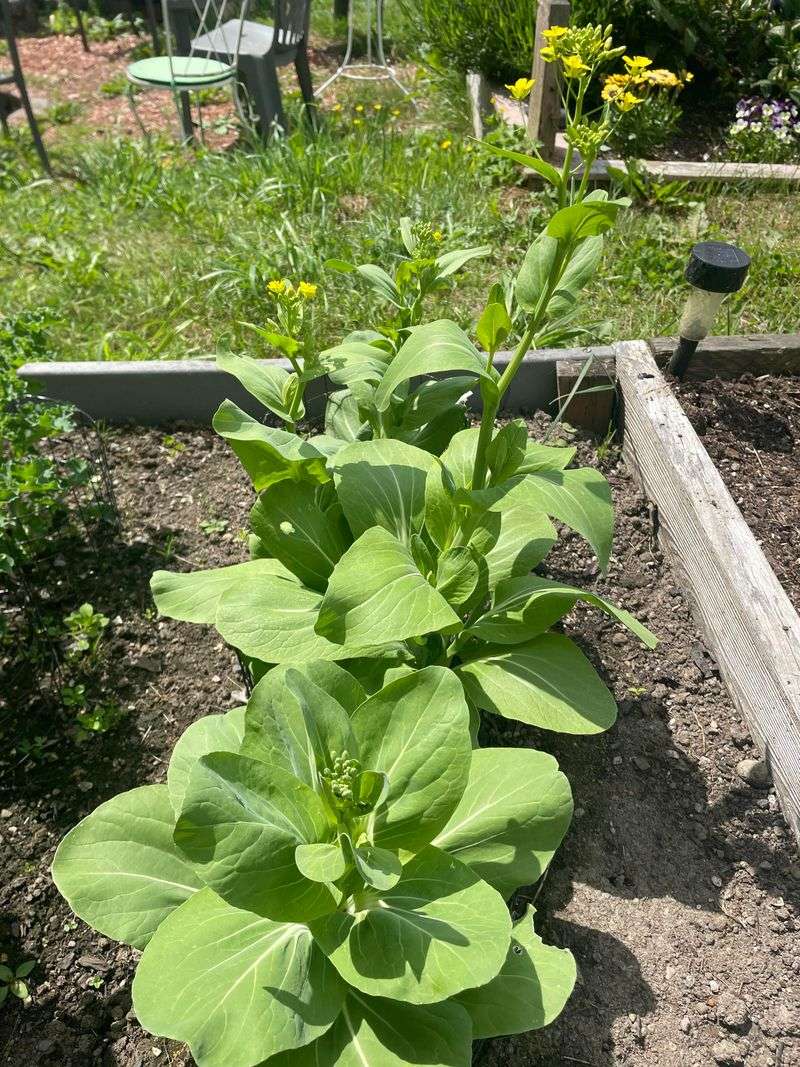
Bok choy can be a rewarding cool-season crop in Michigan, producing crisp stems and tender leaves that work well in many recipes.
But gardeners who have grown it through a warm spring or into early summer have likely seen how quickly it can shift from productive leafy growth to flowering.
The bolting response in bok choy is worth understanding carefully, because it is not as simple as saying summer heat alone is the trigger.
Temperature history, plant maturity, and increasing day length can all influence when bok choy decides to flower.
A stretch of cool temperatures followed by a rapid warm-up, the kind of weather swing Michigan can experience in spring, may encourage premature bolting even before peak summer heat arrives.
Younger plants are sometimes more sensitive to these transitions than more established ones, though the relationship between plant age and bolting can vary depending on the variety and growing conditions.
Once bok choy begins sending up its flowering stalk, the leaves and stems that remain on the plant tend to become tougher and less pleasant to eat. Harvesting promptly while the plant is still in a full vegetative stage is one of the most reliable ways to get a good crop.
Planting bok choy early in Michigan’s spring, when temperatures are still cool and stable, gives plants the best environment for productive growth before seasonal conditions shift.
A fall planting as temperatures cool again is another option that often works well for gardeners looking to avoid bolting.