The Simple Trick Michigan Gardeners Use For More Siberian Iris Blooms
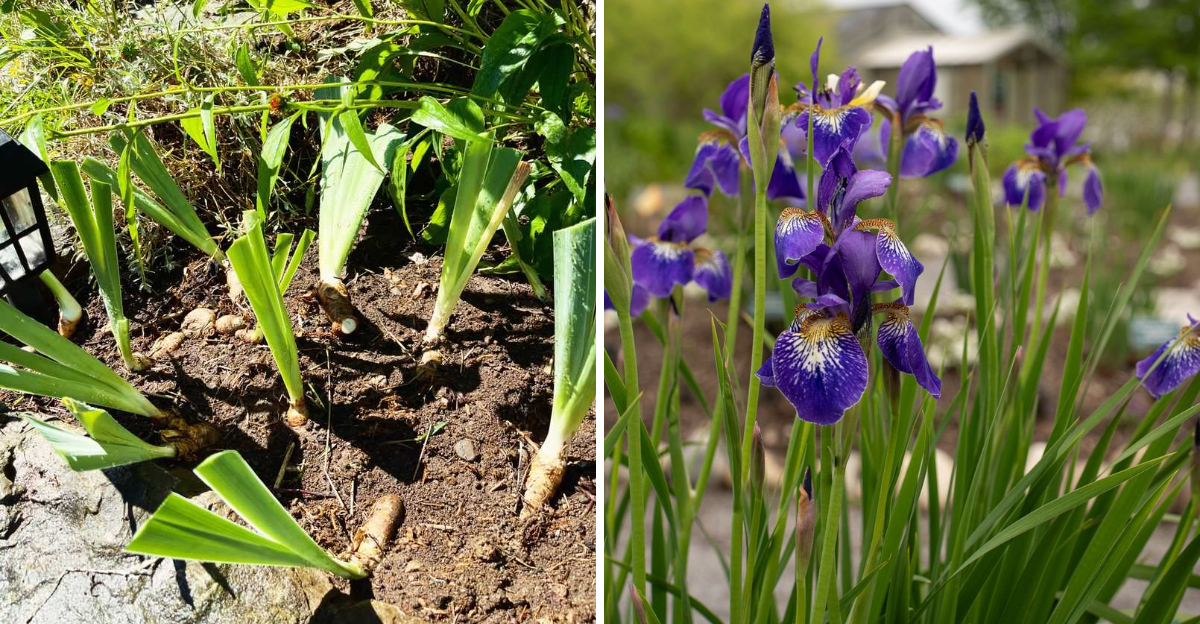
Siberian iris often blooms well for a season or two before gradually producing fewer flowers, leaving many Michigan gardeners wondering what changed. Most people assume the plant is simply reaching some kind of natural decline that comes with age.
But there’s a specific, surprisingly simple trick that resets this pattern, one most gardeners have never heard of despite growing this plant for years.
Understanding what actually drives fuller blooms could completely change how you care for your existing iris clumps going forward.
Many people are shocked at how much of a difference this one small habit makes once they finally try it themselves.
Once you start using this trick, you’ll likely wonder why nobody mentioned it to you sooner. This knowledge could turn a fading iris patch back into the full, colorful display it once was.
1. Divide Crowded Clumps
Picture a Siberian iris that has grown into a thick, tangled mound over several seasons. When the roots become packed together, the plant runs out of room and energy. That crowding is often the reason your once-bright blooms start to fade.
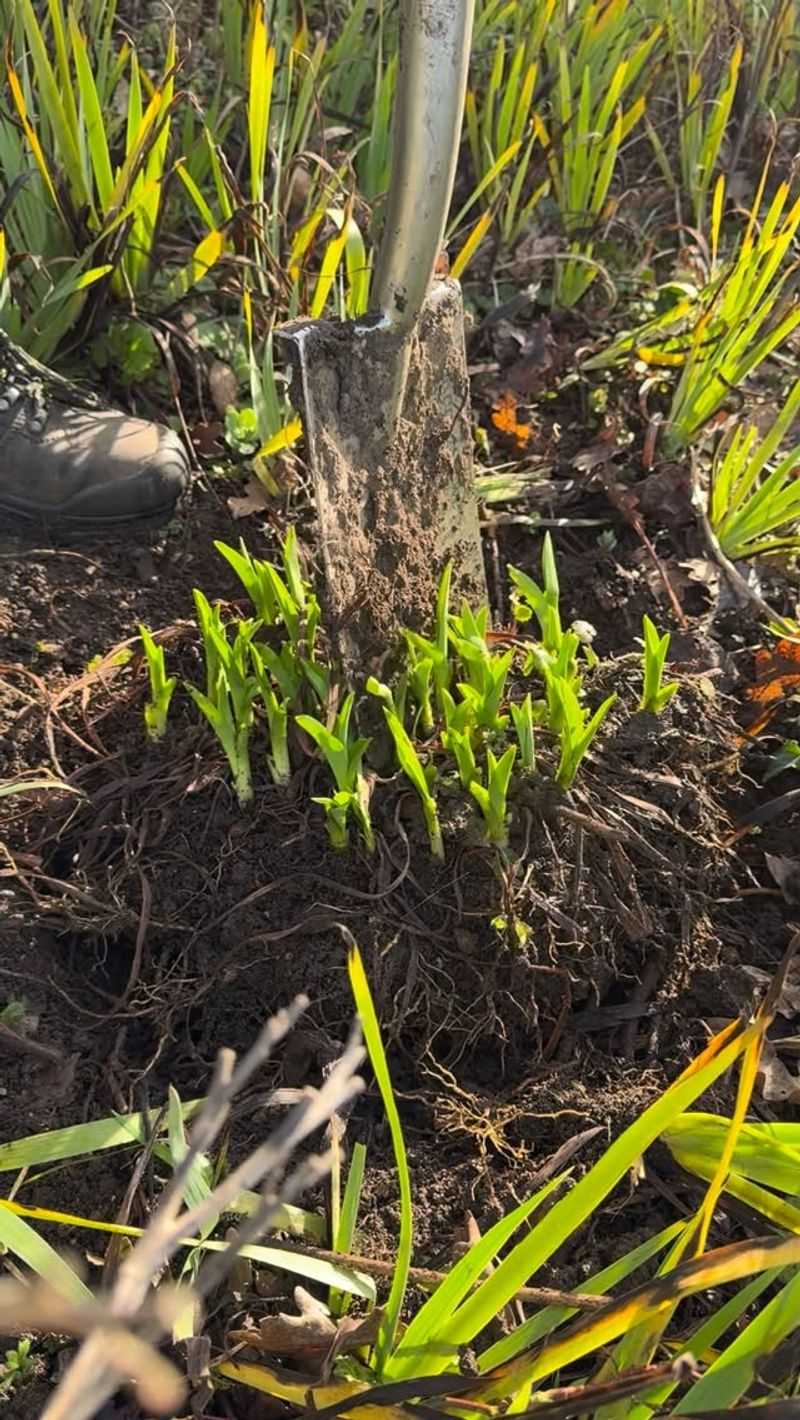
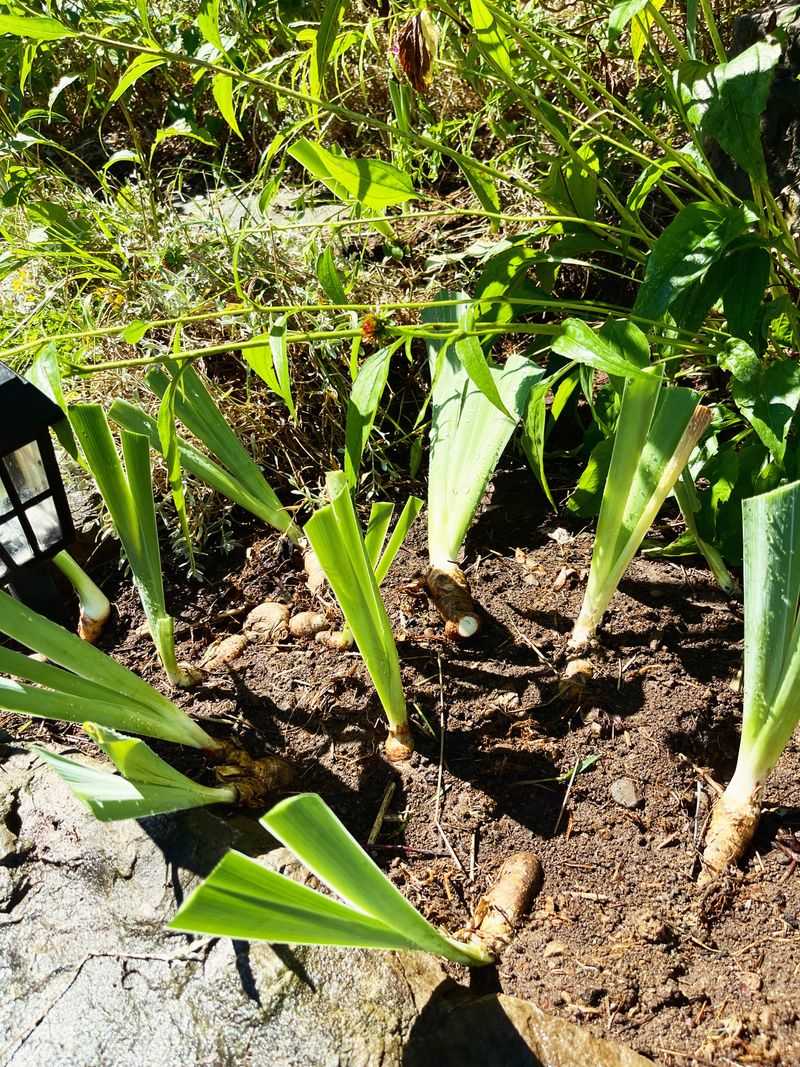
Splitting the clump gives each piece breathing space and fresh soil to grow into. Gardeners across Michigan dig up the whole plant, then gently pull or cut it into smaller sections. Each new section gets its own space to stretch out and soak up nutrients.
Early fall or spring works best for this job, since cooler weather helps the roots settle in comfortably. Use a sharp spade to lift the clump, and shake off extra soil so you can see what you are working with.
You will notice the healthiest growth around the outer edges. After separating the pieces, plant them a bit apart so they have room to spread again. Water them well, and within a season or two you will see stronger stems and many more flowers.
It feels almost like getting new plants for free. Think of dividing as a fresh start for a tired plant. The roots wake up, the leaves grow taller, and the blooms return in bigger numbers.
This one habit is the heart of the trick Michigan gardeners swear by, and it costs nothing but a little time and effort in the garden.
2. Look For Fewer Flowers
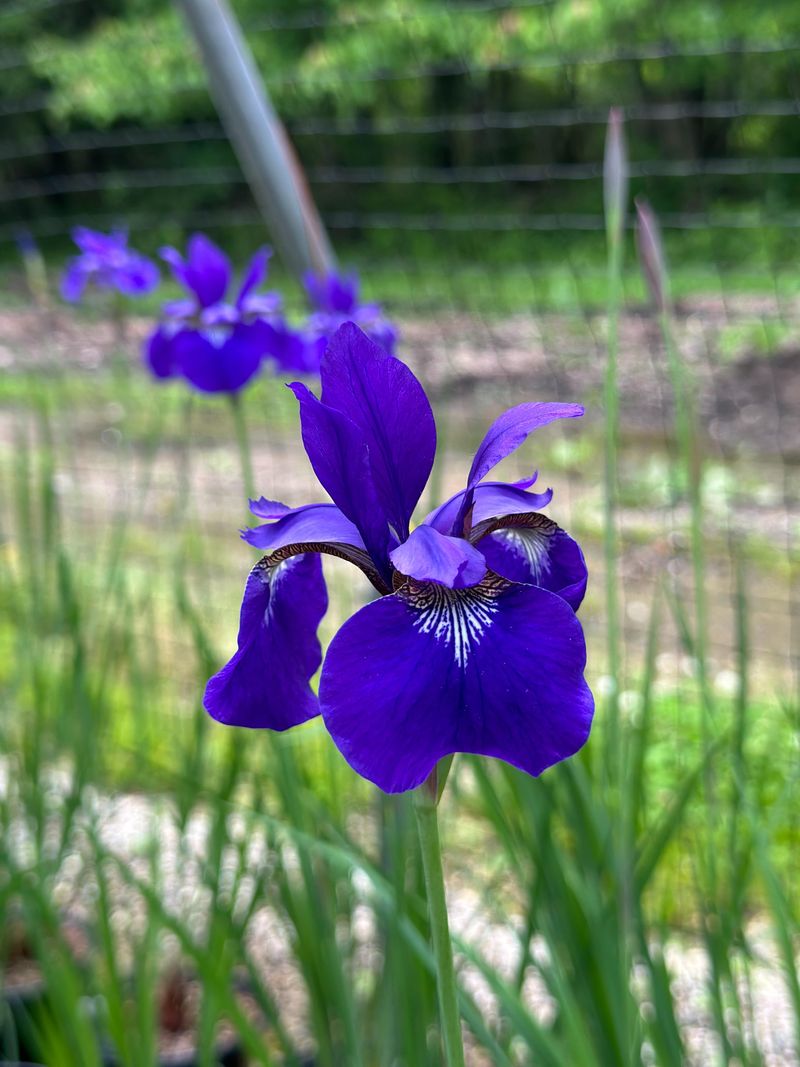
Nothing says a plant needs attention quite like a sudden drop in blooms. If your Siberian iris used to burst with color and now shows only a handful of flowers, that is a clear signal worth noticing.
The plant is quietly telling you it needs a change. As irises age, their crowded roots compete for water and food. Even with plenty of sunshine, an overpacked clump cannot support as many flower stalks as it once did.
So you end up with lush leaves but far fewer blooms. Michigan gardeners keep an eye on their iris beds each spring and compare the flower count to past years. A steady decline usually means the plant has outgrown its space.
Rather than adding more fertilizer, the smarter move is to divide the clump. Once you split and replant the sections, each piece regains the room it needs to build flower buds.
Your Michigan Garden Changes Every Week. Your Plan Should Too.
Gardening in Michigan changes quickly throughout the season. Every Friday you’ll receive a simple weekly plan showing exactly what to plant, prune, fertilize, harvest, and protect so you never miss the right timing.
Within a year or two, those thin blooming years turn into a full, colorful display again. The change can be surprising.
Fewer flowers are not a reason to worry, just a gentle nudge to act. Watching your plants closely helps you catch the problem early, before the show fades too much. Keeping a simple garden journal makes it easy to spot trends over the seasons.
When you learn to read this bloom signal, you stay one step ahead. Your irises reward you with the vibrant flowers that made you plant them in the first place.
3. Check For A Bare Center
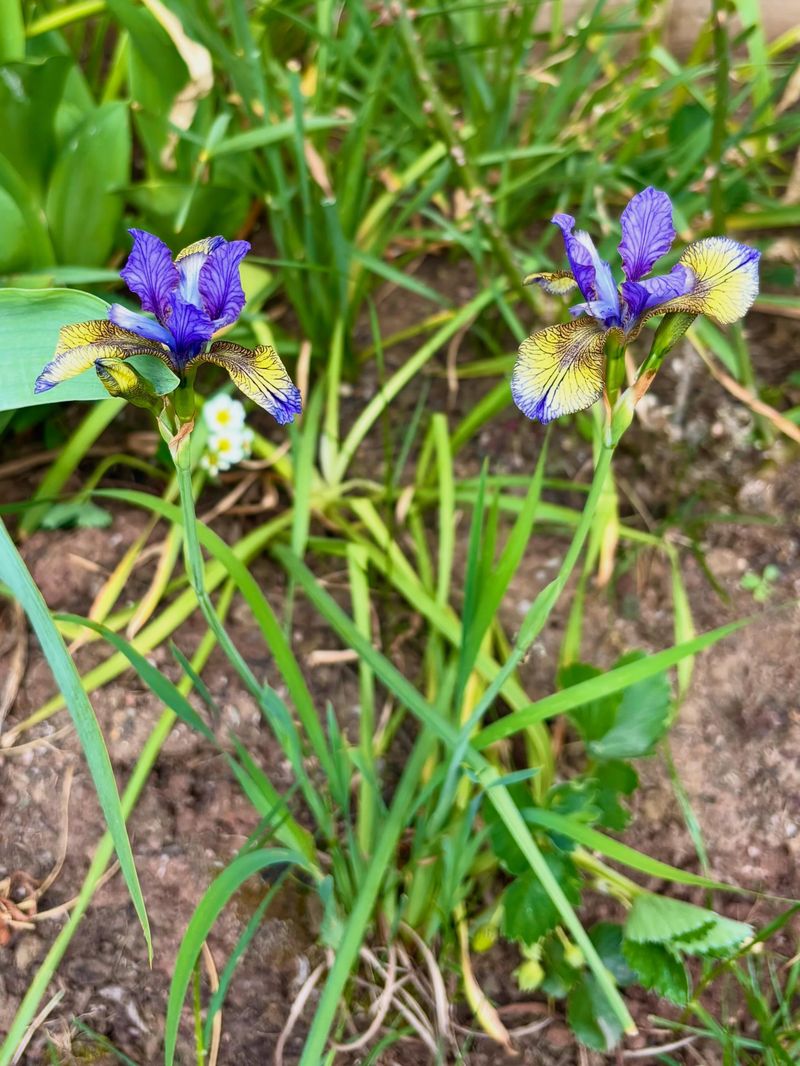
Take a good look at the middle of an older iris clump, and you might spot something odd. The center often looks empty, thin, or weak, while all the healthy leaves crowd around the outside. That hollow spot is a giveaway.
Siberian irises grow outward year after year, sending fresh shoots toward the edges. Over time, the oldest part in the middle stops producing new growth. The result is a ring of green leaves with a bare patch right in the heart.
Michigan gardeners treat this doughnut shape as a friendly warning. It means the plant has spent its energy stretching outward and no longer flowers well from the center. The blooms shrink back to the outer ring, if they appear at all.
When you notice this pattern, it is the perfect moment to dig up and divide. Toss the tired middle section and keep the strong, leafy pieces from the edges. Those outer chunks hold the most life and will grow into fresh, blooming plants.
Replant the healthy divisions in loose, rich soil with a bit of space between them. They will fill in the gap quickly and reward you with even flowering across the whole bed. No more empty middle to stare at.
Checking the center only takes a moment during spring cleanup. That quick glance can save your irises from a slow slide into weak flowering. It is one of the easiest clues to read once you know what to look for.
4. Keep Several Fans Together
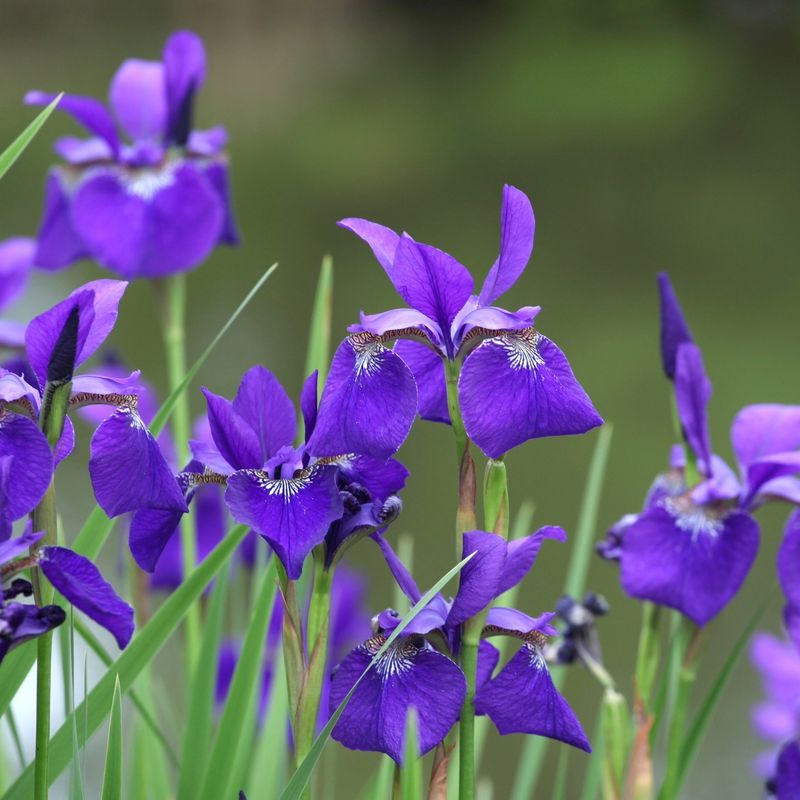
When you split an iris, the size of each new piece really matters. Tiny slivers with just one leaf fan struggle to bloom and take forever to recover. Bigger, healthier chunks bounce back much faster.
The trick that Michigan gardeners rely on is keeping several fans together in every division. A fan is simply a cluster of leaves that grows from one point. Aim for three to five fans in each piece you plant.
Along with those fans, you want a good clump of roots attached. The roots store energy and pull in water, so a strong root system helps the division settle quickly. Think of it as packing supplies for the move.
To make these sections, gently pull the clump apart with your hands or slice it with a clean knife. Look for natural gaps where the fans separate easily. Each piece should feel sturdy, not flimsy.
Larger divisions have enough stored energy to flower the very next season, while single fans often skip a year or two. That is why bundling several fans pays off so well. You get color sooner and stronger plants overall.
Before planting, trim any damaged roots and shorten the leaves to about six inches. This helps the plant focus on growing roots instead of holding up tall leaves. It is a small step that makes a big difference.
Keeping fans together turns dividing into an easy win. You end up with vigorous plants that bloom beautifully and fill your garden with color.
5. Replant Them Right Away
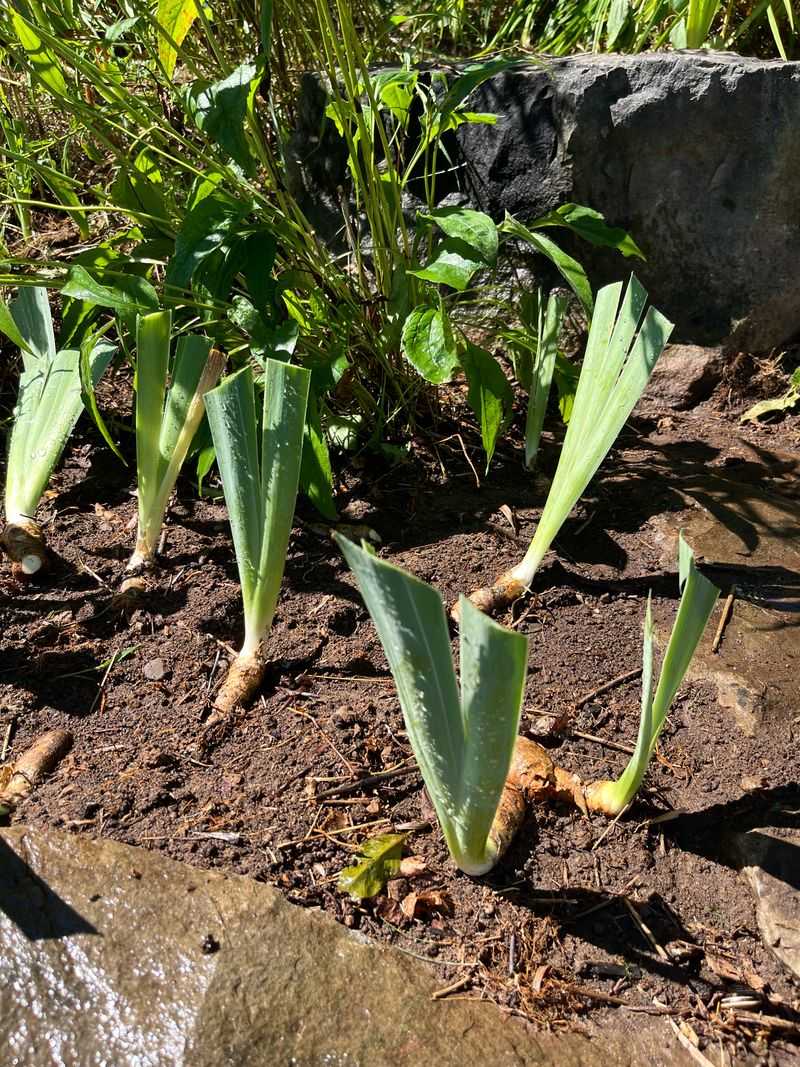
Fresh iris divisions are a little like cut flowers in a way, they need water fast. Once the roots leave the ground, they start losing moisture quickly. Waiting too long can leave them weak and slow to grow.
The smart move is to replant your divisions the same day you dig them up. Michigan gardeners keep a spot ready before they even lift the clump. That way the roots barely have time to feel the air.
If you cannot plant right away, wrap the roots in a damp towel or set them in a bucket with a bit of water. Keep them in the shade so the sun does not dry them out. But sooner is always better than later.
When you plant, dig a hole wide enough for the roots to spread comfortably. Set the division so the top of the roots sits just below the soil surface. Firm the soil gently and water deeply right after.
Roots that stay moist settle in fast and begin growing within days. Roots that dry out struggle and may sulk for a whole season. The difference really comes down to timing.
A good soak after planting helps close air pockets around the roots. Keep the soil damp for the next couple of weeks while the plant gets comfortable in its new home.
Acting quickly rewards you with healthy, happy irises. That little burst of speed on planting day sets the stage for many more blooms ahead.
6. Give Them Plenty Of Sun
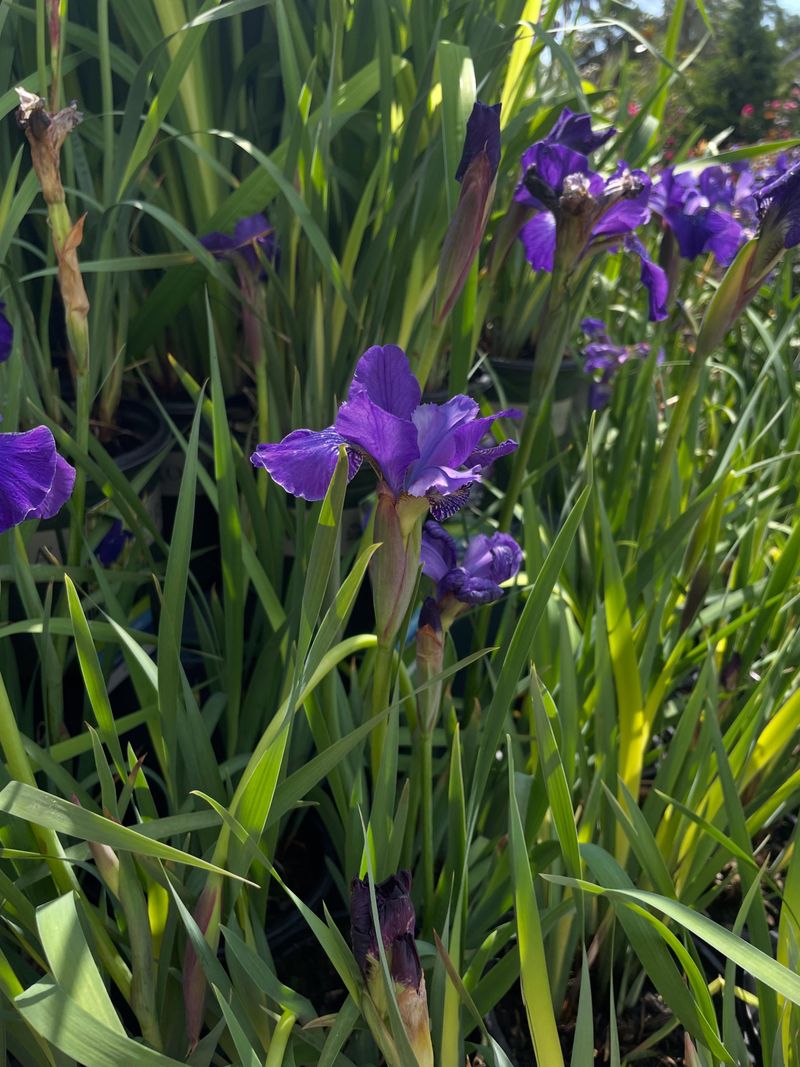
Sunshine is basically fuel for flowers, and Siberian irises love to soak it up. Plants that sit in bright light produce more blooms and stand up taller and stronger. It is one of the simplest ways to boost color.
These irises do best with full to partial sun, meaning at least six hours of light each day. In Michigan gardens, a spot that catches morning and midday sun works wonderfully. The extra light helps the plant build flower buds.
When irises grow in too much shade, they lean toward the light and bloom poorly. You might get plenty of leaves but only a few flowers. More sun almost always means more color.
A little afternoon shade during the hottest part of summer is fine, especially in warmer spots. The goal is steady light, not scorching heat all day long. Balance keeps the plants comfortable.
Before you plant your divisions, watch how the sun moves across your yard. Pick a place where nearby trees or fences will not block the light as the season goes on. Planning ahead saves you from moving plants later.
Once your irises settle into a sunny home, they show their thanks with fuller blooms year after year. The stems grow sturdy enough to hold up their flowers without flopping over.
Pairing good sunlight with regular dividing gives you the best of both worlds. Your Siberian irises will reward the effort with a bright, cheerful display that turns heads all spring long.
7. Keep The Soil Moist
Water is a secret weapon when it comes to iris blooms. Siberian irises come from damp meadows, so they truly enjoy soil that stays consistently moist. Give them steady water and they will thank you with flowers.
Unlike some plants that want dry feet, these irises dislike long stretches of drought. When the soil dries out for weeks, the plant puts its energy into simply surviving instead of blooming.
That means fewer flowers for you. Michigan gardeners often plant Siberian irises near ponds, rain gardens, or low spots that hold moisture. If you do not have a damp area, regular watering does the same job.
The trick is keeping the soil evenly moist, not soggy. Adding a layer of mulch around the plants helps a lot. Mulch locks in moisture, keeps roots cool, and cuts down on weeds.
A couple of inches of shredded bark or leaves works nicely. During hot, dry summer weeks, check the soil with your finger. If the top inch feels dry, give the plants a deep drink.
Deep watering encourages strong, healthy roots. Newly divided irises especially need steady moisture while they settle in. Skipping water during that stage can slow their comeback. A little attention goes a long way.
When roots stay happily hydrated, the whole plant thrives and blooms with gusto. Combine good moisture with sunlight and smart dividing, and your irises will put on a show that keeps getting better each year.
8. Do Not Divide Them Every Year
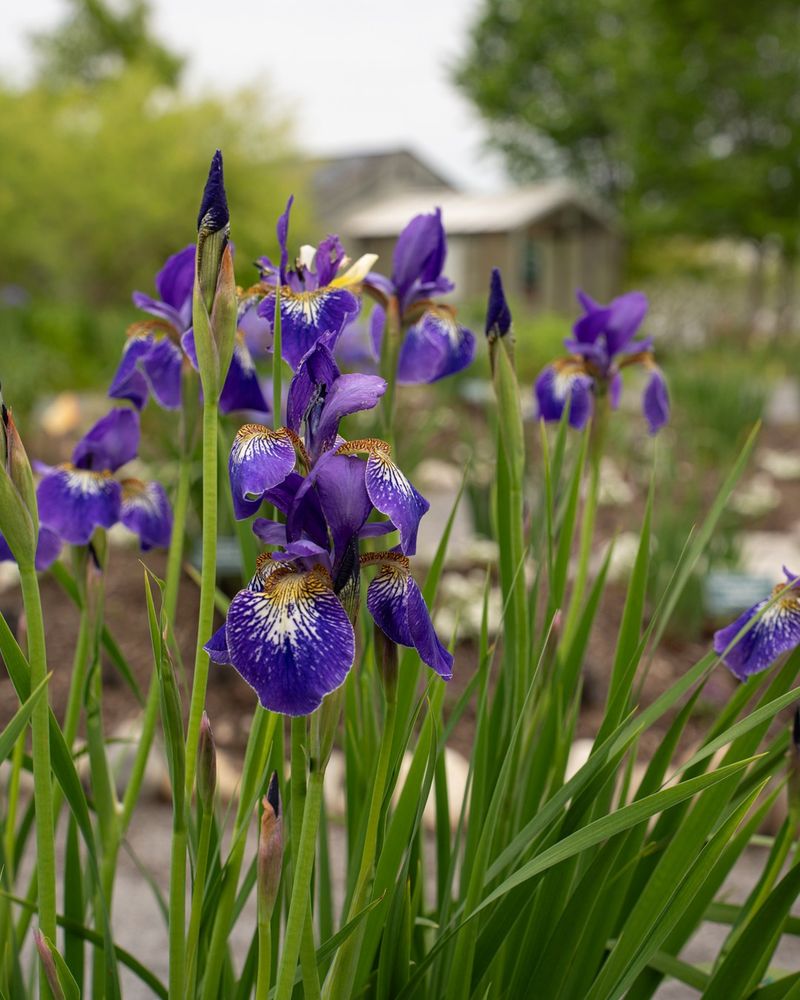
Here is a bit of good news for busy gardeners. Siberian irises do not need constant fussing, and dividing them too often can actually slow them down. These plants like to settle in and stay put for a while.
Once you plant a healthy division, it needs time to build a strong root system. Digging it up every year interrupts that process and stresses the plant. Patience really pays off here.
Most Siberian irises happily grow undisturbed for three to five years, sometimes longer. During that time they multiply, fill out, and bloom more each season.
Leaving them alone lets them reach their full potential. So how do you know when it is finally time to divide? Watch for the clues covered earlier, like fewer flowers or a bare, empty center.
Those signs tell you the clump has grown too crowded. Michigan gardeners follow a simple rule. They divide only when the plant clearly asks for it, not just because a season has passed.
This keeps the irises strong and the flowering steady. Dividing on a set yearly schedule can leave you with weaker plants and thinner blooms. Trusting the plant to show you when it needs help is far easier and works better.
Think of it as gardening with less effort and better results. By stepping back and letting your irises grow, then dividing only when needed, you get years of gorgeous blooms with hardly any extra work. That is the whole trick in a nutshell.