What Crepe Myrtle Roots Actually Do To A Pennsylvania Yard Over Time
Crepe myrtles have gained real popularity in Pennsylvania over the past couple of decades, pushing slowly northward as gardeners in warmer parts of the state discover that certain varieties can survive Pennsylvania winters with some protection.
They’re beautiful, they bloom in late summer when most other flowering shrubs have finished, and the combination of colorful bark and striking winter structure makes them genuinely appealing year round.
But before you plant one near a walkway, a foundation, or a drainage area, it’s worth understanding what crepe myrtle roots actually do in a Pennsylvania yard over time.
Root behavior is one of the most consistently misunderstood aspects of crepe myrtle care, and the decisions homeowners make about placement when the tree is young are extremely difficult to undo once the root system is established.
What seems like a reasonable planting decision in year one can become a real problem by year five or ten.
Here’s an honest look at what crepe myrtle roots do as the tree matures and what Pennsylvania gardeners need to know before they plant one.
1. They Spread Mostly Near The Soil Surface
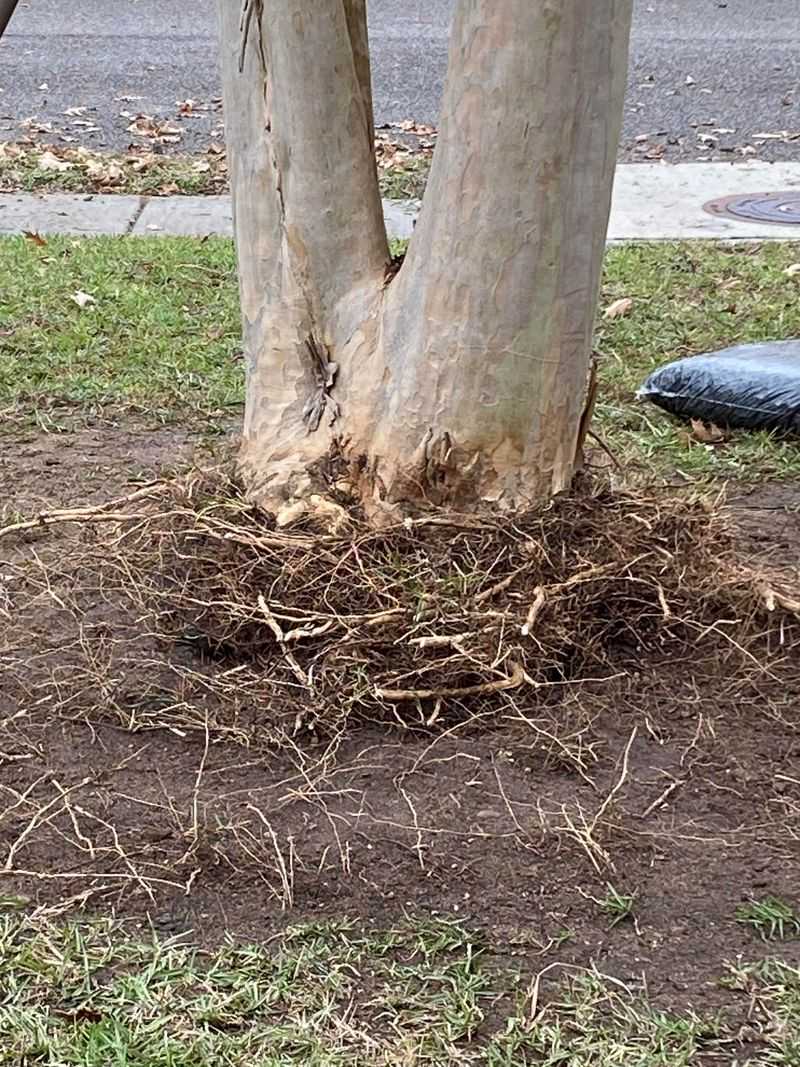
One of the first things people notice about crepe myrtles is that their roots do not go very deep. Unlike some trees that send thick roots straight down into the earth, crepe myrtles grow a shallow, fibrous root system that spreads outward in all directions.
Most of the roots stay within the top 12 to 18 inches of soil. That makes them easier to spot but also easier to manage.
As a crepe myrtle matures, its roots can extend well beyond the width of its canopy. A tree with a canopy that spreads 10 feet across might have roots reaching 15 or even 20 feet away from the trunk.
In Pennsylvania yards, where soil can be clay-heavy or compacted, roots tend to stay even closer to the surface because deeper layers are harder to penetrate. This wide, shallow spread is how the tree gathers water and nutrients efficiently.
Knowing this helps you plan your yard better. If you plant a crepe myrtle near a garden bed, expect the roots to eventually wander into that space.
Adding a thick layer of mulch around the base helps keep soil moisture consistent and reduces root stress. Avoid placing heavy objects or compacting the soil near the root zone, because roots need oxygen to stay healthy.
Giving your crepe myrtle enough open space from the start is the best way to let it grow without causing problems elsewhere in your yard. A little planning early on saves a lot of headaches later.
2. They Compete With Plants Growing Underneath
Planting flowers or groundcovers beneath a crepe myrtle sounds like a lovely idea. The dappled shade and colorful blooms create a picture-perfect garden scene.
But over time, the crepe myrtle’s vigorous surface roots quietly compete with whatever you plant underneath. Those roots are fast at grabbing moisture and nutrients, often leaving smaller plants struggling to keep up.
In Pennsylvania, summers can bring stretches of dry heat, and the soil moisture competition becomes very real during those weeks.
Your Pennsylvania Garden Changes Every Week. Your Plan Should Too.
Gardening in Pennsylvania changes quickly throughout the season. Every Friday you’ll receive a simple weekly plan showing exactly what to plant, prune, fertilize, harvest, and protect so you never miss the right timing.
Shallow-rooted annuals and perennials planted too close to the trunk may show signs of stress, including wilting leaves, slow growth, or pale coloring.
Groundcovers like liriope or vinca tend to hold their own better than delicate flowers, simply because they are more aggressive at competing for resources.
One smart approach is to give plants growing beneath the canopy extra watering during dry spells. Drip irrigation works really well here because it delivers water directly to plant roots without wasting it on the surface.
Choosing drought-tolerant companion plants also helps a lot. Native Pennsylvania plants like wild ginger or creeping phlox can handle the competition more gracefully than tender annuals.
Adding compost to the soil each spring gives everyone a nutrient boost and improves moisture retention. Keep in mind that the larger and older the crepe myrtle gets, the more competitive its roots become.
Spacing plants at least 18 inches from the outer edge of the canopy gives them a fighting chance. Working with the tree rather than against it leads to a healthier, more beautiful garden bed over time.
3. They Can Produce Persistent Root Suckers
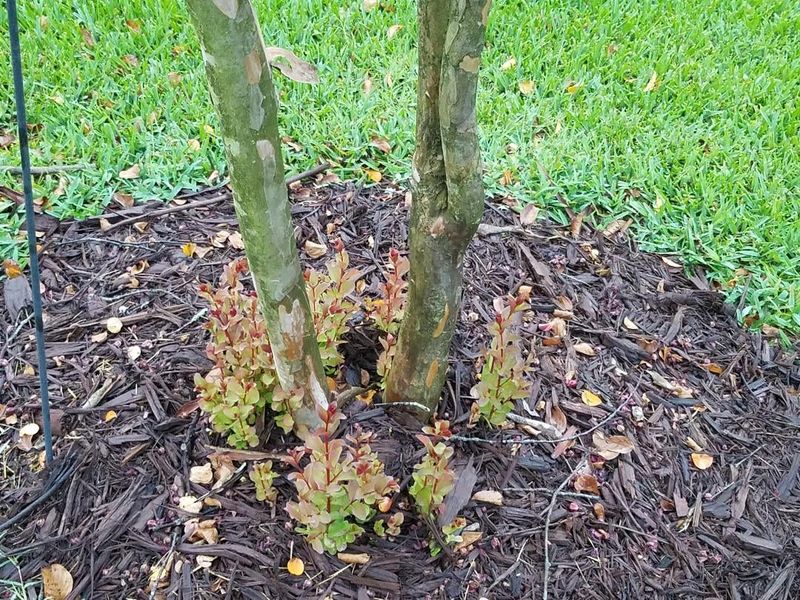
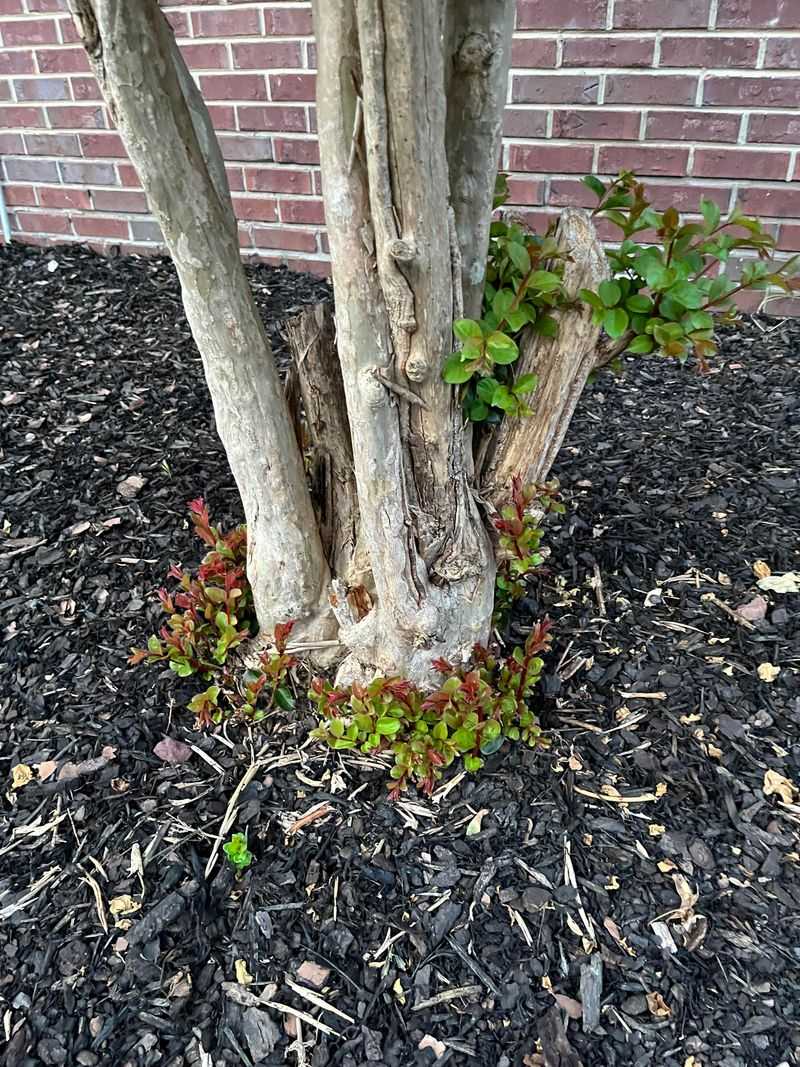
Here is something that catches many Pennsylvania homeowners off guard: crepe myrtles can send up new shoots straight from their roots. These are called root suckers, and they pop up around the base of the tree or even several feet away.
They look like small, leafy stems growing from the soil, and if you ignore them, they can multiply quickly and make your yard look messy.
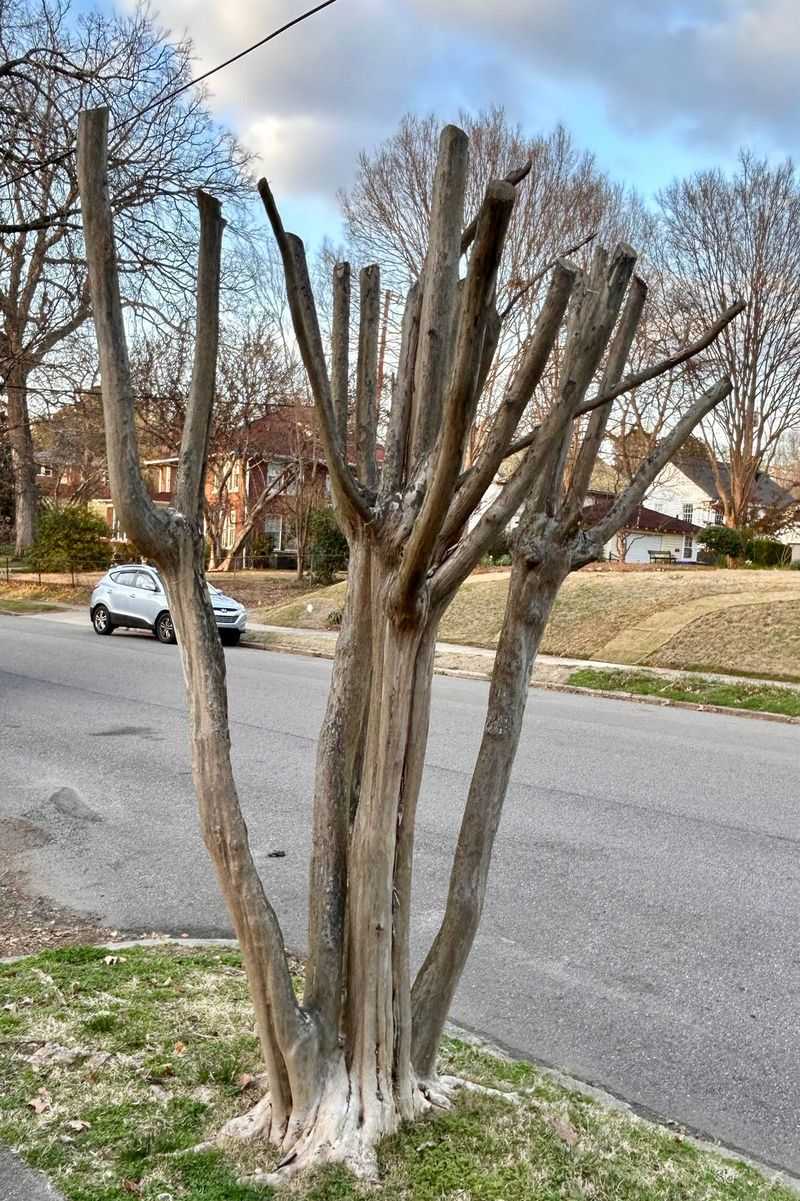
Root suckering tends to get worse when the tree is stressed or pruned heavily. The practice commonly called “crape murder” – severely cutting the tree back each year – can actually trigger more suckering.
The tree responds to stress by pushing out new growth from its roots as a survival response. In Pennsylvania, late-season cold snaps can also stress the tree enough to encourage extra suckering the following spring.
Removing suckers is straightforward but requires consistency. Pull them out by hand as early as possible, getting as much of the base as you can.
Cutting them at soil level is less effective because they tend to grow right back. If suckers appear far from the trunk, dig down a few inches and sever the root connection before removing the shoot.
Avoid applying concentrated herbicides near the root zone, as these can harm the main tree. Some gardeners find that keeping the soil around the base well-mulched reduces sucker development by limiting the light that triggers new shoot growth.
Staying on top of suckers every few weeks during the growing season keeps them from becoming an overwhelming problem in your yard.
4. They May Interfere With Nearby Pavement
Pavement and tree roots have a complicated relationship. With crepe myrtles, the risk of pavement damage is lower than with trees like silver maples or willows, but it is not zero.
Large, mature crepe myrtles that were planted too close to a sidewalk or driveway can eventually grow roots beneath the pavement. Over years, those roots push upward as they thicken, creating cracks or uneven surfaces.
In Pennsylvania, the freeze-thaw cycle makes this even more noticeable. When water gets into a crack and freezes, it expands and widens the gap.
If a root is already beneath that crack, the pavement lifts even more. This cycle repeats all winter long, so a small crack in October can become a tripping hazard by April.
Driveways made of asphalt are slightly more flexible and may show fewer dramatic breaks, while concrete is more rigid and cracks more visibly.
The best protection is proper spacing at planting time. Most experts recommend planting crepe myrtles at least 5 feet away from any pavement edge, and more space is always better for larger varieties.
If you already have a crepe myrtle growing close to a walkway, keep an eye on the pavement surface each spring. Catching early cracks and sealing them promptly can slow further damage.
Root barriers made of heavy plastic can be installed between the root zone and pavement to redirect growth, though this works best on younger trees.
For mature trees already causing problems, consult a certified arborist who can help you weigh your options without harming the tree or creating a safety hazard.
5. They Usually Aren’t Foundation-Destroying Roots
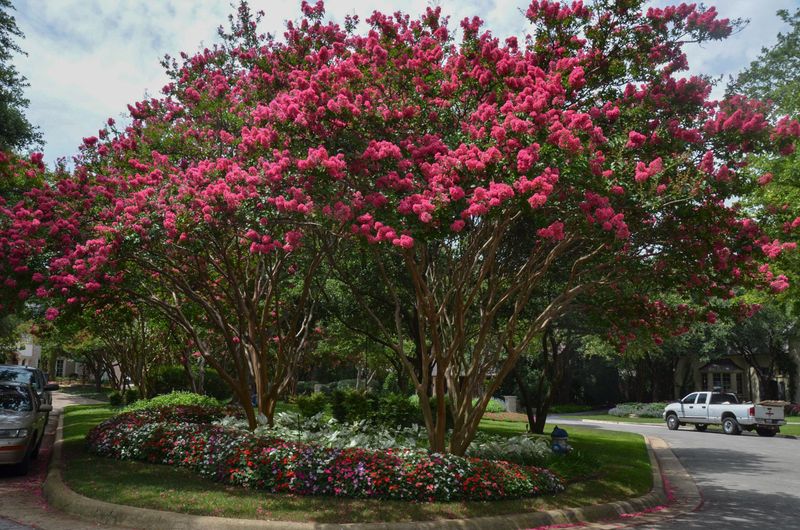
Good news for worried homeowners: crepe myrtle roots are not in the same category as aggressive trees like weeping willows or poplars. Those species are notorious for seeking out water lines and cracking foundations.
Crepe myrtles, on the other hand, have roots that are relatively fine and fibrous. They are not known for forcing their way through concrete foundations or underground pipes with great force.
That said, no tree should be planted directly against a house. Crepe myrtles planted too close to a foundation can still cause minor issues over time.
Roots may find their way into small existing cracks in older foundations, especially in Pennsylvania homes built before the 1970s.
Moisture drawn from the soil near the foundation can also cause slight soil shrinkage during dry summers, which may affect older structures. These situations are uncommon but worth knowing about.
A safe planting distance is generally considered to be at least half the mature spread of the tree away from any foundation wall.
For a standard crepe myrtle variety that spreads 15 feet wide at maturity, planting it at least 8 to 10 feet from the foundation gives comfortable clearance.
Dwarf varieties work especially well in tighter spaces near homes because their root systems are proportionally smaller. Choosing the right variety for your space from the beginning is the single most effective way to prevent future conflicts.
Checking with your local Pennsylvania cooperative extension office can help you pick a variety that fits your yard size and climate zone perfectly. A well-chosen crepe myrtle planted correctly is a joy, not a worry.
6. The Roots Can Survive Even After The Tree Is Removed
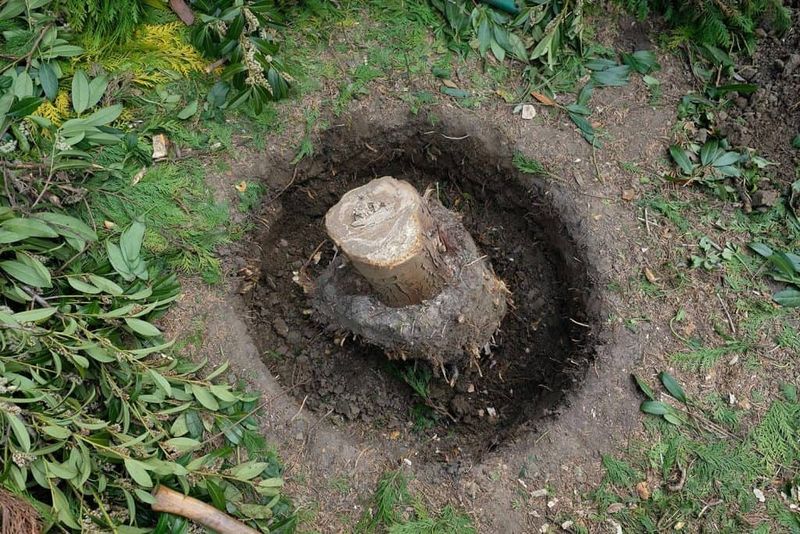
Removing a crepe myrtle does not always mean the end of its root activity. Established root systems store a surprising amount of energy, and that stored energy does not simply vanish when the trunk comes down.
Shoots can continue sprouting from the remaining roots for months, sometimes even a couple of years after the tree is gone.
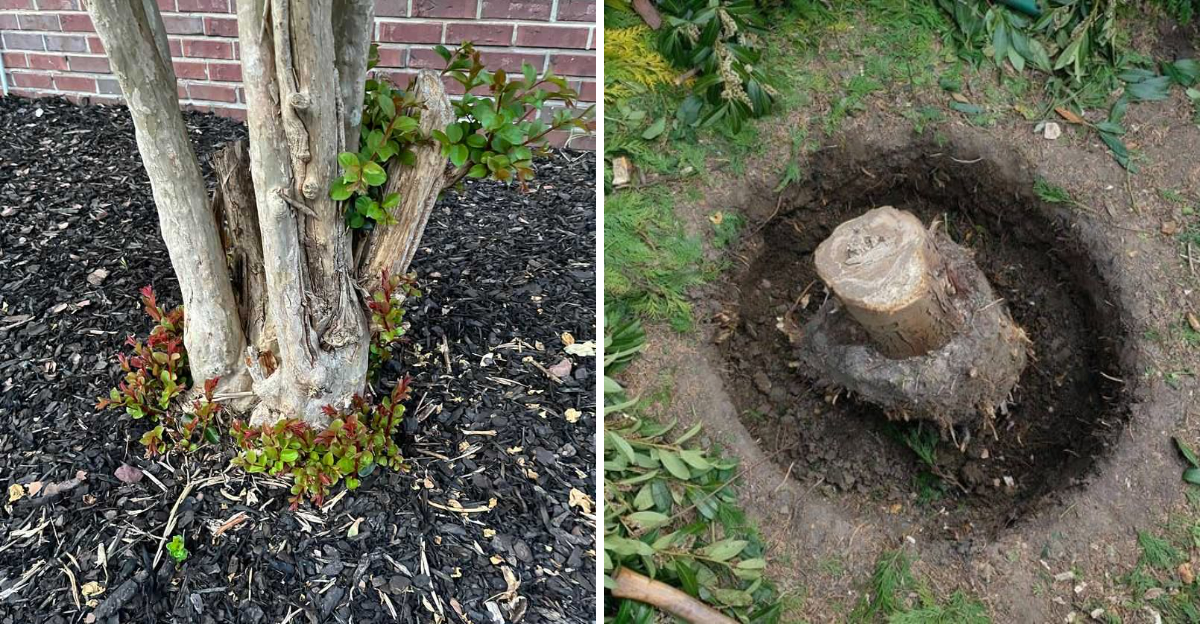
Many Pennsylvania homeowners are caught off guard when their freshly cleared yard suddenly sprouts new green growth right where the old tree used to stand.
The frequency and strength of these new shoots depend on how large and old the tree was. A small crepe myrtle removed after just a few years may produce only a handful of suckers before the roots exhaust their energy.
A large, mature specimen that has been growing for a decade or more may send up persistent regrowth for a longer period. Each time you remove a new shoot, the root system uses up a bit more of its stored resources.
Repeated removal is the most reliable approach for managing post-removal regrowth. Cut or pull new shoots as soon as they appear, getting as close to the root connection as possible.
Consistent removal over one to two growing seasons usually exhausts the root system enough to stop new growth. Grinding the stump down below soil level also helps by removing a major energy storage point.
Some homeowners speed up the process by covering the area with thick cardboard and mulch to block sunlight from reaching new shoots. Patience is key here.
With steady effort, the roots will eventually stop producing new growth, and you can replant or redesign that area of your yard freely.