The Virginia Grass Seed Window That Closes Sooner Than Most Expect
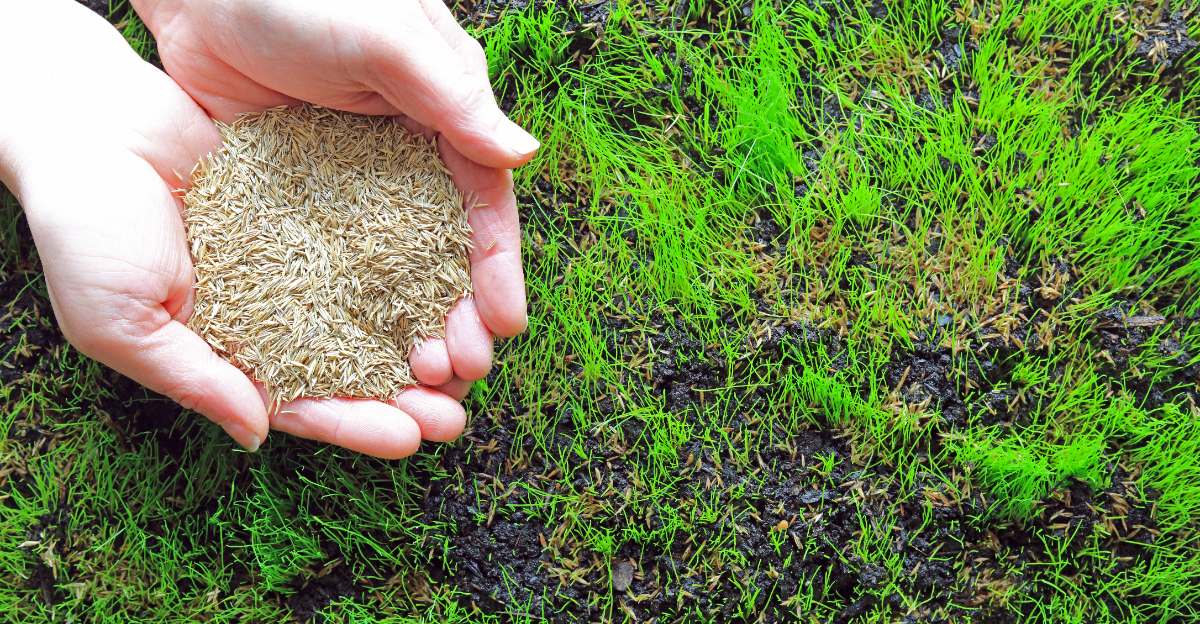
A narrow stretch of days decides whether your lawn thrives or struggles for months, and most homeowners miss it without realizing. Virginia’s climate creates a strange contradiction, since warm soil lingers just long enough to tempt you into waiting.
Nights start cooling before you notice, quietly closing a window you didn’t know was open. Timing matters more than effort here, and effort poured in at the wrong moment accomplishes nothing.
Grass roots need conditions that exist for only a handful of weeks each year. Missing that stretch pushes your lawn toward a slow, visible decline through winter.
Patchy spring turf rarely traces back to bad luck; it traces back to bad timing. Every gardener in Virginia faces the same clock, whether they realize it or not.
Soil temperature, air temperature, and daylight all shift together, and none of them wait for convenience. What you decide right now determines whether your lawn recovers by spring or spends another year struggling to catch up.
Mid August Through Mid September Is The Window For Tall Fescue
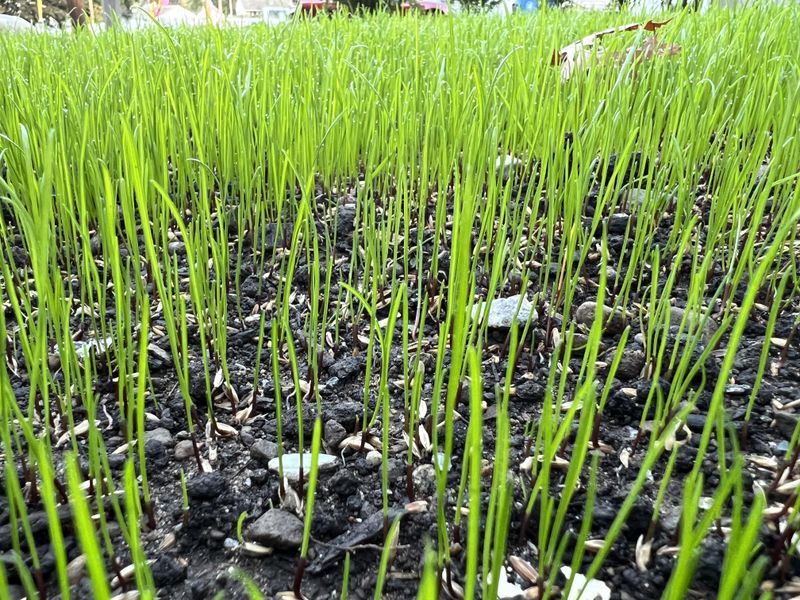
Mark your calendar now, because this stretch moves fast. Mid August through mid September is the sweet spot for seeding tall fescue in Virginia.
Tall fescue is the most popular cool-season grass in the region. It handles summer heat well and stays green through mild winters.
Seeding during this stretch gives roots six to eight weeks before hard frost arrives. That growth time is what separates a lawn that survives from one that struggles.
Many homeowners assume September is fine for starting late. The problem is that late September seeding leaves seedlings with far less root development.
Soil is still warm enough in mid August to push germination quickly. Cooler air temperatures keep young blades from scorching under intense afternoon sun.
This tall fescue planting period is not a rough estimate. Virginia Cooperative Extension research supports it, though homeowners should confirm current dates for their specific county before finalizing plans.
Skipping even one week inside this range reduces germination success noticeably. Skipping two weeks can mean starting over completely in spring.
Set a reminder on your phone for August 15th. That single habit could be the difference between a lawn you love and one you resent all season.
Warm Soil And Cooler Air Give Seedlings Their Best Start
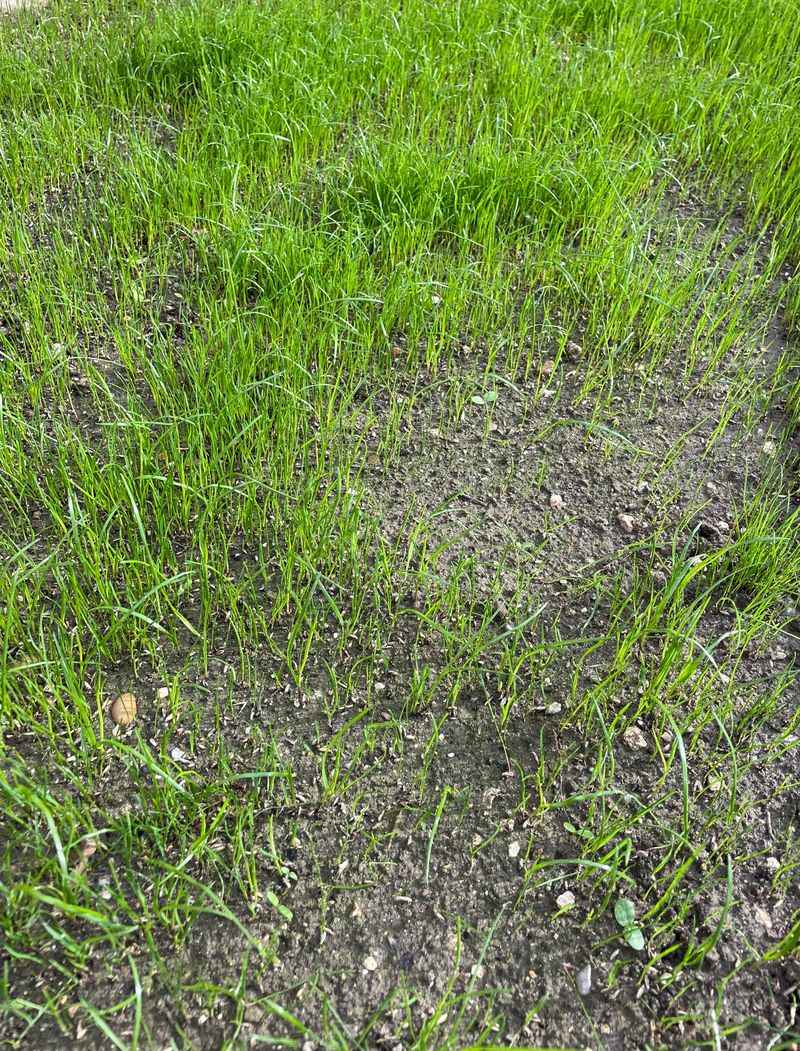
Picture this: soil that still holds summer warmth while the air above it starts to cool. That combination creates ideal conditions for germination.
Warm soil speeds up germination because grass seeds need soil heat to crack open and sprout. Tall fescue germinates best between 50 and 65 degrees Fahrenheit in the soil.
Cooler air above the surface reduces the stress on young blades. Seedlings do not have to fight blazing heat while trying to build their first roots.
This dual condition usually exists in Virginia from mid August through mid September. After that, soil begins cooling faster than most gardeners expect.
Think of it like baking bread. You need the oven warm enough to rise, but not so hot that it burns before it sets.
Your Virginia Garden Changes Every Week. Your Plan Should Too.
Gardening in Virginia changes quickly throughout the season. Every Friday you’ll receive a simple weekly plan showing exactly what to plant, prune, fertilize, harvest, and protect so you never miss the right timing.
Seedlings that germinate in warm soil push roots deeper in a shorter time. Deeper roots mean better access to moisture and a stronger grip on the ground.
Cooler air also reduces evaporation from the soil surface. That means your watering efforts go further during those critical first days after seeding.
Chasing this warm-soil, cool-air overlap is a core strategy behind a successful fall lawn renovation. Miss it, and seedlings have to work much harder to catch up.
Seeding In October Leaves Roots Too Shallow For Winter
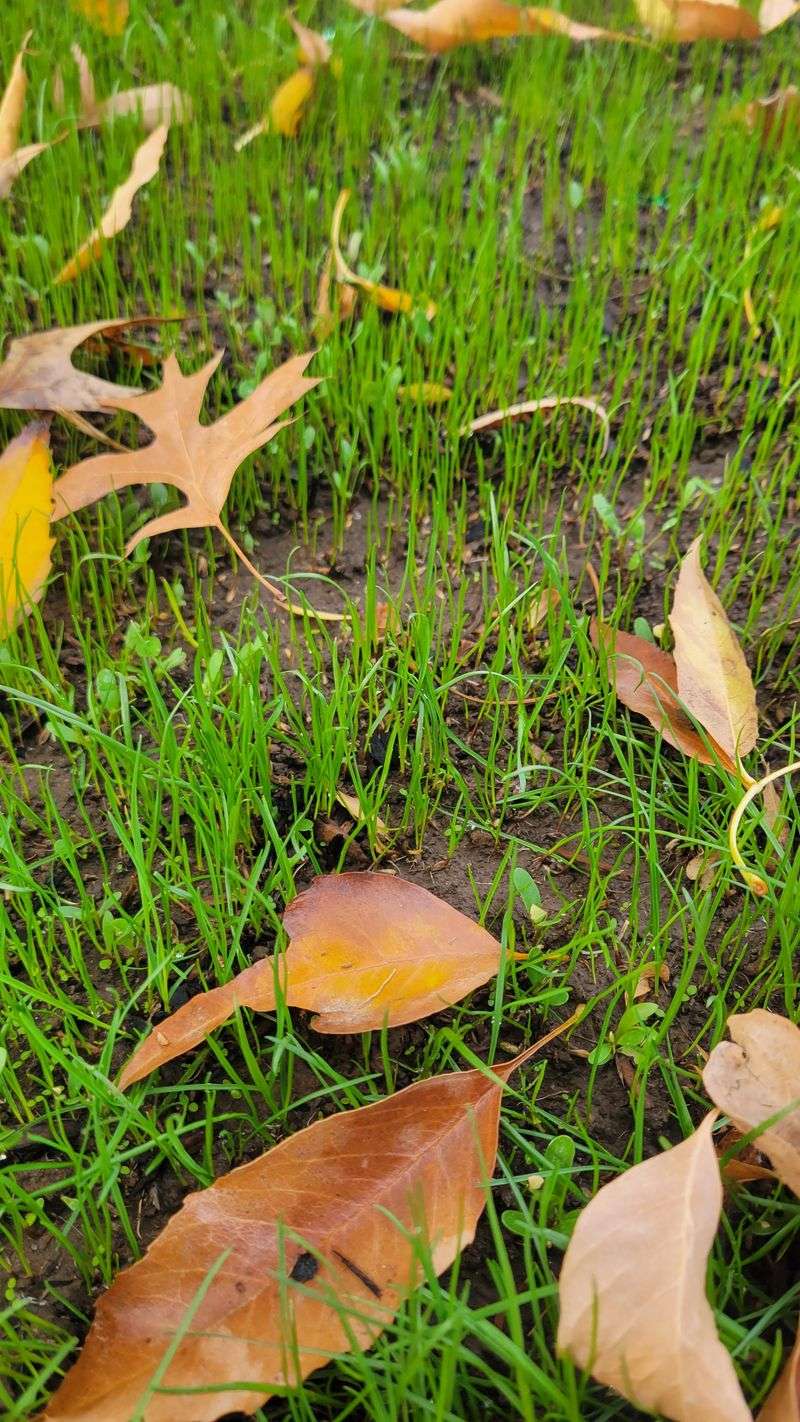
October seeding feels logical to a lot of people. The air is cool, the sun is less harsh, and the yard finally has some breathing room.
The problem is that roots seeded in October often do not have enough time to go deep. A seedling needs weeks of active growth to anchor itself properly.
When a shallow-rooted seedling hits its first hard freeze, the soil heaves. That heaving action can push tiny plants out of the ground.
This process is called frost heave, and it damages October-seeded lawns across Virginia in many years. Homeowners are baffled in spring when their new grass looks sparse and beaten.
Roots need a minimum of six weeks of above-freezing soil temperatures to establish. October seeding in much of Virginia does not reliably provide that margin.
Even if the seedlings survive, they tend to be weak heading into spring. Weak grass invites weeds, disease, and uneven color through the growing season.
Some people get lucky with a warm October and November. But betting your lawn on unusual weather is not a strategy worth the risk.
Seeding inside the recommended window means you are not gambling. You are giving roots the time they need to hold on through whatever winter brings.
Soil Temperature Readings That Signal The Right Moment
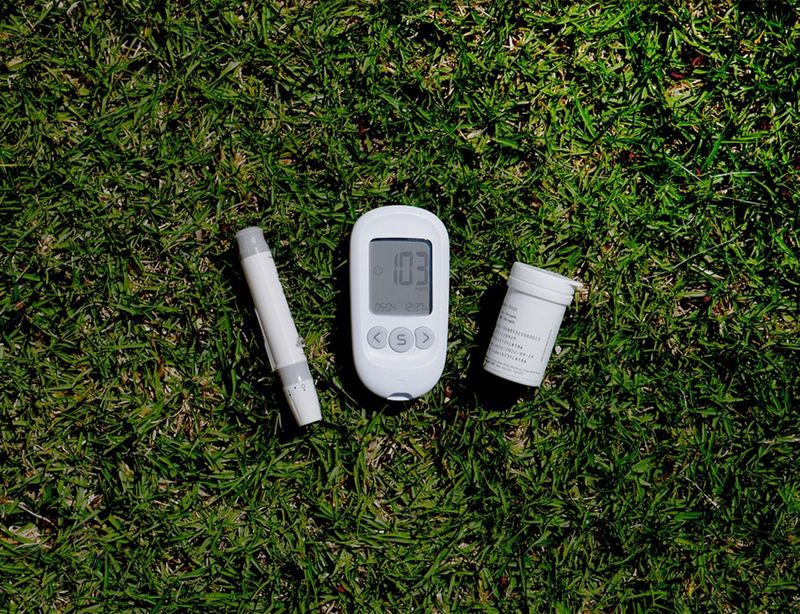
Forget the calendar for a second. Your soil thermometer is the most honest tool in your shed right now.
Air temperature can be misleading because it changes dramatically between morning and afternoon. Soil temperature is steadier and tells you what seeds actually experience underground.
For tall fescue, you want soil at or above 50 degrees Fahrenheit at a two-inch depth. Below that threshold, germination slows to a crawl or stops entirely.
Push the probe into the ground in the morning for the most accurate reading. Morning readings reflect overnight lows, which matter most for seedling survival.
In most of Virginia, soil hits that ideal range in mid August and holds it through mid September. After that, readings start dropping into the low 50s and eventually the 40s.
You can track Virginia soil temperatures through the Virginia Cooperative Extension website. Many counties post weekly updates during fall seeding season.
A cheap soil thermometer from a garden center costs less than ten dollars. That small investment takes the guesswork out of one of the most important lawn decisions you make all year.
Once soil drops below 50 degrees and stays there, the window has closed. Act on the numbers, not on how the weather feels when you step outside.
Preparing The Surface So Seed Reaches Actual Soil
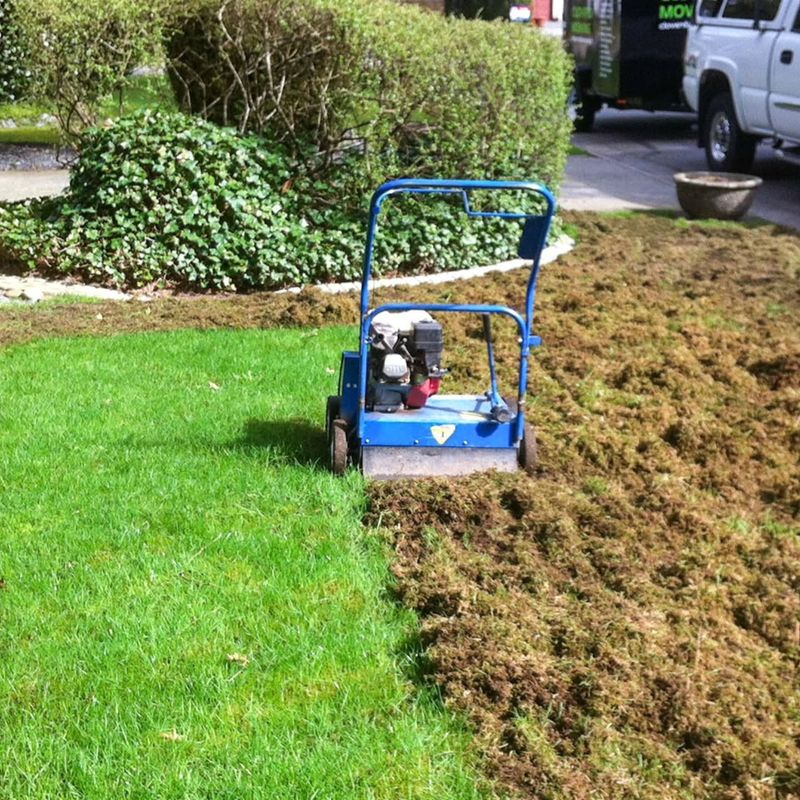
Tossing seed on top of thick thatch is one of the most common lawn mistakes made every fall. Seed needs direct contact with soil to germinate successfully.
Thatch is the layer of dry grass stems and roots that builds up between the green blades and the soil. A thatch layer thicker than half an inch blocks seed from reaching the ground.
Core aeration is one of the best ways to open the surface before seeding. The machine pulls small plugs of soil out, creating channels where seed can fall and settle.
Dethatching is another option for lawns with heavy buildup. A power rake or dethatching blade pulls that dry material up so seed has a clear path down.
After either process, rake the surface lightly to break up clumps. A smooth, loose seedbed gives every seed the best possible contact with the soil beneath.
Some homeowners skip this step and wonder why germination looks patchy. The seed was fine; the surface preparation was the weak link.
Overseeding into prepared soil versus unprepared thatch can double your germination rate. That difference shows up clearly by the time spring arrives.
Good surface prep takes an afternoon of work. The results last for years, making it one of the highest-return tasks in any lawn renovation plan.
Watering Schedules For The First Three Weeks
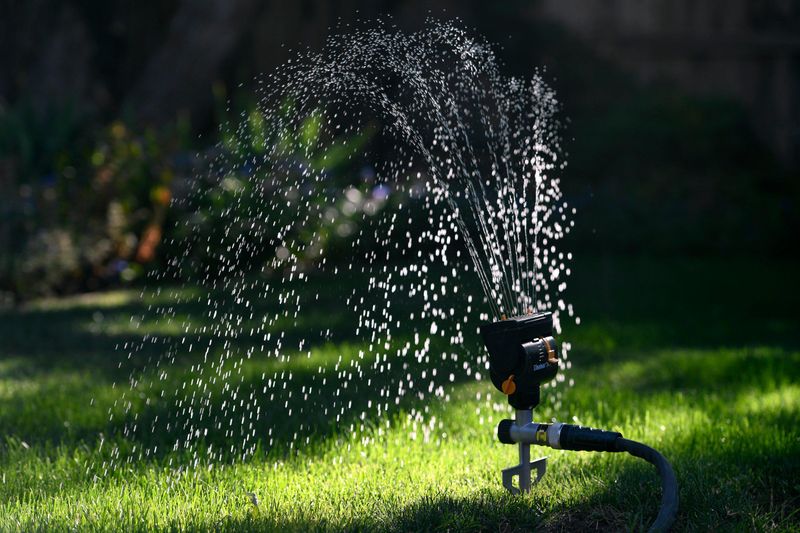
New grass seed is not forgiving about moisture. Let the surface dry out once during germination, and you can lose days of progress overnight.
For the first week, water lightly two to three times per day. You are not trying to soak the ground; you are keeping the top quarter inch moist.
Short, frequent cycles work better than one long session during this phase. Long watering pushes seed around and can wash it into low spots.
By week two, seedlings have tiny roots reaching down. You can reduce to once daily watering but apply slightly more water each session.
Morning is the best time to water during every phase. Wet blades overnight invite fungal issues that can wipe out a seedling stand quickly.
Week three is when roots are pushing deeper and the lawn starts looking more consistent. Shift to every other day watering with deeper soaking to encourage downward root growth.
Deep, less frequent watering trains roots to reach down for moisture. Shallow watering trains them to stay near the surface, which makes them fragile in dry spells.
After three weeks, transition to a normal schedule of about one inch per week. Your seedlings are no longer fragile at that point, but they still appreciate consistency through their first season.
Fall Fertilizer Timing That Supports New Seedlings
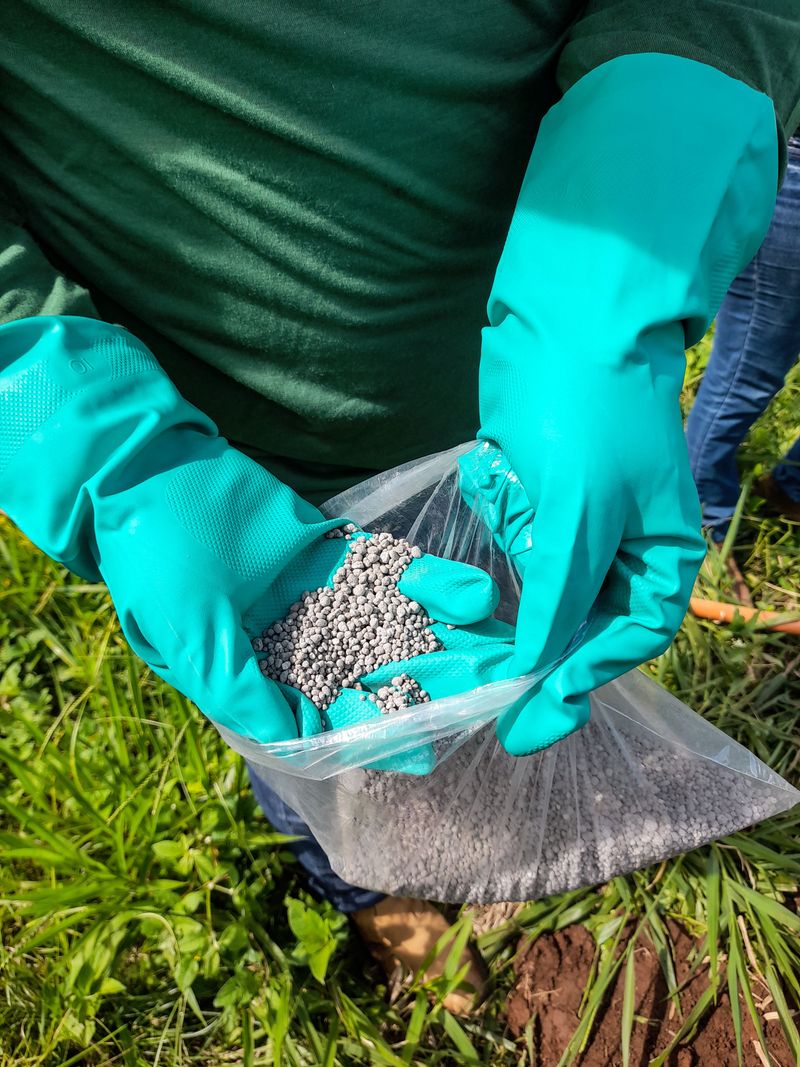
Feeding new grass at the wrong time is like serving a heavy meal to someone who just woke up. The timing has to match what the plant is ready to handle.
At seeding, use a starter fertilizer with higher phosphorus content. Phosphorus supports root development, which is exactly what a new seedling needs most in its first weeks.
Avoid high-nitrogen fertilizers right at seeding time. Too much nitrogen pushes fast top growth before roots are ready to support it.
About six weeks after germination, apply a fall lawn fertilizer higher in nitrogen. By that point, roots are established and the grass can use the nitrogen to build density.
This second application plays a major role in the year for cool-season grasses. It fuels root energy storage heading into winter dormancy.
Virginia Cooperative Extension recommends this late-fall feeding between late October and mid November. Timing it too early wastes the benefit; too late and the grass cannot absorb it before ground freeze.
Granular fertilizer works well for most home lawns during fall. Apply when the lawn is dry and water it in lightly afterward to activate the nutrients.
Wrapping up fall care with a solid fertilizer plan gives new turf the best shot at a strong spring debut. Your lawn will thank you by April.