Turn Fallen Leaves Into Free “Black Gold” With This Easy Virginia Trick
Every fall, yards turn into a crunchy sea of red, orange, and gold. Most people rake it all up, stuff it into bags, and drag it to the curb.
Those bags are actually full of one of the best garden treasures around. Gardeners call it black gold, and it costs nothing but a little patience.
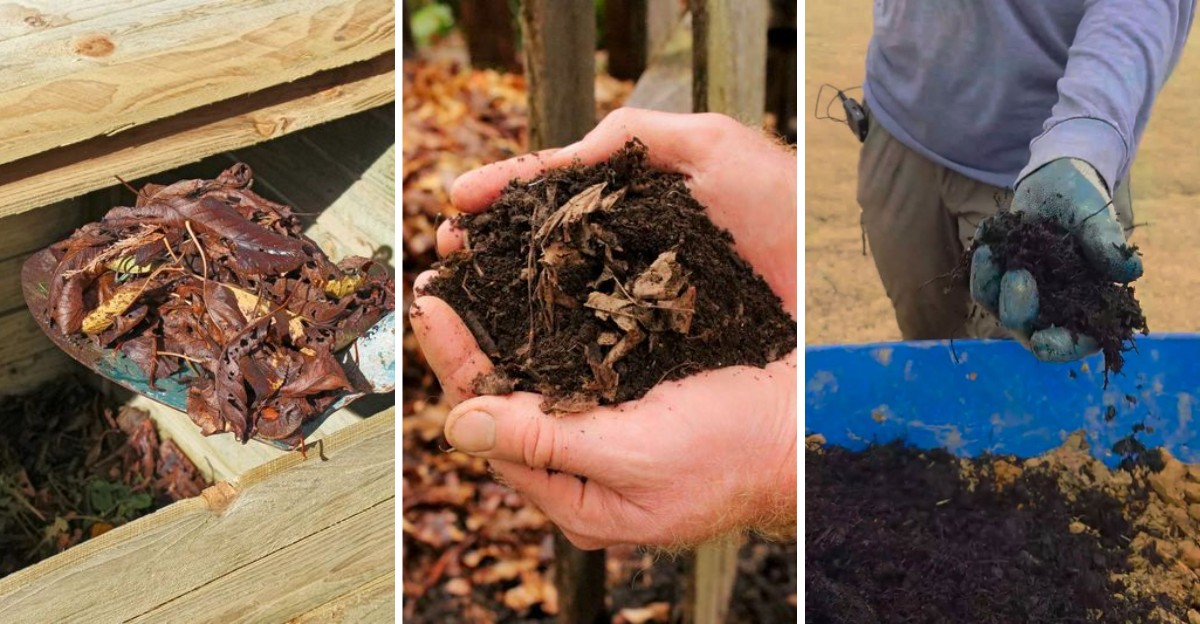
With a few simple steps, fallen leaves become dark, crumbly leaf mold that plants adore. It smells like a forest floor after rain and feels soft in your hands.
Better yet, it helps loosen the stubborn clay so many Virginia gardeners battle every spring. No fancy tools or special skills are required.
A mower, some wire, and a garden hose will carry you most of the way. That leaf pile could soon become the richest stuff in your yard.
Shredded Leaves Break Down Much Faster
Picture a whole oak leaf sitting in a pile for two years, still looking almost brand new. Now picture that same leaf chopped into tiny bits, softening into soil in just months.
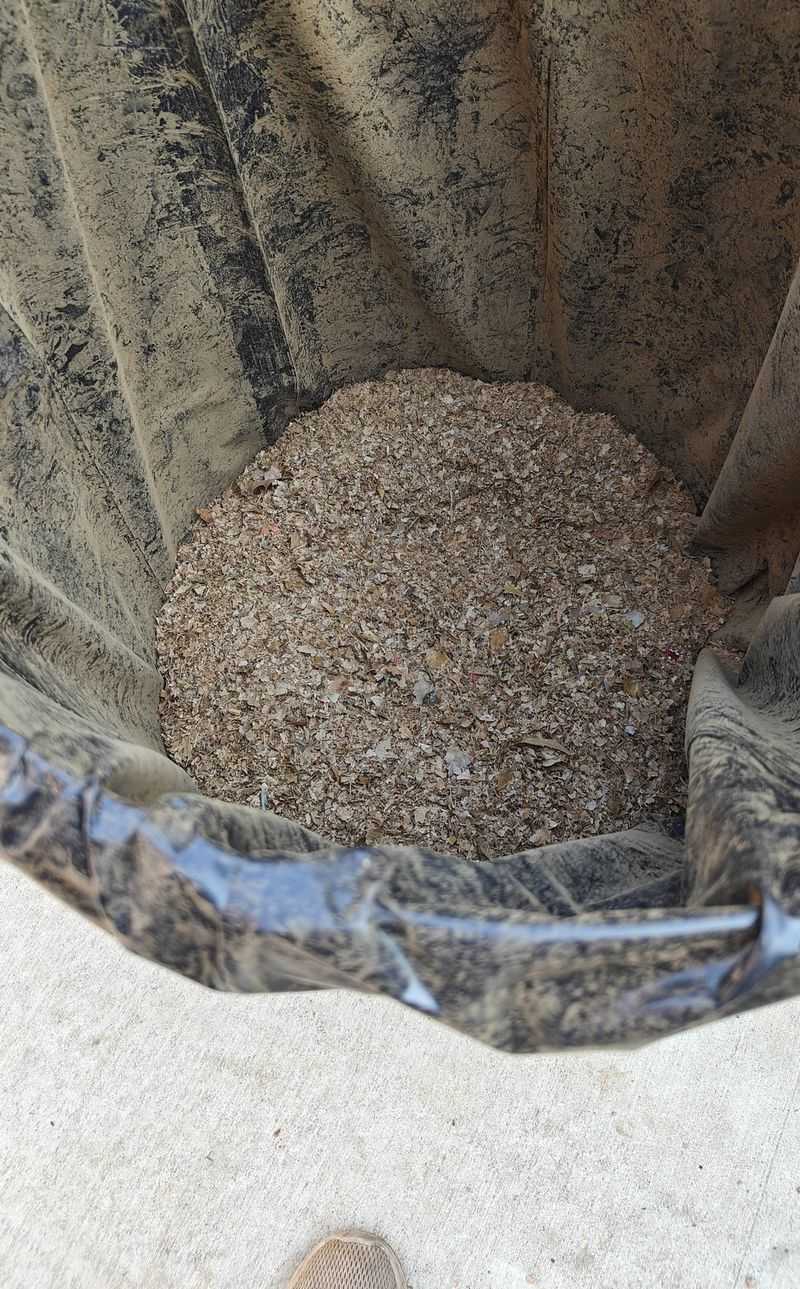
Size makes a huge difference here. Small pieces give fungi and tiny soil creatures far more surface to munch on.
Whole leaves have another sneaky habit. They stack flat and stick together, forming soggy mats that shed water and block air.
Shredding fixes both problems at once. Many gardeners find it cuts breakdown time roughly in half, from two or three years to under one.
You probably own a shredder already without knowing it. A regular lawn mower with a bag attachment chops and collects leaves in one easy trip.
Run the mower over a spread-out layer instead of a deep heap. Thin layers shred more evenly and keep the mower from clogging.
Handheld leaf vacuums with a mulching switch work well for patios and flower beds. Dedicated leaf shredders cost more but chew through big piles quickly.
Here is a bonus many people overlook. Shredded leaves shrink down a lot, so ten bags of whole leaves might fit into two or three.
Try to shred leaves when they are fairly dry. Wet leaves clump up, stick to mower blades, and leave you with a messy chore.
Aim for pieces about the size of a quarter or smaller. Once your leaves look like confetti, you are ready for the next step in making black gold.
Pile Them In A Simple Wire Bin
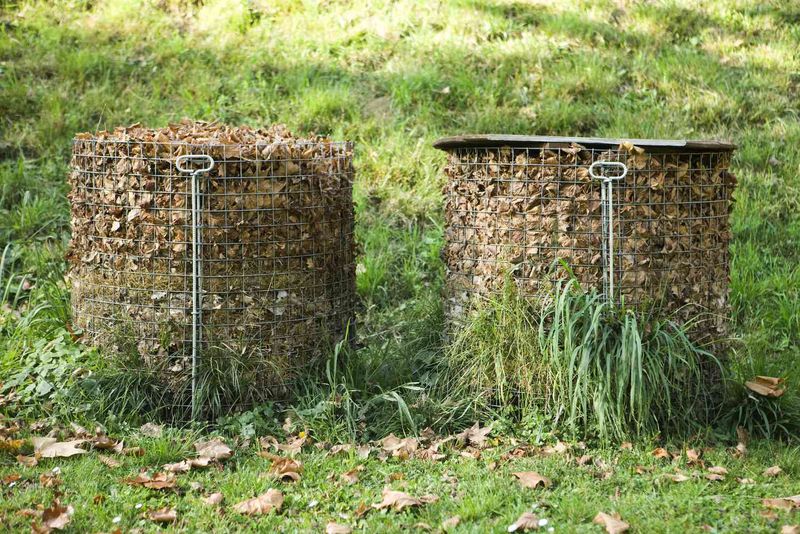
Good news for budget lovers: the best leaf bin might cost less than a pizza. A roll of wire and a few zip ties can build it in under an hour.
Chicken wire, welded wire mesh, or leftover garden fencing all work nicely. Pick a piece roughly three feet tall and long enough to form a circle.
Bend the wire into a ring and overlap the ends by a few inches. Fasten the overlap with zip ties, wire twists, or heavy staples.
Flimsy wire may lean or sag once the leaves pile up. Pound in two or three wooden or metal stakes inside the ring for extra support.
Your Virginia Garden Changes Every Week. Your Plan Should Too.
Gardening in Virginia changes quickly throughout the season. Every Friday you’ll receive a simple weekly plan showing exactly what to plant, prune, fertilize, harvest, and protect so you never miss the right timing.
Hole size matters more than most people think. Shredded leaves can slip through wide fencing, so chicken wire holds fine pieces much better.
A good target size is about three feet across and three feet high. Wider bins are easier to fill, water, and turn than tall skinny ones.
Location deserves a little thought too. A shady spot near a hose keeps leaves from drying out during hot spells.
Think about your path from the bin to your garden beds. Hauling finished leaf mold across a long yard gets old fast.
One fun perk of a round wire bin is how easy it moves. Simply lift the ring away, set it beside the pile, and fork everything back inside to mix it.
Keep The Pile Moist Like A Wrung-Out Sponge
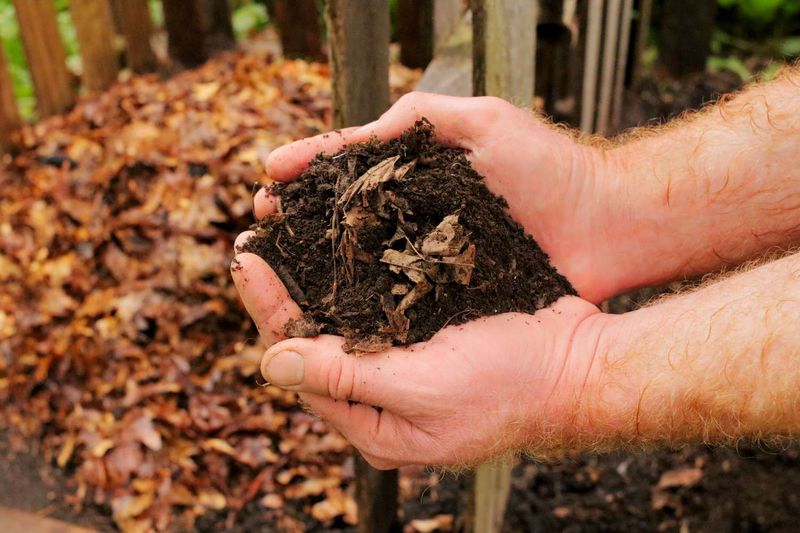
Grab a kitchen sponge, soak it, and squeeze out the extra water. That damp, not dripping feeling is exactly what your leaf pile wants.
Fungi and bacteria do the real work of turning leaves into black gold. Like us, they need water to stay busy and healthy.
A bone-dry pile basically goes to sleep. The leaves just sit there, crumbly and unchanged, month after month.
Too much water causes trouble in the other direction. A soggy pile loses its air, starts to smell sour, and slows down badly.
Here is a quick hand test you can try anytime. Squeeze a fistful of leaves, and look for just a drop or two of water.
Watering works best while you build the pile. Spray each new layer with the hose so moisture reaches the middle.
Summer heat can bake a pile dry in a few weeks. Western Virginia often gets drier stretches, so check your bin more often there.
A simple cover helps a lot. An old tarp, flattened cardboard, or burlap sack slows evaporation and keeps heavy rain from flooding things.
Shade is another quiet helper. A bin tucked under trees or beside a fence stays moist much longer than one in full sun.
Make checking your pile part of a weekly routine. A quick squeeze while taking out the trash keeps things on track.
Mix In Green Material To Speed Things Up
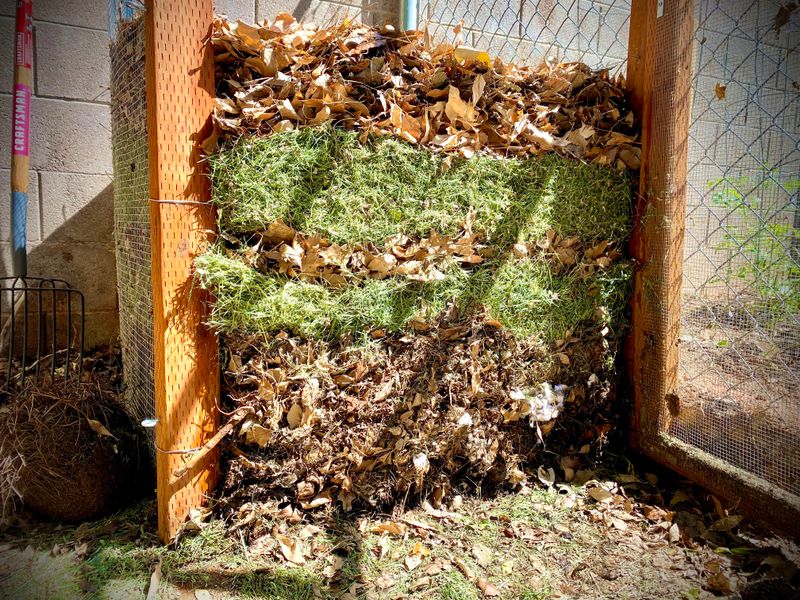
Leaves on their own are a bit like a meal of plain crackers. Soil microbes will eat them, but they work much faster with some protein on the side.
Gardeners sort compost ingredients into browns and greens. Dry leaves are browns, packed with carbon but low in nitrogen.
Greens bring the nitrogen that microbes crave. Fresh grass clippings, veggie peels, fruit scraps, and coffee grounds all count.
Experts suggest a carbon to nitrogen balance near 25 or 30 to one. In plain terms, use about two or three buckets of leaves per bucket of greens.
Layering makes the mixing easy. Spread six inches of leaves, add a thin green layer, then repeat like building a lasagna.
Many local coffee shops give away used grounds for free. Ask your neighborhood cafe, and you might score a bag every week.
Aged animal manure from chickens, horses, or rabbits works wonders too. Skip pet waste from dogs and cats, since it can carry germs.
Watch out for meat, dairy, and greasy foods. Those can attract raccoons and other curious critters to your bin.
Fun fact: a well-mixed pile can actually feel warm inside. That heat comes from millions of busy microbes breaking things down.
Adding greens turns slow leaf mold into something closer to quick compost. Either way, your garden ends up with rich, dark goodness.
Turn The Pile To Add Air
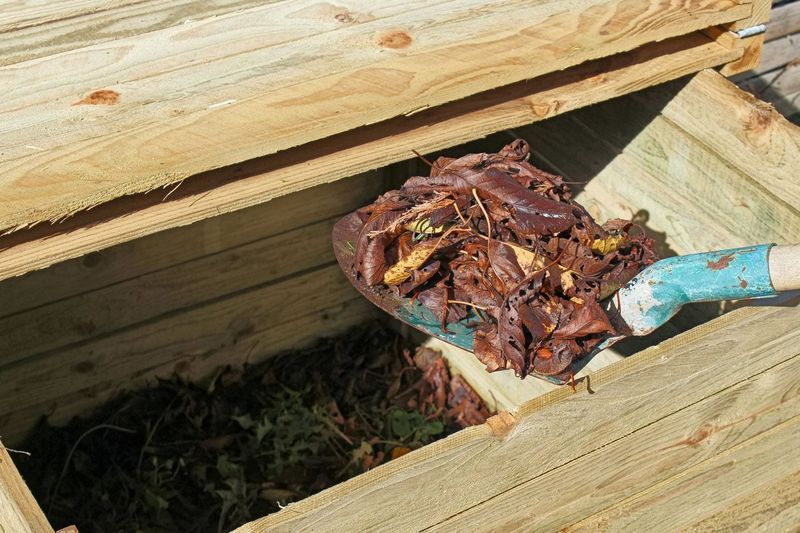
Got a pitchfork and ten spare minutes? That is all it takes to give your leaf pile a major energy boost.
The tiny workers inside your bin need oxygen to breathe. Without fresh air, they slow down and less helpful germs move in.
Your nose will tell you when air runs low. A rotten egg or sour smell means the pile needs turning right away.
Turning also fluffs up leaves that have packed down tight. It spreads moisture around so dry spots and wet spots even out.
The simplest method is moving the whole pile over. Lift off the wire ring, set it next to the heap, and fork everything back in.
Try to bring the outside leaves into the middle. The center stays warmer and wetter, so those edge pieces catch up faster.
How often should you turn? Every few weeks works fine, while weekly turning speeds results even more.
A compost aerator tool is handy for smaller bins. You push it down, twist, and pull up to open air channels without heavy lifting.
Check moisture while you are in there. Turning is the perfect moment to add a splash of water if leaves feel dry.
Think of it as a quick backyard workout with a payoff. Your arms get exercise, and your pile gets closer to becoming black gold.
Leaf Mold Is Ready In About A Year
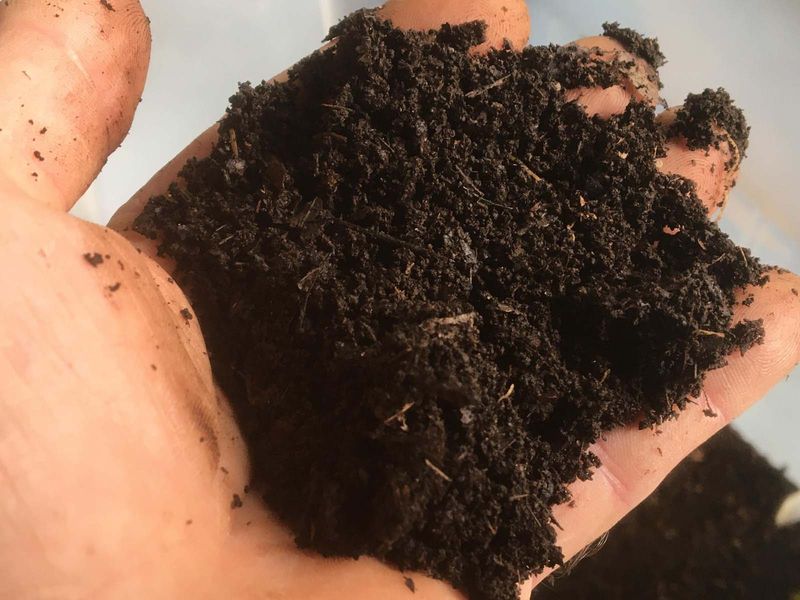
Patience pays off in the most delicious-smelling way. Open your bin after about a year, and you may find something that looks like forest soil.
Plain, unshredded leaves often take one to two years to finish. Shredding, watering, and turning can bring that down to six to twelve months.
Leaf type plays a part too. Thin leaves like maple and beech soften quickly, while tough oak leaves take their sweet time.
Virginia yards are full of oaks, so expect some slower spots. Mixing oak leaves with softer types helps balance things out.
So how do you know it is done? Finished leaf mold is dark brown or nearly black, soft, and crumbly in your hand.
Look closely for leaf shapes. If you cannot spot whole pieces anymore, your black gold is ready to use.
Give it a sniff as well. Good leaf mold smells sweet and earthy, like a hike through the woods after a rainstorm.
Do not panic when the pile looks smaller. A full bin often shrinks to a fraction of its first size as leaves break down.
Partly finished leaf mold still has plenty of uses. Spread it as mulch around shrubs, and let it finish breaking down right there.
Many gardeners keep two bins going at once. One finishes while the other fills, giving you a steady yearly supply.
Use It To Loosen Heavy Virginia Clay
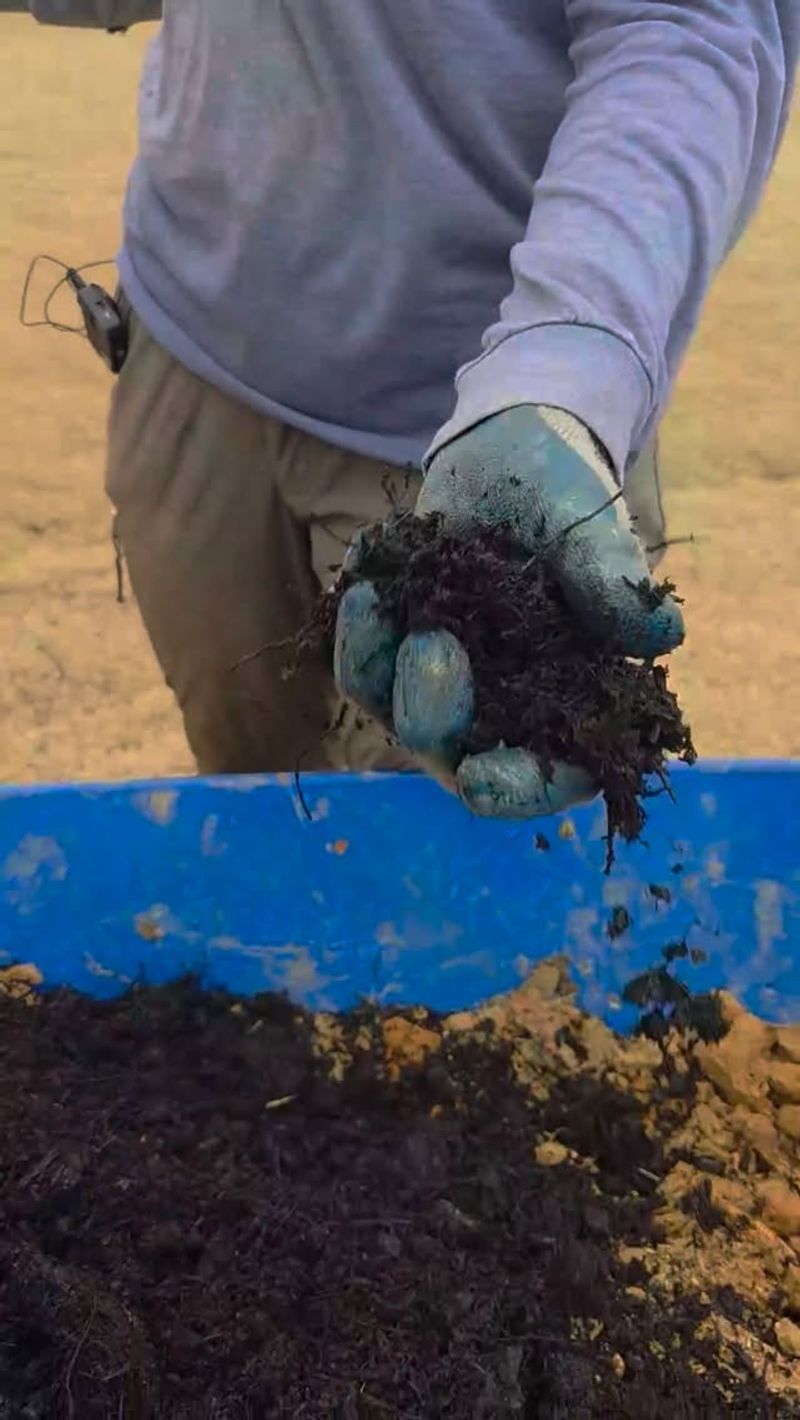
Anyone who has dug a hole in Virginia knows the struggle. That sticky red clay grabs your shovel and refuses to let go.
Clay is not all bad, though. It holds onto nutrients well, which means plants can thrive once the texture improves.
The real problem is how tightly clay packs together. Roots struggle to push through, and water either puddles or runs right off.
Leaf mold works like a gentle wedge between those tiny clay bits. It opens little air pockets so roots can spread and breathe.
Drainage gets better in a big way. Rain soaks in instead of pooling, yet the soil still holds moisture for dry weeks.
Earthworms love leaf mold too. They munch through it, tunnel around, and help clump clay into a crumbly, healthier structure.
For best results, spread two to three inches across your bed. Work it into the top six to eight inches of soil with a fork or shovel.
Fall and spring are great times for this job. Soil is easier to work then, and plants get a fresh start.
Avoid digging when clay is soaking wet. Working wet clay can squash it into hard clods that last for months.
Add more leaf mold each year for steady progress. After a few seasons, many gardeners barely recognize their once stubborn beds.
Mow Leaves Into The Lawn For Instant Results
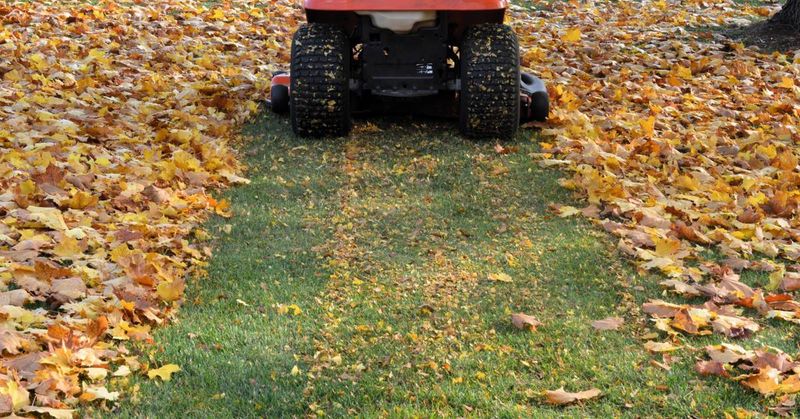
Here is the laziest trick on the list, and it might be the smartest. Skip the rake and let your mower turn leaves into lawn food.
Experts call it leaf mulching. Mike Goatley, a turf specialist with Virginia Cooperative Extension, praises it as an easy, budget-friendly choice.
Start by raising your mower to its highest setting. Then mow right over the leaves, just like cutting grass.
One pass may leave chunky pieces behind. Two or three passes chop leaves into tiny bits that slip down between grass blades.
Aim to still see about half your grass after mowing. If leaves bury the lawn, bag some for your bin and mulch the rest.
Those tiny leaf bits break down fast in the soil. They feed your lawn with nitrogen, phosphorus, and potassium, a lot like free fertilizer.
There is a weed-fighting bonus too. Studies show mulched leaves can help reduce dandelions and crabgrass by shading their seeds.
Try mowing once a week during peak leaf season. Small amounts are much easier to handle than a giant pile all at once.
Dry leaves chop up best, so wait for a sunny afternoon. A mulching blade helps even more, though a regular blade does the job.
You also save hours of raking and stacks of plastic bags. Fewer bags at the curb means less yard waste heading to the landfill.