Avoid Bringing These Unlucky Plants Indoors This Fall In Virginia
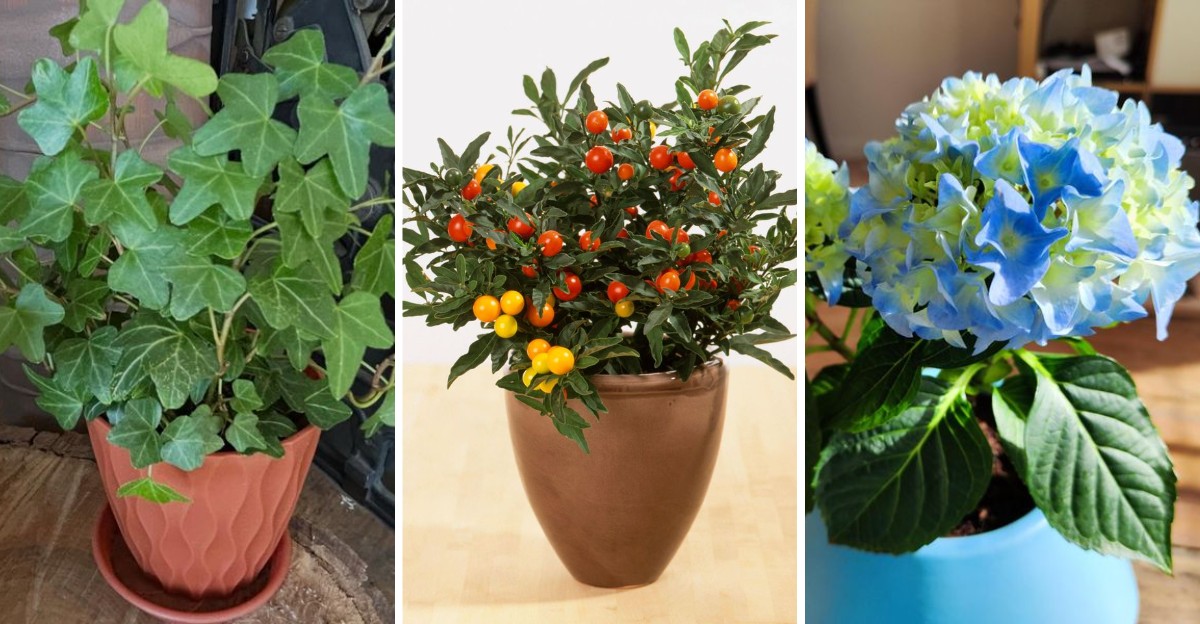
A pretty berry wreath on the front door can quietly plant an invasive vine in your backyard. And that’s not the only fall favorite with a hidden downside.
As the air cools, plenty of Virginia homeowners carry potted plants and seasonal greenery inside. Some of those leafy guests come with unexpected baggage.
A few carry old superstitions, while others hide real risks for kids, pets, and local forests. British folklore, feng shui, and Victorian flower lore all have opinions about what belongs indoors.
Veterinarians and plant experts have strong warnings of their own. Some picks on this list might surprise you, especially one popular holiday gift.
1. Holly Branches, Said To Be Unlucky Before Christmas Eve
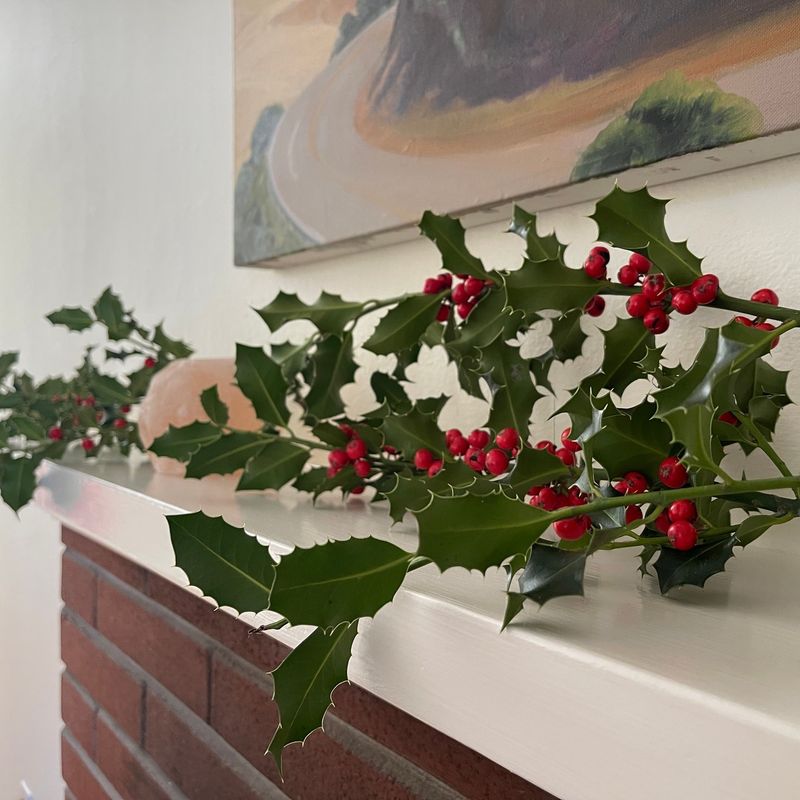
Picture a glossy sprig of holly resting on your mantel in early November, long before the holidays. According to old British folklore, you may have just invited a little trouble inside.
Welsh, German, and English traditions warned against bringing holly or ivy indoors before Christmas Eve. Some families in Britain even thought holly was unlucky indoors at any other time of year.
Folklore aside, the real worry sits inside those bright red berries. Holly berries are toxic to people and pets, even though they look like tiny holiday candies.
Eating a few can cause nausea, vomiting, stomach pain, and diarrhea. Kids and curious dogs are the most likely to sample them, so placement matters a lot.
American holly grows wild across Virginia, so fresh branches are easy to snip on a fall walk. Before you haul an armful home, think about who shares your living room.
Here is a simple plan that respects both safety and tradition. Wait until Christmas Eve to decorate, then place holly high on shelves, doorframes, or outdoor planters.
Fallen berries tend to roll under couches and rugs, where little hands and paws find them first. A quick daily sweep around your display helps catch any strays.
Toss clippings into a lidded outdoor bin rather than the kitchen trash. Pets love digging through garbage, and prickly leaves can also scratch mouths and paws.
Want the look without the risk? Faux holly sprays offer the same festive sparkle and last for years without dropping berries.
Keep your vet’s number handy during the holidays, just in case. Quick action matters if someone nibbles a berry.
2. Oriental Bittersweet Wreaths That Spread Invasive Seeds
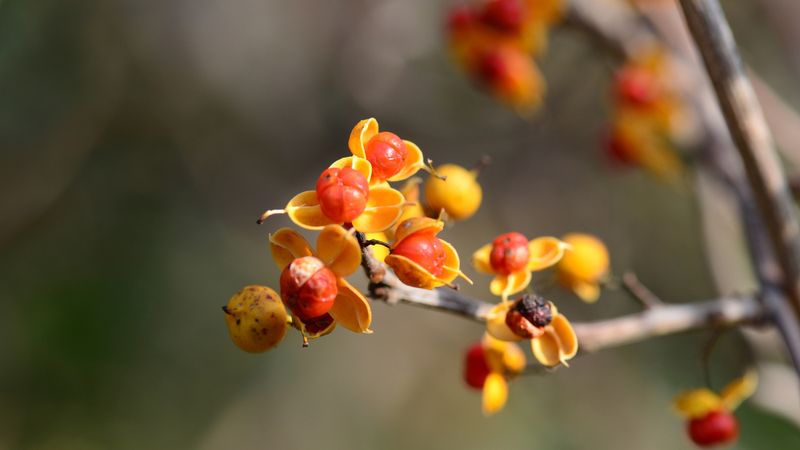
Those twisty vines with orange and yellow berries look like fall in a basket. Sadly, oriental bittersweet is one of the most troublesome invasive plants in Virginia.
Crafters love wrapping the stems into wreaths and centerpieces for porches and tables. The problem shows up later, when the seeds leave your home and find new ground.
Birds snack on the bright fruit, then scatter the seeds through their droppings. One tossed wreath at the edge of the yard can start a brand new patch.
Oriental bittersweet has already spread to more than half of the state’s counties. Its vines twist around shrubs and tree limbs, squeezing them tighter each year.
Your Virginia Garden Changes Every Week. Your Plan Should Too.
Gardening in Virginia changes quickly throughout the season. Every Friday you’ll receive a simple weekly plan showing exactly what to plant, prune, fertilize, harvest, and protect so you never miss the right timing.
Over time, those tight coils weaken trees and smother native plants below. Heavy vines also add weight, making branches more likely to snap in ice storms.
Buying a bittersweet wreath at a roadside stand might seem harmless and sweet. Still, every berry on it is a tiny ticket for the vine to travel farther.
Already have one hanging on the door? Bag it tightly when the season ends and send it to the trash, not compost.
Plenty of native options offer the same warm glow without the baggage. Winterberry holly branches, dried grasses, pinecones, and colorful gourds make gorgeous fall arrangements.
American bittersweet is a native cousin, but the two look very similar. Unless you can tell them apart, skipping both is the safest choice for local woods.
Spot the vine in your own yard? Pull young sprouts by the roots and cut older vines at the base before they fruit.
3. English Ivy, Toxic To Pets And A Forest Invader
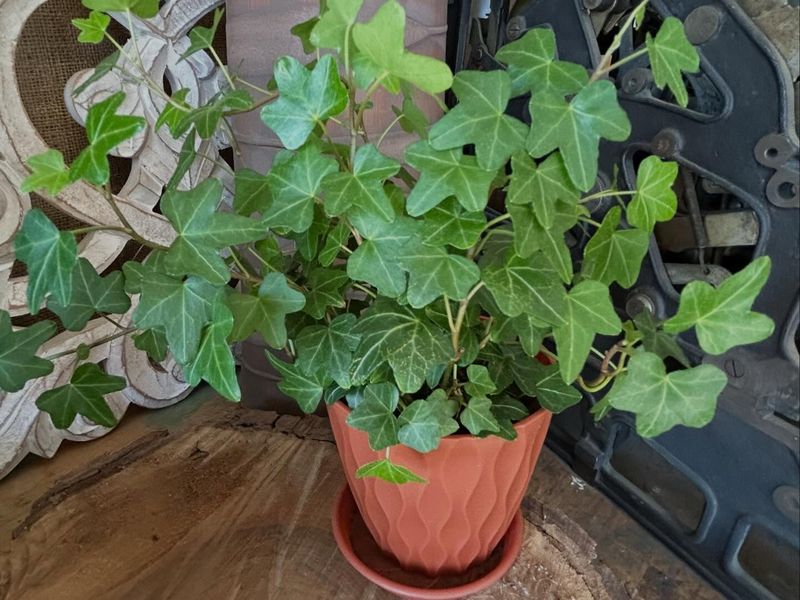
Few plants look as classic as English ivy spilling from a hanging basket. Its romantic trailing charm hides a couple of problems worth knowing before fall.
For pets, the leaves are the biggest concern. English ivy contains natural compounds called saponins, including one named hederagenin, which upset animal stomachs.
Dogs, cats, and even horses can react after chewing the foliage. Watch for vomiting, drooling, belly pain, and diarrhea if your pet has been nibbling.
Interestingly, the leaves carry more risk than the dark berries. Some people also get itchy, red skin after handling the vines, so gloves are a smart idea.
Outdoors, the story gets even bigger. Virginia lists English ivy as an aggressive invasive plant that blankets forest floors and crowds out native wildflowers.
Climbing vines creep up tree trunks and block the sunlight that leaves need. The extra weight can leave trees more likely to break during strong storms.
Many gardeners bring potted ivy inside each fall to keep it going through winter. Sadly, cuttings from those pots often end up rooted back outside in spring.
If you keep ivy indoors, hang it well above pet height, away from furniture cats can climb. Trim clippings over a bag so no stray bits root in the yard.
Swapping in a pet-safe trailing plant is even easier. Spider plants, Boston ferns, and peperomia offer lush greenery without the worry.
Your furry friends and the neighborhood woods will both appreciate the trade. A little planning now keeps your cozy season stress free.
4. Jerusalem Cherry, A Festive Plant With Poisonous Berries
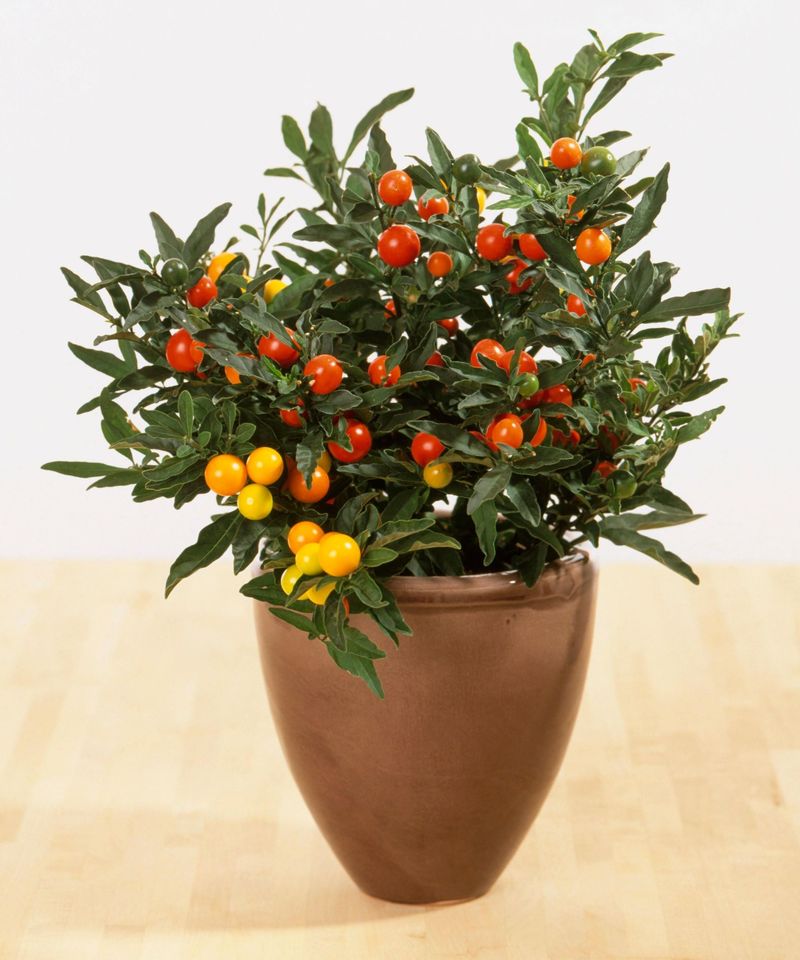
Little orange globes on a compact green shrub make Jerusalem cherry a popular holiday gift. Garden centers often stock it in fall, right when families start decorating.
You may also see it sold as Winter Cherry or Christmas Cherry. Whatever the label says, every part of the plant is poisonous, especially the unripe fruit.
Kids find those shiny berries hard to resist because they look like cherry tomatoes. Sadly, even a small taste can make a child very sick.
Symptoms may include vomiting, stomach pain, headache, drowsiness, and restlessness. Some people experience a fast heartbeat, fever, sweating, and even hallucinations after eating the fruit.
Pets face serious danger too. Cats, dogs, and horses can suffer life-threatening poisoning, so the plant is not a good fit for most busy homes.
Believe it or not, Jerusalem cherry belongs to the nightshade family. Tomatoes, potatoes, and eggplants are relatives, but this cousin is strictly for looking.
Received one as a gift? Set it on a high, sunny shelf with bright, indirect light, well away from curious kids and pets.
Pick off fallen fruit right away and wash your hands after handling the plant. Some people notice skin irritation from the leaves and berries.
Share the warning with grandparents and babysitters too. Visitors may not know the cute plant on the counter is off limits.
Better yet, choose a safer showpiece for your holiday table. Christmas cactus, bromeliads, and African violets bring cheerful color without the poisonous surprise.
Keep Poison Control’s number, 1-800-222-1222, posted near your phone. Calling quickly can make a real difference if someone swallows a berry.
5. Lilies, A Serious Danger For Cats
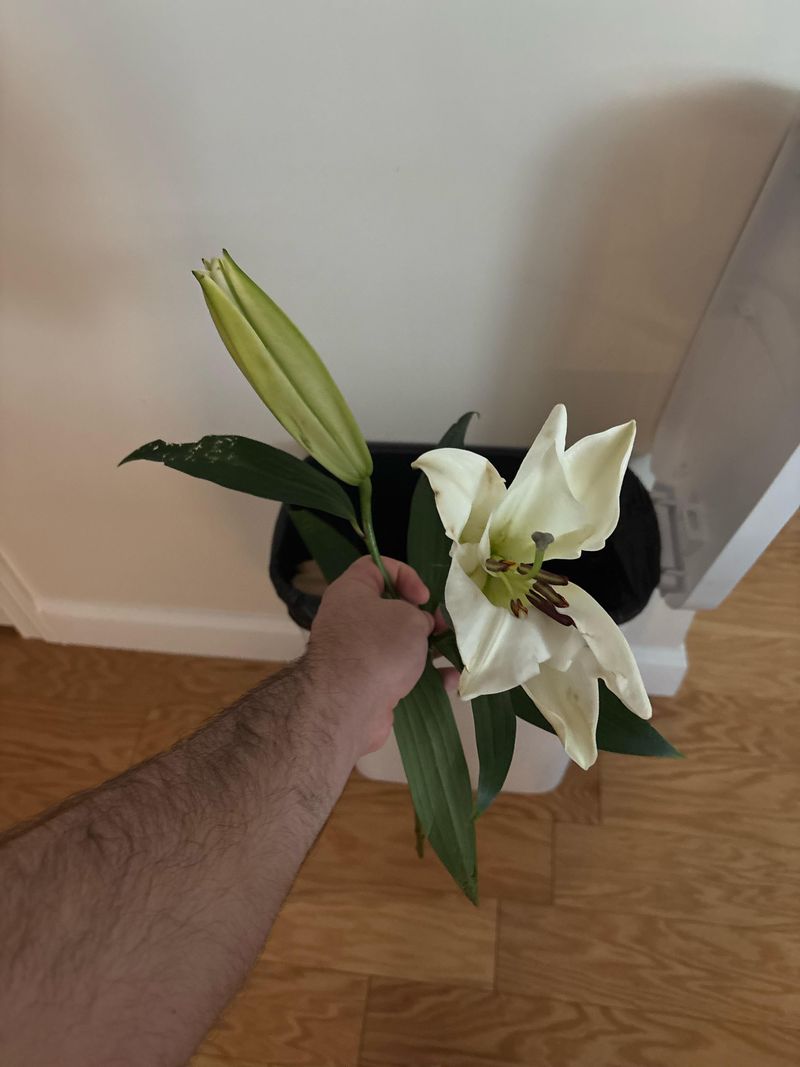
Ask any veterinarian about fall bouquets, and lilies will likely top their worry list. For cat owners, these elegant blooms can turn a pretty vase into an emergency.
Virginia Tech notes that lily poisoning in cats happens often across the state. Many cases start with a simple grocery store bouquet brought home for the table.
True lilies and daylilies cause sudden kidney failure in cats. Easter, Asiatic, Stargazer, Tiger, Oriental, Rubrum, and daylily varieties all belong on the avoid list.
Every part is toxic, including the petals, leaves, pollen, and even vase water. A cat can get sick just by licking pollen off its fur or paws.
Signs usually appear within 12 hours and include vomiting, drooling, low energy, and appetite loss. Kidney damage may become permanent about 18 hours after exposure.
Speed matters more than anything here. If you suspect your cat touched a lily, call your vet or an animal poison hotline right away.
Not every plant with lily in its name causes kidney trouble. Peace lilies and calla lilies irritate the mouth but do not harm the kidneys.
Even so, those milder types can cause drooling and pawing at the face. Keeping them out of reach is still a kind choice.
Love flowers but share a home with a cat? Roses, sunflowers, snapdragons, and orchids make lovely, safer bouquets for fall gatherings.
Received a lily arrangement anyway? Place it outside on the porch, where you can enjoy it through the window.
Friends mean well when they send lilies, so a gentle heads-up helps. Tell loved ones about your cat before birthdays or holidays roll around.
6. Sago Palm, A Hazard Hiding In Many Sunrooms
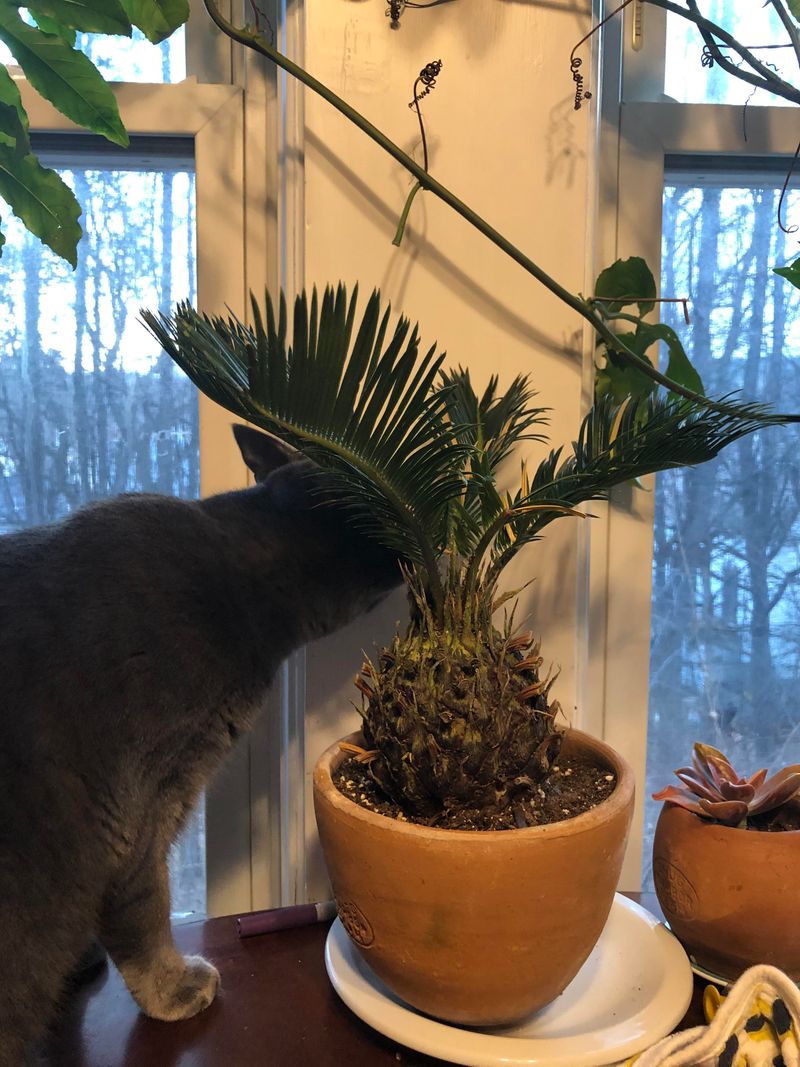
With its stiff, feathery fronds, the sago palm gives any sunroom a breezy tropical vibe. Many gardeners move theirs indoors each fall to escape the frost.
Before you roll that heavy pot inside, know exactly what you are dealing with. Sago palms are highly toxic to people, dogs, and cats.
The plant contains cycasin, a strong toxin that can cause severe liver damage. Seeds and roots hold the highest amounts, though every part carries risk.
For dogs and cats, eating just one or two seeds can be fatal. Many pets seem drawn to the seeds, which look like small, chewable nuts.
Early signs can show up within 15 minutes or a few hours. Look for vomiting, diarrhea, belly pain, tiredness, and a sudden lack of appetite.
Liver trouble may not appear until two or three days later. Yellowing gums or eyes, called jaundice, is a warning sign that needs a vet immediately.
People can get sick too, with headaches, dizziness, and general weakness. Scratches from the sharp leaflets may also cause skin irritation or allergic reactions.
Fun fact: despite the name, sago palms are not palms at all. They are cycads, an ancient plant group that dates back to the dinosaurs.
If you keep one, place it in a room pets cannot enter. Remove seeds and fallen fronds promptly, and wear gloves when handling the plant.
Homes with roaming pets or toddlers may want a gentler option instead. Parlor palms and ponytail palms offer a similar tropical look and are considered pet safe.
7. Cactus, Blamed For Prickly Energy In Feng Shui
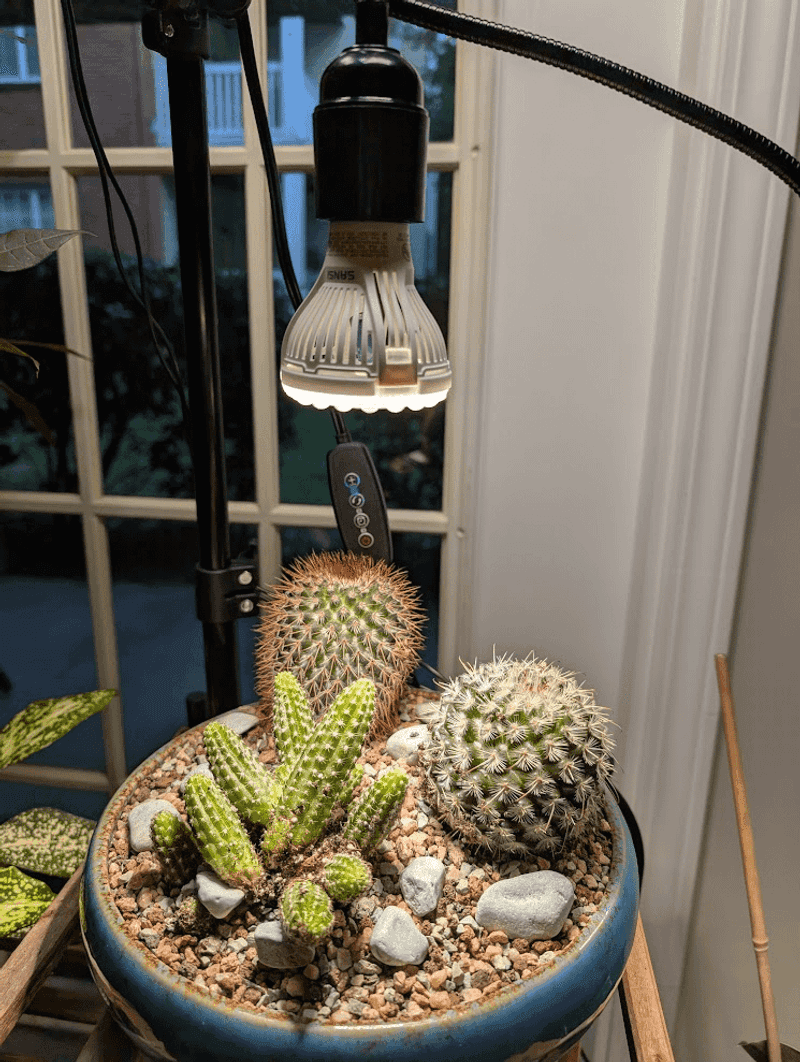
Cacti seem like the easiest roommates ever, asking for little water and plenty of sun. In feng shui, though, those spines carry a reputation for stirring up trouble.
Practitioners believe sharp points create harsh, cutting energy called sha chi. Placing a prickly plant in the wrong spot is said to spark stress or arguments.
Bedrooms and quiet reading nooks top the list of places to skip. Rooms meant for rest are supposed to feel soft, calm, and welcoming.
Vastu Shastra, a traditional Indian design system, also discourages indoor cacti. Followers say the spines send negative energy through the home.
Oddly enough, some feng shui fans use cacti as protectors. A spiky pot near a window or outside the door is thought to guard against bad vibes.
Most experts agree the protective job works best outdoors. Keeping a cactus right by the front entrance inside may block good energy from flowing in.
Believe the folklore or not, there are practical reasons to think twice. Spines can poke pets, snag curtains, and surprise small kids reaching for a windowsill.
Fall also brings shorter days, and many cacti stretch and pale inside dim homes. A bright south-facing window or a small grow light keeps them sturdy.
Watering needs drop sharply in cooler months, too. Once a month is plenty for most cacti until spring growth returns.
Hoping to keep yours? Tuck it into a home office or kitchen corner rather than beside your bed or couch.
Rounded, soft-leaved plants are a feng shui favorite for peaceful spaces. Jade plants, pothos, and money trees offer friendly green energy with no poking involved.
8. Dried Flowers, Linked To Stale Energy And Dust
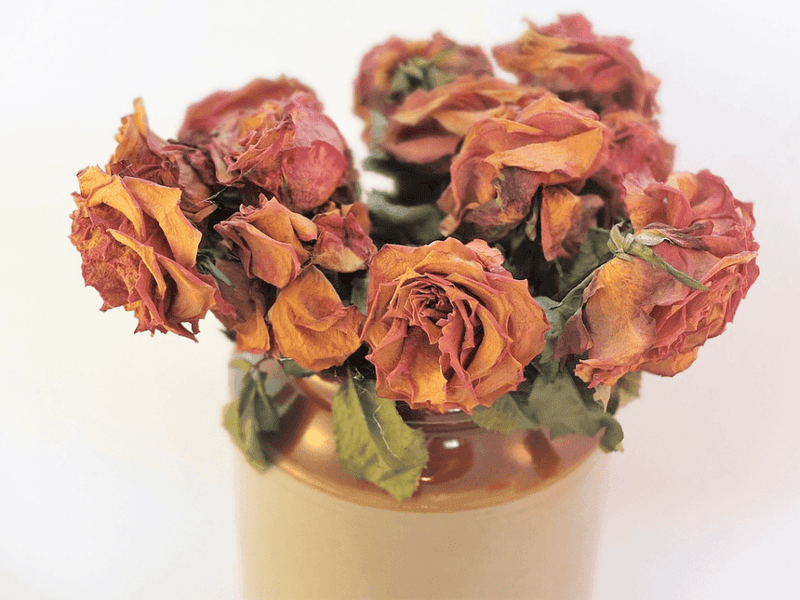
A bundle of dried lavender or roses feels charming and cottage-like on a fall shelf. According to feng shui, those faded blooms might be dragging your space down.
Practitioners see dried flowers as past their prime and lacking life energy, or qi. They link the stems to yin energy, which is tied to stagnation and decay.
Stuck energy is said to invite sadness and block positive flow through a room. Fresh blooms, full of living energy, are the preferred choice for good vibes.
There is a very practical side to the belief, too. Dried petals collect dust quickly, and dusty corners feel dull whether you follow feng shui or not.
Allergy sufferers often notice sneezing near old arrangements. Fall already brings ragweed and mold spores, so extra dust is the last thing you need.
Brittle stems also shed tiny bits onto tables and floors. Pets may chew those crumbs, and some dried plants are not safe to swallow.
Sentimental pieces get a pass from many feng shui fans. A preserved wedding bouquet or a flower from a special day can stay if kept clean.
Give keepsakes a gentle blast from a hair dryer on the cool setting. A shadow box or glass dome keeps dust away and protects the fragile petals.
Everything else can head to the compost pile when the color fades. Swap in a small vase of fresh mums, asters, or grocery store sunflowers instead.
Mini herb pots offer another lively option. Rosemary and thyme bring a cozy scent to the kitchen without collecting months of dust.
9. Hydrangea, Once Linked To Unmarried Daughters
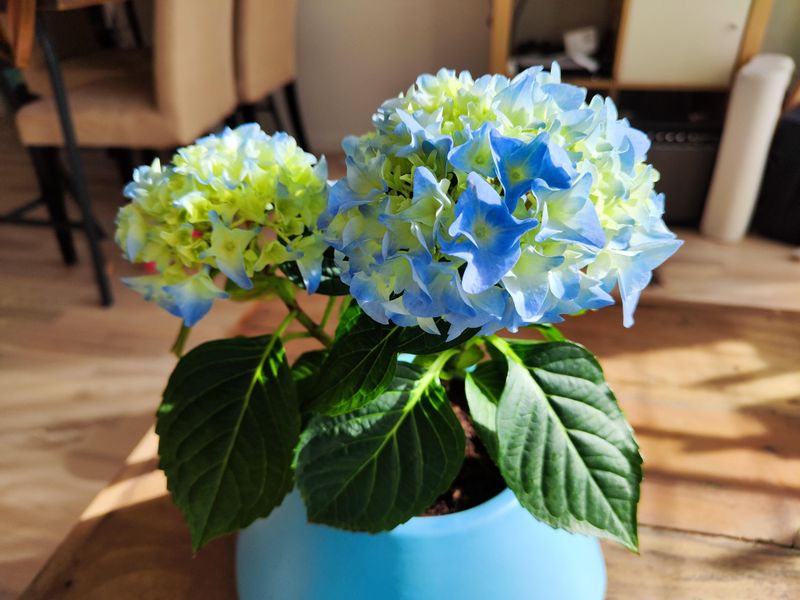
Great-grandma might have gasped at a hydrangea planted by the front door. In old British folklore, a young woman growing them there could stay unmarried.
The superstition likely comes from the Victorian language of flowers. Back then, hydrangeas stood for frigidity and heartlessness, hardly a romantic message.
Feng shui adds another layer to the story. Some practitioners connect the big blossoms with loneliness, failure, and isolation, so they suggest keeping them away from entryways.
Folklore aside, hydrangeas simply struggle inside most homes. Low humidity and poor air flow invite pests and diseases like powdery mildew and spider mites.
Garden hydrangeas need real seasons to thrive. Cold winter rest helps them set buds for next summer, and a heated living room disrupts that rhythm.
Luckily, Virginia winters are usually mild enough for hydrangeas to rest outdoors. A layer of shredded leaves or mulch around the base protects the roots.
Potted hydrangeas can move to an unheated garage or sheltered porch instead. Water lightly once a month so the soil stays barely damp.
Pet owners have another reason to keep them outside. Many varieties contain small amounts of cyanide compounds, which can upset stomachs in dogs and cats.
Gift hydrangeas from the florist are a slightly different case. Enjoy them indoors for a few weeks, then plant them outside after the last spring frost.
Craving that color indoors? A painting or print of blue hydrangeas brings the charm inside, minus the bugs and superstition.
Everyone else can enjoy them right where they shine, in a sunny garden bed. Your hydrangeas will reward that patience with bigger blooms come June.