Why Suckers Keep Growing Back On Oregon Fruit Trees No Matter How Often You Cut Them
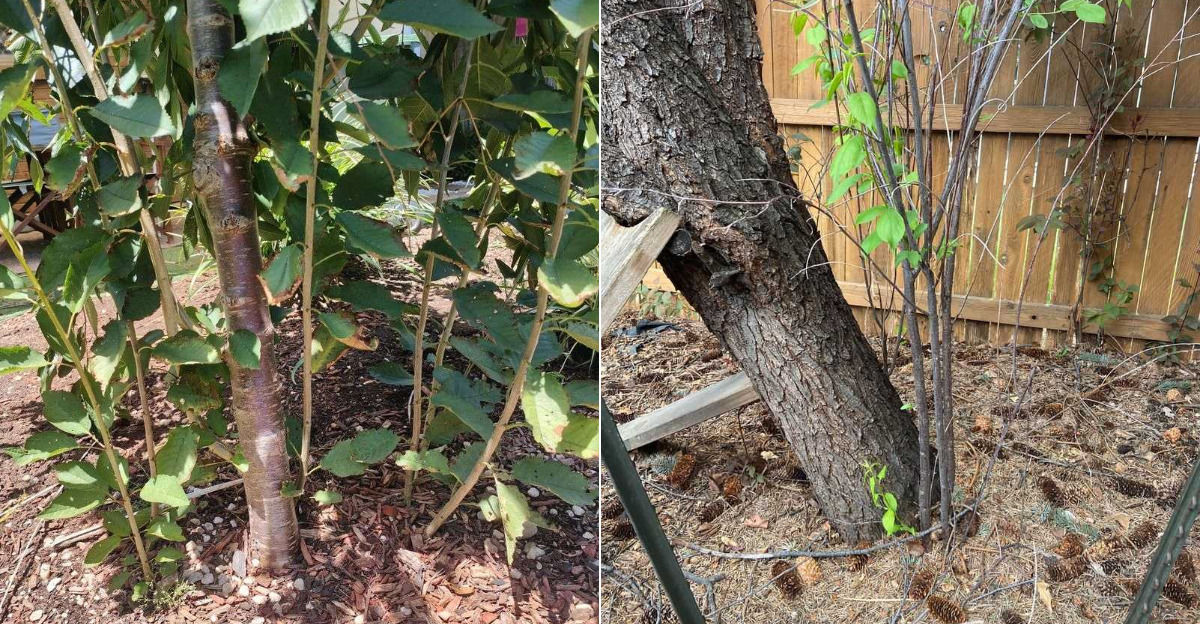
You cut them off, step back feeling accomplished, and a few weeks later they are back like they never got the message. Suckers can make Oregon fruit trees feel oddly determined to undo every bit of tidy pruning.
At first, the repeated growth can seem like nothing more than a cosmetic nuisance. Then the shoots get taller, thicker, and harder to ignore, especially when they keep appearing around the trunk or base of the tree.
Their persistence can be frustrating because removing them once does not always end the cycle. Something deeper is usually influencing why the tree keeps pushing out fresh growth in the same spots.
That is where a little observation can save a lot of repetitive cutting. The location of the shoots, the condition of the tree, and the way they return can all offer useful clues.
If suckers seem to be winning the battle in your yard, there is a reason they keep coming back. Understanding that pattern is the first step toward dealing with them more effectively.
Cutting The Top Off Does Not Stop The Root From Pushing Growth
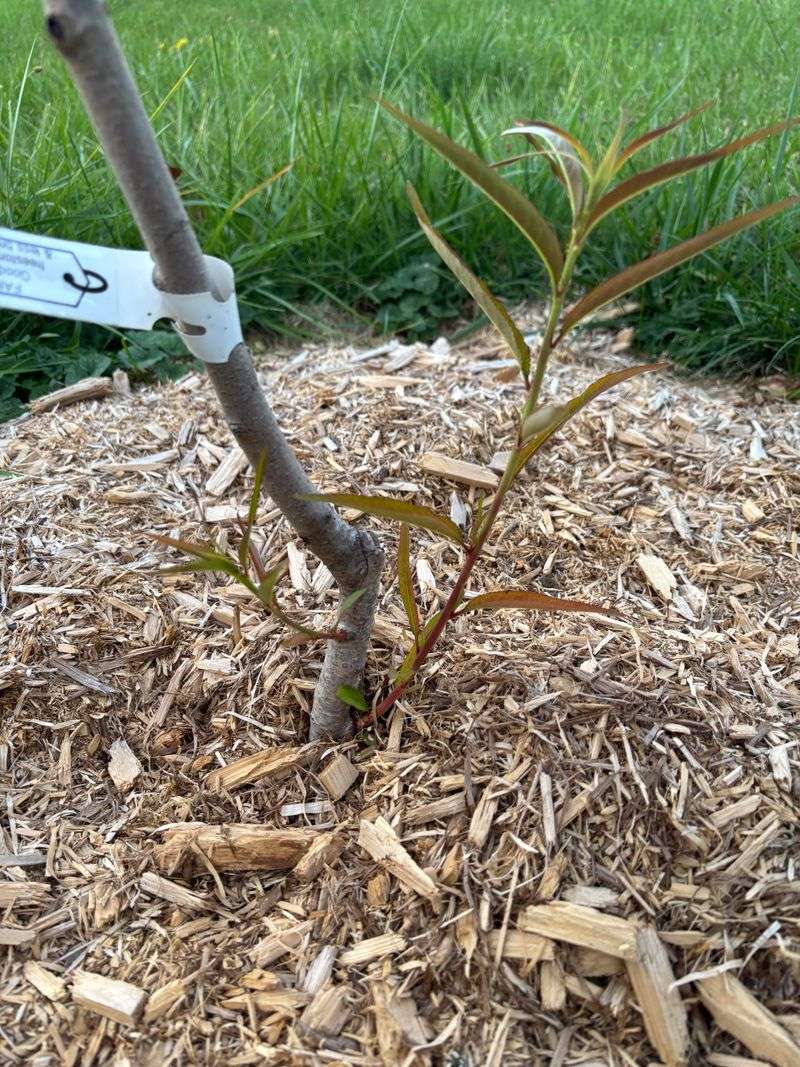
Most people assume that cutting a sucker off at the surface will solve the problem for good. Sadly, that is not how trees work.
The root system underground is still very much alive, and it keeps sending energy upward looking for a place to grow.
When you cut a sucker at ground level or even slightly below, the root that produced it is still attached and still active. That root has stored energy and nutrients, and it will try again.
Sometimes it pushes out two or three new shoots right where the old one was removed.
Think of it like squeezing a tube of toothpaste. Cutting the top does not stop the pressure from building below.
The root is the source of the problem, not the shoot you see above ground. To really slow things down, you need to address what is happening at the root level, not just what you can see on the surface.
Pulling the sucker off by hand when it is still young can sometimes remove a small piece of the root tissue along with it. That is actually more effective than using pruning shears on just the visible shoot.
Over time, removing suckers this way can reduce how often they come back from that same spot.
Suckers Often Come Back From Below The Graft
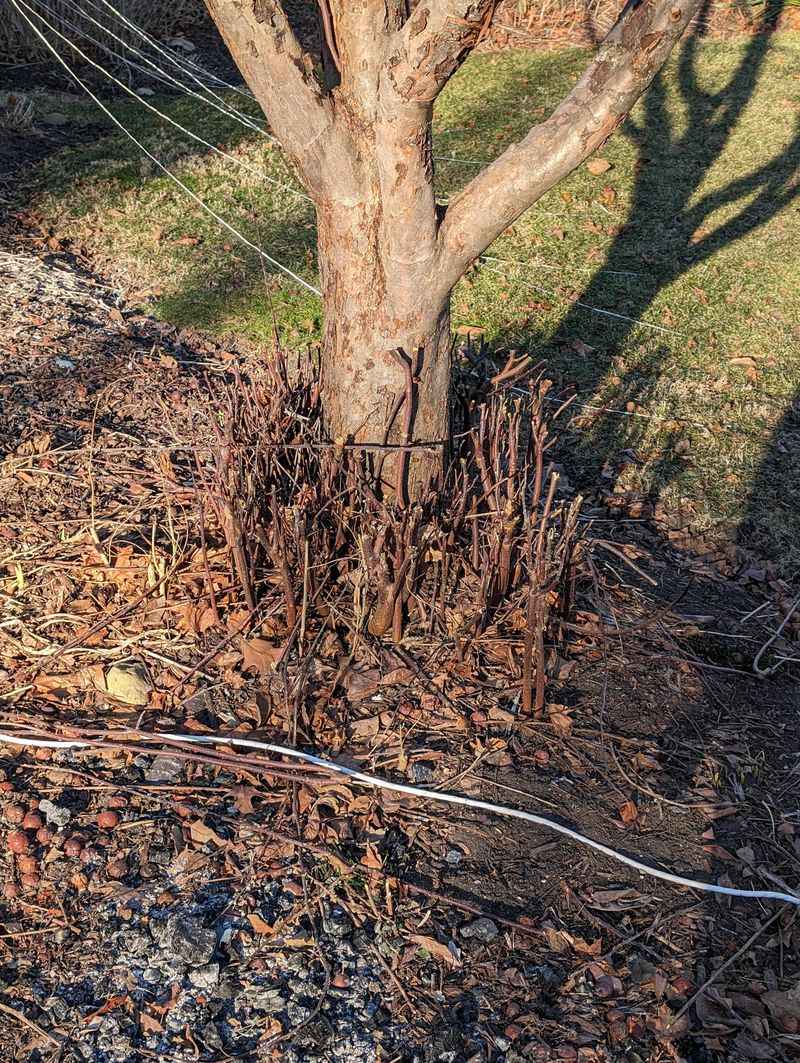
Most fruit trees sold at nurseries are grafted. That means the fruiting part of the tree, called the scion, is attached to a separate root system, called the rootstock.
The graft union is usually visible as a slight bump or scar near the base of the trunk.
Suckers that grow from below the graft line are coming from the rootstock, not the fruiting variety you planted. This matters a lot.
Rootstock varieties are often wild or semi-wild plants chosen for strong root systems, not for fruit quality. Their suckers can grow very aggressively.
If you let rootstock suckers grow unchecked, they can eventually take over the entire tree. The rootstock is often more vigorous than the grafted variety, so it can outcompete the upper tree for water and nutrients over time.
Your Oregon Garden Changes Every Week. Your Plan Should Too.
Gardening in Oregon changes quickly throughout the season. Every Friday you’ll receive a simple weekly plan showing exactly what to plant, prune, fertilize, harvest, and protect so you never miss the right timing.
Some gardeners have noticed that after years of neglect, the original fruiting variety gets crowded out entirely.
Removing these suckers quickly and as close to their origin point as possible is very important. Check the base of your tree regularly and look for shoots that appear below the graft union.
These are almost always rootstock growth and should be removed right away to protect the health and productivity of your fruit tree.
Leaving A Stub Can Trigger More New Shoots
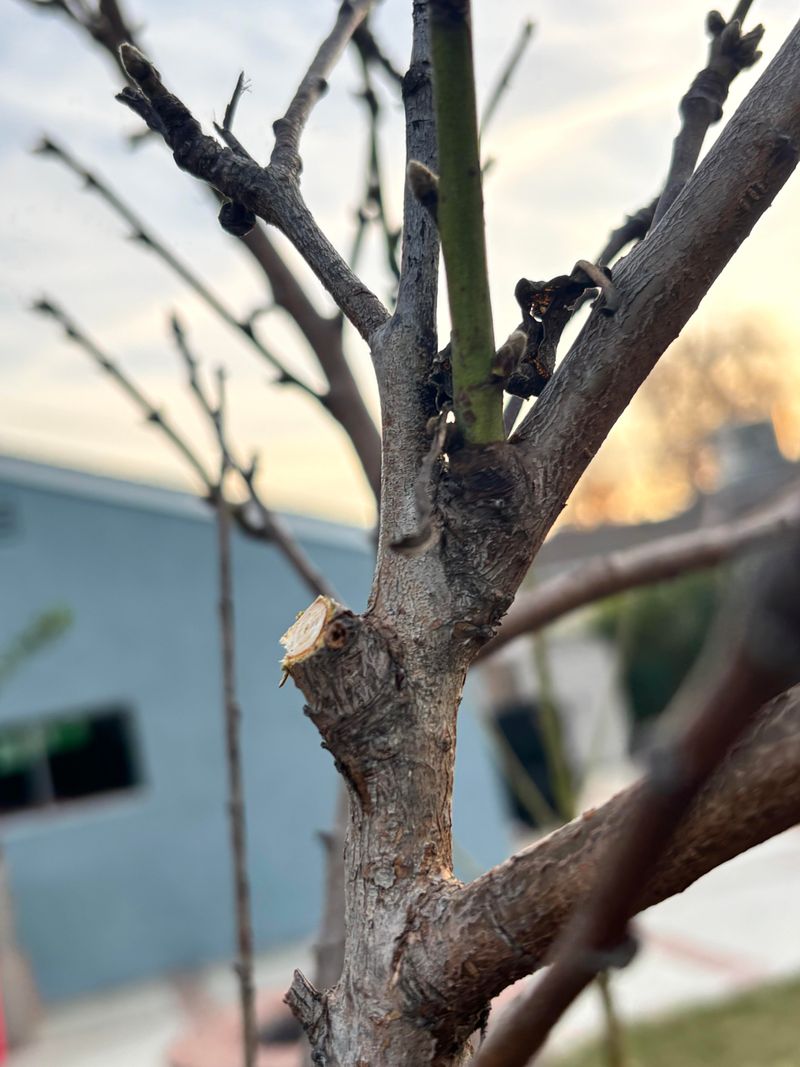
One of the common mistakes Oregon gardeners make when removing suckers is leaving a small stub behind. It seems harmless, but that little stub sends a signal to the plant that there is still growth to be pushed out from that area.
Plants respond to stubs the same way they respond to any pruning cut. The tissue around the cut gets stimulated and tries to produce new growth.
When a stub is left on a sucker, you are basically inviting the tree to send out even more shoots right at that spot. You may end up with a cluster of new suckers instead of just one.
Cutting cleanly and as close to the origin point as possible gives the tree a much better chance of healing over without sending new growth. A clean cut is less likely to leave active tissue that will sprout again.
Using sharp, clean pruning tools makes this easier and reduces the chance of ragged cuts that leave behind more stub tissue.
If you notice a spot where suckers keep returning in clusters, it is likely because previous cuts left stubs that kept triggering regrowth.
Going back in and removing any remaining stub tissue, even if it means digging slightly into the soil, can help break that cycle and reduce future sucker growth from that location.
Damaged Roots Can Send Up Even More Suckers
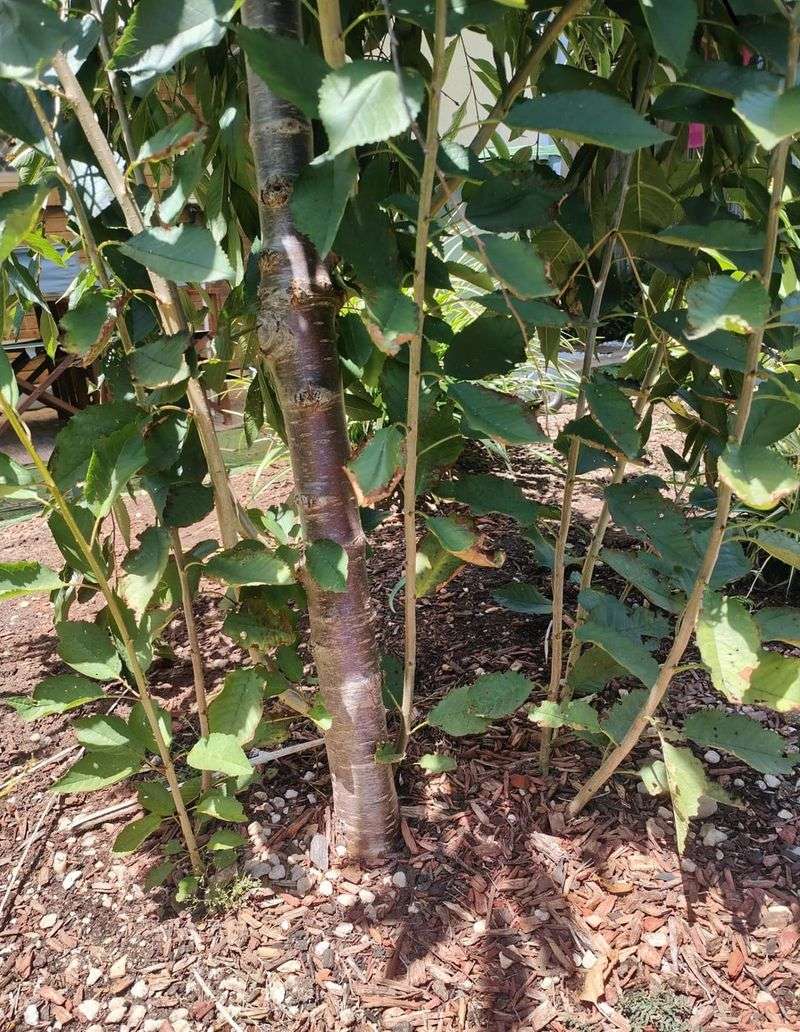
Root damage is one of the biggest reasons suckers keep coming back with a vengeance. When a root gets cut, bruised, or disturbed, the tree responds by pushing out new growth from that injured area.
It is the tree’s way of trying to recover and survive. Common causes of root damage include lawn mowers running too close to the tree, foot traffic compacting the soil over the root zone, and garden tools accidentally slicing through shallow roots.
Even planting bulbs or other plants too close to a fruit tree can cause this kind of root disturbance.
In Oregon, where many home orchards sit in yards with heavy foot traffic or regular lawn care, root damage is a very common trigger for excessive sucker growth.
Once roots are damaged repeatedly, the tree can go into a kind of stress response that keeps producing suckers season after season.
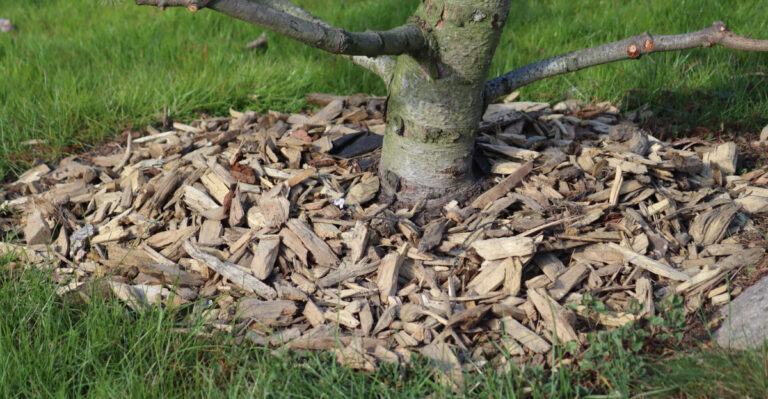
Protecting the root zone is one of the best ways to reduce this problem. Adding a ring of mulch around the base of your tree, at least two to three feet out from the trunk, helps protect roots from damage and keeps mowers and foot traffic away.
Healthy, undisturbed roots are far less likely to push up suckers than stressed or injured ones.
Heavy Pruning Can Sometimes Make The Problem Worse
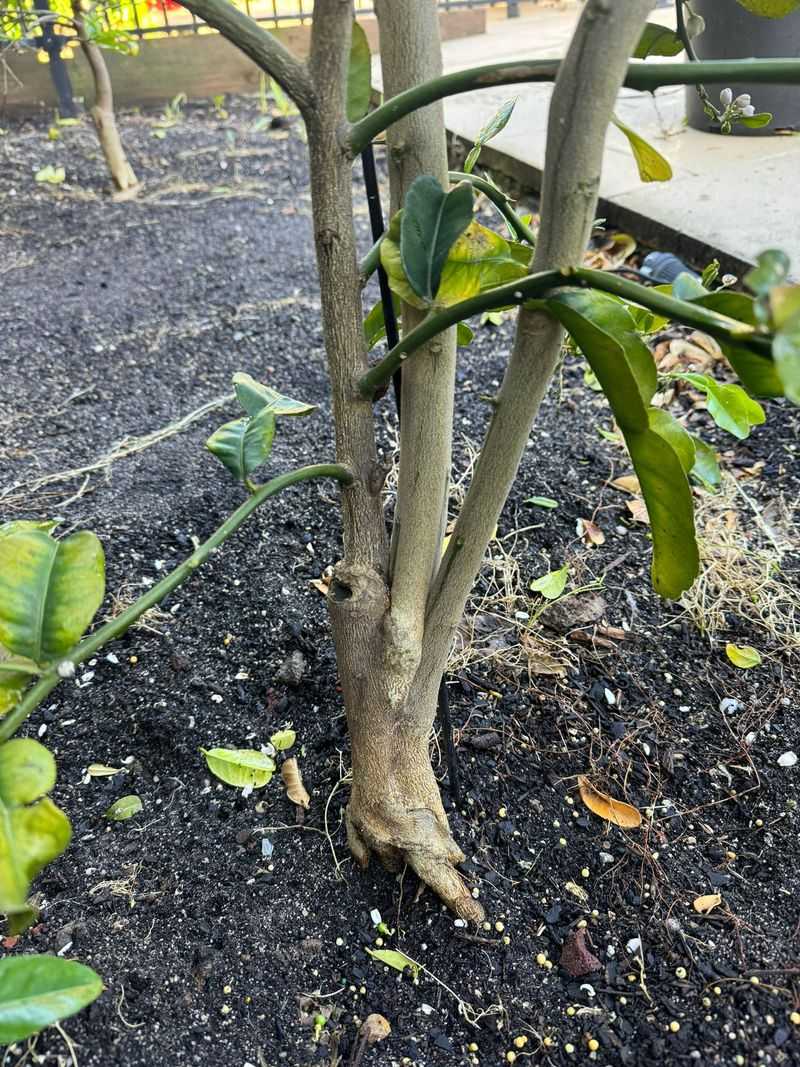
There is a bit of a paradox when it comes to pruning fruit trees. Pruning is necessary for good fruit production, but too much pruning at once can actually trigger a wave of sucker growth.
The tree responds to the sudden loss of branches by trying to push out as much new growth as possible.
When a large amount of the tree’s canopy is removed at one time, the root system still has the same amount of stored energy.
That energy has to go somewhere, and often it goes into producing suckers from the base and roots. The more dramatic the pruning, the stronger the sucker response can be.
Gradual, moderate pruning over several seasons is much better for managing sucker growth than one heavy cutback.
Removing no more than about one-quarter of the tree’s growth in a single season is a good general guideline. This keeps the tree from going into a stress-driven growth response.
Timing matters too. Pruning during the dormant season, in late winter before buds open, tends to cause less of a sucker response than pruning during summer in Oregon.
Each tree is a little different, but keeping your pruning sessions moderate and well-timed can make a real difference in how many suckers you see pushing up afterward.
Remove Suckers As Close To Their Starting Point As Possible
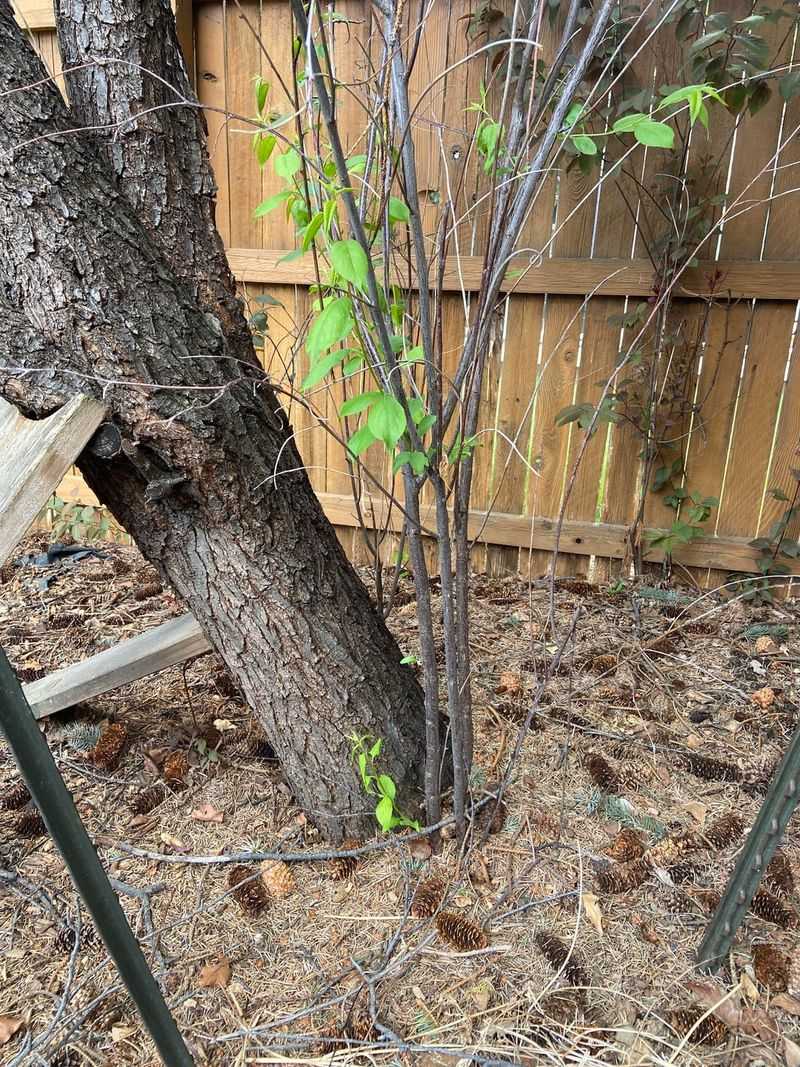
Getting rid of suckers the right way makes a huge difference in whether they come back quickly or stay gone for a while. The goal is to remove as much of the sucker’s base tissue as you can, not just the visible shoot above the soil line.
For suckers growing from the base of the trunk, try to pull them off by hand when they are still young and flexible.
Gripping the sucker low and pulling firmly can sometimes tear away a small section of the tissue that was producing it. That torn tissue is less likely to regrow than a cleanly cut stub.
For suckers coming up from the roots further out in the yard, you may need to dig down a few inches to find where the shoot connects to the root.
Use a sharp knife or pruning shears to cut it as close to the root as possible. Leaving even a tiny stub at the connection point can be enough to trigger new growth.
Consistency is key. Removing suckers every few weeks during the growing season, especially in spring and early summer when growth is fastest, gives you the best chance of weakening the tissue over time.
Repeated removal from the same spot can eventually exhaust the root’s ability to keep pushing new shoots from that location.
Young Soft Shoots Are Easier To Remove Than Woody Ones
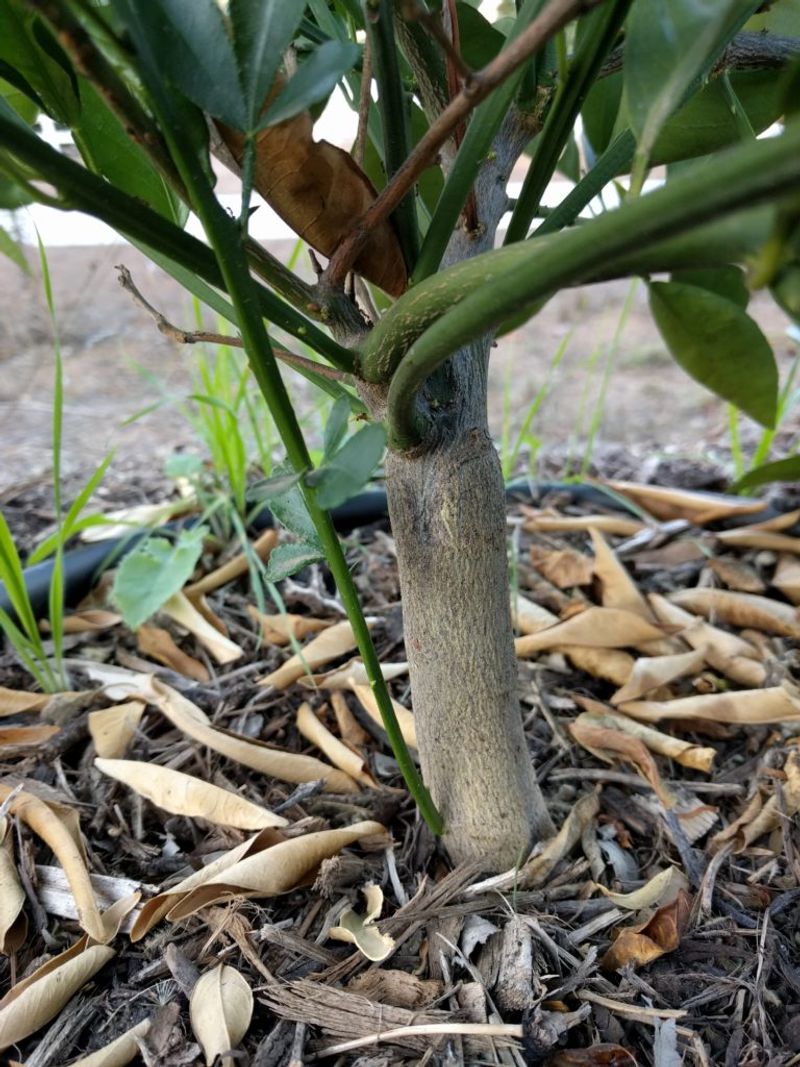
Timing your sucker removal can save you a lot of effort. Young suckers that are still soft and green snap off much more easily than older ones that have started to get woody and stiff.
Catching them early also means less root tissue has been involved in sustaining them.
Soft, young suckers are usually only a few inches tall and bend easily without breaking. At this stage, they have not yet developed a thick connection to the root below.
Removing them now is quick, easy, and often more effective than waiting until they are a foot tall and firmly established.
Once a sucker becomes woody, it takes more effort to remove it cleanly. You will likely need pruning shears or even a pruning saw for very thick ones.
Woody suckers also tend to leave behind more stub tissue when cut, which increases the chance of triggering even more regrowth from that spot.
A good habit is to walk your Oregon yard every two to three weeks during the growing season and snap off any new soft suckers you spot. Think of it as a quick maintenance task, like weeding a garden bed.
The more consistently you catch them young, the less time and energy each removal takes, and the more you reduce future growth from those spots over time.
Check Around The Trunk And Root Zone Regularly
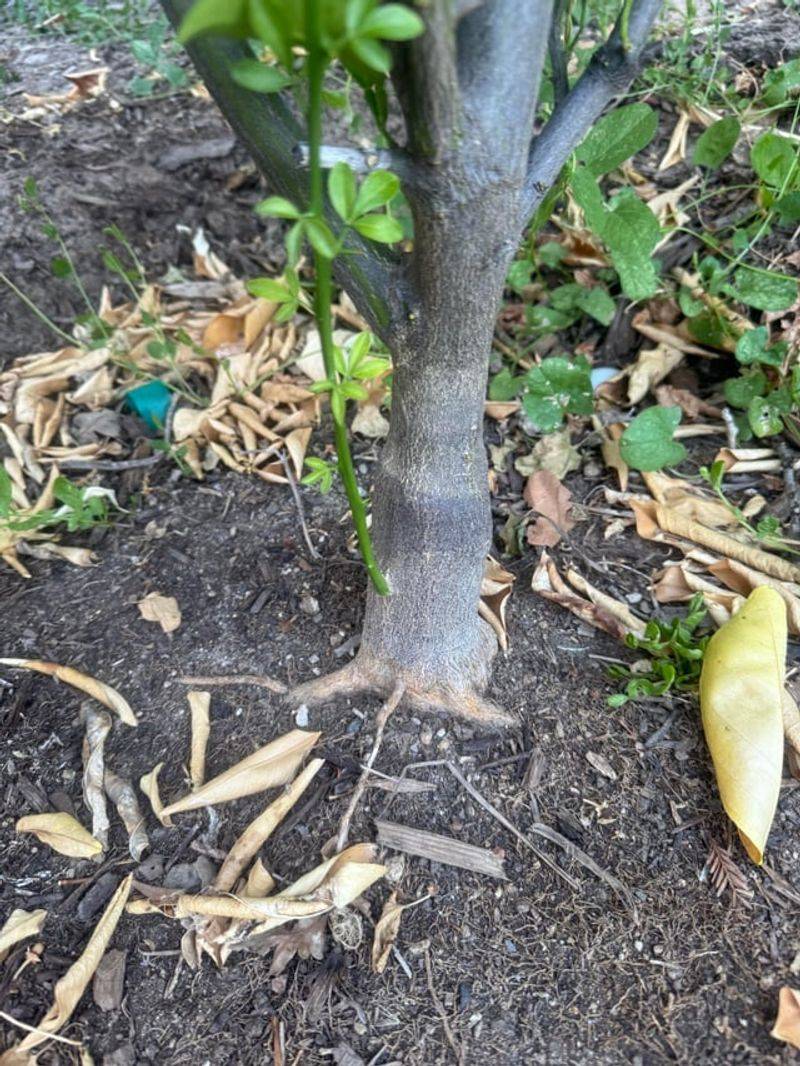
Staying on top of sucker growth requires regular inspection, not just occasional pruning sessions.
Suckers can appear quickly, especially in spring and early summer when temperatures rise and the tree is actively growing. Missing a few weeks can mean dealing with a much bigger problem.
Focus your inspections on two main areas. First, check the base of the trunk, especially below the graft union if your tree is grafted.
Second, walk out along the root zone, which can extend several feet beyond the drip line of the canopy. Suckers can pop up surprisingly far from the trunk.
Mulching the root zone helps in two ways. It protects roots from damage and also makes it easier to spot new sucker growth, since shoots stand out clearly against a layer of wood chips or bark mulch.
Keep the mulch a few inches away from the trunk itself to avoid moisture buildup against the bark.
Keeping a simple garden journal or even just taking a quick phone photo of problem areas can help you track where suckers keep returning. Knowing your repeat spots lets you focus your attention where it matters most.
Over time, consistent monitoring and early removal can really reduce the overall sucker load on your fruit trees, making each growing season a little easier to manage than the one before.