The Bluegrass State Has A Tick Problem That Has Nothing To Do With Lyme Disease
A single encounter outdoors could affect your favorite meal. You may feel completely fine right after you eat. Kentucky is seeing more of these unsettling reactions than you’d expect.
Something small and easy to miss could carry this hidden condition. An invisible trigger can turn your body against ordinary food. Doctors are watching patients react in ways nobody expects.
Symptoms can hit you hours after your last meal. Nobody told you that dinner could send you to the ER. Cases across Kentucky keep climbing while your awareness stays low.
Meat could become your body’s problem without any warning. Your next meal could end with hives or worse.
Emergency rooms are treating people just like you right now. Nothing about this condition will announce itself to you first.
Everything can change for you after one quiet moment outside. Once you understand what’s really behind this, you will never eat meat carelessly again.
What Alpha-Gal Syndrome Actually Is
Imagine loving barbecue your whole life, then suddenly your body starts reacting to it. The allergy targets a sugar molecule called alpha-gal. That molecule is found in the cells of most mammals, including cows, pigs, and deer.
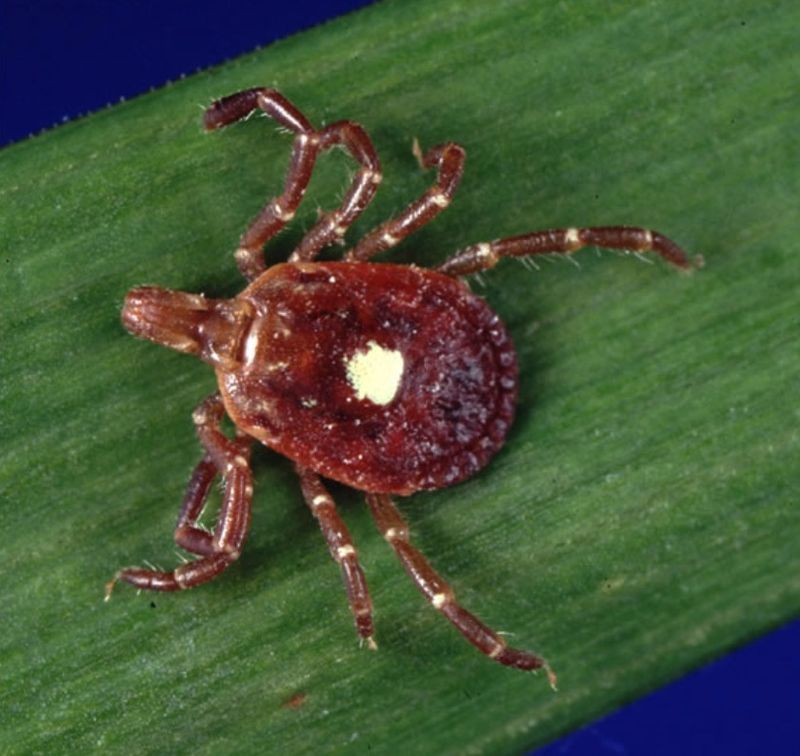
When a Lone Star tick bites you, it is believed to introduce alpha-gal into your bloodstream through its saliva. Your immune system flags it as a threat and builds up antibodies against it.
Later, when you eat red meat, your body recognizes that same sugar molecule. It launches an allergic reaction, sometimes hours after your meal.
Symptoms can include hives, stomach pain, nausea, and swelling. In serious cases, people experience full anaphylaxis, which requires emergency treatment.
What makes this condition tricky is the delay. Most food allergies react within minutes. Alpha-gal reactions often hit two to six hours after eating.
That gap makes it hard to connect the meal to the reaction. Many people blame stress, a stomach bug, or something else entirely.
Doctors sometimes miss it too, since alpha-gal syndrome is still relatively new to mainstream medicine. A blood test can confirm the diagnosis by checking for alpha-gal antibodies.
There is no cure yet. The main treatment is strict avoidance of mammalian meat and some other animal-based products.
Knowing what alpha-gal syndrome actually is puts you one step ahead of a condition most people have never heard of.
How The Lone Star Tick Spreads This Allergy
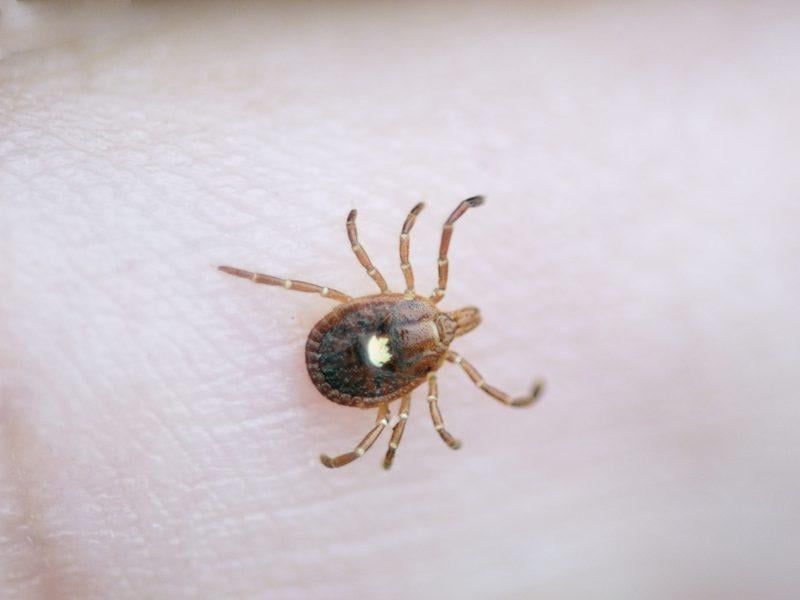
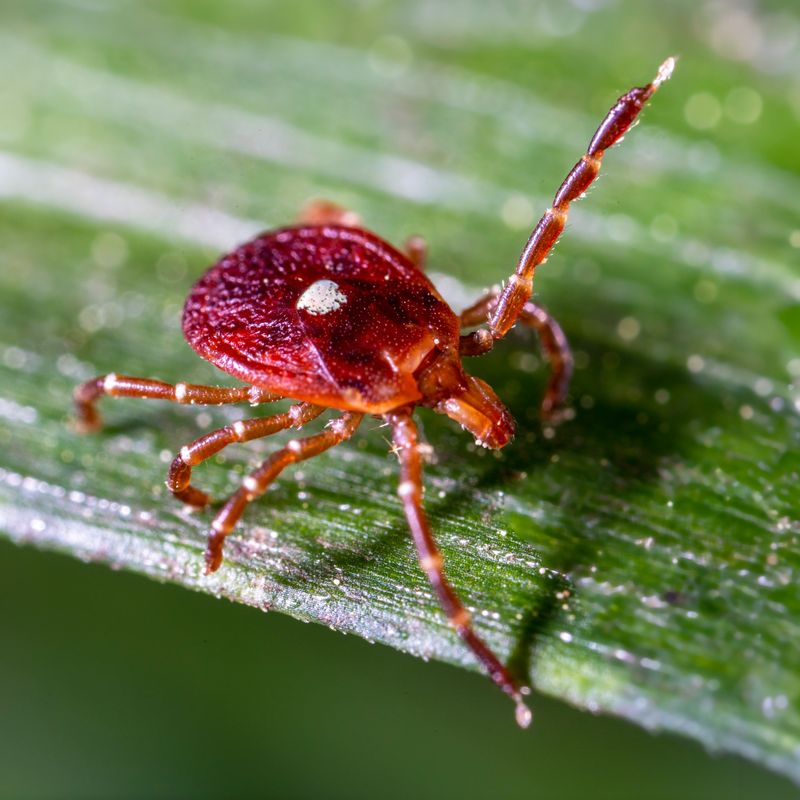
Spotted ticks are everywhere in Kentucky, but one species stands out as the main culprit here. The Lone Star tick gets its name from the single white dot on the female’s back.
This tick is highly active. Unlike some species that wait patiently, Lone Star ticks actively seek out hosts by following scent trails.
They are found in dense brush, tall grass, and wooded edges across the state. Hikers, gardeners, hunters, and kids playing outside are all at risk.
When the tick bites, it feeds on blood and transfers alpha-gal into the host’s body. That transfer is what sets the allergic response in motion.
Your Kentucky Garden Changes Every Week. Your Plan Should Too.
Gardening in Kentucky changes quickly throughout the season. Every Friday you’ll receive a simple weekly plan showing exactly what to plant, prune, fertilize, harvest, and protect so you never miss the right timing.
Not every bite causes alpha-gal syndrome. But researchers believe repeated bites may increase the risk over time. Multiple exposures could make an immune reaction more likely.
Lone Star ticks are active in three life stages: larva, nymph, and adult. Each stage can bite humans and potentially trigger the condition. Nymphs are especially hard to spot because they are tiny, roughly the size of a poppy seed.
The tick’s range has been expanding northward for years. Warmer winters and changing land use have helped populations grow across the eastern United States.
Kentucky sits squarely in the heart of Lone Star tick territory. Understanding how this tick operates is the first real step toward protecting yourself from alpha-gal syndrome in the Bluegrass State.
Why It’s Different From Lyme Disease
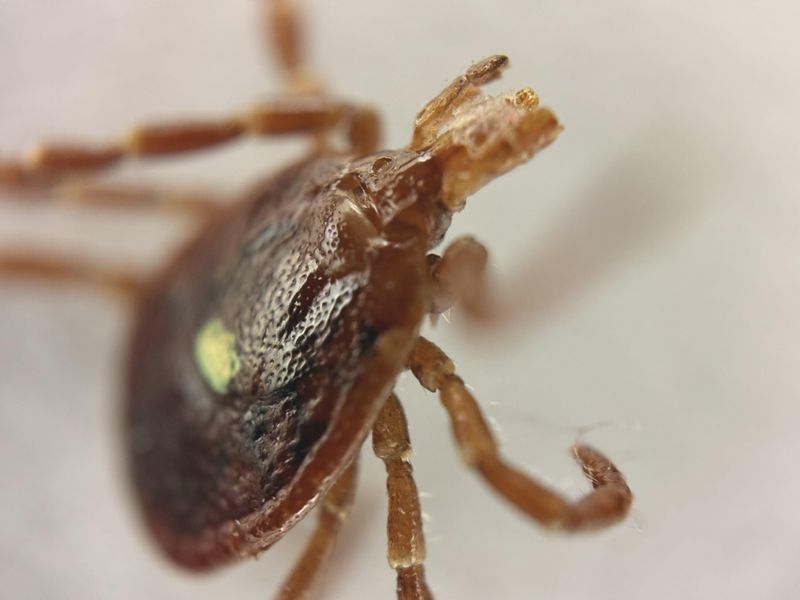
Lyme disease gets most of the attention when people talk about tick-borne illness. That makes sense, since it is the most commonly reported tick disease in the country.
But alpha-gal syndrome plays by completely different rules. Lyme is caused by a bacteria called Borrelia burgdorferi, transmitted mainly by the black-legged deer tick.
Alpha-gal syndrome is not an infection at all. No bacteria, no virus. Just an immune response to a naturally occurring sugar molecule.
Lyme disease causes symptoms like fever, fatigue, joint pain, and the classic bullseye rash. Alpha-gal syndrome causes food allergy reactions hours after eating red meat.
Antibiotics treat Lyme disease effectively when caught early. Alpha-gal syndrome has no antibiotic fix because there is no pathogen to target.
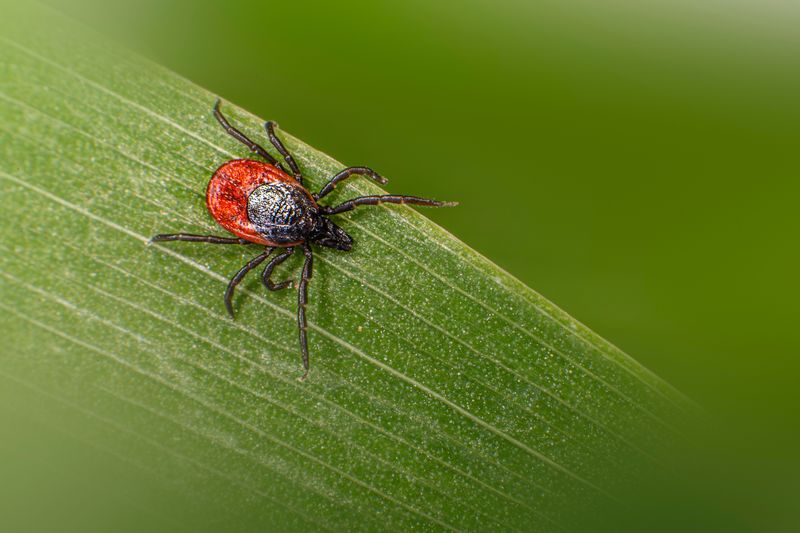
The ticks responsible are also different. Lyme is spread by the black-legged tick, also called the deer tick. Alpha-gal syndrome comes from the Lone Star tick.
Both ticks live in Kentucky, but they favor slightly different habitats. Deer ticks prefer cooler, moist woodland areas. Lone Star ticks thrive in drier brush and forest edges.
Many people assume that if they do not have Lyme disease symptoms, they are in the clear after a tick bite. That assumption can lead to a missed alpha-gal diagnosis.
Knowing the difference between these two conditions could save you months of confusion and unnecessary discomfort. They share a source but almost nothing else.
Foods And Products That Trigger Reactions
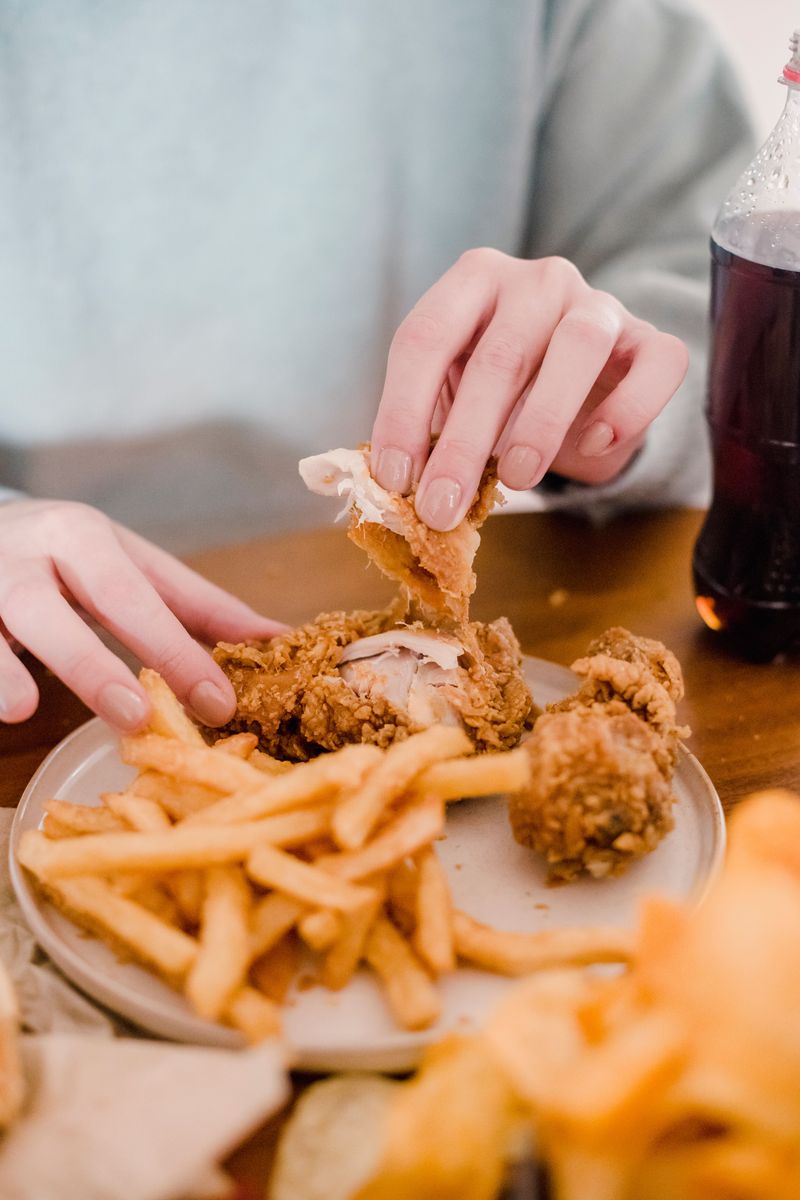
Red meat is the obvious trigger, but the list of problem foods goes further than most people expect. Beef, pork, lamb, venison, and rabbit all contain alpha-gal and can set off a reaction.
Organ meats tend to have especially high concentrations of the molecule. Foods like liver, kidney, and heart can cause stronger reactions than muscle meat.
Gelatin is another hidden source. It shows up in gummy candies, marshmallows, certain yogurts, and even some medications in capsule form.
Dairy products are a gray area. Some people with alpha-gal syndrome can tolerate dairy just fine.
Others react to milk, cheese, or butter because they also contain trace amounts of alpha-gal.
Certain medications and medical products also pose risks. Some heart valves, gelatin-based plasma expanders, and specific allergy shots contain mammalian-derived ingredients.
Carmine, a red food coloring made from insects, has also been flagged as a potential trigger for sensitive individuals. Reading ingredient labels becomes a necessary habit.
Chicken, turkey, and fish are generally safe for people with alpha-gal syndrome. Plant-based foods carry no alpha-gal at all, so fruits, vegetables, and grains remain on the menu.
The tricky part is cross-contamination. Cooking red meat and poultry on the same grill can transfer enough alpha-gal to cause symptoms in highly sensitive people.
Managing this condition means becoming a careful label reader and a confident communicator at restaurants. Knowing your triggers is the foundation of staying safe with alpha-gal syndrome.
Rising Tick Populations Across Kentucky
Ticks in Kentucky are not just a summertime nuisance anymore. Populations have been growing steadily, and experts say warmer winters are a major reason why.
Lone Star ticks used to be concentrated mainly in the southern part of the state. Now they are showing up in northern counties that rarely reported them a decade ago.
Mild winters mean more ticks survive to reproduce the following spring. That simple math adds up to bigger populations season after season.
White-tailed deer are another factor. Deer populations have grown across Kentucky, and deer are one of the primary hosts for adult Lone Star ticks.
As deer roam into suburban neighborhoods and farmland edges, they carry ticks with them. Ticks drop off in yards, parks, and gardens where people spend time every day.
Changing land use also plays a role. When forests are fragmented into smaller patches surrounded by brush and fields, it creates perfect Lone Star tick habitat.
State health officials and entomologists have noted rising tick activity across Kentucky in recent years, with more counties reporting sightings than before.
Even urban areas are not fully safe. Ticks have been found in city parks, greenways, and backyard gardens throughout the state.
The rise in tick numbers directly increases the chance of alpha-gal syndrome cases in communities that never worried about it before. This is a statewide issue, not just a rural one.
Ways To Prevent Bites And Protect Yourself
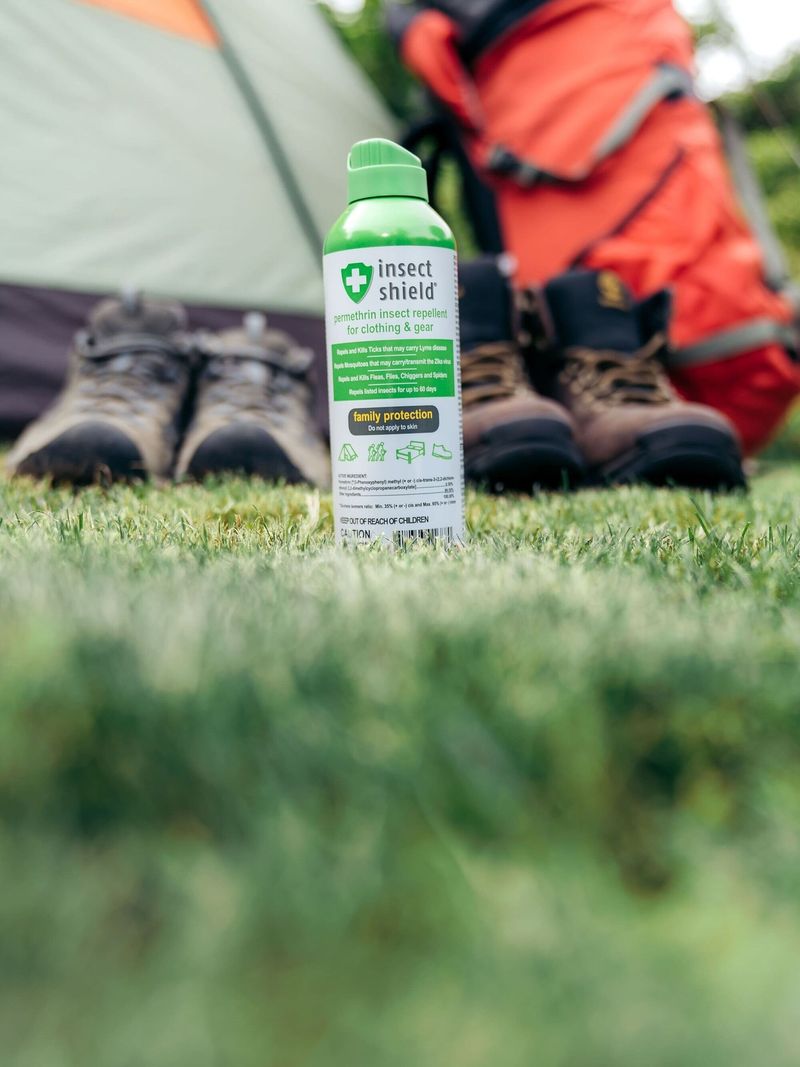
Prevention is the most powerful tool you have against alpha-gal syndrome right now. Since there is no cure, stopping the bite is everything.
Wearing long sleeves and long pants when you go outdoors significantly reduces exposed skin. Tucking your pants into your socks is an old trick that still works well.
EPA-registered insect repellents containing DEET, picaridin, or IR3535 are effective against ticks. Apply them to exposed skin before heading into grassy or wooded areas.
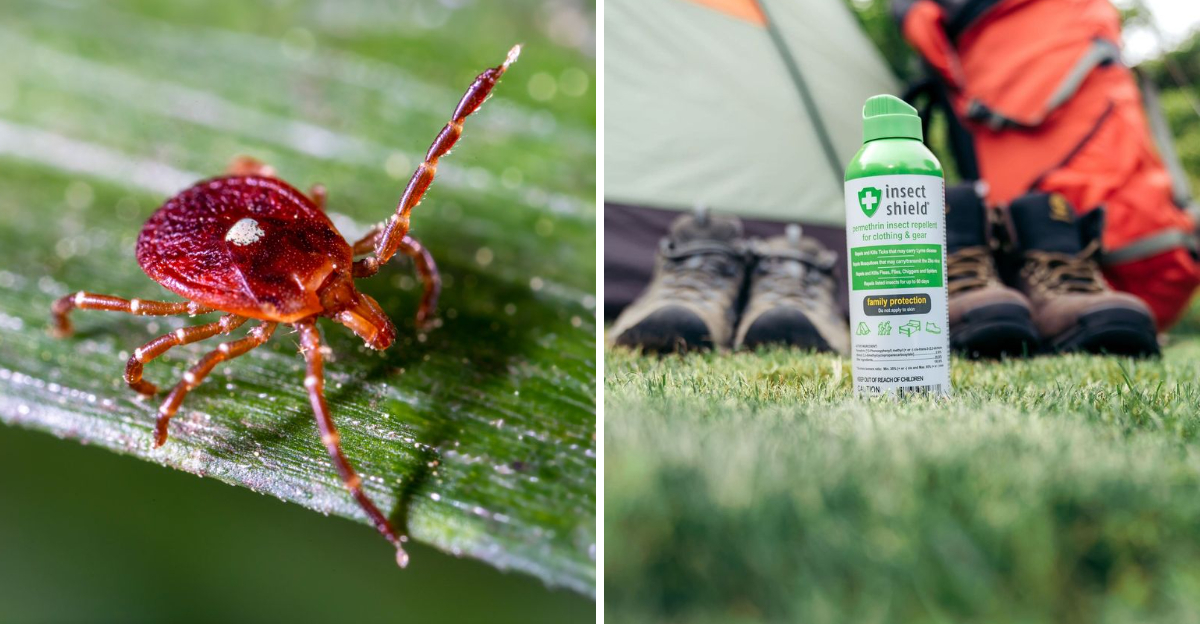
Permethrin is another strong option. You spray it on clothing and gear, not directly on skin, and it remains effective through multiple washes.
Stick to the center of trails when hiking. Ticks do not jump or fly. They wait on the tips of grass blades and brush, then grab onto passing hosts.
Doing a full body tick check after spending time outdoors is a habit worth building. Pay close attention to the scalp, behind the ears, underarms, and behind the knees.
Showering within two hours of coming indoors can wash off unattached ticks. It also gives you a good opportunity to check your whole body carefully.
Putting your clothes in a hot dryer for ten minutes after outdoor activity can remove any ticks hiding in the fabric. This step is easy to forget but worth adding to your routine.
Protecting your pets matters too, since they can carry ticks indoors. Talk to your vet about tick prevention products that keep your animals and your household safer from alpha-gal syndrome.
How To Recognize Symptoms Early
Catching alpha-gal syndrome early can save you a lot of confusion and unnecessary worry. The problem is that the symptoms often seem unrelated to anything you ate.
A reaction typically starts two to six hours after eating red meat. By that time, most people have forgotten what they had for dinner and are focused on how unwell they feel.
Mild reactions might feel like bad indigestion, bloating, or a sudden wave of nausea. These are easy to dismiss as a stomach bug or food poisoning.
More noticeable symptoms include hives, itching, and flushing of the skin. These are classic allergy signs that should prompt a call to a doctor.
Swelling of the lips, tongue, or throat is a more serious signal. That kind of reaction needs immediate medical attention, not a wait-and-see approach.
Some people experience a drop in blood pressure, dizziness, or fainting. These are signs of anaphylaxis, which is a medical emergency requiring epinephrine.
One unusual feature of alpha-gal syndrome is that reactions can vary from meal to meal. Alcohol, exercise, or taking NSAIDs before eating can make reactions more intense.
Keeping a food and symptom journal can help you spot the pattern faster. Write down what you ate, when you ate it, and when symptoms appeared.
If you notice a recurring connection between red meat and feeling unwell hours later, bring that journal to your doctor. That pattern is a strong signal worth investigating right away.