Who Is Responsible When California Tree Roots Damage A Sewer Line?
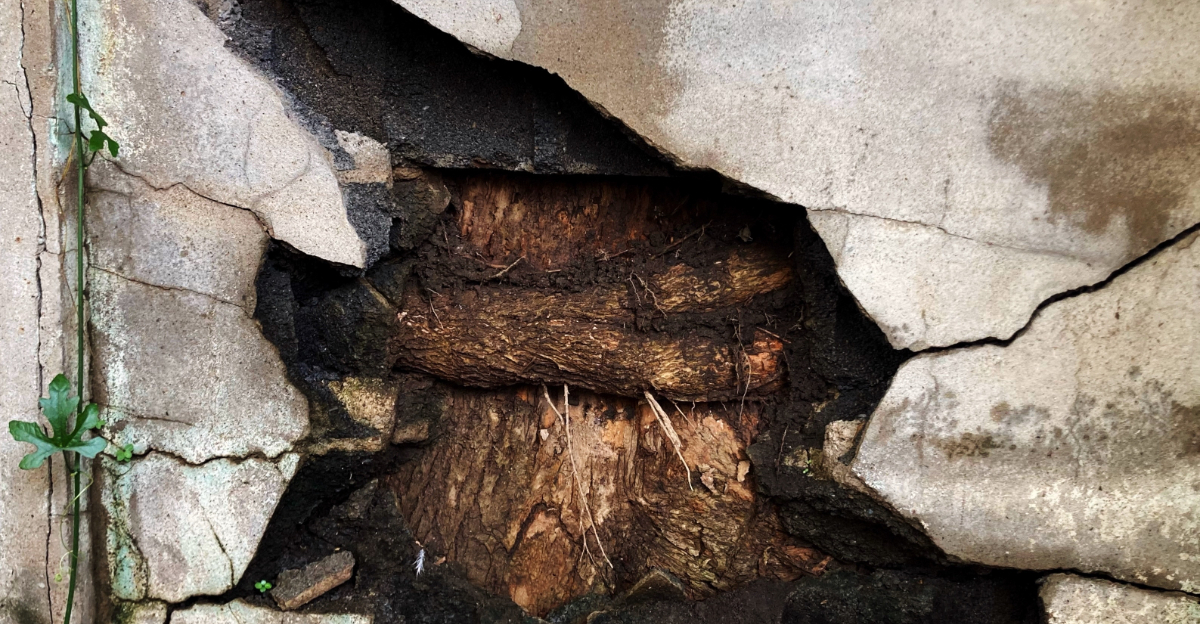
Nothing turns an ordinary plumbing problem into a neighborhood headache quite like tree roots and a damaged sewer line.
One repair estimate later, everyone may be asking the same uncomfortable question: whose bill is this, exactly?
The situation can get complicated fast when a tree belongs to one property but the affected pipe serves another.
Property boundaries, pipe ownership, maintenance duties, and the location of the damage can all enter the conversation, sometimes before anyone even knows exactly what happened underground.
That uncertainty is what makes these disputes so frustrating. A homeowner may see roots on a camera inspection and assume the answer is obvious, while a neighbor, utility, or local agency may view responsibility very differently.
Suddenly, a plumbing repair has turned into a crash course in property rules. California homeowners facing this kind of damage need more than a guess based on whose tree is closest.
The details surrounding the line, the tree, and the affected property can shape who may ultimately be expected to deal with the repair.
1. First Find Out Where The Damage Is
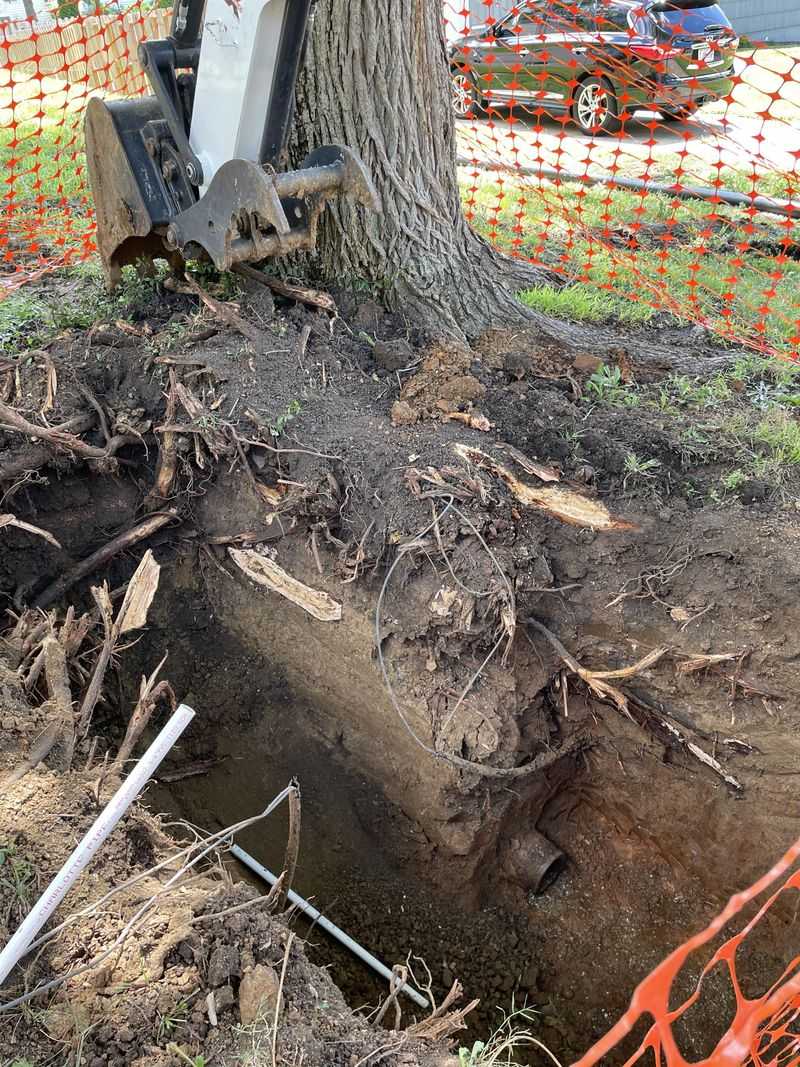
Before anyone starts pointing fingers, the first thing to do is figure out exactly where the damage is located. This step is more important than most people realize.
The location of the broken or blocked pipe will often determine who is legally responsible for fixing it.
Sewer systems are split into two main parts. One part runs from your home to the property line.
The other part runs from the property line to the main city sewer. These two sections are usually owned and maintained by different parties.
If the damage is on your side of the property line, it is most likely your responsibility. If the damage is on the city’s side, the city may have to handle it. But this is not always a clear-cut rule.
Some cities have different policies about where their responsibility starts and ends. A few cities will cover repairs up to the connection point at your home.
Others stop at the property line. Checking with your local public works department is a smart first move.
Getting a California professional inspection done early is key. A licensed plumber or sewer specialist can tell you exactly where the break or blockage is.
Having that information in writing is helpful when talking to your city or your insurance company. Do not skip this step.
2. Private Sewer Lines Are Usually The Homeowner’s Job
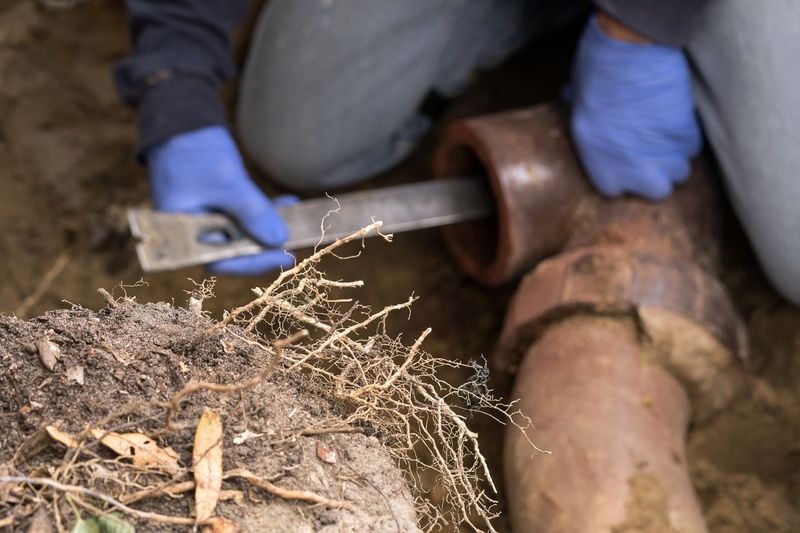
Most homeowners do not realize how much of the sewer system they actually own. The pipe that runs from your house to the edge of your property is called a lateral sewer line. In most cases, that pipe is your responsibility to maintain and repair.
When tree roots grow into that section of pipe, the cost of fixing it usually falls on you. This is true even if the tree belongs to someone else.
The fact that the damage is on your private property is often what matters most to the city.
Your California Garden Changes Every Week. Your Plan Should Too.
Gardening in California changes quickly throughout the season. Every Friday you’ll receive a simple weekly plan showing exactly what to plant, prune, fertilize, harvest, and protect so you never miss the right timing.
Homeowners are expected to keep their lateral lines in good working order. If roots block or crack that pipe, a licensed plumber will need to clear the roots and possibly replace sections of the pipe.
This can cost anywhere from a few hundred to several thousand dollars depending on the severity.
Homeowners insurance sometimes covers sewer line damage, but not always. Many standard policies do not include sewer line repairs unless you have added a special rider or endorsement.
It is worth calling your insurance company to ask before assuming you are covered.
Some utility companies and local governments offer optional sewer line protection programs.
These programs charge a small monthly fee and cover repairs when something goes wrong. If your area offers one, it may be worth signing up before a problem happens.
3. Public Sewer Lines May Be The City’s Responsibility
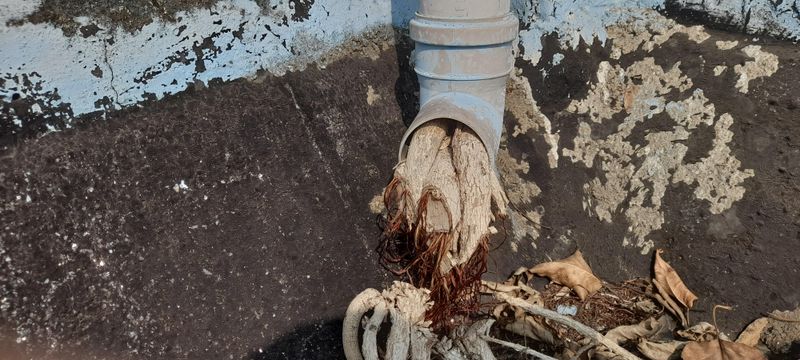
Not all sewer pipes are a California homeowner’s problem. The main sewer line that runs under the street is typically owned and managed by the city or local municipality.
When tree roots damage that section of pipe, the city is usually the one responsible for repairs.
However, filing a claim with the city is not always easy. Many cities have a process you must follow.
You may need to report the problem, request an inspection, and wait for their crew to assess the damage before any work begins.
If the city finds that their pipe was in poor condition before the roots got in, they are more likely to take responsibility.
But if they believe the roots entered because of something on your end, they may push back. Having documentation of the damage helps your case.
In some situations, homeowners have had to take legal action to get the city to act. This is not common, but it does happen.
If the city denies responsibility and you believe they are wrong, speaking with a local attorney who handles property or municipal law can help you understand your options.
The key takeaway here is that public sewer lines are not automatically your problem. Knowing where your pipe ends and the city’s begins is the first step to making sure the right party handles the repair and the cost.
4. A Neighbor’s Tree Does Not Always Mean They Have To Pay
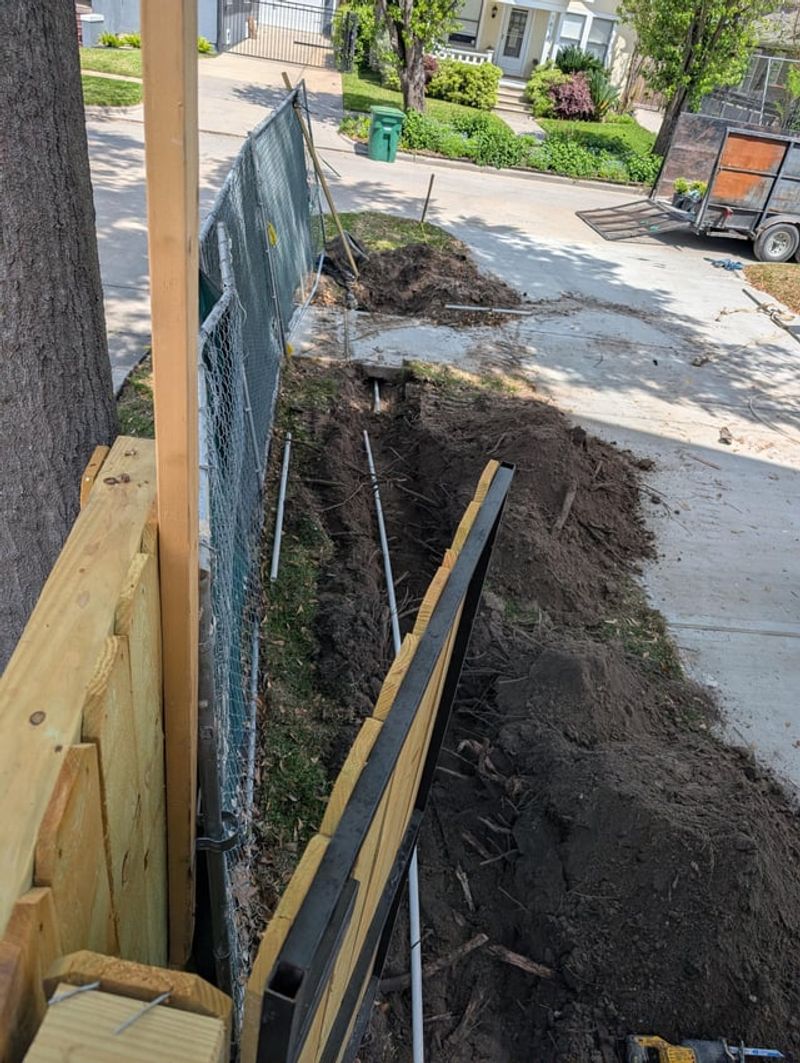
Many people assume that if a neighbor’s tree caused the damage, the neighbor should pay. That is a reasonable thought, but the law does not always see it that way.
Liability for tree root damage is actually quite complicated. In most states, including here in California, a tree owner is not automatically responsible for damage caused by their tree’s roots.
To hold a neighbor liable, you often have to prove that they were negligent. That means showing they knew about the problem and did nothing to fix it.
For example, if you told your neighbor that their tree roots were heading toward your sewer line and they ignored you, that could be considered negligence. But if neither of you knew the roots were a problem, it is much harder to hold them responsible.
Some courts also look at whether the tree was planted in a risky spot or if it is a species known for aggressive root growth. These factors can play a role in deciding fault.
But proving all of this takes time and often requires legal help.
Before going to court, try talking to your neighbor first. Many disputes like this can be resolved without lawyers.
You might agree to split the cost or work out another solution that works for both of you. Communication often goes further than confrontation.
5. Roots Often Grow Into Cracks That Are Already There
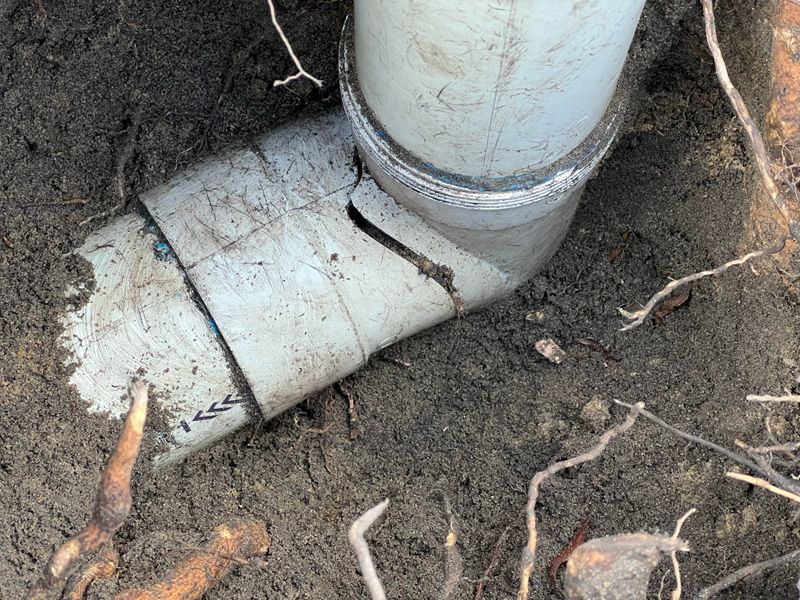
Here is something that surprises a lot of California homeowners: tree roots rarely break into a perfectly healthy pipe.
Most of the time, roots find their way in through cracks, gaps, or joints that were already weak or damaged. This fact can change who is responsible for the repair.
Old pipes made from clay or cast iron are especially vulnerable. Over time, they crack, shift, or corrode.
When that happens, water slowly seeps out. Tree roots are naturally drawn to moisture and nutrients. They follow that trail right into the pipe.
So in many cases, the pipe was already failing before the roots made things worse. This matters a lot when it comes to insurance claims or legal disputes.
If the pipe was in poor condition before the roots arrived, the tree may not be the main cause of the problem.
Some insurance companies use this argument to deny claims. They say the real issue was a deteriorating pipe, not the roots. While that can feel frustrating, it is a legally valid point in many situations.
The good news is that regular sewer inspections can catch small cracks before roots find them. Fixing a small crack early is much cheaper than dealing with a full root invasion later.
Proactive maintenance is one of the best ways to protect your sewer line from this kind of damage.
6. A Sewer Camera Can Help Find The Problem
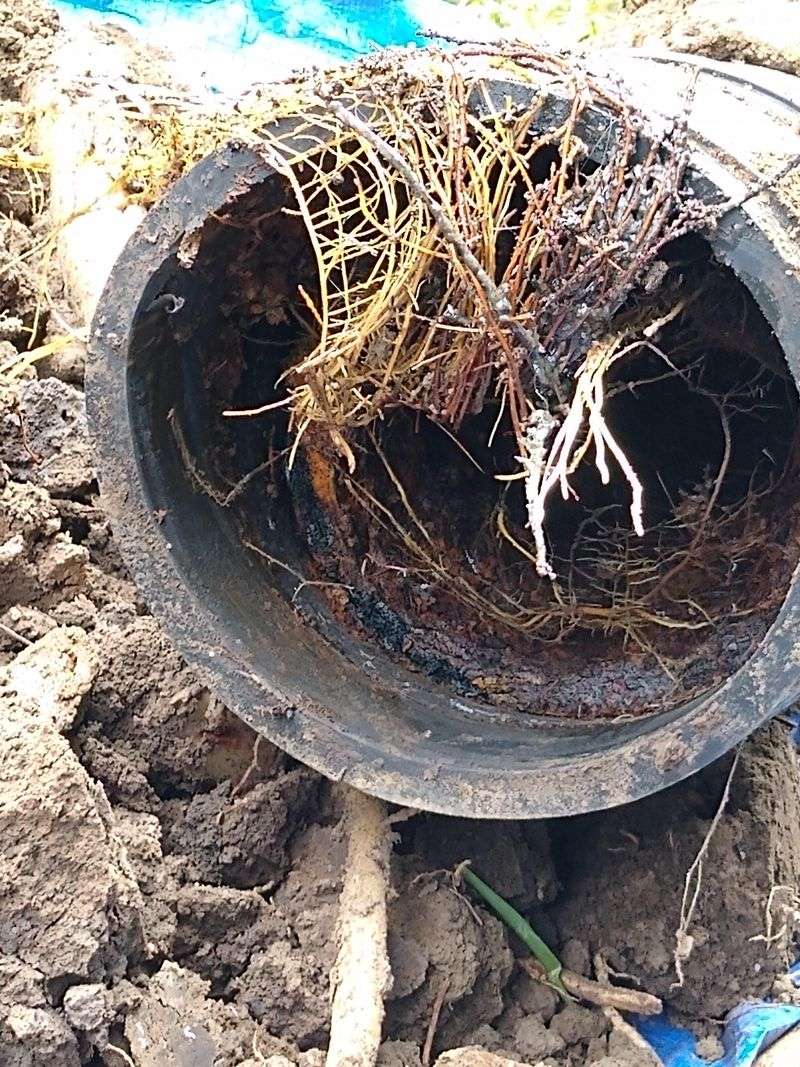
One of the most useful tools in figuring out sewer line problems is a sewer camera inspection. It sounds high-tech, but it is actually a pretty simple process.
A small waterproof camera is fed through the pipe to show exactly what is going on inside.
The footage from this inspection can reveal cracks, root growth, blockages, and the overall condition of the pipe. It also shows exactly where the problem is located.
That location information is critical for determining who is responsible for the repair.
Plumbers use these cameras regularly, and the cost of an inspection is usually reasonable. Many companies charge between $150 and $400 for a standard sewer camera inspection.
That is a small price to pay compared to the cost of a major repair done without proper information.
The video footage can also serve as evidence. If you need to file a claim with your insurance company or dispute responsibility with the city, having clear video proof of the damage is very helpful.
Make sure to ask for a copy of the footage after the inspection. Sewer camera inspections are also a great tool to use when buying a home.
If the property has large, mature trees near the sewer line, getting an inspection before closing can save you from inheriting a serious and expensive problem. Many home inspectors recommend it as a standard precaution.
7. Tree Roots Can Be Hard To Blame With Certainty
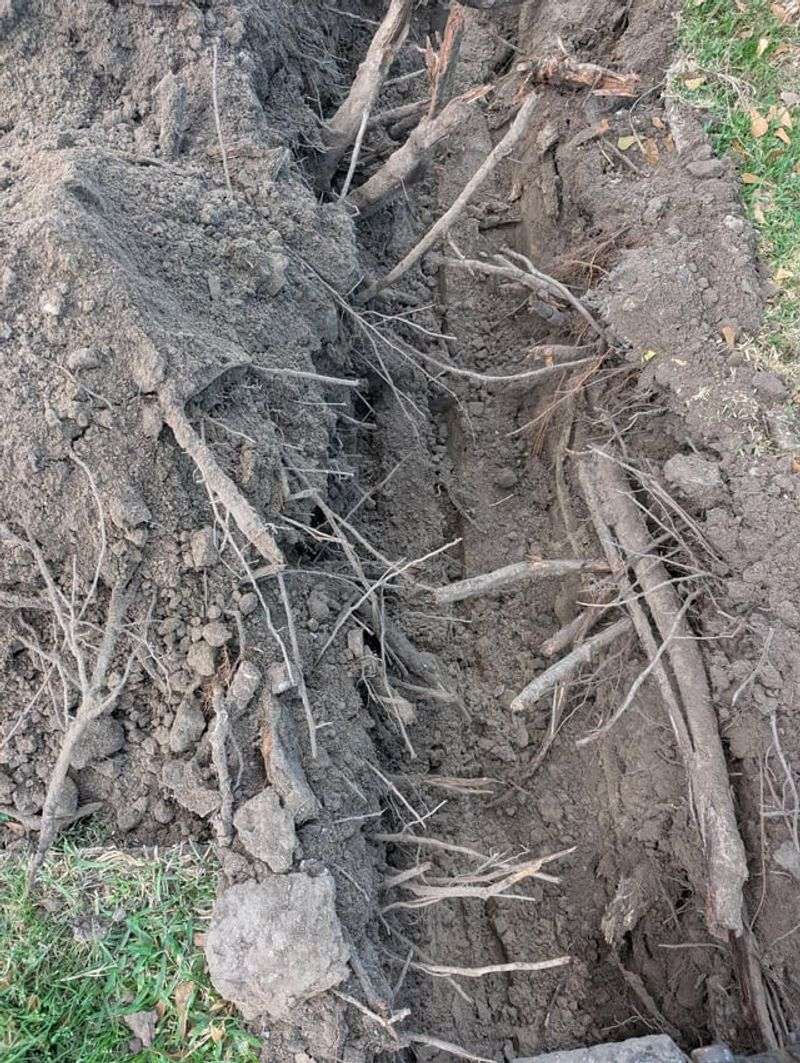
Even when tree roots are clearly inside a sewer pipe, proving that they caused the damage is not always straightforward.
This is one of the trickier parts of these types of disputes. Roots and pipe damage often go together, but one does not always cause the other.
As mentioned before, roots tend to enter pipes that are already cracked or weakened. So the question becomes: did the roots cause the crack, or did they just take advantage of a crack that was already there?
That distinction can make a big difference in who ends up paying. Insurance companies and city officials often ask these same questions. They may hire their own experts to assess the situation.
Having your own independent inspection report gives you a stronger position when negotiating or disputing a claim.
In California, courts have handled many cases involving tree root damage. The outcomes vary depending on the specific facts.
There is no single rule that applies to every situation. That is why getting professional and legal advice early is so helpful.
The bottom line is that tree root sewer damage is a messy situation, literally and legally. The more information you gather, the better your chances of reaching a fair outcome.
Document everything, get professional opinions, and do not wait too long to take action once you notice a problem.