This Fast-Growing Georgia Tree With Pink Flowers Is More Trouble Than It Looks
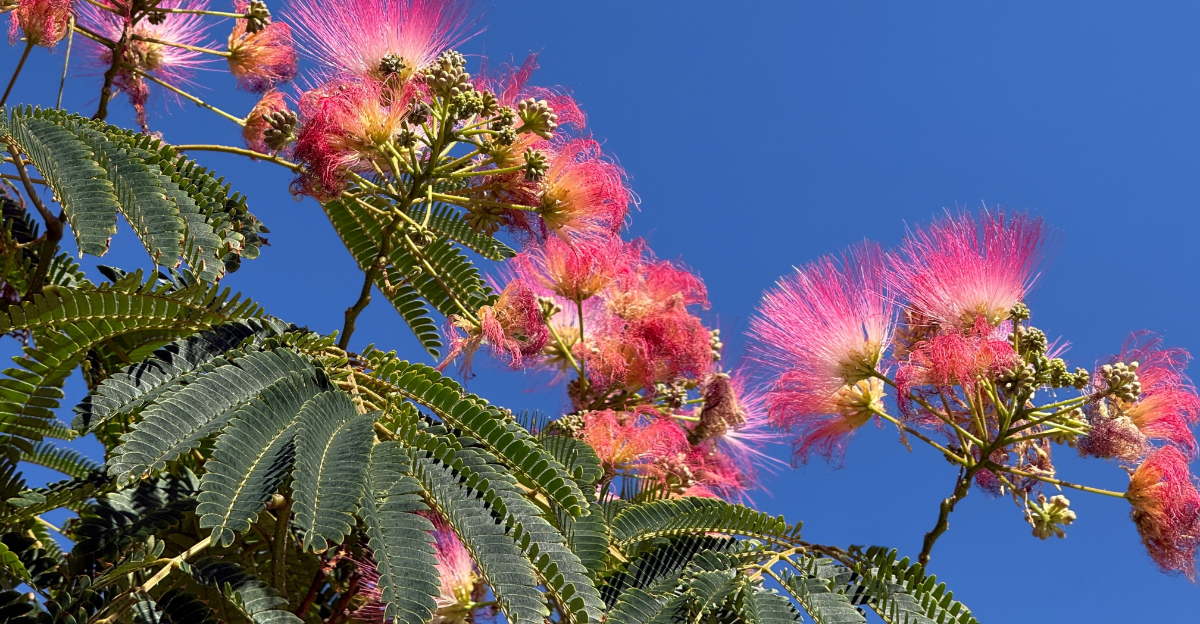
Pink flowers can make this tree look like an easy winner for your yard. Its pretty summer display hides a side that deserves much closer attention.
Known as the mimosa tree, it grows quickly and produces showy blooms that are hard to miss. Georgia homeowners may be tempted by that combination when choosing a flowering tree.
Look beyond those flowers before deciding this tree deserves space near your home. Fast growth does not always translate into a well-behaved landscape choice.
Mimosa can spread beyond the spot where it was originally planted. Once established, seedlings may appear in surrounding areas and create extra work.
Its invasive status also makes those attractive flowers much harder to overlook. Better choices can provide beauty without the same concerns.
Knowing what comes with this tree may change how appealing it seems at first glance.
1. Those Pink Flowers Hide A Much Bigger Problem
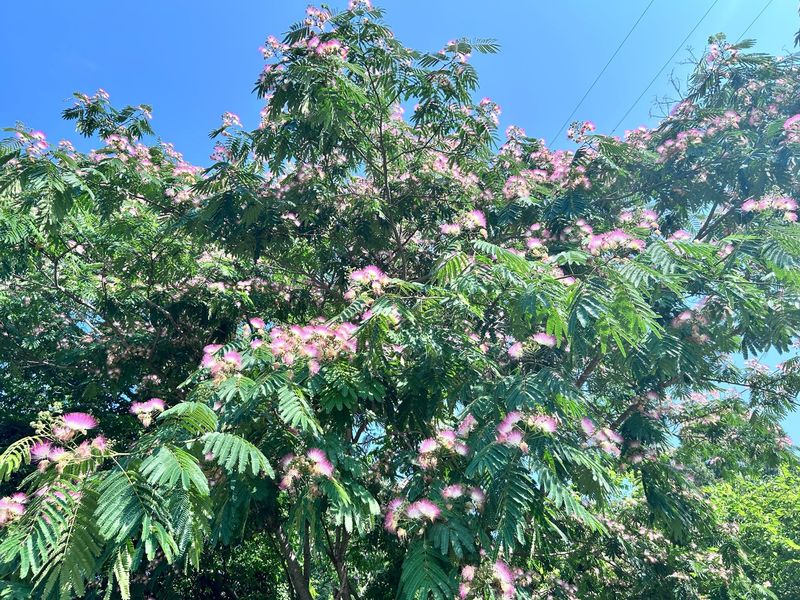
Mimosa trees are genuinely beautiful when they bloom. Soft, powder-puff pink flowers cover the branches from late spring into summer, and they pull in hummingbirds and butterflies almost immediately.
It is easy to see why so many people welcome one into their yard without a second thought.
Beneath that showy display, though, is a plant with serious invasive tendencies. Mimosa, known botanically as Albizia julibrissin, was introduced to North America from Asia in the 1700s.
Gardeners and landscapers loved it for decades before its aggressive spreading habits became widely understood.
Georgia’s warm climate and humid summers create near-perfect conditions for mimosa to thrive. It grows fast, flowers young, and produces seeds by the hundreds.
A single mature tree can drop thousands of seed pods in one season.
Those pods split open and scatter seeds across a wide area, often landing in spots where they sprout without any help.
Roadsides, fence lines, creek banks, and forest edges around Georgia are full of mimosa trees that started from seeds that simply blew or washed in.
The flowers are not a warning sign most people think to look for. Recognizing the full picture behind that pink bloom is the first step toward making a smarter decision about whether mimosa belongs in your yard.
2. Mimosa Spreads Far Beyond Where It Was Planted
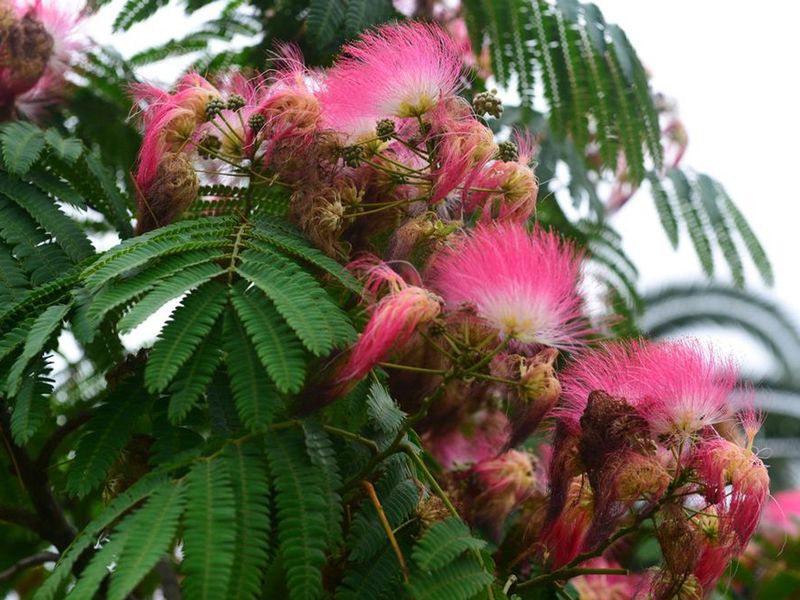
Planting one mimosa tree rarely stays a one-tree situation for long. Seeds travel farther than most people expect, carried by water, wind, and even animals moving through the yard.
Water is one of the most efficient movers. A rainstorm can wash seeds from a pod into a drainage ditch, and from there they ride the current to new spots dozens of yards away.
Creek banks and low-lying areas near Georgia properties often end up with mimosa seedlings showing up seasons after the original tree was planted.
Birds also play a role. They visit mimosa trees for nectar and insects sheltering in the branches.
Seeds can hitch rides on feathers or pass through digestive systems and land in new areas, sometimes far from the source.
Wind carries lighter seeds short distances, but on an open property with regular breezes, even short-distance travel adds up. A seed that sprouts near a fence line can establish itself quickly and begin producing its own seeds within just a few years.
Your Georgia Garden Changes Every Week. Your Plan Should Too.
Gardening in Georgia changes quickly throughout the season. Every Friday you’ll receive a simple weekly plan showing exactly what to plant, prune, fertilize, harvest, and protect so you never miss the right timing.
Spread is not limited to one direction or one season. Mimosa drops seeds from summer through fall, giving them multiple windows to land and root.
Once a few seedlings get a foothold in a new spot, removal becomes a much bigger project. Keeping track of where young mimosa plants are popping up is essential for managing spread before it gets out of hand.
3. Long-Lived Seeds Keep New Trees Coming Back
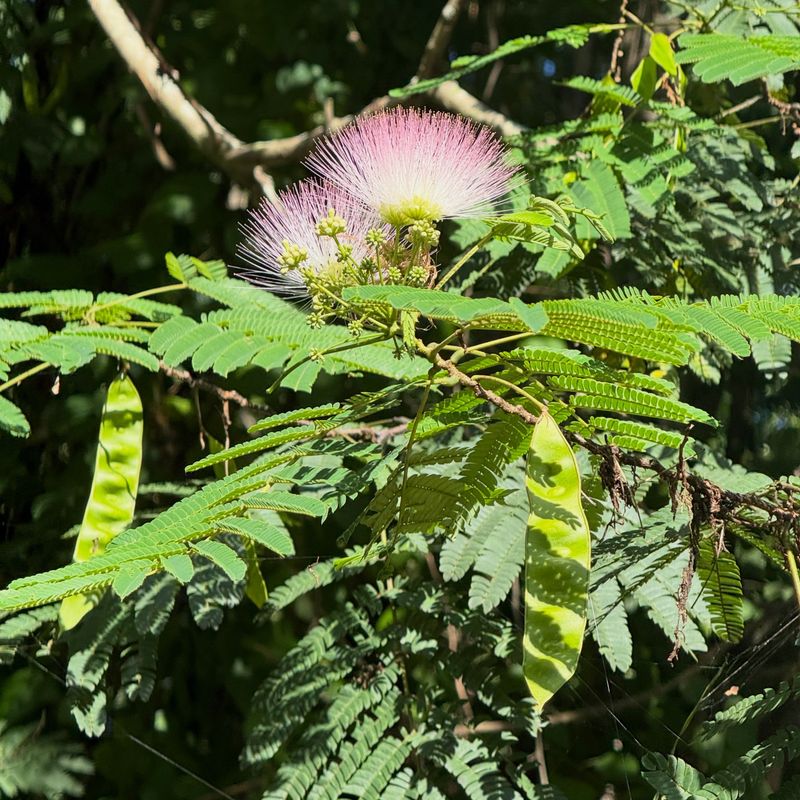
Pulling up a mimosa seedling feels satisfying, but the seed bank hiding in the soil is a different challenge entirely. Mimosa seeds are known to remain viable in the ground for a long time, sometimes sprouting years after the original tree has been removed.
Seed coats on mimosa are tough and water-resistant.
That hard outer layer protects the seed through cold winters and dry summers, allowing it to wait in the soil until conditions line up just right for sprouting.
Disturbing the soil, like during gardening or grading, can bring buried seeds closer to the surface and trigger germination.
A single season of heavy seed production can load up the soil around a tree with far more seeds than most people realize.
Raking up and bagging fallen pods before they split open helps reduce how many seeds enter the ground, but it requires consistent effort through the fall months.
Even after a mimosa is removed, new seedlings may continue appearing in the same spot for several seasons. Monitoring the area regularly and removing sprouts while they are still small prevents them from re-establishing.
Young seedlings are much easier to pull than older plants with developed root systems.
Patience matters here. Managing seed persistence is a long-term process, not a one-time fix.
Staying on top of it season after season is the most reliable way to reduce the seed bank over time.
4. Root Sprouts Give It Another Way To Spread
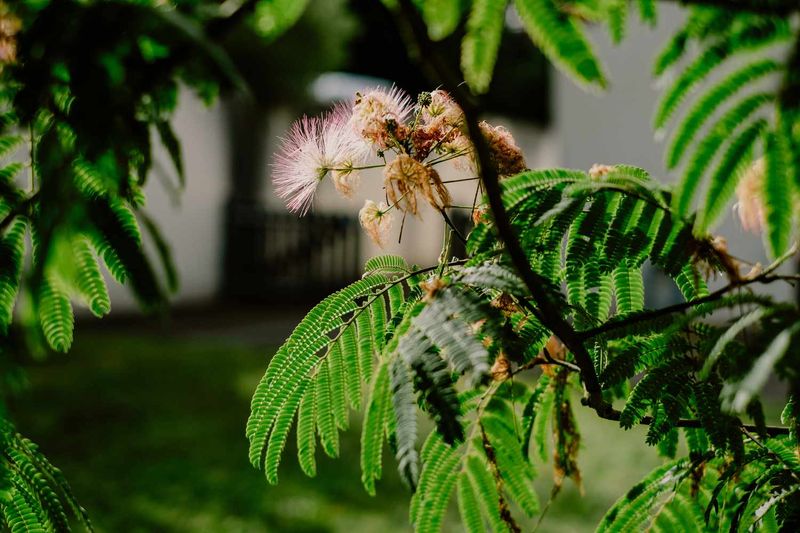
Seeds are not mimosa’s only trick. Cut one down, and the roots often respond by sending up a cluster of new sprouts from the base and along the root system.
It can feel like removing the tree made the problem multiply instead of shrink.
Root sprouting is a survival response. When the main trunk is gone, the root system still holds stored energy.
Sprouts emerge from that energy reserve, sometimes appearing several feet away from where the original tree stood. A yard can end up with a ring of new growth around a stump within a single growing season.
Grinding the stump down below the soil surface reduces the chance of sprouting from that exact spot. Leaving a stump intact, especially a large one, tends to encourage more aggressive regrowth.
Repeated cutting of new sprouts eventually depletes the root’s energy reserves, but it takes consistent effort over multiple seasons.
Roots can also extend under fences, driveways, or garden borders, sending sprouts up on the other side. Neighbors may start seeing mimosa seedlings pop up in their yards without realizing the source is a tree on the adjacent property.
Checking along fence lines and garden edges regularly helps catch root sprouts early.
Small sprouts pulled before they reach a foot tall are far easier to manage than ones that have had time to establish their own root systems and begin producing seeds.
5. Dense Growth Pushes Native Plants Out Of The Area
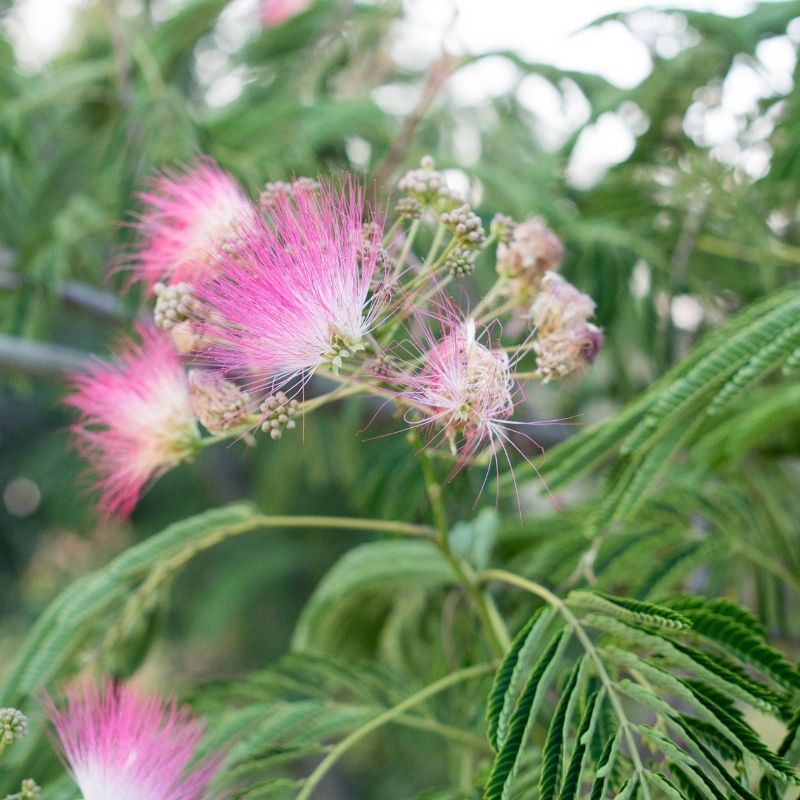
Mimosa does not just take up space. Its dense canopy shades out plants growing beneath it, cutting off sunlight that native wildflowers, shrubs, and young trees depend on to survive.
Native plants in the Southeast have evolved alongside specific insects, birds, and soil conditions. When mimosa moves in and dominates an area, those natives get crowded out.
Fewer native plants means fewer food sources and habitat options for local wildlife that depends on them.
Mimosa’s growth rate gives it a competitive edge. It can reach heights of 20 to 40 feet relatively quickly, spreading a wide canopy that intercepts light before it reaches anything growing below.
Smaller native plants rarely recover once mimosa shading becomes established over several seasons.
Along creek banks and forest edges in Georgia, mimosa has been observed outcompeting native species in disturbed areas.
Disturbed soil, like spots cleared by construction or storms, gives mimosa an easy opening to establish before native plants can recover.
Replacing mimosa with native alternatives supports local ecosystems more effectively.
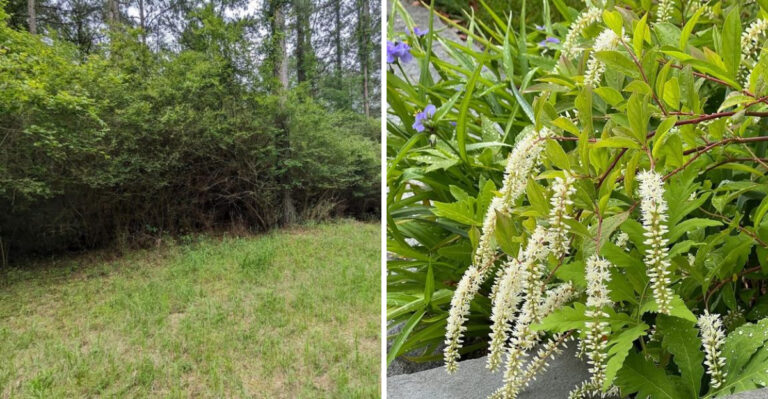
Trees like native redbuds, serviceberries, or fringe trees offer seasonal interest, support pollinators, and fit naturally into the local plant community without aggressive spreading.
Choosing natives over mimosa is a practical way to keep a yard attractive while avoiding the long-term management headaches that come with an invasive species.
6. Weak Branches Add Another Problem Around The Yard
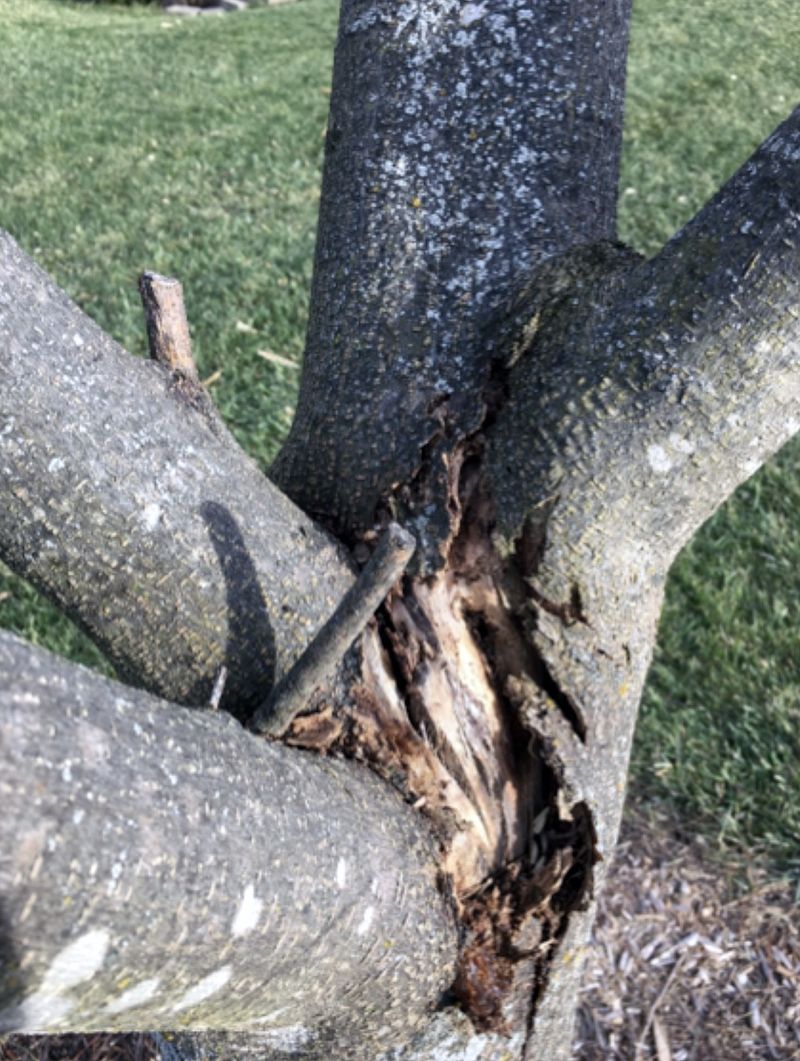
Beyond the spreading and the seed production, mimosa has a structural weakness that causes real problems in residential yards.
Branches are brittle and break more easily than those of most hardwood trees, especially during storms or periods of ice and heavy snow.
Mimosa wood is lightweight and grows fast, which sounds like a benefit but creates a liability. Fast-growing wood tends to be less dense and more prone to cracking under stress.
A branch that looks healthy can split unexpectedly during a strong summer thunderstorm, which are common across Georgia from June through August.
Fallen branches are a hazard near driveways, rooftops, fences, and outdoor seating areas. A heavy branch dropping on a car or structure causes real damage, and cleanup after a storm adds to the frustration of managing the tree.
Mimosa also tends to develop a wide, spreading canopy with multiple large limbs extending outward from a relatively short trunk. That structure increases the surface area exposed to wind and storm pressure.
Pruning helps reduce some risk, but frequent trimming becomes necessary to keep the tree from becoming a recurring hazard.
For homeowners with structures, vehicles, or play areas near a mimosa tree, the branch risk is worth factoring into any decision about keeping the tree.
A fast-growing tree that requires constant attention and creates storm risk is rarely the low-maintenance option it first appears to be.
7. Removing Mimosa Early Makes Future Control Much Easier
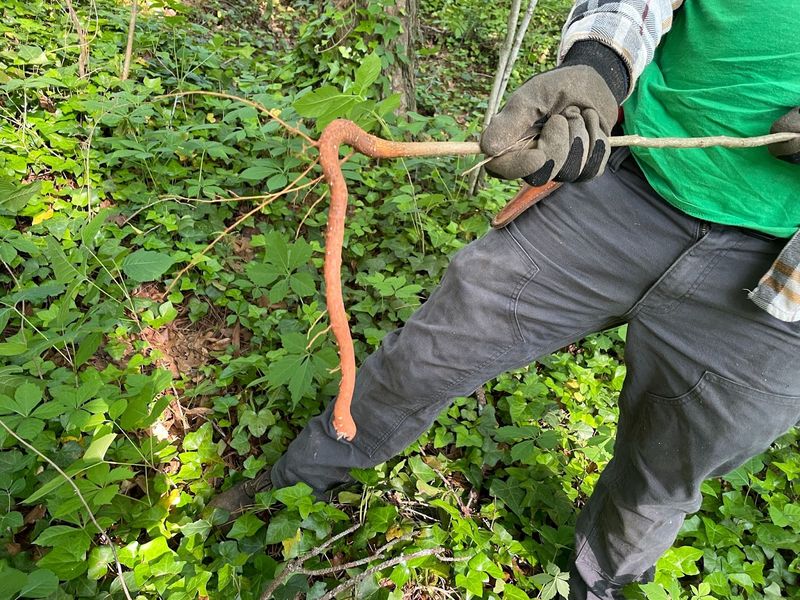
Catching mimosa early is the single most effective way to prevent a bigger problem. A seedling pulled in spring takes about ten seconds.
A mature tree with an established root system and years of seed production behind it is an entirely different situation.
Young mimosa plants, under a foot tall, pull out with a firm grip on the base, especially after rain when soil is loose. Getting the full root out matters.
Leaving root pieces behind increases the chance of regrowth from that spot.
Larger plants that have moved past the seedling stage benefit from being cut at the base, followed by consistent removal of any sprouts that emerge afterward.
Repeating that process through the growing season drains the root’s energy reserve over time, though results vary depending on the size and age of the plant.
Timing removal before seed pods form is a smart strategy. A mimosa that has not yet produced pods cannot add to the soil seed bank that season.
Removing plants in late spring or early summer, before pods develop, reduces future sprouting pressure significantly.
Keeping a close eye on areas where mimosa has grown before is worth the effort. New seedlings often reappear from seeds already in the ground.
Consistent monitoring in late spring, when mimosa seedlings are easiest to spot and remove, keeps the situation from building back up over time.