The Fall Vegetable That Keeps Producing Longer In Georgia Gardens
Fall vegetables do not all follow the same schedule, and one garden favorite can keep giving long after others begin slowing down. That extra production makes every bit of growing space count.
The secret is not simply planting it and waiting for harvest.
How you gather from this crop can influence how long it continues producing fresh growth. Georgia gardeners who understand that rhythm can stretch the harvest instead of ending it too early.
That makes this vegetable especially useful when you want steady results from a fall bed.
Rather than taking everything at once, work with the way the plant naturally grows. Give it the right treatment, and new growth can continue arriving as cooler weather settles in.
Once you see how productive it can be, one harvest will hardly feel like enough.
1. One Leafy Vegetable Keeps Giving You More To Harvest
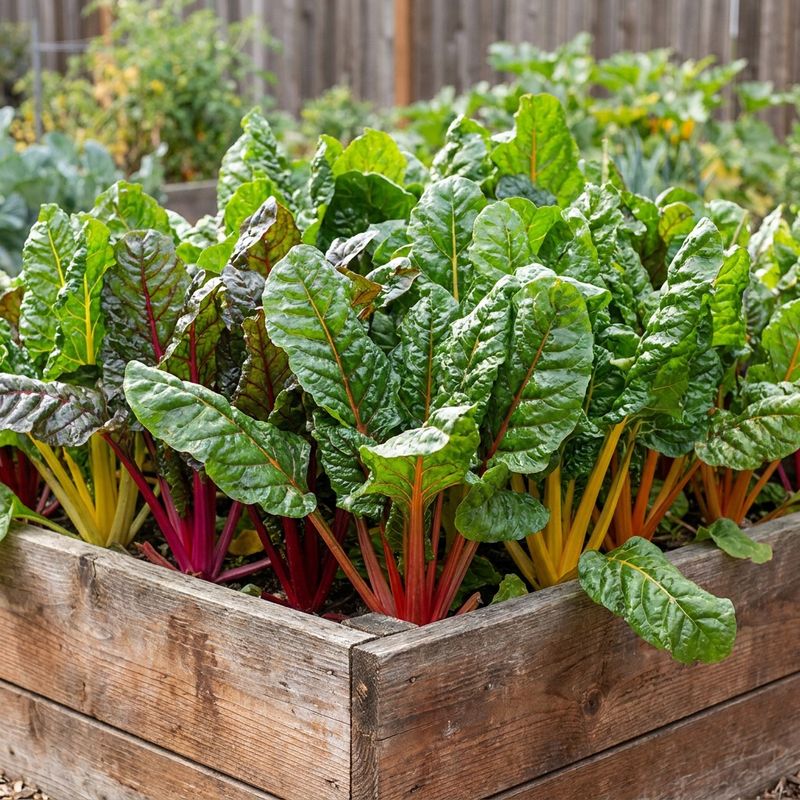
Swiss chard rarely gets the attention it deserves once fall planting season rolls around.
Cut a few leaves and the plant answers with more. That habit makes it a favorite among Georgia gardeners who want steady picking instead of one big harvest.
Chard belongs to the same family as beets, minus the swollen root.
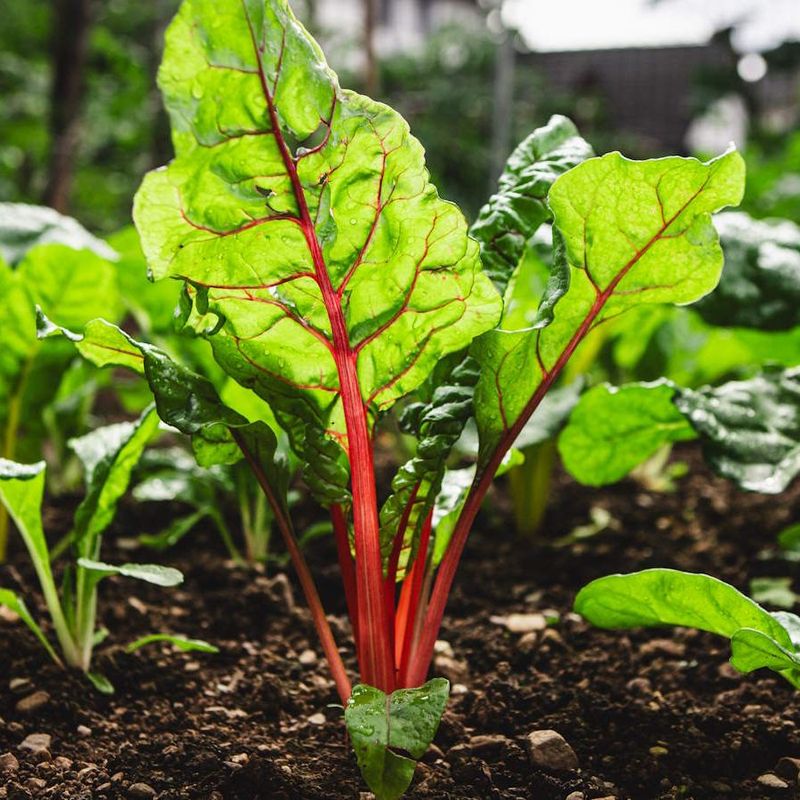
Leaves grow from a central crown, so removing outer growth does not stop the plant. New leaves keep pushing up from the middle.
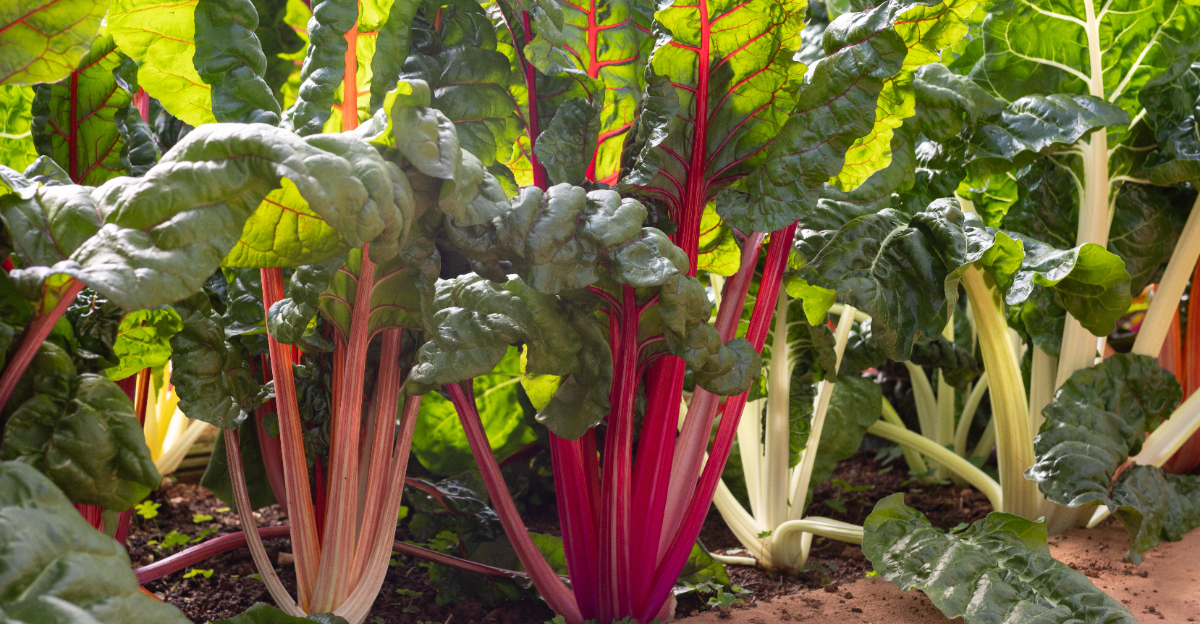
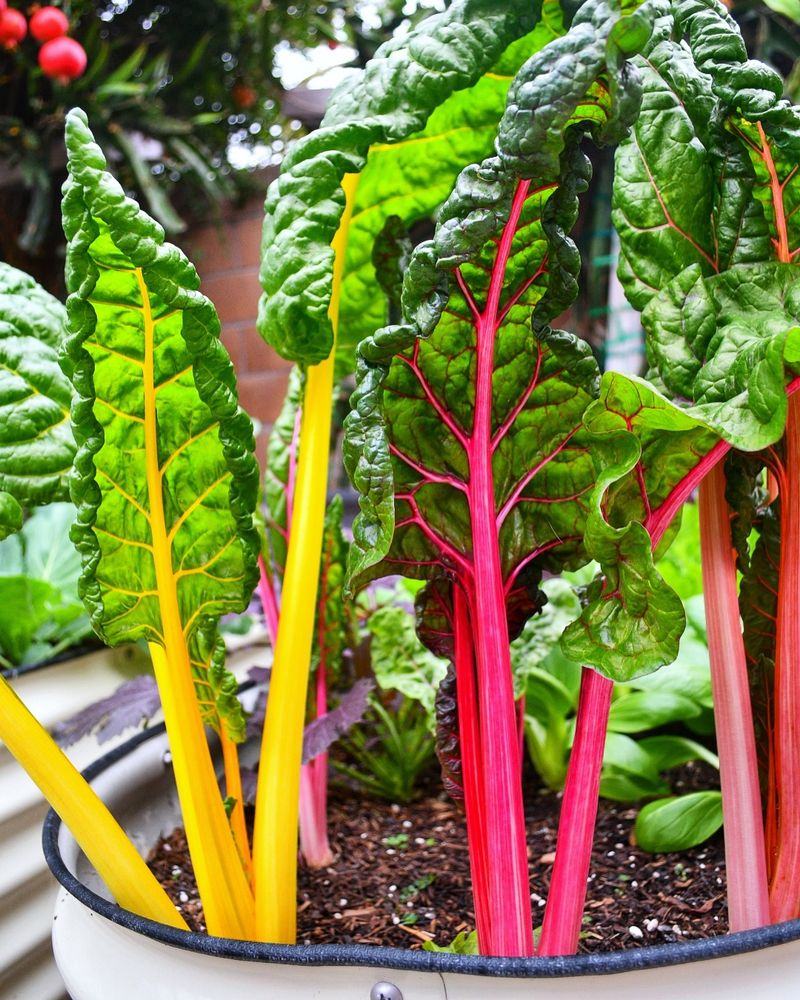
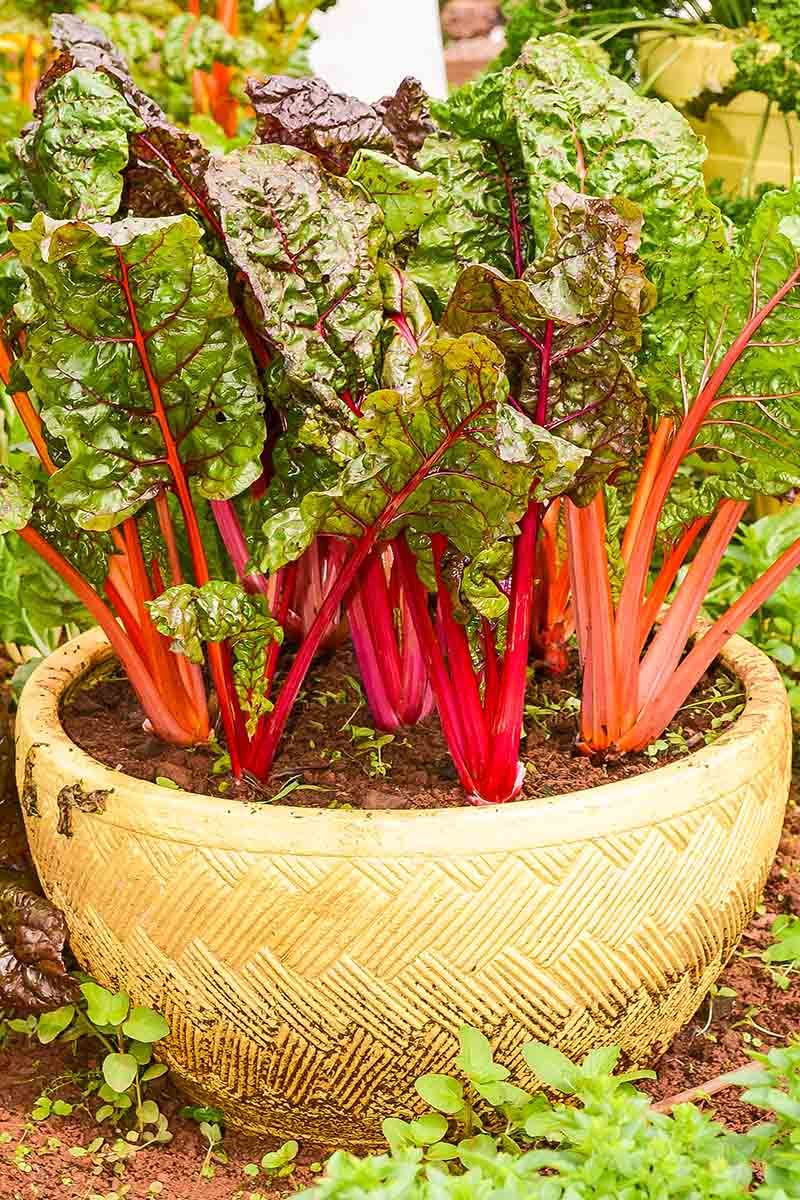
Colors range from plain white stems to bright red, pink, and gold.
Rainbow types look great in a bed, though flavor differences stay pretty small. Pick whichever seeds or seedlings your local garden center carries.
Spinach tends to quit early. Lettuce turns bitter fast.
Chard sits somewhere in the middle, handling cool nights and mild afternoons without much fuss.
Cooked chard tastes close to spinach, with stems that behave more like celery in a skillet. Both parts are worth using.
Sow seeds directly in late summer or early fall, about half an inch deep.
Transplants work too and give you a head start. Either way, thin crowded seedlings so each plant gets room to spread.
Expect a long run of harvests rather than one dramatic pickup.
That slow, steady rhythm is what keeps chard in so many cool-season beds every year.
2. Fall Weather Gives Swiss Chard Conditions It Handles Well
Heat is what breaks most greens, and fall finally takes that pressure off.
Georgia summers push chard hard. Cooler nights in October let the plants settle in and grow steadily.
Chard handles a light frost better than tender crops like beans or squash.
Leaves may look a bit limp after a cold morning, then perk back up by midday. Hard freezes are a different story and can damage the outer growth.
Row cover helps on nights in the low twenties.
A simple frost cloth draped over hoops keeps leaves usable through a cold snap. Remove it once temperatures climb so plants do not overheat.
Mild fall days also mean fewer pest problems.
Leaf miners and aphids slow down as temperatures drop. Slugs can still chew on lower leaves after wet spells, so check under the canopy.
Your Georgia Garden Changes Every Week. Your Plan Should Too.
Gardening in Georgia changes quickly throughout the season. Every Friday you’ll receive a simple weekly plan showing exactly what to plant, prune, fertilize, harvest, and protect so you never miss the right timing.
Sun matters, but full blazing exposure is not required.
Six hours works well in fall, and a little afternoon shade rarely hurts. In the northern part of the state, plants often keep going into December, depending on the winter.
Mulch around the base holds warmth and moisture. Pine straw is easy to find and works fine.
Warm afternoons followed by cool nights seem to bring out better flavor in the leaves.
Nothing here is guaranteed, since one odd cold front can change the whole season.
Results vary by zone, soil, and how sharp the cold gets.
3. Young Leaves Can Be Ready Surprisingly Quickly
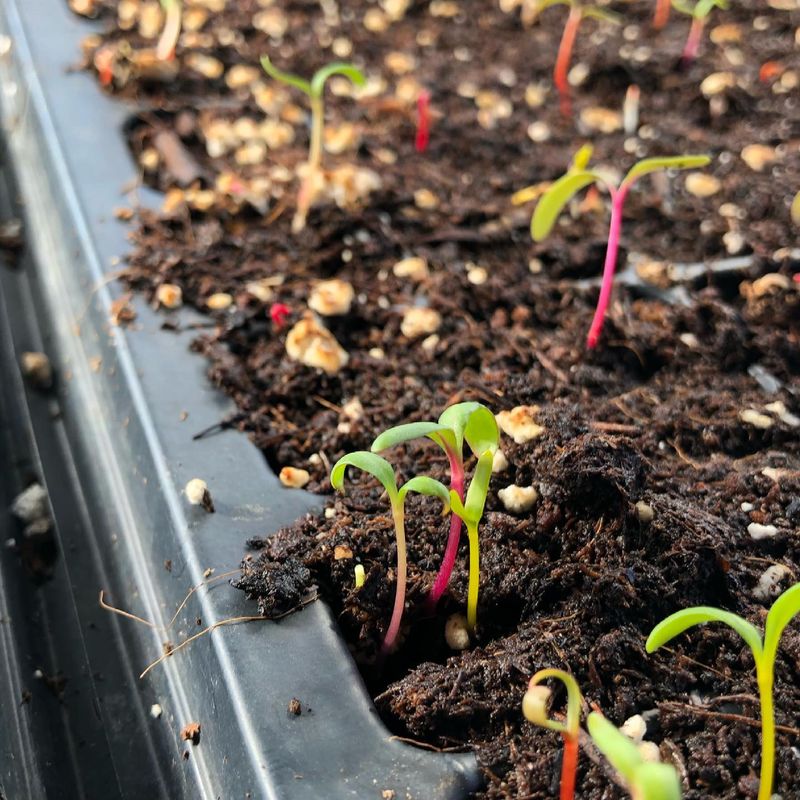
Baby chard leaves can be on your plate weeks before the plants look full grown.
Seed packets usually list 50 to 60 days to maturity. Small leaves for salads are often ready closer to 30 days after sowing.
Timing shifts with weather, soil, and planting date.
Warm September soil sprouts seeds fast, sometimes in under a week. Cooler October ground slows germination, so be patient before replanting.
Baby leaves taste milder than mature ones.
Toss them raw with a little dressing and they hold up better than lettuce. Stems stay tender at that stage, so no trimming is needed.
Soil temperature does more work than the calendar here.
Seeds planted into hot, dry ground may sprout unevenly. Water the row daily until you see green.
Cutting early does not hurt the plant.
Take one or two small leaves per plant and let the rest grow on. Georgia gardeners with short fall windows often use this trick to get food early.
Sowing thickly gives you extra options.
Thin the crowded seedlings and eat the thinnings instead of tossing them. Free salad, no waste.
Young plants need light feeding, not heavy fertilizer.
A bit of compost worked in before planting usually covers the early growth stage.
Keep a second batch coming if you have space.
Two plantings, spaced about three weeks apart, spread the harvest out. That approach helps if a cold snap sets one group back.
4. Pick The Largest Outer Leaves First
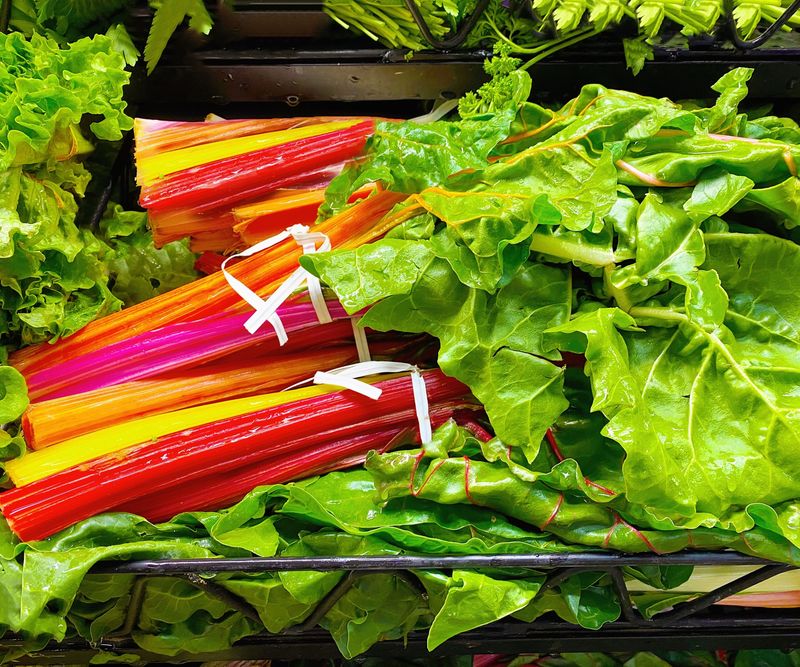
Harvest from the outside in, and one plant can feed you for months.
Outer leaves are the oldest. Leaving them on the plant only lets them get tough and shaded.
Snap or cut each stalk about an inch above the crown.
A clean cut with scissors or a small knife heals faster than tearing. Ripping can loosen the whole crown from the soil.
Take no more than a third of the leaves at once.
Plants need remaining foliage to keep feeding themselves. Stripping everything sets growth back for weeks.
Morning picking gives the crispest leaves.
Leaves hold more water before the sun gets high, so they wilt less on the counter. Afternoon harvests are fine, just plan to use them sooner.
Check plants every four or five days during peak growth.
Leaves get thicker and less pleasant if they sit too long. Regular picking keeps the whole plant producing tender growth.
Damaged or yellowing leaves count too.
Pull them off during every harvest to keep air moving through the plant. Tidy plants seem to have fewer disease problems in humid Georgia weather.
Big stems are worth saving.
Chop them small and start them cooking a few minutes before the leaves. Texture works better that way.
Store harvested leaves unwashed in the fridge.
A loose bag or damp towel keeps them usable for several days, sometimes longer.
Skip harvesting right after a hard freeze and give leaves time to recover.
5. Leave The Center Growing For Future Harvests
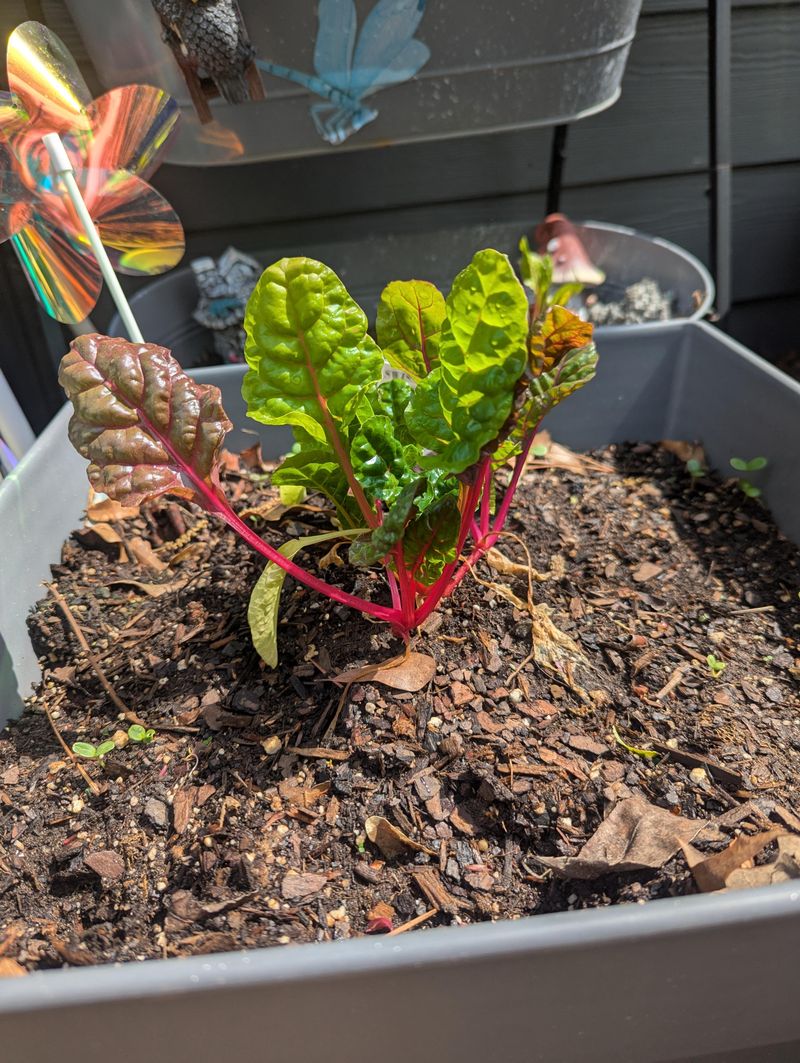
Everything depends on the crown, that tight cluster of small leaves at the plant’s center.
New growth starts there. Damage it and the plant may stall or stop producing altogether.
Cutting too low is the usual mistake.
Aim above the base of the outer stalk and keep your blade clear of the middle. An inch of stem left behind is plenty.
Some folks shear whole plants down like lettuce.
Chard can handle that, but recovery takes much longer. Selective picking keeps the harvest steady instead.
Look for three or four tiny leaves in the middle after each harvest.
That cluster is your next round of food. As long as it stays intact, the plant keeps working.
Crowded plants make careful harvesting harder.
Space plants eight to twelve inches apart so you can reach the outer stalks. Cramped rows lead to accidental cuts.
Foot traffic and pets can do more damage than weather.
A knocked-over plant with a bruised center rarely bounces back well. Stake the bed edge or fence it if that is a problem.
Weeds compete for water right where the crown needs it.
Hand-pull anything close to the base instead of using a hoe. Roots sit shallow and tools can nick them.
Mulch protects the crown through cold nights.
Pine straw or shredded leaves tucked around the base helps in north Georgia gardens where frost arrives earlier.
6. Regular Water Helps Keep New Leaves Tender
Dry spells show up in the leaves before anything else.
Chard under water stress grows thick, chewy foliage. Steady moisture keeps new leaves soft and mild.
Fall rain in Georgia can be unpredictable.
Some weeks bring plenty, others go dry for stretches. Checking the soil beats guessing from the forecast.
Push a finger two inches into the bed.
Dry at that depth means it is time to water. Damp soil means wait another day.
Deep watering beats a quick sprinkle.
Roughly an inch per week, split into one or two sessions, suits most beds. Sandy soil drains faster and may need more.
Water at the base, not over the top.
Wet leaves overnight invite fungal spots, especially in humid weather. A drip line or a watering can with the rose removed works well.
Mulch cuts down on how often you water.
Two inches of straw or shredded leaves holds moisture and blocks weeds. Keep it slightly off the stems.
Containers dry out much faster than in-ground beds.
Pots may need water daily during warm, breezy stretches. Bigger containers hold moisture longer and stay more forgiving.
Uneven watering can also make stems split.
A long dry spell followed by heavy rain tends to cause it. Split stems are still edible, just less pretty.
7. Harvesting Can Continue Until The Plants Start To Bolt
Bolting is the signal that the run is winding down.
Chard is a biennial, so it usually flowers in its second season. Fall plantings that overwinter often bolt in spring as days lengthen.
Watch for a thick stalk shooting up from the center.
Leaves get narrower and tougher once that starts. Flavor turns stronger and less pleasant in most cases.
Picking can continue through the early stage of bolting.
Cut the flower stalk off and you may buy a few extra weeks of leaves. Plants rarely go back to full production though.
Warm spring weather speeds the whole process.
Georgia gardens often see chard bolt sometime in March or April, depending on how mild the winter was. Cold snaps can delay it.
Stressed plants sometimes bolt earlier than expected.
Drought, crowded roots, or a rough transplant can trigger it. Steady care lowers the odds, without ruling it out.
Seed saving is an option if you are curious.
Let one bolted plant flower and set seed, then collect it when dry. Chard crosses with beets, so results can vary.
Pull spent plants once leaves stop being worth eating.
Compost the tops and free the bed for spring crops. A fresh sowing can start the cycle again.
Keep notes on your planting and bolting dates.
Records from one season make the next one easier to plan. Weather still gets the final say.