The Ohio Lawn Mistake That Turns Bare Spots Into Weed Patches By Labor Day
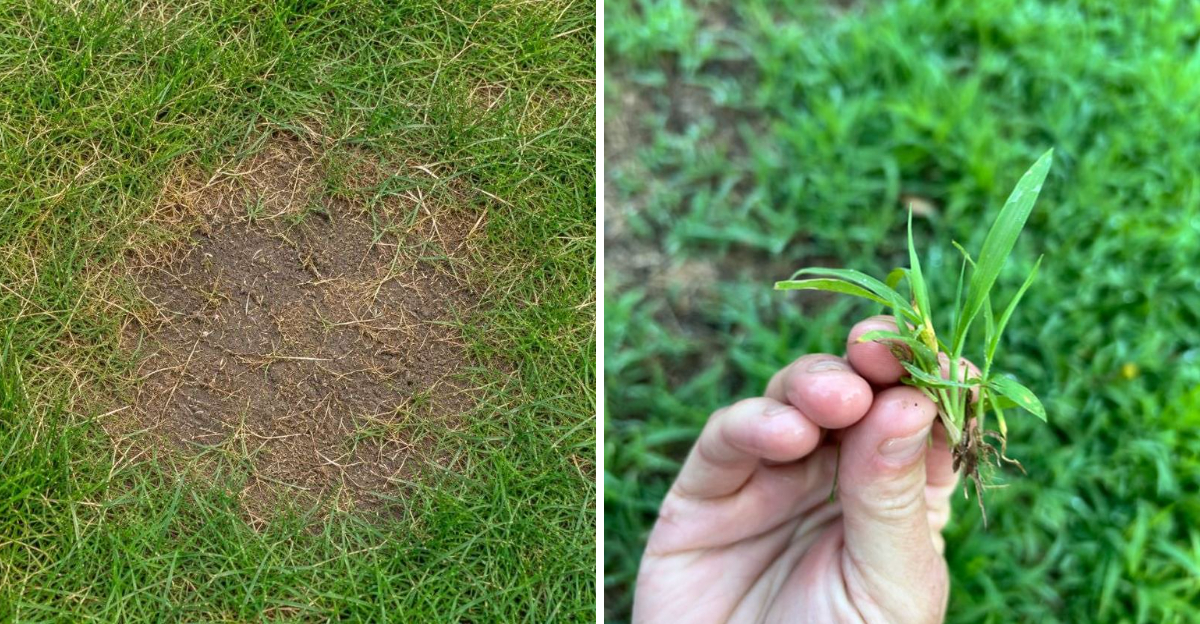
It turns out that one of the biggest factors shaping how your Ohio lawn looks in late summer has nothing to do with fertilizer, watering schedules, or lawn care products.
It comes down to something most homeowners barely think twice about: how high you set the mower blade.
Cutting the grass too short during July and August heat is one of the most common reasons Ohio lawns develop thin patches, bare spots, and weed pressure that seems to appear out of nowhere.
The connection makes complete sense once you understand it, but most people never put it together until the damage is already done and Labor Day is right around the corner.
The good news is that smarter mowing decisions made now can genuinely change what your lawn looks like heading into fall. Small adjustment, real results.
1. Mowing Too Short Opens The Lawn To More Weed Germination
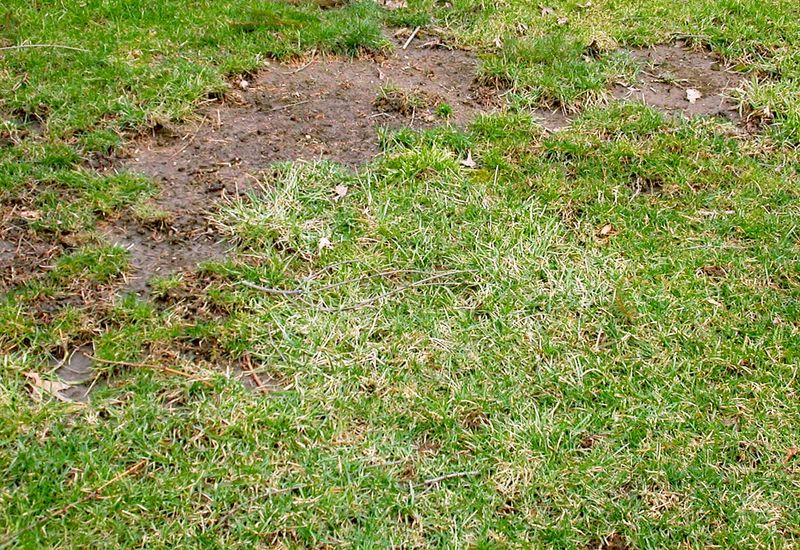
Walk across an Ohio lawn in mid-July and you might notice something troubling: patches where the grass looks sparse, the soil is visible, and tiny weeds are already pushing through.
That pattern often connects directly to how short the mower blade was set earlier in the season.
When cool-season turf gets cut too closely, the reduced leaf area lets more sunlight reach the soil surface below.
Sunlight reaching bare or thinly covered soil creates more favorable conditions for weed seeds to germinate. Ohio State turfgrass guidance notes that dense, taller turf can help shade the soil and reduce opportunities for weed seedlings to establish.
Mowing short does not create weed seeds, but it can give existing seeds in the soil a better chance to sprout and grow.
Ohio lawns commonly contain cool-season grasses like tall fescue, Kentucky bluegrass, and perennial ryegrass. These grasses generally perform best when maintained at around 3 inches or higher during summer.
Keeping the blade at that height supports a fuller canopy that shades soil and competes more effectively against weeds.
Dropping the mower deck lower than recommended, especially during hot or dry spells, can open the turf canopy in ways that invite weed pressure.
Raising the cutting height is one of the most practical adjustments a homeowner can make.
2. Scalped Grass Takes Longer To Recover From Summer Stress
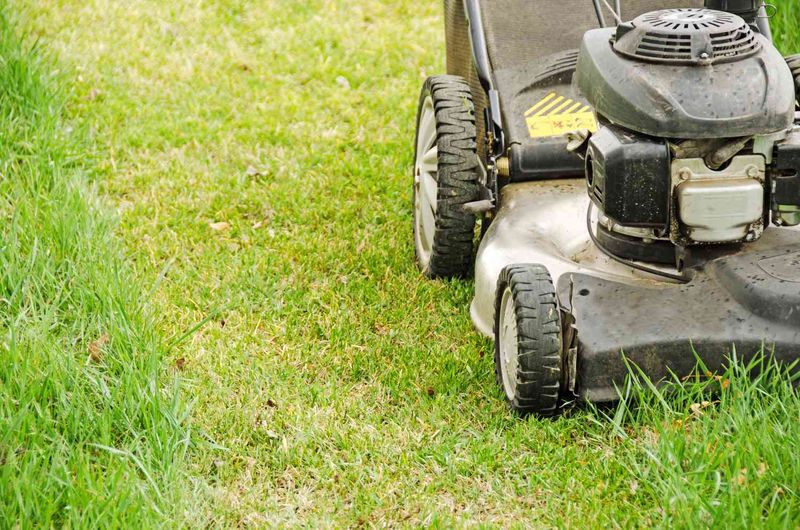
Hot summer weather already puts Ohio cool-season lawns under considerable strain. Tall fescue and Kentucky bluegrass naturally slow their growth during the hottest weeks, conserving energy and moisture as temperatures climb.
Removing too much leaf area at a single mowing adds another layer of stress on top of what the grass is already managing.
Leaf blades are where grass plants capture sunlight and produce the energy needed for root development and recovery. When mowing strips away a large portion of that green tissue at once, the plant has less capacity to bounce back quickly.
Homeowners sometimes notice that patches cut too short during a heat wave stay thin and brown far longer than surrounding areas that were left a little taller.
Recovery slows even further if rainfall is limited and irrigation is not available. A scalped area may not fill back in before weeds claim the open space.
Your Ohio Garden Changes Every Week. Your Plan Should Too.
Gardening in Ohio changes quickly throughout the season. Every Friday you’ll receive a simple weekly plan showing exactly what to plant, prune, fertilize, harvest, and protect so you never miss the right timing.
Ohio State recommends adjusting mowing height upward during periods of heat or drought stress rather than sticking to a fixed low setting year-round.
Raising the deck to 3 inches or slightly higher during summer gives the grass more leaf surface to support recovery.
Scalping is not always catastrophic, but repeated close cuts during stress periods can thin a lawn noticeably by late August, leaving more bare soil exposed heading into fall.
3. Taller Summer Grass Helps Shade The Soil Below
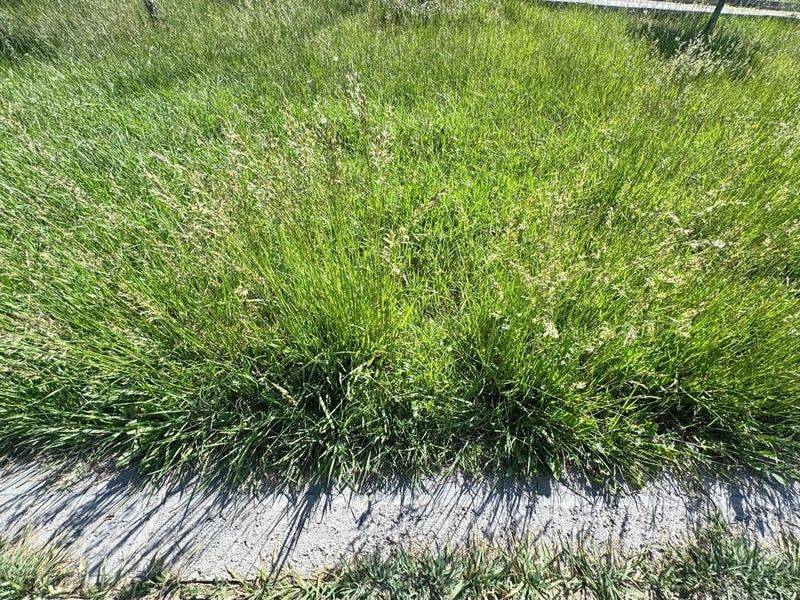
One of the quieter benefits of keeping grass a little taller during summer is what happens right at the soil surface.
When turf blades are allowed to reach 3 inches or higher, they create a natural canopy that blocks a portion of direct sunlight from reaching the ground below.
That shading effect has real practical value for an Ohio lawn during the hottest months.
Shaded soil tends to retain moisture longer than soil exposed to full sun. Cooler, slightly moister soil near the surface can support a healthier root environment and reduce the temperature stress that cool-season grasses experience during July and August.
A denser canopy also means fewer open gaps where weed seedlings can find the light and space they need to get started.
Taller mowing height alone cannot solve every lawn problem. Soil compaction, shade from trees, poor drainage, and insect activity can all contribute to thinning turf regardless of mowing height.
But maintaining more leaf area is a low-effort adjustment that supports multiple benefits at once. Ohio State turfgrass guidance consistently points to higher summer mowing heights as a practical strategy for cool-season residential lawns.
Homeowners who raise their mowing deck by even half an inch during the hottest stretch of summer often notice their lawns hold color and density better than those kept trimmed very short throughout the season.
4. Bare Soil Gives Weeds Less Competition From Turfgrass
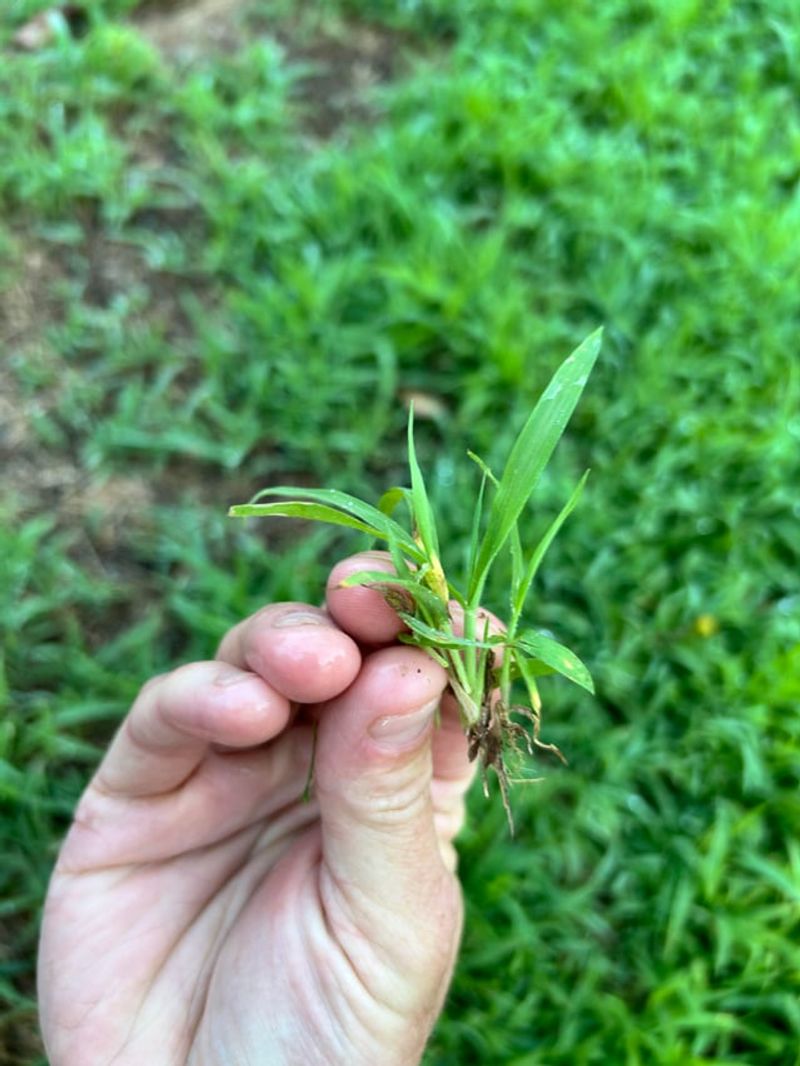
Weeds are opportunists. They tend to establish most successfully where desirable turf is thin, absent, or too stressed to compete.
When an Ohio lawn develops bare or nearly bare patches, those open areas can offer weed seedlings exactly what they need: sunlight, exposed soil, moisture, and space to grow without much competition.
Dense, healthy turfgrass naturally crowds out many weed seedlings by limiting available light and physical space at the soil surface.
When that competitive advantage disappears because the turf has thinned from repeated close mowing, weeds move in to fill the gap.
Annual grassy weeds and broadleaf weeds commonly found in Ohio lawns can germinate and establish relatively quickly in open patches during summer and early fall.
Addressing bare spots is not just a cosmetic concern. Thin turf left unrepaired through summer can become more heavily colonized by weeds before fall seeding conditions arrive.
Ohio State turfgrass resources emphasize that a dense stand of desirable grass is one of the most effective long-term tools for reducing weed pressure.
Rather than relying solely on weed control products, building a thicker, healthier lawn through proper mowing height and timely repair gives desirable grass a stronger competitive position.
Identifying what caused the bare spots, whether mowing stress, compaction, drought, or another factor, helps ensure that repairs are more likely to succeed.
5. The One-Third Mowing Rule Helps Protect Turf Density
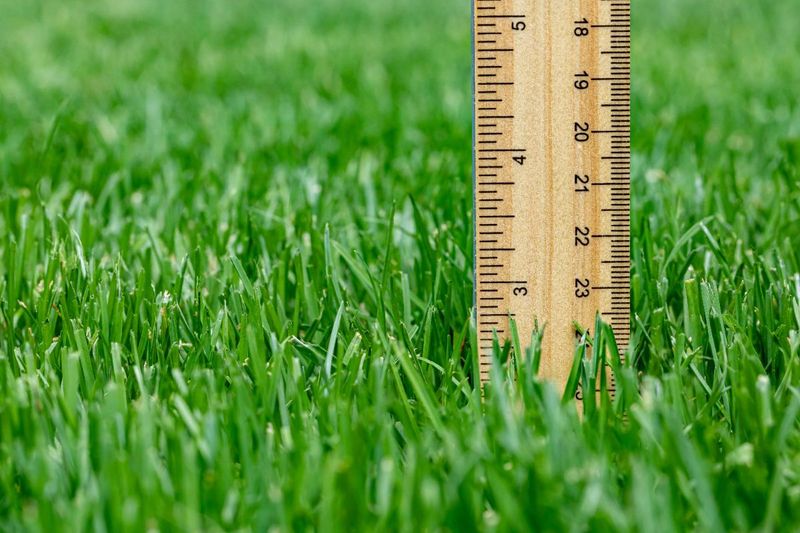
Letting grass grow a little longer between mowings and then cutting off a large chunk all at once might seem harmless, but it places real stress on the turf.
Ohio State recommends following the one-third rule: remove no more than about one-third of the grass blade height at any single mowing.
Cutting away more than that in one pass can strain the plant and slow its ability to recover.
The practical challenge is that many homeowners mow on a fixed weekly schedule regardless of how fast the grass is actually growing. During cooler, wetter periods, grass may grow quickly enough that weekly mowing stays within the one-third guideline.
But during hot, dry stretches when cool-season grasses slow down, the same mowing schedule may not be necessary, and missing a week could lead to cutting too much at once when mowing resumes.
Adjusting mowing frequency based on growth rate rather than the calendar helps keep cuts within a healthier range.
If the lawn has not grown much during a heat wave, waiting an extra few days before mowing is generally a better choice than cutting on schedule and removing too much at once.
Combining the one-third rule with a higher summer mowing height gives Ohio cool-season lawns a better foundation for maintaining density through the toughest stretch of the season, reducing the chance that bare patches develop before fall repair opportunities arrive.
6. Late August Is A Prime Time To Repair Bare Ohio Lawns
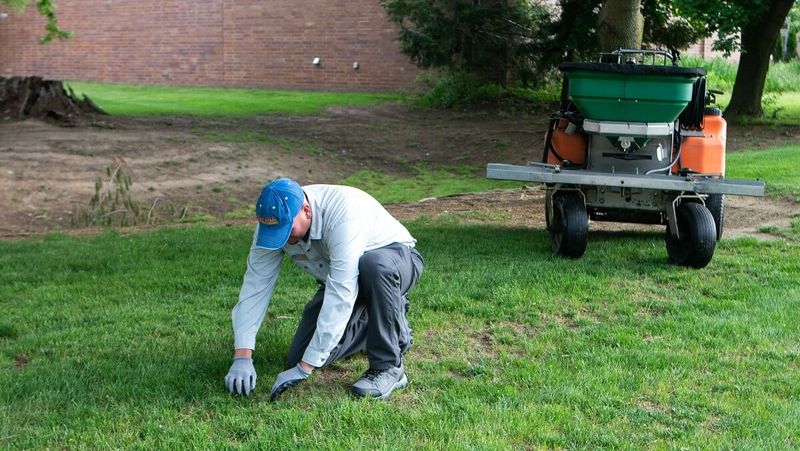
By the time Labor Day approaches, homeowners dealing with thin or bare patches have a genuine opportunity ahead of them rather than behind them.
Ohio State identifies late August into early September as one of the best windows for establishing or renovating cool-season lawns in Ohio.
Soil temperatures are still warm enough to encourage germination, while air temperatures are beginning to moderate from peak summer heat.
Warm soil supports quicker seed germination, and the approaching cooler fall weather suits cool-season grasses much better than the heat of July or August.
Ohio State turfgrass guidance generally places the preferred seeding window from around August 15 through September 30, with the earlier end of that range particularly important for northern parts of the state where fall arrives sooner.
Waiting for this window rather than trying to seed during the hottest weeks of summer often leads to better results. Grass seed sown in mid to late August has time to germinate, develop roots, and establish a reasonable stand before colder weather arrives.
Homeowners who address bare patches during this period give new grass a meaningful head start.
Labor Day is a useful reference point for thinking about late-summer lawn care, but the actual timing depends on local conditions, weather patterns, and the grass species being established.
Acting during this window, rather than postponing until October, can make a noticeable difference in how well new grass establishes.
7. Good Seed-To-Soil Contact Matters When Repairing Bare Spots
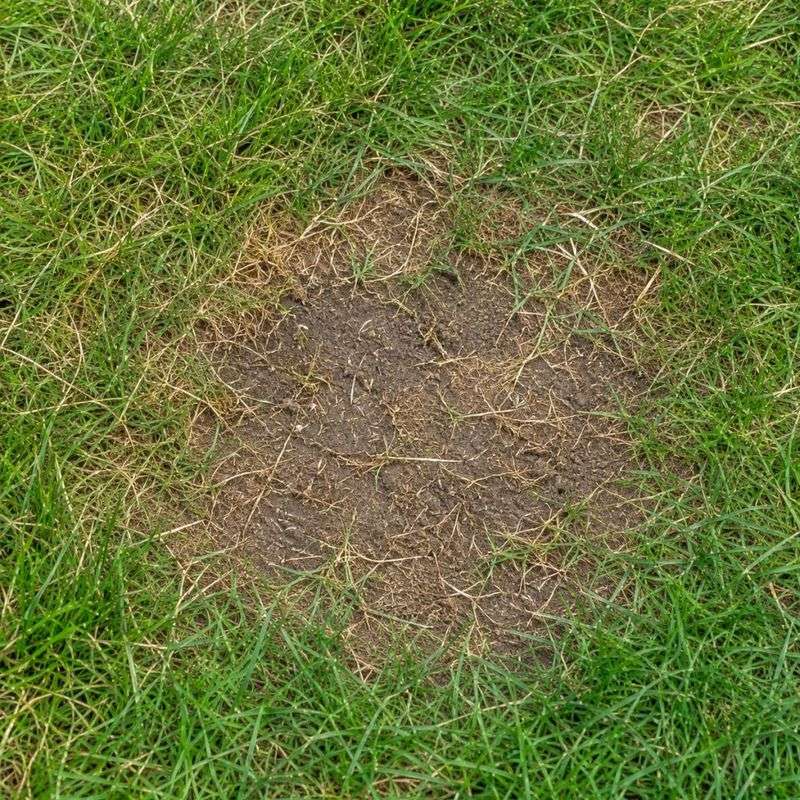
Scattering grass seed over a bare patch and hoping for the best is a common approach that often leads to disappointment. Grass seed needs direct contact with the soil to absorb moisture and begin germination.
When seed lands on thick thatch, compacted ground, or a layer of old clippings, it may not reach the soil surface at all, reducing the chances of successful establishment significantly.
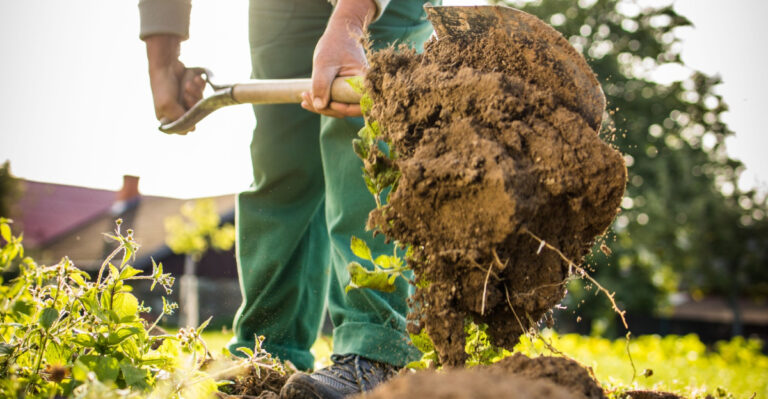
Preparing the surface before seeding improves results considerably. Lightly raking a bare area to loosen the top layer of soil, removing debris, and creating a slightly roughened surface gives seed a better chance to settle in and make the contact it needs.
For larger bare areas, a slit-seeder or core aerator followed by seeding can improve seed-to-soil contact without requiring full lawn renovation.
Ohio State turfgrass guidance emphasizes proper seedbed preparation as a key factor in successful establishment.
Simply adding seed to an unprepared surface, especially one with heavy thatch or compacted soil, tends to produce thin, patchy results even when timing and species selection are appropriate.
After seeding, light topdressing with a thin layer of compost or fine soil can help protect seed and maintain moisture around germinating seedlings. Keeping the seeded area consistently moist during the first few weeks supports establishment.
Small bare patches can often be addressed with basic hand tools, making this a manageable repair for most Ohio homeowners willing to put in a little preparation work.
8. Waiting Too Long Can Leave New Grass With Less Establishment Time
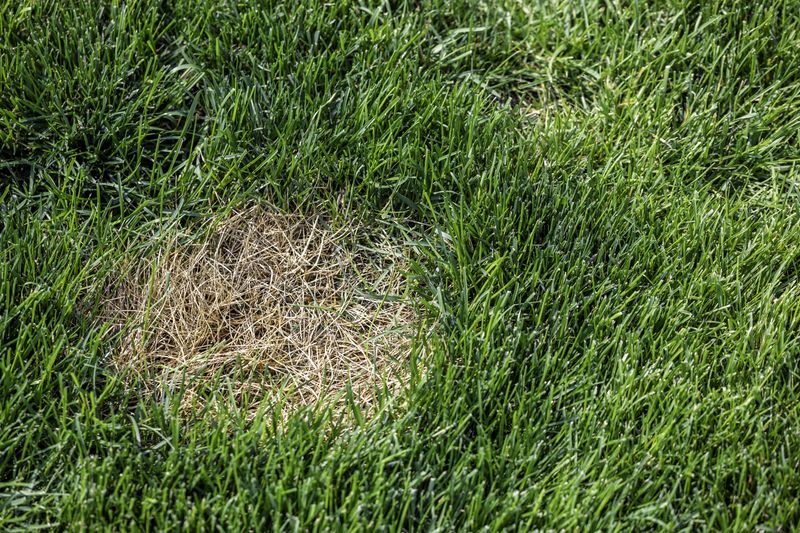
Putting off bare spot repairs until mid or late October is a gamble that does not always pay off. Cool-season grasses need enough time after germination to develop a root system capable of handling colder temperatures and winter dormancy.
Seeding too late in the season can leave young grass with a shortened establishment window, which may reduce its ability to survive the winter in good condition.
Kentucky bluegrass, one of the slower-establishing cool-season species used in Ohio lawns, can take several weeks just to germinate under good conditions. Starting the process too late in fall compresses the time available for that germination and early root development.
Tall fescue and perennial ryegrass establish somewhat more quickly, but they still benefit from being seeded early enough to build meaningful root depth before cold weather arrives.
Ohio State turfgrass guidance points to the late August through September window as the most reliable period for cool-season lawn establishment in Ohio, for good reason.
Conditions during that period tend to support both quick germination and sustained early growth before temperatures drop significantly.
Homeowners who notice bare patches in July or early August and plan ahead for late-August seeding are generally in a much better position than those who wait until the leaves are already falling.
Addressing the problem promptly, with proper preparation and realistic timing, gives new grass the establishment time it needs heading into fall and winter.