Why Ohio Smooth Hydrangeas Flop Over And The One Fix That Stops It
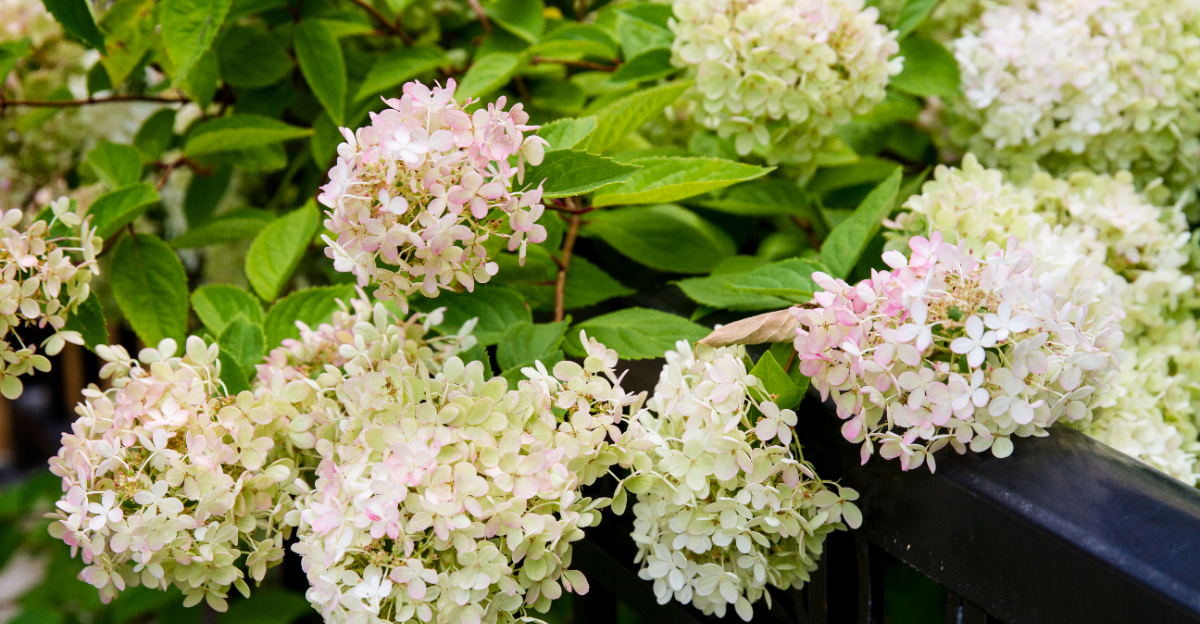
Smooth hydrangeas are supposed to be the easygoing ones. Tough, reliable, native to Ohio, and capable of putting on a solid bloom show through summer.
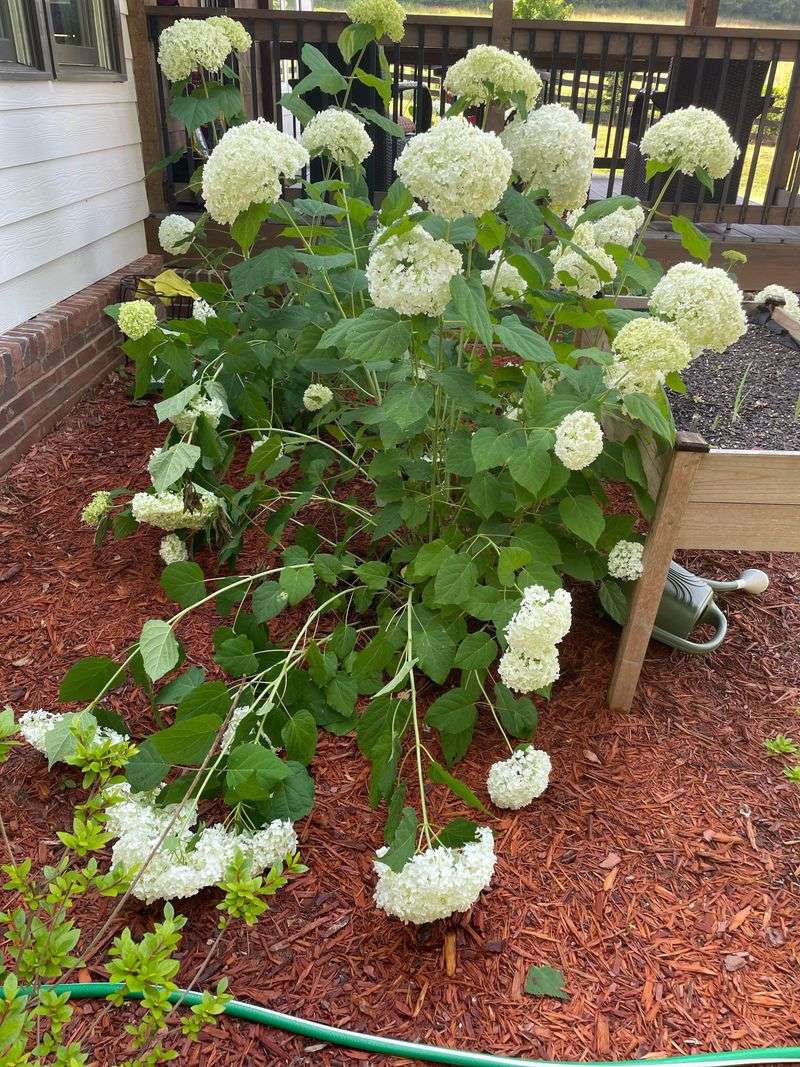
Then July arrives, a good rain moves through, and the whole plant is face down in the mulch. Stems everywhere, blooms buried, the kind of flop that makes you question the whole thing.
This is one of the most common complaints Ohio gardeners have about smooth hydrangeas, and it happens to some of the healthiest, most well tended plants out there. A floppy smooth hydrangea is not a sign that something went wrong.
It is a sign that one specific thing was never addressed. There is a fix, and once you see it, the logic makes complete sense for how smooth hydrangeas actually grow.
Most Ohio gardeners have never tried it, but the ones who have do not go back.
1. Support Smooth Hydrangeas Before The Flower Heads Get Heavy
A shrub can look perfectly upright in May, then sprawl across the bed after one hard rain in July. The most effective way to prevent that collapse is to place your support structure before it is ever needed.
Waiting until the stems are tall and the blooms are already open makes the job much harder and the result much less attractive.
Grow through supports, also called plant rings or grow through grids, are the most practical option for smooth hydrangeas. You simply set the ring or grid over the crown of the plant while new growth is still short, usually just a few inches above the soil.
As the stems grow upward, they pass through the support naturally and hold each other in place once the blooms develop weight.
The earlier you place the support, the less visible it will be. Stems and leaves fill in around the structure quickly, hiding it almost completely by midsummer.
A well-placed grow through ring installed in early spring will be nearly invisible by the time those big white flower heads open. That is the goal: support that does its job without making your shrub look staked or caged.
2. Stop Waiting Until Rain Flattens The Stems
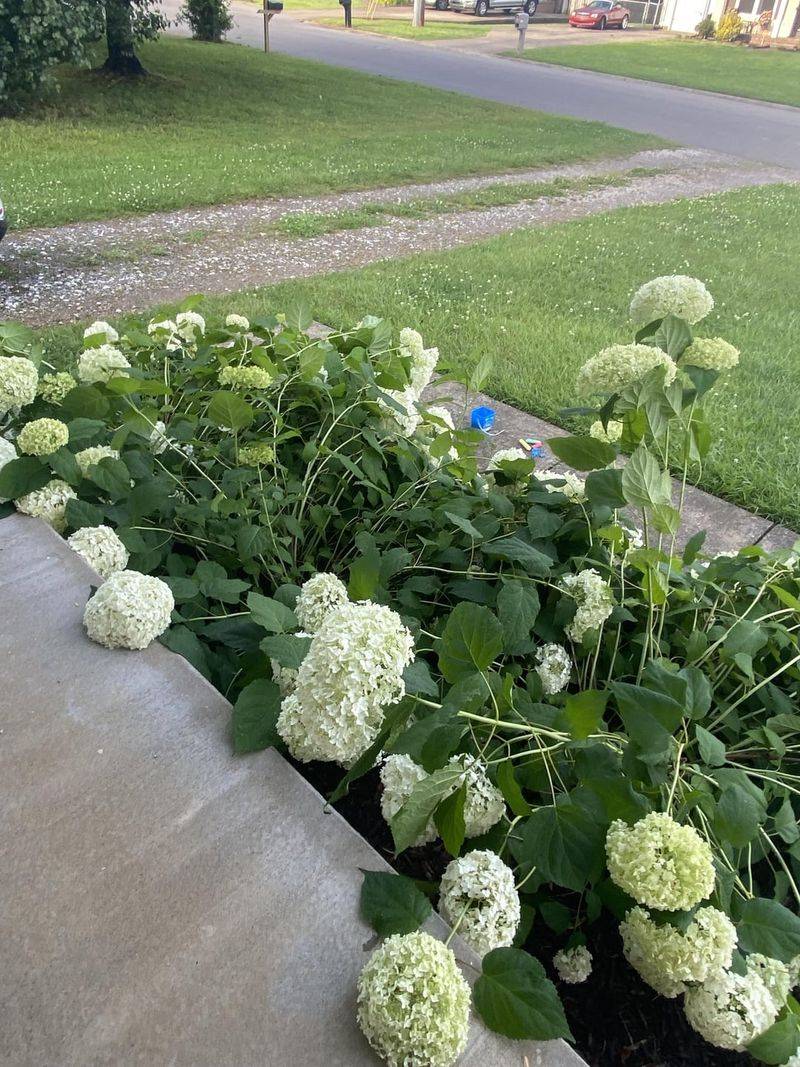
After a hard summer storm, many Ohio gardeners may find their smooth hydrangea completely flattened. The stems splay outward in every direction, with the big flower clusters face-down in the mulch.
It is a frustrating sight, especially when the plant looked great the day before. Rain is one of the most common triggers for flopping.
The large, dome-shaped blooms of Hydrangea arborescens act almost like a bowl, collecting water and adding sudden weight to already flexible stems.
The stems on smooth hydrangeas are naturally soft compared to shrubs with woodier growth. New wood grows fast each season, which helps the plant produce abundant blooms.
It also means the stems can lack the rigidity needed to hold heavy, wet flower heads upright. Once stems bend outward under that weight, they rarely spring back on their own.
Trying to rescue a flattened plant after the storm is possible but messy. You can gently gather the stems and tie them loosely, but the shrub often looks awkward for the rest of the season.
Your Ohio Garden Changes Every Week. Your Plan Should Too.
Gardening in Ohio changes quickly throughout the season. Every Friday you’ll receive a simple weekly plan showing exactly what to plant, prune, fertilize, harvest, and protect so you never miss the right timing.
Planning ahead with a support structure installed before storm season removes that stressful scramble entirely. In most parts of this state, that usually means late April or early May.
3. Use A Grow-Through Support While Growth Is Still Short
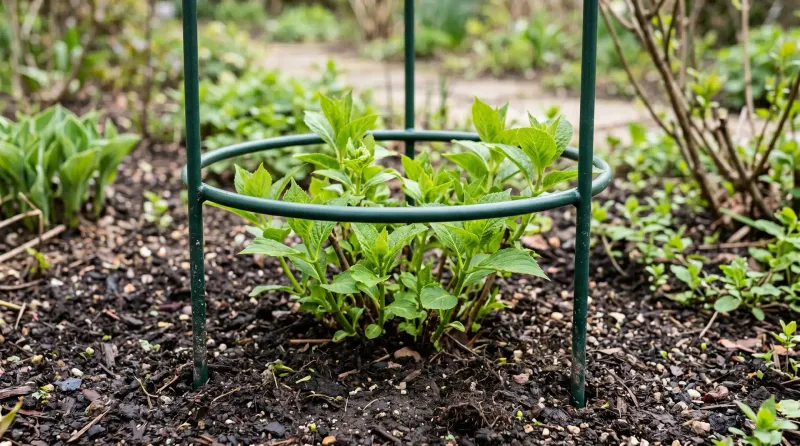
Early spring is the ideal window for installing a grow through support, and the process is simpler than most gardeners expect.
When new growth on your smooth hydrangea is just starting to push up from the crown, typically two to six inches tall, that is the moment to act.
Set the support directly over the plant so the emerging stems have room to grow straight up through the openings in the grid or ring.
Grow through supports are widely available at garden centers and online in round, square, and adjustable styles. Look for one with a grid opening large enough for stems to pass through without crowding.
It should also sit roughly at the midpoint of your shrub once it reaches full size. Most smooth hydrangeas reach three to five feet tall, so a support set at eighteen to twenty-four inches off the ground works well for many cultivars.
The natural look is the biggest advantage of this method. Because the stems grow through the structure rather than being tied to it, the shrub fills in around the support and hides it almost completely.
By the time blooms open in midsummer, your hydrangea will look full and upright without any visible hardware. That tidy result is much harder to achieve when support goes in late.
4. Avoid Hard Spring Cuts That Leave Weak New Stems
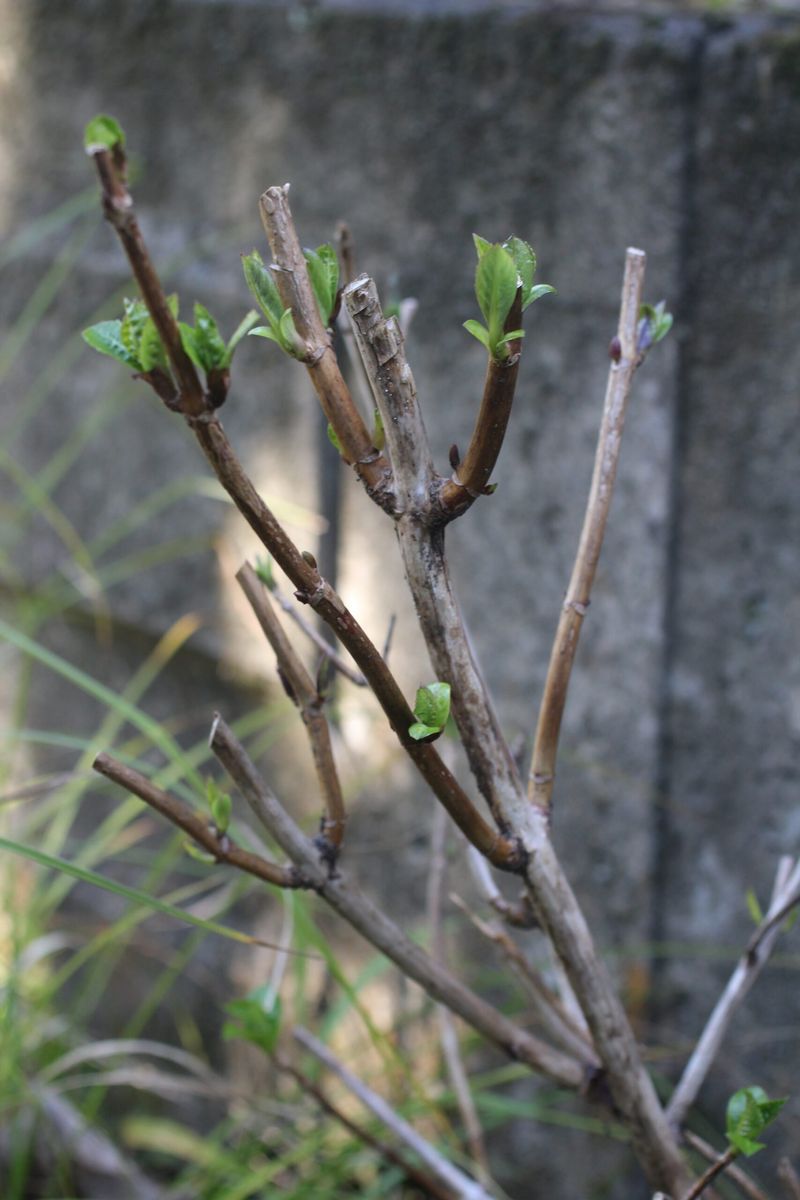
Pruning habits have a real impact on how well smooth hydrangeas hold up through the season. Because Hydrangea arborescens blooms on new wood, many Ohio gardeners cut every stem down to just a few inches above the soil each spring.
While this approach can work, it encourages the plant to push out a flush of long, fast-growing new stems all at once. Those stems are often softer and less rigid than growth that develops more gradually.
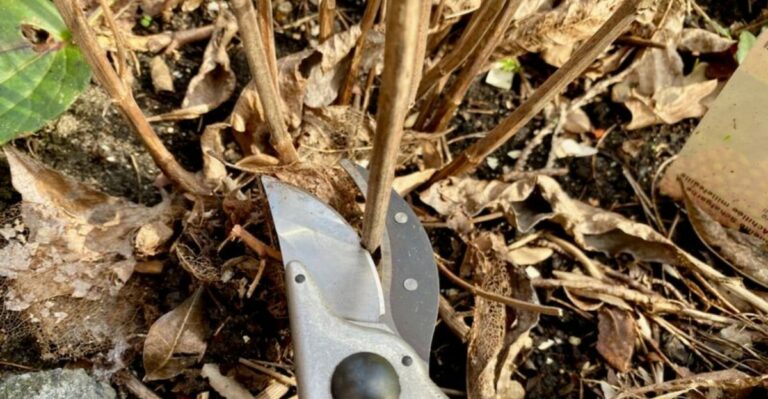
Leaving a framework of older stems, even short ones at six to twelve inches, can help the plant maintain some structural support while new growth develops. The older wood is firmer and can act as a kind of internal scaffold.
Cultivars like Annabelle are especially known for flopping when cut very hard each year. Some extension resources suggest that a lighter pruning approach may reduce the problem for established plants.
That said, pruning needs vary by cultivar. Newer varieties such as Incrediball and Invincibelle Spirit were bred with stronger stems and may handle harder cuts better than older selections.
Check the guidance for your specific plant before deciding on a pruning strategy. Removing clearly damaged, crossed, or very weak stems is always a good idea, but automatically cutting everything to the ground every year is not always necessary.
5. Give Smooth Hydrangeas Enough Light For Stronger Growth
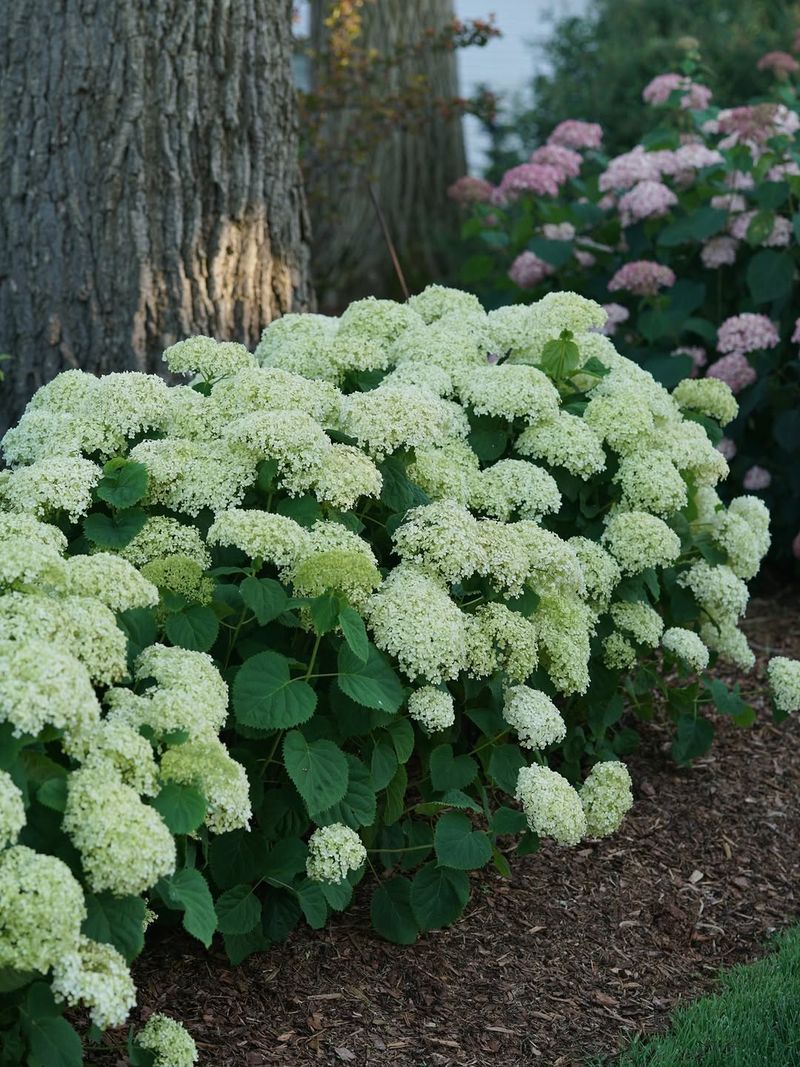
Planting location affects stem strength more than many gardeners realize. Smooth hydrangeas are often recommended for shady spots because they tolerate lower light better than many flowering shrubs.
That tolerance, however, does not mean they thrive in deep shade. Plants growing in heavy shade tend to produce longer, stretchier stems as they reach toward available light.
Those elongated stems are more likely to flop once blooms add weight.
A site with bright indirect light, dappled shade, or morning sun with afternoon shade gives smooth hydrangeas enough energy to build sturdier stems. It does that without the stress of full afternoon sun in the hottest months.
Morning sun is especially helpful because it provides light during the cooler part of the day. It also helps foliage dry out after overnight moisture, which reduces some disease pressure as well.
If your hydrangea is already planted in a deeply shaded spot and flopping is a recurring problem, better support combined with any available light improvement can help.
Trimming lower branches of overhead trees to allow more filtered light through is one option worth considering.
Relocating an established shrub is possible but disruptive, so getting the site right before planting is always the easier path. Light quality is a quiet but meaningful factor in how upright your plant stays all season.
6. Skip Extra Fertilizer That Pushes Soft Stems
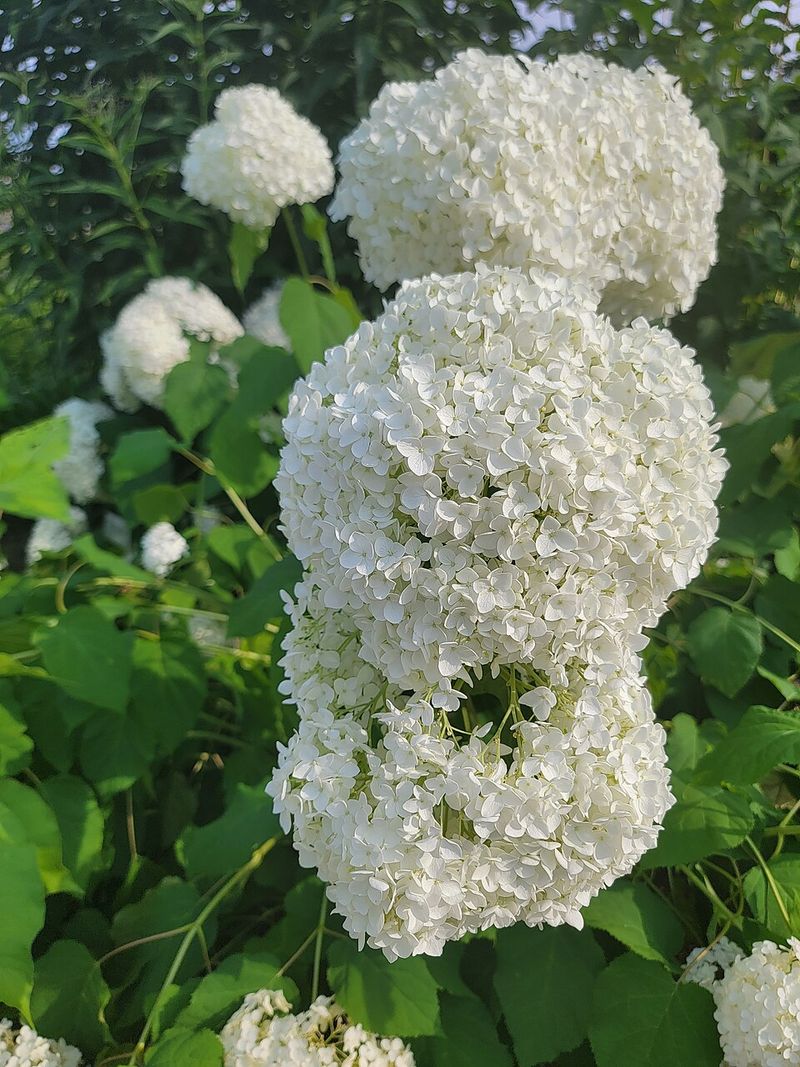
Rich feeding sounds like a way to help plants, but with smooth hydrangeas, too much fertilizer can actually make flopping worse. High-nitrogen fertilizers push rapid, lush vegetative growth.
The stems that result from that kind of feeding can be longer and softer than stems that develop on a more modest nutrient supply. Soft stems are less capable of holding large flower clusters upright.
Most established smooth hydrangeas growing in average garden soil do not need heavy fertilization. If your soil is reasonably fertile and you are adding compost or organic mulch regularly, that may be all the plant needs.
A soil test is the most reliable way to know whether your garden actually needs additional nutrients. Many cooperative extension offices in this state offer affordable soil testing, and the results take the guesswork out of fertilizer decisions.
If you do fertilize, a balanced, slow-release product applied once in early spring is generally sufficient for most home landscapes. Avoid repeated applications through the growing season, and skip high-nitrogen lawn fertilizers near your hydrangea beds.
The goal is steady, moderate growth, not the fastest possible flush of new stems. Plants that grow at a reasonable pace tend to produce firmer, more self-supporting stems than those pushed hard with excess nutrients.
7. Leave Older Stems To Help Hold The Plant Upright
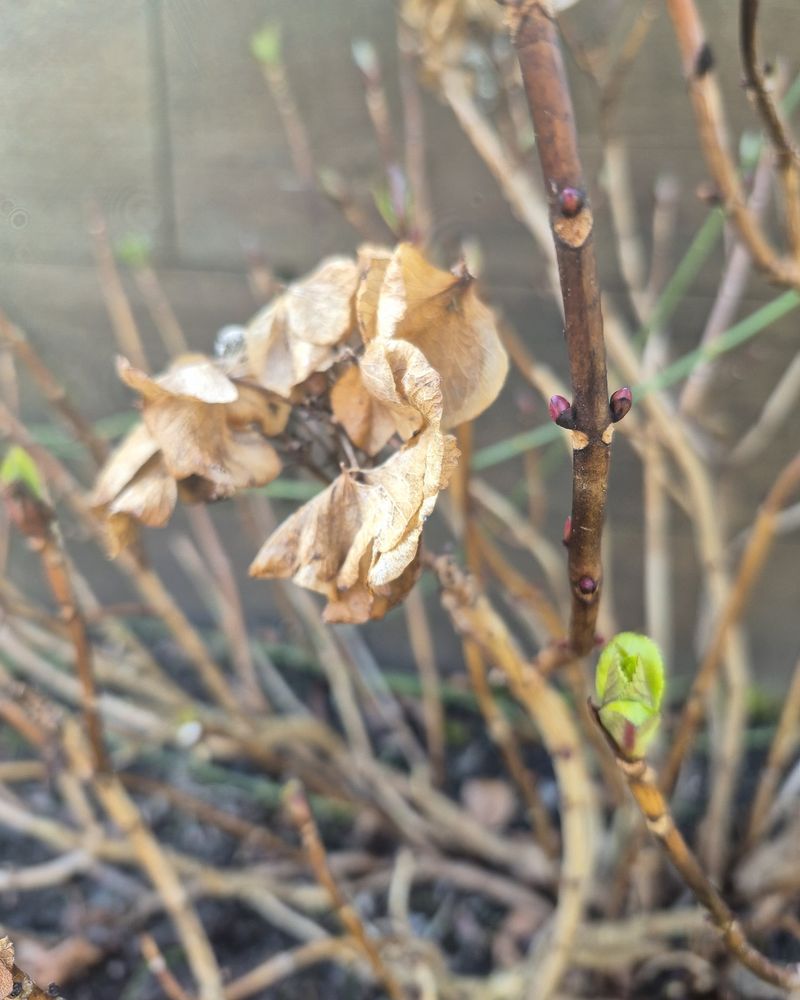
One of the quieter strategies for reducing flop is also one of the most overlooked: leaving some older stems in place rather than removing everything each year.
When a smooth hydrangea is cut entirely to the ground, every stem that grows that season is brand new, soft, and starting from zero.
The plant has no internal framework to lean on, so the whole shrub depends entirely on those new stems to stay upright once bloom weight arrives.
Older stems, even ones that are no longer producing flowers, add rigidity to the plant’s structure. They act as a kind of internal support that newer growth can lean against as it develops.
This is not about leaving withered or damaged wood in place. Crossing stems, clearly broken branches, and very weak growth should still be removed.
The idea is to be selective rather than automatic about what gets cut.
Gardeners who shift from cutting everything low each spring to leaving a modest framework of older stems often notice less flopping. They may not need to change anything else.
This approach works especially well for older, well-established plants that have built up a base of woody growth over several years. Combined with early support placement, it gives the shrub the best structural foundation possible heading into bloom season.
8. Place Supports Early So The Plant Hides Them Naturally
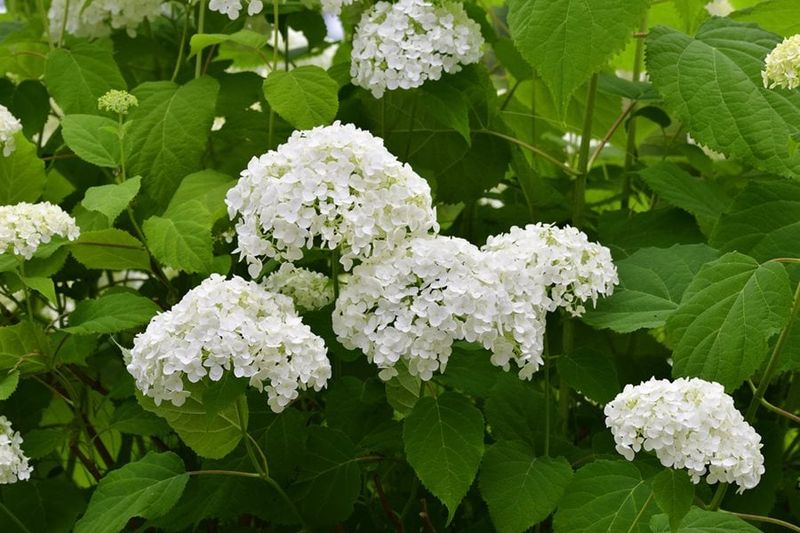
Timing is everything when it comes to how good a supported hydrangea looks at the end of the season. A grow through ring or plant support should be placed over the crown in early spring, before stems are more than a few inches tall.
It will be almost completely hidden once the shrub reaches full size. The foliage fills in around and over the support, and by midsummer you simply see an upright, full shrub with no hardware in sight.
Place the same support in late June after the stems are already two feet tall, and the result is very different. You end up with visible stakes, visible ties, and a shrub that looks like it needed rescuing rather than one that was well managed from the start.
Late support can still help prevent further damage, but it rarely looks as clean or natural as early support does.
The practical takeaway is straightforward. Get your grow through support out of the garage or off the shelf before you see the first few inches of new growth in spring.
Set it in place, adjust the height if needed, and let the plant do the rest. Smooth hydrangeas are rewarding, resilient shrubs that fill out beautifully when given a little early help.
That one act, done at the right time, is the fix that keeps the whole season looking the way you hoped it would.