Can A California Neighbor’s Overgrown Yard Get Them Fined For Fire Risk?
An overgrown yard can go from neighborhood eyesore to serious conversation topic very quickly in California. Dry grass, crowded vegetation, and neglected corners tend to attract more attention once wildfire concerns enter the picture.
That is when the awkward questions begin. Can a neighbor simply ignore the condition of their property?
Does someone need to file a complaint? And at what point does an untidy yard become something local officials actually care about?
The answer may depend on more than how messy the property looks. Location, local rules, seasonal conditions, and the type of vegetation involved can all shape how a situation gets handled.
Things can get especially tense when one yard sits close to fences, homes, sheds, or other structures. Nobody wants to start a feud over weeds, but nobody wants to shrug off a potential fire concern either.
If the property next door keeps getting wilder while the weather gets drier, that neglected landscaping may eventually become more than just something everyone complains about over the fence.
1. Dry Weeds Can Trigger A Fire-Safety Complaint
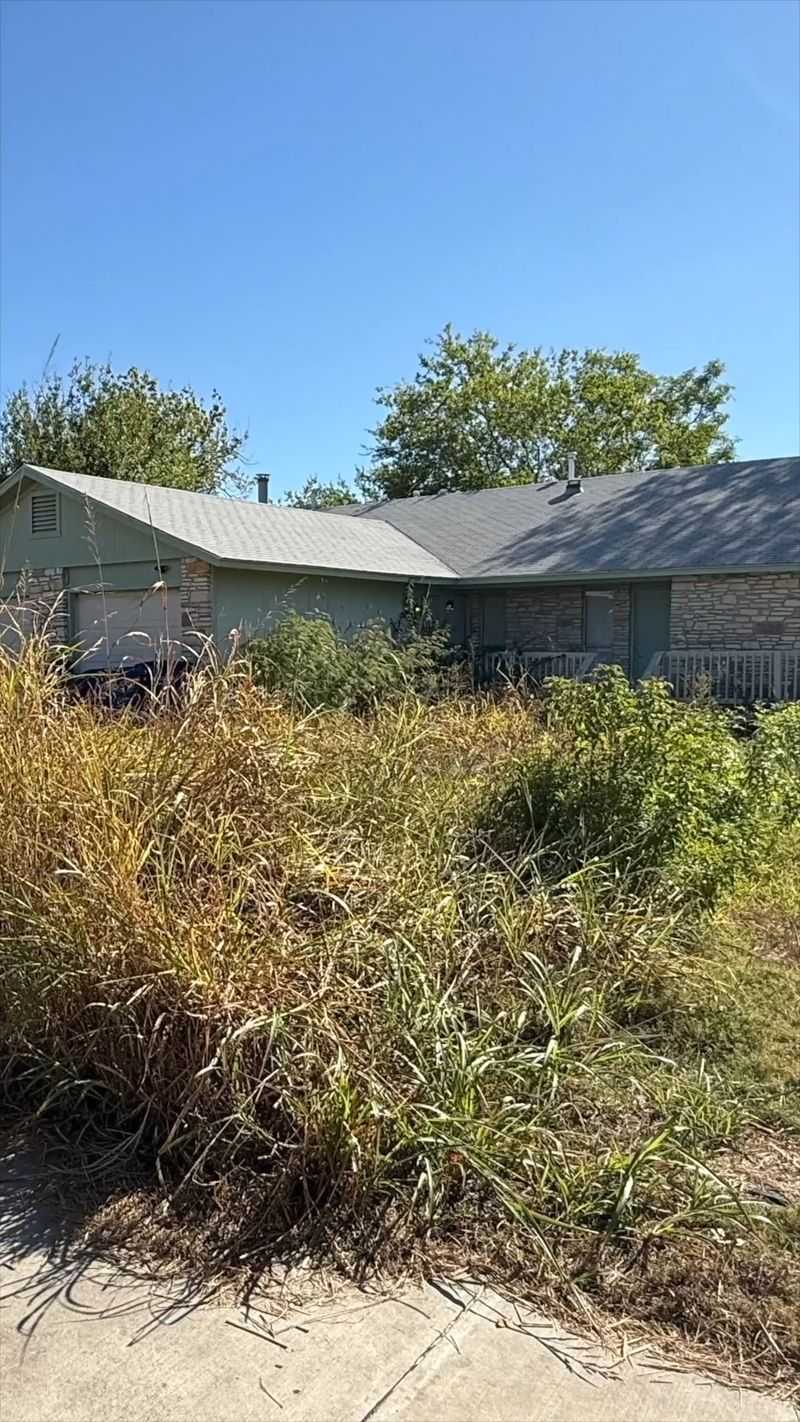
Many California homeowners do not realize that a yard full of dry, brown weeds can actually lead to a formal complaint with local authorities. When vegetation dries out in the summer heat, it becomes highly flammable.
A single spark from a passing car, a discarded cigarette, or nearby fireworks can set it off instantly.
Neighbors who are worried about fire risk have the right to contact their local fire department or code enforcement office. These agencies take vegetation complaints seriously, especially during fire season.
Many cities and counties have dedicated hotlines or online portals where residents can report hazardous conditions nearby.
Once a complaint is filed, officials typically open a case and schedule an inspection. The property owner is usually notified, giving them a chance to address the issue before any fines are issued.
Most agencies prefer cooperation over punishment, but they will act if the hazard is not cleared.
Dry weeds are not just a neighborhood annoyance. They are a documented fire risk that local governments are legally required to address.
If you notice a neighbor’s yard becoming dangerously overgrown and dry, filing a complaint is not being nosy – it is being responsible.
Acting early can prevent a small yard problem from turning into a neighborhood emergency during peak fire season.
2. Withered Brush Is More Serious Than A Messy Yard
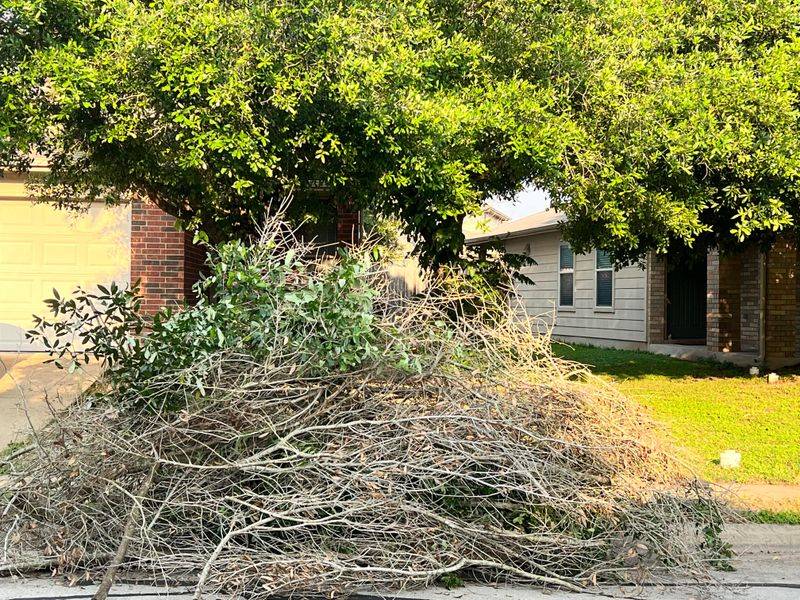
There is a big difference between a California yard that looks untidy and one that poses a genuine fire danger. Withered brush, withered shrubs, and piles of dried plant material are far more hazardous than just long grass.
These materials ignite quickly and burn at high temperatures, making them a top concern for fire officials.
When brush dries out completely, it loses all moisture. That makes it almost as flammable as paper.
In areas with low humidity and strong winds, a small flame can travel through dried brush at surprising speed.
Fire professionals often refer to this type of material as fine fuel, and it is one of the leading contributors to fast-spreading fires in residential areas.
Your California Garden Changes Every Week. Your Plan Should Too.
Gardening in California changes quickly throughout the season. Every Friday you’ll receive a simple weekly plan showing exactly what to plant, prune, fertilize, harvest, and protect so you never miss the right timing.
Many homeowners underestimate how dangerous accumulated withered plant material can be.
A pile of dried clippings left in a corner of the yard, or a row of withered shrubs along a fence line, can act like a trail of fuel leading straight to a home. Code enforcement officers are trained to spot these risks during inspections.
Keeping brush cleared is not just about following the rules. It is about understanding how quickly a small hazard can grow into something much larger.
Regular yard maintenance, especially in late spring before summer heat peaks, can make a real difference in reducing fire risk for everyone on the block.
3. Local Fire Codes Decide What Counts As A Hazard
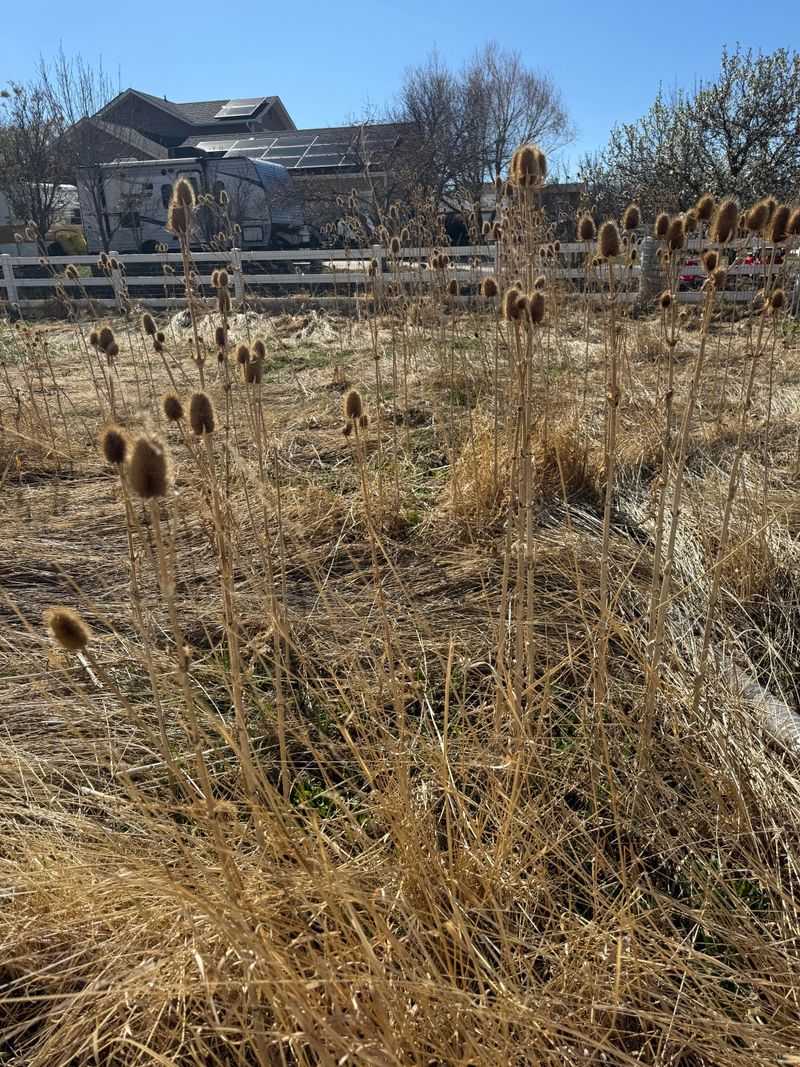
Not every messy yard crosses the legal line into fire hazard territory. What counts as a hazard is defined by local fire codes, and those codes can vary quite a bit depending on where you live.
Some cities have very specific rules about weed height, brush clearance distances, and the types of plants that must be removed.
Local fire codes are typically based on state guidelines but are often made stricter by individual municipalities.
For example, one city might require that all weeds be cut to no taller than four inches during fire season, while another might set the limit at six inches. Understanding the specific rules in your area is the first step toward staying compliant.
California Fire codes also define what types of vegetation are considered hazardous. Dried annual weeds, withered ornamental grasses, and accumulated leaf litter are commonly listed as fire risks.
Some codes also address the proximity of vegetation to structures, fences, and property lines.
Homeowners can usually find their local fire code online through their city or county website. Fire departments often publish plain-language guides that explain what is required in simple terms.
If you are unsure whether a neighbor’s yard meets local standards, contacting your local fire prevention bureau is a good starting point. They can clarify what the rules are and what steps can be taken if a violation exists.
4. Some Areas Require Vegetation To Be Cut Back Every Year
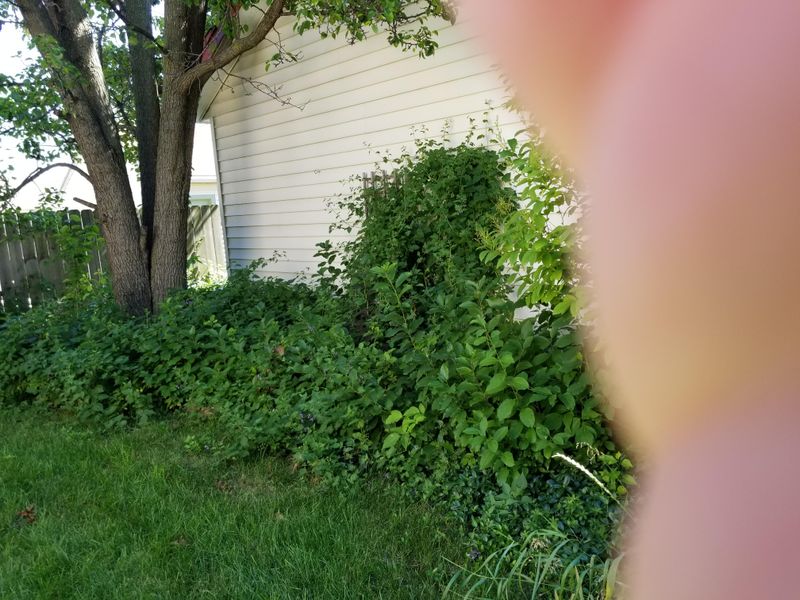
Annual vegetation clearance is a legal requirement in many communities across the state, not just a good idea.
As fire seasons grow longer and more intense, local governments have responded by making yearly yard maintenance mandatory for many property owners.
Missing this requirement can result in warnings, fines, or forced abatement at the owner’s expense.
In most areas, the clearance season runs from late spring through early fall, roughly from May through October.
During this window, homeowners are expected to keep weeds trimmed, brush cleared, and withered plant material removed.
Some jurisdictions send out reminder notices at the start of each season, while others simply enforce the rules without advance warning.
Annual clearance requirements are not just about cutting weeds. They often include removing withered trees or large shrubs that could act as fire ladders, which are plants that allow flames to climb from ground level up into taller trees or structures.
These details matter a lot in neighborhoods close to open land or hillsides. Staying on top of yearly clearance is one of the most effective things a homeowner can do to reduce fire risk.
Setting a reminder in late April to walk the property and assess what needs to be cleared is a simple habit that can prevent a costly fine.
Many local fire departments also offer free inspections to help homeowners understand exactly what is required before the season begins.
5. Properties Near Wildland Areas Face Stricter Rules
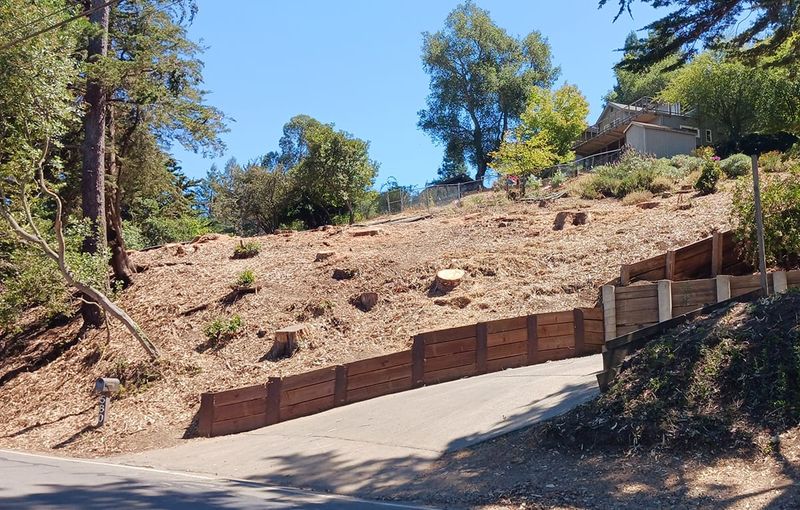
Homes that sit along the boundary between neighborhoods and natural open land are in what is called the Wildland-Urban Interface, or WUI. Properties in these zones face some of the strictest fire-safety regulations in the country.
The risk in these areas is significantly higher because fires can move from wild vegetation directly into residential neighborhoods with very little warning.
State law requires homeowners in WUI zones to maintain a defensible space around their structures. This typically means clearing vegetation within 100 feet of the home, or to the property line if the lot is smaller.
The goal is to create a buffer zone that slows or stops the spread of fire before it reaches the structure itself.
Within that 100-foot zone, there are two distinct clearance areas. The first 30 feet around the home must be nearly free of flammable vegetation.
From 30 to 100 feet, plants must be spaced and trimmed to reduce the chance of fire spreading from one plant to the next.
Inspections in WUI zones tend to happen more frequently and with stricter enforcement than in other neighborhoods. Fire officials in these areas are not just checking for code compliance – they are working to prevent catastrophic losses.
Neighbors living in or near these zones should be especially aware of what is happening on surrounding properties, since one neglected yard can put an entire community at risk.
6. Fire Officials May Inspect Before Issuing A Fine
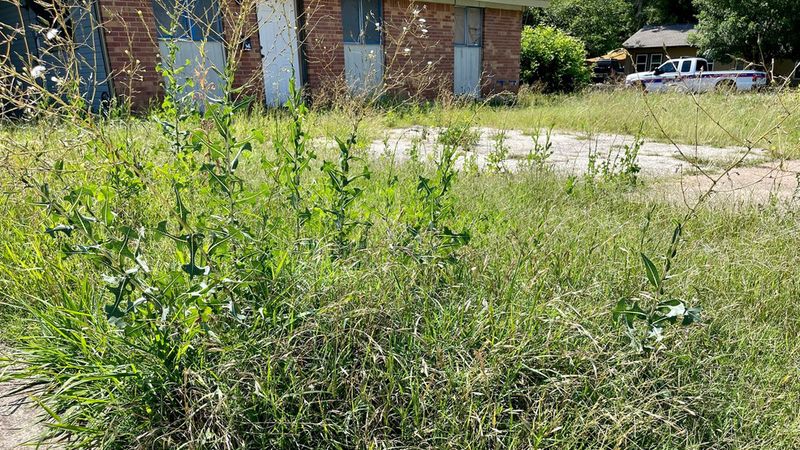
Before any fine lands in a homeowner’s mailbox, fire officials almost always conduct an in-person inspection of the property.
This step is a standard part of the enforcement process and gives officials a chance to assess the actual level of risk present on the property.
Inspections are typically triggered by a complaint from a neighbor, a routine sweep of a high-risk area, or a referral from another agency.
During the inspection, the officer looks at the type and amount of vegetation, how dry it is, how close it sits to structures, and whether it meets local clearance requirements.
They may also check for other hazards like stored combustible materials, wood piles near the house, or blocked access routes that could slow emergency response.
If violations are found, the inspector documents them and prepares a notice of violation. This notice is sent to the property owner and outlines exactly what needs to be corrected and by when.
The timeline given is usually reasonable, often ranging from 10 to 30 days depending on the severity of the issue.
Inspections are not meant to be punitive. Most fire officials would rather see a homeowner fix the problem than collect a fine.
Being cooperative during an inspection and asking questions about what is required can go a long way toward resolving the issue quickly and without financial penalty.
7. Homeowners Usually Get A Chance To Clean It Up First
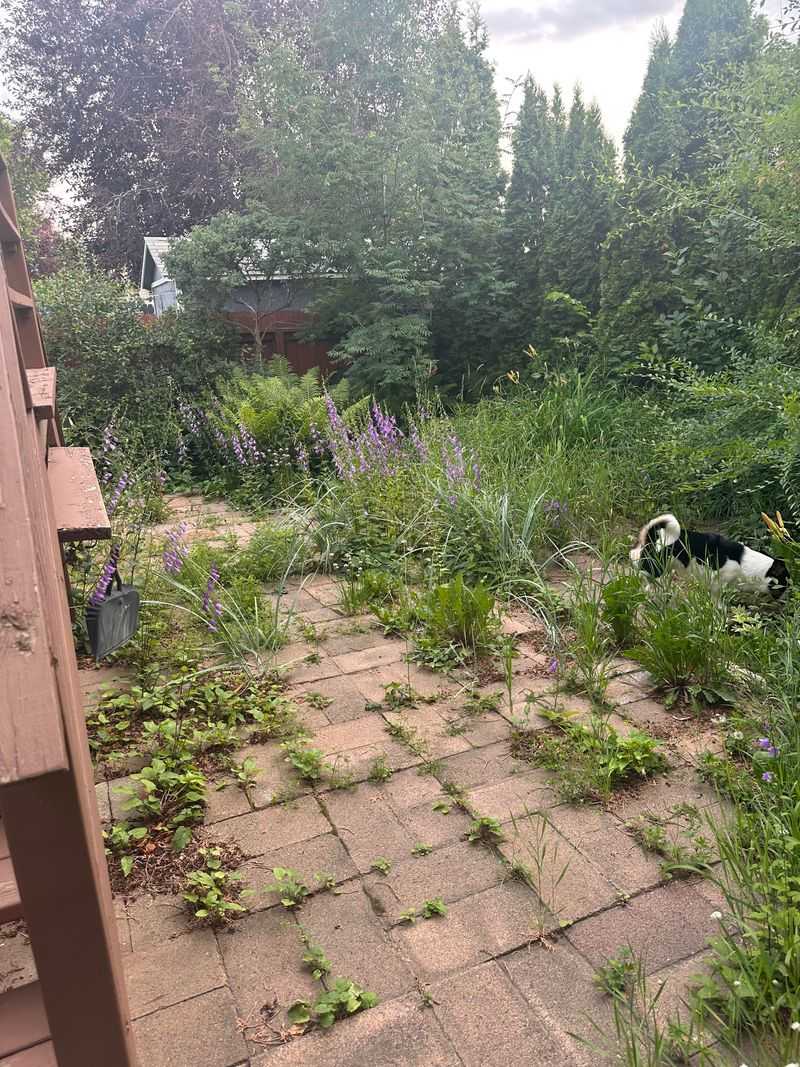
Getting a fire-hazard notice in the mail can feel alarming, but most homeowners are surprised to find out they usually have time to fix the problem before any fine is issued.
Local agencies almost always follow a notice-and-cure process, which means the property owner is formally told about the violation and given a specific due date to correct it.
This approach gives homeowners a fair opportunity to address the issue on their own terms.
Whether it means renting a weed trimmer, hiring a landscaping crew, or spending a weekend doing yard work, the window to comply is meant to be realistic.
Agencies understand that not everyone checks their yard regularly or knows every rule in the local fire code.
During the correction period, some agencies will offer a follow-up inspection to confirm the work has been done. Others simply trust the homeowner to complete the cleanup and re-inspect only if a new complaint is filed.
Either way, communication with the agency is key. If you need more time due to a health issue or financial hardship, contacting the office and explaining your situation can sometimes result in an extension.
Most homeowners who receive a first notice and act promptly never face a fine at all.
The system is designed to encourage compliance, not to punish people for a single lapse in yard maintenance. Taking the notice seriously and acting quickly is always the smartest response.
8. Ignoring A Warning Can Lead To Bigger Penalties
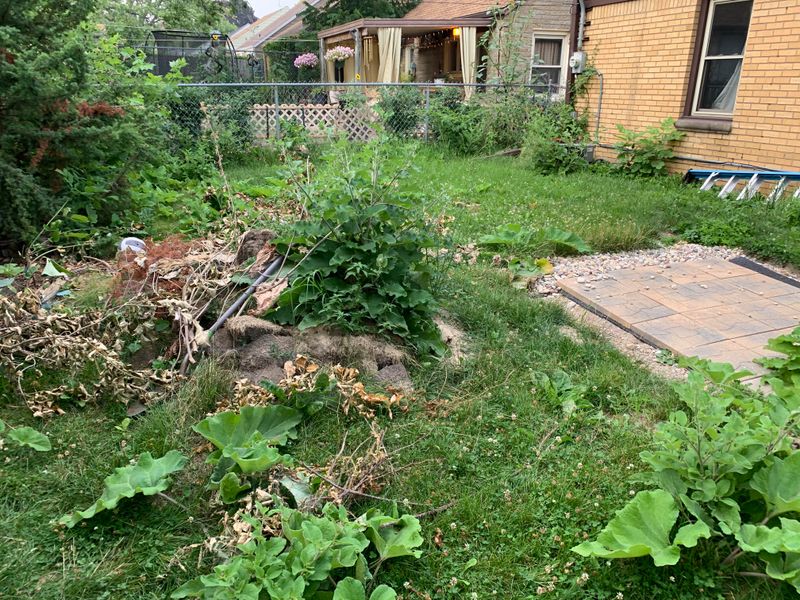
When a property owner receives a fire-hazard notice and does nothing, the consequences escalate quickly. Local agencies do not simply close the case if the due date passes without action.
Instead, they move on to the next phase of enforcement, which typically involves steeper fines and, in some cases, forced abatement.
Forced abatement means the local government sends a crew to clean up the property and then bills the homeowner for the cost. This is almost always more expensive than simply hiring someone to do the work privately.
Abatement fees can run into hundreds or even thousands of dollars, and in some jurisdictions, unpaid fees become a lien on the property.
Repeat violations can also result in escalating fines that increase with each inspection cycle.
Some municipalities charge a flat fee for a first offense, then double or triple the amount for subsequent violations within the same season or year.
A homeowner who ignores multiple warnings could face fines that total well over a thousand dollars in a single season.
Beyond the financial cost, ignoring a fire-hazard warning puts the entire neighborhood at risk. If a fire starts on a neglected property and spreads to neighboring homes, the original property owner could face civil liability for damages.
Taking a warning seriously from the start is not just about avoiding fines – it is about being a responsible member of the community and keeping everyone around you safer.