The Underrated Michigan Native That Helps Keep Earworms Away From Sweet Corn
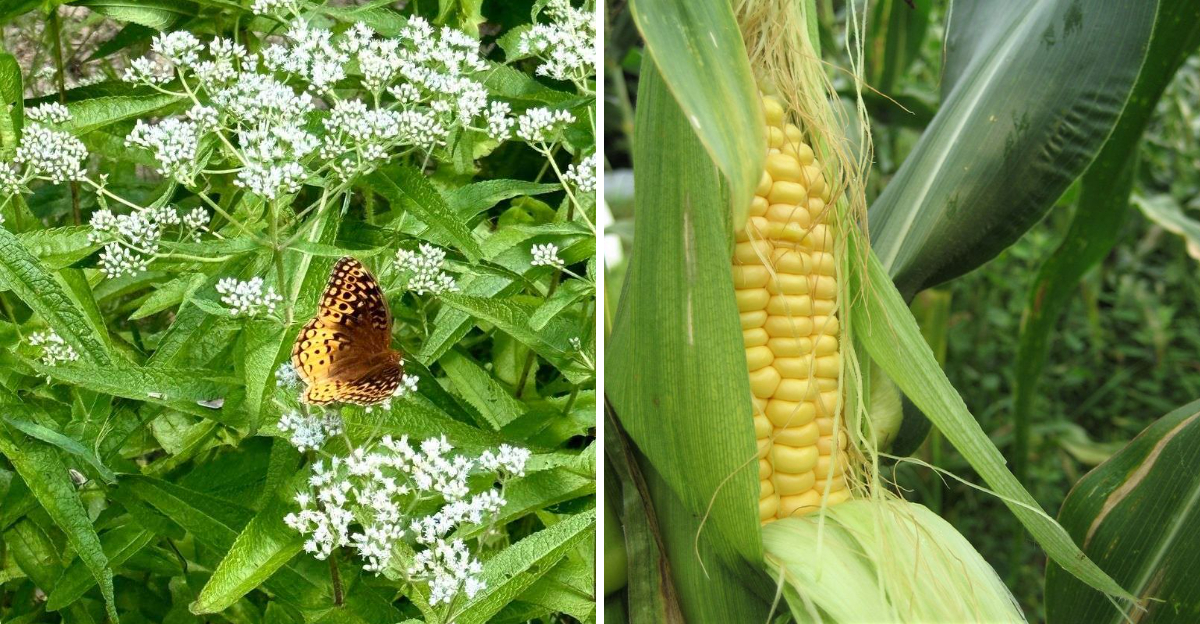
Earworms cause frustration for nearly every Michigan gardener who has ever grown sweet corn, often ruining ears just as they’re finally ready to pick.
Most people reach straight for chemical treatments, assuming there’s no gentler way to keep this persistent pest under control.
But a specific native plant has quietly been doing this job all along, working in a way most gardeners have never considered trying near their corn patch.
Understanding how this plant actually helps changes how you might approach pest control for next year’s crop.
Many gardeners are surprised to learn how effective this natural option turns out to be once they actually give it a try. Once you know what to plant nearby, protecting your sweet corn becomes a lot less of an uphill battle.
This underrated native could be the missing piece your corn patch has needed all along.
1. Meet Common Boneset
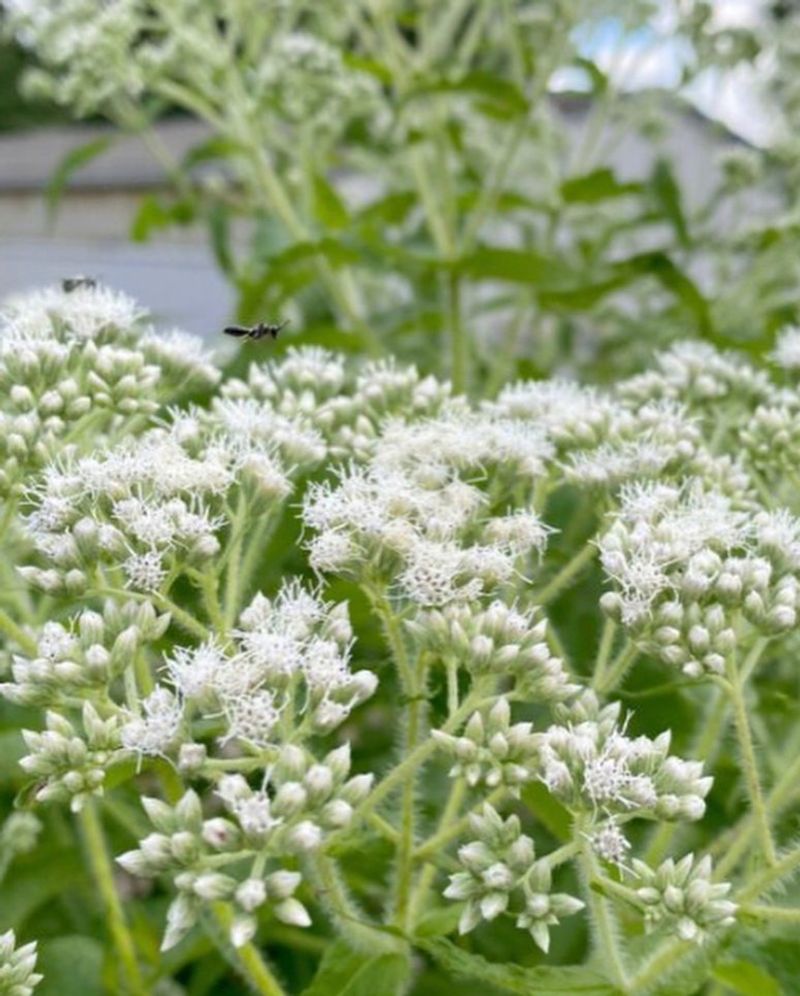
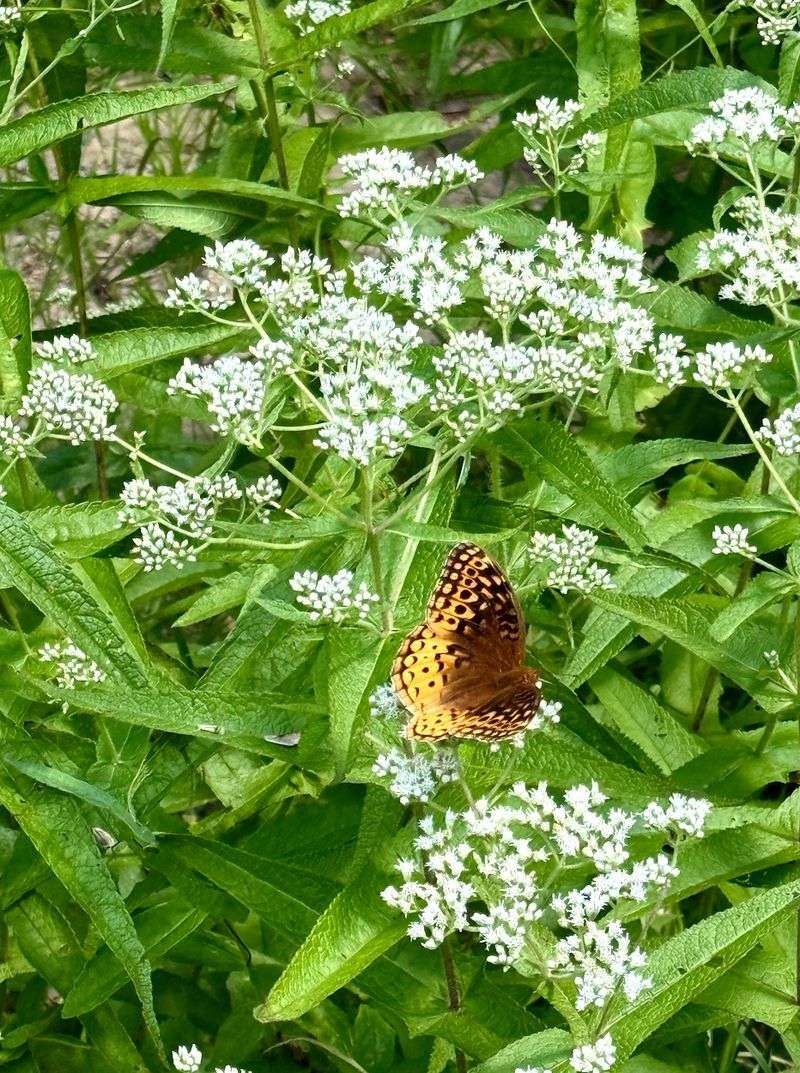
Tucked along wet ditches and prairie edges across Michigan, common boneset is a native wildflower that rarely gets the spotlight. It stands tall with fuzzy stems and paired leaves that wrap around the stalk, topped by flat clusters of small white flowers.
Most gardeners walk right past it, never guessing how useful it can be. That is a shame, because boneset acts like a welcome sign for helpful insects that hunt garden pests.
Its late-season blooms are packed with nectar and pollen, giving good bugs a reason to stick around.
People have known this plant for a long time, and settlers once brewed it for teas, which is where part of its old reputation comes from. Today its real value shows up in the garden, where it supports a busy community of tiny predators and pollinators.
Because it is native to the region, boneset already fits Michigan weather and soil. You do not need fancy care or special tricks to keep it happy in the right spot. It handles cold winters and returns each year on its own.
For anyone growing sweet corn, boneset offers a smart way to build natural balance without leaning on sprays. Think of it as a background player that quietly sets the stage.
When you plant it nearby, you are inviting a whole team of insect allies to move in and get to work near your crop.
2. It Draws In Tiny Predators
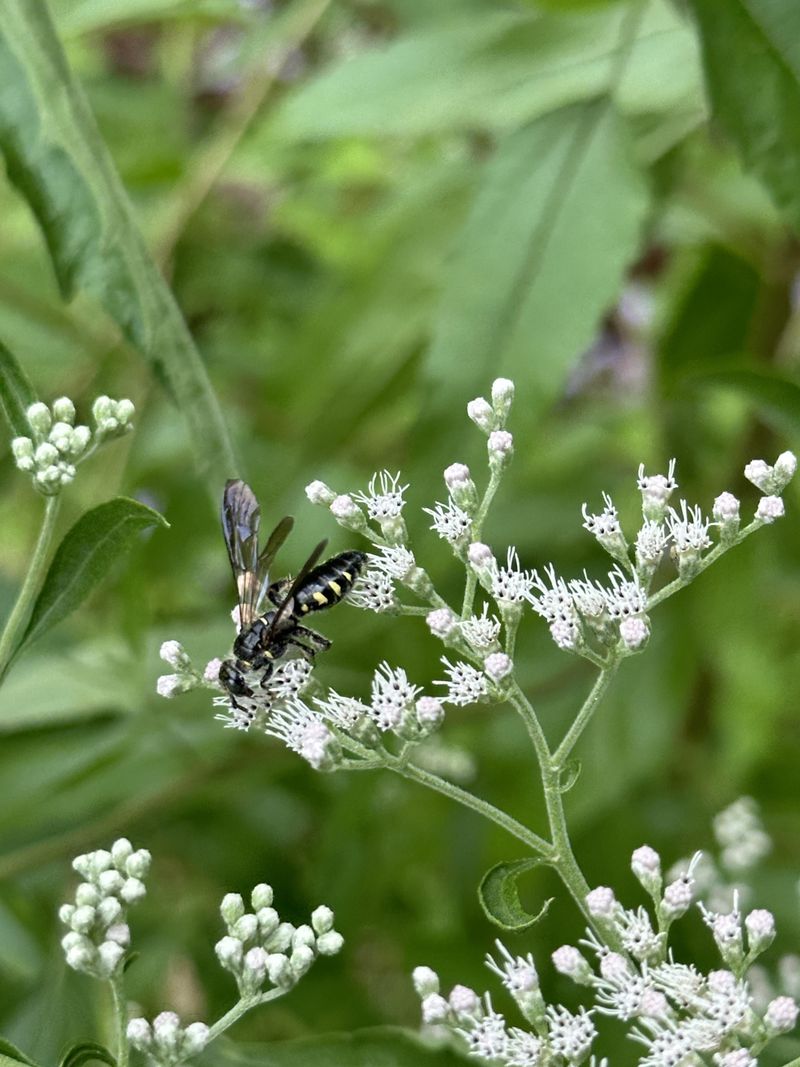
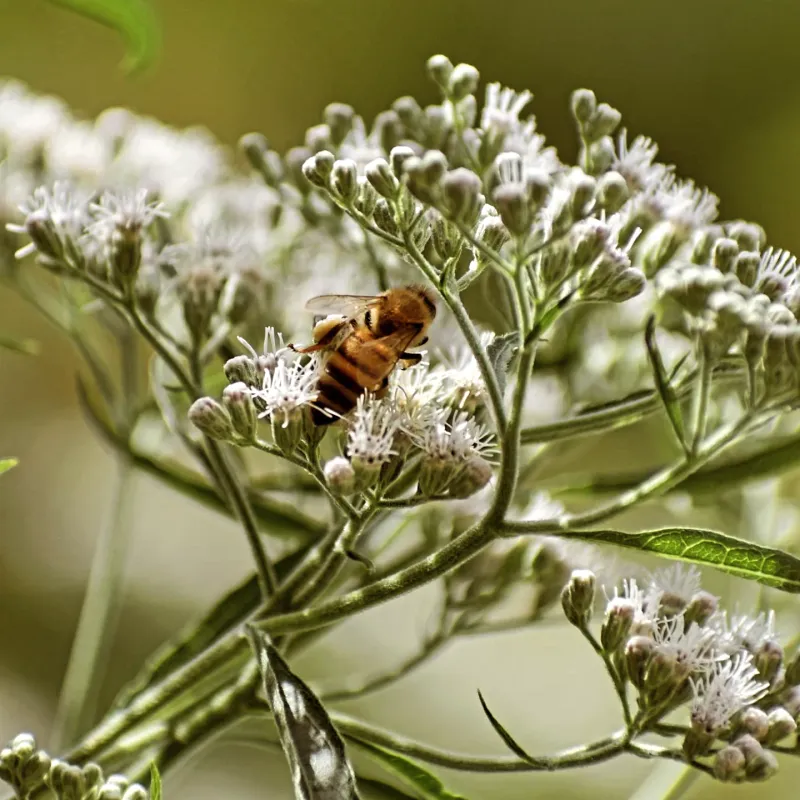
Walk up to a blooming boneset patch on a warm afternoon and you will see it buzzing with life. The flat flower heads make perfect landing pads for all sorts of small insects looking for a meal of nectar and pollen.
Among the visitors are natural enemies of garden pests, and one of the most valuable is the minute pirate bug. These little hunters need more than just prey to thrive.
They also feed on pollen, which keeps them healthy and around your garden even when pests are scarce.
Boneset delivers exactly that steady food supply. By offering an easy source of pollen, it convinces these helpful bugs to settle in and build their numbers close to your crops. A garden with plenty of blooming natives tends to hold a bigger crew of these allies.
Your Michigan Garden Changes Every Week. Your Plan Should Too.
Gardening in Michigan changes quickly throughout the season. Every Friday you’ll receive a simple weekly plan showing exactly what to plant, prune, fertilize, harvest, and protect so you never miss the right timing.
Other useful insects show up too, like lacewings, tiny wasps, and hoverflies whose young feast on soft pests. Each one adds another layer of protection around your vegetables.
The trick is giving them a reason to stay put instead of drifting off to a neighbor’s yard. Nectar-rich flowers like boneset are that reason, acting almost like a snack bar that keeps the good bugs loyal to your space.
When these predators are well fed and comfortable, they patrol nearby plants and scout for trouble. That patrol includes your sweet corn, where their appetite for pest eggs becomes a real advantage for you.
3. Minute Pirate Bugs Hunt Earworm Eggs
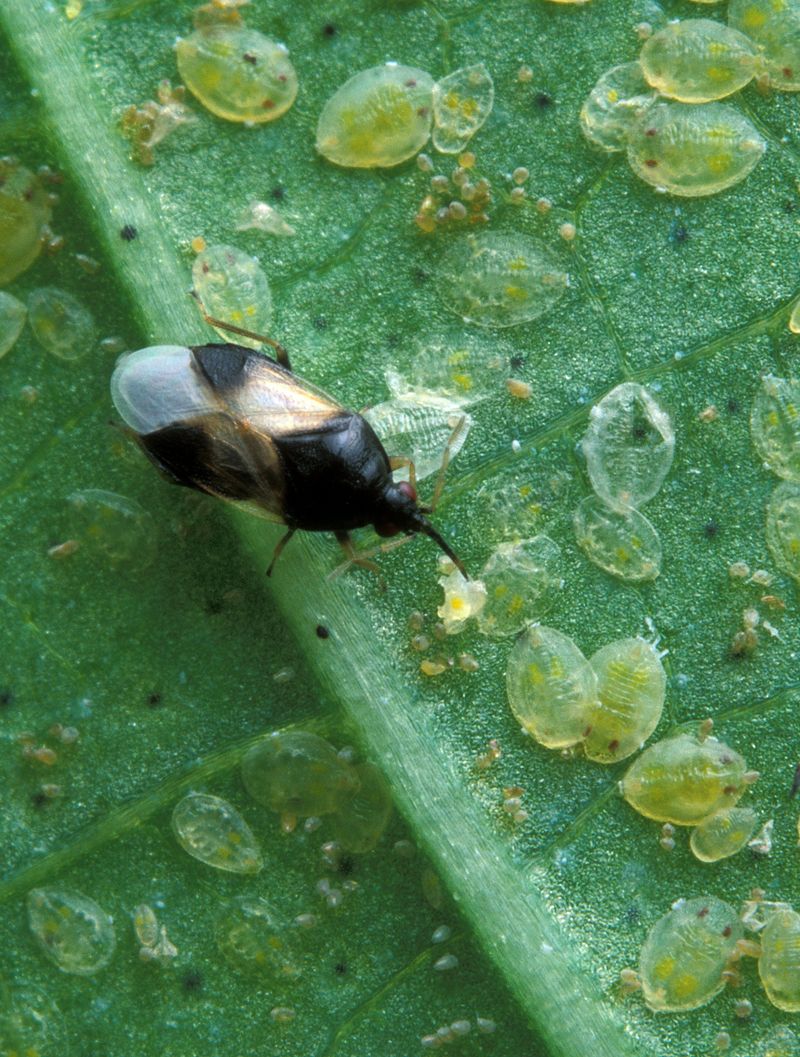
Don’t let the small size fool you, because minute pirate bugs are fierce hunters. These speckled black and white insects are only a few millimeters long, yet they go after pests far bigger than a first glance would suggest.
Their favorite targets include the eggs of the corn earworm. A female earworm moth lays her eggs on corn silk and leaves, and if those eggs hatch, the young caterpillars crawl straight toward the developing ear.
That is where the pirate bug steps in. By feeding on the eggs and the very youngest caterpillars, it stops many pests before they ever reach the sweet kernels inside. Catching trouble early makes a huge difference.
Once a caterpillar burrows into the tip of an ear, it becomes almost impossible to reach. Pirate bugs work best in that short window before the pest hides away, patrolling silk and leaf surfaces where eggs sit exposed.
They are also hungry and active, poking their sharp mouthparts into eggs and soft bodies with impressive speed. A healthy population can put a real dent in local pest numbers.
What makes them even better is their steady presence when you keep flowers like boneset nearby. Well-fed bugs stay in the neighborhood and keep scouting, day after day.
You get free pest patrol from an insect most people never notice. Supporting these tiny helpers is one of the smartest, most natural moves you can make for a cleaner corn harvest.
4. The Timing Works With Sweet Corn
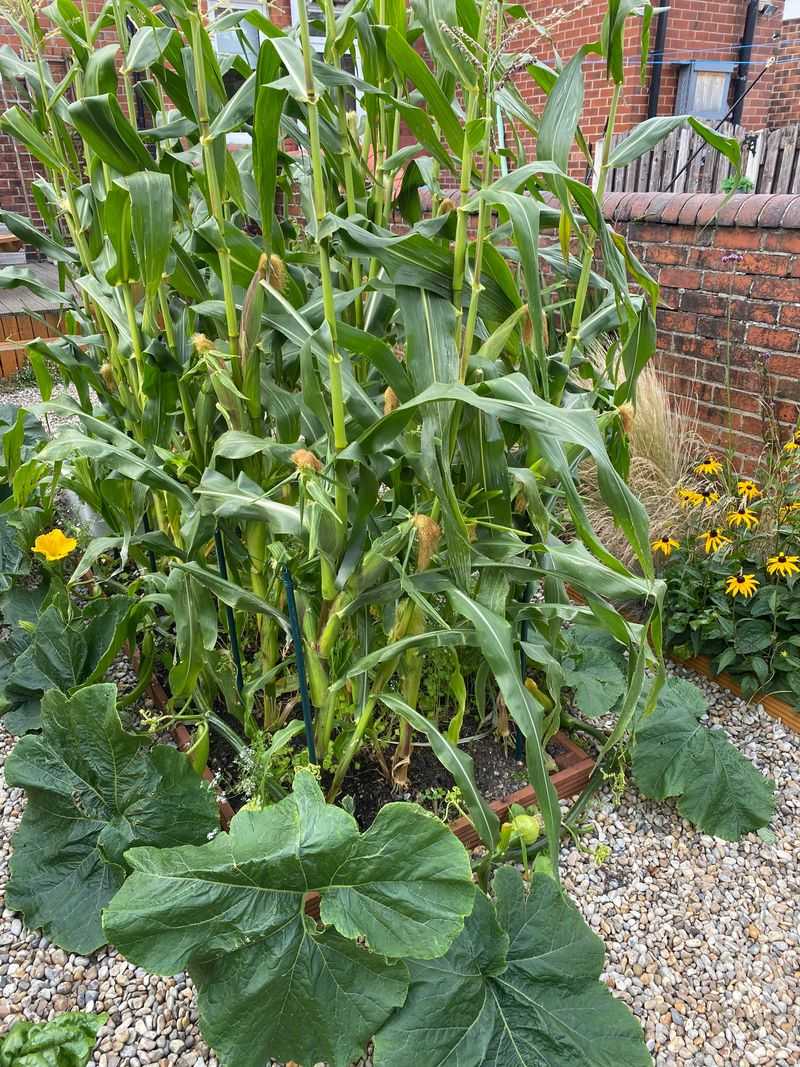
Timing matters more than people realize in the pest battle, and boneset happens to bloom right when you need it most. Its flowers open in late summer, often from mid-July through September across Michigan.
That stretch lines up neatly with the season when corn earworm pressure tends to climb. As moths become more active and lay eggs on maturing corn, having a strong crew of predators already in place pays off big.
Because boneset is flowering during those weeks, it keeps pollen and nectar flowing exactly when helpful bugs need fuel. A steady food source at the right moment helps their numbers stay high instead of fading.
Think of it like stocking the pantry before guests arrive. If the good bugs are hungry and few, they cannot do much. If they are plump and plentiful, they hit the ground running when pests show up.
Sweet corn is especially at risk once silks appear, since that is where moths prefer to lay eggs. Having predators nearby during silking gives your ears a much better shot at staying clean.
The overlap between boneset bloom and peak pest activity is what makes this plant such a quiet hero. Nature lined up the schedule for you.
By working with that natural calendar instead of against it, you turn late summer into a season of teamwork. Your corn matures while a well-fed insect patrol keeps watch over the rows around it.
5. Plant It Near The Corn
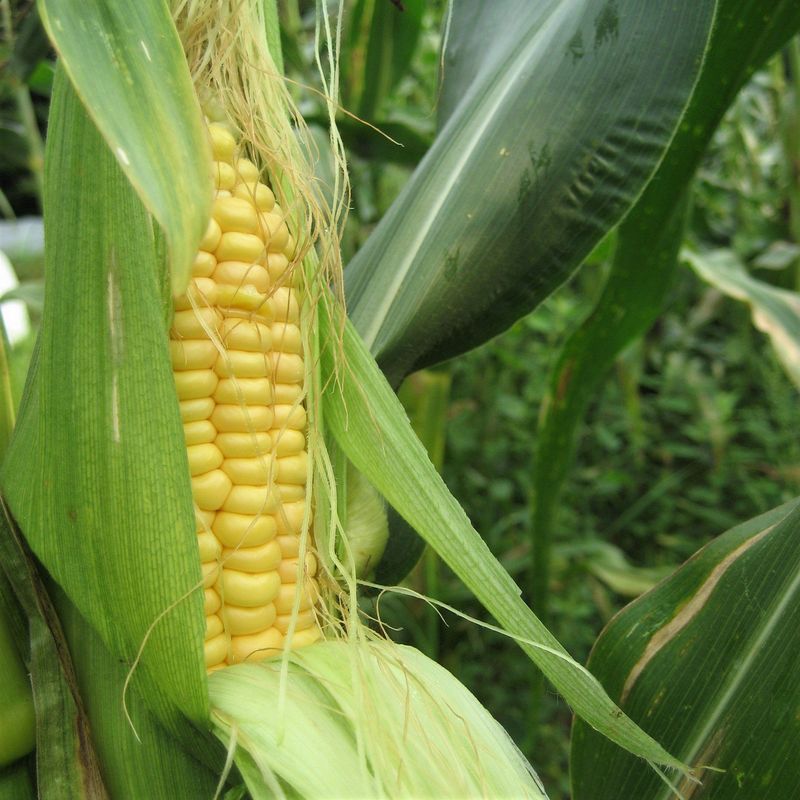
Placement makes all the difference when you add boneset to a vegetable garden. You want it close enough that the helpful bugs can travel to your corn, but not so close that it crowds the rows or steals space.
A garden edge or border works perfectly. Try planting boneset along a fence line, at the end of a bed, or in a strip beside your corn patch where it has room to grow tall.
Boneset can reach four or five feet, so give it a spot where its height will not shade your crops. The back of a bed or a sunny outer edge keeps everything balanced.
Keeping it as a border also makes tending your corn easier. You will not fight through wildflowers to weed, water, or harvest, and the good bugs will still find their way over.
Spacing the plants a foot or two apart lets air move through and helps the blooms stay healthy. Crowded plants get floppy and less productive.
If you have space, mixing boneset with other native flowers along that same edge builds an even stronger habitat strip. Variety invites more kinds of allies.
The goal is a friendly buffer zone that feeds predators while keeping your food crops open and tidy. A well-placed border does both jobs at once.
Once established, this edge planting comes back year after year, quietly working in the background while you focus on growing the tastiest ears possible.
6. Give Boneset Enough Moisture
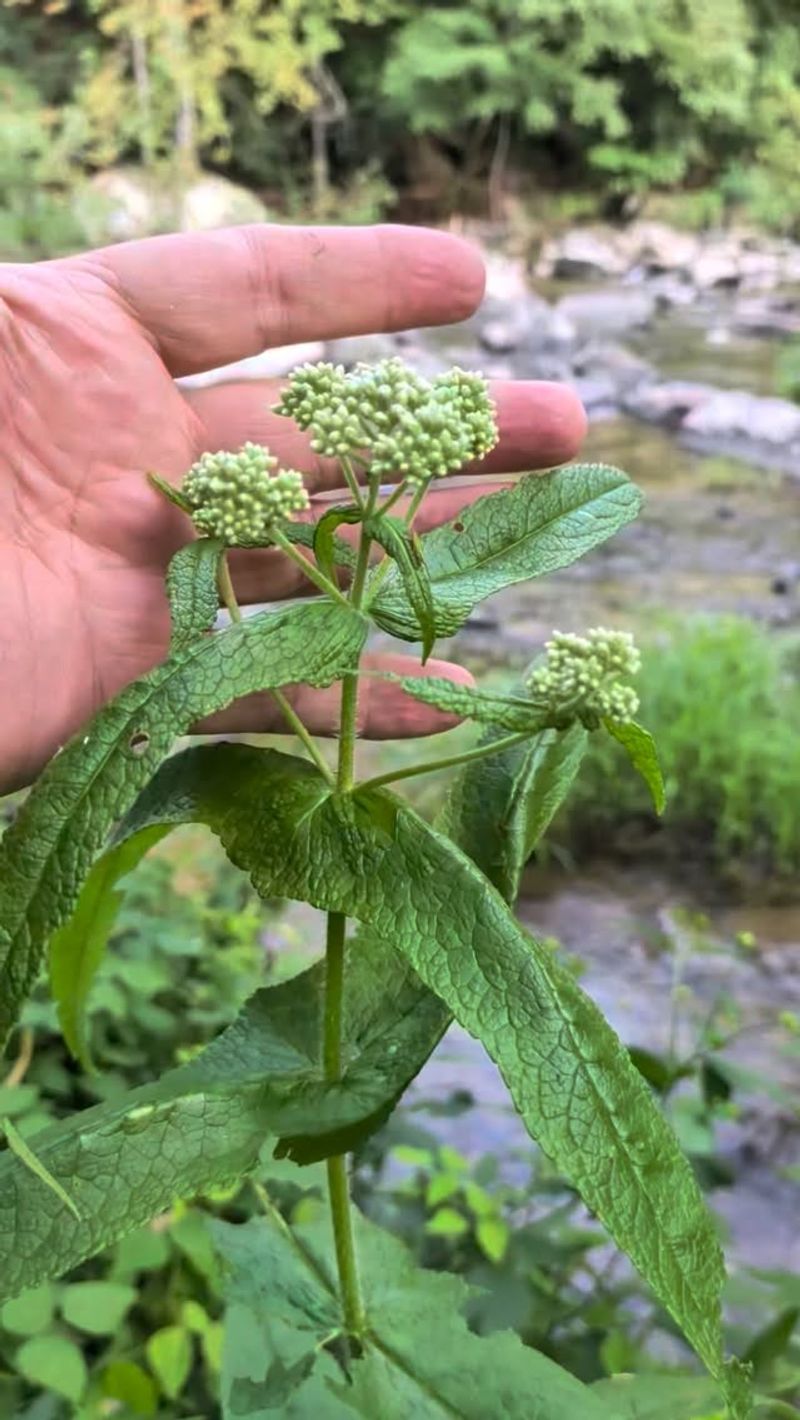
Here is a key detail that trips up new growers: boneset loves damp ground. In the wild it grows near marshes, wet meadows, and stream banks, so dry soil is not its happy place.
To keep it thriving, pick a spot that stays moist or add water during dry spells. Low areas of the garden that hold rain a little longer are often ideal.
Soil rich in organic matter helps too, since it holds moisture and feeds strong growth. Mixing in compost before planting gives the roots a great start.
Mulch around the base can lock in dampness and cut down on watering chores. A few inches of straw or shredded leaves works well and keeps the soil cool.
Full sun to part shade suits boneset fine, as long as the roots stay hydrated. In sunnier spots you may simply need to water a bit more often.
If your yard has a naturally soggy corner where other plants sulk, boneset might be the perfect fix. It turns a tricky wet spot into a useful habitat feature.
Skipping its moisture needs is the fastest way to end up with a sad, wilted plant. Meeting them rewards you with tall, healthy stems full of blooms.
When boneset is comfortable, it produces plenty of flowers, and more flowers mean more food for the bugs guarding your corn. Give it the damp home it craves, and it will pay you back all season long.
7. Avoid Harming The Helpful Bugs
Reaching for a spray can feels like a quick fix, but it can backfire in a big way. Broad insecticides do not pick and choose, so they wipe out helpful bugs right alongside the pests.
That means the very minute pirate bugs and lacewings working for you become casualties of the spray. Once your patrol is gone, pests often bounce back with no one left to check them.
Sometimes pest numbers even surge after heavy spraying because the balance is broken. Without predators around, a small problem can grow into a large one fast.
A smarter path is to spray only when truly necessary and to choose the most targeted, gentle option you can find. Spot-treating a real problem beats blasting the whole garden.
Reading labels helps you avoid products known to harm beneficial insects. Timing sprays for evening and skipping blooming flowers also protects pollinators and predators.
Better yet, lean on prevention. Healthy plants, good habitat, and steady scouting often keep trouble low enough that sprays become rare.
When you protect the good bugs, they protect your corn in return. It is a partnership that only works if you keep your allies safe.
Think of your garden as a small team where every insect has a role. Guarding that team means fewer pests, less work, and a harvest you can feel proud of. Patience and restraint often beat a spray bottle every time.
8. Think Support Not Repellent
Let’s clear up a common mix-up right away. Boneset does not shoo away corn earworm moths, and it will not send them fleeing from your garden with some magic scent.
What it actually does is build a home for the predators that go after pests. There is a big difference between repelling and supporting, and understanding it changes how you use this plant.
A repellent tries to push pests out. Support, on the other hand, invites helpers in and keeps them strong enough to handle the pests that arrive.
Boneset falls firmly in that second group. By feeding minute pirate bugs and other allies, it stacks the odds in your favor over the whole season.
That means you should not expect a pest-free garden overnight. Instead, look for a slow, steady drop in problems as your insect team grows more powerful.
Pairing boneset with other good habits makes the effect even stronger. Rotate crops, scout your silks, and keep plants healthy so pests have fewer openings.
Setting the right expectation keeps you from feeling let down. This plant is a teammate, not a miracle cure, and teamwork takes a little time.
The payoff is a garden that gets tougher and more balanced each year. With native flowers doing quiet work along the edges, your sweet corn gains real backup.
Plant boneset for what it truly offers, a thriving habitat, and you will build a smarter, greener defense that keeps paying off harvest after harvest.