Do This For Georgia Sasanqua Camellias Before October Blooms Begin
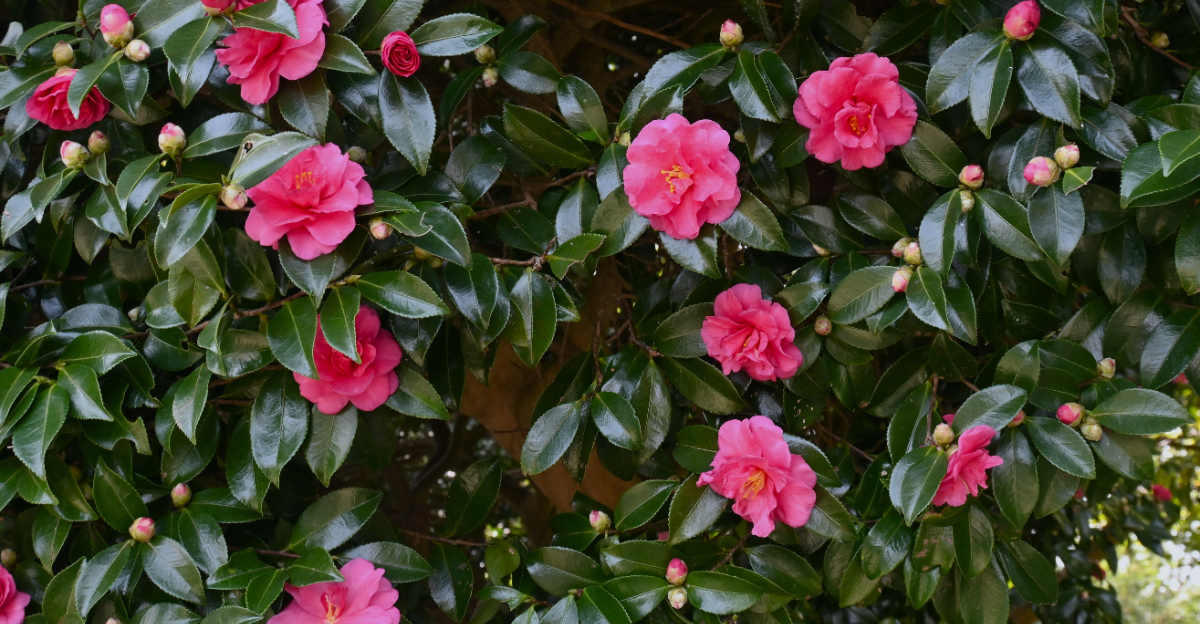
Sasanqua camellias may look quiet in September, but their fall flower show is already taking shape. How you treat them now can matter once those buds begin opening.
Georgia gardeners should pay close attention when dry weather arrives during this important stretch. Plants carrying developing buds can benefit from consistent care rather than sudden changes.
Check the soil instead of assuming established shrubs have enough moisture. Conditions around the roots can be very different from what the surface suggests.
This is also a good time to resist unnecessary work that could interfere with the coming display. Those swelling buds deserve careful treatment as October gets closer.
Watch your shrubs closely and respond to what the weather is actually doing. Simple care now can support the flowers already on their way.
Your October display begins with how you handle these final weeks before bloom time.
1. Flower Buds Need Steady Moisture Before They Open
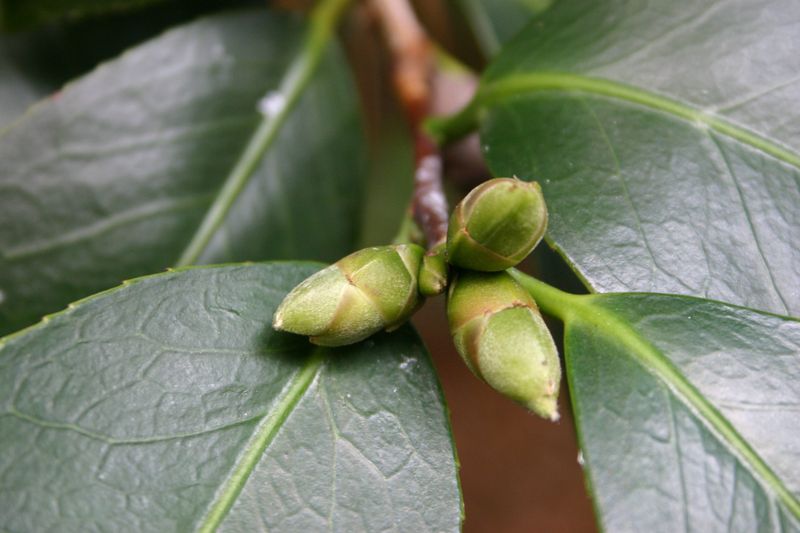
Swelling buds are a signal your camellia is working hard. Right now, those tight little buds are pulling moisture and energy from the plant to develop properly.
Stress during this stage can cause buds to drop before they ever open.
Consistent soil moisture is what buds need most in late summer. Uneven watering, where the soil swings between soaking wet and bone dry, puts real pressure on developing buds.
Even a few days of drought stress can set back weeks of growth.
Check the soil around your camellia every two to three days. Push a finger two inches into the ground near the roots.
If it feels dry at that depth, water right away.
Camellias grown in containers need even more attention. Pots lose moisture faster than garden beds, especially in warm weather.
A container plant can go from moist to dangerously dry within a day or two.
Overhead watering is not ideal during bud development. Wet foliage and flowers can invite fungal issues.
Water at the base of the plant instead, keeping moisture where the roots can actually use it.
Steady care right now pays off in October. Buds that develop under consistent conditions tend to open more fully.
A little attention in late summer protects the bloom show you have been looking forward to all year.
2. Dry September Weather Makes Watering More Important
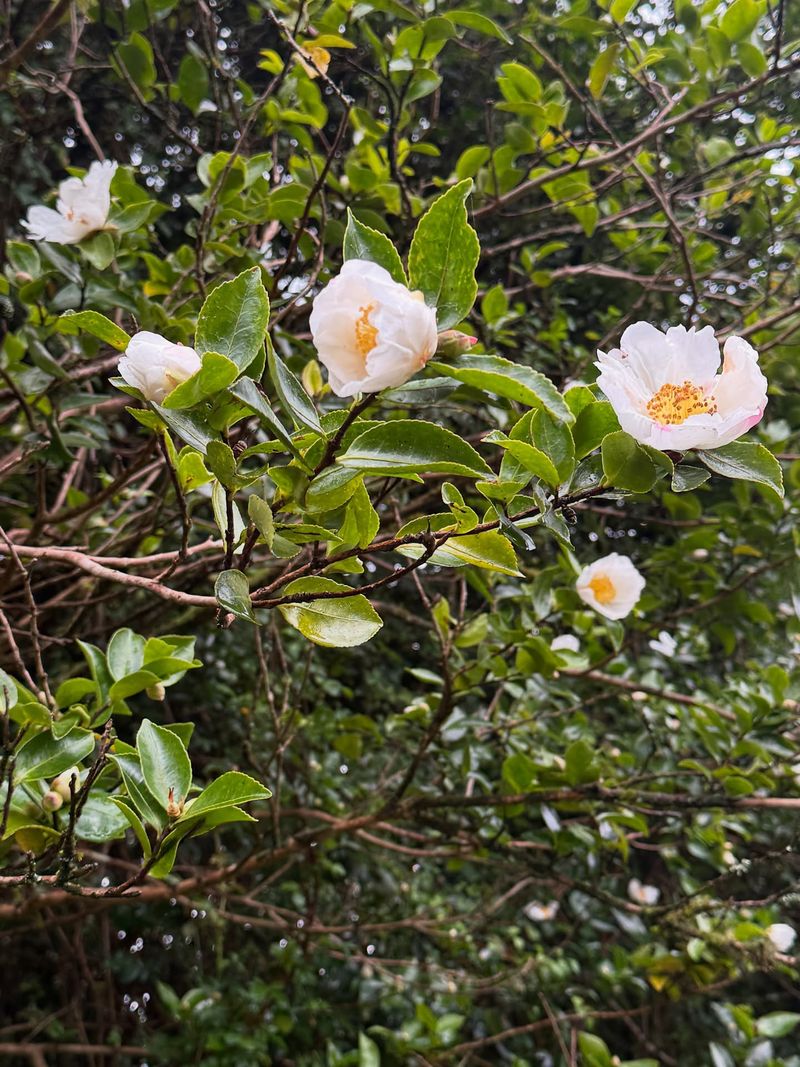
September in the South can be brutal on flowering shrubs. Rainfall becomes unpredictable, temperatures stay warm, and the soil dries out faster than most gardeners expect.
Camellias heading into bloom season need reliable moisture right now.
Skipping watering during a dry stretch is a common mistake. It feels like the plant looks fine on the outside, but bud drop often happens quietly before you notice anything wrong.
By the time buds start falling, the stress has already done its work.
Aim to water deeply at least twice a week during dry spells. A slow, deep soak is far more useful than a quick spray on the surface.
Surface watering barely reaches the root zone and can give a false sense of security.
Your Georgia Garden Changes Every Week. Your Plan Should Too.
Gardening in Georgia changes quickly throughout the season. Every Friday you’ll receive a simple weekly plan showing exactly what to plant, prune, fertilize, harvest, and protect so you never miss the right timing.
Morning watering works best in warm weather. It gives the soil time to absorb moisture before afternoon heat speeds up evaporation.
Evening watering can leave foliage damp overnight, which is not ideal.
A simple rain gauge in the garden helps you track what nature is actually delivering. One inch of rainfall per week is a reasonable general target for established camellias, though sandy soils may need more frequent attention.
Across Georgia, September weather varies by region. Gardeners in drier inland areas may need to water more often than those closer to the coast, so local conditions should guide your schedule.
3. Deep Watering Reaches The Shallow Root System
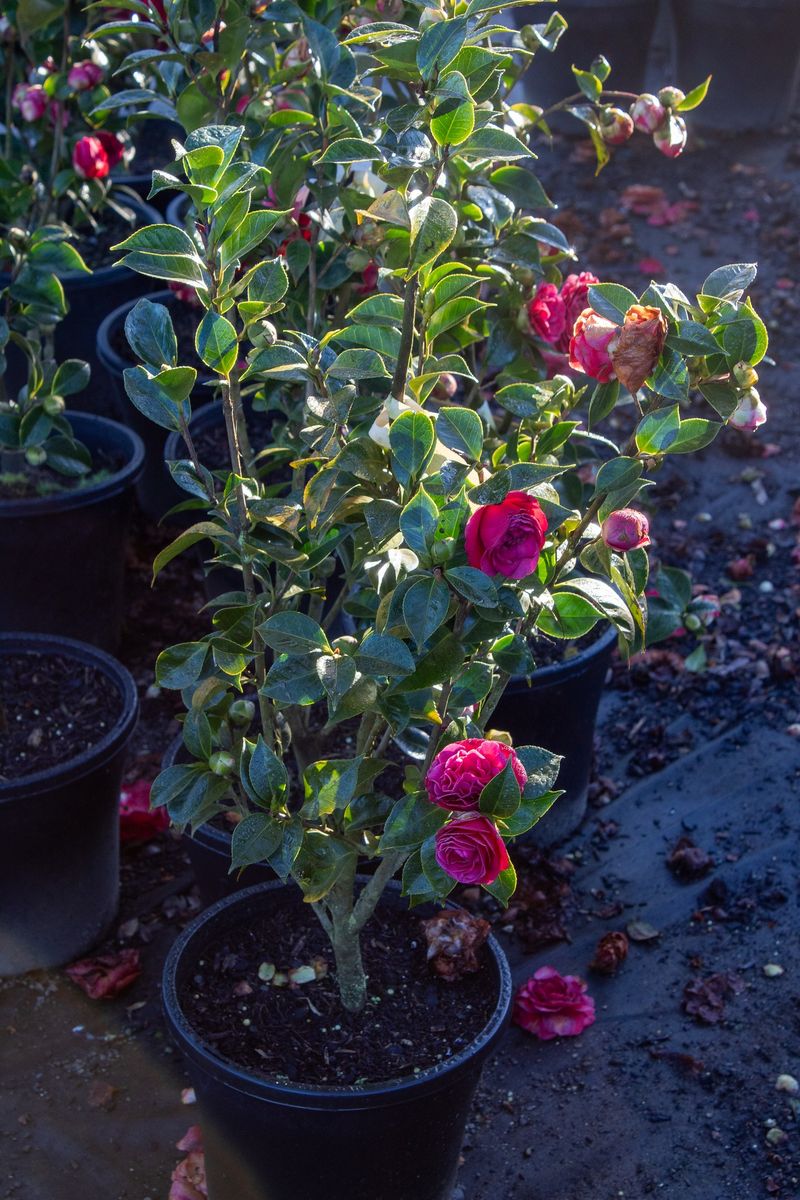
Camellias have a surprisingly shallow root system. Most of the active roots sit in the top twelve to eighteen inches of soil, spreading outward rather than driving straight down.
Knowing this changes how you should water.
Short, frequent watering only wets the surface. Roots follow moisture, so shallow watering keeps roots near the top where they are most vulnerable to heat and drought.
Deep, slow watering encourages roots to settle into cooler, more stable soil.
A soaker hose or drip line laid around the base of the plant works well. Running it for thirty to forty-five minutes allows water to move slowly into the root zone without runoff.
This method also keeps water off the foliage.
If you use a regular hose, try the slow trickle method. Set the flow low and let it run near the base for twenty to thirty minutes.
Moving it around the drip line helps distribute moisture more evenly.
Avoid watering directly against the main stem. Keeping constant moisture at the base of the trunk can encourage rot over time.
Aim the water outward toward the edges of the canopy instead.
How quickly your soil drains also matters. Clay soils hold moisture longer and may need less frequent watering.
Sandy soils drain fast and may need water every couple of days during a dry stretch.
4. Mulch Helps Keep Soil Moisture More Even
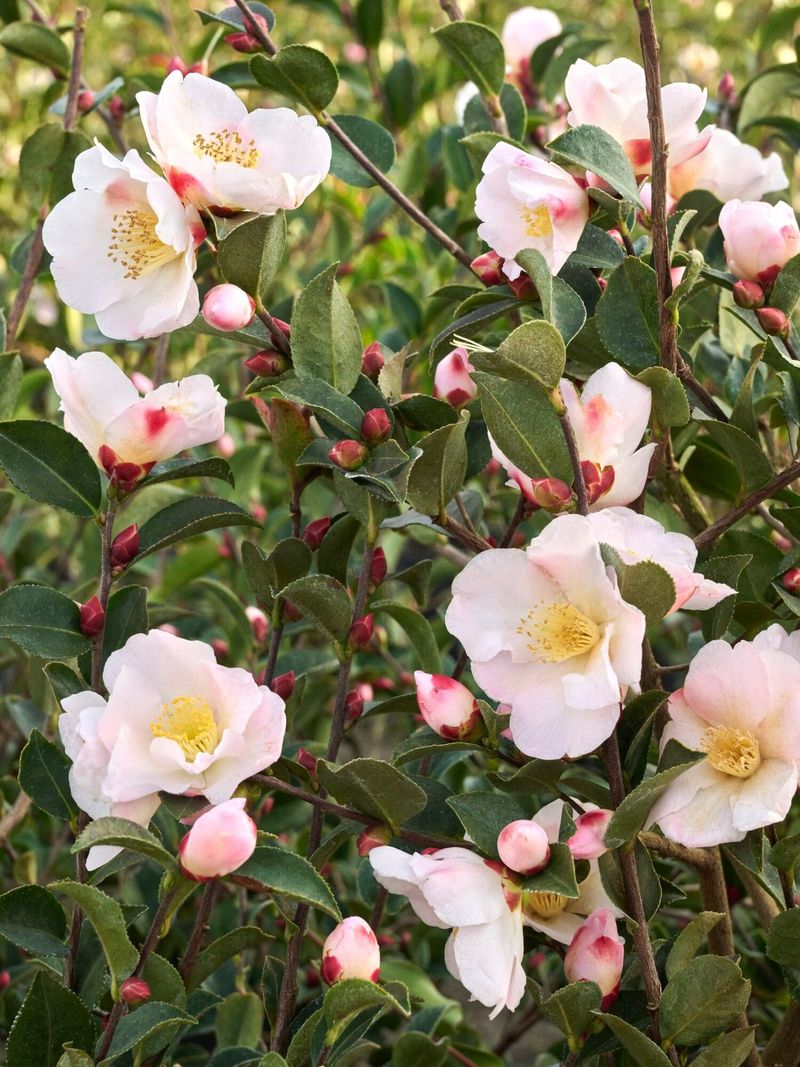
Mulch is one of the most underrated tools in a camellia gardener’s routine. A good layer of organic mulch around your plant does several things at once, and most of them matter a lot right before bloom season.
Moisture retention is the biggest benefit. Bare soil loses water quickly in warm weather.
A two to three inch layer of mulch slows that evaporation significantly, helping the soil stay moist longer between waterings.
Pine straw is a popular choice across the South and works well for camellias. It breaks down slowly, stays in place during rain, and adds a slight acidity to the soil as it decomposes.
Camellias prefer slightly acidic conditions, so pine straw is a natural fit.
Shredded bark or wood chips are also solid options. They hold moisture well and break down over time, adding organic matter to the soil.
Avoid dyed or treated wood products, as these can introduce unwanted chemicals near your plant.
Mulch also moderates soil temperature. As late summer heat continues, a mulched root zone stays noticeably cooler than bare soil.
Cooler roots handle stress better during warm, dry stretches.
Weed suppression is another bonus. Fewer weeds means less competition for the moisture and nutrients your camellia needs right now.
Refreshing your mulch layer before October is a small step with a real payoff.
5. Keep Mulch Pulled Back From The Main Stem
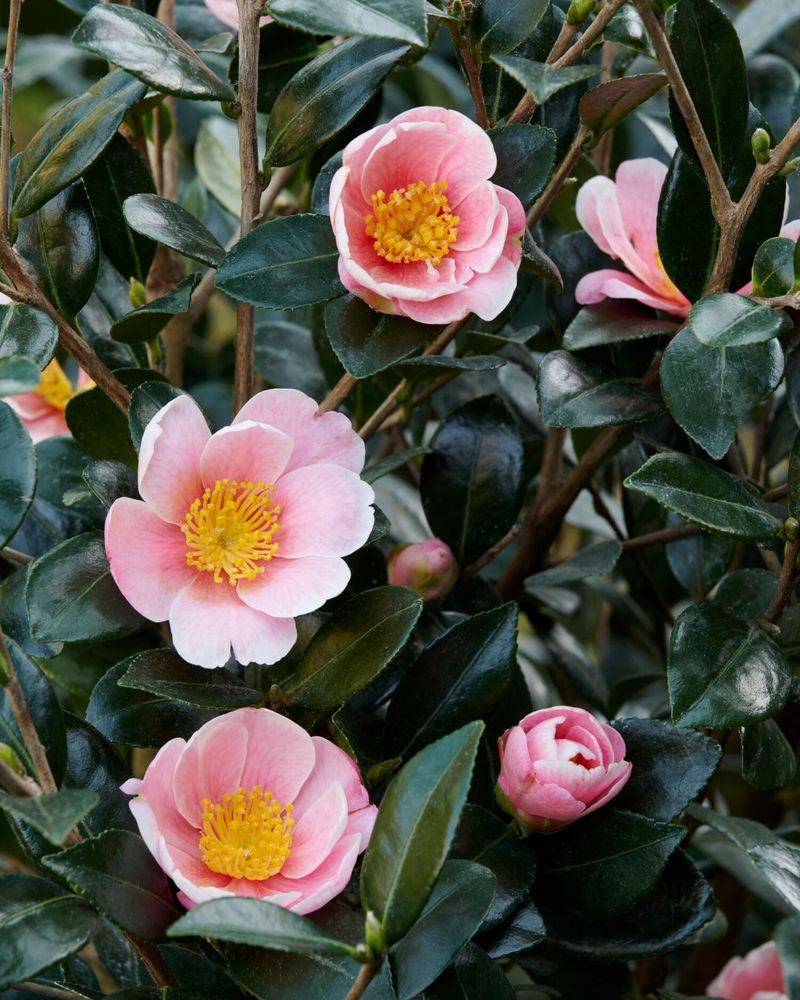
Piling mulch against the trunk of a camellia is a mistake many gardeners make without realizing the damage it causes. Mulch holds moisture, which is helpful in the root zone but harmful when it stays pressed against the main stem for long periods.
Constant moisture at the base of the trunk softens the bark and creates conditions where rot and fungal issues can develop. This kind of damage builds slowly and may not become visible until it has already affected the plant significantly.
Pull mulch back at least three to four inches from the main stem. Leave a small gap of bare soil around the base.
This simple habit protects the most vulnerable part of the plant.
The mulch ring itself should extend outward to the drip line, or at least two to three feet from the center of the plant. Spreading it wide is far more beneficial than piling it deep near the trunk.
Check your mulch layer depth as well. Two to three inches is the practical range.
Thicker than four inches can restrict airflow and slow drainage in the root zone, which creates its own set of problems.
Refreshing mulch before October bloom season is smart, but take a minute to reshape it correctly. A proper mulch ring protects roots, conserves moisture, and keeps the base of the plant healthy heading into fall.
6. Save Major Pruning Until The Flowers Are Finished
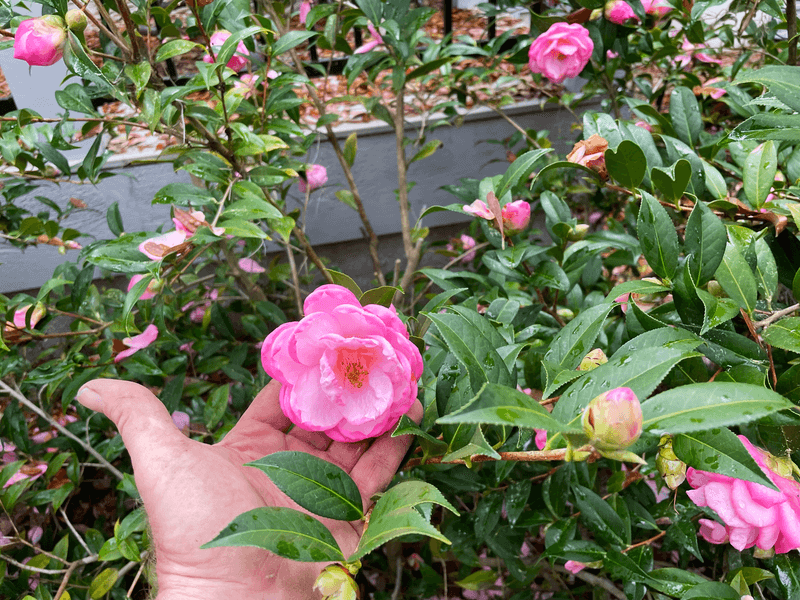
Picking up the pruning shears right before bloom season is one of the fastest ways to lose your flower show. Sasanqua camellias set their buds well before October, and cutting branches now removes the very buds you have been waiting for.
Major pruning should wait until after the blooms have finished, which typically means late winter or very early spring. Pruning at that point gives the plant time to recover and set new buds for the following season without disrupting the current bloom cycle.
Light shaping is a different matter. Removing a broken branch is fine at any time.
Snipping off a single wayward stem that does not carry buds should not interfere with flowering. Use good judgment about what counts as light shaping versus major work.
Avoid removing more than one-third of the plant’s growth in a single pruning session, regardless of timing. Taking too much at once puts unnecessary stress on the shrub and can slow recovery.
Clean, sharp tools make a real difference. Dull blades crush rather than cut, leaving ragged edges that take longer to heal.
Wipe blades with a damp cloth between plants to avoid spreading any potential issues.
Across Georgia, many gardeners are tempted to tidy up their camellias in late summer. Resist the urge.
Patience now means a much fuller, more rewarding bloom display when October finally arrives.
7. Proper Care Keeps Plants Ready For Their Fall Display
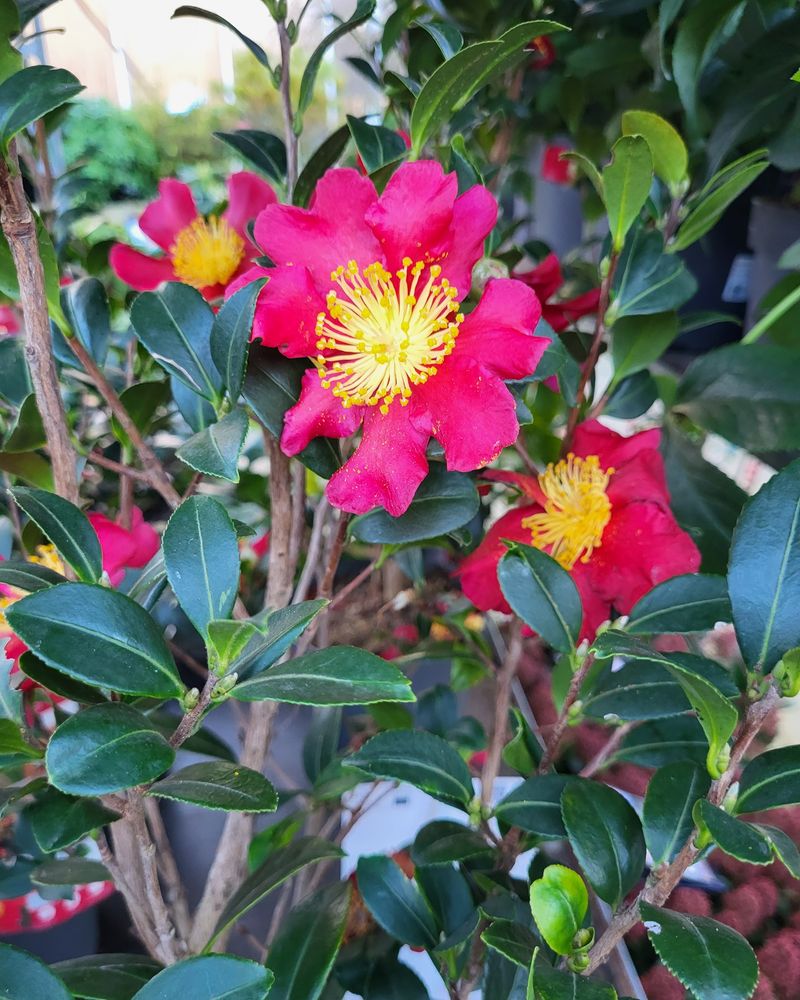
A camellia that gets consistent attention through late summer shows up for fall in a completely different way than one that was ignored. The weeks before October are when small habits stack up into visible results.
Watering, mulching, and holding off on heavy pruning work together as a system. No single step carries the whole load.
When all three happen consistently, the plant handles late summer heat with far less stress.
Fertilizing is worth a brief mention here. Most camellia growers stop feeding by late summer, around August at the latest.
Late fertilizer applications can push new growth that has no time to harden before cooler weather arrives.
Watch for any signs of stress as September moves along. Yellowing leaves, wilting during the morning hours, or buds that look shriveled rather than plump are worth investigating.
Catching problems early gives you time to adjust before bloom season starts.
Pests like tea scale can occasionally affect camellias in the South. Check the undersides of leaves if you notice unusual discoloration or a sticky residue on nearby surfaces.
Treating early is easier than managing a larger infestation later.
Georgia gardeners who stay attentive through these final weeks before October are usually rewarded with a strong, colorful bloom season. Sasanqua camellias respond well to consistent care, and fall is when that care becomes visible.