The One Thing California Hydrangeas Need In September To Rebloom Next Year
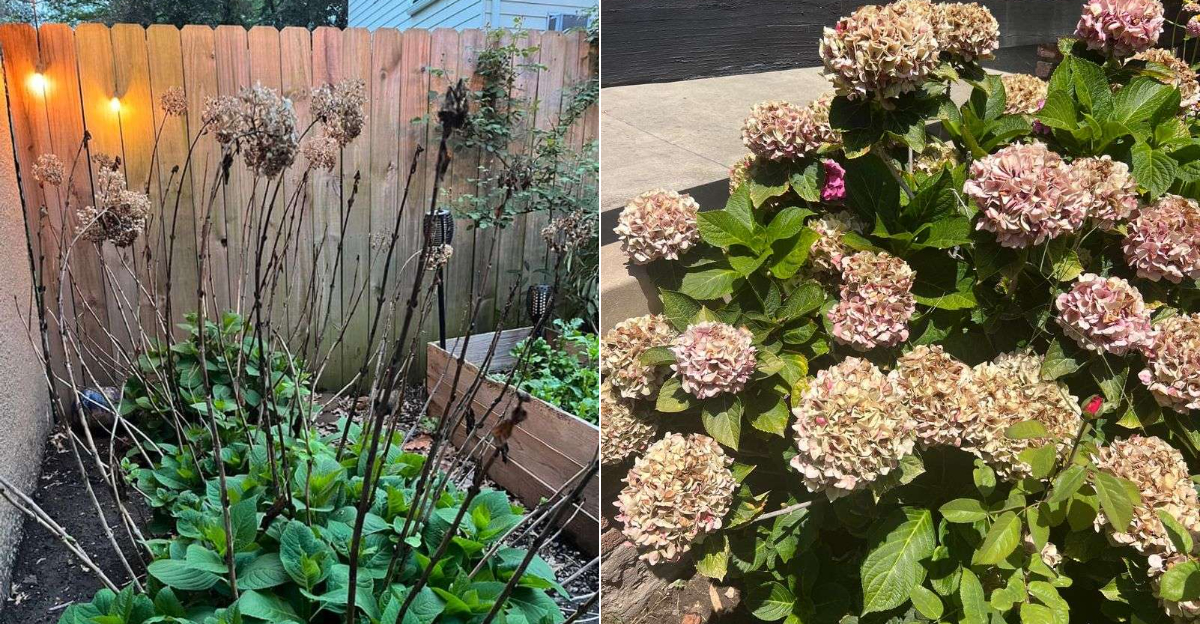
Hydrangeas know how to make gardeners emotionally invested. After months of big, showy blooms, it is hard not to start wondering what next year’s display will look like while this season is still winding down.
September can be an important turning point for these shrubs in California. The flowers may be fading, the leaves may still look lush, and the plant can seem perfectly capable of handling the rest of the year on its own.
That calm appearance, however, does not mean nothing important is happening. This is when next season starts to feel a lot closer than it looks.
A small change in care now can matter more than another round of fussing once spring arrives.
Gardening loves hiding tomorrow’s results inside today’s routine. The good news is that hydrangeas do not need a dramatic seasonal overhaul.
One well-timed step can help set the stage for a stronger floral comeback next year, making September a surprisingly valuable month to give these shrubs a little extra attention.
1. Leave Healthy Hydrangea Stems Standing
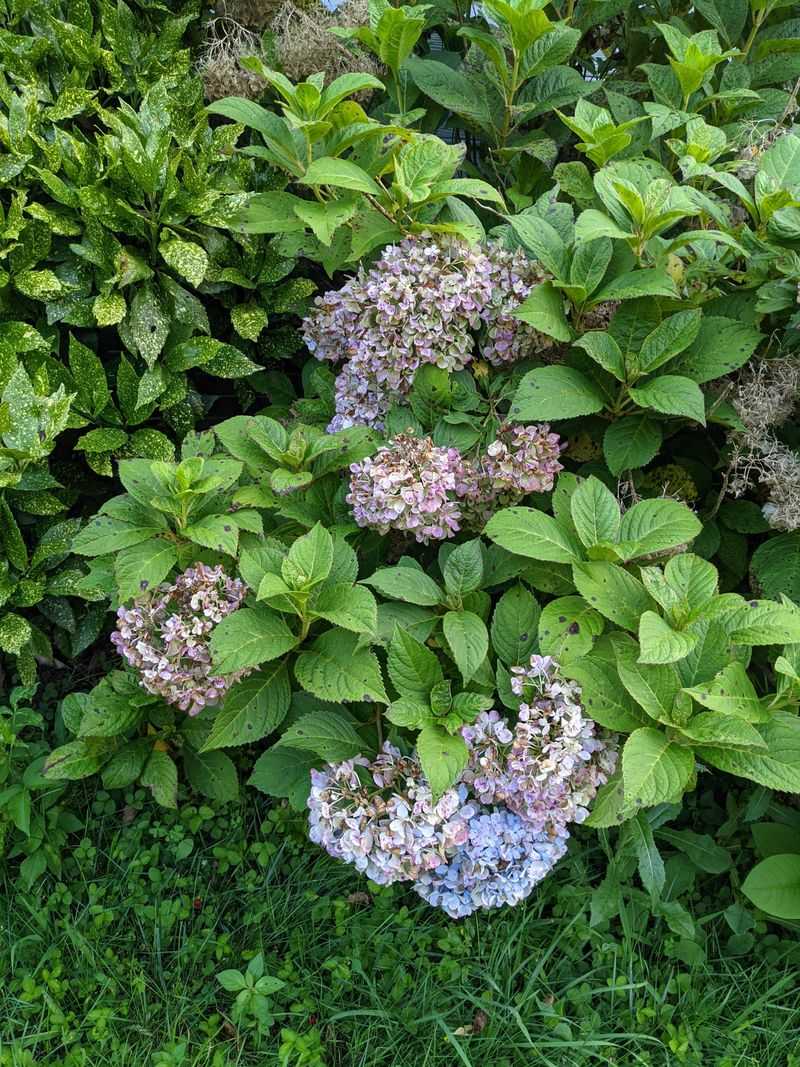
Healthy stems are more valuable than they look in September. California gardeners see faded blooms and assume the whole plant needs a reset.
But those upright, firm, green canes are doing something important right now: storing energy and forming buds for next spring.
Bigleaf hydrangeas, which are very common in home gardens, bloom on old wood. That means the flower buds develop on canes that grew during the current season.
Those canes need to stay on the plant through fall and winter to produce blooms the following year.
Cutting them back in September removes the buds before you ever get to enjoy them. The plant looks tidy, but spring arrives with little or nothing to show for it.
Leaving healthy stems standing costs you nothing and gains you everything. Walk past them, leave them be, and let the plant do its job through the cooler months ahead. Your patience will pay off in a big way come spring.
2. September Pruning Can Remove Next Year’s Flowers
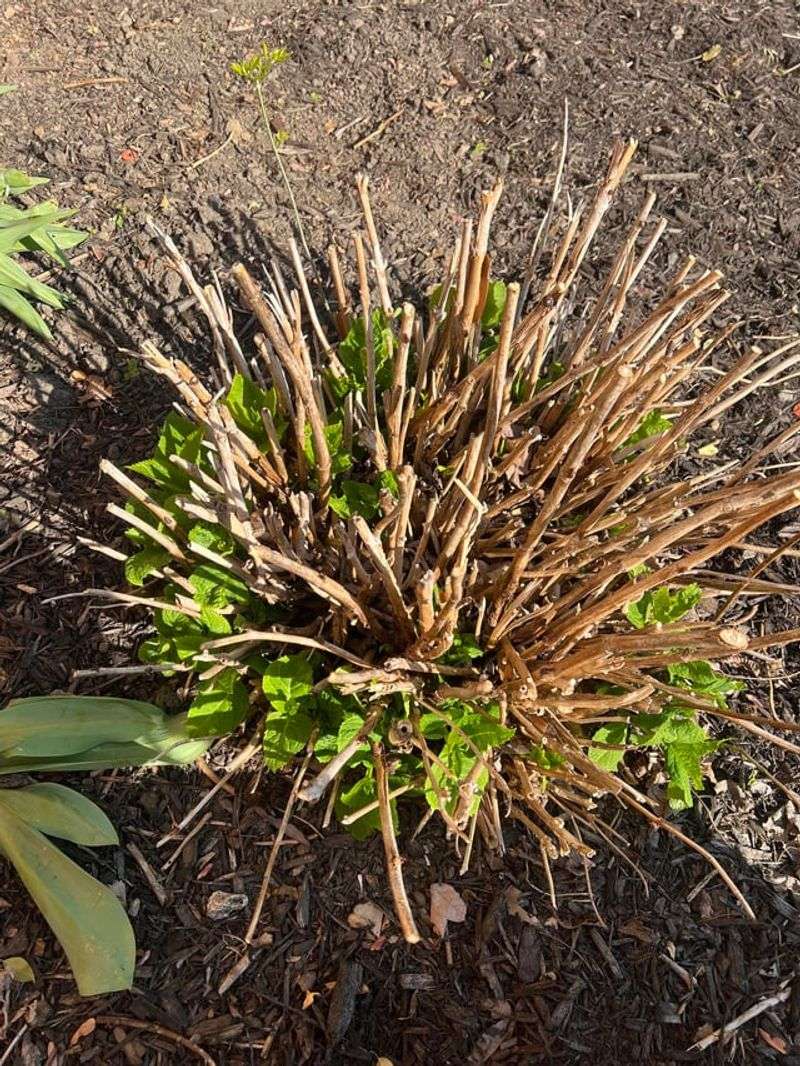
Timing matters more than most people realize when it comes to pruning hydrangeas. A well-meaning trim in September can wipe out an entire season of flowers before they ever form.
For varieties that bloom on old wood, this is a very real risk. The buds that will open as flowers next spring are already beginning to form on the stems right now. They are small and easy to miss, but they are there.
Pruning in September cuts them off along with the stem, leaving the plant with nothing to bloom from when warmer weather returns.
Many California gardeners discover this the hard way. They prune in fall, wait through winter, and then watch their hydrangeas push out only leaves in spring.
The fix is straightforward: skip the fall pruning for old-wood bloomers. Save that energy for late winter or very early spring, when you can better identify what survived and what did not.
Even then, prune lightly and only where needed. September is simply not the right time to reach for the shears on most hydrangea varieties.
Your California Garden Changes Every Week. Your Plan Should Too.
Gardening in California changes quickly throughout the season. Every Friday you’ll receive a simple weekly plan showing exactly what to plant, prune, fertilize, harvest, and protect so you never miss the right timing.
3. Flower Buds May Already Be Forming On Older Stems
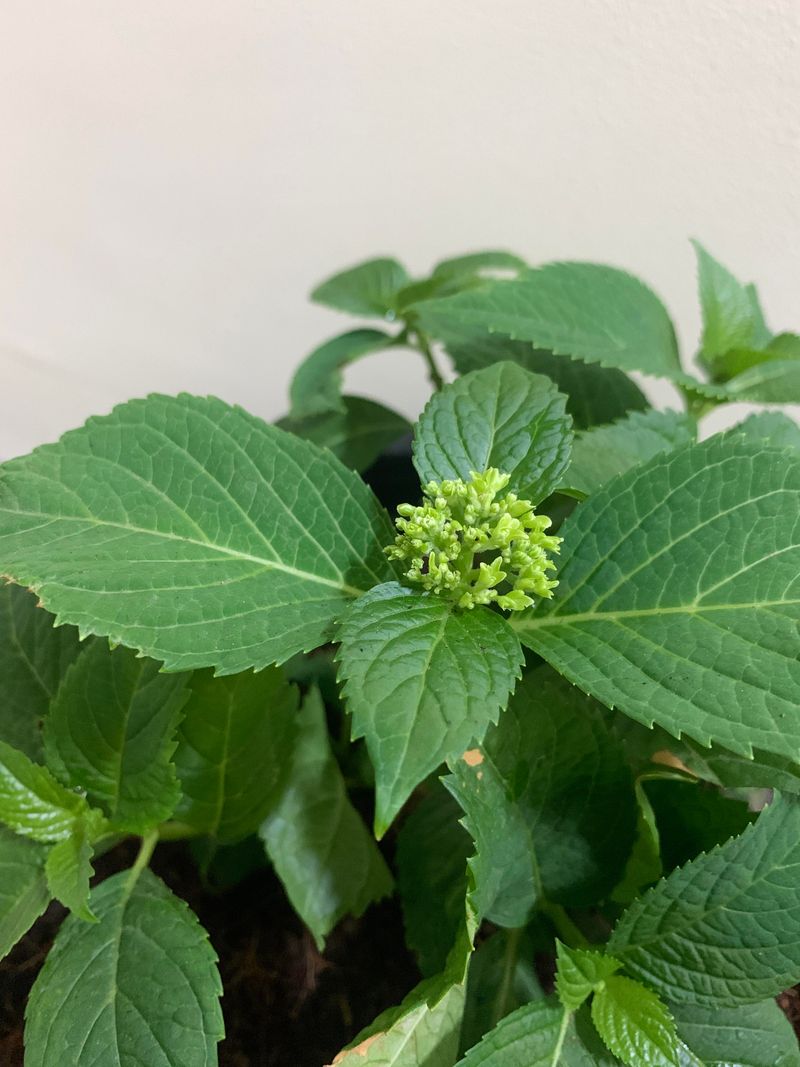
Here is something that surprises a lot of gardeners: by September, your hydrangea may already be working on next year’s flowers. Tiny buds form quietly along the older stems while the plant is still winding down from its California summer bloom cycle.
These buds are not always easy to spot. They are small, tucked near leaf nodes, and easy to mistake for nothing important.
But each one has the potential to become a full flower cluster next spring. Removing the stem removes the bud, and that flower is gone before it ever had a chance.
Bigleaf and mountain hydrangeas are especially known for this early bud set. If you grow either of those varieties, treat every healthy stem as something worth protecting starting in September.
Avoid anything that might snap, bend, or cut those canes. Even heavy foot traffic near the base of the plant can cause damage that affects blooming.
Check your stems gently, note which ones look firm and healthy, and make a mental note to protect them as temperatures drop. Those small buds are the beginning of something beautiful.
4. Do Not Cut Back Plants Just Because Blooms Have Faded
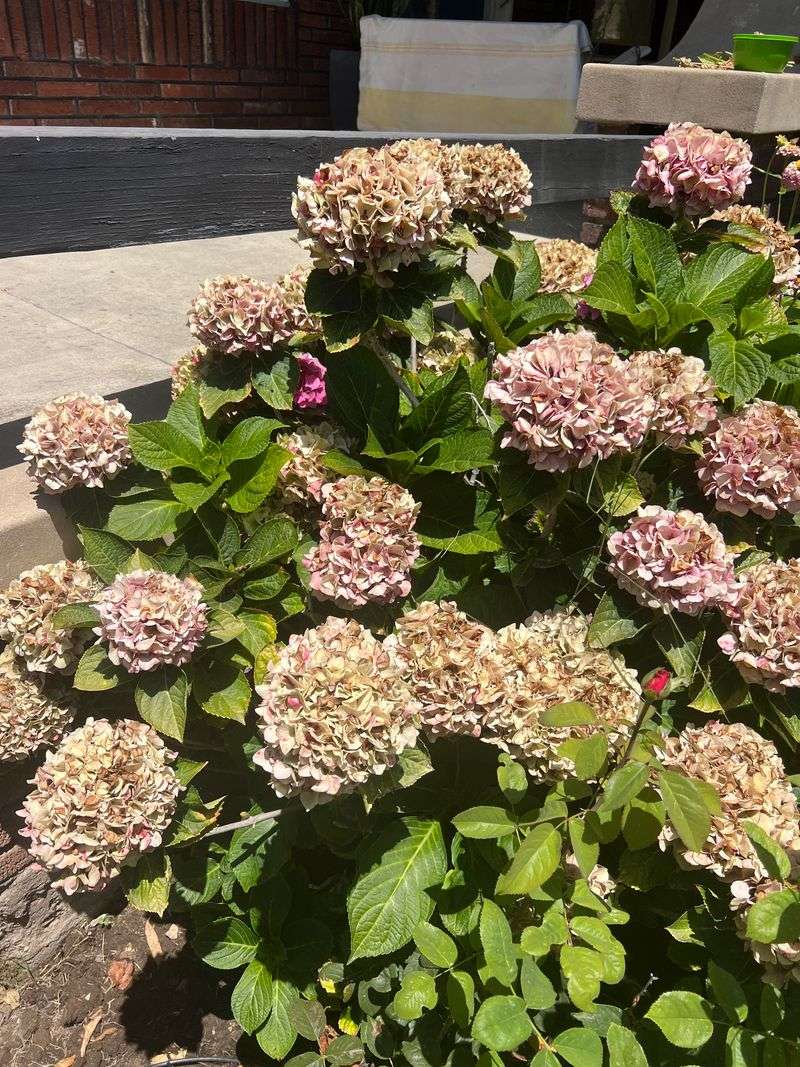
Faded blooms can make a garden look a little tired, and the urge to clean everything up is completely understandable.
But appearance alone is not a good reason to cut back your hydrangeas in September. Looks can be deceiving when it comes to plant health.
A hydrangea with spent blooms is not a hydrangea in trouble. The flowers have simply finished their cycle for the season, which is perfectly normal.
The plant itself is still very much alive and active. Below those faded flower heads, the stems are hardening off and the buds for next spring are quietly developing.
Cutting back now because the blooms look done is one of the most common reasons gardeners end up with fewer flowers the following year. Instead of reaching for the pruners, try shifting your perspective.
A plant with dried flower heads in fall is actually doing exactly what it should be doing. Those papery blooms can even add a bit of texture and interest to the garden through fall.
Let the plant finish its season on its own terms, and you will be much happier with what comes up next spring.
5. Spent Flowers Can Stay On The Plant For Now
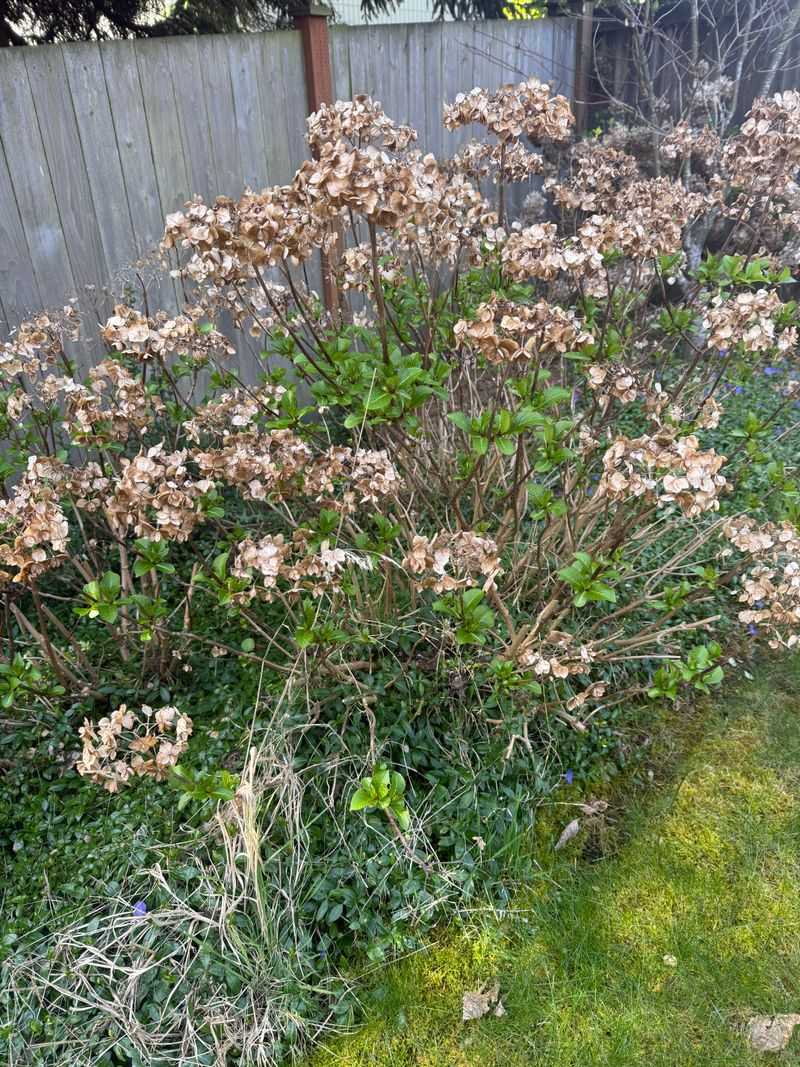
Leaving spent flowers on the plant through September and into fall is not lazy gardening. It is actually smart gardening.
Those dried flower heads serve a real purpose beyond decoration, and removing them too early can do more harm than good.
For old-wood bloomers, the spent flower heads act as a kind of natural cover for the developing buds just below them.
They can also help signal to the plant that the season is winding down, which supports a healthy transition into dormancy.
Some gardeners even find that the dried blooms add a lovely texture to the fall garden.
From a purely practical standpoint, leaving the spent flowers on through fall helps protect the stem tips where new buds are forming.
Cutting the flower head off means cutting into the stem, which could remove or damage a bud that was just getting started.
Wait until late winter or very early spring to deadhead old blooms if you feel you must. By then, you can see clearly what is alive and what is not, and you can make smarter cuts. For now, let those spent flowers stand and do their quiet, helpful job.
6. Avoid Reshaping The Shrub This Late In The Season
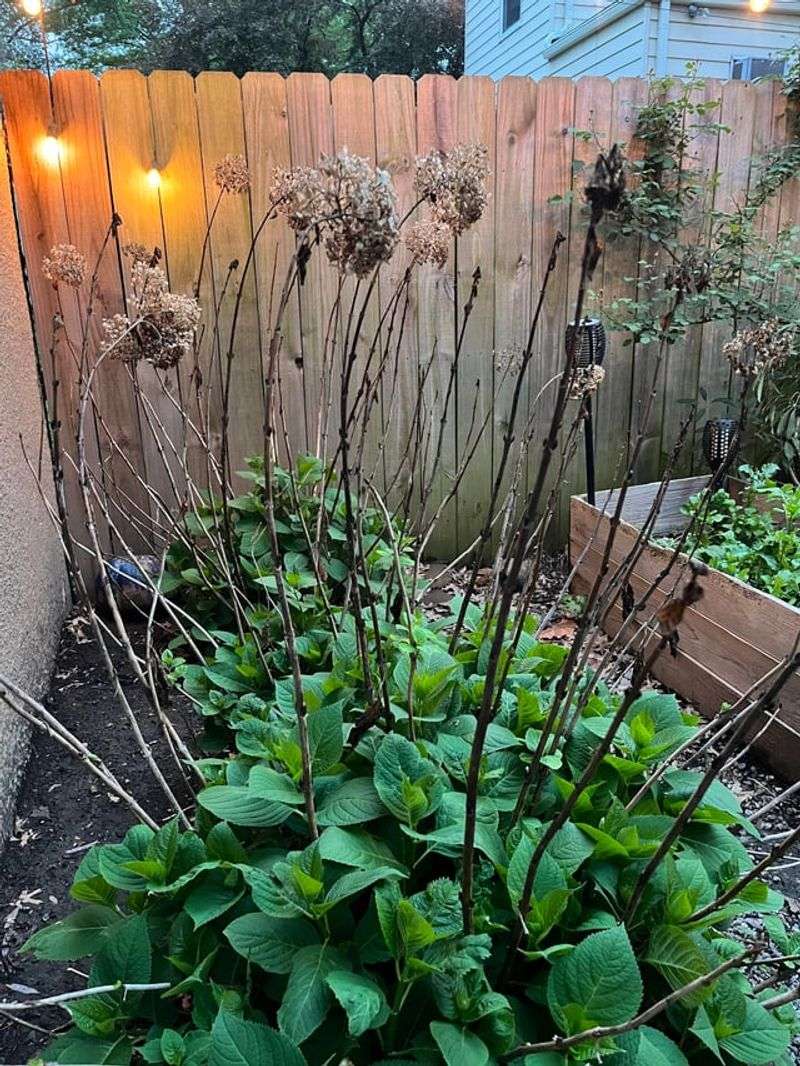
Reshaping a hydrangea sounds harmless, but doing it in September can set the plant back significantly.
When you reshape a shrub, you are not just trimming a little here and there.
You are removing a large portion of the canes that carry next year’s buds. Fall reshaping also stimulates new growth at a time when the plant should be slowing down.
Any new shoots that push out in response to pruning will not have time to harden off before cold weather arrives.
That tender growth is vulnerable and often does not survive the winter.
The shape of your hydrangea in September is the shape it should keep until at least late winter.
If the shrub has grown larger than you would like, make a note of it and plan to address it after the plant has fully leafed out in spring.
At that point, you can see exactly what survived and make intentional cuts that do not sacrifice blooms.
Reshaping is a job for the right season, and September is simply not that season for most hydrangea varieties. Patience now leads to a fuller, more beautiful shrub later.
7. Only Remove Clearly Damaged Wood
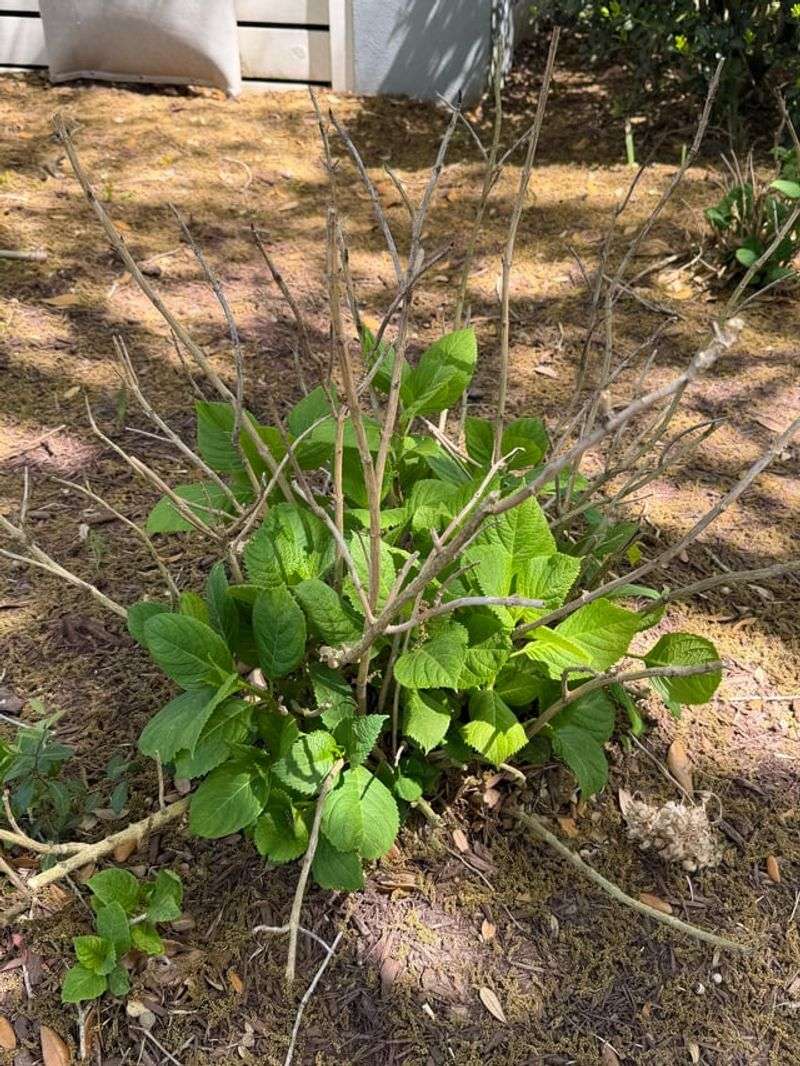
Not all pruning in September is bad. There is one task that is actually worth doing: removing wood that is clearly withered or damaged.
This kind of selective cleanup helps the plant without putting next year’s blooms at risk. Damaged canes are easy to identify. They are dry, brittle, and brown all the way through.
When you bend them slightly, they snap rather than flex. Damaged canes may have splits, broken sections, or signs of pest activity.
Both types should come out because they do not contribute to the plant’s health or future blooming. The key is being selective. Only remove what you are certain is damaged.
If a cane looks questionable but still has some green to it, leave it alone for now. You can reassess in late winter when it becomes clearer what survived.
Use clean, sharp pruners and make your cuts close to the base or just above a healthy node. Do not go looking for extra canes to remove just to make the plant look neater.
Stick to what is obviously gone, leave the rest standing, and your hydrangeas will thank you with a strong bloom next season.
8. Healthy Canes Are Worth Protecting Through Fall
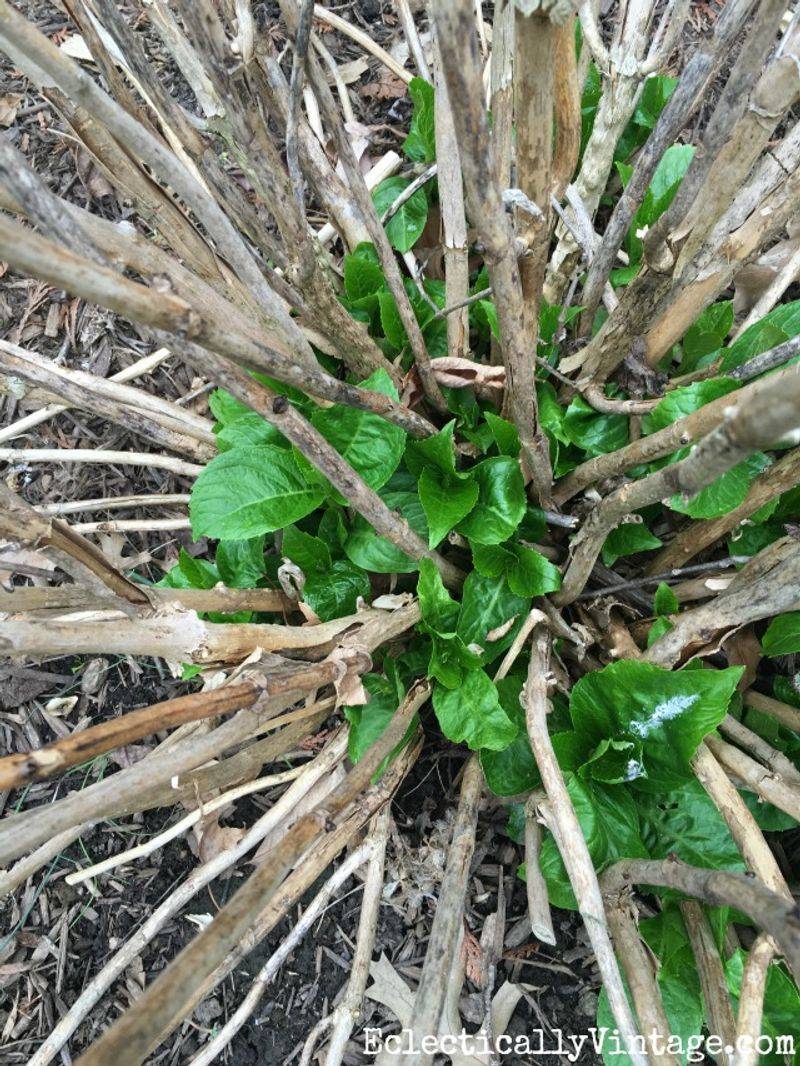
Once you know that healthy canes carry next year’s buds, protecting them through fall starts to feel like second nature. These canes are not just stems.
They are the foundation of next spring’s flower display, and they deserve a little extra care as temperatures drop.
In many parts of California and across the country, fall can bring wind, heavy rain, and early cold snaps. These conditions can snap canes, knock the plant around, and damage the developing buds inside.
A few simple steps can help protect your hydrangeas through the season.
Consider loosely tying taller canes together so they do not whip around in the wind. You can also add a light layer of mulch around the base of the plant to help insulate the roots as the ground cools.
Avoid piling mulch directly against the stems, though, as that can trap moisture and cause problems.
Taking care of your hydrangea’s healthy canes in fall is one of the best investments you can make for a vibrant, flower-filled garden next year.