The Shade Tree Texans Are Planting Now To Cool Yards Before Next Summer
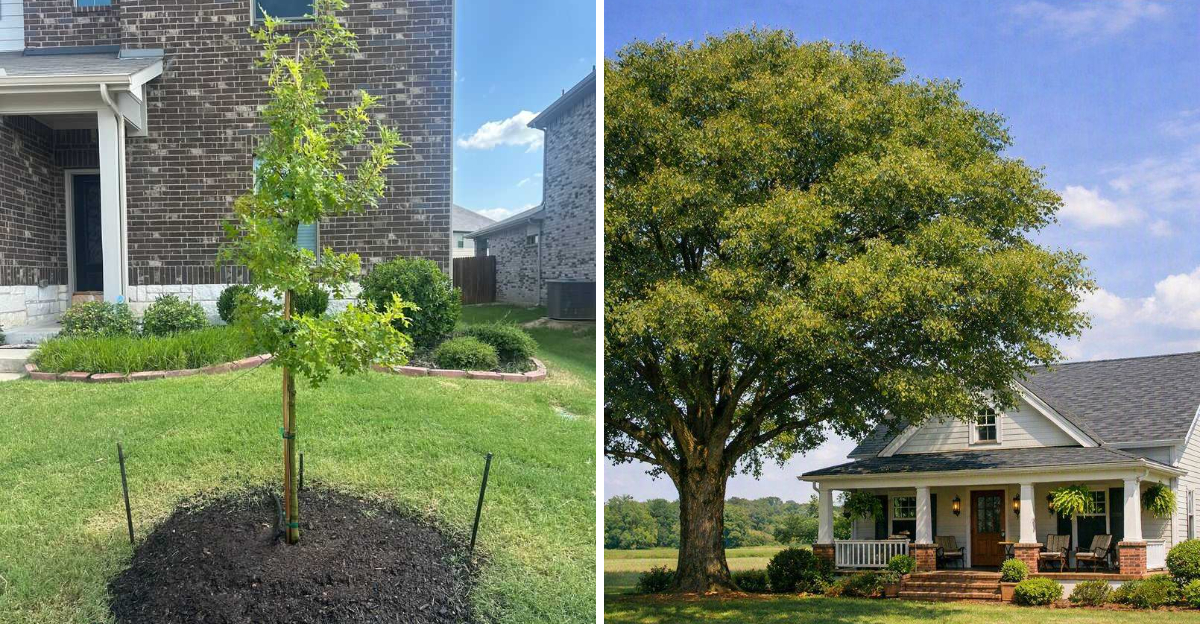
Every Texas homeowner who has spent a summer without adequate shade in their yard knows exactly what they would do differently.
The heat that radiates off an unshaded patio, the indoor cooling costs that climb when the sun beats directly on south and west facing walls, the outdoor space that becomes genuinely unusable for hours every afternoon.
Shade is not a luxury in Texas. It’s a quality of life issue. And the time to plant for next summer’s shade is right now.
Trees planted in fall establish through the cooler months with a rootedness and vigor that spring plantings pushed immediately into summer heat cannot match.
By next summer, a tree planted now will be meaningfully further along in its canopy development, providing real coverage sooner than anything planted in spring would deliver.
One shade tree in particular has been gaining momentum across Texas for exactly this reason. It grows with purpose, handles the Texas climate without demanding excessive water, and delivers the kind of dense, reliable shade that actually changes how a yard feels.
Cedar Elm Is A Tough Native Shade Tree
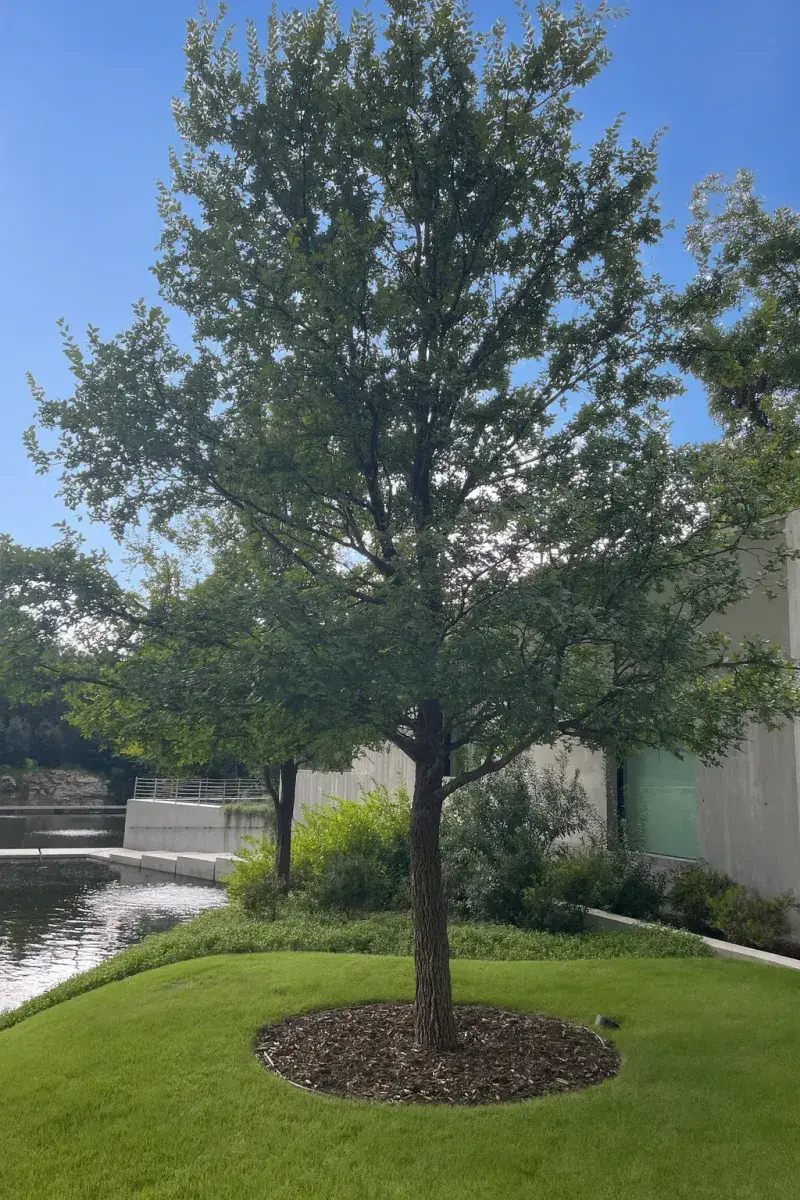
If you have ever driven through the Texas Hill Country or along a creek bottom in the Blackland Prairie, you have probably passed a cedar elm without knowing it. Cedar elm, known scientifically as Ulmus crassifolia, is one of the most common native trees in Texas.
It grows naturally across a huge swath of the state, from the eastern piney woods all the way through central Texas.
What makes cedar elm stand out is its toughness. Once it gets established in your yard, it can handle the kind of brutal Texas heat that sends other trees into shock.
It tolerates poor soils, rocky ground, and clay-heavy soil that drains slowly. That is a big deal in Texas, where soil conditions vary wildly from one neighborhood to the next.
Cedar elm is also drought-tolerant after its first year or two in the ground. That means less watering for you once the tree matures, which is a real bonus during water restrictions in dry summers.
The tree grows at a moderate pace, typically adding one to two feet of height per year under good conditions.
Its leaves are small and rough-textured, which gives the tree a fine, delicate look even when it is fully grown. In fall, the leaves turn a pleasant yellow before dropping.
The tree is deciduous, meaning it loses its leaves in winter, which is actually helpful. You get shade in summer and sunlight in winter, which can help warm your home naturally during cold months.
For Texas homeowners looking for a low-maintenance native shade tree, cedar elm checks nearly every box on the list.
Its Canopy Can Create Valuable Summer Shade
Shade is not just comfortable. It can actually lower the temperature in your yard by 10 to 15 degrees compared to areas sitting in direct sun.
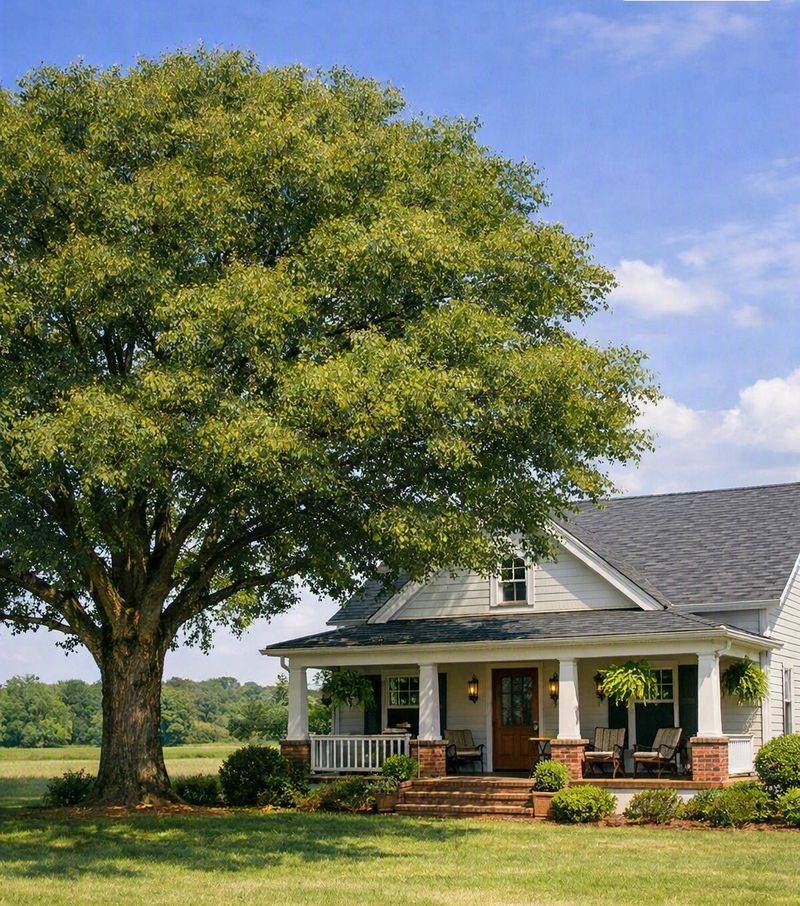
A mature cedar elm can grow 60 to 80 feet tall, with a canopy spread that reaches 40 to 60 feet wide. That is a serious amount of cooling power right in your own backyard.
Your Texas Garden Changes Every Week. Your Plan Should Too.
Gardening in Texas changes quickly throughout the season. Every Friday you’ll receive a simple weekly plan showing exactly what to plant, prune, fertilize, harvest, and protect so you never miss the right timing.
Placement matters a lot when it comes to getting the most shade where you actually need it. A cedar elm planted on the south or west side of your home will block the harshest afternoon sun.
That is the sun that beats down hardest during the hottest part of the day in Texas, typically between 2 p.m. and 6 p.m. Shading those walls and windows can also reduce your home cooling costs over time.
Patios, outdoor seating areas, and play spaces benefit the most from a well-placed shade tree. Kids playing outside in July will thank you later.
Even a young cedar elm, just a few years old, starts offering some meaningful shade as it fills out.
The canopy of a cedar elm is dense enough to block strong sunlight but not so thick that it blocks every breeze. That balance makes it comfortable to sit under on a hot day.
The tree also provides habitat for birds and insects, which adds a little natural life to your yard.
Planting with shade placement in mind from the very beginning means you will not have to move the tree later. Good planning now saves you a lot of hassle down the road.
Planting Now Gives Roots Time To Establish
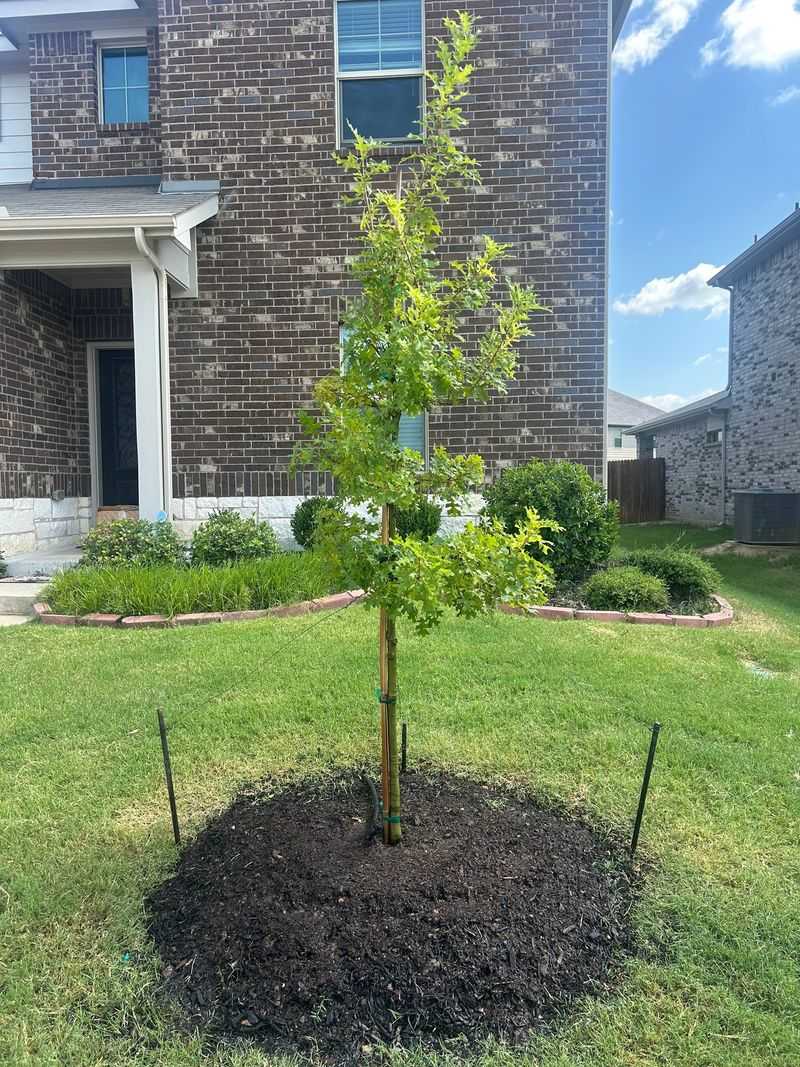
Fall planting is one of the best-kept secrets in Texas gardening. Most people think spring is the ideal time to plant trees, but experienced Texas gardeners know that fall gives trees a big advantage.
When you plant in October or November, the air temperature drops but the soil stays warm for several more weeks. That warm soil encourages root growth even as the tree starts slowing down above ground.
Root establishment is everything for a young tree. A cedar elm that spends fall and winter quietly spreading its roots underground is going to be far more prepared for its first Texas summer than one planted in the spring.
Spring-planted trees have to deal with rapidly rising temperatures almost immediately after going in the ground. That is a stressful combination for any young tree.
Think of fall planting like giving your tree a running start. By the time June rolls around and temperatures start climbing past 95 degrees, a fall-planted cedar elm already has a stronger root system pulling in water and nutrients.
That head start can mean the difference between a tree that thrives and one that barely survives its first summer.
Cooler fall weather also means the tree loses less moisture through its leaves. Transpiration, which is the process where trees release water through their leaves, slows down in cooler temperatures.
Less water loss means the tree can focus its energy on growing roots instead of struggling to stay hydrated. If you have been sitting on the fence about planting a shade tree, fall is truly the right season to stop waiting and get that tree in the ground.
Choose The Right Spot From The Start
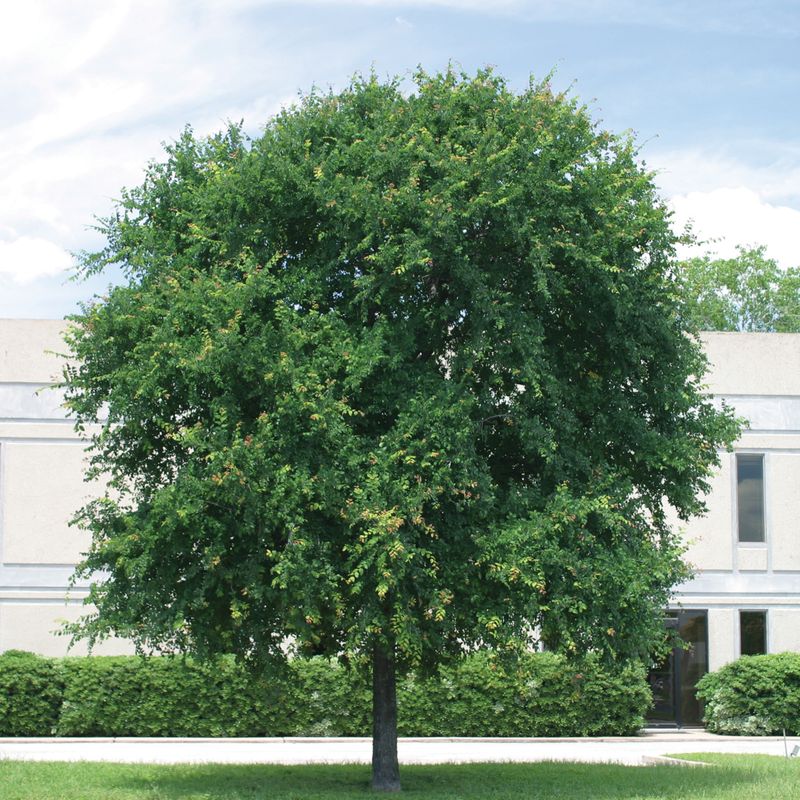
Picking the wrong spot for a tree is one of the most common mistakes homeowners make. A cedar elm can grow very large over time, and that size needs to be respected from day one.
Before you dig a single hole, take a good look at your yard and think about where the tree will be in 20 or 30 years, not just where it is today.
Give the tree at least 15 to 20 feet of clearance from your home’s foundation. Tree roots are strong and wide-spreading.
Over many years, roots growing too close to a foundation can cause cracking and expensive structural problems. Keeping that distance protects both your home and your tree.
Power lines are another thing to watch carefully. A cedar elm that grows into overhead utility lines creates a safety hazard and will eventually get trimmed back by the utility company in ways that can seriously damage the tree’s shape and health.
Check above and below before you plant. Underground utility lines matter too, so call 811 before you dig to have those lines marked for free.
Narrow planting strips between a sidewalk and a street are generally not ideal spots for a cedar elm because of the limited soil volume and the stress of reflected heat from pavement.
Wide open lawn areas, large side yards, and spacious backyards give this tree room to grow the way nature intended.
Choosing the right location is the single most important decision you will make for your tree. Get it right the first time and you will enjoy decades of shade without regret.
Water Deeply During The First Year
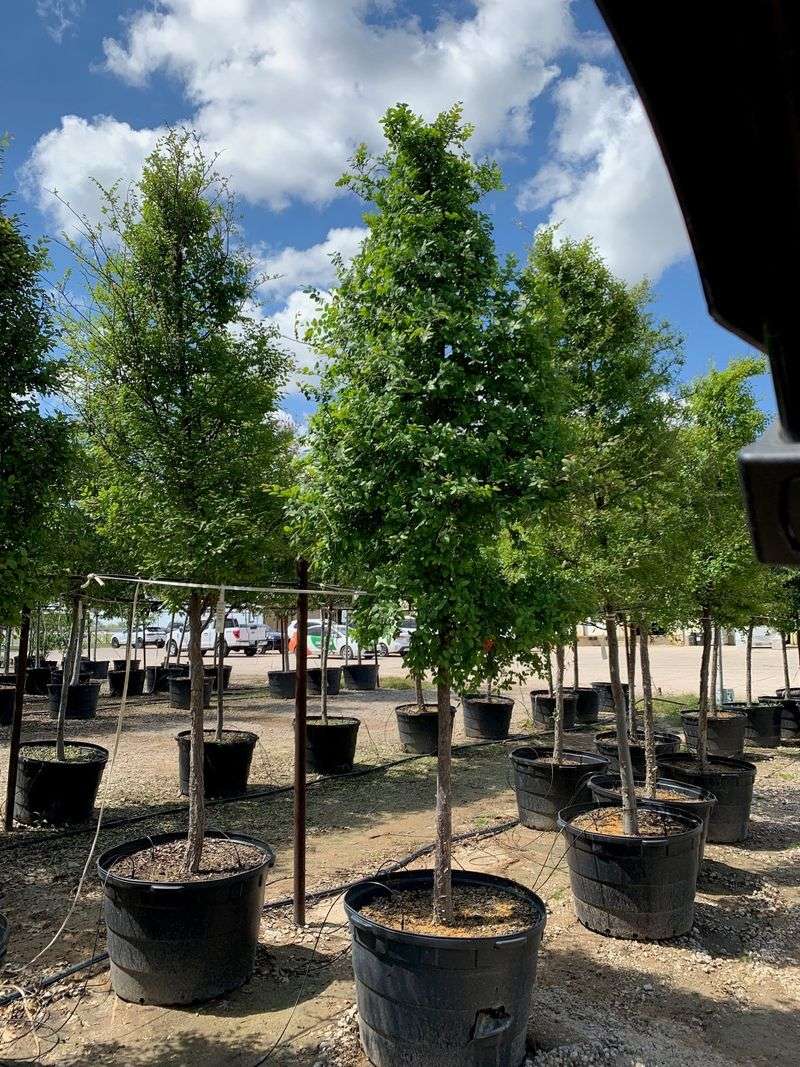
Even tough, drought-tolerant trees need consistent watering during their first year in the ground. Cedar elm is no exception.
A newly planted tree has a limited root zone and cannot yet reach the deeper soil moisture that mature trees tap into. Until those roots spread out and go deep, you are the tree’s main water source.
Deep, infrequent watering is the right approach. Shallow, frequent watering encourages roots to stay near the surface, which makes the tree more vulnerable during dry spells.
Instead, water slowly and thoroughly so moisture soaks down 12 to 18 inches into the soil. This trains the roots to follow the water downward, building a stronger and more drought-resistant root system over time.
A good rule of thumb is to water a newly planted cedar elm once or twice a week during warm months, and scale back to every week or two once fall settles in.
During winter, natural rainfall in most parts of Texas is often enough, but keep an eye on dry spells. Even in winter, a young tree can struggle without moisture.
A slow drip from a garden hose laid at the base of the tree for 30 to 45 minutes works well for deep watering. Soaker hoses placed in a ring around the drip line of the canopy are another great option.
Avoid overhead sprinklers for tree watering since they tend to wet only the surface. Consistent, thoughtful watering through the first full year sets up your cedar elm for a long, healthy life and prepares it to handle Texas summers with much less help from you.
Mulch Now For Better Heat Protection Later
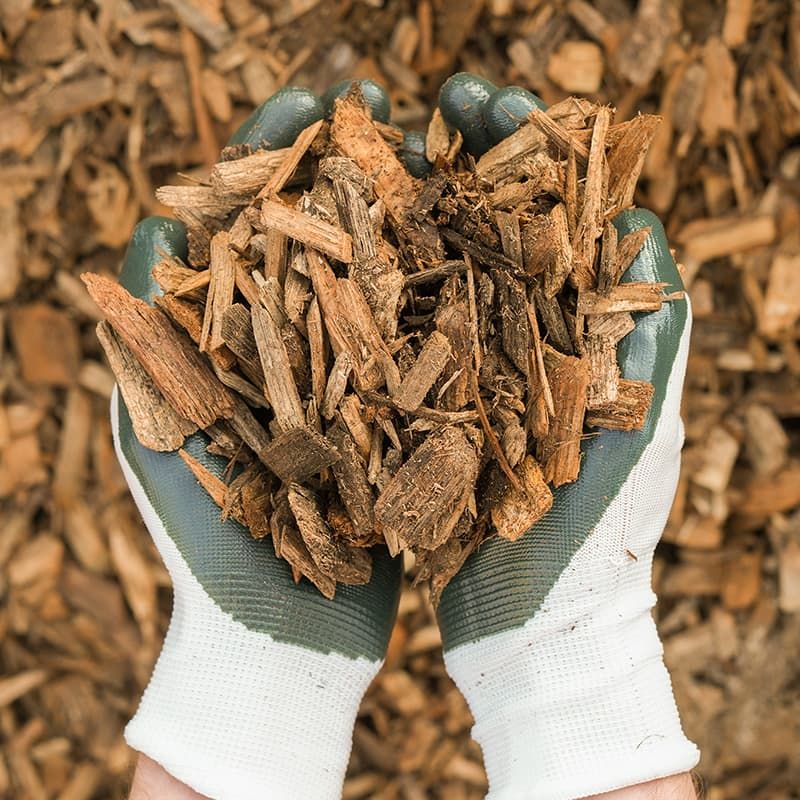
Mulch might be the most underrated tool in a Texas gardener’s toolkit. A simple layer of wood chips or shredded bark spread around the base of your newly planted cedar elm does several important things at once.
It keeps the soil cooler during hot weather, holds in moisture between watering sessions, and slowly breaks down to feed the soil over time.
Apply mulch in a wide ring around the tree, extending out to the edge of the canopy drip line if possible. A depth of three to four inches is ideal.
Too thin and it dries out quickly. Too thick and it can trap excess moisture against the trunk, which can cause problems over time. Think of it like a protective blanket for the soil.
One critical rule: keep the mulch away from the trunk itself. Piling mulch directly against the bark creates a moist environment that can lead to rot and insect damage.
Leave a small gap of three to four inches around the base of the trunk so air can circulate freely. This is sometimes called a mulch-free zone around the trunk, and it matters more than most people realize.
Applying mulch now, in the fall, gives it time to settle and start working before the intense heat of next summer arrives.
When June and July roll around with their relentless Texas heat, your tree will have a layer of protection that helps the soil hold onto every drop of water you give it.
Mulching is a small effort with a big payoff, and it is one of the easiest things you can do to help your cedar elm thrive for years to come.