7 Michigan Vegetables Worth Succession Planting Every Two Weeks
Most gardeners plant a crop once and wait for a single harvest, missing out on weeks of additional production hiding in plain sight.
But several Michigan vegetables actually reward a completely different approach, one built around planting small batches every couple of weeks instead of all at once.
Understanding which crops respond best to this method could dramatically extend how long your garden keeps producing throughout the season.
Many gardeners are surprised by how much more they end up harvesting once they switch to this staggered approach. This list could change how you plan your entire vegetable garden layout going forward.
Once you start succession planting these specific crops, a single harvest starts to feel like a missed opportunity. A small shift in timing could mean weeks of extra harvests you weren’t expecting.
1. Bush Beans Keep The Harvest Coming
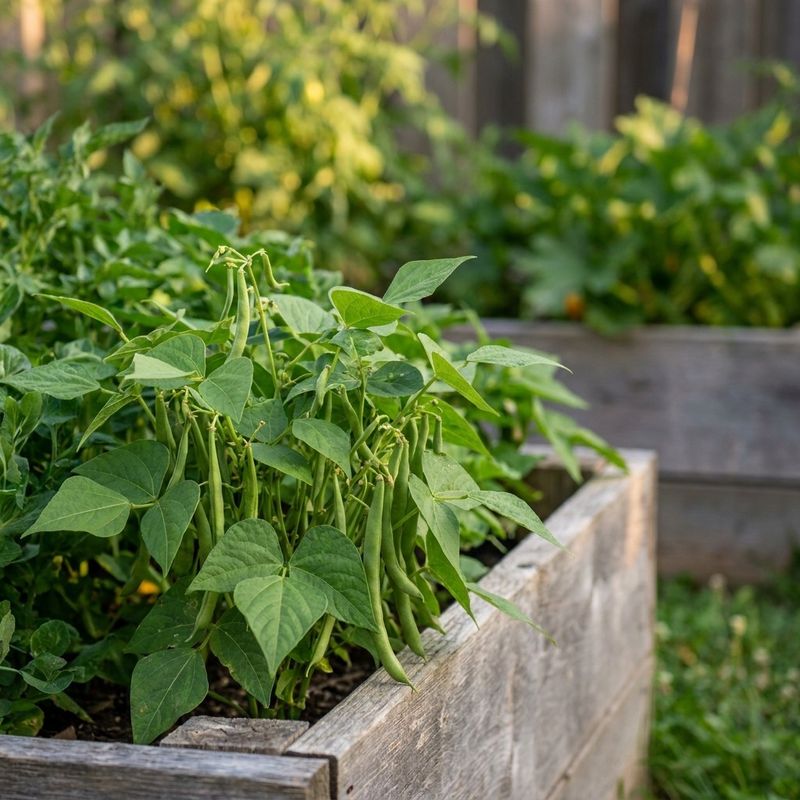
Snap a fresh bean off the plant and you will understand why gardeners keep coming back for more. Bush beans grow fast and produce heavily, but each planting only gives you good beans for a short window before the plants slow down.
Planting a small batch every two weeks keeps the pipeline full. While one row is winding down, another is just getting started, so you always have tender pods ready to pick. This beats planting everything at once and drowning in beans for a single week.
In Michigan, warm soil matters. Wait until late May or early June when the ground has warmed and the risk of frost has passed. Then keep sowing new short rows through midsummer.
Your last useful planting usually goes in around mid-July. Bush beans need about 50 to 60 days to produce, so counting backward from the first fall frost helps you know when to stop. Anything planted too late will not have enough warm weather to fill out.
Water your beans steadily and pick them often. Regular harvesting tells the plants to make even more pods, which stretches your supply.
A fun bonus is that beans help feed the soil. Their roots work with tiny helpers to add nitrogen back into the ground, leaving your garden richer for the next crop.
By spacing out your plantings, you turn one quick crop into a steady supply that lasts from early summer until the cool weather finally arrives.
2. Beets Give You More Than One Harvest
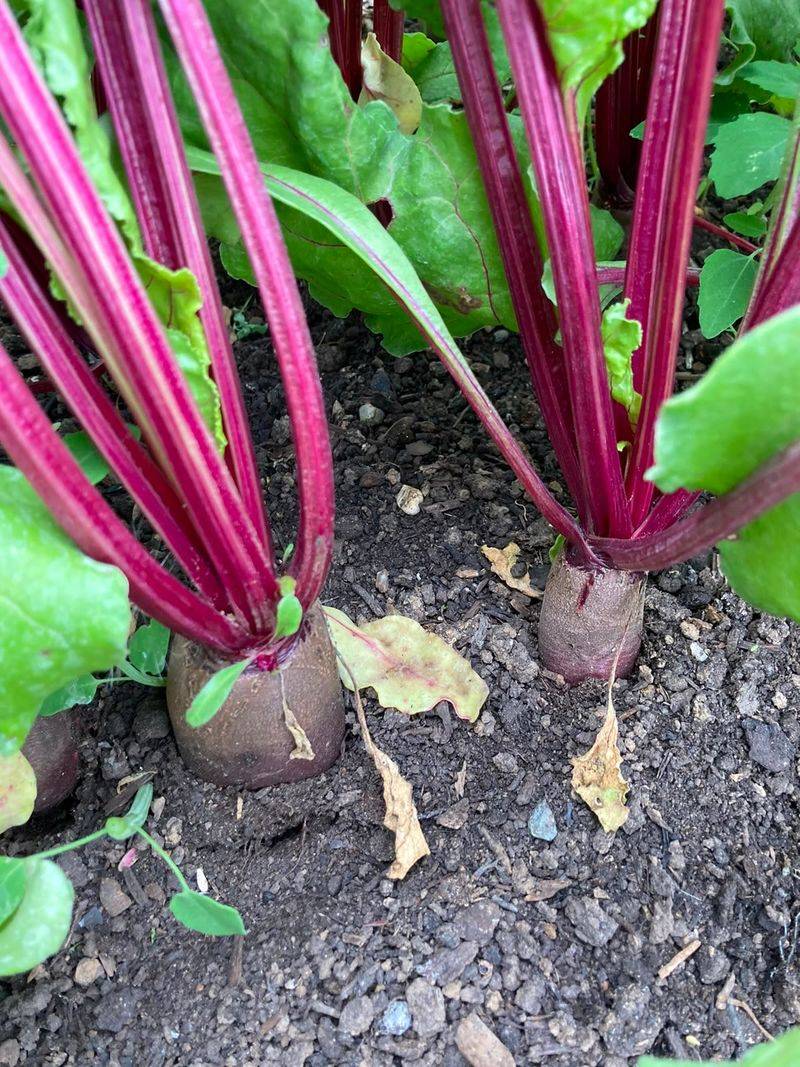
There is something satisfying about pulling a beet from the soil and seeing that deep red color. Beets are a two-for-one crop because you can eat both the sweet roots and the leafy greens on top.
Sowing beets about two weeks apart gives you a steady supply of tender young roots instead of one big batch that gets tough and woody while it waits.
Small, fresh beets taste sweeter and cook faster, and staggered planting keeps them coming at just the right size.
Michigan gardeners get a nice advantage here. Beets handle cool weather well, so you can start planting in early spring as soon as the soil can be worked, then keep sowing through the summer and into late season.
Your Michigan Garden Changes Every Week. Your Plan Should Too.
Gardening in Michigan changes quickly throughout the season. Every Friday you’ll receive a simple weekly plan showing exactly what to plant, prune, fertilize, harvest, and protect so you never miss the right timing.
One thing to know is that each beet seed is actually a little cluster that can grow several plants. That means you will need to thin your seedlings so the roots have room to swell. Pull the extras and toss them into a salad, since the baby greens are delicious.
Keep the soil evenly moist so the roots grow smooth and round. Dry spells can make beets crack or turn stringy.
Loose, rock-free soil helps the roots form nicely without bending around obstacles. Work in some compost before planting for the best results.
With a new short row every couple of weeks, you can enjoy sweet, tender beets from spring straight through the cooler days of fall without ever facing a giant overwhelming harvest.
3. Broccoli Benefits From Staggered Plantings
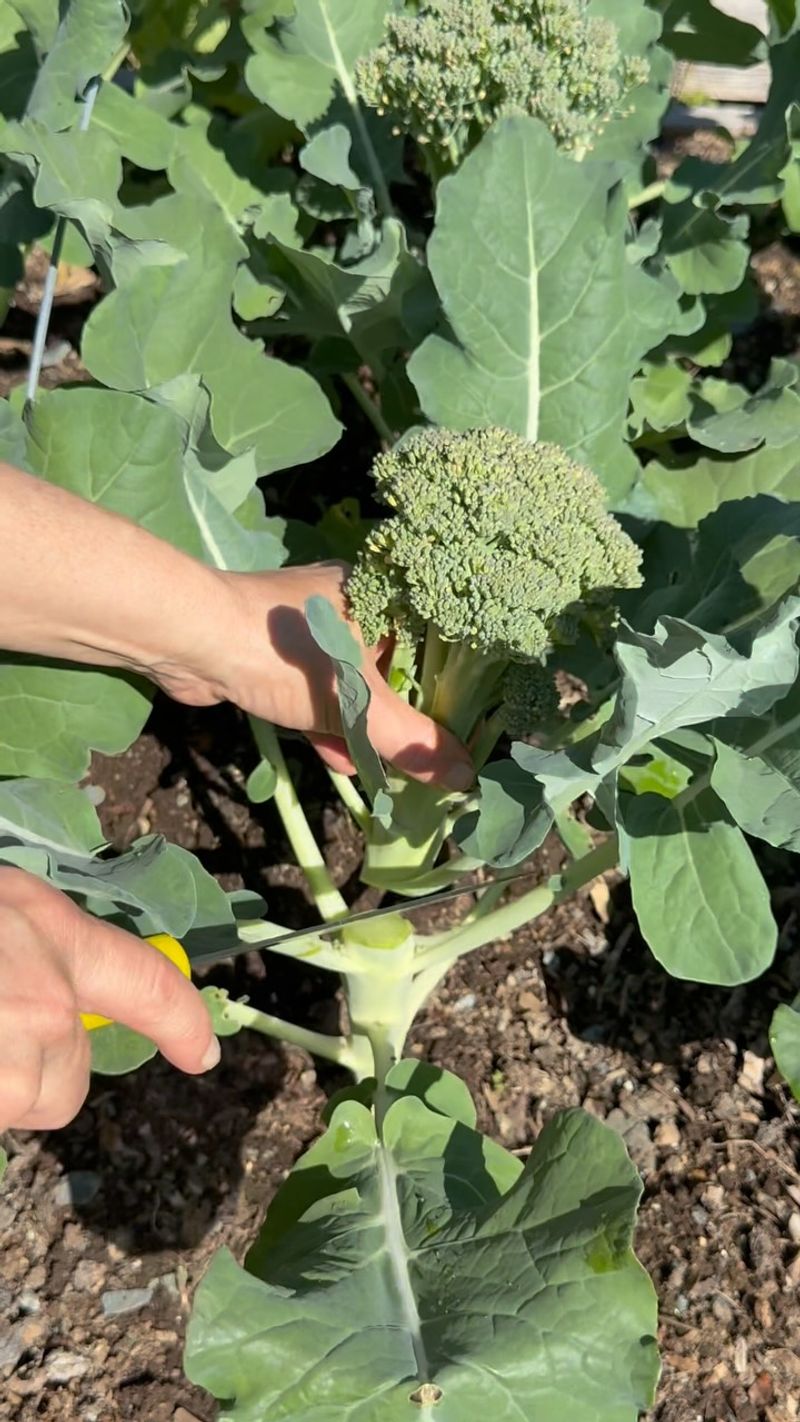
Broccoli has a habit of maturing all at once, which can leave you with more heads than your kitchen can handle. Spacing your plantings about two weeks apart solves that problem by spreading the harvest across several weeks.
When you stagger broccoli, you always have a fresh head ready instead of a huge rush followed by nothing. This makes meal planning easier and keeps the flavor at its peak.
Michigan gardeners face a special challenge with this crop. Broccoli loves cool weather and turns bitter or bolts when summer heat spikes. Because of that, timing your plantings around the hottest part of the year is key.
A smart plan is to plant in spring for an early summer harvest, then take a break during the peak heat and start again in mid to late summer for a fall crop. Fall broccoli often tastes best because cool nights sweeten the heads.
Starting seeds indoors gives young plants a head start and protects them from harsh conditions. Move them outside once they are strong and the weather cooperates.
Watch the calendar as fall approaches. Broccoli needs enough time to form full heads before the first frost settles in, so your last planting should go in with plenty of growing days to spare.
After you cut the main head, do not pull the plant. Many varieties keep producing smaller side shoots that give you bonus harvests for weeks. Between staggered sowing and those extra shoots, broccoli keeps your plate full through the cool season.
4. Cauliflower Is Better In Smaller Batches
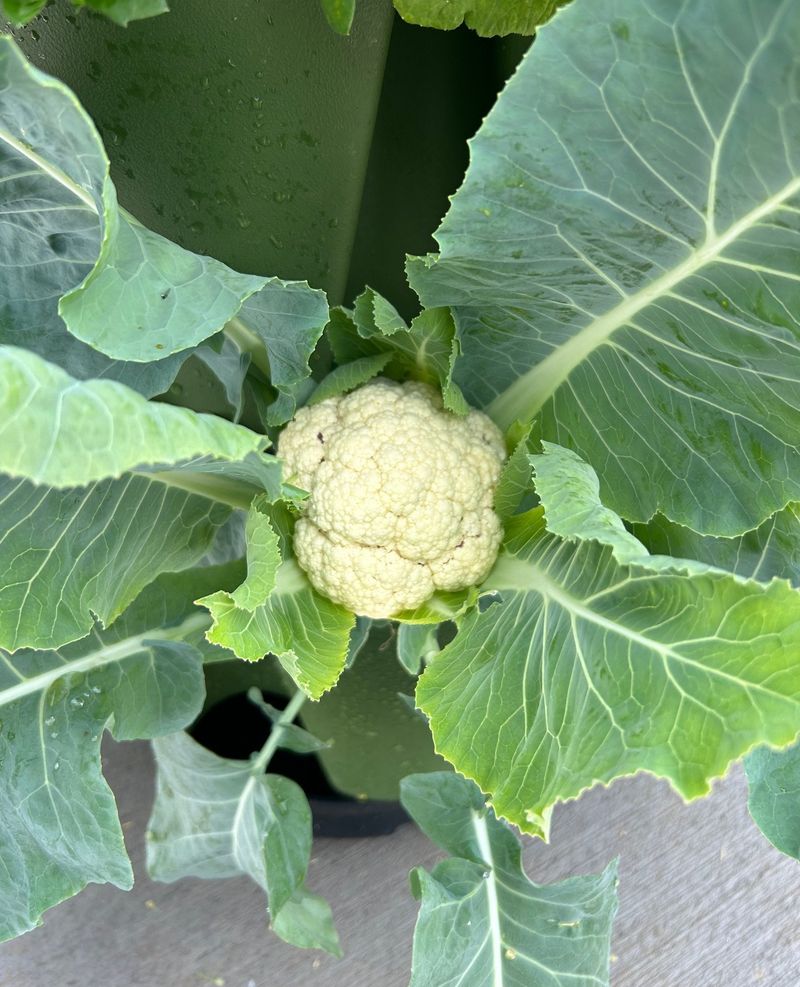
Cauliflower can be a little fussy, but the reward is worth it when you slice into a snowy white head you grew yourself. The trouble is that if you plant a whole row at once, every head tends to be ready on the same day.
Staggering your plantings a couple of weeks apart keeps all those heads from crowding your kitchen at the same time. Instead of scrambling to use a dozen at once, you harvest a few, enjoy them fresh, and wait for the next batch.
Cool growing conditions really matter for this crop. Cauliflower likes steady, mild temperatures, and sudden heat can cause the heads to turn grainy or fail to form tight curds. That is why timing counts so much in Michigan.
Spring and fall are your best windows. Fall planting often works even better because the weather cools gradually and gives the heads a smooth, even growing period.
A neat trick is called blanching. When the head is about the size of an egg, fold the outer leaves over it and tuck them in place. This shields the head from sunlight and keeps it creamy white.
Rich soil and steady watering help prevent stress, which cauliflower really dislikes. Any big change can make the plant stall.
Give each plant plenty of room and feed it well. With careful timing and small, spaced-out plantings, you can enjoy perfect heads one at a time instead of facing one enormous, overwhelming harvest all at once.
5. Kale Can Carry The Garden Into Fall
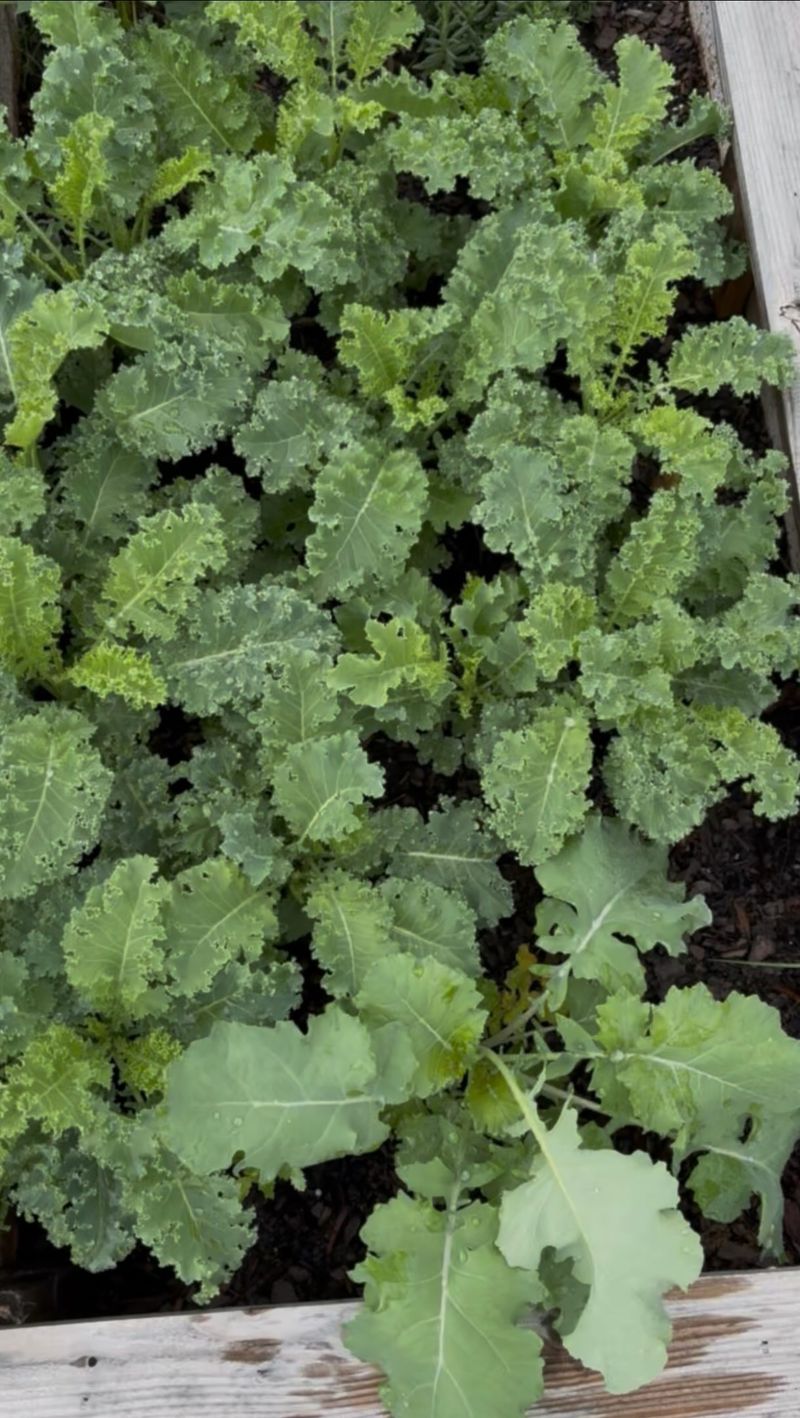
Kale might be the toughest green in the whole garden, and it just keeps giving. This leafy powerhouse handles cold better than almost anything else you can grow, which makes it a Michigan favorite.
Planting kale in waves every couple of weeks means you always have a supply of young, tender leaves. Older kale can get tough and strong-tasting, so fresh plantings keep the flavor mild and the texture soft.
The real magic happens as the weather cools. A light frost actually makes kale sweeter because the plant turns its stored starches into sugars to protect itself. Many gardeners say fall kale tastes far better than summer kale.
You can start plantings in spring and keep going through late summer. Those later sowings mature just as the air turns crisp, giving you fresh greens long after other crops have finished.
Harvesting is easy and rewarding. Pick the outer leaves and leave the center growing point alone, and the plant will keep pushing out new leaves for weeks.
Kale also stands up to light snow and keeps producing when most of the garden has gone quiet. That makes it one of the last crops you can enjoy before deep winter finally shuts things down.
Give it rich soil and steady water, and it will reward you generously. With staggered plantings, you can pull fresh leaves from spring all the way into the chilly heart of fall, keeping salads and soups going strong.
6. Turnips Are Fast Enough To Plant Again
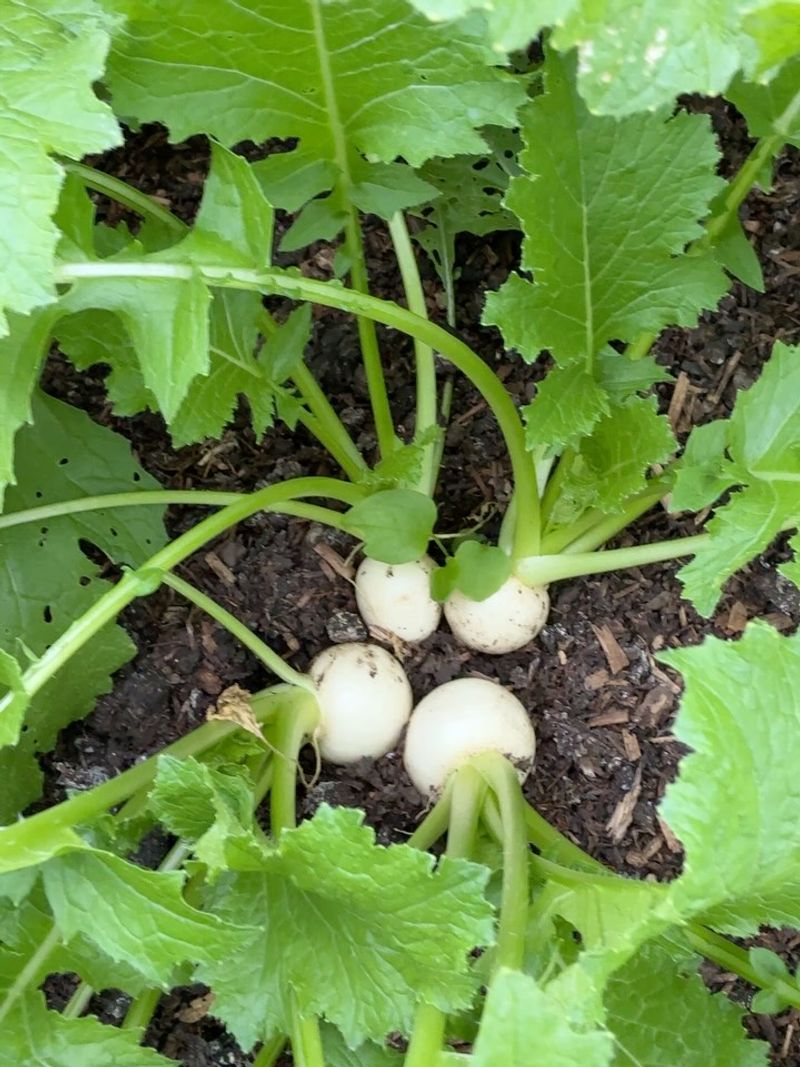
Turnips are the speedsters of the root world, and that speed makes them perfect for planting again and again. Some varieties are ready to pull in as little as five to six weeks, which is quick for a root crop.
Because they grow so fast, sowing a small patch every two weeks fits their timeline perfectly. You get a fresh supply of tender roots without waiting all season, and you avoid a giant harvest that sits around too long.
Like kale, turnips give you two crops in one. The roots are great roasted or mashed, and the leafy greens on top cook up beautifully. Nothing goes to waste.
Michigan gardeners can push turnips into cool fall weather with later sowings. In fact, fall turnips often taste sweeter and milder because the cool nights improve their flavor.
Small roots are the tastiest, so do not wait too long to harvest. Big turnips can turn woody and sharp, while young ones stay crisp and mild.
Loose soil helps the roots grow round and smooth. Work the bed well before planting and keep it evenly watered so the roots do not get tough.
Thin your seedlings so each plant has room to bulk up. The little sprouts you pull make a tasty addition to salads.
With quick growth and cold tolerance on their side, turnips let you keep planting well into the season, stretching your harvest right into the cool, crisp days of autumn.
7. Carrots Reward Staggered Sowing
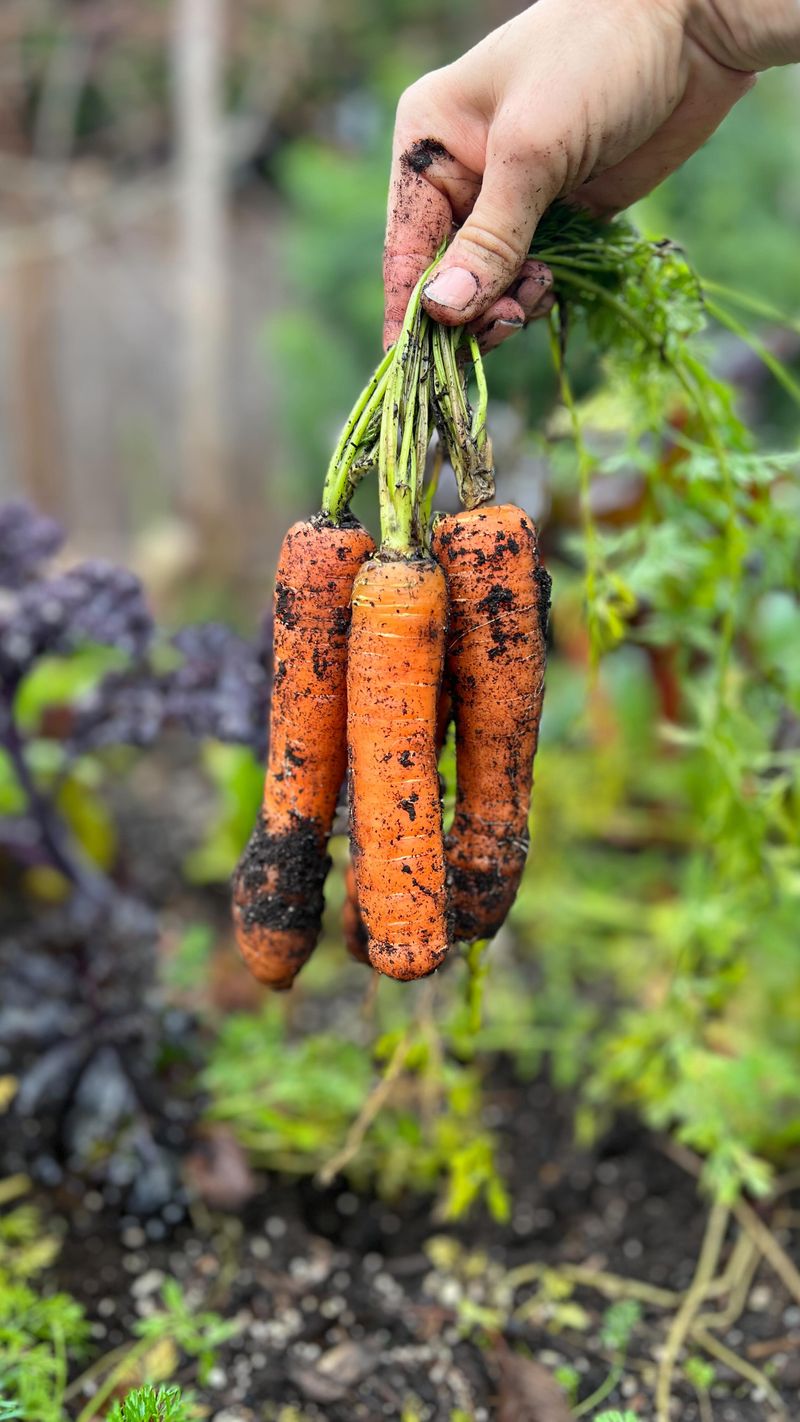
Few things beat the crunch of a carrot pulled straight from the ground. These sweet roots take patience, but they pay you back with amazing flavor when grown at home.
Planting carrots in small batches every two to three weeks spreads the harvest so you are not stuck pulling everything at once. This steady approach keeps fresh carrots coming instead of leaving you with one huge crop to store all at the same time.
Carrots grow slower than many crops, often needing 60 to 80 days to mature. That means your final sowing needs careful timing so the roots have enough time to size up before Michigan winter weather arrives.
Count back from your first hard frost and stop planting when there are no longer enough growing days left. Late plantings that run out of time will stay small and thin.
Loose, sandy, rock-free soil is the secret to straight carrots. Rocks and clumps make roots twist and fork, so take time to prepare the bed well.
Carrot seeds are tiny and slow to sprout, so keep the soil surface moist while you wait. Patience during this stage really pays off.
Cool fall weather works in your favor here too. A touch of frost makes carrots noticeably sweeter, turning good roots into great ones.
Thin your seedlings so each carrot has room to grow fat and long. With staggered sowing and a little planning, you can enjoy crisp, sweet carrots stretched across a long and happy season.