Why Michigan Backyards Are Suddenly Full Of Dragonflies After The Rain
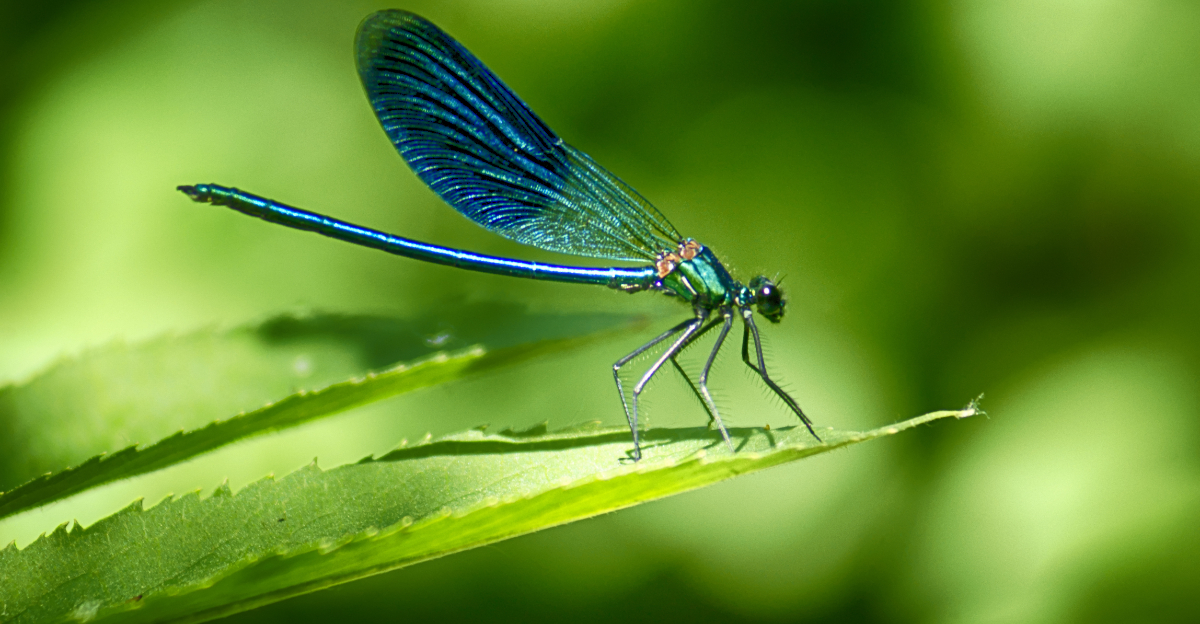
A sudden surge of dragonflies after heavy rain is a welcome and completely natural occurrence in Michigan backyards during summer months.
Standing water left behind by storms creates temporary breeding grounds that dragonflies quickly take advantage of for laying eggs.
These insects are also drawn to the increased mosquito activity that often follows rain, since mosquitoes make up a significant part of their diet.
Dragonflies serve as excellent natural pest control, consuming impressive numbers of mosquitoes and other small flying insects each day.
Their presence signals a healthy, balanced backyard ecosystem responding naturally to changing weather conditions. Avoiding pesticide use after storms helps protect these beneficial insects while they work through the temporary mosquito boom.
Providing a small water feature can encourage dragonflies to stick around even after standing water from rain evaporates. Enjoying this temporary abundance means fewer mosquitoes bothering you during those first clear evenings after a storm.
1. The Rain Can Bring A Surge Of Flying Insects

After a heavy Michigan rainstorm, something remarkable happens in your backyard that most people never think about. The wet conditions create a perfect environment for mosquitoes, midges, gnats, and other small flying insects to become incredibly active.
Standing water pools up in low spots, flower pots, and garden beds, giving these tiny insects ideal places to breed and swarm. Dragonflies are sharp-eyed, highly mobile hunters, and they pick up on this surge in flying insect activity very quickly.
Michigan officials have noted that excess rain and standing water significantly increase mosquito breeding habitat around residential areas.
When mosquitoes and other small insects suddenly become concentrated in one spot, adult dragonflies do not hesitate to move in and take full advantage of the situation.
They can travel surprisingly long distances to reach a productive hunting area, so your yard does not have to be their permanent home for them to show up in force.
Seeing a crowd of dragonflies zipping around your lawn after rain is actually a natural response to a spike in the local insect population. They are not gathering for any mysterious reason.
They are simply following the food. The sudden appearance can feel dramatic, almost like a scene from a nature documentary happening right in your own backyard.
Knowing that these visitors are responding to a very real and temporary surge in smaller insects makes the whole experience even more impressive to watch.
2. Dragonflies Are Following The Food
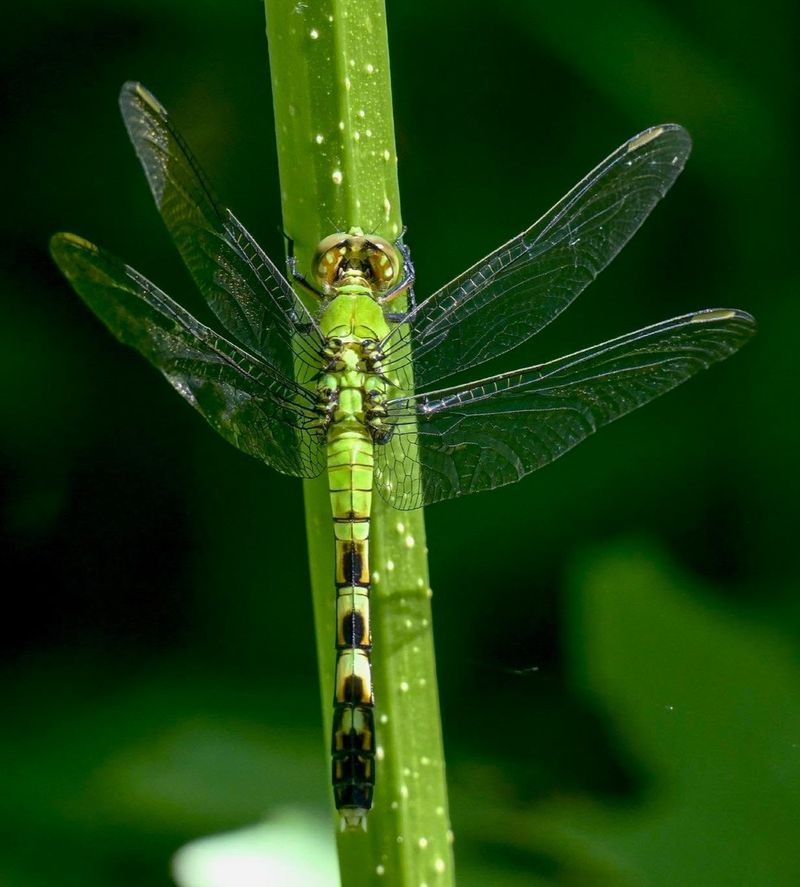
Few hunters in the insect world are as effective as the adult dragonfly. These incredible fliers catch their prey in midair with a success rate that rivals most predators on the planet.
Mosquitoes, gnats, flies, and other tiny airborne insects make up the bulk of their diet, and adult dragonflies spend a huge portion of their waking hours actively pursuing these targets across open spaces.
When your backyard suddenly fills with small flying insects after a rainstorm, it becomes an all-you-can-eat situation for any dragonfly in the area.
A single dragonfly can consume dozens of insects in one hunting session. Now imagine several of them working over the same patch of lawn or garden bed at once.
Your Michigan Garden Changes Every Week. Your Plan Should Too.
Gardening in Michigan changes quickly throughout the season. Every Friday you’ll receive a simple weekly plan showing exactly what to plant, prune, fertilize, harvest, and protect so you never miss the right timing.
What looks like a sudden invasion is really just a group of skilled hunters responding to an obvious concentration of food. Backyards with open grassy areas, flower beds, or low-lying spots that collect water after rain are especially attractive because insects tend to swarm in those areas.
The feeding behavior of dragonflies is one of the most fascinating things about them. They do not stumble across prey by accident.
They calculate angles, anticipate movement, and intercept targets with remarkable precision. Watching a dragonfly hunt over your garden after a rainstorm is genuinely one of nature’s most entertaining free shows.
The next time you spot several of them patrolling your yard, take a moment to watch closely. You might just catch one snatching a mosquito right out of the air in front of you.
3. They Did Not Suddenly Hatch From Rain Puddles
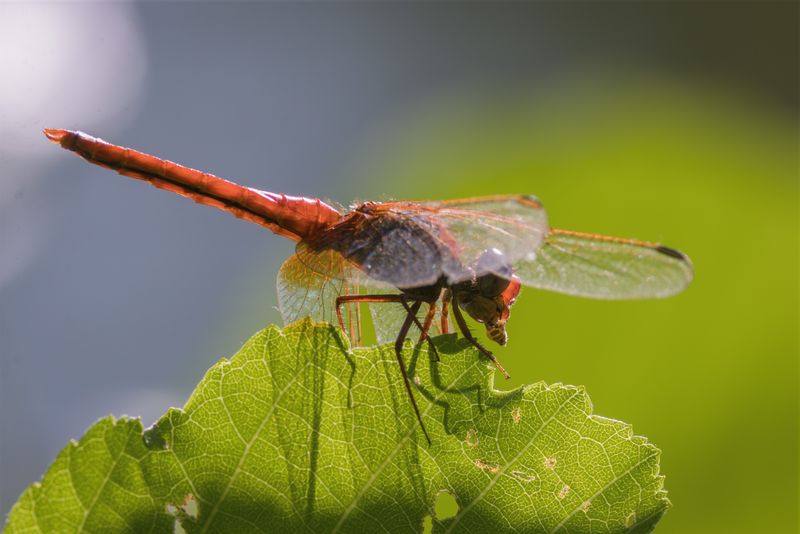
One of the most common assumptions people make after spotting dozens of dragonflies post-storm is that the rain somehow produced them. It is a completely understandable thought, but the truth is quite different and honestly even more fascinating.
Dragonflies begin their lives entirely underwater as aquatic nymphs, and that early stage of their development can last anywhere from one to three years depending on the species.
The Michigan Natural Features Inventory confirms that many dragonfly species require this extended aquatic period before ever growing wings.
A fresh rain puddle might attract certain aquatic insects that complete their life cycles quickly, but adult dragonflies are not among them.
The winged adults you see gliding over your lawn after a storm have been developing in ponds, wetlands, lakes, and slow-moving streams for months or even years before they ever took flight.
The recent rainstorm had nothing to do with creating those adults. They were already out there, living and growing in nearby water bodies long before the clouds rolled in.
What the rain does is change the conditions above the water, making your yard a more attractive destination for adults that were already flying around the region.
So rather than picturing a puddle magically producing dragonflies overnight, picture a nearby pond or wetland that has been quietly raising them for the past year or two.
Those fully developed adults simply found a reason to visit your backyard, and the surge of insects after rain gave them exactly that reason. The puddle gets the credit, but the pond did all the real work.
4. Nearby Ponds Wetlands And Lakes Can Supply The Adults
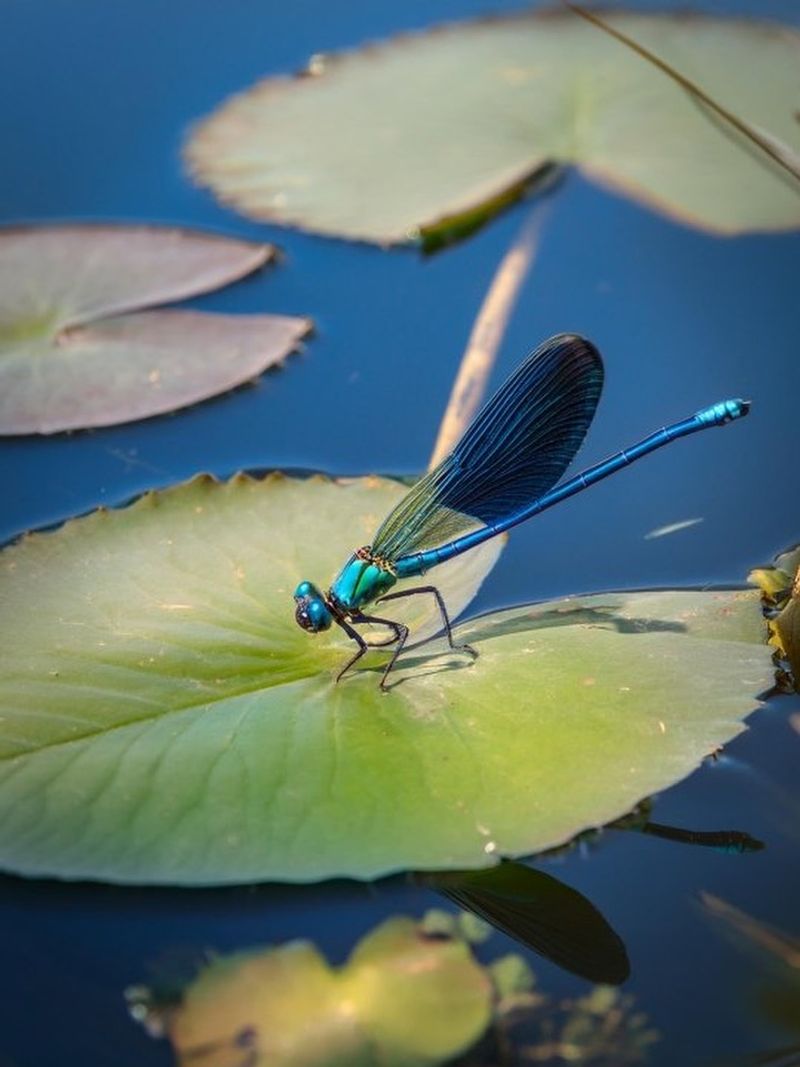
Michigan is one of the most water-rich states in the country, with thousands of lakes, ponds, rivers, marshes, and wetlands spread across the landscape.
If your backyard is within a mile or two of any of these water sources, you have a natural dragonfly factory practically in your neighborhood.
Dragonfly nymphs live and grow underwater in these habitats, feeding on aquatic organisms and steadily developing until they are ready to emerge as winged adults. Once they emerge, they do not stay confined to the water’s edge.
Adult dragonflies are surprisingly strong fliers and regularly patrol areas far from the water where they developed. They move into lawns, flower beds, woodland edges, and open yards in search of food and territory.
A homeowner can experience a full dragonfly visit without having any standing water in their yard at all, simply because the adults originated from a nearby wetland or pond. The water connection is real, but it does not have to be in your backyard specifically.
Living near a healthy wetland or lake in Michigan is actually something worth appreciating. These habitats support an enormous variety of wildlife, and dragonflies are one of the most visible and entertaining species that benefit from them.
After a rainstorm boosts insect activity across a wider area, adults from nearby water bodies naturally expand their patrol zones to take advantage of the opportunity.
Your backyard becomes part of their extended hunting ground, and the result is that spectacular post-rain dragonfly display that catches so many Michigan residents off guard each summer.
5. Warm Calm Weather After Rain Makes Them Easier To Notice
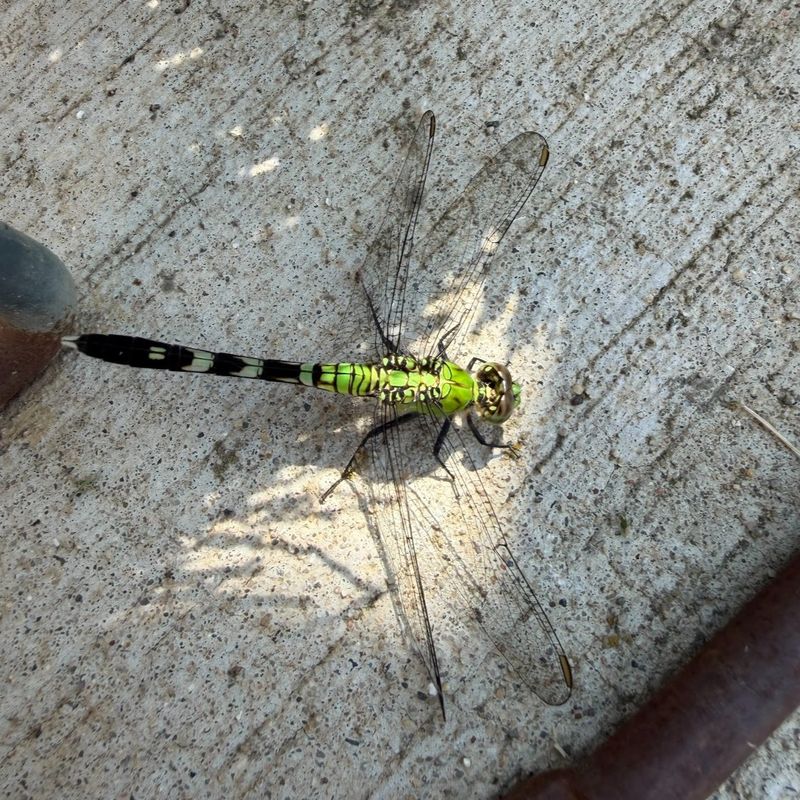
Timing plays a huge role in when and where you actually notice dragonflies. During a storm, strong winds and heavy rain keep most flying insects grounded.
The moment conditions calm down and the sun starts warming the air again, insect activity explodes. Dragonflies are cold-blooded, meaning their body temperature and energy levels are directly tied to the warmth around them.
A sunny, warm afternoon following a summer rainstorm is practically the ideal condition for dragonfly activity in Michigan.
Open, sunny areas like lawns and garden beds allow dragonflies to patrol freely and spot small insects from a distance. These spaces give them the room they need to execute those rapid, precise aerial maneuvers that make them such effective hunters.
You are far more likely to notice a group of dragonflies working over a bright open yard than you would over a shaded or overgrown area simply because the visibility is better for both the dragonflies and for you as the observer.
Pay attention to where exactly the dragonfly activity is concentrated the next time this happens in your yard. Are they hovering over the open grass?
Circling near a flower bed? Patrolling close to a low spot where water collected? Their location usually gives you a clue about where the insect activity is highest.
Humidity alone does not drive dragonfly numbers up, but the combination of warmth, calm air, and a sudden abundance of prey after rain creates a window of opportunity that these skilled hunters are very good at recognizing and using to their full advantage.
6. A Dragonfly-Filled Yard Is Usually Good News
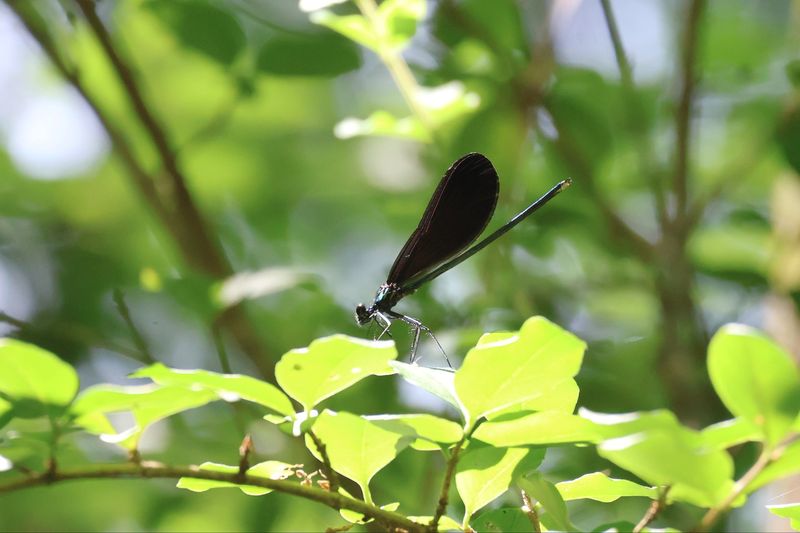
Spotting a wave of dragonflies in your backyard might feel alarming at first, especially if you have never seen so many at once. But here is the reassuring truth: dragonflies are among the most beneficial insects you can have visiting your outdoor space.
They are pure predators of other flying insects and pose absolutely no threat to your garden plants. They do not chew leaves, damage flowers, bore into stems, or interfere with vegetables in any way.
Having them around is genuinely a sign of a healthy, active backyard ecosystem.
Adult dragonflies feed on mosquitoes, gnats, and other small flying insects. Their aquatic nymphs are equally impressive, feeding on mosquito larvae and other organisms in the water where they develop.
This means dragonflies are working to reduce pest insect populations at two completely different stages of their life cycle.
Michigan gardeners who see a sudden influx of dragonflies after rain are essentially watching a free, natural pest management service operating right in their own yard.
Reaching for a broad insect spray simply because an unusual number of dragonflies appeared would actually work against your garden’s best interests.
Broad sprays tend to affect many insect species, including the beneficial ones, and could reduce the very prey population that attracted the dragonflies in the first place.
Instead, take a few minutes to simply watch them work. They are fast, agile, and surprisingly entertaining to observe.
A backyard full of dragonflies after a Michigan rainstorm is not a problem to solve. It is a natural wonder worth enjoying.
7. Still Empty Small Containers Holding Rainwater
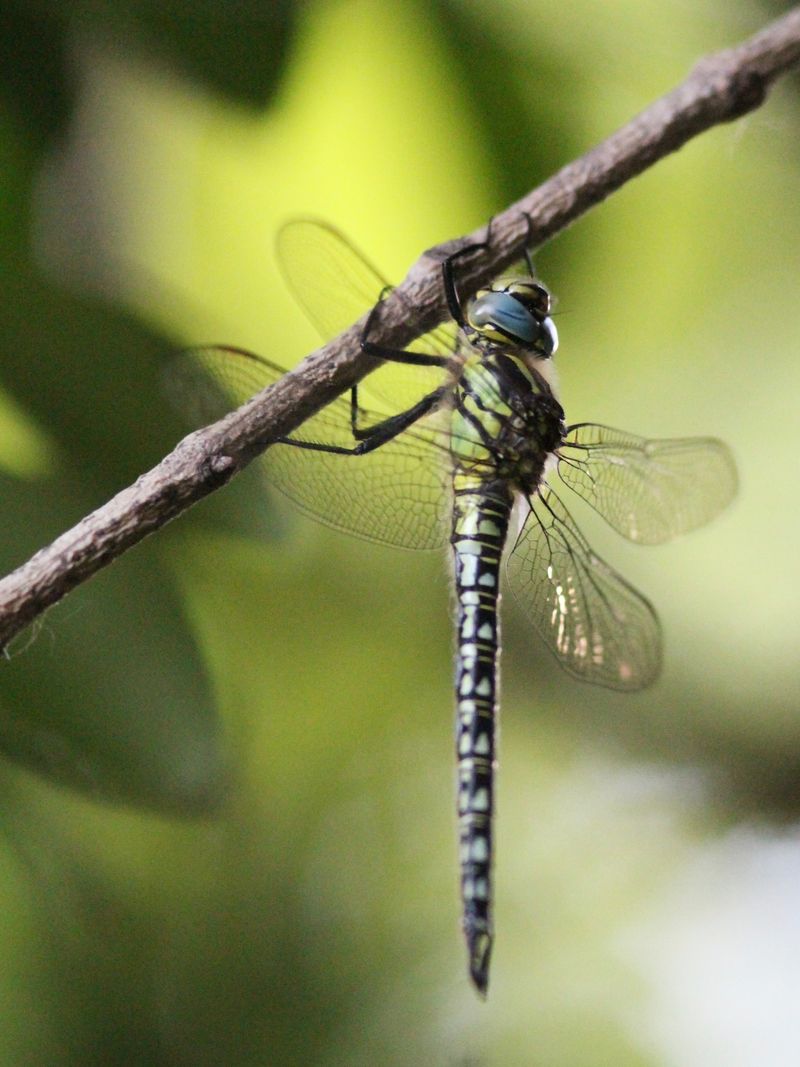
Welcoming dragonflies into your yard does not mean you should let every container around your property fill up with standing water after a storm.
There is an important difference between habitat that supports dragonflies and stagnant water that creates problems.
Buckets, flower pot saucers, clogged gutters, old tires, children’s toys, and any other small container that collects rainwater can become a prime breeding spot for mosquitoes within just a few days.
Michigan health officials consistently recommend eliminating these accidental water-holding containers around homes, especially after heavy rain events.
Mosquitoes only need a small amount of standing water and about a week to complete their early development stages.
A forgotten bucket left in the corner of your yard after a rainstorm can produce a surprising number of mosquitoes before you even think about it again.
Emptying, flipping over, or storing containers that collect water is one of the simplest and most effective steps any Michigan homeowner can take to reduce mosquito pressure around their property.
A properly designed rain garden is a different situation entirely. Rain gardens are built specifically to absorb and drain water efficiently, and they do not hold standing water long enough to support mosquito breeding.
Established backyard ponds with moving water or natural predators present are also different from a stagnant container. The goal is to preserve genuinely useful water habitat while eliminating the accidental puddles that create more pests than benefits.
Dragonflies will appreciate the cleaner environment, and your family will appreciate fewer mosquitoes buzzing around during summer evenings in the yard.
8. Make The Backyard Friendly Without Trying To Trap Them
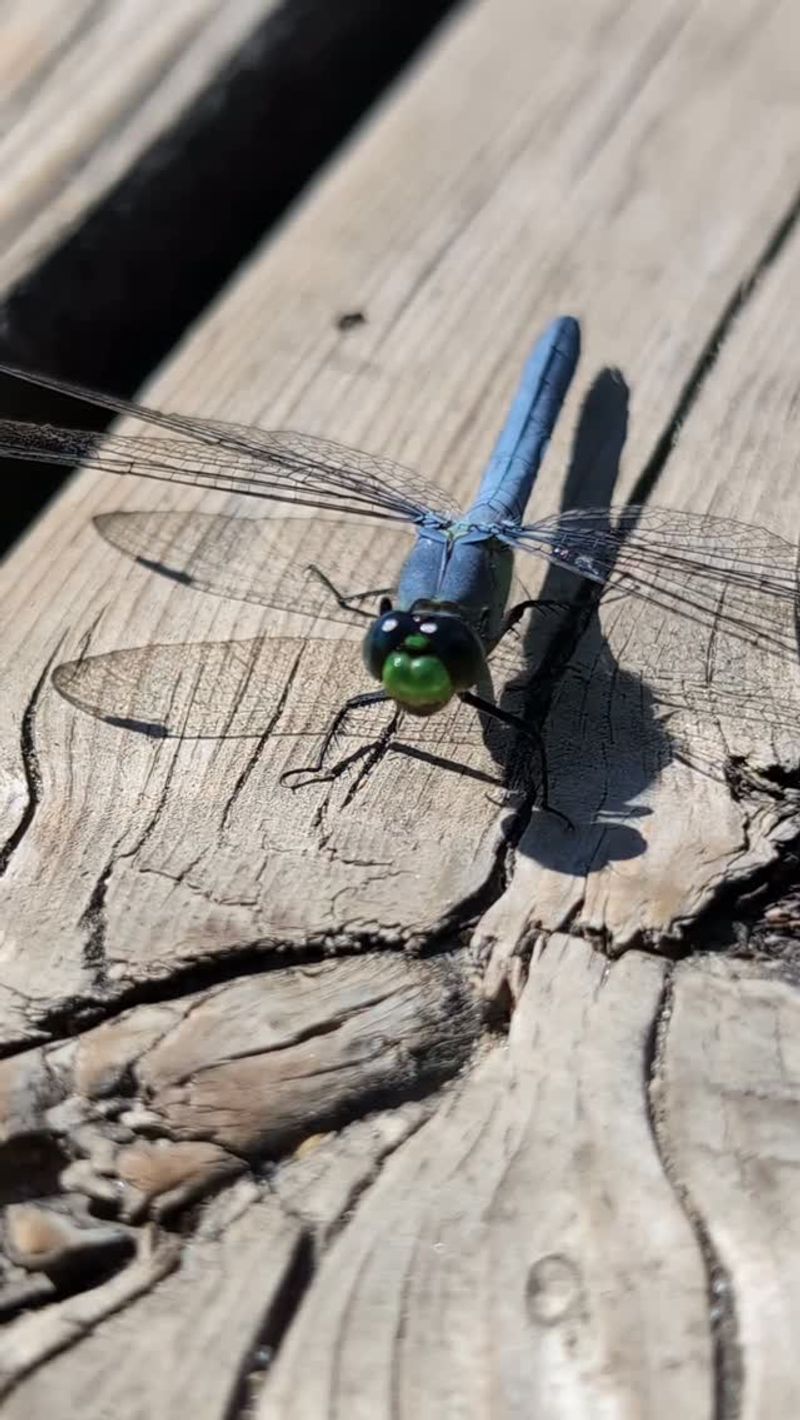
Michigan gardeners who genuinely enjoy having dragonflies around will be happy to know that supporting them does not require special traps, expensive equipment, or complicated treatments.
Dragonflies are wild, free-ranging insects, and the best way to encourage their presence is simply to make your yard a place where they naturally want to spend time.
Keeping some open, sunny areas in your yard gives adults the hunting space they need. A diverse mix of native plants supports a wider variety of insects, which in turn supports the dragonflies that feed on them.
Limiting unnecessary broad insecticide use is one of the most impactful choices you can make.
Pesticides that target a wide range of insects can significantly reduce the prey population that dragonflies depend on, making your yard far less attractive to them over time.
If you have access to a nearby clean pond or wetland, protecting that habitat is valuable too, since that is ultimately where future generations of dragonflies will develop.
Supporting healthy water quality in those areas benefits the entire local ecosystem.
The surge of dragonflies you notice after a summer rainstorm is usually temporary. As insect populations settle back down and weather conditions shift, the visiting dragonflies will spread out or move on.
Their sudden appearance is a clear signal that they found a productive feeding area in your yard, not that the rain created a brand new population overnight.
Enjoy the visit while it lasts, make a few simple choices to support a healthy yard, and those post-rain dragonfly gatherings will keep coming back season after season.