The Underrated Michigan Native That Helps Keep Stink Bugs Away From Apple Trees
Stink bugs cause real headaches for Michigan apple growers, often damaging fruit just as it’s getting close to ready. Most people assume the only real solution involves regular chemical treatments applied throughout the growing season.
But a specific native plant has quietly been helping keep these pests at bay, working in a way many gardeners have never thought to try near their trees.
Understanding how this plant actually functions changes how you might approach pest prevention for next year’s harvest.
Many gardeners are surprised by how effective this natural option turns out to be once they finally give it a chance. Once you know what to plant nearby, protecting your apples becomes noticeably less of a struggle.
This underrated native could be exactly what your orchard has been missing all along.
1. Slender Mountain Mint Is The Plant To Know
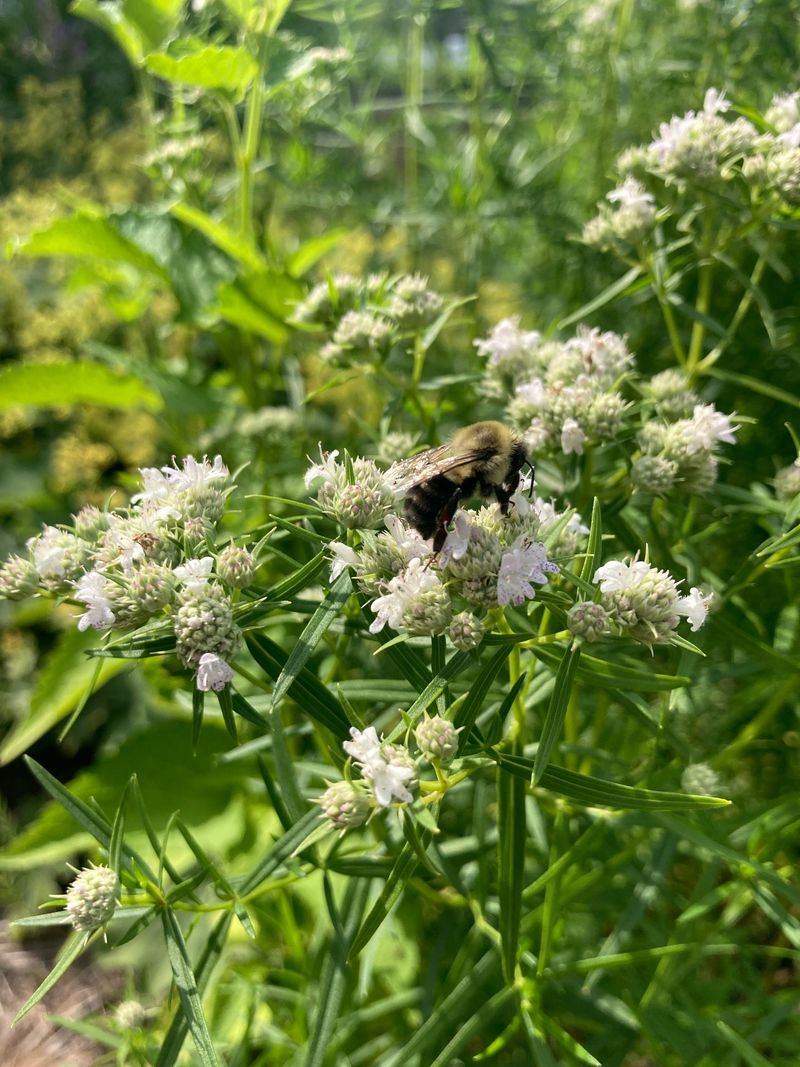
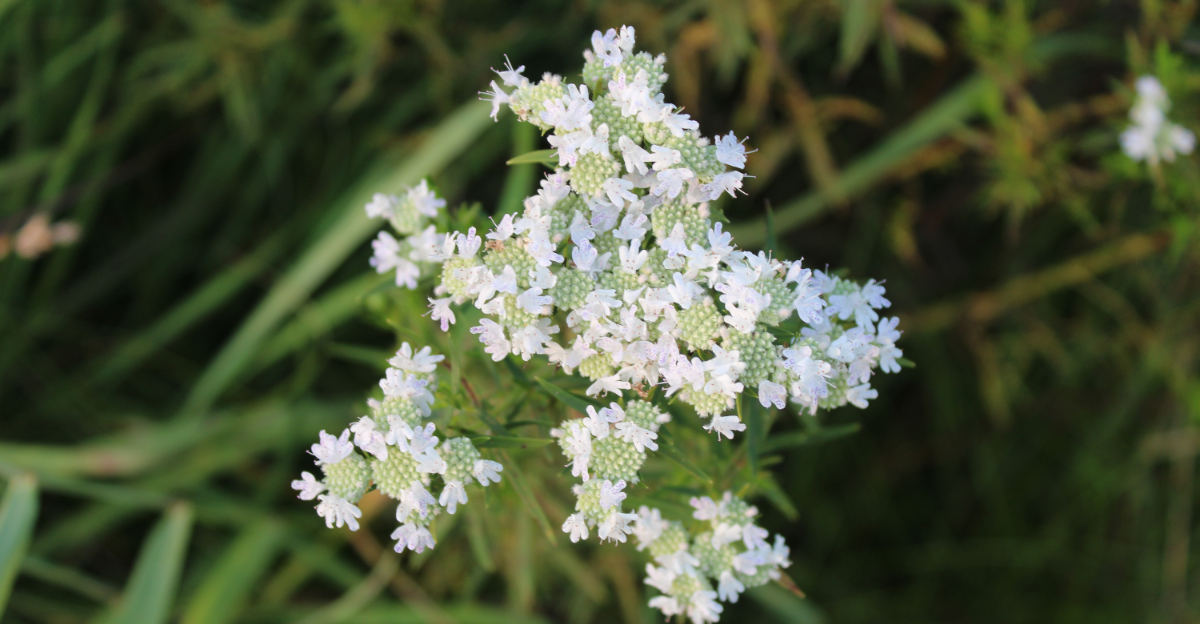
Meet a plant that looks plain at first glance but works hard behind the scenes. Slender mountain mint, known by scientists as Pycnanthemum tenuifolium, grows wild across Michigan and returns faithfully every year as a tough perennial.
Its thin, feathery leaves give off a fresh minty smell when you brush against them. Come mid-summer, the plant bursts open with small clusters of tiny white flowers that seem to glow in the sunshine.
What makes it special is not the mint scent but the crowd it draws. Those little blooms serve up nectar that beneficial insects adore, and many of those visitors happen to be natural enemies of stink bugs.
Gardeners often overlook this native because it does not have big, showy petals. Yet the tiny flowers pack a serious punch when it comes to feeding helpful bugs that patrol your yard and orchard.
Because it is native to the region, it handles Michigan winters, summer heat, and local soil without much fuss. You will not need to baby it once it settles in.
Think of slender mountain mint as a welcome sign for good insects. When they stop by for a snack, they stick around and go to work on the pests you want gone.
Adding a patch near your fruit trees turns an ordinary corner of your yard into a busy hub of activity. It is a simple, natural way to build a stronger, more balanced garden that supports your apples.
2. It Does Not Repel Stink Bugs
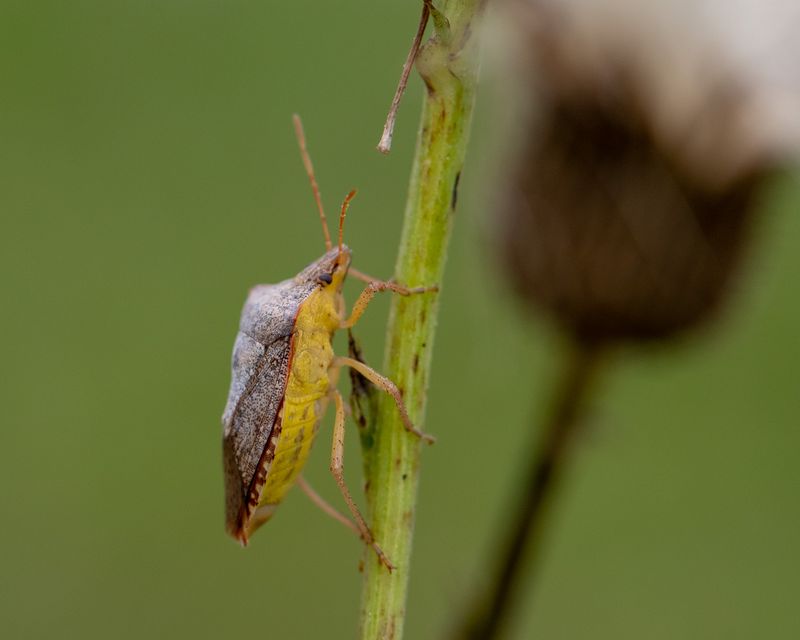
Here is a myth worth clearing up right away. Some folks assume that because mountain mint smells strong, it must push stink bugs far away like a bottle of bug spray. That is not how it works.
No solid research shows that slender mountain mint acts as a proven stink bug repellent. Planting it will not create an invisible force field that keeps pests off your apples.
Instead, its real power comes from teamwork. The plant supports the natural enemies of stink bugs by feeding them nectar and giving them a comfy place to hang out.
Those helpers do the tough job of hunting the pests. So the mint is more like a snack bar for your allies than a weapon against the bugs themselves.
Your Michigan Garden Changes Every Week. Your Plan Should Too.
Gardening in Michigan changes quickly throughout the season. Every Friday you’ll receive a simple weekly plan showing exactly what to plant, prune, fertilize, harvest, and protect so you never miss the right timing.
Understanding this difference matters because it changes how you use the plant. If you expect it to work like a spray, you might feel let down when a stink bug still lands on a branch.
When you view it as a habitat builder, though, the results start to make sense. You are growing a support system, not a quick fix.
This honest approach helps you set fair goals for your garden. You will lean on many small wins working together rather than one magic trick.
Keep your expectations grounded, and mountain mint becomes a smart piece of a bigger plan. It quietly boosts the good bugs while you handle the rest with careful attention and patience over the season.
3. Sand Wasps Are The Secret
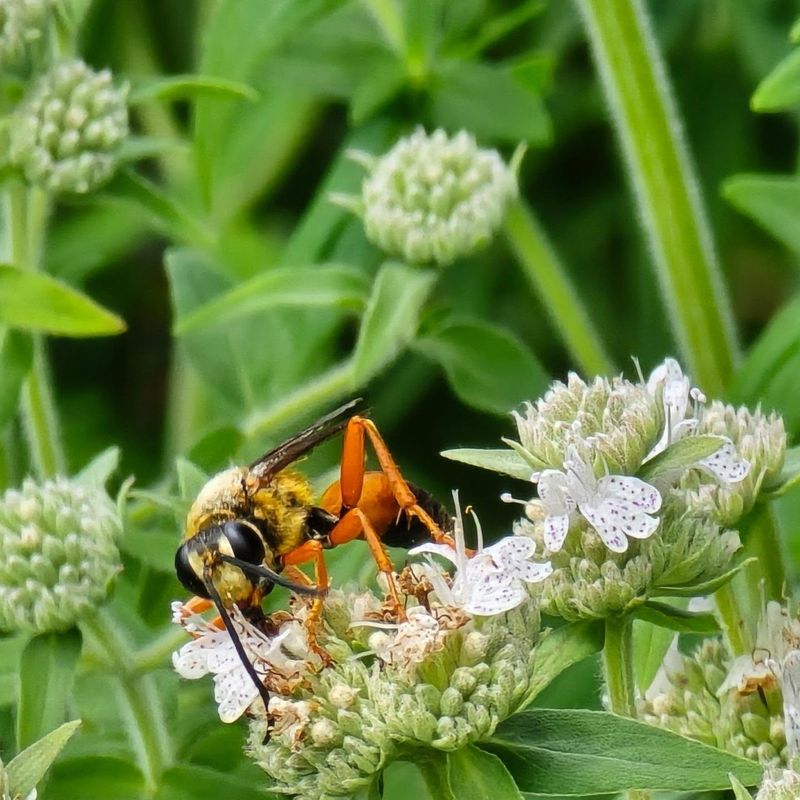
Now for the star of the show. Among the many insects that flock to mountain mint, sand wasps stand out as some of the most useful visitors you could ask for.
These wasps are not the aggressive kind that bothers people at picnics. They mind their own business and spend their days sipping nectar from tiny flowers like those on mountain mint.
But nectar is only part of their story. Certain sand wasp species are skilled hunters, and some of them capture young brown marmorated stink bugs, called nymphs, to feed their growing offspring.
Picture a busy parent gathering groceries. The adult wasp grabs stink bug nymphs and carries them back to its nest tucked in sandy soil.
By doing this over and over, sand wasps trim down the number of stink bugs before those pests can grow up and attack your fruit. It is a natural cycle that works in your favor.
When you plant mountain mint, you roll out the welcome mat for these helpful wasps. The nectar gives them energy, and energetic wasps hunt more pests.
Many gardeners never notice this quiet partnership happening right in front of them. The wasps blend in and go about their work without any fanfare.
Giving them a reliable food source keeps them around your yard longer. The longer they stay, the more chances they have to catch those troublesome nymphs near your apple trees, making the whole area a little safer for your harvest.
4. Other Beneficial Insects Join In
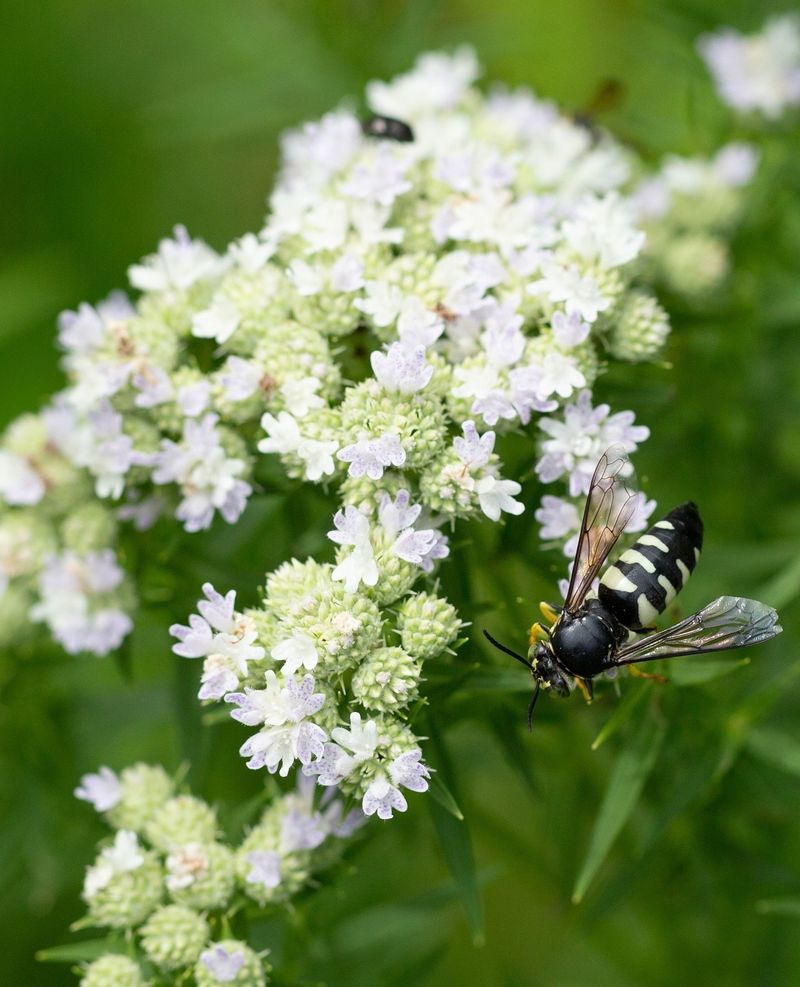
Sand wasps get plenty of credit, but they bring a whole crew of helpers with them. Mountain mint flowers act like a popular gathering spot for a wide range of good bugs.
Parasitoid wasps are among the tiniest guests. These little insects lay their eggs inside stink bug eggs, stopping the next batch of pests before it even hatches.
Assassin bugs show up too, and they earn their fierce name honestly. They grab pest insects with strong front legs and put an end to the trouble those pests cause.
Lacewings are another welcome sight. Their young are hungry hunters that feast on soft-bodied pests, cleaning up your plants as they crawl along.
Lady beetles, which many people call ladybugs, round out the team. Both the adults and their spiky larvae munch through pests all season long.
When these insects have a steady supply of nectar, they stick around your yard instead of wandering off to greener pastures. A flowering patch keeps them fed and happy.
The beauty of this setup is variety. Different helpers target different pests and different life stages, so your garden gets protection from many angles at once.
A single plant that feeds so many allies is a smart addition to any yard. You plant one thing and gain an entire workforce of natural pest controllers.
Over time, this crowd of beneficial insects builds a healthier balance in your garden, giving your apple trees quiet backup you may never even see at work.
5. Apple Trees Need The Extra Help
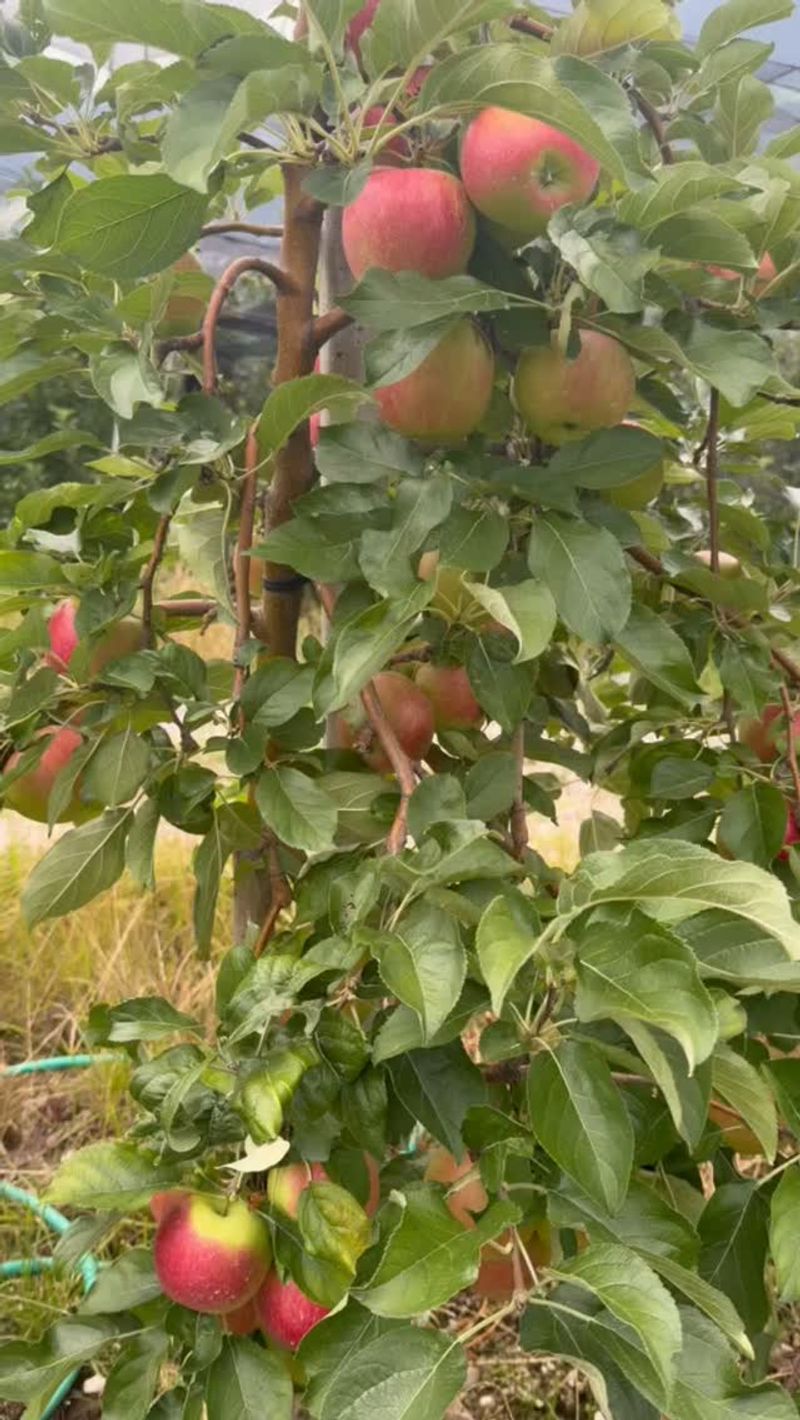
Apples are a big deal in Michigan, and stink bugs know it. The brown marmorated stink bug has become a real headache for growers across the state.
These pests use their needle-like mouthparts to poke into developing apples and sip the juices inside. That feeding leaves behind sunken, corky spots that ruin the look and texture of the fruit.
Damaged apples often cannot be sold fresh, which means real losses for orchards and disappointment for backyard growers hoping for a clean crop.
What makes the problem trickier is where the bugs like to gather. Stink bugs frequently move in from nearby woods, fields, and hedgerows.
Because of that habit, trees along the edge of an orchard usually take the hardest hit. The outer rows sit closest to where the pests hide and rest.
Knowing this pattern helps you focus your attention. If you have a small home orchard, keep a close watch on the trees nearest to wild areas.
Building up a strong team of beneficial insects becomes even more valuable in those hot spots. The more natural enemies patrolling the edges, the better your chances of a healthy harvest.
That is exactly where a plant like mountain mint fits in. Placed thoughtfully, it feeds the helpers right where the pest pressure runs highest.
Your apples deserve every bit of protection you can give them. Understanding how and where stink bugs strike puts you one step ahead in keeping your fruit clean and tasty.
6. Plant It Near The Orchard Edge
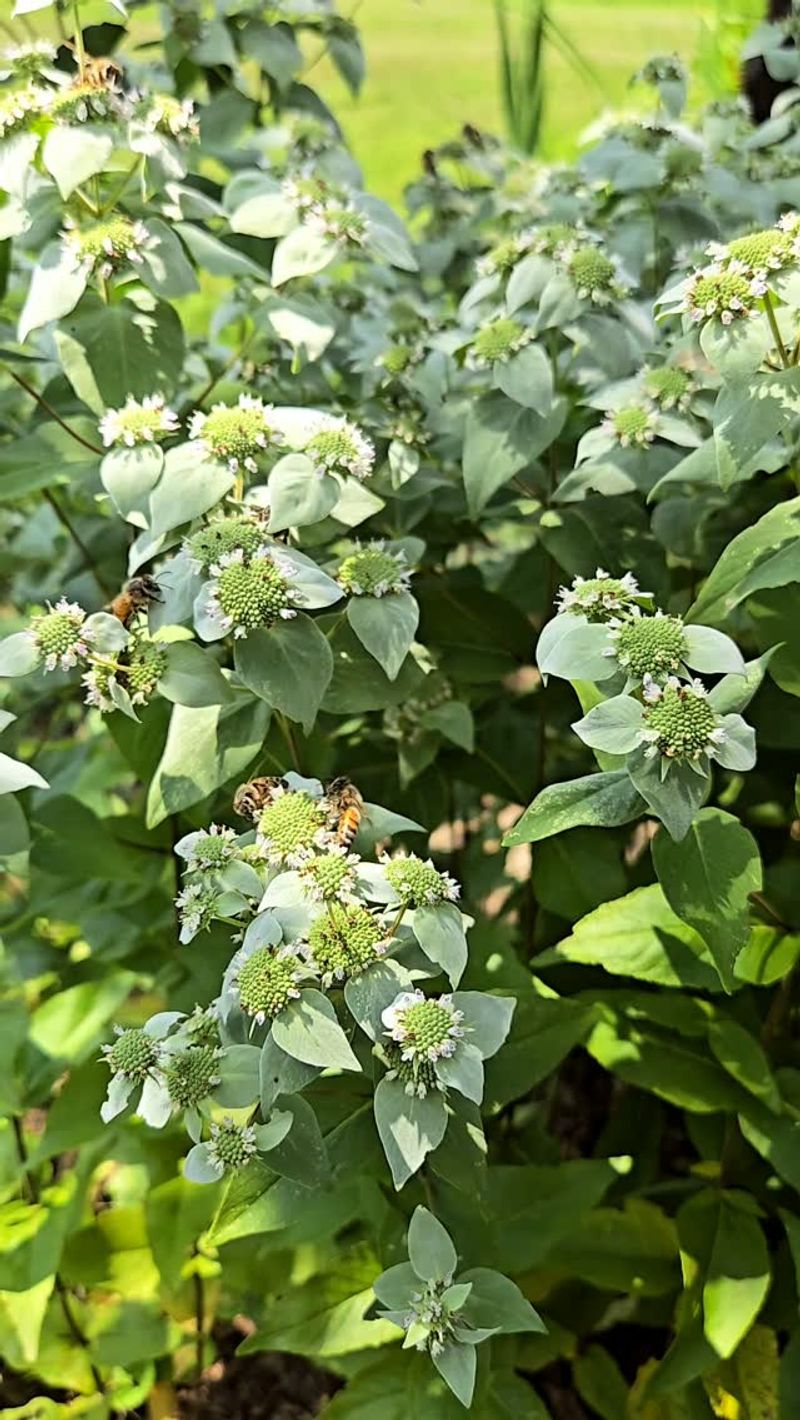
Placement makes a huge difference with this plant. Since stink bugs love to sneak in along the borders, that edge is the smartest spot for a patch of mountain mint.
Set up a sunny flowering area between your apple trees and the wild land nearby. This creates a buffer zone packed with nectar for your insect allies.
When beneficial bugs have food and shelter right where the pests enter, they can meet the trouble head on. Your helpers get to work before stink bugs reach the fruit.
Choosing a spot with plenty of sunshine keeps the mint blooming strong. More blooms mean more nectar, and more nectar means more visiting helpers.
Be careful not to plant it right up against the trunks of your trees. Apple trees need their own space for roots and air, and crowding them causes stress.
A tidy strip a little way out from the trees works beautifully. It offers refuge to good bugs without competing with your fruit trees for water and nutrients.
This kind of planting also gives insects a safe place to rest between hunting trips. Think of it as a rest stop and dining spot rolled into one.
You end up with a living border that quietly guards your harvest all season. The bugs handle the patrol while you enjoy the flowers and the buzz of activity.
Smart placement turns a simple plant into a frontline defender, putting your allies exactly where your apple trees need them most during the busy growing months.
7. Give Mountain Mint Room To Spread
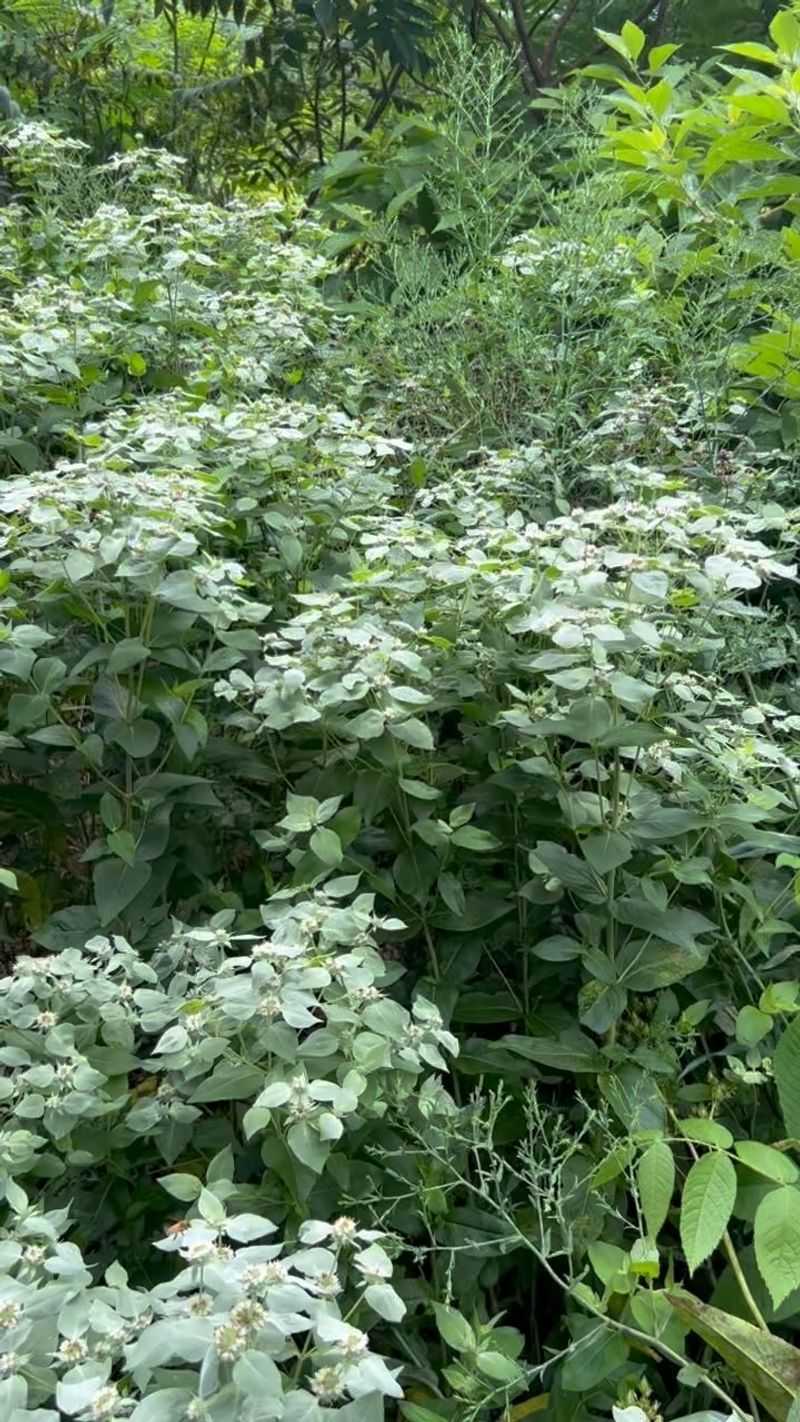
Growing this native is refreshingly easy, but a few tips help it thrive. Slender mountain mint loves full sun and does its best with at least six hours of light each day.
It handles a range of soils and prefers ground that drains well. Once established, it shrugs off dry spells better than many fussy garden plants.
Average moisture keeps it happy during its first season while the roots settle in. After that, it needs little watering unless the weather turns very dry for a long stretch.
Here is the part to plan for ahead of time. Mountain mint spreads by underground stems called rhizomes, slowly widening its patch year after year.
That spreading habit is great news if you want a full, lush stand of flowers feeding your beneficial insects. More plants mean more nectar for your allies.
It can also creep beyond where you first planted it, so give it room to roam or set a boundary. Some gardeners sink a barrier into the soil to keep it in bounds.
Spacing new plants about a foot or two apart lets them fill in nicely without looking crowded. They will knit together into a tidy carpet over a couple of seasons.
Because it is native, you will not spend much effort fussing over pests or diseases attacking the mint itself. It mostly takes care of itself.
Give it sun, decent drainage, and a little space to grow, and this plant rewards you with years of reliable blooms and busy insect visitors.
8. Think Support Instead Of Complete Control
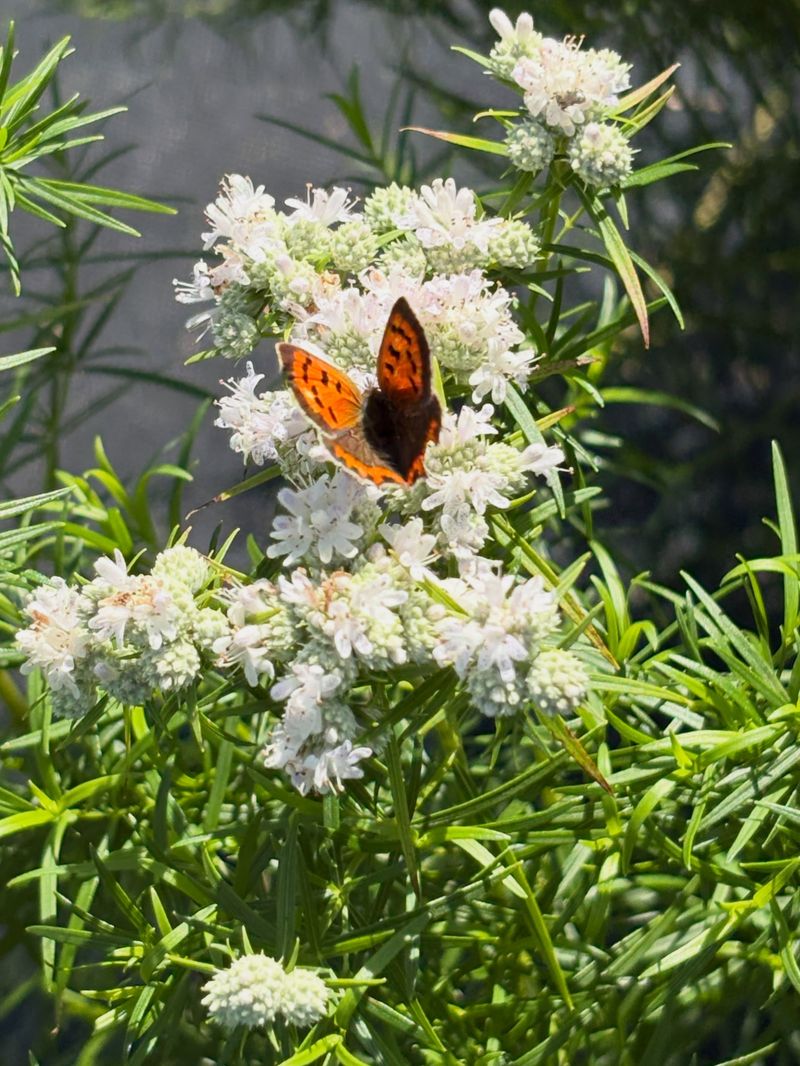
Before you count on mountain mint alone, set the right expectation. This plant is a helpful teammate, not a one-stop answer to every stink bug worry.
The smartest gardeners use it as one piece of a bigger plan called integrated pest management. That approach mixes several gentle tools to keep pests in check.
Scouting is a key habit. Walk your trees regularly and look closely at leaves, branches, and fruit for signs of stink bugs and their damage.
Learning to spot the brown marmorated stink bug matters too. It has a shield-shaped body and light bands on its antennae, which set it apart from harmless look-alikes.
Correct identification saves you trouble. You do not want to worry about a bug that is actually one of your helpers.
When you pair mountain mint with careful watching, you catch problems early and respond in the right way. The plant feeds your allies while you stay alert.
Some seasons will bring more pests than others, and that is normal. Having many strategies working together gives you flexibility when pressure runs high.
You might combine flowering habitat, hand-picking, physical barriers, and good garden cleanup for the strongest results. Each small step adds up.
Viewing mountain mint as support rather than a cure keeps your plan realistic and effective. You lean on nature’s helpers while staying involved yourself.
With patience, observation, and a welcoming patch of blooms, you build an orchard that stands up to stink bugs season after season and keeps rewarding you with healthy, delicious apples.