10 Native North Carolina Wildflowers To Direct Sow This Fall
Fall might seem like an unusual time to think about wildflowers, especially with most blooms already fading as the season winds down.
But several native North Carolina wildflowers actually depend on this exact window for the strongest possible start next spring.
Gardeners who wait until spring to sow these particular seeds often end up with weaker, less reliable results compared to a fall planting.
Understanding which wildflowers benefit from this timing could completely change how you plan the rest of your fall garden tasks.
Many people are surprised to learn just how much of next year’s wildflower display depends on decisions made months in advance.
This list could be the difference between a scattered handful of blooms and a truly full, vibrant display. A little effort now sets the stage for a spring and summer worth looking forward to.
1. Eastern Columbine
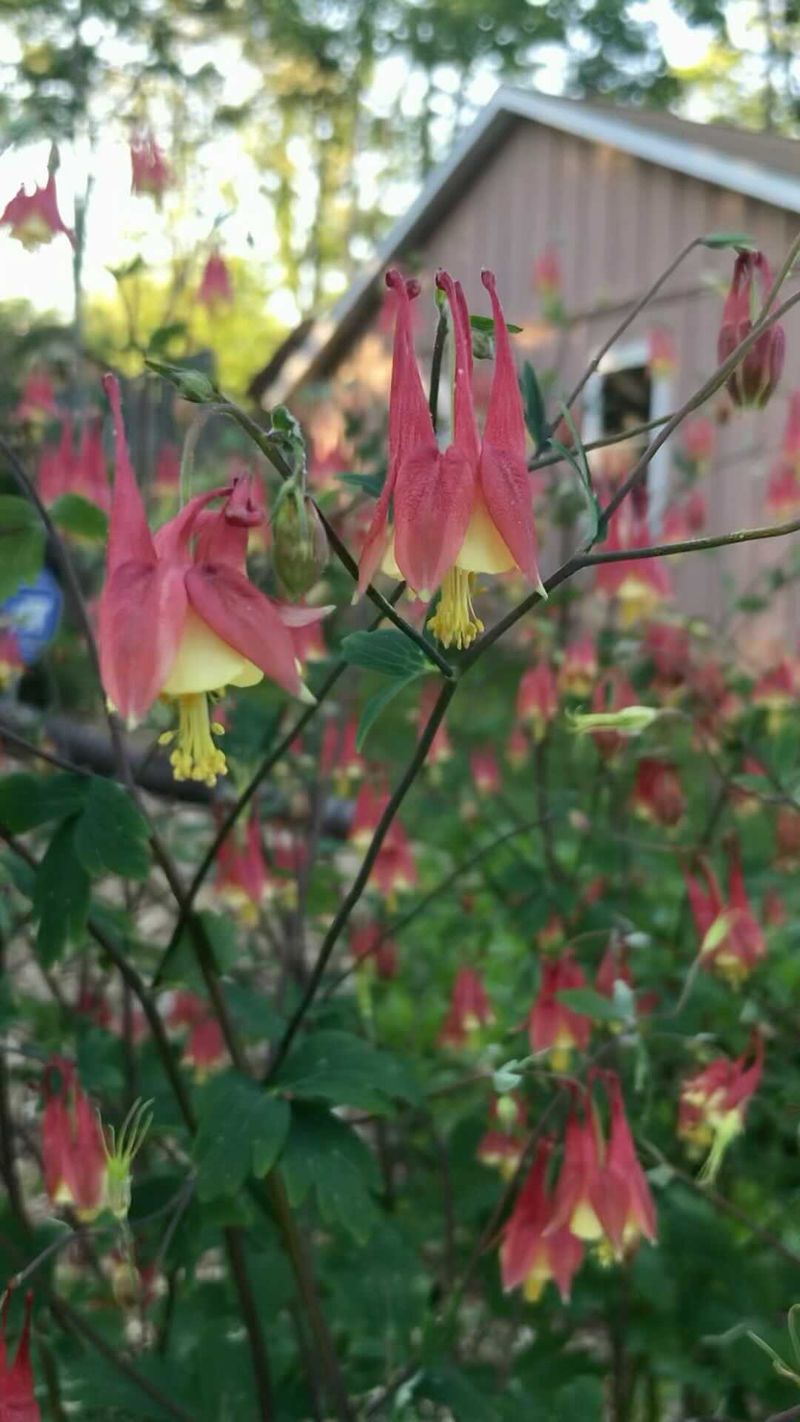
Delicate nodding blooms in red and yellow make Eastern columbine one of the prettiest spring surprises in a native garden. The flowers dangle like tiny lanterns, and hummingbirds cannot resist them.
Fall sowing fits this plant perfectly because its seeds need a cold, damp period to break their natural rest. When you scatter seeds now, winter weather softens the tough seed coat naturally.
That means stronger, more even sprouting once the soil warms in spring. Eastern columbine grows best in partial shade, especially spots that get morning sun and afternoon protection. Woodland edges, rocky slopes, and shaded borders all work well.
The plant loves soil that drains freely, so avoid places where water pools after rain. To sow, simply press the tiny seeds onto loosened soil and barely cover them. Light actually helps them germinate, so a thin dusting is all you need.
Water gently if fall stays dry, then let nature handle the rest. Once established, columbine often reseeds itself, popping up in new corners each year. Many gardeners enjoy this gentle spreading habit because it fills gaps naturally.
Here is a fun bit of history: the columbine name comes from a Latin word meaning dove, since the petals resemble a cluster of birds. Native tribes and early settlers admired it for its cheerful color and easy growth.
Give Eastern columbine a shaded, well-drained home this fall, and you will be rewarded with dancing spring blooms and happy visitors buzzing and fluttering around your yard.
2. Butterfly Weed
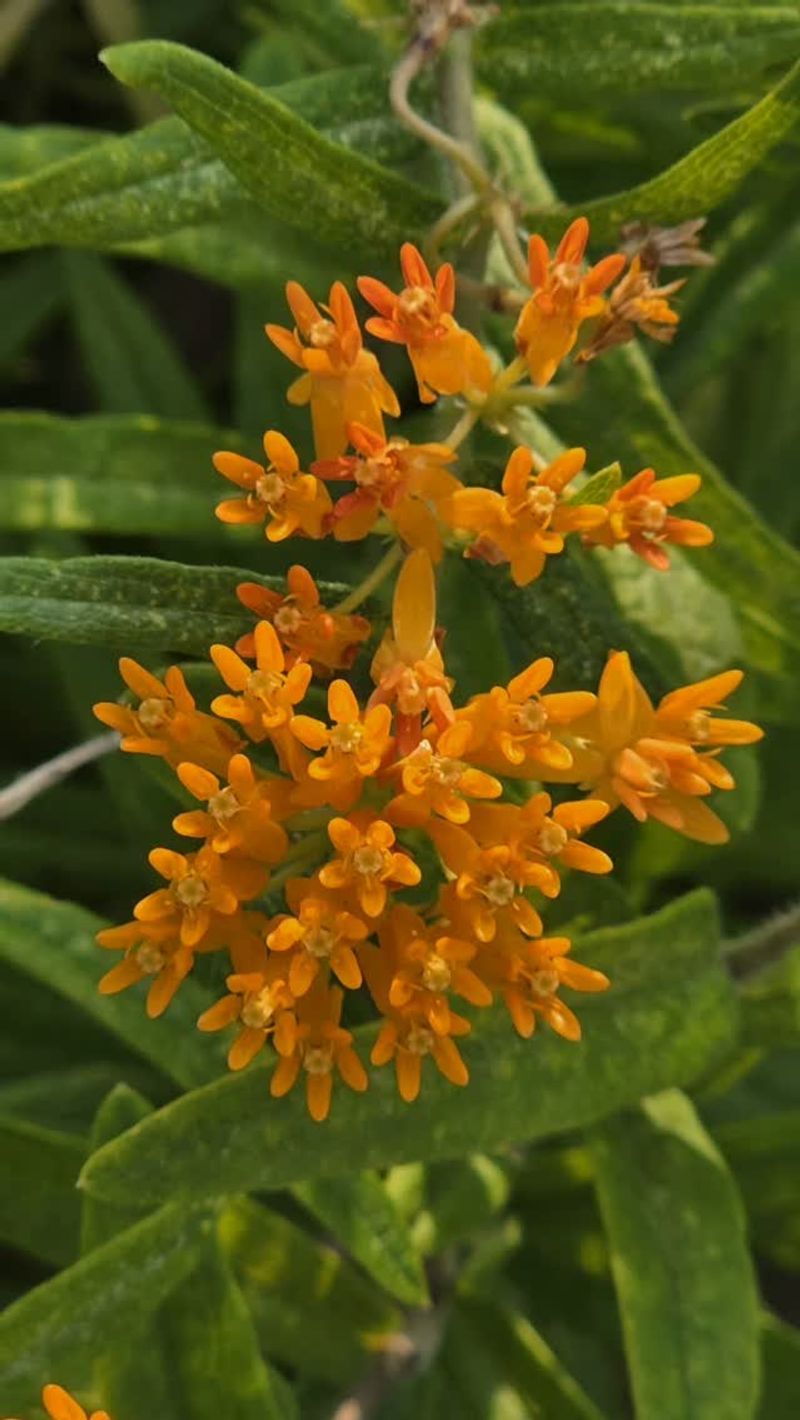
Few flowers glow quite like butterfly weed, with clusters of bright orange blooms that look like little fireworks. Monarch butterflies flock to it, laying eggs and sipping nectar all summer long.
This member of the milkweed family truly thrives when sown in fall. Its seeds carry a built-in timer that needs cold, moist weather to unlock.
Scattering them before winter gives them exactly the chilling they crave, so spring sprouting comes easily.
Good drainage matters more than almost anything for this plant. Butterfly weed grows a long taproot that hates soggy ground, so sandy or rocky soil suits it best.
If your yard holds water, pick a raised spot or a slope where moisture drains away quickly. Full sun is the other key ingredient. Choose an open area that soaks up at least six hours of sunlight, and the plant will reward you with sturdy stems and endless blooms.
Your North Carolina Garden Changes Every Week. Your Plan Should Too.
Gardening in North Carolina changes quickly throughout the season. Every Friday you’ll receive a simple weekly plan showing exactly what to plant, prune, fertilize, harvest, and protect so you never miss the right timing.
Sowing could not be simpler. Loosen the soil, sprinkle seeds on top, and press them down lightly with your hand. A thin cover of soil keeps them in place through winter storms.
Patience pays off with this native. Because of that deep taproot, the plant may look small the first year while roots grow strong underground. By year two, it bursts into full, showy color.
Plant butterfly weed this fall and you will build a welcoming rest stop for monarchs and bees, all while adding a splash of fiery orange that stands out in any sunny garden.
3. Swamp Milkweed
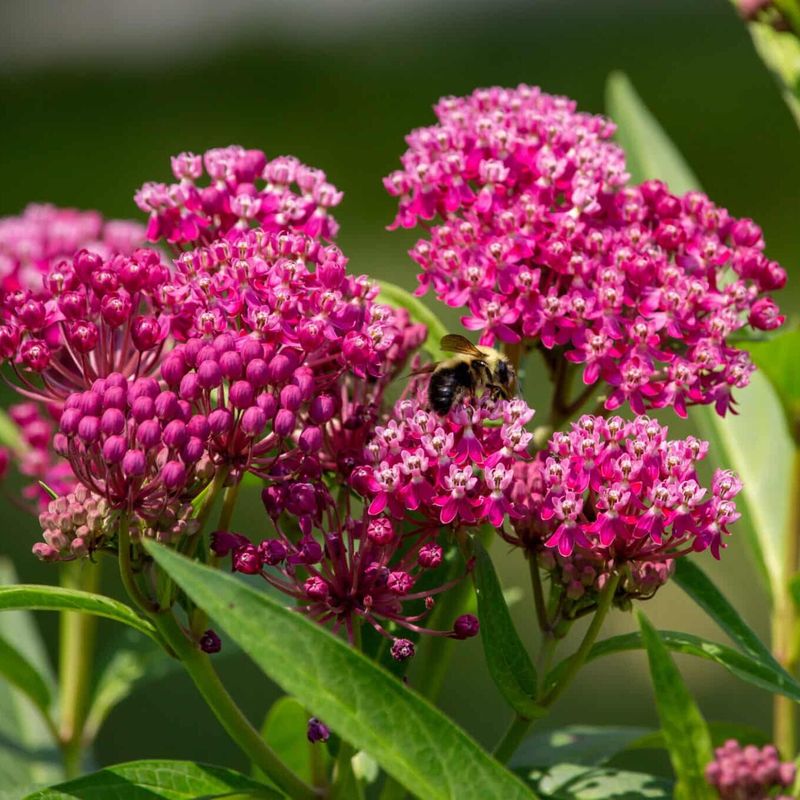
Soft pink flower clusters and a light vanilla scent make swamp milkweed a favorite along ponds and rain gardens. Despite its name, it is a tidy, well-behaved plant that fits many yards.
What sets it apart is its love for moisture. While many wildflowers demand dry ground, this native happily settles into damp spots where other plants struggle. Low areas, streambanks, and rain garden edges all suit it beautifully.
Fall sowing gives swamp milkweed seeds the winter chill they need to sprout. Cold, wet months soften the seed coat and prepare each seed for a strong spring start. Nature basically stores and readies the seeds for you.
To plant, clear a patch of moist soil and scatter the seeds across the surface. Press them down gently and add only a whisper of soil on top. Winter rain and snow will settle them in place.
Monarch caterpillars depend on milkweed leaves for food, so this plant plays a big role in helping the species thrive. Bees, butterflies, and other pollinators crowd its blooms all summer.
Here is a neat detail: the fluffy seed pods that form in fall release seeds carried on silky parachutes. Children love catching them as they float through the air.
Give swamp milkweed a sunny, moist home and it will grow tall and full, sending up pink blooms year after year. Sow it this fall, and you will create a lively habitat that buzzes and flutters with color from late spring through the warm days of summer.
4. Purple Coneflower
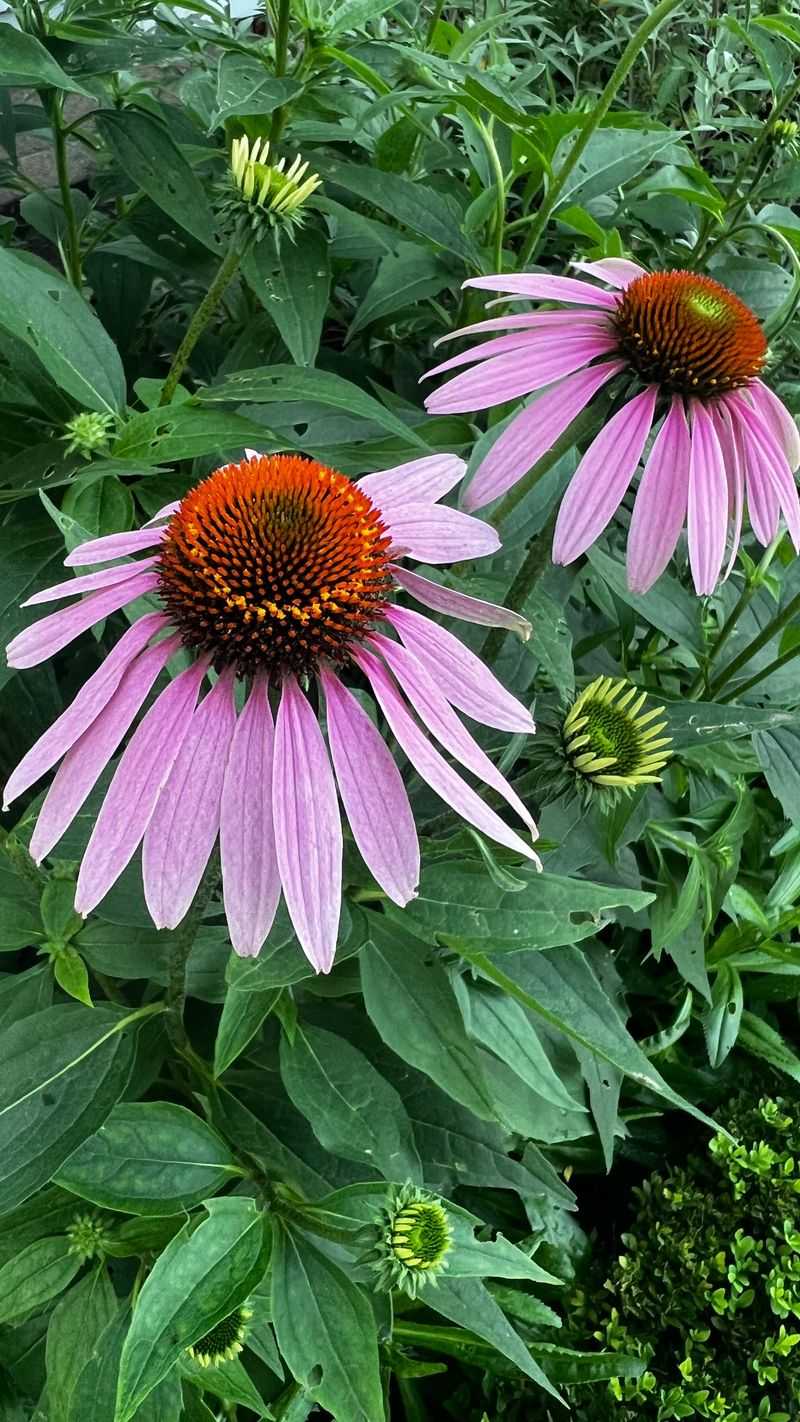
Cheerful and tough, purple coneflower is often the first native many gardeners try, and for good reason. Its bold purple petals and spiky copper centers stand tall through the hottest summer days.
Growing it from seed is refreshingly simple. The seeds germinate readily after a cold spell, so fall sowing lines up perfectly with what they need. Scatter them now and winter handles the chilling process without any effort from you.
Sunshine is this plant’s best friend. Pick an open spot with at least six hours of direct light, and coneflower will grow strong stems that rarely need staking. It also shrugs off dry spells once its roots settle in.
To sow, rake the soil lightly, sprinkle seeds across the surface, and cover them with a thin layer of dirt. Firm the ground with your hand so seeds stay put during winter weather.
Pollinators adore coneflowers. Bees and butterflies visit the blooms all summer, and in fall, songbirds like goldfinches feast on the seeds left in the dried centers. Leaving those seed heads standing gives your yard winter interest too.
People have valued this plant for a very long time. Its scientific name, Echinacea, comes from a Greek word for hedgehog, thanks to the prickly seed cone in the middle of each flower.
Plant purple coneflower this fall and you will gain a hardy, colorful native that returns bigger every year. It feeds wildlife, brightens sunny borders, and asks for almost nothing in return, making it a true garden workhorse.
5. Wild Bergamot
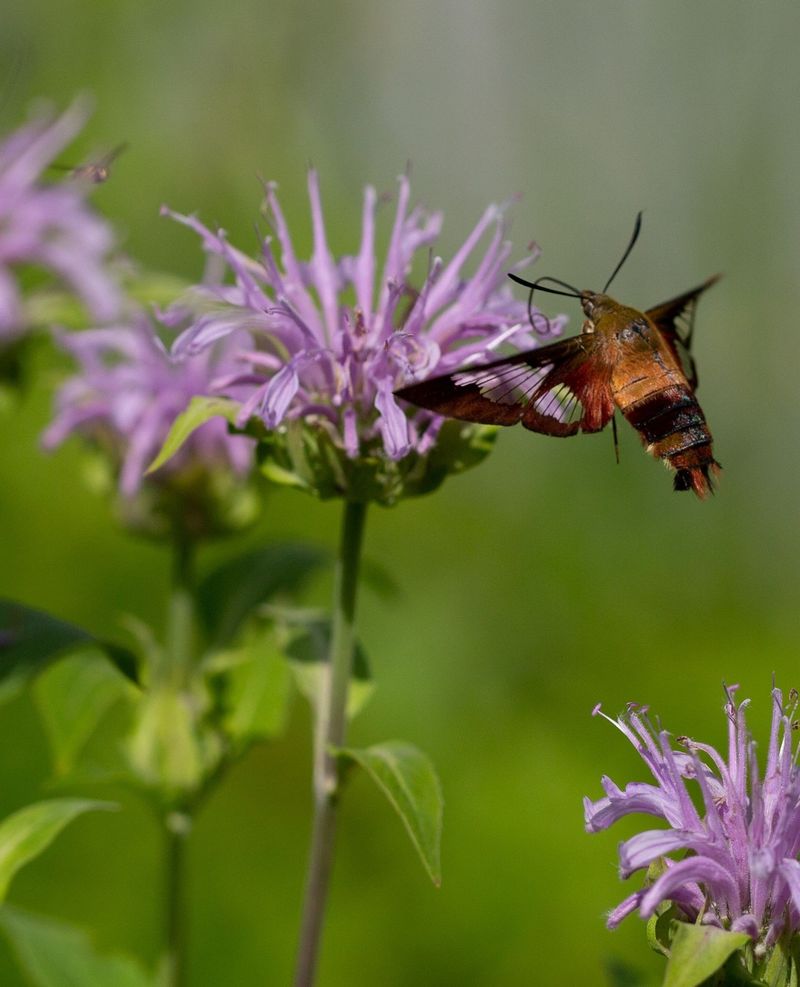
With ruffled lavender blooms that look a bit like fireworks frozen in place, wild bergamot brings a wild, dreamy charm to any garden. Crush a leaf and you will catch a minty, spicy scent that smells like herbal tea.
Fall is the ideal time to sow this native. Its seeds respond well to a cold, moist rest, so planting before winter sets them up for reliable spring sprouting. You skip the tricky indoor chilling that some gardeners fuss over.
Pollinator gardens especially benefit from wild bergamot. Bees, butterflies, and hummingbirds swarm the tubular flowers, and the plant blooms for weeks, offering a steady buffet through summer.
It is one of the most valuable nectar plants a native garden can have. Sowing is easy and forgiving. Loosen a sunny patch of soil, scatter the seeds thinly, and press them in without burying them deep.
These seeds like a touch of light to wake up. Wild bergamot handles average soil and mild dry spells with ease. It does prefer good air flow, so give plants a little room to breathe and reduce the chance of leaf mildew.
A quick history note: this plant is also called bee balm, and Native peoples once brewed its leaves into soothing teas. That same minty aroma still makes it a joy to brush past on a summer stroll.
Sow wild bergamot this fall and watch your garden transform into a buzzing, fluttering hotspot next summer, filled with soft purple color and a fragrance that invites you to linger.
6. Mountain Mint
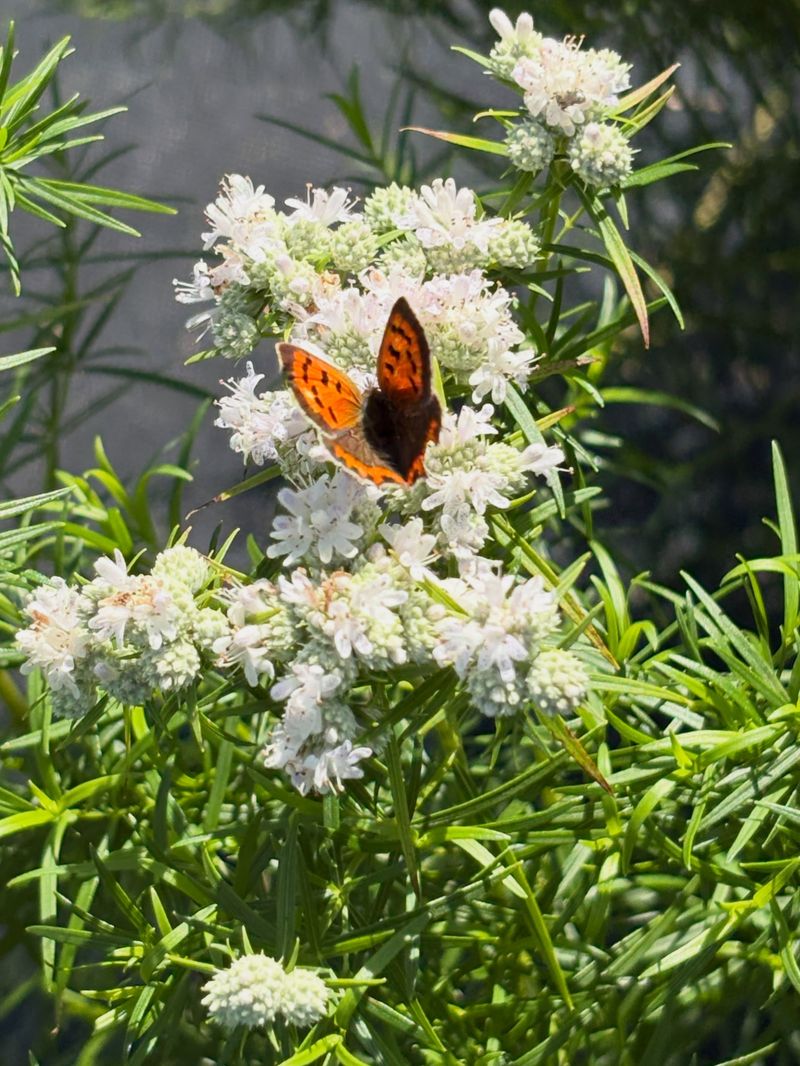
Do not let the plain name fool you, because mountain mint might be the busiest pollinator magnet in the whole garden. Its silvery leaves and small white blooms hum with activity from morning until evening.
Establishing it from seed is refreshingly easy. Mountain mint seeds sprout willingly after a cold winter, so fall sowing gives them the natural chill they need.
Scatter the tiny seeds now, and spring brings a flush of green shoots. Pollinators of every kind cannot get enough of this plant. Bees, wasps, butterflies, beetles, and tiny flies all crowd the flower clusters.
Studies of pollinator plants often rank mountain mint near the very top for the sheer number of visitors it attracts.
To sow, prepare a sunny or lightly shaded patch and press the seeds gently onto the surface. They need light and only the thinnest cover of soil. Keep the area from drying out completely during fall.
The leaves give off a cool, minty smell when brushed or crushed, which many gardeners find refreshing. That same scent helps keep hungry deer and rabbits from nibbling, a nice bonus in wildlife-heavy areas.
Mountain mint does spread over time through underground runners, so give it a spot where it can roam a little. Planting it in a defined bed keeps things tidy.
Add mountain mint to your fall seed mix and you will create a living, buzzing centerpiece next summer. Few plants offer this much life, fragrance, and easygoing charm while asking for so little care in return.
7. Cardinal Flower
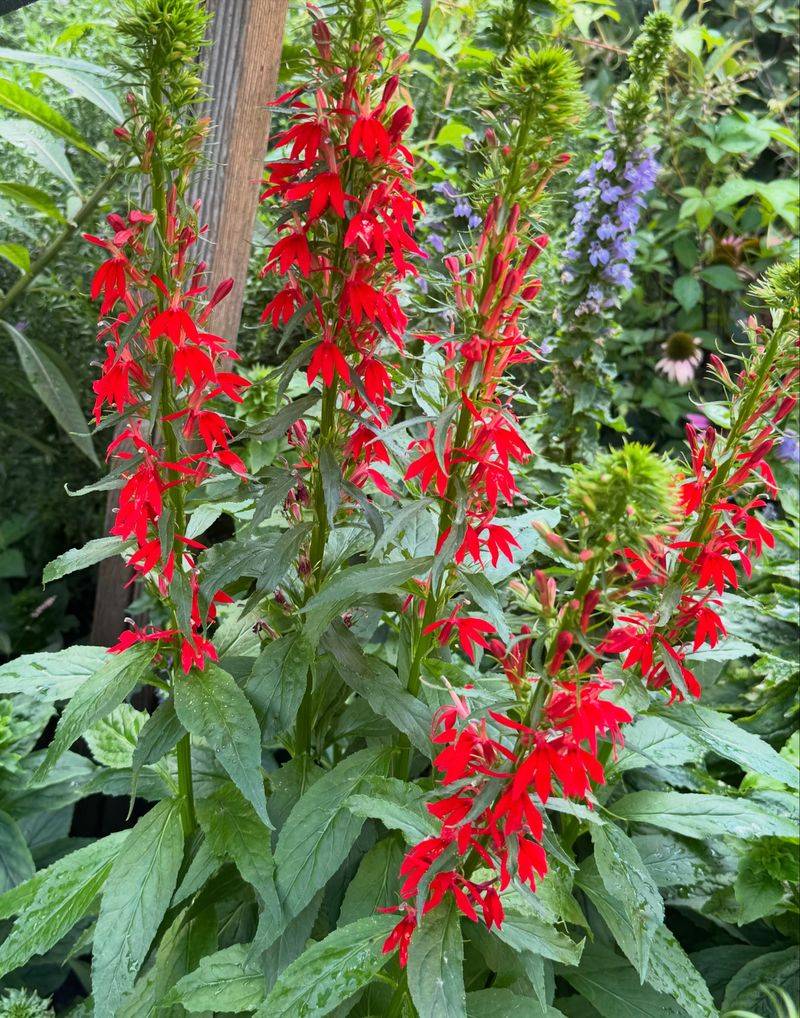
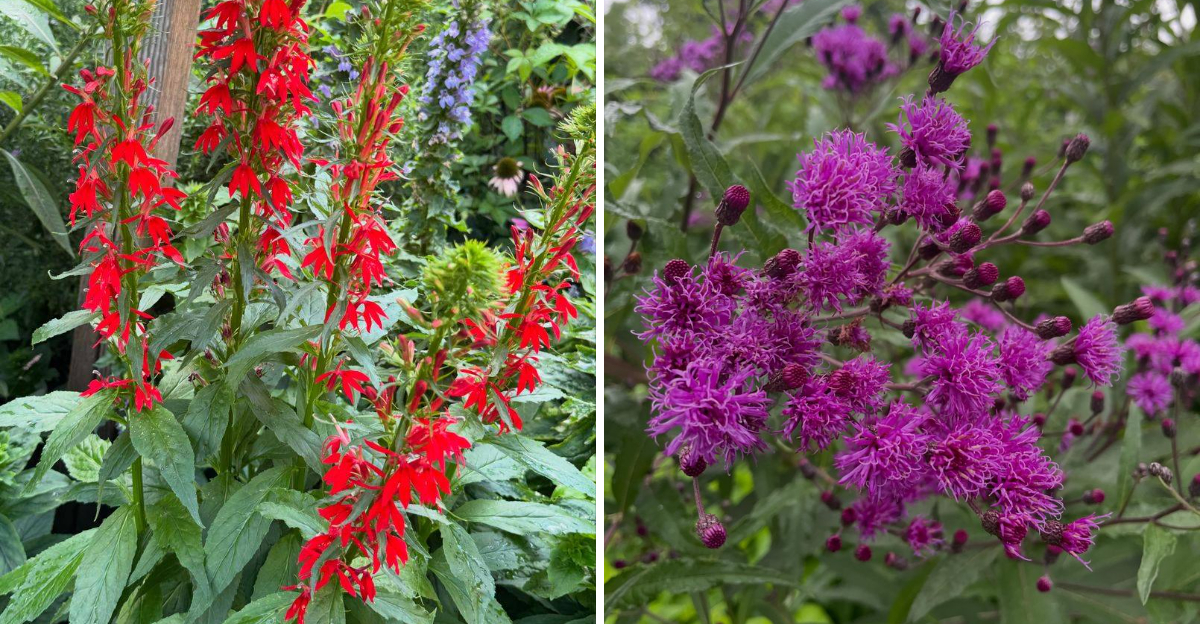
Blazing red spikes that seem to glow give cardinal flower its dramatic reputation. Hummingbirds zip from bloom to bloom, drawn like magnets to that bright scarlet color.
The seeds are almost dust-fine, which changes how you sow them. Instead of burying them, sprinkle the tiny seeds right on the soil surface and leave them uncovered.
Light triggers their sprouting, so covering them too deeply keeps them from growing. Moisture is the real secret to success. Cardinal flower loves consistently damp ground, so plant it near ponds, streams, rain gardens, or any low spot that stays wet.
Soil that dries out completely will stress the plant. Fall sowing works well because winter’s cold, wet weather prepares the seeds for spring. The chilling period wakes them up naturally, and the steady moisture keeps them from drying before they sprout.
When scattering the seeds, mix them with a little sand first. That trick helps you spread the fine seeds more evenly across the soil. Press them down gently so rain does not wash them away.
Partial shade suits cardinal flower nicely, though it handles full sun if the ground stays moist enough. Streambanks and shaded wet edges are its happy place.
A charming detail: the plant earned its name from the vivid red robes once worn by Catholic cardinals. That rich color truly is hard to match in the plant world.
Give cardinal flower a moist, partly shaded home this fall, and next summer you will enjoy towering red spires alongside the delightful whir of visiting hummingbirds.
8. Joe Pye Weed
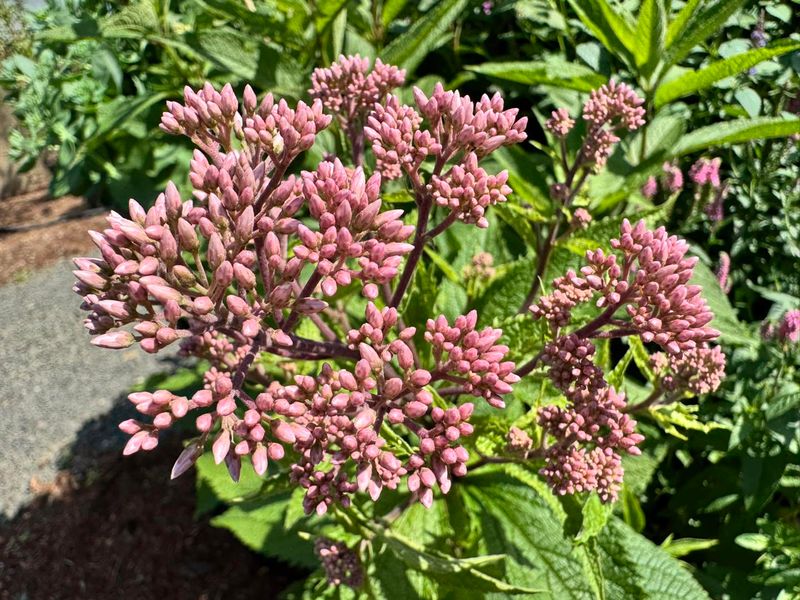
Standing head and shoulders above most garden plants, Joe Pye weed can reach seven feet tall with huge, dusty pink flower clusters. Butterflies drape themselves over the blooms like living decorations.
This towering native takes well to fall sowing. Its seeds need a cold, moist winter to break their rest, so planting before the frosty months gives them exactly what they require.
Come spring, the seeds sprout on their own schedule. Space and moisture are the two things this plant craves most. Because it grows so large, give it a roomy back-of-the-border spot where it will not crowd smaller flowers.
Damp soil keeps it lush, so low areas and rain gardens are ideal. To sow, clear a patch of moist ground and scatter the seeds across the top. Press them lightly and add just a sprinkle of soil.
Winter weather settles everything into place. Late summer is when Joe Pye weed shines, filling the air with mauve-pink color right when many other flowers fade. Swallowtail butterflies, bees, and other pollinators gather in impressive numbers.
The plant carries an interesting old story. It was reportedly named after a folk healer named Joe Pye, who supposedly used the plant to treat fevers long ago.
Do not worry about its height scaring you off. In the right moist, sunny spot, Joe Pye weed becomes a stunning natural pillar that anchors a garden bed.
Sow it this fall and enjoy a soaring, butterfly-covered showstopper by the end of next summer.
9. New York Ironweed
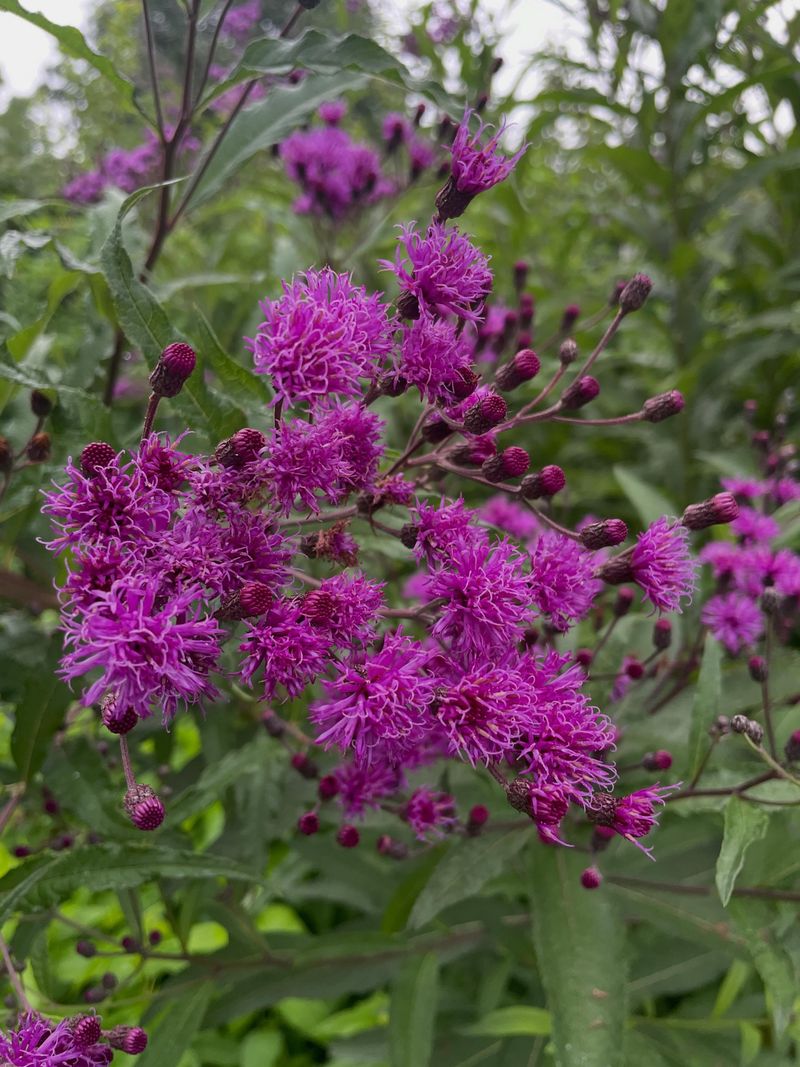
Rich, jewel-toned purple flowers make New York ironweed impossible to ignore in a late summer garden. Its tall stems shoot skyward, topped with clusters of tiny blooms that glow against green foliage.
Sowing this native in fall makes great sense. The seeds need a stretch of cold, moist weather to sprout well, and winter provides that naturally. Plant them now and let the season prepare them for a strong spring emergence.
Ironweed earns its name from tough, sturdy stems that stand straight even in wind and rain. That strength means you rarely need to stake it, a welcome trait for such a tall plant. It can climb to six feet or more.
Late season pollinator value is where ironweed truly earns its keep. When many flowers have faded, its blooms offer fresh nectar for butterflies, bees, and migrating monarchs stocking up for their long journey south.
For sowing, choose a sunny spot with moist to average soil. Scatter the seeds on loosened ground, press them in gently, and dust them with a thin layer of soil. They handle a range of conditions with ease.
The deep purple color pairs beautifully with golden fall flowers like goldenrod and sunflowers. Together they create a stunning contrast that closes out the growing season in style.
Plant New York ironweed this fall for towering purple spires and a reliable food source when pollinators need it most. It adds height, drama, and lasting color to any sunny native garden.
10. Oxeye Sunflower
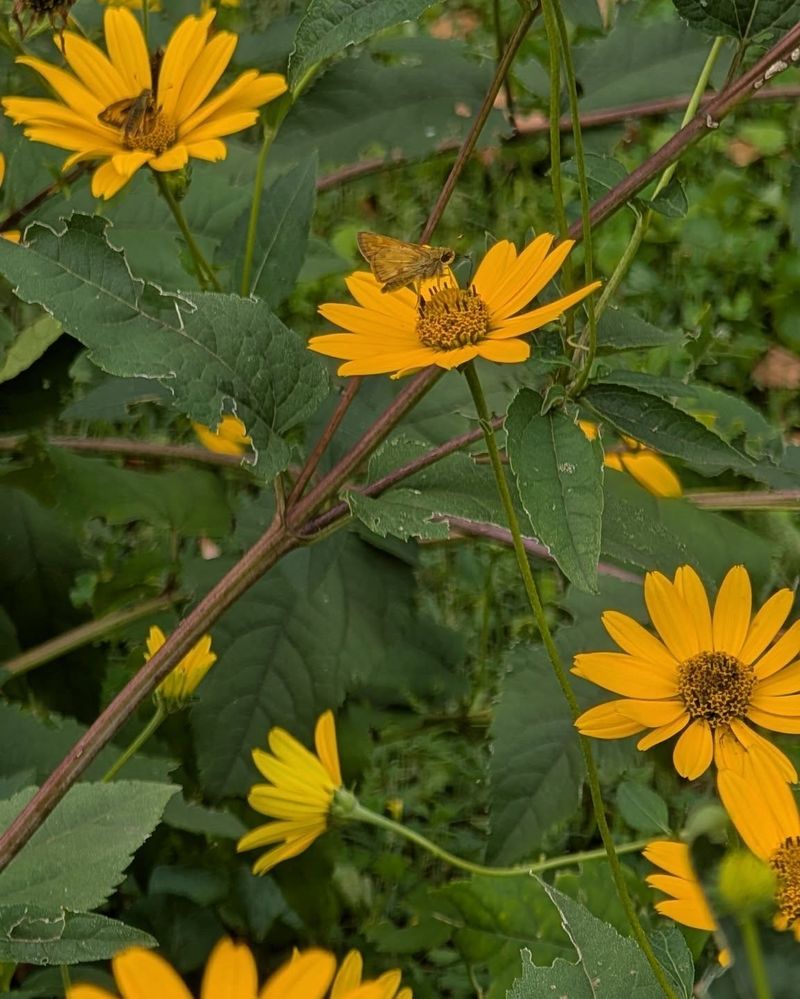
Sunny and cheerful, oxeye sunflower covers itself in golden daisy-like blooms that seem to smile at the sky. This bright native brings weeks of color and a wave of buzzing visitors to any sunny corner.
Among fall-sown wildflowers, this one ranks as one of the easiest to grow. The seeds sprout readily after winter’s chill, so you barely have to do anything beyond scattering them.
Gardeners new to natives often find quick success here. Full sun brings out the best in oxeye sunflower. Give it an open, bright spot and it will grow bushy and full, blooming from early summer well into fall.
It tolerates average soil and mild dry spells without complaint. Planting is a breeze. Loosen the soil, toss the seeds across the surface, and press them down with a light cover of dirt.
Winter rain settles them in, and spring wakes them up. Bees and butterflies flock to the golden flowers, while songbirds enjoy the seeds later in the season. Leaving spent blooms standing feeds birds and adds texture through the cooler months.
Despite the sunflower nickname, this plant is more compact and bushier than the giant sunflowers people picture. It fits nicely into borders and meadow-style plantings without towering overhead.
Oxeye sunflower reseeds gently, so a small planting can grow into a cheerful patch over a few years. Sow it this fall and you will gift your garden a burst of dependable yellow sunshine that pollinators and birds will thank you for.