The Best Herbs To Pair Together In One Pot For North Carolina Porches And Patios
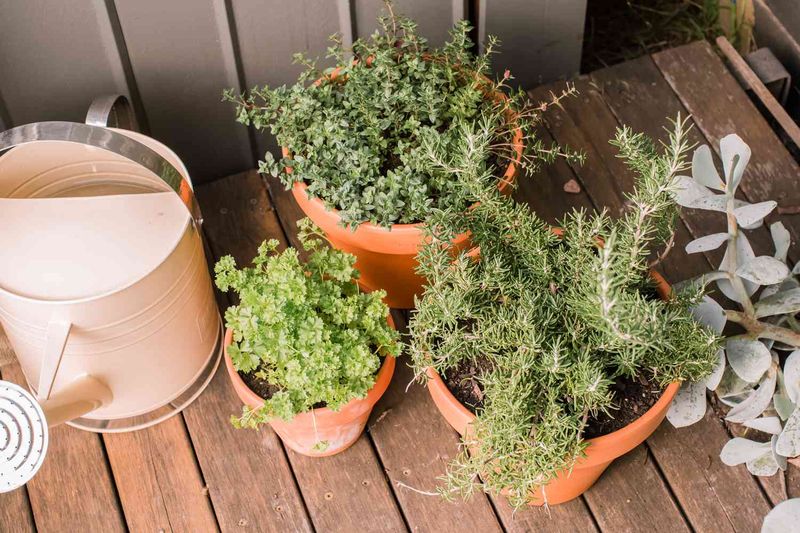
You carry your morning coffee onto the porch, and the July air already feels like a wet towel across your shoulders. One pot sits in the corner, and you want it to earn its space instead of drying out by noon. Here in North Carolina, the trick is not just picking good herbs. It is pairing herbs that want the same water, the same sun, and the same muggy summer you already live in.
Pick the right roommates, and one pot feeds your cookouts, calms the mosquitoes near your chair, and quietly draws in the bees your yard needs.
1. Rosemary And Thyme Love The Same Dry Feet
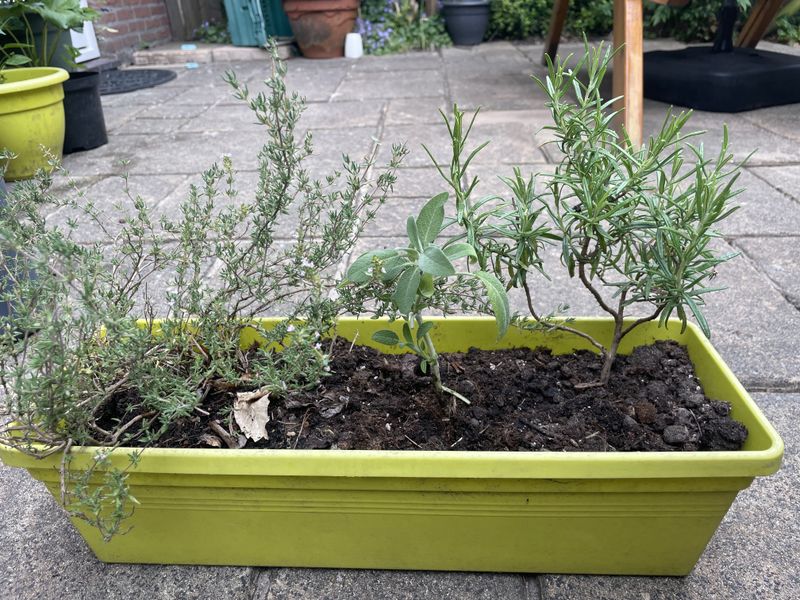
Both of these plants hate wet roots, and that is exactly why they belong in the same pot. Rosemary (Rosmarinus officinalis) and thyme (Thymus vulgaris) both come from dry Mediterranean hillsides, so they drink like they are rationing water.
Here is where it gets tricky. Most Piedmont gardeners overwater herbs out of kindness, then wonder why the roots rot in our red clay-style potting mix that holds moisture. Pair these two together and you only have to water when the top 2 inches of soil feel dry, roughly every 4 to 5 days in a July heat wave.
Give them the sunniest spot on your porch, at least 6 hours of direct light, and a pot at least 14 inches wide so the rosemary has room to stretch. Space the thyme around the edges where it can spill over like a green ruffle. Both shrug off our humid afternoons better than most.
A quiet bonus, rosemary can genuinely soften on you through a mild NC winter and survive outside in zones 7b and 8a with a little mulch. Come next summer, you snip a sprig for the grill and feel like you got away with something.
2. Basil And Parsley Keep Each Other Fed And Watered
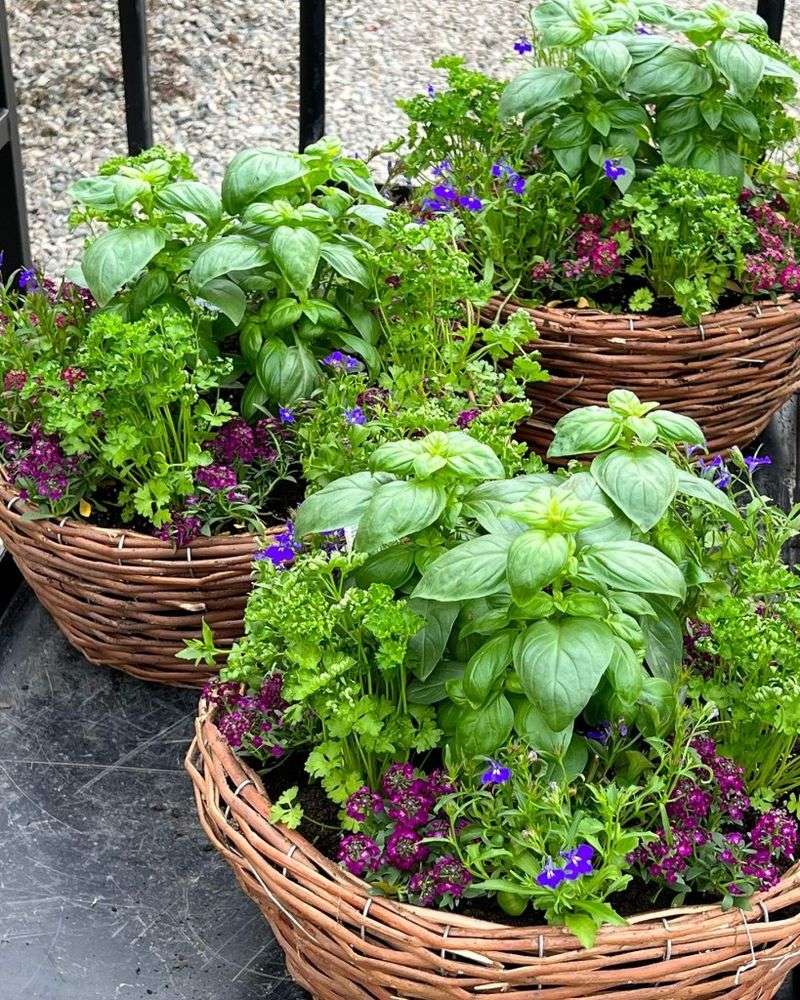
Picture a Saturday cookout with tomatoes on the counter and a pot of basil an arm’s reach from the grill. Basil (Ocimum basilicum) and parsley (Petroselinum crispum) both crave steady moisture and rich soil, which makes them easy roommates.
Now the turn. Unlike rosemary, these two want water often, so keeping them apart from the dry-loving herbs saves you from an impossible watering schedule. In a coastal 8a summer with sandy soil that drains fast, you may water this pot every single day, sometimes twice when the temperature climbs past 90 degrees.
Plant them in a 12 inch pot with quality potting mix and pinch the basil tops weekly to keep it bushy instead of leggy. That pinching pushes out new leaves and delays flowering, which NC State Extension notes keeps the flavor sweeter longer. Space them about 8 inches apart so air moves between the leaves and fights off the fungus our humidity loves.
The payoff lands at dinner. Fresh basil torn over a tomato from your own yard tastes like August, and the parsley brightens everything else on the plate.
3. Oregano And Marjoram Sprawl Without A Fight
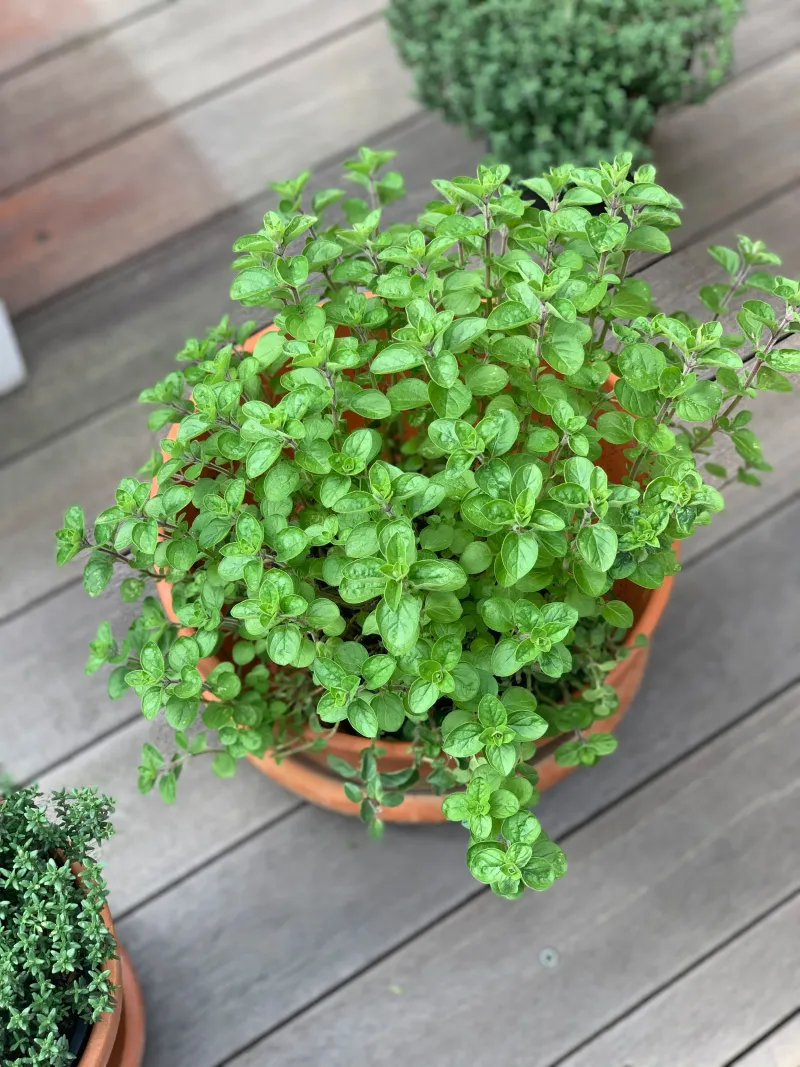
Some herbs bully their potmates, but these two spread like old friends sharing a couch. Oregano (Origanum vulgare) and marjoram (Origanum majorana) are close cousins, so they want the same lean soil and the same easy watering rhythm.
Your North Carolina Garden Changes Every Week. Your Plan Should Too.
Gardening in North Carolina changes quickly throughout the season. Every Friday you’ll receive a simple weekly plan showing exactly what to plant, prune, fertilize, harvest, and protect so you never miss the right timing.
What surprises people is how tough oregano gets once it settles in. It laughs at the dry spells between our afternoon thunderstorms, and it comes back year after year in Piedmont pots left outdoors through zone 7b winters. Marjoram is the softer, sweeter sibling and usually acts like an annual here, fading with the first real cold snap in late October.
Set them in a wide, shallow pot at least 12 inches across, because both grow out more than up. Give them 6 hours of sun and water only when the soil feels dry an inch down. Trim them back by a third in midsummer to keep the growth tender and stop the oregano from taking the whole pot.
When the oregano throws up little flowers, leave a few. Bees work them hard, and you get to watch the pollinators do their thing from your chair.
4. Mint Belongs In Its Own Jail Cell
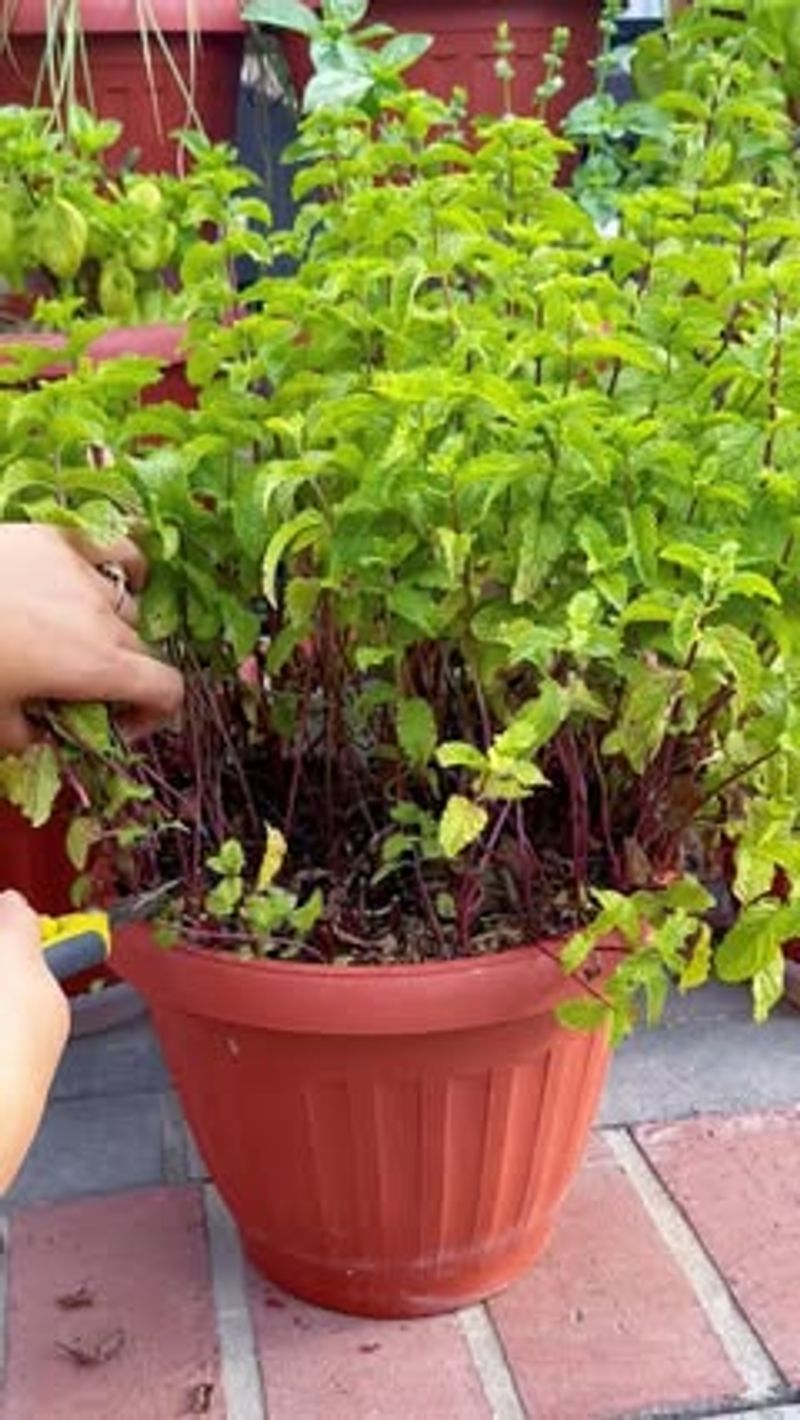
Mint has a reputation, and it earned every bit of it. Plant mint (Mentha spicata or Mentha piperita) with any other herb and it will strangle its neighbors underground within a single season, sending runners in every direction like it owns the deed.
So the pairing advice here is honest and a little funny. The best partner for mint is a pot of its own, full stop. Give it a dedicated 10 inch container and set that pot beside your others so the flavors mingle for you, not the roots.
Mint actually rewards the containment. It handles part shade better than most herbs, so tuck its solo pot in a spot that only gets 4 hours of sun on a hot Coastal Plain patio. Water it more than the dry herbs, keeping the soil evenly damp, and it will pump out leaves all summer.
The reward is a porch pitcher of sweet tea with fresh mint on a heavy August evening. Just never let it loose in shared soil, or you will be pulling runners out for years and quietly cursing past you.
5. Sage And Rosemary Are Drought Buddies
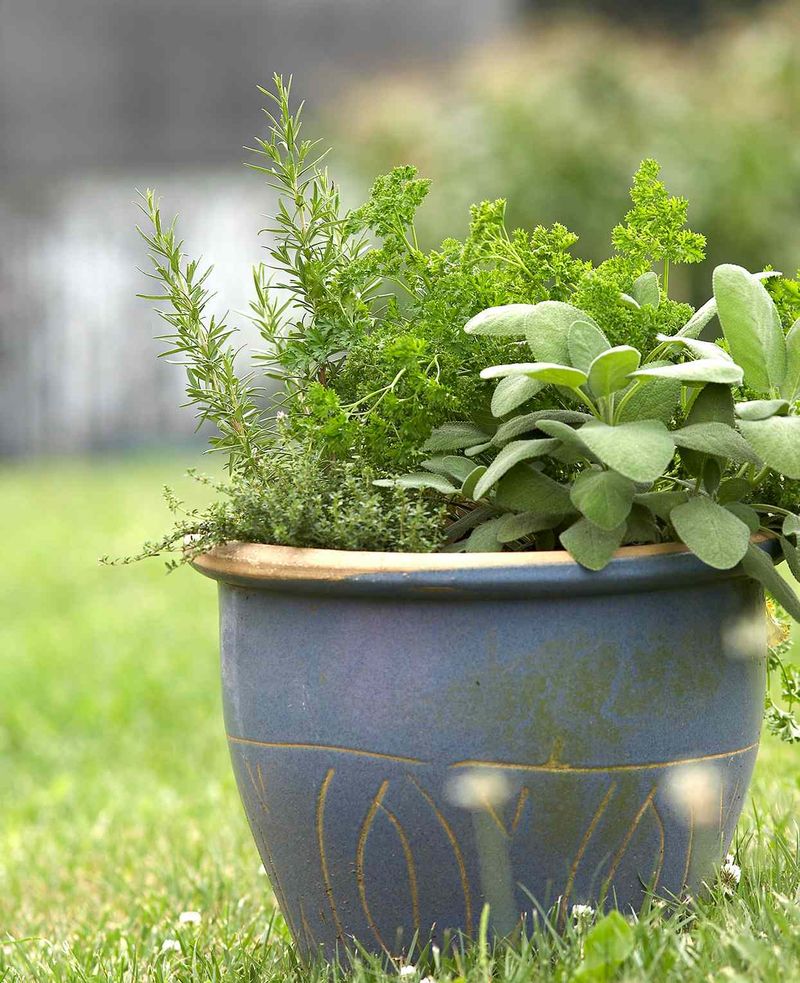
Two woody, silvery survivors walk into a pot, and neither one flinches at a dry week. Sage (Salvia officinalis) shares rosemary’s love of gritty, well-drained soil and full sun, which makes them a natural drought-tolerant duo for a baking patio.
Here is the part folks miss. Both plants would rather be a touch thirsty than soggy, so this pairing forgives you on the weekend you forget to water. In the Sandhills, where sandy soil drains fast and summers run hot, that forgiveness is genuinely worth something.
Use a 14 inch pot with extra perlite mixed into the soil for drainage, and give them a full 8 hours of sun if you can find it. Water only when the soil dries down 2 inches, maybe once a week. Prune sage lightly after it flowers to keep it from turning woody and leggy.
Sage also carries you into the holidays. A mild NC winter often leaves it standing in the Piedmont, so a Thanksgiving stuffing made with leaves you snipped that morning becomes a small tradition you did not plan on.
6. Chives And Cilantro Handle A Little Shade
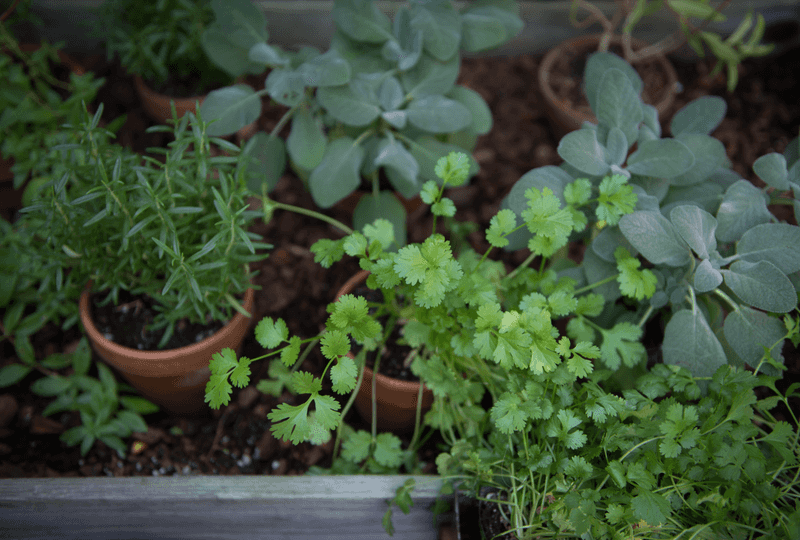
Not every porch bakes in full sun, and this pair is your answer for the shady corner. Chives (Allium schoenoprasum) and cilantro (Coriandrum sativum) both tolerate a spot that only catches 4 to 5 hours of morning light before the porch roof shades it over.
The twist with cilantro is timing. It bolts the second our heat climbs, shooting up flowers and turning bitter once daytime temperatures hold above 85 degrees. So it acts like a cool-season player here, thriving in spring and again in fall when the Piedmont cools off around late September.
Chives, meanwhile, are the steady one. They come back every year, take the cold, and send up purple pom-pom flowers that pollinators visit. Plant them together in a 10 inch pot, water when the top inch dries, and reseed cilantro every 3 weeks in spring to keep a steady supply.
When the cilantro finally bolts in the heat, let it flower and go to seed. Those seeds are coriander, and the little white blooms feed beneficial insects that patrol your yard for pests. Nothing wasted.
7. Lavender And Rosemary Pull In Pollinators
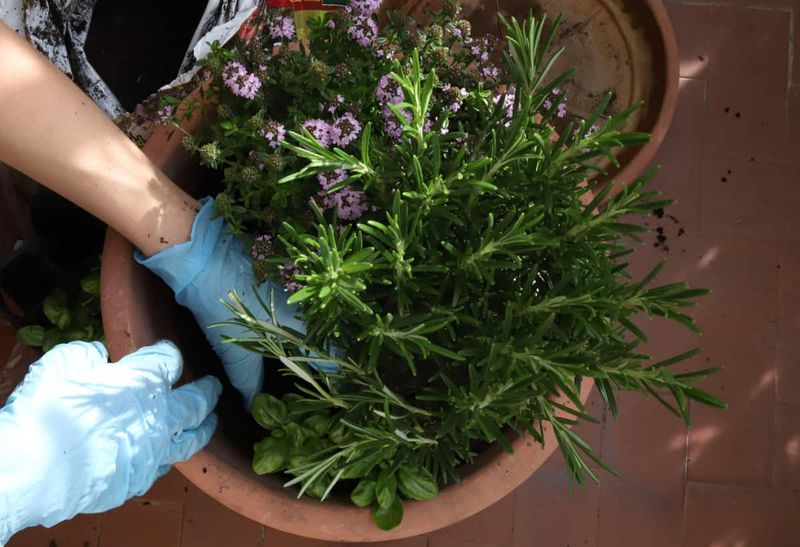
The bees find this pot before you have your coffee finished. Lavender (Lavandula angustifolia) and rosemary both love hot, dry, gritty conditions, and both throw flowers that pollinators cannot resist.
Lavender does have one demand our climate fights. It hates wet feet and muggy air, which is why so many North Carolina gardeners lose it to root rot in a rainy summer. The fix is ruthless drainage. Mix in coarse sand or gravel, use a 14 inch pot with big drainage holes, and set it in the driest, sunniest spot you own, 8 hours of sun if possible.
Water sparingly, only when the soil is truly dry down 2 inches, and never let it sit in a saucer of rainwater after one of our afternoon storms. English lavender types handle Piedmont conditions better than the fussy French kinds.
The reward goes beyond your kitchen. A pollinator pot on the patio genuinely supports the same bees and butterflies your whole yard depends on, and watching them work the purple spikes on a warm evening is its own quiet payoff.
8. Lemon Balm And Basil Sit Near The Chairs
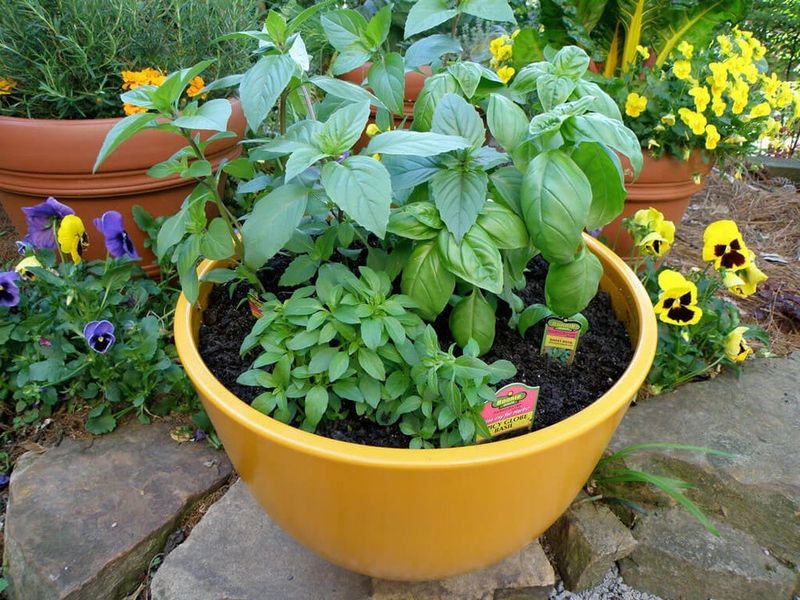
Set this pot right beside where you sit, because that is where it does its quiet work. Lemon balm (Melissa officinalis) and basil both prefer moist soil and share a citrus-and-sweet scent that lifts every time you brush past.
Now, do not fall for the tall tale. No potted herb is a force field against mosquitoes, and crushing a leaf only releases scent for a short while, so treat this as one layer, not a magic solution. Lemon balm is a mint relative, so keep it in this shared pot only if you plan to divide it yearly, otherwise it wanders like its cousins.
Give them a 12 inch pot, 5 to 6 hours of sun, and steady water when the top inch dries. Pinch both often to keep them full and to release that fresh scent near your knees on a still evening.
The real gift is the ritual. You settle into the chair, run a hand across the leaves, and the porch smells like lemon and summer while the last of the daylight fades over the yard.