8 North Carolina Vegetables That Bolt Fastest In Summer Heat
Certain vegetables seem to give up on producing almost overnight once North Carolina summer heat really settles in, frustrating gardeners who feel like they did everything right.
Most people assume inconsistent watering or poor soil is to blame, missing the real explanation behind this sudden shift toward flowering and seed production.
Understanding exactly which vegetables are most prone to this behavior changes how you plan your summer planting schedule going forward. Many gardeners lose an entire crop to this exact pattern year after year without ever identifying the actual cause.
This list could help you avoid repeating the same frustrating cycle by adjusting timing or expectations for these specific vegetables. Once you know which crops bolt fastest, you can plan around their limitations instead of being caught off guard.
Understanding this pattern now could save you from watching another promising crop fizzle out before it ever really gets going.
1. Spinach Bolts In A Hurry
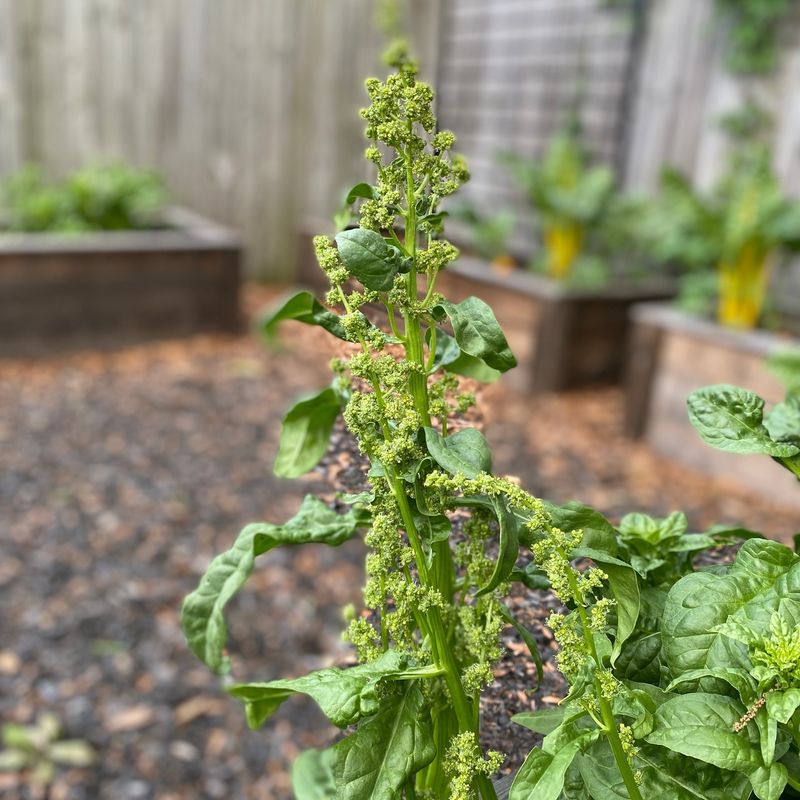
Few crops race toward flowering as fast as spinach when the weather warms up. This leafy green loves cool spring days, so once North Carolina temperatures climb past 75 degrees, it starts feeling the pressure right away.
Longer daylight hours play a big part too. Spinach is what gardeners call a long-day plant, meaning it uses the length of the day as a signal to start making seeds.
When the sun stays out for many hours, the plant thinks its time is almost up and switches from growing leaves to growing a tall flower stalk.
The change shows up fast in the leaves. Sweet, tender greens turn thick and bitter, and the plant stretches upward instead of spreading out. Once you spot that center stalk shooting up, the flavor rarely comes back.
You can slow things down with a few smart moves. Plant spinach early in spring or later in fall when the days are shorter and cooler. Keep the soil moist and add a layer of mulch to hold in that coolness around the roots.
Picking outer leaves often also helps keep the plant busy making more greens instead of flowers. Some gardeners even use shade cloth to protect their spinach during warm spells.
Choosing bolt-resistant varieties gives you extra time as well. Look for seed packets that mention slow bolting, since those types were bred to handle heat a little better and stretch your harvest season by a few valuable weeks.
2. Lettuce Turns Bitter Fast
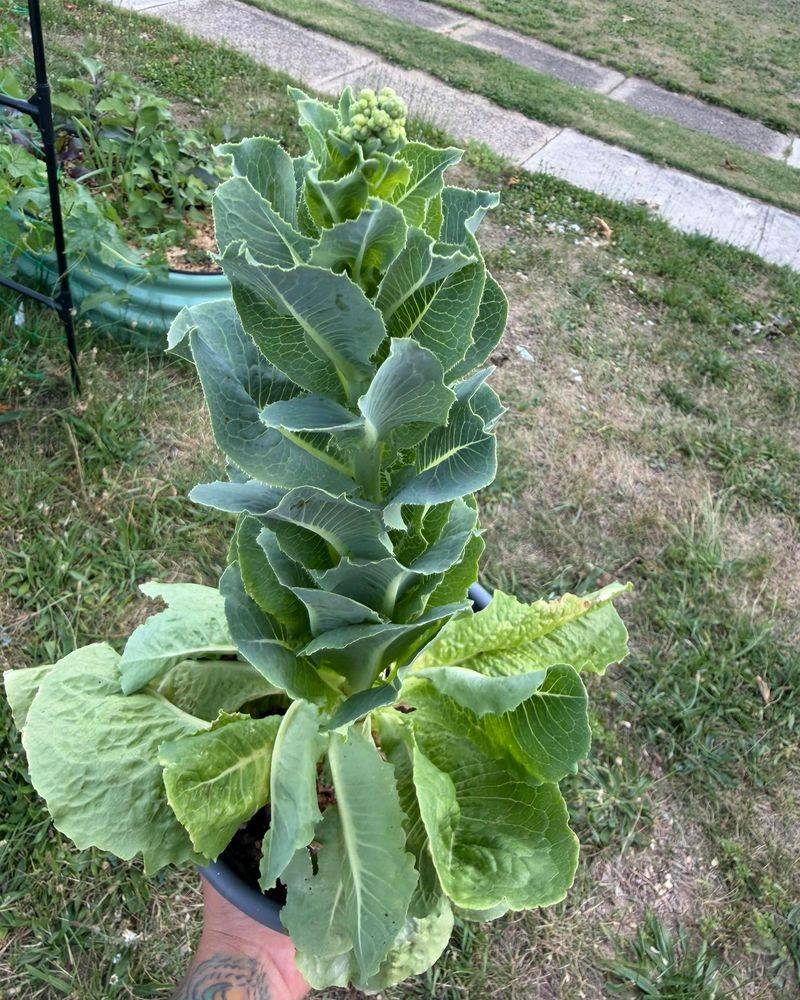
Crisp, cool lettuce is a spring favorite, but it has a short temper when summer arrives. As soon as North Carolina afternoons get hot, this tender green starts planning its escape into flowering.
Heat is the biggest trigger. When soil temperatures rise above 70 degrees and the air feels sticky, lettuce stops making soft new leaves and pushes up a thick central stalk instead.
Dry soil makes the problem even worse, since a thirsty plant feels stressed and rushes to make seeds.
The taste tells the whole story. Sweet, buttery leaves become tough and bitter almost overnight, and a milky sap can appear when you snap a stem. Once that bitterness sets in, no amount of washing or chilling brings back the good flavor.
Your North Carolina Garden Changes Every Week. Your Plan Should Too.
Gardening in North Carolina changes quickly throughout the season. Every Friday you’ll receive a simple weekly plan showing exactly what to plant, prune, fertilize, harvest, and protect so you never miss the right timing.
Watering deeply and often keeps lettuce calmer during warm stretches. Morning is the best time to water, giving roots a cool, steady drink before the heat peaks.
Shade helps too. Planting lettuce near taller crops or under a light shade cloth blocks harsh afternoon rays and lowers the soil temperature by several degrees.
Timing matters more than anything. Grow lettuce in early spring and again in fall, and skip the hottest weeks entirely if you can.
Fun fact worth remembering, loose-leaf types usually bolt slower than tight heading kinds, so they give you a longer picking window. Harvesting young and often keeps the plant producing tender leaves right up until the heat finally wins.
3. Arugula Rushes To Flower
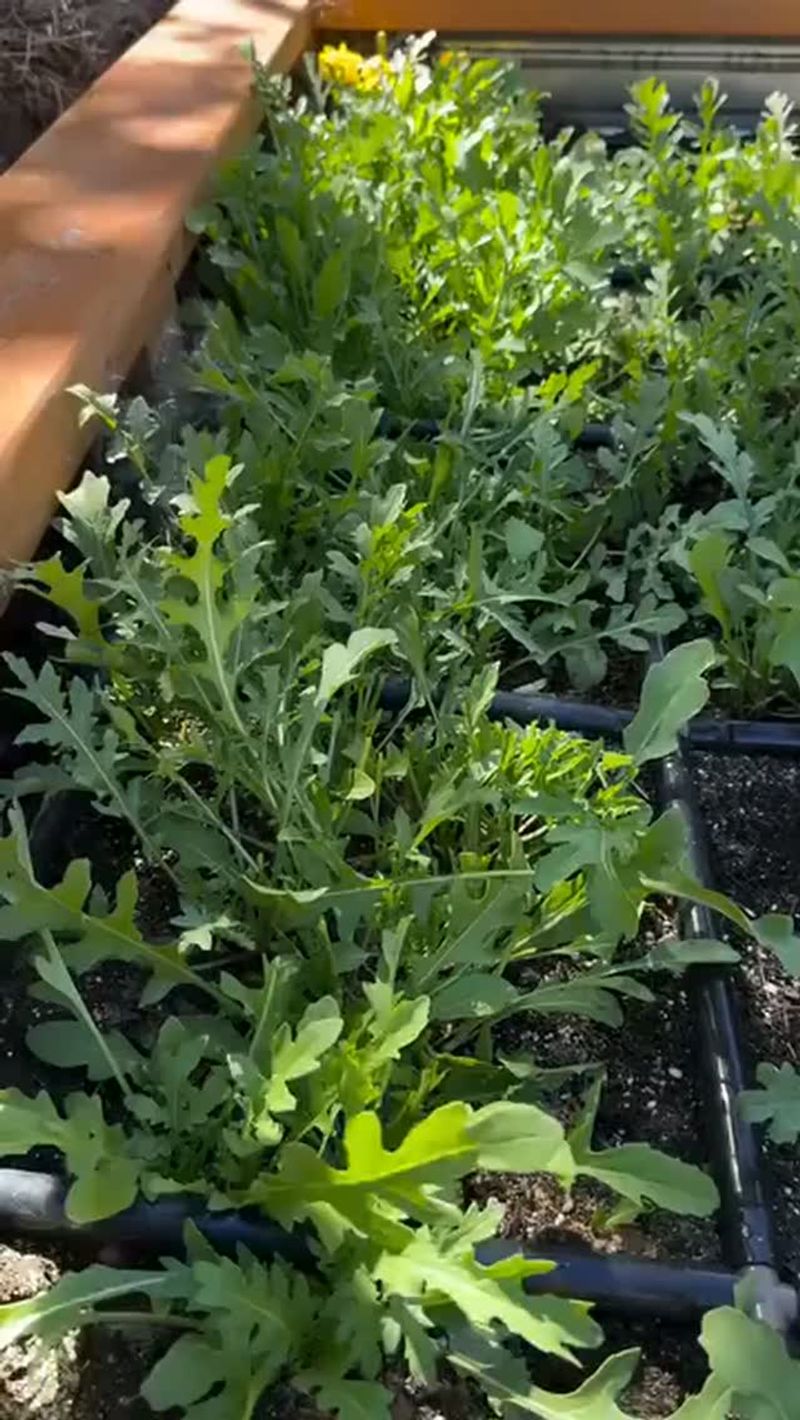
Peppery and bold, arugula brings a spicy kick to salads, but it also has one of the shortest tempers in the garden. Warm North Carolina weather sends this green sprinting toward flowers faster than most people expect.
The reason comes down to its cool-season roots. Arugula grows best in mild temperatures, so when the thermometer climbs into the 80s, the plant senses trouble and quickly shifts its energy into making seeds.
That rush changes the flavor in a big way. Leaves that once tasted mildly peppery become sharp and almost too spicy to enjoy raw.
Thin flower stalks shoot up with small white or yellow blossoms, and the plant slows down on making fresh leaves.
The good news is that arugula grows so fast you can beat the heat by planting often. Sow a few seeds every couple of weeks in early spring, and you will always have a young patch ready to pick.
Keeping the soil moist and cool also buys you extra time. A light mulch and regular watering help the plant feel comfortable a little longer before it decides to flower.
Here is a bright side worth knowing, arugula flowers are actually edible and taste mildly peppery too. You can toss them into salads for a pretty, spicy garnish instead of tossing the plant out.
For the best flavor, harvest arugula while the leaves are still small and cook the older, spicier ones to soften their bite in warm summer dishes.
4. Mustard Greens Cannot Hide From Heat
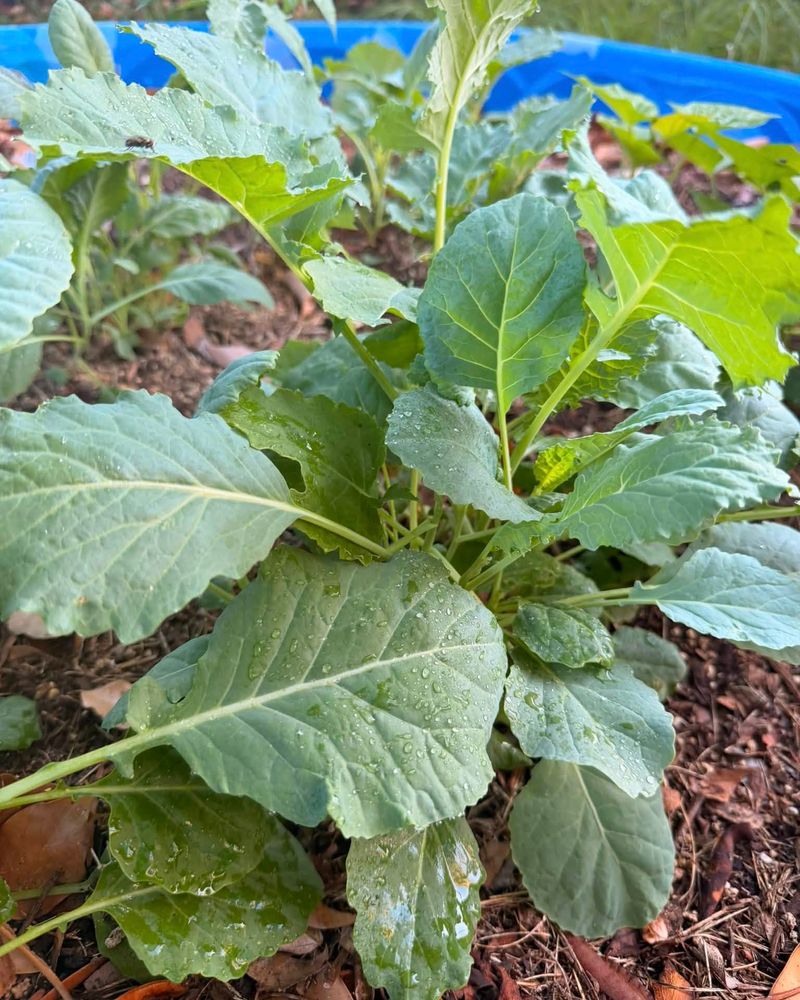
Southern gardens love mustard greens, and North Carolina cooks have used them for generations. Still, these zesty leaves have a stubborn dislike for hot weather that shows up the moment summer settles in.
Cool days keep mustard happy and mild. When temperatures rise into the upper 70s and beyond, the plant reads the warmth as a signal to hurry up and reproduce, so it pushes out tall stems topped with bright yellow flowers.
Flavor changes right along with the flowering. Leaves that once tasted tangy and pleasant grow much sharper and more peppery, sometimes almost too strong for a fresh plate.
The texture toughens as well, making older leaves better for cooking than for salads.
Steady moisture keeps mustard greens calmer during warm spells. Dry, stressed soil speeds up bolting, so a good watering routine and a layer of mulch make a real difference.
Timing is your best friend with this crop. Plant mustard in early spring or late summer for a fall harvest, and let it soak up the cooler weather it truly prefers.
A neat detail many gardeners enjoy, those yellow mustard flowers can be eaten too, and the seeds can even be saved to make your own homemade mustard.
Picking the outer leaves regularly encourages the plant to keep producing tender growth. When you notice flower buds forming, harvest everything you can right away and enjoy the greens before their flavor turns too fiery for the table.
5. Bok Choy Can Bolt Before Harvest
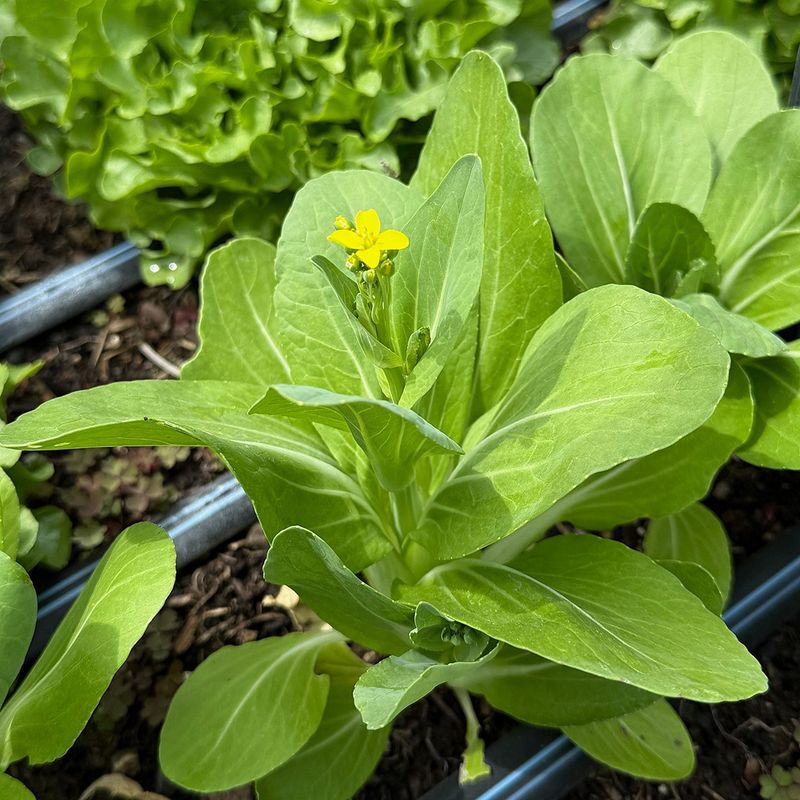
Crunchy and mild, bok choy is a garden treat that many North Carolina growers look forward to. Sadly, it often surprises them by flowering before the plant ever reaches a nice full size.
This vegetable belongs to the cabbage family and loves cool, steady weather. When spring warms up too quickly or a cold snap stresses young plants, bok choy panics and sends up a flower stalk instead of building thick, juicy stems.
Stress is the real culprit here. Sudden temperature swings, dry soil, or transplant shock can all trip the plant’s alarm and push it straight into flowering.
Once that central stalk appears, growth slows and the leaves lose their sweet, crisp quality.
Keeping conditions calm makes a huge difference. Plant bok choy when the weather is mild and settled, and avoid setting out young seedlings during a chilly stretch that might shock them.
Consistent watering keeps the plant relaxed and growing steadily. Dry spells followed by heavy soaking create the kind of stress that speeds up bolting, so aim for even moisture all week long.
Baby bok choy offers a smart backup plan. Since smaller types mature quickly, you can harvest them before hot weather ever becomes a problem.
A helpful tip, if you spot flower buds starting, pick the whole plant right then and stir-fry it. The stems still taste great, and you will beat the bitter flavor that comes once flowering takes over completely.
6. Tatsoi Reacts Quickly To Heat
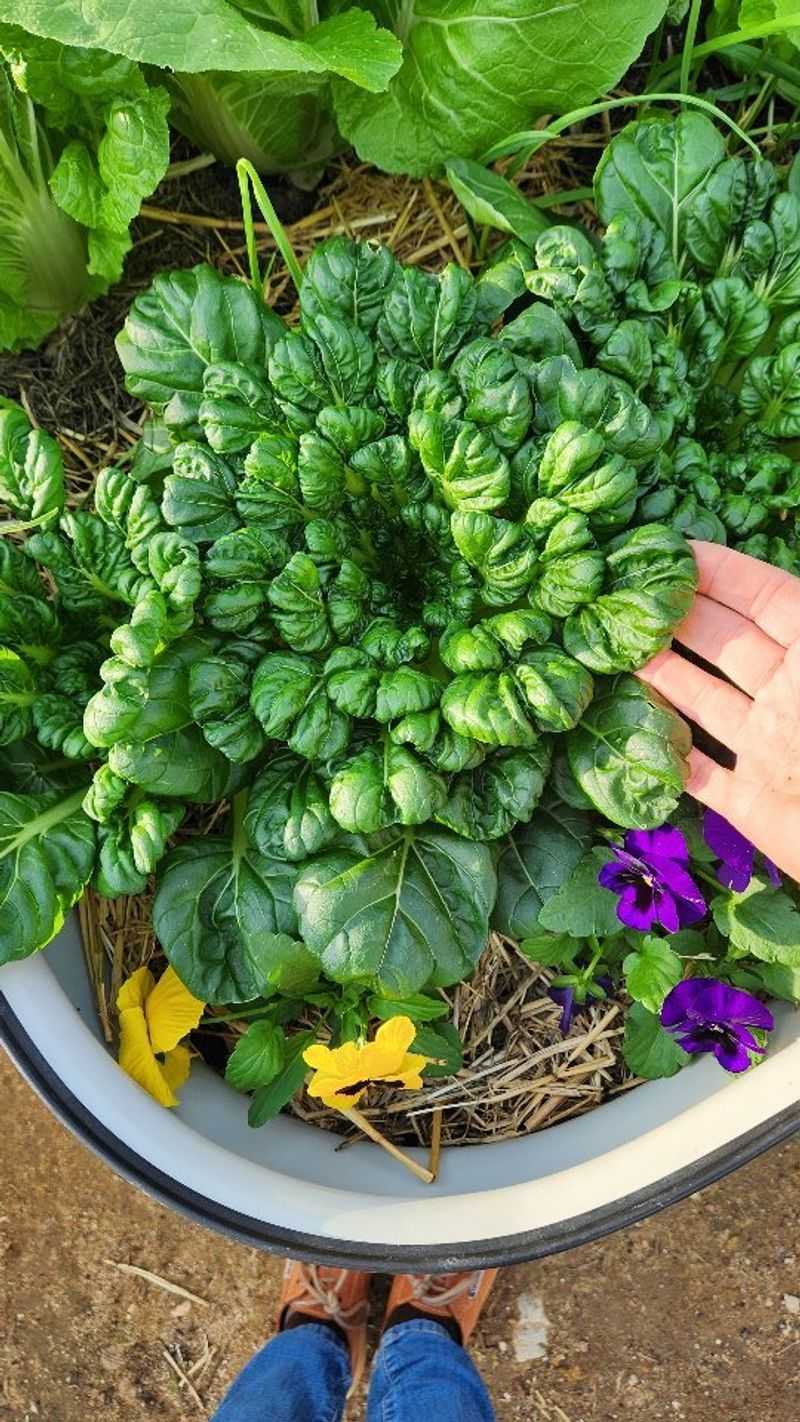
With its pretty rosette of dark, spoon-shaped leaves, tatsoi looks almost too lovely to eat. This Asian green tastes mild and sweet, but it reacts to summer heat faster than many gardeners realize.
Cool weather is where tatsoi truly shines. When North Carolina temperatures start climbing, the plant quickly senses the change and begins preparing to flower rather than filling out its low, leafy shape.
Water plays a major role in how it behaves. Not enough moisture leaves tatsoi stressed and thirsty, and a stressed plant races to make seeds while it still can.
Add hot afternoons on top of dry soil, and a flower stalk can appear in just a few days.
The flavor shift is easy to notice. Sweet, tender leaves turn tougher and more peppery once the plant decides to bolt, and its neat rosette starts to stretch upward and loosen.
Keeping the ground moist and cool helps tatsoi stay productive longer. A layer of mulch traps moisture, and morning watering gives the roots a steady supply before the day heats up.
Fast growth is one of tatsoi’s best traits. Because it matures so quickly, you can plant it early and gather a full harvest before the worst heat arrives.
For a smart harvest, snip the outer leaves as they grow and enjoy them fresh in salads. Once flower buds show up, cut the whole rosette and add the mild leaves to soups or quick stir-fries.
7. Radishes Send Up Flower Stalks
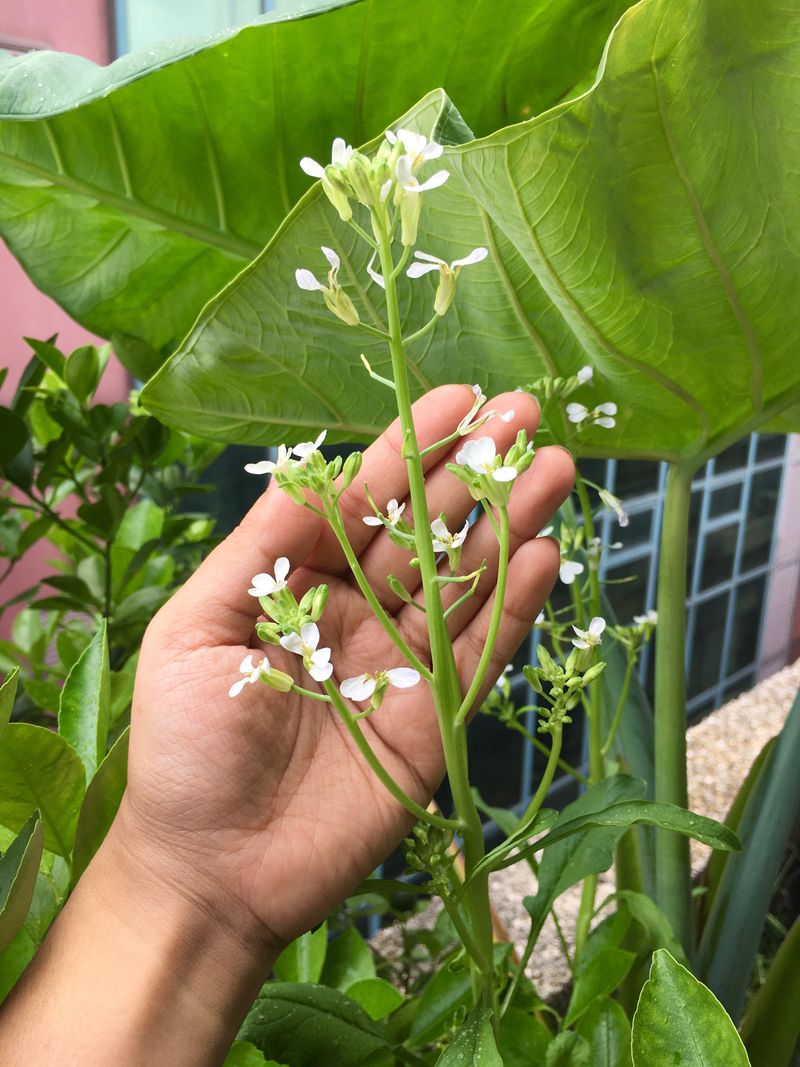
Speedy and satisfying, radishes are often the first crop new gardeners try because they grow so fast. Even these quick roots, though, can turn on you when North Carolina heat rolls in and pushes them into flowering.
Hot weather is the main trigger. When temperatures rise and days grow long, radishes stop putting energy into their round roots and instead send up tall, thin stalks topped with small flowers.
The roots pay the price for that change. Instead of staying crisp and juicy, they turn woody, hollow, and sharp, losing the crunchy bite that makes radishes so fun to eat. A plant that has bolted rarely produces a root worth pulling.
Planting at the right time keeps this problem away. Radishes love the cool days of early spring and fall, so those windows give you the best, tastiest results.
Even moisture matters a great deal too. Dry soil stresses the plant and speeds up bolting, while steady watering keeps roots swelling nicely and staying tender.
Crowding can also cause trouble. When seeds sit too close together, the plants compete and feel stressed, so thinning them early gives each root room to grow properly.
Here is a cheerful surprise, those radish flower stalks and seed pods are edible and taste peppery and crisp. If your radishes bolt before you harvest the roots, snack on the young pods instead and turn a small setback into a tasty new treat.
8. Napa Cabbage Can Abandon Its Head
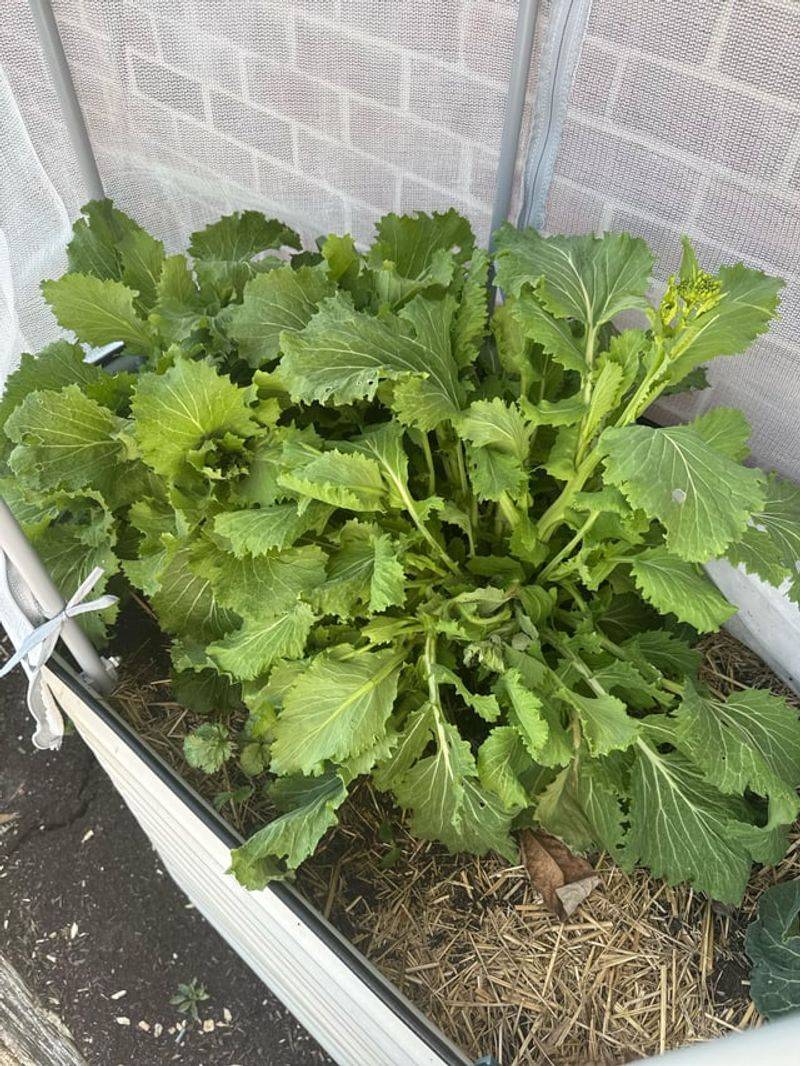
Tall and tightly wrapped, Napa cabbage forms a lovely leafy head that is perfect for slaws and stir-fries. Getting it to that stage in North Carolina can be tricky, since stress often sends the plant into flowering first.
Cool, steady weather is what this cabbage needs most. When spring heats up too fast or young plants face a chilly shock, Napa cabbage reads the stress as a warning and rushes to make flowers instead of forming its familiar head.
Several kinds of stress can set it off. Sudden temperature changes, dry soil, or crowded roots all tell the plant that time is short, so it skips head building and shoots up a tall flower stalk.
Watching your timing solves most of the problem. Plant Napa cabbage so it matures during mild weather, either in a gentle spring or a cool fall, and it will happily wrap into a full head.
Keeping the soil evenly moist keeps the plant relaxed. A thick layer of mulch holds water in the ground and shields the roots from heat that might otherwise trigger early flowering.
Giving each plant enough space also helps a lot. Crowded cabbages compete for water and food, and that struggle can push them toward bolting sooner than you would like.
If a flower stalk does appear, harvest the plant right away and use the loose leaves fresh. They still taste good in a quick stir-fry, so your effort never has to go to waste.