The Backyard Mulch Mistake That Can Make Plant Diseases Worse In North Carolina
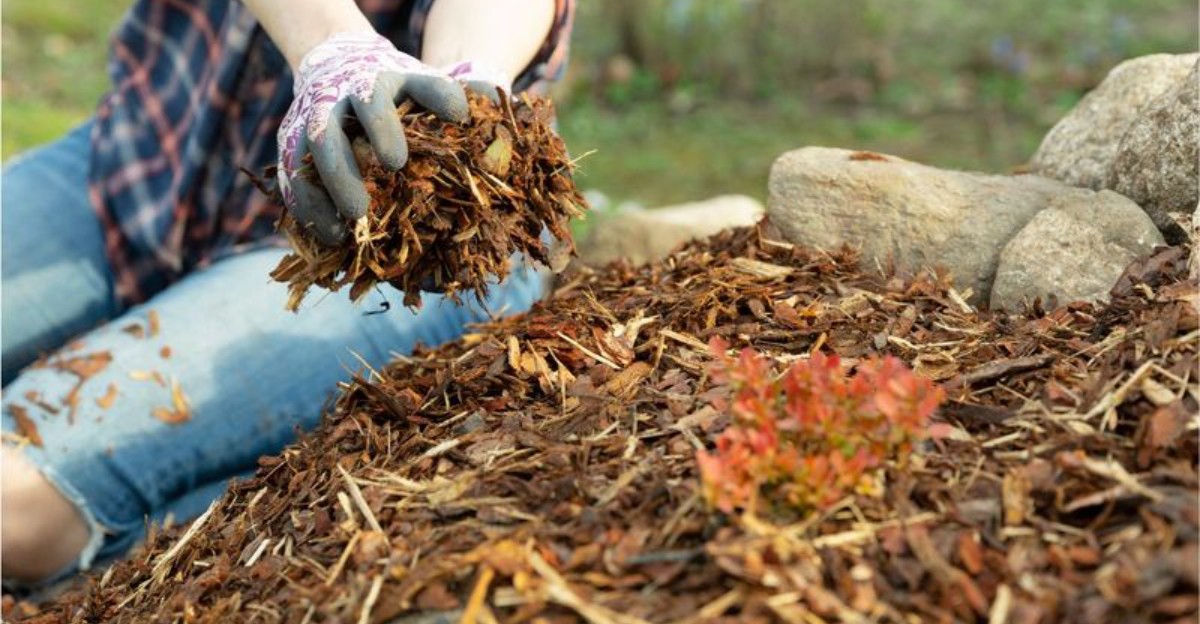
Mulch is supposed to help your garden. Used the wrong way, it can quietly do the opposite. In North Carolina’s humid climate, mulch holds moisture for a long time.
That is good in July and risky in October. Some mulching habits keep stems and trunks constantly damp. Others recycle old, diseased material back into the bed.
Both can give fungus an easy place to spread. Many gardeners make this mistake without realizing it, because the beds look neat and tidy. A small change in how you spread mulch can protect your plants from problems you never saw coming.
It is worth a second look before the next bag goes down. Even experienced gardeners get this one wrong. Healthy beds start with the right habits.
1. Keep Mulch Away From Stems And Trunks
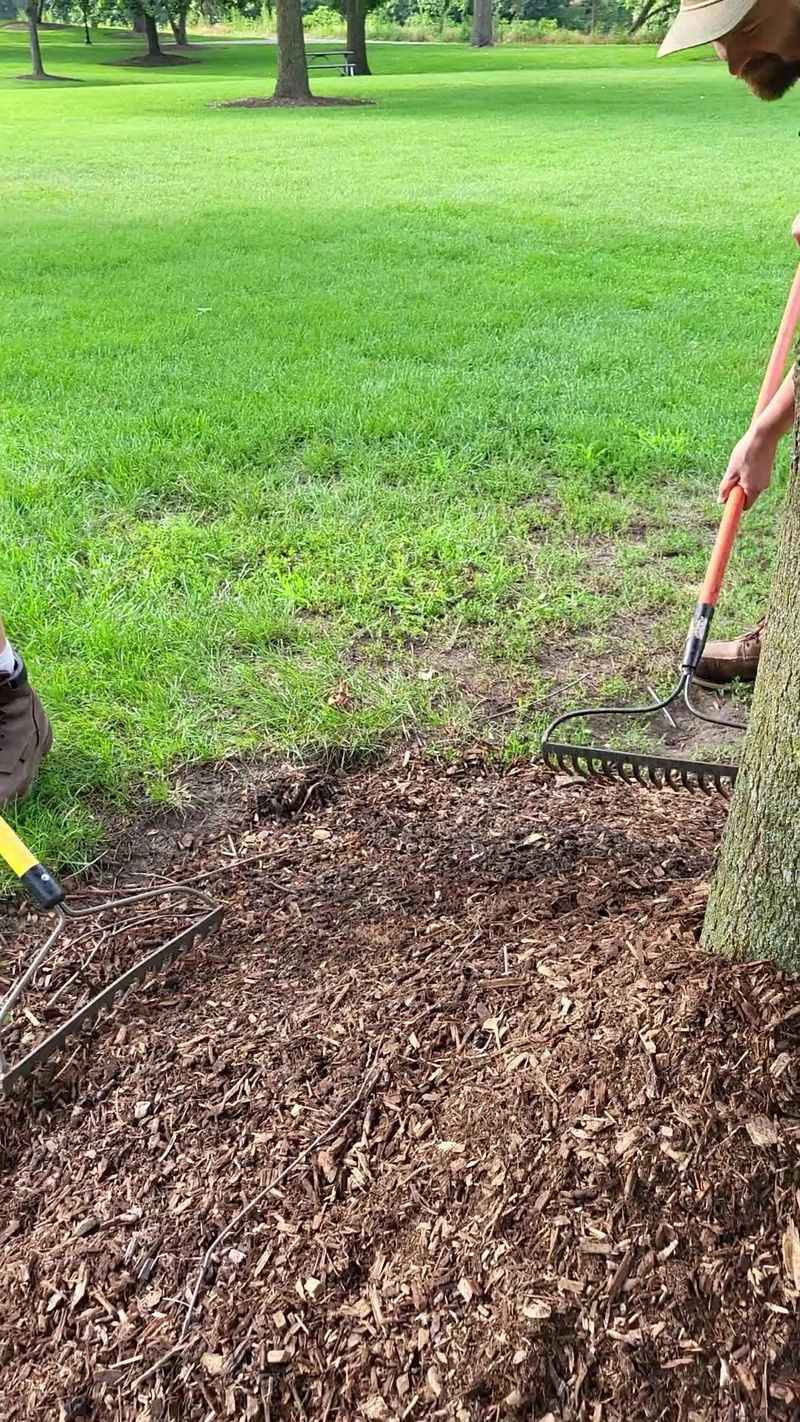
Walk through almost any neighborhood in Raleigh or Charlotte and you will spot it. Mulch is piled right up against the stems of shrubs and the trunks of trees, snug as a blanket. It looks tidy, but it is the most common mulch mistake gardeners make.
Here is the problem. Bark and stems are built to stay dry, much like the outside of your skin.
When damp mulch presses against them day after day, the bark softens and opens the door to crown rot, collar rot, and cankers, which are sunken wounds that weaken a plant over time.
Moisture is only part of the trouble. A thick pile against a trunk also makes a sheltered hiding spot for voles, mice, and insects.
Safe from hawks and weather, these critters can chew on tender bark all winter long, and you may not notice until the plant starts to struggle in spring.
Fixing it takes just a few minutes and a pair of gloves. Pull mulch back about 2 to 3 inches from the stems of perennials and shrubs. For trees, leave several inches of open space around the trunk so the base can breathe and dry out after rain.
Think of that bare ring as a small breathing zone. Air moves freely there, sunlight reaches the soil, and water drains away from the bark instead of soaking into it.
North Carolina gardeners have extra reason to take this step seriously. Our warm, humid weather and frequent rain keep mulch damp for much of the year, so a pile against a stem rarely gets the chance to dry. A little space makes a big difference.
2. Avoid Mulch Volcanoes Around Trees
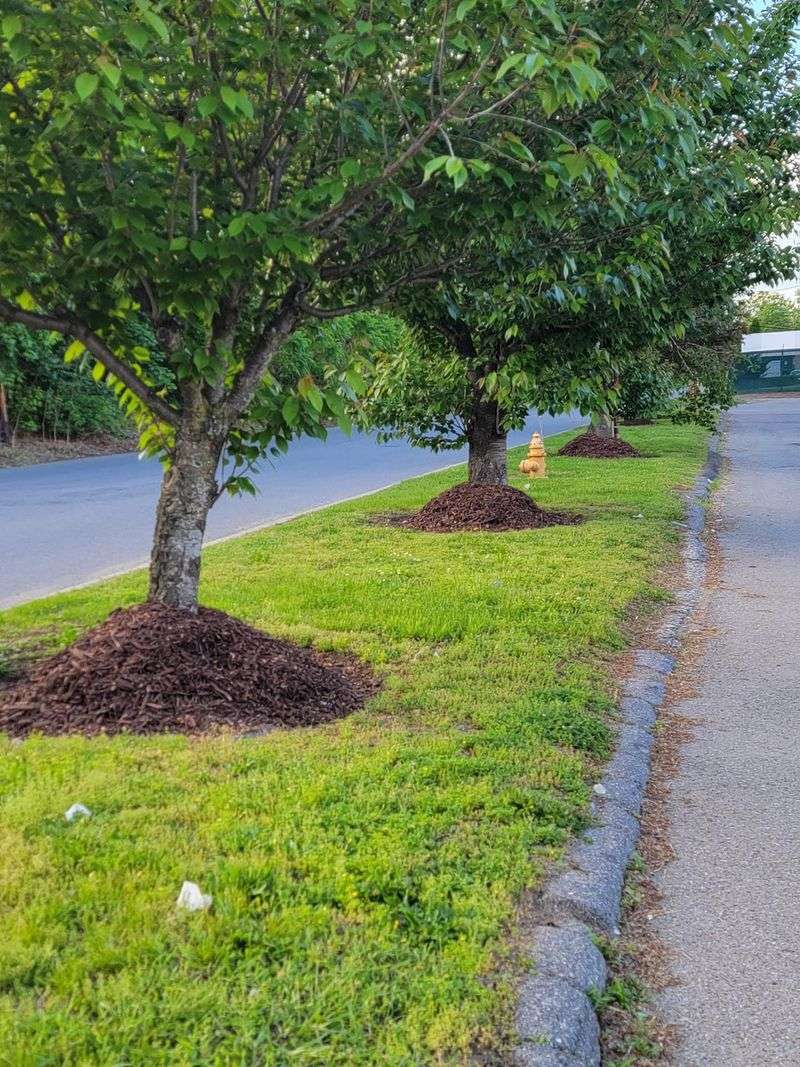
Ever notice those tall, cone-shaped heaps of mulch around trees in shopping center parking lots? Tree experts have a name for them: mulch volcanoes. They pop up everywhere, yet they can quietly harm the very trees they are meant to protect.
Deep mulch stacked against a trunk keeps the bark wet nearly all the time. That constant dampness invites rot and decay to creep into the wood. Over months and years, the tree can grow weaker without showing much damage on the outside.
Roots get confused, too. Since the mulch stays moist, roots may grow upward into the pile instead of spreading out through the soil. Some of those roots can begin circling the trunk, and as they thicken, they may squeeze the tree like a belt pulled too tight.
Your North Carolina Garden Changes Every Week. Your Plan Should Too.
Gardening in North Carolina changes quickly throughout the season. Every Friday you’ll receive a simple weekly plan showing exactly what to plant, prune, fertilize, harvest, and protect so you never miss the right timing.
Good news: you can flatten a volcano in an afternoon. Rake the mulch away from the trunk until you can see the root flare, the spot where the trunk widens as it meets the ground. If you cannot see that flare, the mulch is too deep.
Next, spread the mulch out in a wide, flat ring about 2 to 3 inches deep. Aim to stretch it toward the drip line, which is the outer edge of the branches. Keep the area right next to the trunk clear.
Across North Carolina, mulch volcanoes show up in both commercial landscapes and home yards, so many people copy the look without knowing the risk. Once you set a better example in your own yard, your neighbors might just follow along.
3. Don’t Pile It Too Deep
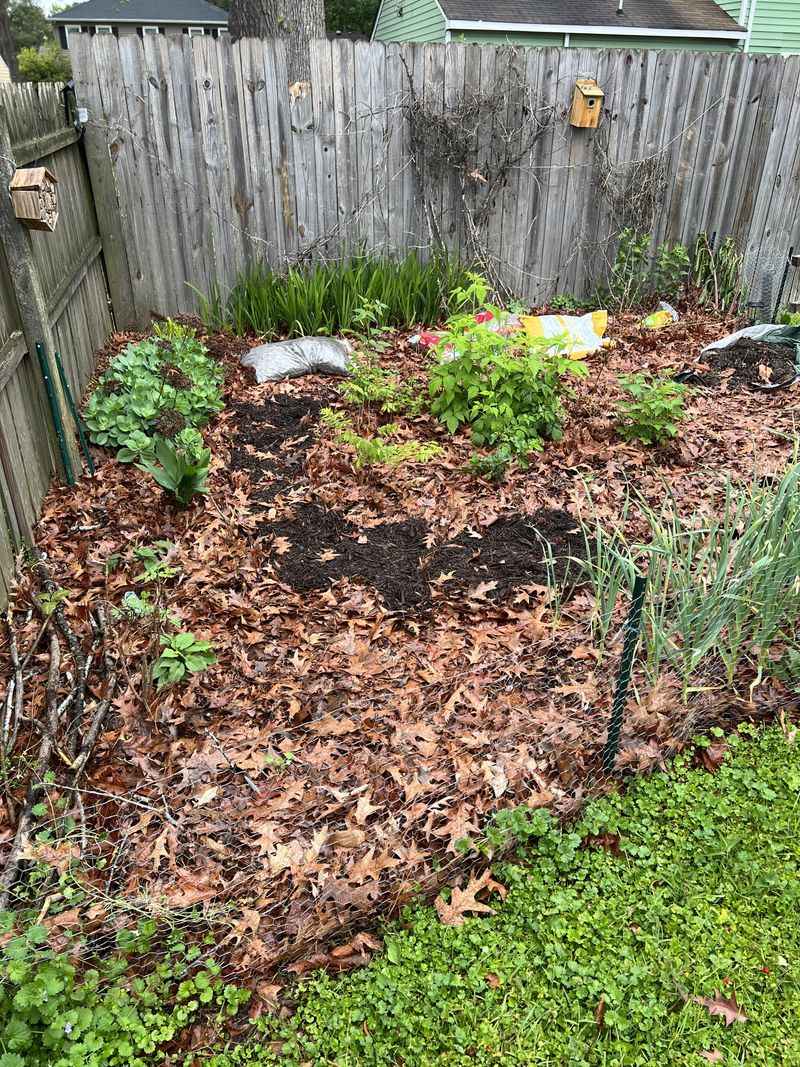
More mulch must mean more protection, right? Plenty of gardeners think so, and they spread it thick enough to bury a garden gnome. Sadly, piling it too deep can do more harm than good.
Roots need air just as much as they need water. A very deep layer of mulch traps too much moisture in the soil and around the roots, leaving fewer tiny air pockets in the root zone.
When roots cannot breathe, root rot has an easy time moving in, especially in soil that drains poorly.
Signs can be sneaky at first. Leaves might turn yellow, wilt on sunny afternoons even when the ground is wet, or grow slowly for no clear reason. Many people respond by watering more, which only makes things worse.
The sweet spot for most beds is about 2 to 3 inches of mulch. Before adding any new layer, push a finger or a small ruler down into the old mulch to check how much is already there. You may be surprised to find you need very little.
Heavy, slow-draining soil calls for an even lighter touch. In low spots or places where puddles linger after rain, a thinner layer of an inch or two lets the ground dry out between storms.
Much of central North Carolina sits on thick Piedmont clay, that sticky red soil that clings to boots and shovels.
Clay already holds water tightly, and deep mulch on top makes drainage problems worse. Keeping your layer modest gives roots room to breathe and grow strong.
4. Don’t Use Diseased Plant Debris As Mulch
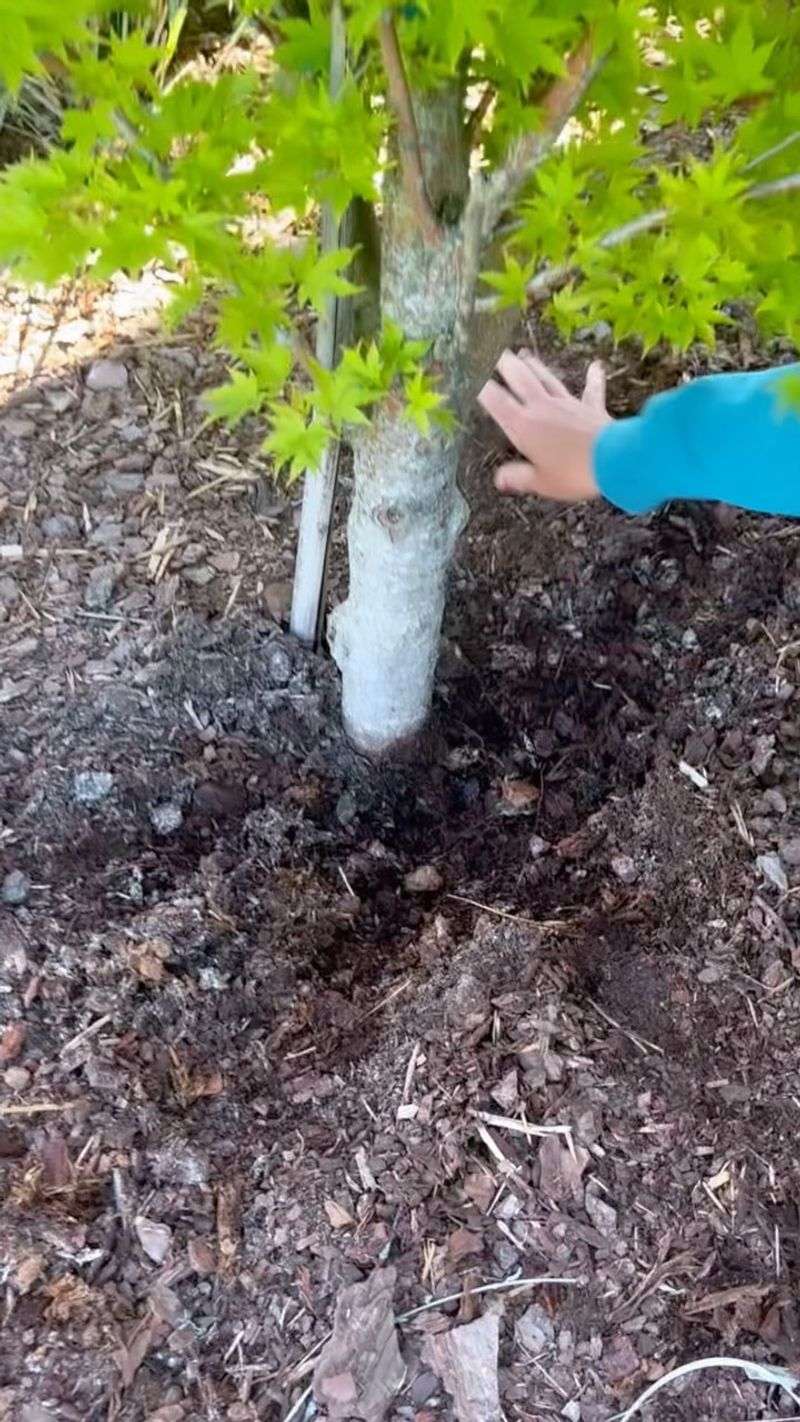
Free mulch is hard to resist. Those fallen leaves and pruned stems seem perfect for tucking around your plants, and recycling them feels like the smart, thrifty choice. The catch comes when that material carries disease.
Many fungal and bacterial diseases survive on infected leaves and stems long after they drop.
Spores rest quietly through winter, then wake up when warm, wet weather returns. Spread that debris around your beds, and you hand the disease a free ride straight back to the plants it loves to attack.
Some common troublemakers are easy to spot. Black spot on roses leaves dark, round marks with yellow edges. Early blight on tomatoes creates brown spots with rings like a target, and leaf spots on fruit trees speckle foliage with small brown or purple dots.
When you see these problems, rake up the infected leaves and toss them in the trash rather than the mulch pile. Many home compost piles do not get hot enough to destroy disease organisms, so bagging them is the safer bet.
Plenty of clean choices remain. Shredded bark, pine straw, and chopped leaves from healthy trees all make excellent mulch. Pine straw is especially popular in North Carolina, since longleaf pines have grown across the state for generations.
Our warm, humid climate lets plant diseases spread quickly from infected debris, sometimes in just a few days after a rainy spell. Keeping sick leaves out of your beds is one of the easiest ways to break that cycle and enjoy healthier plants next season.
5. Refresh Mulch Instead Of Stacking It Every Year
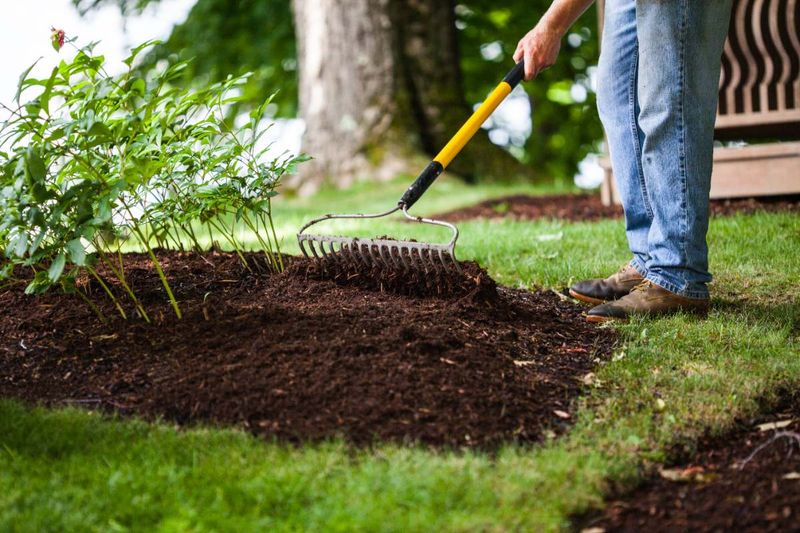
Spring arrives, the dogwoods bloom, and out come the bags of mulch. For many families, re-mulching is as much a yearly ritual as spring cleaning. Doing it on autopilot, though, can slowly create a hidden mess.
Mulch breaks down at a slow pace. Wood chips and bark can take a few years to fully decay, so last year’s layer is often still sitting there when you pour new mulch on top. Year after year, those layers stack up.
Eventually, the bed ends up with a thick, dense mat several inches deep. That mat stays wet, blocks air from reaching the roots, and creates the damp, stuffy conditions that fungi enjoy. Your plants may look fine on top while their roots quietly struggle below.
A simple spring check solves the problem. Dig into the mulch in a few spots and measure how deep it is. Then use a rake to fluff the old mulch, breaking up any crusty or packed layers so air and water can move through again.
Only add enough fresh mulch to bring the total back to 2 to 3 inches. Some years, fluffing alone will make faded mulch look new. If the layer is already too thick, scoop some of the old material out before adding anything.
Habit drives a lot of North Carolina gardening, and beds across the state get fresh mulch every spring whether they need it or not. Checking first saves money, saves your back, and gives your plants a healthier home to grow in.
6. Break Up Matted Mulch To Let Air And Water Through
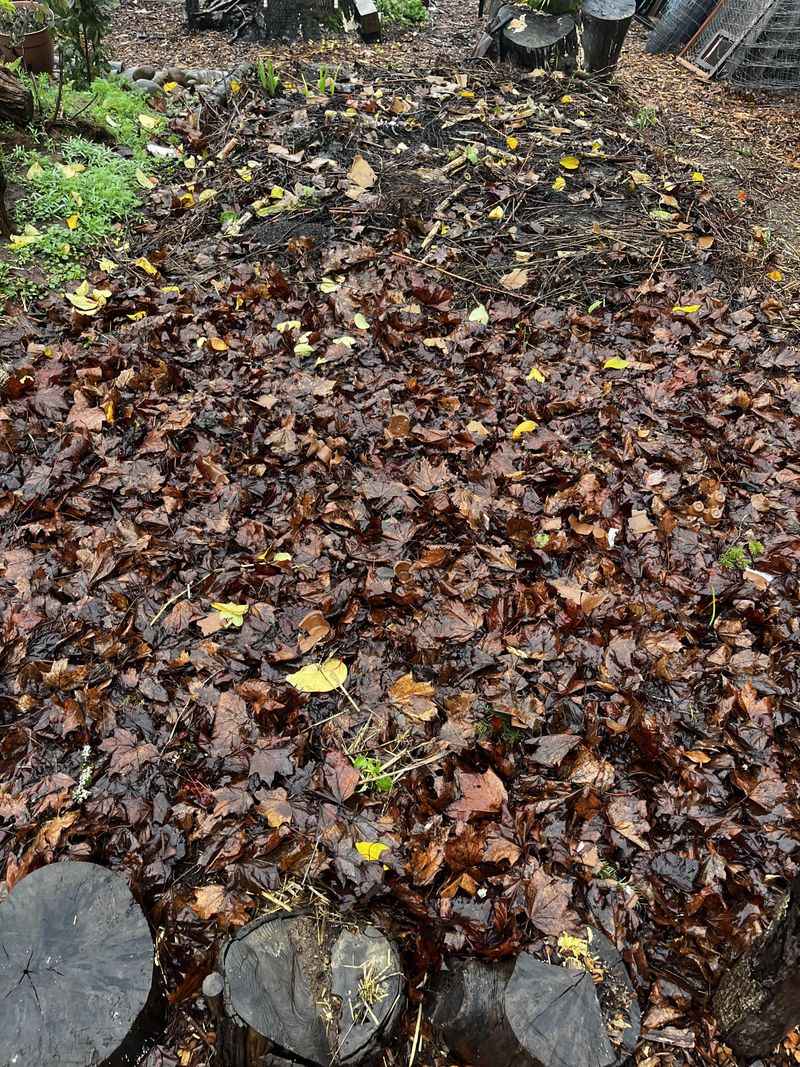
Some mulches act like a soggy wool blanket. They look harmless when you spread them, but after a few rains they press together into a tight, flat layer. That layer can cause more trouble than most gardeners expect.
Fine materials are the usual culprits. Whole leaves, thick grass clippings, and some finely ground bark can pack down hard.
In some spots they trap moisture, while in others they shed rain like a roof, so water rolls off instead of soaking into the soil where roots need it.
Damp, packed surfaces are a playground for fungi. You might spot white, threadlike growth or crusty patches on top of the mulch. Most of these fungi are harmless to plants, but the soggy conditions that feed them can also favor disease problems on your plants.
Shredding leaves before you use them makes a huge difference. Run over them a few times with a lawn mower, and they turn into a fluffy mulch that stays loose. Grass clippings work best in thin layers, about an inch at most, so they dry out instead of turning slimy.
Already have a matted bed? Grab a rake and loosen the surface every few weeks. For beds with drainage problems, coarser mulches like pine straw or shredded hardwood let air and water move through much more easily.
Every fall, North Carolina’s oaks, maples, and hickories drop a huge supply of leaves. That free mulch is a real gift, as long as you shred it first and keep it fluffy.
7. Use Mulch Correctly To Reduce Soil Splash
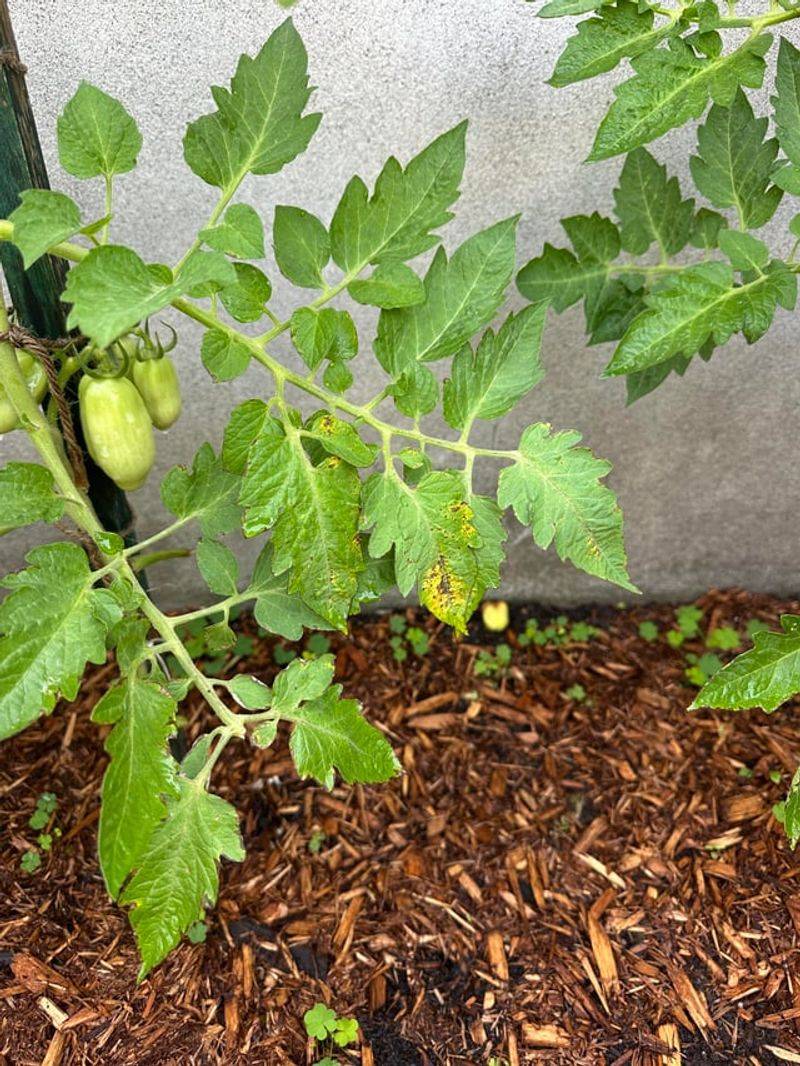
After all these warnings, here is the happy twist. Spread the right way, mulch is one of the best disease fighters in your whole garden. It simply needs to be used with a little care.
Many plant diseases begin with a single raindrop. When rain or a hose hits bare soil, it splashes tiny bits of dirt onto the lower leaves.
That dirt can carry the organisms behind early blight and Septoria leaf spot, two of the most frustrating tomato problems around.
A layer of mulch works like a shield. Raindrops land on straw, shredded leaves, or pine straw instead of bare ground, so far less soil bounces up onto your plants. Fewer splashes mean fewer chances for disease to take hold.
Timing helps, too. Wait until the soil warms in spring, then spread an even layer around vegetables and flowers, keeping it a couple of inches away from the stems.
Mulching too early can keep the soil cool and slow down heat-loving crops like tomatoes and peppers.
Watering habits matter just as much. Aim the hose or a soaker hose at the base of each plant rather than spraying the leaves. Also, snip off lower leaves that touch the ground, since those are often the first to pick up trouble.
Summer in North Carolina brings frequent afternoon thunderstorms, and heavy rain can pound bare soil onto plants all season long.
A smart layer of mulch turns those storms from a threat into a welcome drink, helping your garden stay green and productive until fall.