A Silent Threat Is Pushing One Of Idaho’s Most Recognizable Trees Toward A Tipping Point
A quiet threat now looms over one of Idaho’s treasures. Picture yourself watching something truly magnificent slowly fade from view. This giant once ruled forests you may have walked through.
You depended on it more than you probably ever realized. Loggers needed it, wildlife needed it, and so did you. Something arrived decades ago and never stopped spreading near you.
Small invaders now weaken what years of stress already strained. Human pressure adds another strain to an already struggling population. Together these forces have pushed something precious toward serious decline.
Scientists now work urgently to understand exactly what happened here. Idaho chose this tree as its symbol for good reason. Your identity is tied directly to this towering, fading giant.
Nobody warned you this crisis had grown quite this serious. What happens next will decide whether you recognize these forests. Every answer you need starts with what nearly changed everything.
The Fungus Quietly Threatening Idaho’s State Tree
Picture a tree that once ruled the forest. The western white pine was Idaho’s undisputed giant, growing up to 200 feet tall across millions of forested acres.
Then a stowaway arrived. White pine blister rust, a fungal pathogen called Cronartium ribicola, entered North America around 1910 on imported seedlings from Europe.
It spread fast and quietly. Within decades, it had moved across the Pacific Northwest, spreading through white pine stands at a steady, consistent pace.
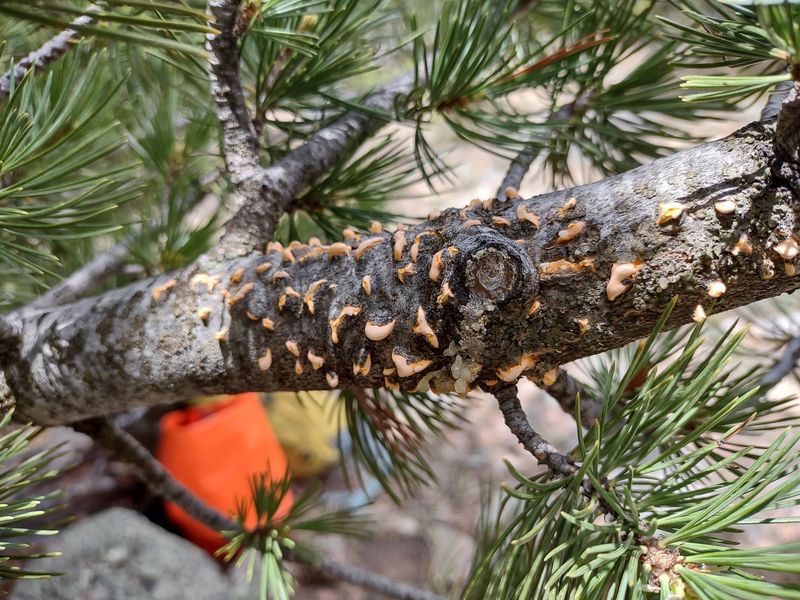
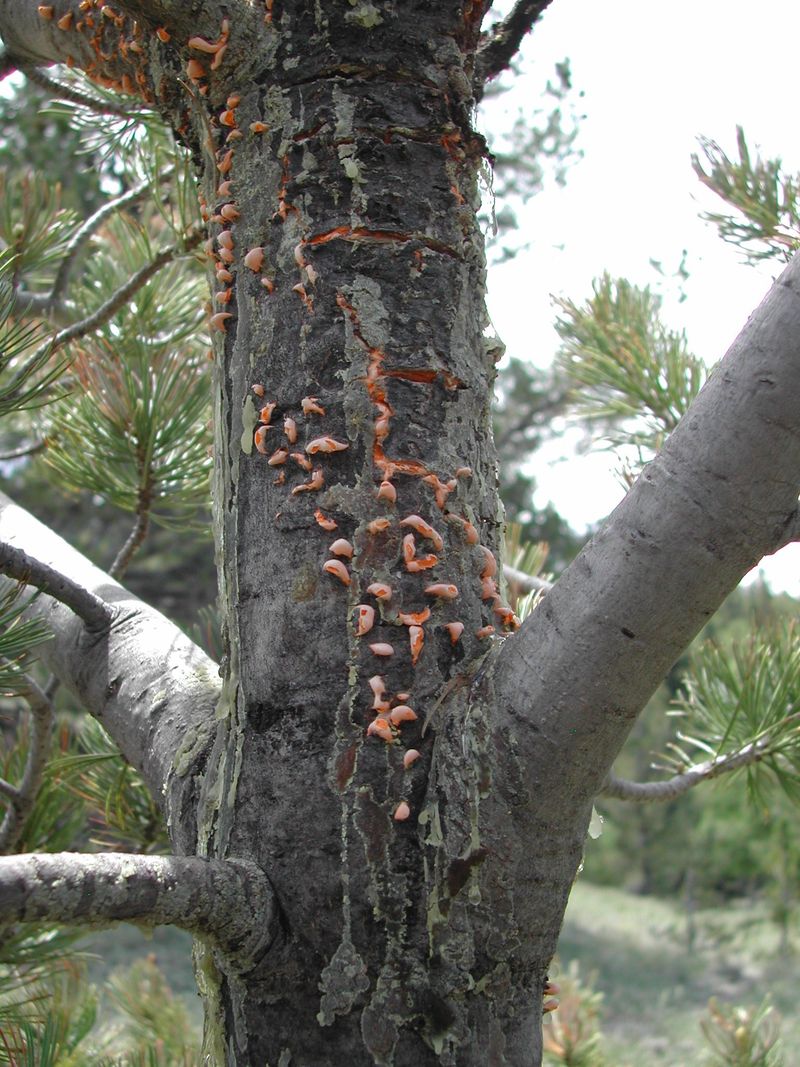
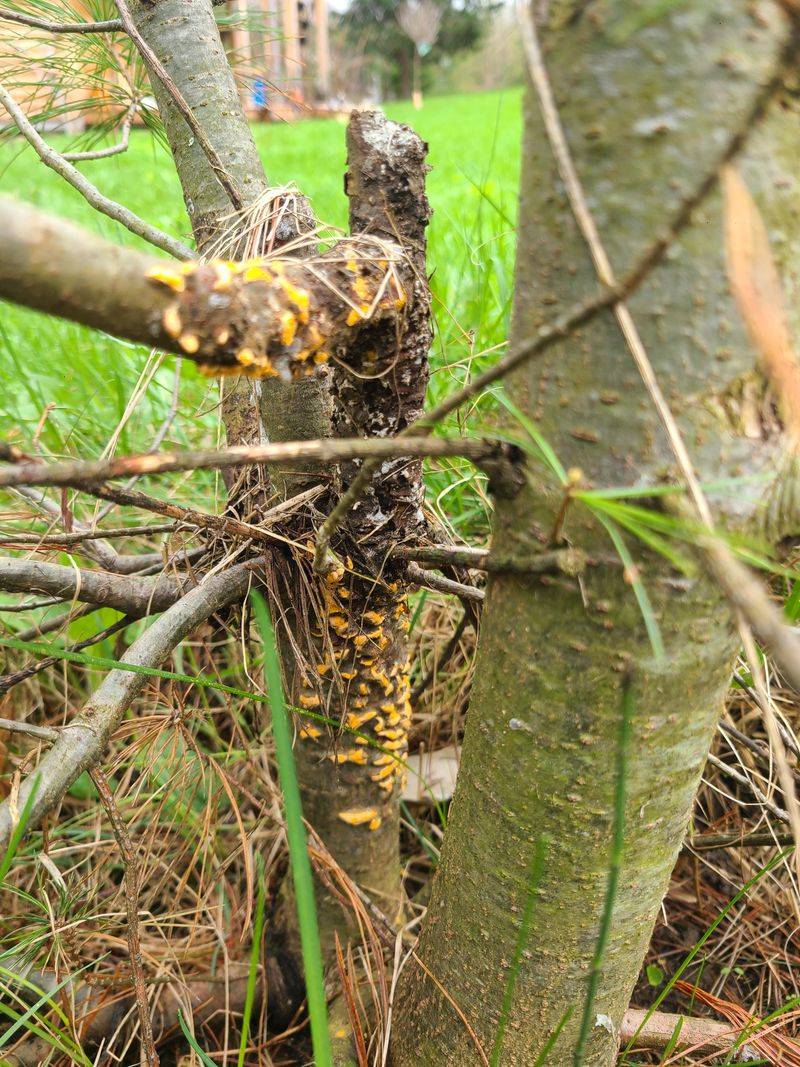
The fungus infects the tree’s bark, forming swollen, discolored cankers that cut off water and nutrients. Once a canker girdles a branch or trunk, that section can no longer sustain itself.
Young trees are especially vulnerable. A seedling infected near its base has almost no chance of reaching maturity before the canker reaches its main stem.
What makes this pathogen so significant is how well it fits into Idaho’s climate. Cool, moist conditions in northern Idaho forests are nearly perfect for fungal spore production and spread.
The western white pine was not defenseless by design. Native trees simply never encountered this particular pathogen before, so they had no built-in resistance to fight back.
Populations that once covered over 3 million acres in the northern Rockies have dropped sharply. Some estimates suggest the species has declined by more than 90 percent from its historic range.
That decline is striking. Idaho’s most recognizable tree is disappearing, and most residents have never even heard the name of what is taking it down.
What Makes White Pine Blister Rust So Hard To Detect
Catching blister rust early feels almost impossible. The fungus spends part of its life cycle on a completely different plant, called a ribes, which includes currants and gooseberries.
This two-host life cycle is what makes detection so tricky. The rust needs both a white pine and a ribes shrub to complete its full reproductive cycle.
Spores from infected ribes plants drift through the air and land on pine needles. The infection begins there, quietly moving inward toward the bark over months or even years.
Your Idaho Garden Changes Every Week. Your Plan Should Too.
Gardening in Idaho changes quickly throughout the season. Every Friday you’ll receive a simple weekly plan showing exactly what to plant, prune, fertilize, harvest, and protect so you never miss the right timing.
By the time visible symptoms appear on the tree, the fungus is already deep inside. Foresters often spot the telltale orange blisters only after significant internal damage has occurred.
Early symptoms can look like ordinary stress. Yellowing needles and slightly discolored bark patches are easy to overlook, especially in a dense forest with thousands of trees.
The infection timeline makes intervention difficult. From initial needle infection to a visible canker on the main stem, the process can take three to five years.
That window of invisibility gives the pathogen a serious head start. By the time managers know a stand is infected, many trees are already past the point of saving.
Monitoring programs require trained eyes and consistent effort. Most forest surveys happen infrequently, meaning infected areas can go undetected for an entire field season or longer.
Awareness is genuinely the first line of defense. Knowing what to look for, and when to look, could help slow the spread before it reaches new stands.
How This Silent Threat Moves Through Idaho’s Forests
Wind is the fungus’s best friend. Blister rust spores are microscopic and lightweight, traveling miles through the air before landing on a new host.
A single infected ribes plant can release thousands of spores in one season. Each spore is a potential new infection site in a nearby pine stand.
The geography of northern Idaho actually helps the disease spread. River valleys and mountain drainages funnel moist air, carrying spores deep into previously healthy forest zones.
Elevation plays a role too. Lower elevations with moderate temperatures and high humidity create ideal conditions for spore germination on pine needles.
Once a stand becomes infected, the internal spread accelerates. Neighboring trees share root zones and canopy space, making spore transfer between them almost inevitable.
Wildlife movement also contributes to dispersal. Birds and mammals that brush against infected bark or ribes plants can carry spores short distances to new areas.
Human activity has unintentionally helped the spread as well. Early attempts to control the disease by removing ribes plants were only partially successful and ultimately abandoned.
Ribes shrubs are native and ecologically important. Removing them disrupted food webs and provided only temporary relief, since new plants quickly recolonized cleared areas.
Many forest managers now believe the fungus has spread too broadly across Idaho for containment to remain a realistic goal. The focus has shifted from stopping spread to managing impact and building resilience in surviving populations.
Logging And Bark Beetles Are Compounding The Pressure
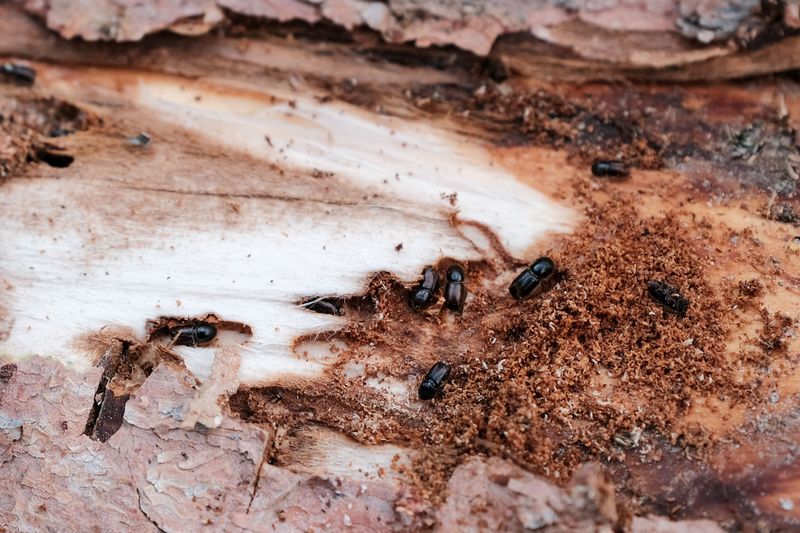
Blister rust is not working alone. Two other major stressors are hitting western white pine at the same time, creating a compounding crisis in Idaho’s forests.
Historic logging dramatically reduced the number of mature white pines across the region. Loggers targeted these trees specifically because of their straight grain and exceptional timber value.
By the mid-20th century, millions of acres of old-growth white pine had been cleared. What grew back was often a different mix of species, with far fewer white pines represented.
Fire suppression changed the forest structure too. Without regular low-intensity fires, shade-tolerant species like grand fir moved in and outcompeted young white pine seedlings for sunlight.
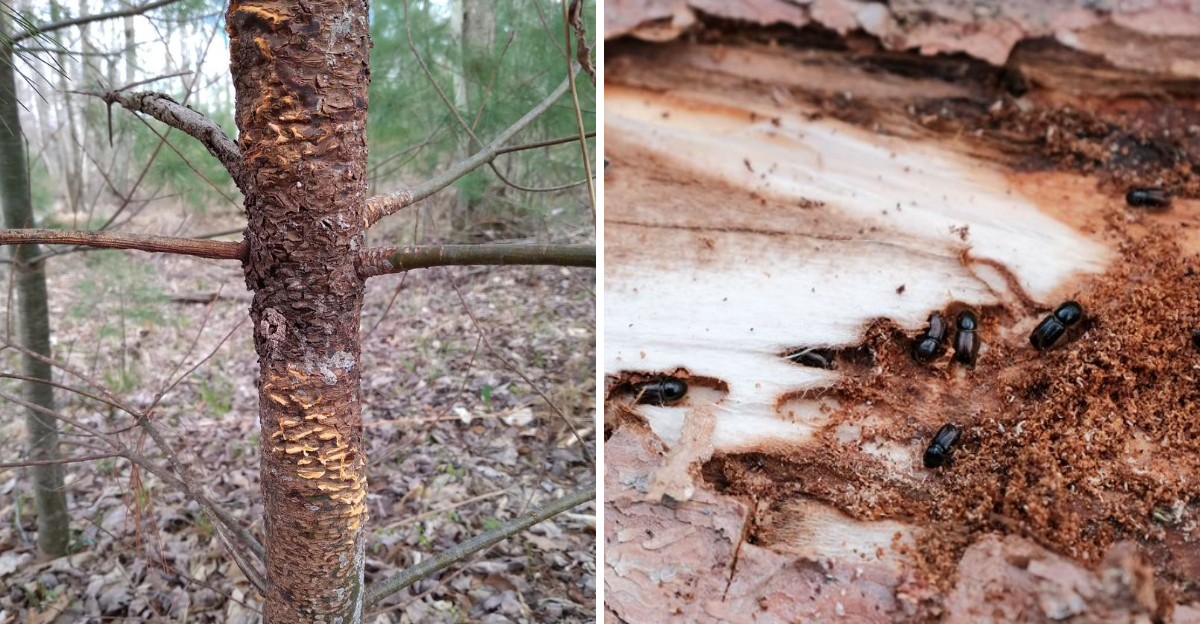
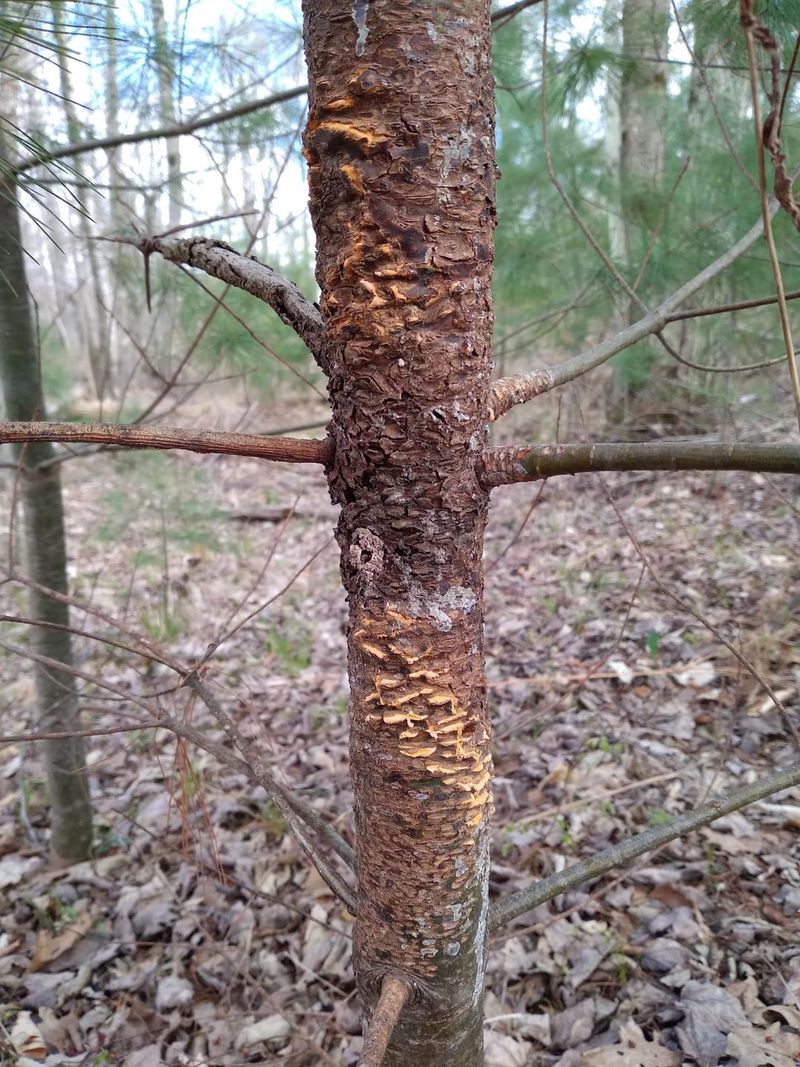
Then came the bark beetles. Mountain pine beetles and other bark beetle species have surged in recent decades, fueled by warmer winters and drought-stressed trees.
Bark beetles target weakened trees, and a white pine already fighting blister rust is exactly the kind of vulnerable host they seek out. The combination is severe.
Beetle outbreaks can move through a stand within a single season. Trees that survived decades of rust infection can fall to beetles in a matter of weeks.
Climate shifts are extending beetle season and reducing the cold snaps that once kept populations in check. Warmer temperatures mean more beetles make it through winter and emerge more aggressively each spring.
Western white pine is now caught between three threats at once. Rust, beetles, and altered forest structure are all pressing down on a species already struggling to hold its ground.
What The Timeline Looks Like For Recovery
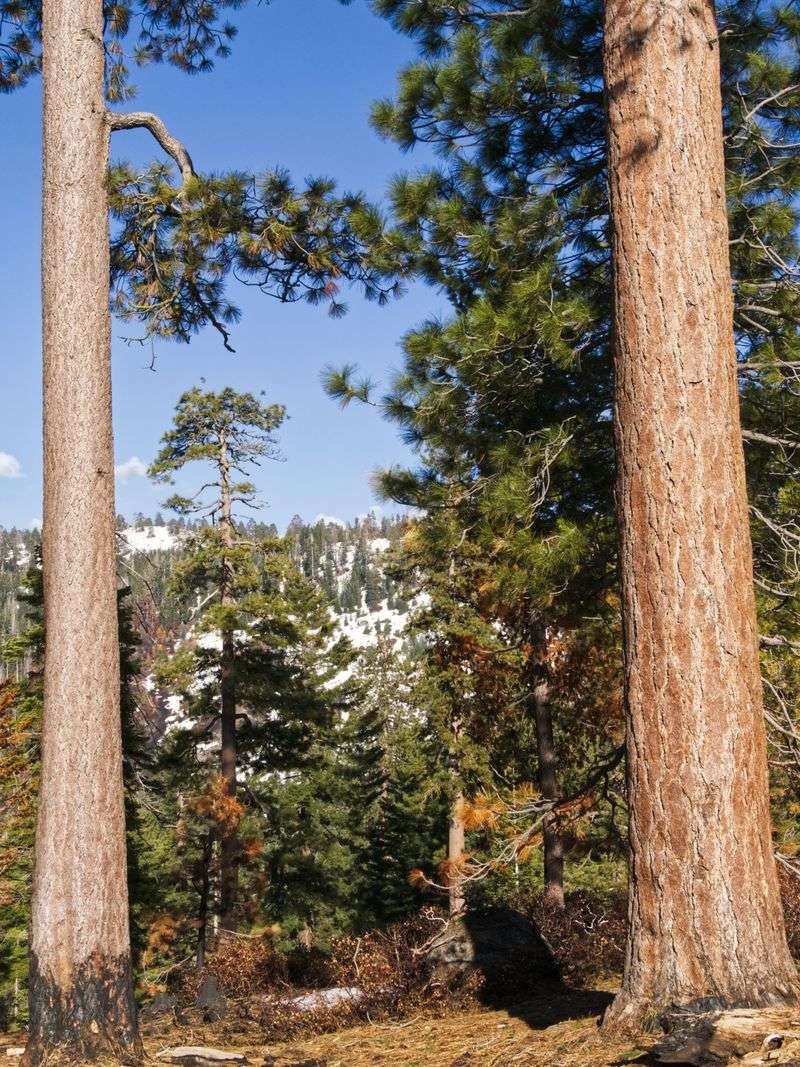
The recovery timeline is narrow. Scientists who study forest health are not panicking, but they are moving with urgency that reflects how serious the situation has become.
Genetic diversity within the remaining white pine population is a real concern. When a species loses 90 percent of its individuals, the surviving gene pool shrinks dramatically.
A smaller gene pool means less room to adapt. If conditions shift further or a new pathogen emerges, a genetically narrow population has fewer tools to respond.
Some researchers warn that without active intervention, white pine could lose its ecological role in Idaho’s forests within a few generations. That could alter surrounding ecosystems.
Wildlife that depends on white pine seeds, including Clark’s nutcrackers and red squirrels, would face serious food shortages. These species help plant new trees, so their decline compounds the problem.
Watersheds would also change. Mature white pines regulate snowmelt and reduce erosion in steep mountain terrain, providing clean water to streams and rivers downstream.
The cultural loss would be equally significant. Idaho chose the western white pine as its state tree in 1935, a symbol of strength, abundance, and the wild character of the region.
Watching that symbol fade from the landscape is not a small thing. For communities that grew up hiking, hunting, and logging in white pine country, many describe the loss as deeply personal.
The window for action is narrowing. Every year without meaningful action allows the fungus, beetles, and altered forests to continue outpacing recovery efforts.
What’s Being Done To Bring The Giants Back
There is meaningful progress to report. Scientists have been working for decades to breed western white pine trees with natural resistance to blister rust. The U.S. Forest Service runs a program specifically focused on this effort.
Researchers identify trees that show genetic resistance, collect their seeds, and grow resistant seedlings in nurseries.
These resistant trees are not immune, but they can survive infection long enough to reproduce. Over generations, that survival advantage can shift the balance back toward the white pine.
Thousands of resistant seedlings have already been planted across northern Idaho and neighboring states. Early results are encouraging, though specific survival-rate figures should be confirmed against current U.S. Forest Service data.
Prescribed fire is also part of the recovery plan. Carefully managed burns reduce the shade-tolerant competition that crowds out white pine seedlings in the understory.
Opening up the forest canopy gives young white pines access to sunlight they desperately need. Without that light, even resistant seedlings struggle to reach a size where they can compete.
Community involvement is growing too. Some conservation groups and tribal nations are partnering with federal agencies to expand planting efforts on a broader scale.
Citizen science programs train volunteers to monitor forest health and report new rust infections. More eyes on the forest means faster response when new outbreaks appear.
The western white pine still has a genuine chance at long-term recovery. Sustained effort, smart science, and public awareness will determine whether that chance is realized.