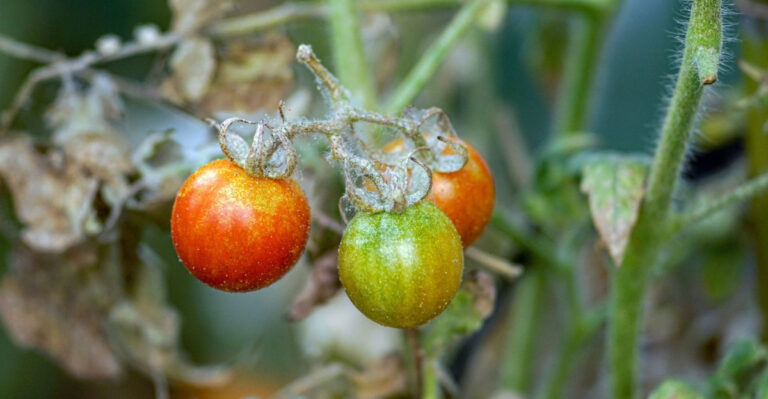
What It Means When Your Sweet Potato Vines Are Covered In Whiteflies
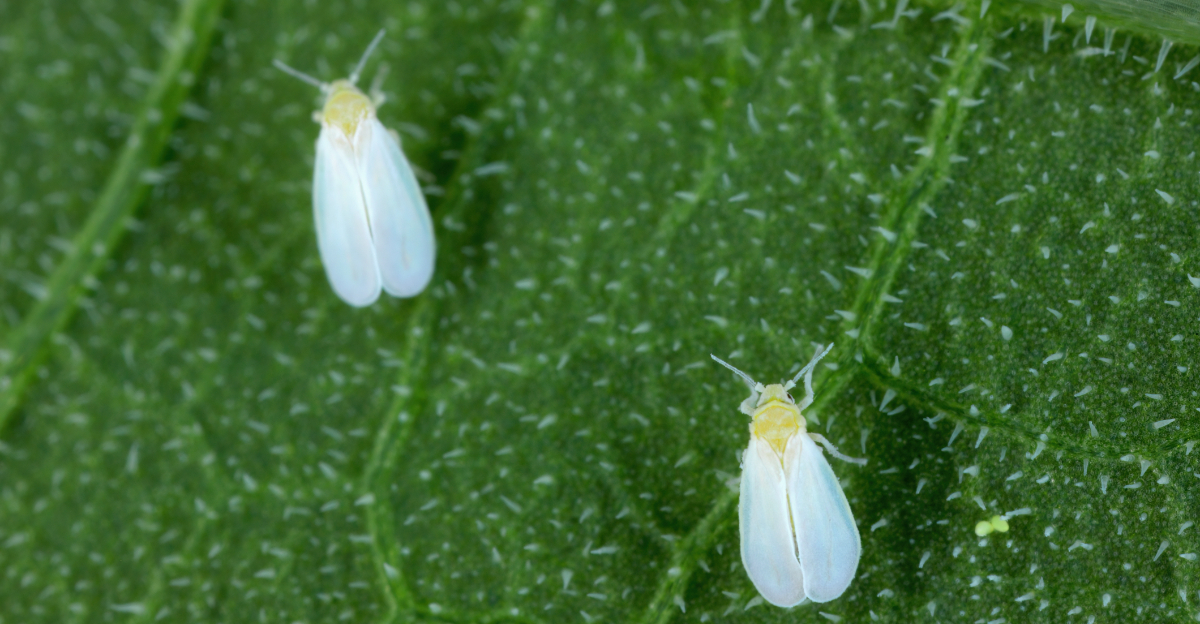
Little white specks scatter into the air the moment you get close to your plants, and that reaction alone should stop you cold. Arizona gardeners are witnessing this exact scene right now, and it rarely means what most people assume.
Vines that looked thriving last week can start collapsing within days as this invader settles in. Sap gets drained straight from the leaves, leaving foliage yellowed, curled, and struggling to function.
Populations multiply faster than most gardeners expect, turning a single infested vine into a yard-wide problem within a week. Heat across Arizona actually speeds up the entire cycle, pushing a minor nuisance toward a full-blown crisis fast.
Nothing about this problem stays contained to a small patch of leaves for long. You need clarity on what you’re facing before it spreads any further, because waiting even a little longer could cost you the entire crop.
Heavy Infestations Signal More Than Just Visible Pests
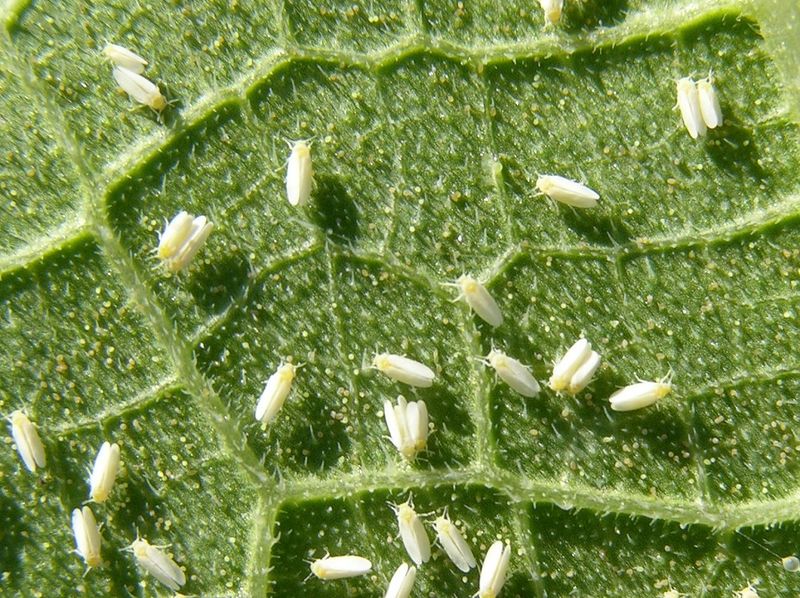
Clouds of white insects rising off your plants are a red flag.
A heavy infestation like this rarely starts overnight, the problem usually began weeks earlier. Female whiteflies lay eggs in tight circular clusters on leaf undersides, and those eggs hatch fast in warm weather.
One female can produce up to 300 eggs in her short lifetime. That number alone explains how colonies grow so quickly in a hot garden.
The visible adults you see flying around represent only a fraction of the true population. Nymphs, which are the immature stages, stay glued to leaf undersides and feed constantly without moving.
Nymphs are nearly transparent and easy to miss during a casual inspection. By the time you spot the flying adults, the population has already grown massive beneath the surface.
Checking the underside of leaves weekly is the single best early-detection habit you can build. A magnifying glass helps you spot the waxy egg clusters before they hatch into hungry feeders.
Heavy infestations also attract natural predators like lacewings and parasitic wasps. Seeing those beneficial insects suddenly appear near your vines is a clue the pest load has reached a tipping point.
Do not ignore a large infestation just because the plants still look green. The damage compounds silently every single day you wait to act.
What The Sticky Honeydew Residue Actually Means
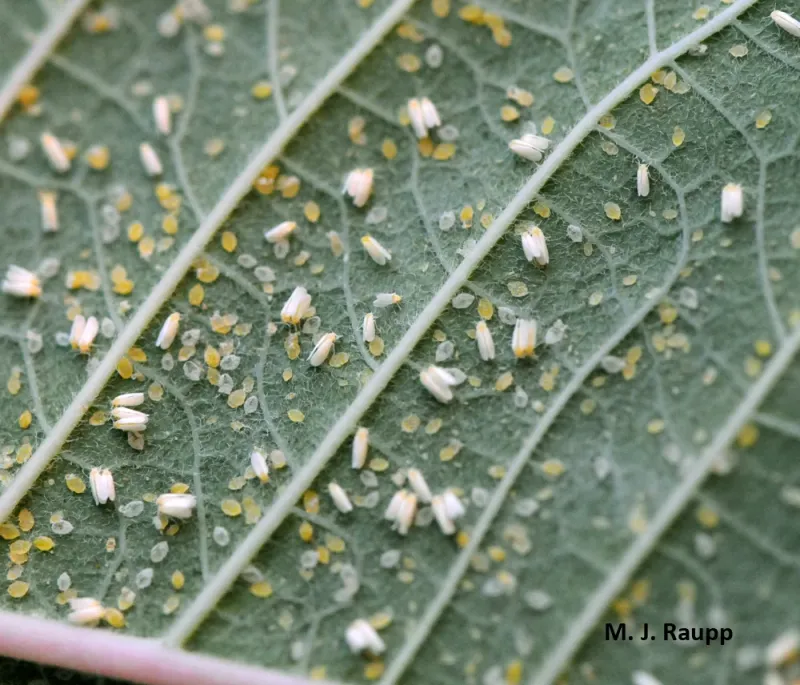
Touch your sweet potato vine leaves and notice something sticky on your fingers. That gooey coating is called honeydew, and it is a sign the infestation is actively feeding.
Whiteflies are sap-sucking insects that pierce leaf tissue and drain the plant’s fluids. As they feed, they excrete a sugary liquid waste product known as honeydew.
The stickiness coats leaves, stems, and even nearby surfaces like patio furniture or walkways. It can feel similar to a light syrup that has been left out in the sun too long.
Honeydew is not just gross to touch. It creates a perfect growing surface for a black fungal coating called sooty mold, which shows up fast in humid microclimates.
Ants are also drawn to honeydew like a magnet to metal. Seeing trails of ants marching up your sweet potato vines is actually a secondary sign of active whitefly feeding.
Your Arizona Garden Changes Every Week. Your Plan Should Too.
Gardening in Arizona changes quickly throughout the season. Every Friday you’ll receive a simple weekly plan showing exactly what to plant, prune, fertilize, harvest, and protect so you never miss the right timing.
Those ants protect the whiteflies from predators in exchange for honeydew access. This ant-whitefly relationship can make infestations much harder to control naturally.
Wiping honeydew off leaves with a damp cloth gives you a temporary visual fix. However, the residue returns within hours if the insects are still feeding.
A persistent sticky coating on your Arizona sweet potato vines means the colony is large and well-established. Addressing the source, not just the symptoms, is the only path forward that actually works.
Sooty Mold Growth And Reduced Photosynthesis
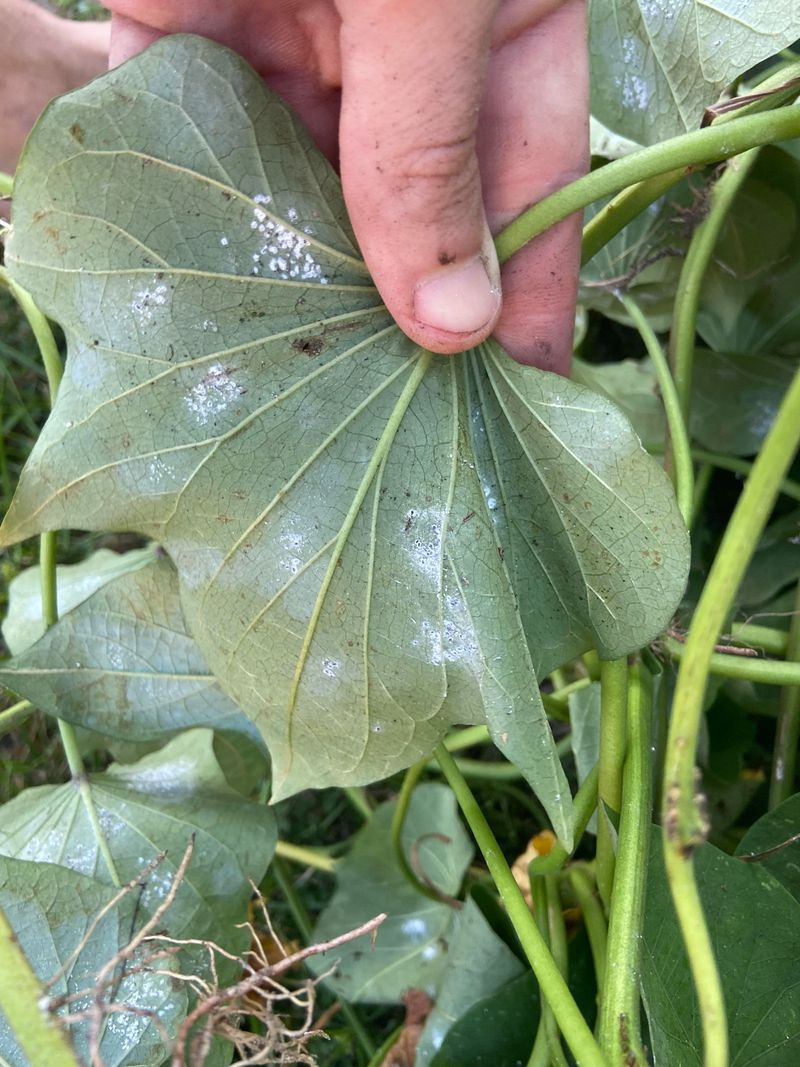
Black dusty patches on your sweet potato leaves look alarming, and they should. Sooty mold is a fungal growth that feeds on the honeydew left behind by feeding whiteflies.
The mold itself does not attack plant tissue directly. However, it blocks sunlight from reaching the leaf surface, and that is where the real damage begins.
Photosynthesis is the process plants use to convert sunlight into food and energy. When sooty mold covers leaf surfaces, the plant cannot absorb enough light to function properly.
Leaves under a thick mold coating begin to yellow and drop prematurely. Your sweet potato vines may start to look sparse, weak, and far less vigorous than they should in peak growing season.
Reduced photosynthesis also means less energy stored in the root system. For sweet potato growers, that directly translates to smaller, underdeveloped tubers at harvest time.
Sooty mold can spread across multiple plants if the infestation is not addressed. Wind and water movement carry mold spores to neighboring leaves and nearby garden beds.
Washing mold off with a gentle stream of water removes the surface coating temporarily. However, the mold returns immediately if whiteflies continue producing fresh honeydew below.
Controlling the insect population is the only lasting solution for sooty mold. Treat the pest, and the mold disappears on its own within a few weeks of clean, sunny growth.
Whiteflies As Carriers Of Sweet Potato Viruses
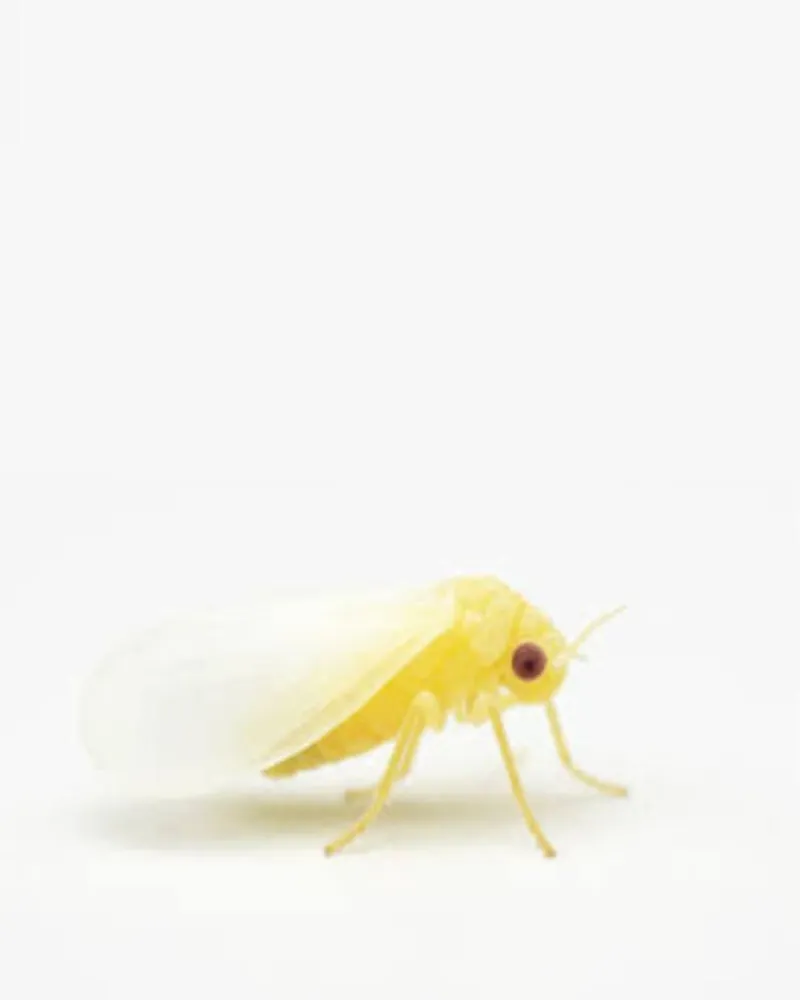
Whiteflies are not just sap thieves. They are also one of the most efficient virus delivery systems in the insect world.
Sweet potato whitefly, also called Bemisia tabaci, is notorious for spreading plant viruses as it feeds. A single infected whitefly can introduce a pathogen to a healthy plant during just one feeding session.
Sweet potato leaf curl virus is one of the most damaging diseases transmitted this way. Infected plants develop curled, distorted leaves that look twisted and stunted compared to healthy growth.
Once a plant is infected with a whitefly-transmitted virus, no effective cure currently exists. Removing and disposing of infected plants is typically the only way to protect the rest of your garden.
Virus symptoms can take one to three weeks to appear after transmission. That delay makes it easy to miss the early window for intervention when plant removal would be most effective.
The risk of viral spread increases dramatically as the whitefly population grows. A larger colony means more feeding events, more plant-to-plant movement, and more chances for transmission.
Planting virus-resistant sweet potato varieties is one of the smartest preventive moves you can make. Check with your local extension office for varieties recommended specifically for warm desert regions.
For growers dealing with a heavy population, virus risk is not hypothetical. Act fast, because every day of infestation is another day of potential viral spread through your garden beds.
Why Arizona’s Dry Heat Speeds Up Population Growth
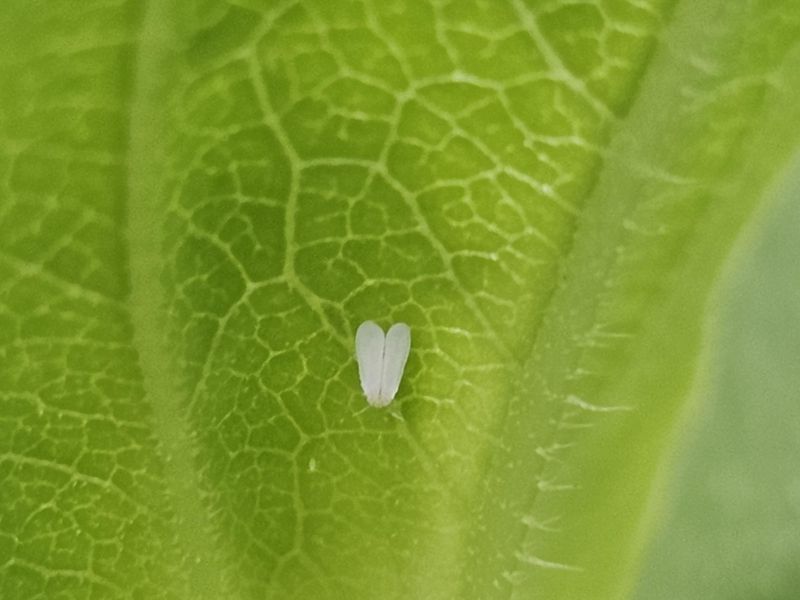
Whiteflies thrive in warm, dry conditions, and few places deliver that environment better than an Arizona summer. Temperatures above 80 degrees Fahrenheit accelerate the insect’s entire life cycle dramatically.
Under cooler conditions, whiteflies may take three to four weeks to develop from egg to adult. In hot desert heat, that timeline can shrink to just two weeks or even less.
Faster development means more generations per season. A single season in the desert can produce five or more overlapping generations, creating a continuously expanding population.
Low humidity also limits the natural spread of certain fungal pathogens that normally help control whitefly numbers in other climates. The dry air essentially removes a natural biological check on the population.
Water stress in plants is another factor that worsens the situation. Stressed or drought-weakened sweet potato vines are more vulnerable to heavy feeding and less able to recover from damage.
Consistent irrigation keeps plants healthier and slightly more resilient against pest pressure. However, overhead watering should be avoided because wet foliage can create other problems like fungal leaf spots.
Reflective mulch around the base of your plants is a practical desert-specific strategy. The reflected light confuses and deters whiteflies from landing, reducing the rate of new infestations.
Understanding the desert climate’s role in whitefly pressure helps you stay one step ahead. Seasonal monitoring starting in late spring gives you the best shot at catching colonies before they multiply out of control.
Signs The Infestation Is Already Affecting Your Harvest
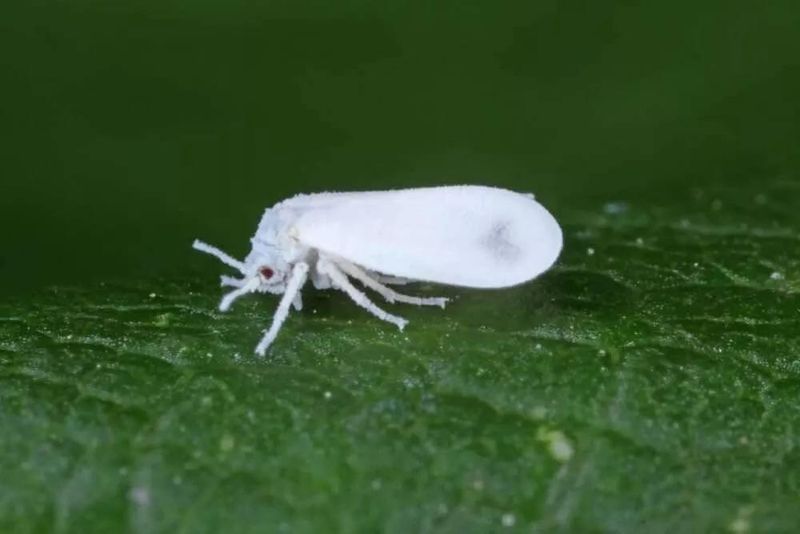
Yellowing leaves and stunted growth are not just cosmetic problems. They are your garden’s way of signaling that something serious is happening underground.
When whiteflies drain sap from sweet potato vines for weeks, the plant diverts energy away from root development. That energy shift results in noticeably smaller tubers at harvest time.
Tubers may also show irregular shapes or unusually thin skin when pest pressure has been severe. These structural changes happen because the plant simply lacked the resources to develop normally.
Vines that looked thin, pale, or leggy above ground often produce disappointing results below the surface. The connection between foliar health and root quality is direct and well documented.
Check for premature leaf drop as another harvest warning sign. When a plant sheds leaves early to conserve energy, it signals that the feeding damage has crossed a critical threshold.
Slow vine growth during the peak summer season is also telling. Healthy sweet potato vines in warm soil should spread aggressively, so sluggish growth means something is holding the plant back.
Growers who catch infestations early and treat them consistently tend to salvage a much better harvest. Even partial control of the population gives the plant breathing room to recover and redirect energy.
Once a heavy infestation combines with these harvest warning signs, time is not on your side. Start treatment today, and give your crop a fighting chance.