The Native Oregon Perennial That Fills Bare Borders Without Turning Into A Garden Bully
Bare spots in a flower border have a way of stealing attention. You can have gorgeous shrubs, colorful blooms, and a beautifully edged bed, yet your eye still lands on that awkward patch of exposed soil.
Filling it sounds simple until plant behavior enters the equation. Some perennials stay so polite that they never quite cover enough ground, while others spread with the enthusiasm of someone who just discovered free real estate.
Suddenly, your “easy filler” is staging a garden takeover. That is why a well-behaved native perennial can be such a satisfying find in an Oregon landscape.
The ideal choice adds texture, softens empty spaces, and settles naturally between neighboring plants without constantly demanding division, digging, or defensive pruning.
Native options can also make a border feel more connected to the surrounding landscape instead of overly designed. The best part is finding something that looks generous without becoming pushy.
If your beds need a little more fullness but you are not interested in starting a territorial dispute with a plant, one Oregon native deserves a closer look.
1. This Flower Fills Bare Spots Without Taking Over
Bare spots in a garden border can feel frustrating, especially when every plant you try either struggles or spreads out of control. Douglas Aster solves that problem in a refreshingly low-drama way.
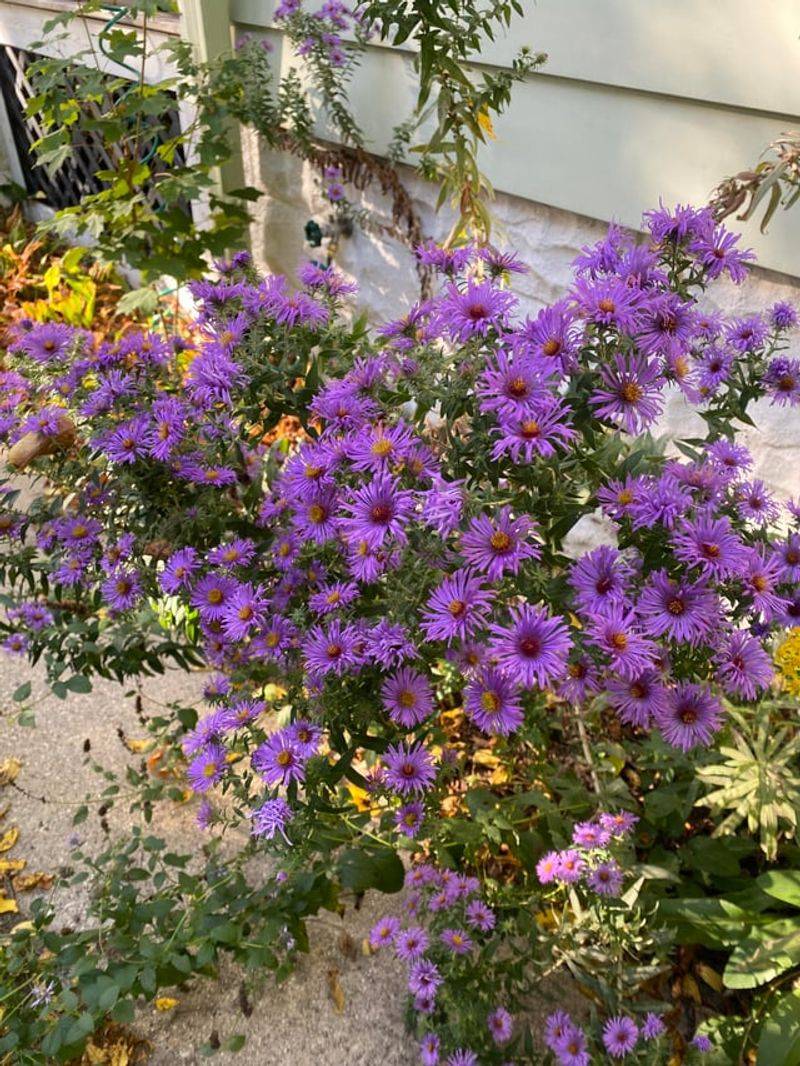
It grows steadily into a full, bushy clump without sending runners into your other plants or taking over the whole bed.
Many native Oregon plants have a reputation for being a little too enthusiastic once they get comfortable. Douglas Aster is different.
It expands slowly and politely, filling in the space around it without elbowing out the neighbors. That makes it especially useful in mixed borders where you want variety without constant management.
You can tuck it into a gap between ornamental grasses and a shrub, and it will simply settle in and grow. No aggressive root systems creeping underground.
No self-seeding so heavily that you spend spring pulling out hundreds of seedlings. It behaves itself season after season.
Gardeners who have struggled with invasive fillers like some mints or aggressive asters from other regions will appreciate how well-mannered this plant really is. The clump gets a little wider each year, but it never becomes a problem.
You stay in control of your border without fighting the plant every few weeks. That kind of reliability is genuinely hard to find in a garden filler, and Douglas Aster delivers it consistently without needing much help from you.
2. It Works Well In Sunny Oregon Borders
Full sun borders can be tough to plant well. Many flowers look great in spring but fade fast once the summer heat arrives.
Douglas Aster handles sunny spots with ease, and it actually looks its best when it gets at least six hours of direct light each day.
In Oregon, where summer days can be long and warm, this plant holds up without wilting or losing its shape. The stems stay upright and the foliage stays green even during the warmer months.
Your Oregon Garden Changes Every Week. Your Plan Should Too.
Gardening in Oregon changes quickly throughout the season. Every Friday you’ll receive a simple weekly plan showing exactly what to plant, prune, fertilize, harvest, and protect so you never miss the right timing.
When other sun-loving plants start looking tired and ragged, Douglas Aster is just getting started.
Sunny borders also tend to dry out faster than shaded ones. That is where this plant really earns its spot.
Once it settles in after the first season, it tolerates dry spells without needing constant watering. You can step back and let it do its thing without worrying about it every few days.
Pairing it with other sun-loving natives like yarrow or camas creates a border that looks cohesive and feels intentional.
The purple flowers of Douglas Aster stand out beautifully against the yellow of yarrow, giving you a natural color combination that works without any fussing.
Sunny borders often get overlooked because they seem hard to maintain, but with the right plants, they practically take care of themselves. This native perennial makes that possible in a way that feels effortless and rewarding all at once.
3. The Plant Gets Fuller As The Season Goes On
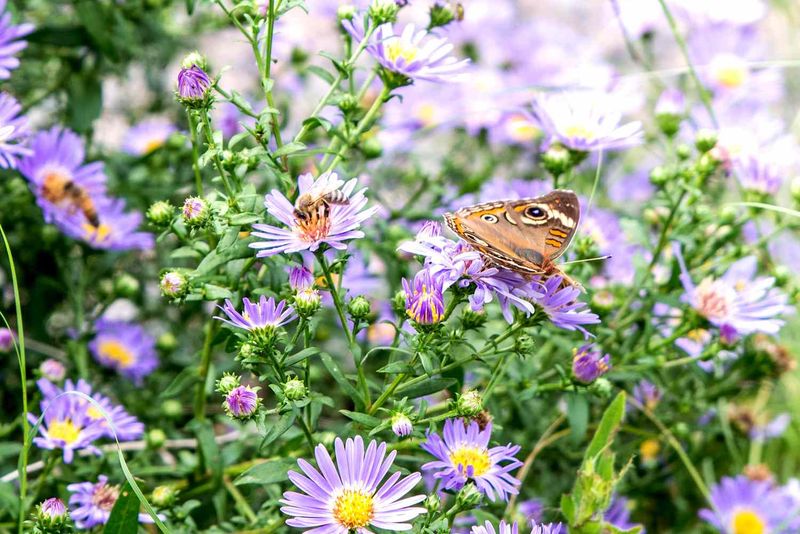
Some plants look great in early spring and then just sit there for the rest of the year. Douglas Aster works the opposite way. It starts out modest and gradually builds into something impressive as the months go on.
By midsummer, the clump has usually doubled in fullness compared to where it started in spring. New stems keep pushing up from the base, and the foliage gets denser and more lush as temperatures rise.
The plant seems to feed on the warmth and just keeps growing stronger through the season.
That kind of progression is really useful in a border. You get a plant that earns its space rather than just sitting there looking the same all year.
As surrounding plants start to slow down or finish blooming, Douglas Aster is building toward its own peak moment in late summer and fall.
Gardeners who plan their borders in layers often place this plant in the middle or back of a bed because of how tall and full it becomes.
By September, a well-established clump can reach two to three feet in height and spread just as wide.
That is a lot of visual presence for a plant that asked for almost nothing in return. Watching it grow through the season feels a bit like watching something quietly work toward a big finish, and the payoff at the end of summer makes the wait completely worth it.
4. Purple Flowers Bring Color Late In The Year
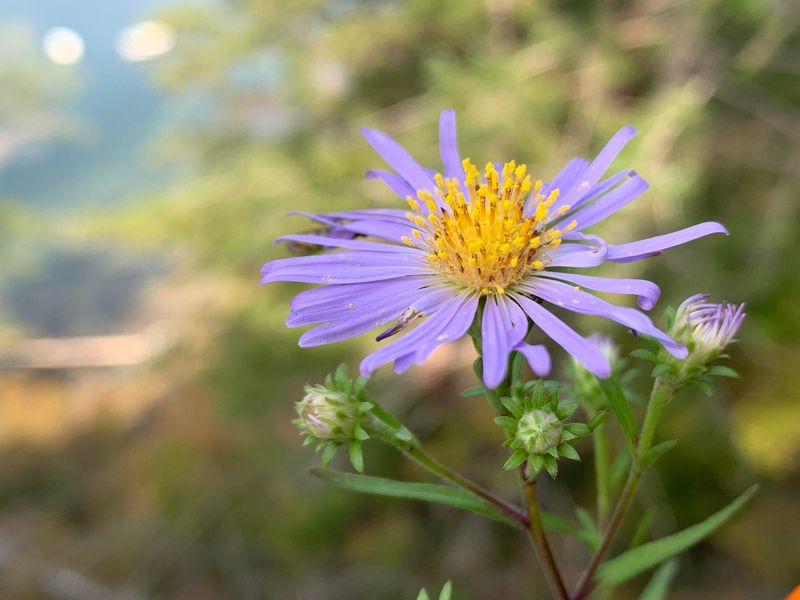
Late-season color in a garden is hard to come by. Most spring and early summer bloomers are long finished by August, leaving borders looking dull and flat right when outdoor entertaining season is still going strong.
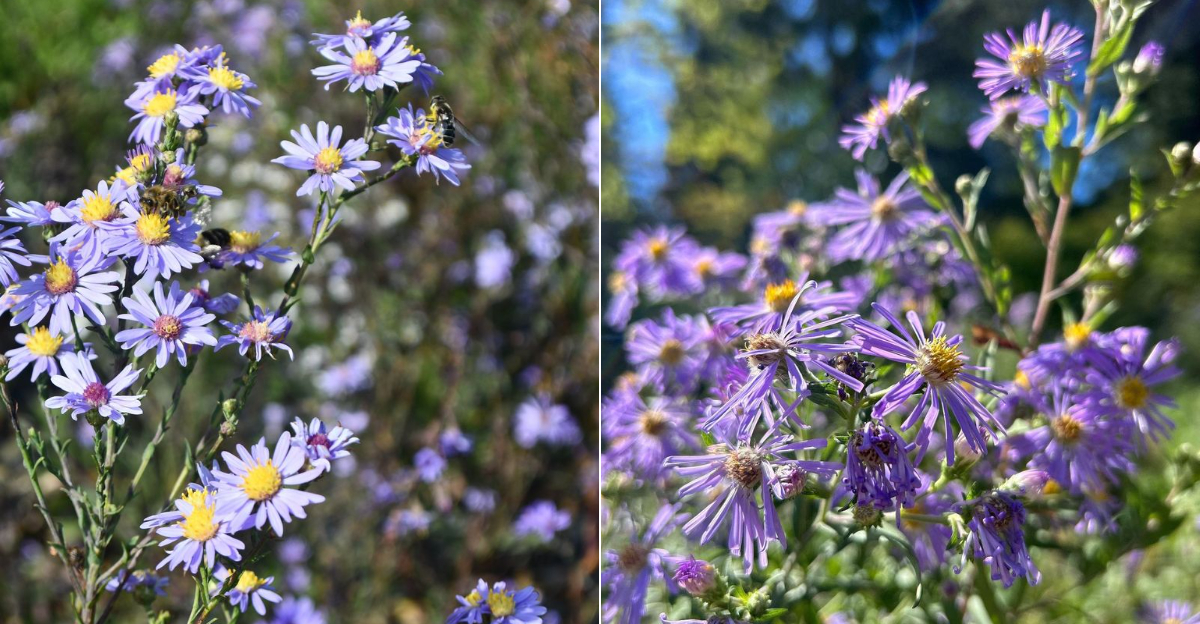
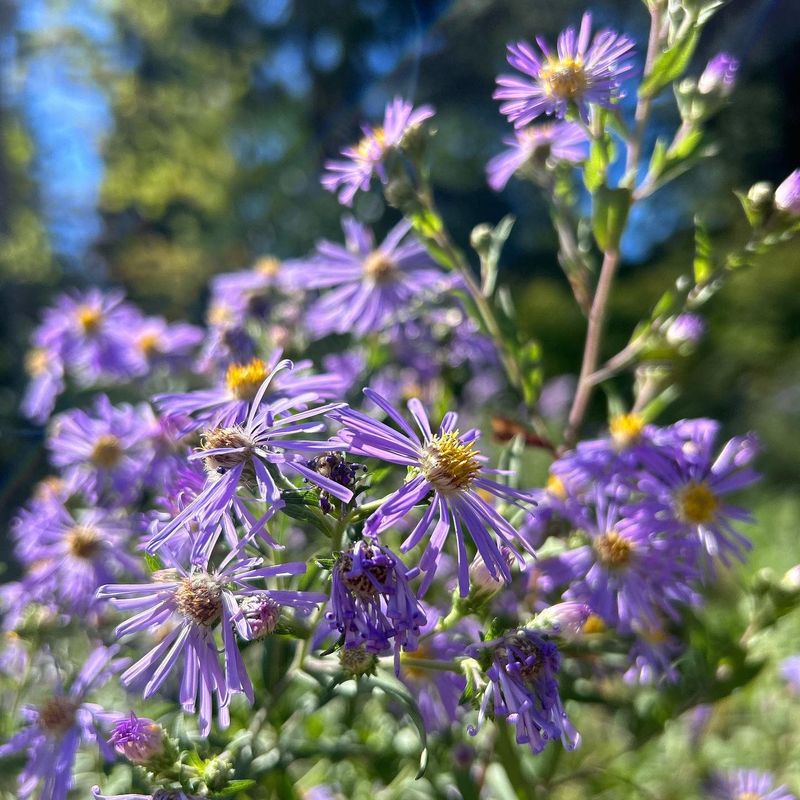
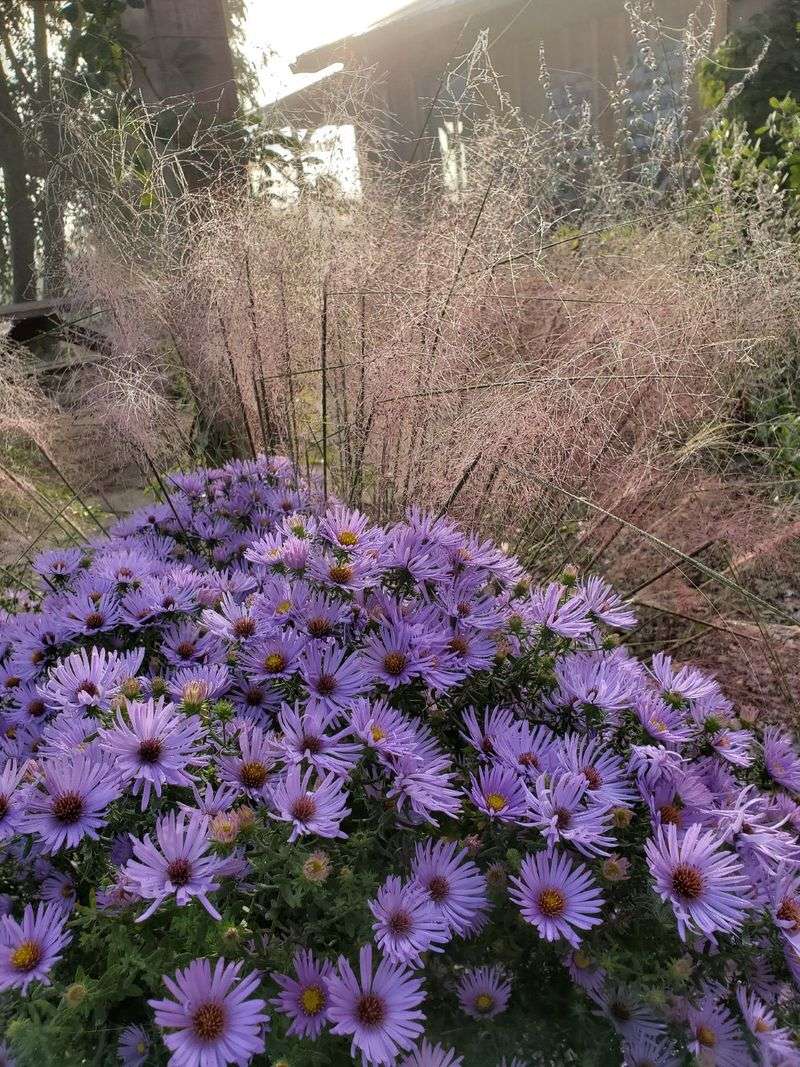
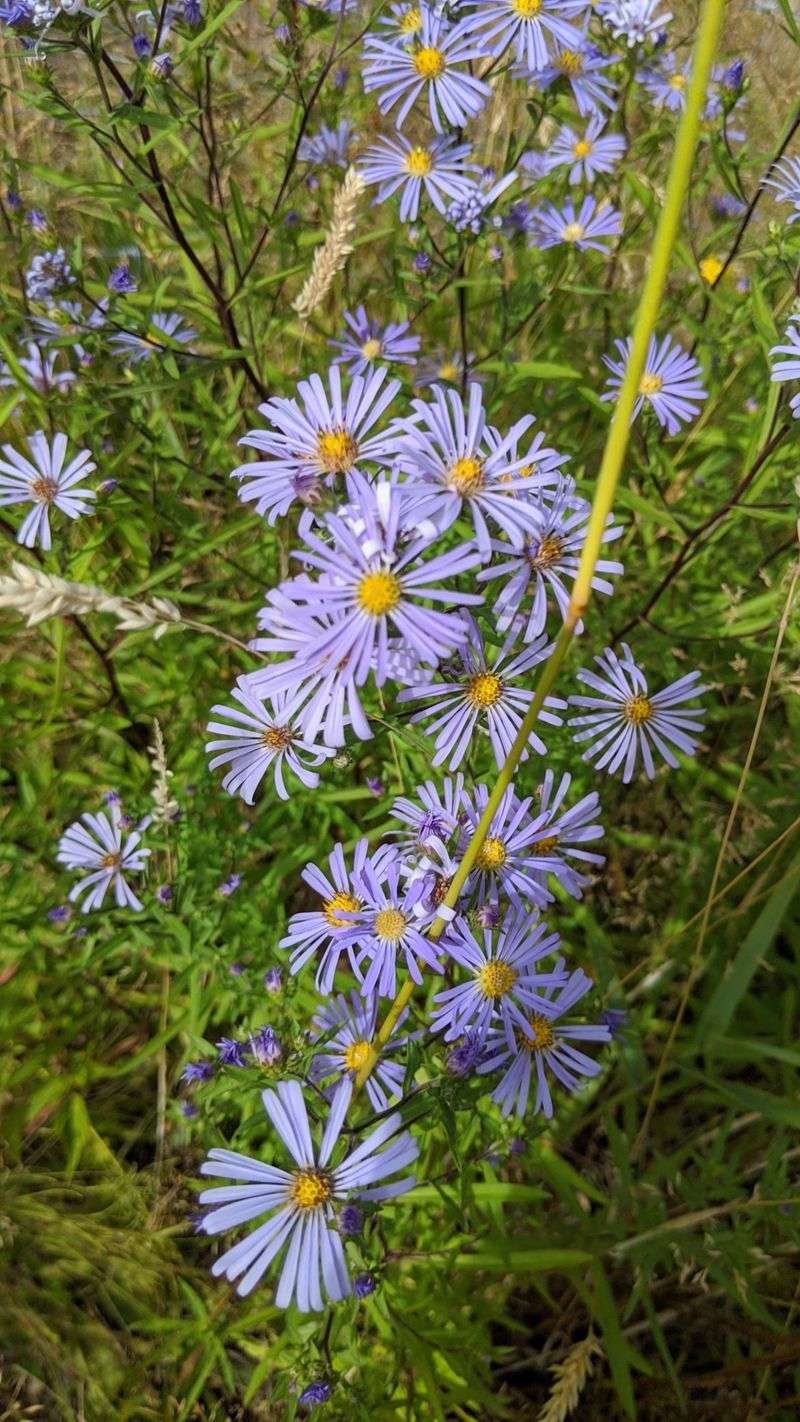
Douglas Aster steps in exactly when you need it most. The flowers open in late summer and keep going well into fall. Each bloom is small and daisy-like, with thin purple petals surrounding a golden yellow center.
They appear in clusters at the tips of the stems, creating a soft, airy look that feels both wild and refined at the same time.
The purple color is particularly striking because it shows up at a time when most of the garden has shifted to browns and fading greens.
A clump of Douglas Aster in full bloom can completely transform the feel of a late-season border. It gives the whole space a second wind when everything else is winding down.
Cut flowers from this plant also hold up nicely in a vase for several days. You can bring a few stems inside and enjoy the color indoors as well.
The blooms are not huge or showy in an over-the-top way, but they have a natural charm that feels right at home in both wild-style gardens and more traditional borders.
For anyone who wants their yard to look good through October, this plant is genuinely one of the best tools available.
5. Pollinators Keep Visiting When Other Blooms Fade
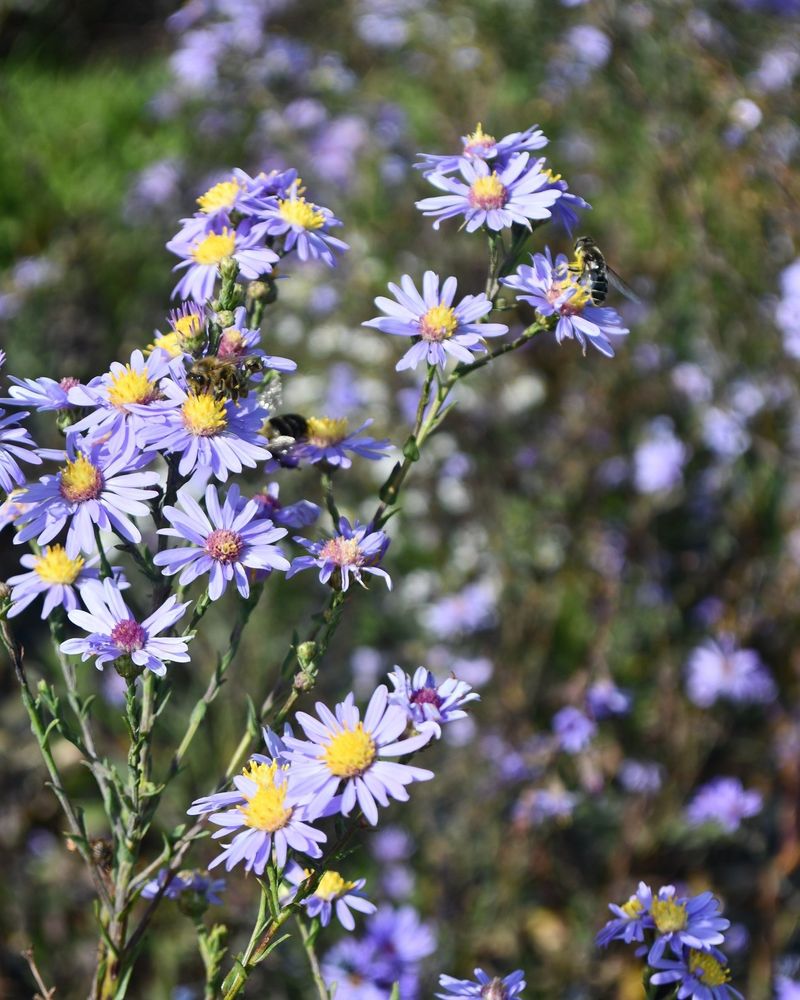
By the time fall rolls around, most pollinators are working hard to find food. Bees and butterflies need nectar and pollen well into autumn to survive the colder months ahead.
A plant that blooms late in the season is not just pretty. It is genuinely helpful to local wildlife.
Douglas Aster is a magnet for native bees, honeybees, and several species of butterflies. The open, daisy-style flowers are easy for pollinators to land on and access quickly.
Bumblebees in particular seem to love this plant and can often be found working through a whole clump from flower to flower on warm fall afternoons.
Monarch butterflies also visit Douglas Aster during their migration south. Having a patch of it in your yard means you are offering a fueling station for one of the most iconic insects in North America.
That is a pretty meaningful thing for a garden plant to do without any extra effort on your part.
Planting with pollinators in mind has become increasingly popular, and for good reason. Native plants like this one have co-evolved with local insects over thousands of years.
That relationship makes them far more effective at supporting wildlife than many non-native ornamentals.
You get the visual reward of a beautiful fall bloom while also doing something genuinely good for the ecosystem around your home. Few plants offer that kind of double benefit so effortlessly and reliably season after season.
6. It Mixes Easily With Other Perennials
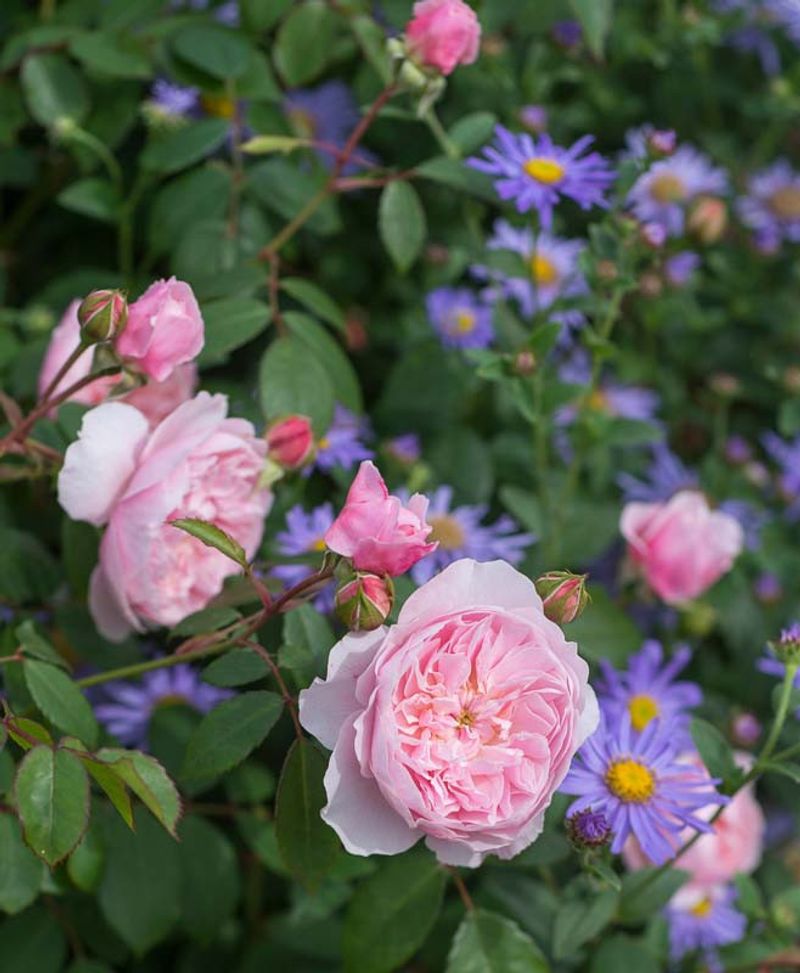
One of the trickiest parts of designing a perennial border is finding plants that actually get along. Some plants spread too fast and crowd out their neighbors.
Others stay so small they get swallowed up. Douglas Aster hits a sweet spot that makes it easy to pair with a wide range of other plants.
Its upright, airy habit means it does not block light from shorter plants growing nearby. The stems are thin enough that surrounding plants can weave through and around them without any problems.
That open structure creates a layered, natural look that feels relaxed and intentional at the same time.
Good companions include ornamental grasses, yarrow, goldenrod, and coneflowers. All of these plants share similar growing conditions and bloom at different times, so you get a border that looks interesting from spring through fall.
Douglas Aster holds the space together during the later months when many of the earlier bloomers have finished.
Color combinations work beautifully too. The purple of the flowers pairs naturally with the warm golds and oranges of late-season bloomers like rudbeckia and helenium.
You do not need to overthink the planting design. Just give each plant enough room, and the border tends to arrange itself into something that looks considered and cohesive.
Gardeners who prefer a relaxed, cottage-style look will find that Douglas Aster fits right in without any awkward gaps or clashes with the plants around it.
7. Established Plants Handle Summer Dryness Well
Water-wise gardening has never been more relevant. Summers in the Pacific Northwest have been getting hotter and drier, and plants that can handle those conditions without constant irrigation are becoming more valuable than ever.
Douglas Aster fits that need really well once it settles into your garden. The first season is the one that requires the most attention. New plants need regular watering to help their root systems get established.
After that, they become significantly more self-sufficient. By the second or third year, an established clump can handle long dry stretches without showing signs of stress.
The roots go deep enough to find moisture in the soil even when the surface dries out. That adaptation makes sense for a plant that evolved in the naturally dry summers of the Pacific Northwest.
It is built for those conditions in a way that many non-native ornamentals simply are not.
Mulching around the base of the plant helps retain moisture and keeps the roots cooler during heat waves. A two-inch layer of wood chips or bark is usually enough.
Beyond that, you can largely leave it alone through the dry months and let it do what it naturally does.
For gardeners who want a lower-maintenance border without sacrificing beauty, this is exactly the kind of plant that makes that possible.
Dry summers become far less stressful when your border is full of plants that were made for them.
8. A Little Space Lets It Form A Natural Clump
Spacing matters more than most gardeners realize. Plant something too close to its neighbors and it never reaches its full potential.
Give it a little room, and the whole thing changes. Douglas Aster responds especially well to having some breathing space around it when it is first planted.
A spacing of about 18 to 24 inches between plants gives each clump enough room to spread naturally without cramping.
Over time, the stems fan out from the center and create a rounded, mounded shape that looks full and intentional. The clump becomes denser each year as new growth fills in from the base.
That natural clumping habit is one of the things that makes this plant so useful in a border. You do not need to stake it, cage it, or constantly cut it back to keep it looking good.
The shape develops on its own, and it stays tidy without much intervention from you.
Cutting the plant back by about a third in early summer can encourage a more compact shape and even more flowers later in the season. That is completely optional though.
Many gardeners never do it and still end up with beautiful, full clumps by fall. The plant is genuinely forgiving and flexible in how it grows.
Whether you manage it closely or leave it mostly alone, Douglas Aster finds a way to look good and fill its space with quiet, natural confidence every single season.