The September Watering Change Oregon Gardeners Make Too Late
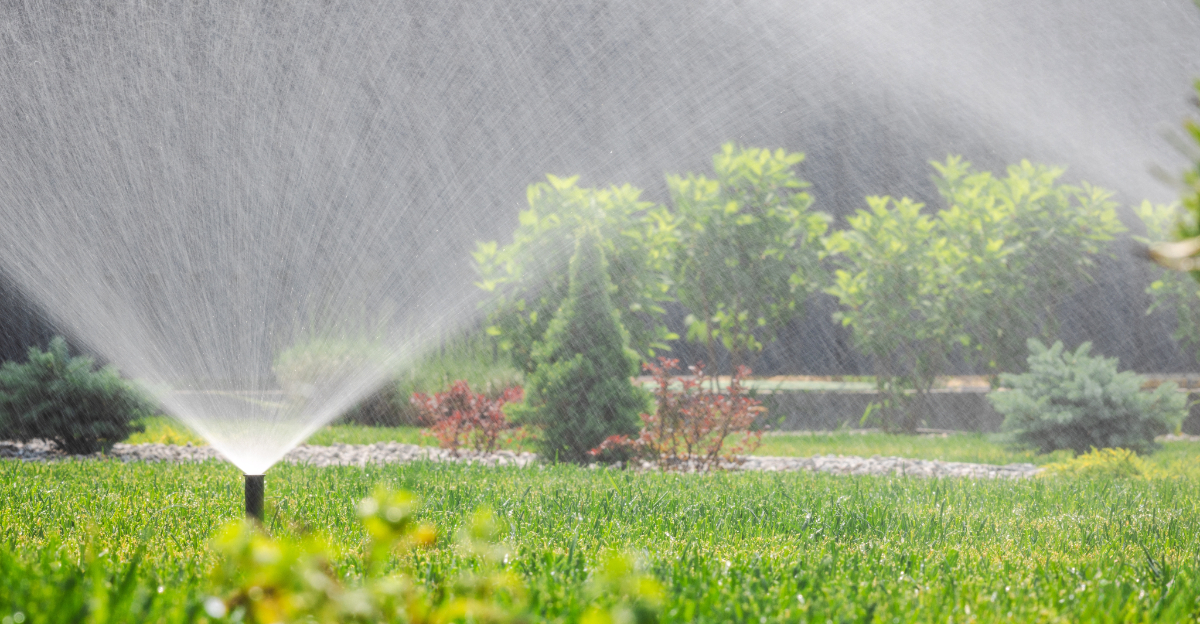
A garden can look surprisingly normal right before its watering needs start to shift. The soil still dries, plants still drink, and warm afternoons can make the hose feel just as necessary as it did a few weeks earlier.
That is where timing gets tricky in Oregon. Seasonal changes do not always arrive with one dramatic temperature drop or a week of nonstop rain.
Instead, cooler nights, shorter days, and slower growth begin changing what plants need little by little.
Keep the same routine for too long, and the garden may stay wetter than expected. Cut back too quickly, and thirsty plants can still complain. Very helpful, nature.
The smartest move is to watch the yard more closely than the calendar. Soil moisture, plant behavior, recent rain, and local conditions can all offer better clues than habit alone.
September is less about following one fixed schedule and more about noticing when the old summer routine stops making sense. That shift can sneak up fast, which is exactly why gardeners so often miss it.
1. Cooler Days Mean Soil Stays Moist Longer
Something interesting happens when Oregon summer starts winding down. The soil does not dry out nearly as fast as it did in July or August.
Cooler air temperatures slow down evaporation, which means the ground holds onto moisture much longer between waterings.
Many gardeners do not realize this shift has happened until they notice soggy soil or yellowing leaves. By then, they have already been overwatering for weeks.
Paying attention to how the soil feels, not just what the calendar says, is a much smarter approach.
When temperatures drop into the 60s and lower, the top layer of soil can stay damp for two to three days longer than it would in summer heat. That extra moisture is actually helpful for plants trying to settle roots before winter.
But adding more water on top of already-wet soil can suffocate roots and invite fungal problems.
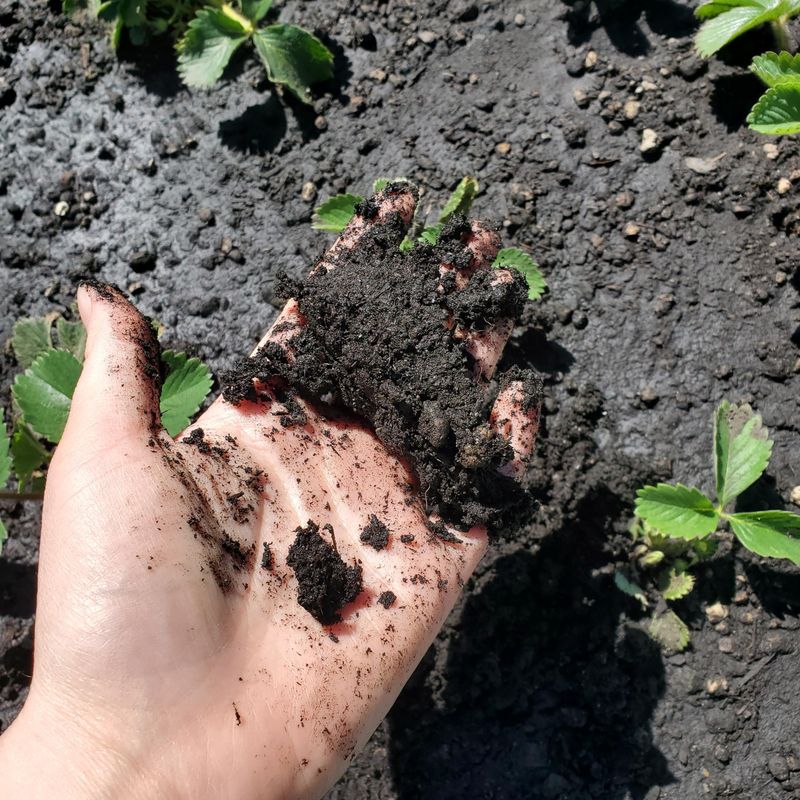
A simple squeeze test works well here. Grab a handful of soil about two inches deep and squeeze it.
If it clumps together and feels damp, hold off on watering. If it crumbles and feels dry, go ahead and water.
This quick check takes less than a minute and can prevent a lot of trouble. Getting into this habit early in September will help you stay in sync with what your garden actually needs, not what your summer routine says to do.
2. Plants Need Less Water As Growth Slows
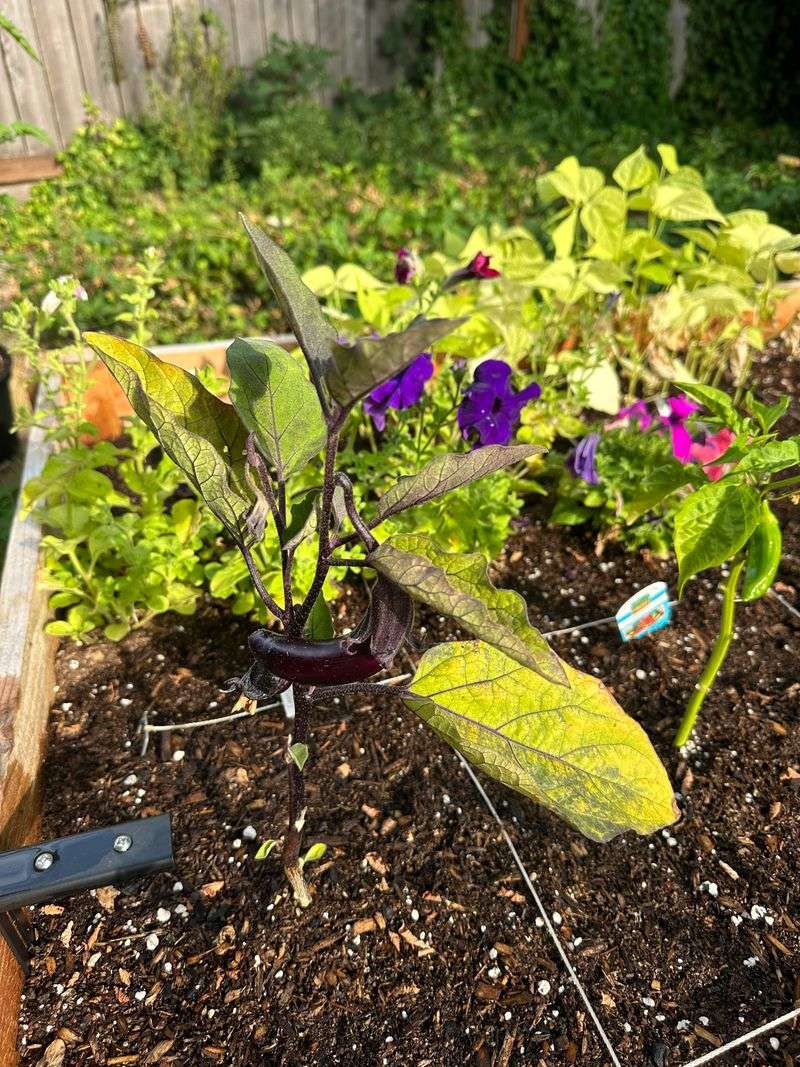
Most plants do something subtle but important in September. They start to slow down.
The big burst of summer growth begins to taper off, and plants shift their energy toward storing nutrients rather than pushing out new leaves or blooms.
When growth slows, water demand drops too. A tomato plant in full summer production needs a lot more water than that same plant does when it is winding down in early fall.
Giving it the same amount of water it got in August is like filling a gas tank that is already full.
Your Oregon Garden Changes Every Week. Your Plan Should Too.
Gardening in Oregon changes quickly throughout the season. Every Friday you’ll receive a simple weekly plan showing exactly what to plant, prune, fertilize, harvest, and protect so you never miss the right timing.
Perennials, shrubs, and trees all follow this same pattern. Their roots are still active, but they are not pulling water as aggressively as they were during peak growing season.
Watering too heavily at this stage can push plants to produce soft, tender new growth that will not survive the first cold snap.
Cutting back your watering frequency by even one day per week in early September can make a real difference. Watch your plants for signs of stress, like wilting or dry leaf edges, and water only when those signs appear.
Healthy, established plants in Oregon gardens are often tougher than we give them credit for.
They can handle a little less water in fall and will actually benefit from a gradual transition into the drier, cooler conditions that are coming their way soon.
3. Overwatering Can Become A Bigger Problem In September
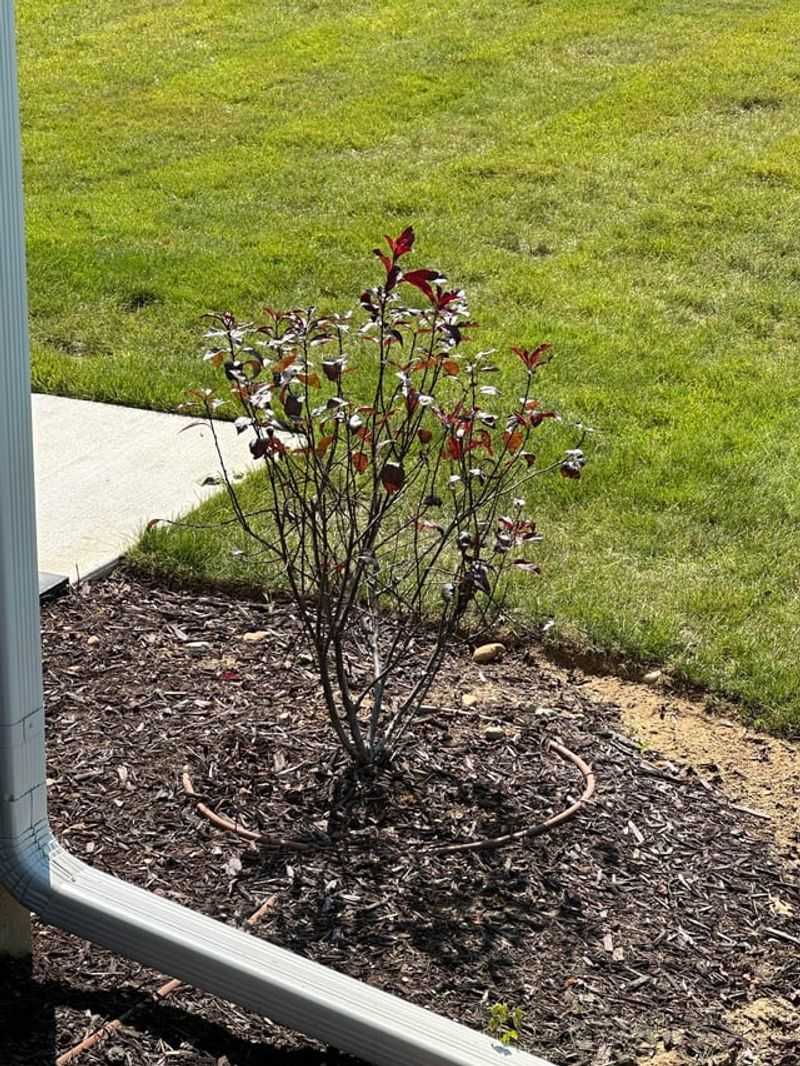
Overwatering is one of those problems that hides in plain sight. The signs can look a lot like underwatering, which makes it confusing.
Yellow leaves, wilting, and slow growth can all point to too much water, not too little. September is when overwatering really starts to cause trouble.
The combination of cooler temperatures, slower plant growth, and longer-lasting soil moisture creates the perfect setup for root rot and fungal diseases.
If you keep running your irrigation system on a summer schedule, you are setting your garden up for problems.
Fungal issues like powdery mildew and root rot thrive in wet, cool conditions. Once they take hold, they spread quickly and can affect plants that were perfectly healthy just weeks before.
Reducing watering frequency in September is one of the easiest ways to lower the risk of these issues showing up in your beds.
Check the base of your plants near the soil line. If the soil looks dark and wet for several days in a row without any rain, that is a red flag.
Good drainage helps, but it is not enough on its own if you are adding water faster than the soil can absorb it.
Pulling back on irrigation at the right time takes the pressure off your plants and gives them a much better chance of heading into winter in strong, solid shape.
4. Check The Soil Before Running Irrigation
Running the sprinklers on a timer without checking the soil first is a habit that works fine in the heat of summer.
But in September, that automatic approach can lead to consistently wet soil that never gets a chance to dry out properly.
The best tool for checking soil moisture is your finger. Push it about two inches into the soil near the base of a plant.
If it feels moist and cool, skip watering that day. If it feels dry and warm, go ahead and water.
This two-second test is surprisingly accurate and beats guessing every time.
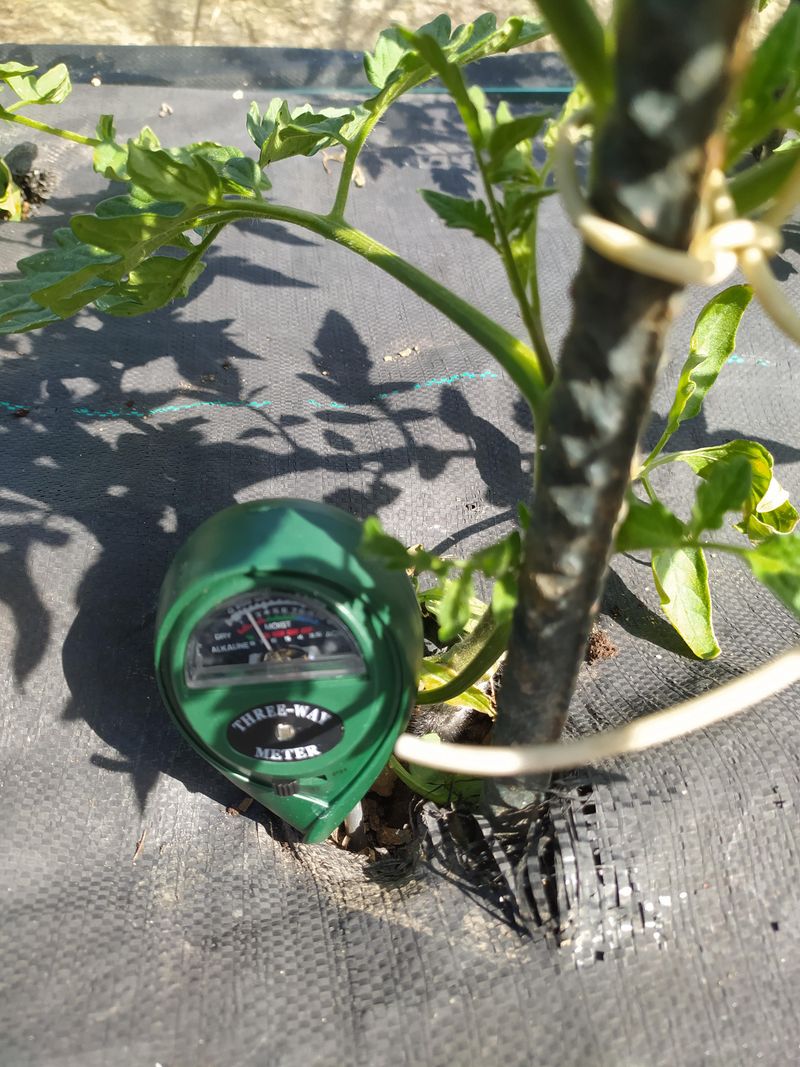
You can also invest in a basic soil moisture meter if you prefer something more precise. These simple devices are inexpensive and easy to use.
They give you a reading on a small dial that tells you whether the soil is dry, moist, or wet. For larger Oregon gardens or yards with multiple zones, a moisture meter can save you a lot of time and guesswork.
The goal is to water based on what the soil actually needs, not on what the clock says. In September, soil can stay moist for three to five days after a good watering, especially if there has been any light rain.
Getting into the habit of checking before you water is one of the simplest and most effective changes any gardener can make this time of year. It costs nothing and pays off every single time.
5. Shorter Days Reduce How Fast Beds Dry Out
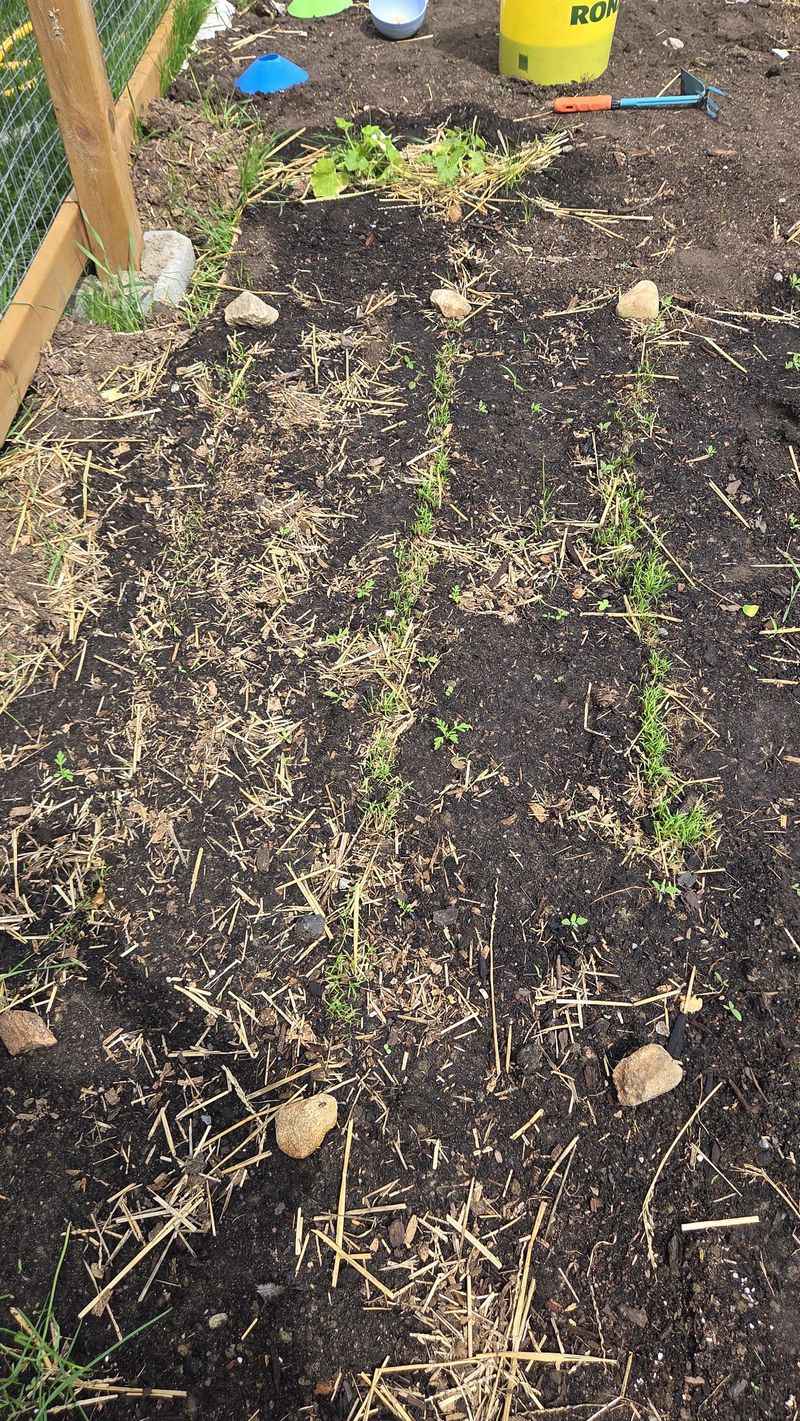
By September, the days are noticeably shorter than they were in June or July. Less sunlight means less heat hitting the soil, and that changes how quickly your garden beds dry out between waterings.
In the middle of summer, a sunny day can pull a surprising amount of moisture right out of the top layer of soil.
That process, called evapotranspiration, slows down significantly as days get shorter and sun angles get lower.
Your plants are still losing some moisture through their leaves, but at a much slower rate than before.
Mulch also plays a bigger role in fall. If your beds are already mulched, that layer helps hold in moisture even longer during cooler weather.
A two-to-three-inch layer of wood chips, straw, or shredded leaves can reduce how often you need to water by a noticeable amount. Adding or refreshing mulch in early September is a great way to support this natural slowdown.
Think of shorter days as nature’s way of helping your garden ease into fall. The lower sun does less work drying out your beds, which means you can do less work filling them back up with water.
Paying attention to the length of the day and adjusting your schedule accordingly is a small shift that can make a big difference in how your garden handles the transition from summer into the cooler months ahead.
6. Lawns May Need Fewer Watering Days
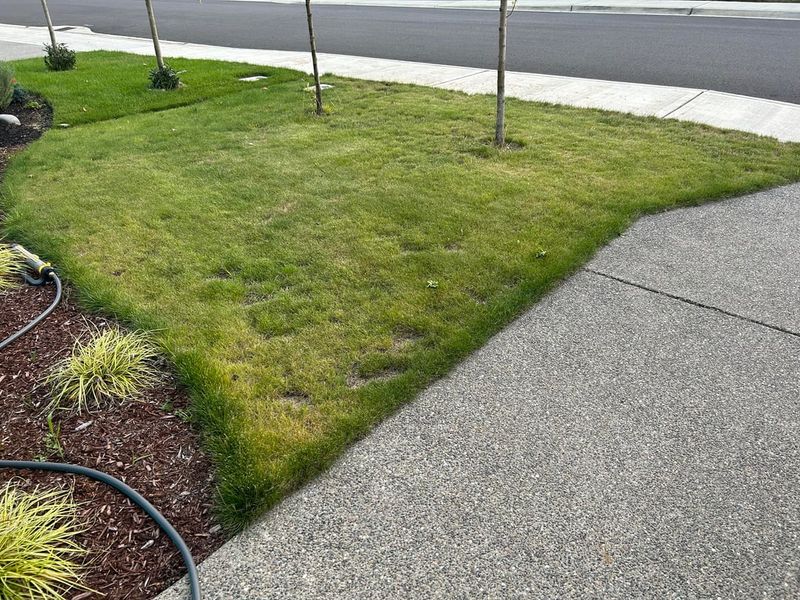
Grass is often the thirstiest part of any yard during summer. It needs consistent watering to stay green and healthy when temperatures are high and days are long.
But once September arrives, the story changes pretty quickly. Cool-season grasses, which are common in Oregon yards, actually enter a period of recovery in fall.
The cooler temperatures encourage new root growth and help the lawn bounce back from summer stress.
During this time, the grass does not need as much water from you because the weather is doing more of the work.
Cutting back from watering five or six days a week to three or four days can make a noticeable difference. Overwatered lawns in fall are more likely to develop thatch buildup, fungal patches, and shallow root systems.
Giving the grass a chance to dry out slightly between waterings encourages roots to grow deeper, which makes the lawn more resilient going into winter.
Morning watering is still the best time of day, even in fall. Watering early gives the grass blades time to dry before evening, which reduces the risk of fungal problems.
If your area gets any rain in September, skip your next scheduled watering day entirely. Let nature handle it.
Your lawn will not suffer from a missed day, but it will notice the difference if you give it a little breathing room during this important seasonal shift.
7. Container Plants Still Need Closer Attention
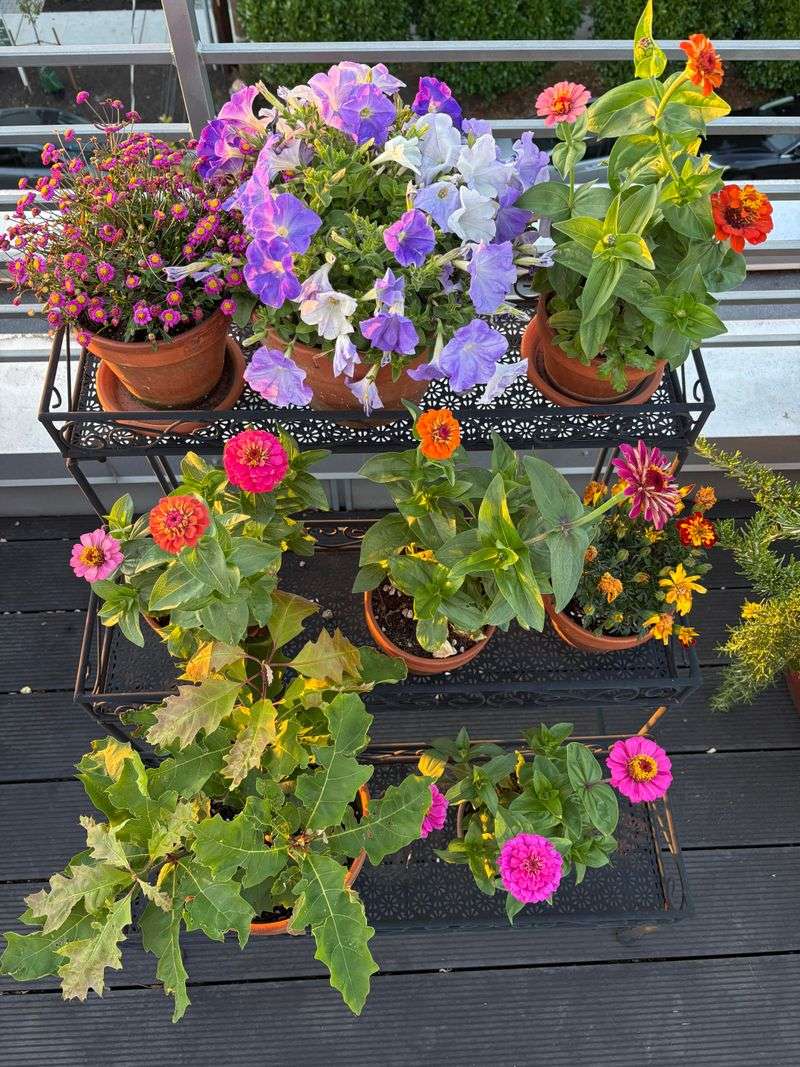
Pots and containers are a different story from in-ground beds. They dry out faster in summer and can stay wet longer in fall, depending on the size of the pot and what is planted in it.
Keeping a close eye on them in September is still very much worth your time. Smaller containers made of terracotta or unglazed clay lose moisture through the sides of the pot, not just through the soil surface.
These can still dry out fairly quickly even in cooler weather. Larger plastic or glazed pots hold moisture much longer and may only need watering once or twice a week by mid-September.
One of the most common mistakes with container plants in fall is watering on a fixed schedule without checking each pot individually. A fern in a shady corner needs very different treatment than a succulent sitting in afternoon sun.
Lift the pot if it is small enough. A dry pot feels noticeably lighter than a wet one, and that weight test is a quick and reliable way to know if watering is needed.
Herbs like basil and parsley are especially sensitive to overwatering in fall. Their roots can rot quickly in cool, wet soil.
Flowering annuals in containers may also be winding down, so they need less water as they approach the end of their season. Treat each container as its own little world and check in with it regularly through the end of the month.
8. Cut Back Gradually Instead Of Stopping All At Once
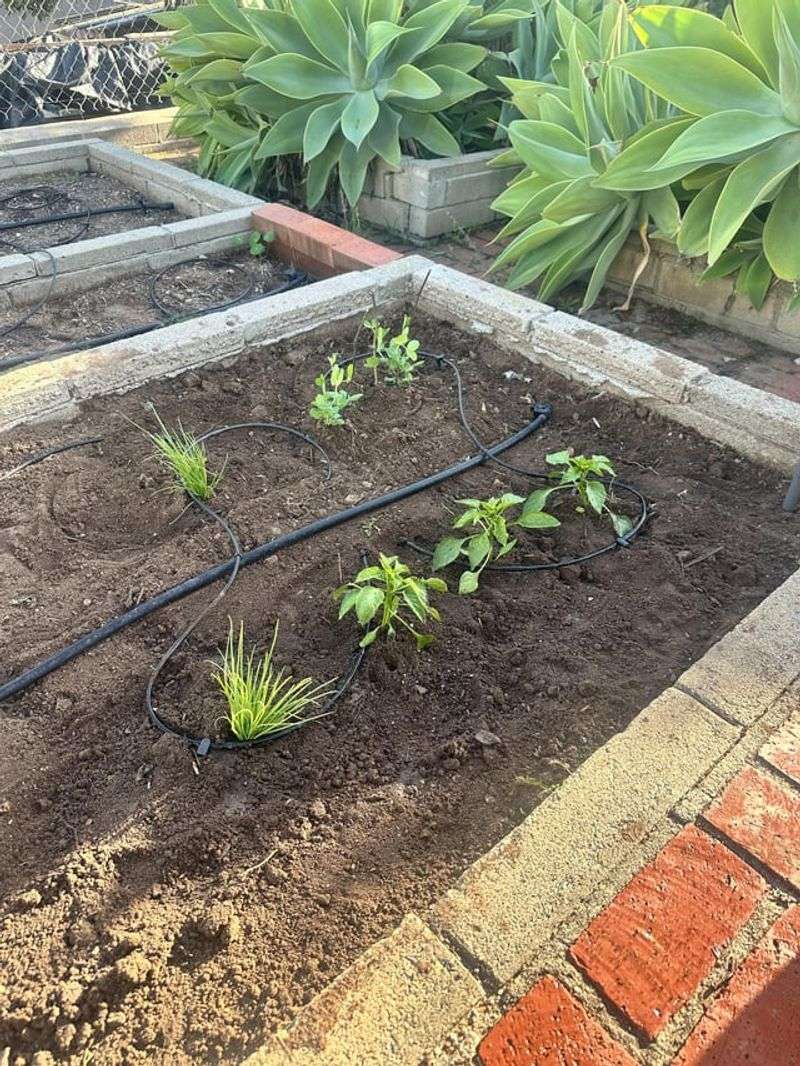
Going from a full summer watering schedule to nothing at all is a shock to your garden. Plants that have been getting regular water all season long need time to adjust, just like people need time to adjust to big changes.
A gradual cutback is always the smarter move. Start by reducing your watering frequency by one day per week in early September. If you were watering every other day, move to every three days.
Give your plants a week or two to adapt before cutting back again. Watch how they respond and let that guide your next adjustment.
Established trees and shrubs are more forgiving and can handle a quicker reduction. Younger plants, recently transplanted flowers, and vegetables still in production need a slower transition.
Knowing what is in your garden and how long it has been there will help you decide how fast to pull back.
Drip irrigation systems make gradual cutbacks easier to manage. You can simply reduce the run time or frequency on the controller without changing anything else.
If you water by hand, try using a watering can instead of a hose for more control over how much water each plant gets.
The goal is a smooth, steady transition that gives your garden time to prepare for fall without any sudden stress. Small steps over several weeks are far more effective than one big change made all at once.