The Oregon Native That Thrives In The Wet Shady Spots Where Rhododendrons Fail
Wet shade can make even good gardeners feel stuck. A spot may look perfect for a lush shrub, then stay too soggy or dim for the plants you hoped would work.
Rhododendrons can struggle when the soil stays heavy and roots cannot get the air they need.
That is when an Oregon native with better instincts for damp woodland conditions can be a smarter choice.
The right plant can turn a problem corner into something green, natural, and surprisingly beautiful. It will not need the same fight against the site.
It can settle into the moisture and make the shade feel intentional instead of difficult. For gardeners tired of replacing unhappy shrubs, this native could be the plant that finally fits.
1. Osoberry Is The Native Shrub To Try Where Rhododendrons Struggle
Not every plant can handle a soggy, shaded Oregon corner, but osoberry was practically built for it. While rhododendrons often sulk in waterlogged soil, osoberry roots right in without complaint.
It is native to the Pacific Northwest and has spent thousands of years adapting to exactly the kind of conditions that challenge most ornamental shrubs.
Rhododendrons prefer well-drained, acidic soil and can struggle when roots sit in standing water for too long. Osoberry, on the other hand, naturally grows along creek banks and in moist woodland areas.
It handles wet feet with ease and keeps growing strong even when the ground stays damp for weeks.
For Oregon gardeners who have tried rhododendrons in shady, wet spots and been disappointed, switching to osoberry can feel like a real breakthrough. The shrub does not need constant attention.
It does not need special soil amendments or careful drainage work. You plant it, give it a little water while it gets settled, and then mostly leave it alone.
Osoberry also fits naturally into a Pacific Northwest garden because it belongs here. It supports local wildlife, blends with other native plants, and looks right at home under tall conifers or near a rain garden.
If your yard has a spot where other shrubs have let you down, osoberry is worth a serious look.
2. This Oregon Native Handles Shade With More Grace Than Fuss
Full shade is tough on most flowering shrubs, but osoberry takes it in stride. Many popular garden plants need at least partial sun to bloom well, but osoberry manages to flower and fruit even in spots where sunlight barely reaches the ground.
That makes it one of the more dependable choices for deeply shaded areas.
Growing naturally in the understory of Pacific Northwest forests, this shrub has evolved to work with low light levels.
It does not stretch and strain toward sunlight the way some shade-intolerant plants do.
Instead, it grows at a steady, healthy pace and keeps a tidy, upright shape even in dim conditions.
Gardeners often worry that a shady spot will limit their plant choices to boring greenery. Osoberry proves that wrong.
It offers seasonal interest across most of the year, starting with early spring flowers, moving into summer fruits, and finishing with attractive foliage that holds its color well into autumn.
Your Oregon Garden Changes Every Week. Your Plan Should Too.
Gardening in Oregon changes quickly throughout the season. Every Friday you’ll receive a simple weekly plan showing exactly what to plant, prune, fertilize, harvest, and protect so you never miss the right timing.
Another bonus is that osoberry does not need much fertilizing in a shaded Oregon garden. The leaf litter that collects naturally under trees provides enough nutrients to keep it healthy.
Less work, more reward. For anyone dealing with a deeply shaded area that feels impossible to plant, osoberry brings life and color without demanding anything dramatic in return.
3. Moist Woodland Soil Is Where Osoberry Feels At Home
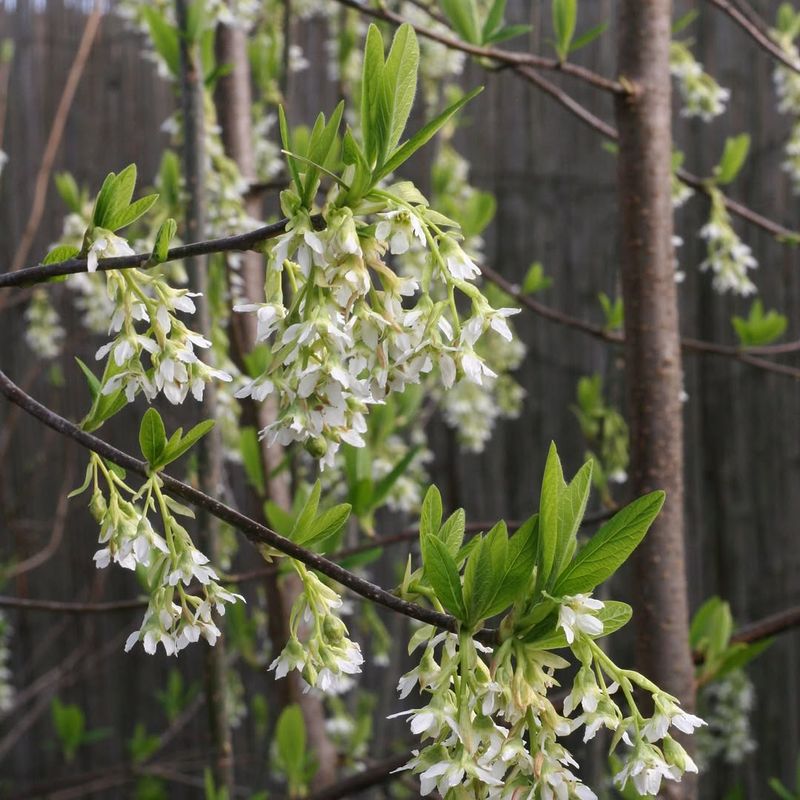
Rich, damp, woodland soil is exactly what osoberry prefers, and that preference lines up perfectly with the kind of soil found in many Pacific Northwest yards.
Heavy rainfall, clay content, and organic matter from fallen leaves create conditions that osoberry thrives in naturally.
It does not need sandy, fast-draining soil the way some Mediterranean plants do.
When planting osoberry, choosing a spot with naturally moist soil saves a lot of extra watering work.
Areas near downspouts, rain gardens, or low spots in the yard where water collects after a storm are ideal.
The shrub will settle in quickly and start putting out new growth once its roots find consistent moisture.
Soil preparation does not have to be complicated. Mixing in a bit of compost at planting time gives the roots a good start, but osoberry is forgiving and will adapt to less-than-perfect conditions.
It is far less demanding than rhododendrons, which often need specific pH levels and carefully amended soil to perform well.
Over time, osoberry actually improves the soil around it. Its fallen leaves break down and add organic matter, and its roots help hold moisture in the ground.
For Oregon gardeners looking to build a healthier, more natural garden ecosystem, planting osoberry in moist woodland areas is a smart and practical choice that pays off season after season.
4. Why Rhododendrons Can Fail In Wet Shady Corners
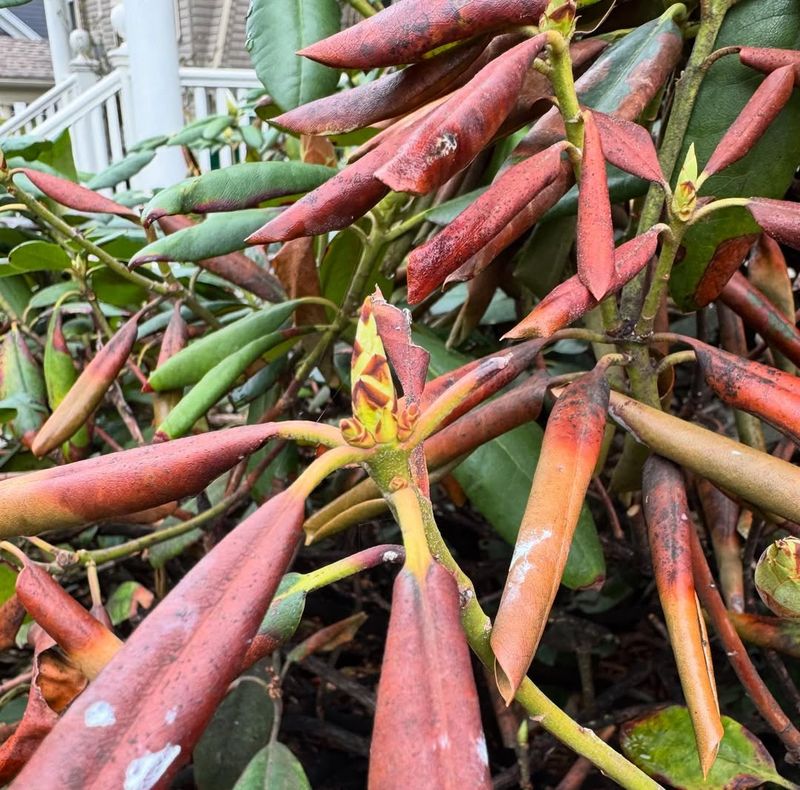
Rhododendrons have a well-earned reputation as beautiful garden shrubs, but they come with specific needs that wet, shady corners simply cannot always meet. Root rot is one of the most common problems rhododendron growers face.
When soil stays waterlogged for extended periods, the roots suffocate and the plant begins to decline quickly.
Phytophthora root rot is a fungal disease that attacks rhododendrons in poorly drained soil. It spreads fast in wet conditions and is very difficult to reverse once it takes hold.
Many gardeners have lost rhododendrons to this problem without even realizing what was happening until the damage was already done.
Shade adds another layer of difficulty. While rhododendrons can handle partial shade, deep shade reduces their ability to bloom well and can weaken the overall plant over time.
A rhododendron sitting in both deep shade and wet soil is fighting two challenges at once, and that combination often leads to poor performance.
Understanding why rhododendrons struggle in these spots helps gardeners make smarter plant choices going forward. Rather than continuing to fight the conditions, working with them makes far more sense.
Osoberry is a shrub that actually performs better in exactly the conditions that wear rhododendrons down. Choosing the right plant for the right spot saves time, money, and a lot of frustration in the long run.
5. Osoberry Brings Early Spring Flowers Before Many Shrubs Wake Up
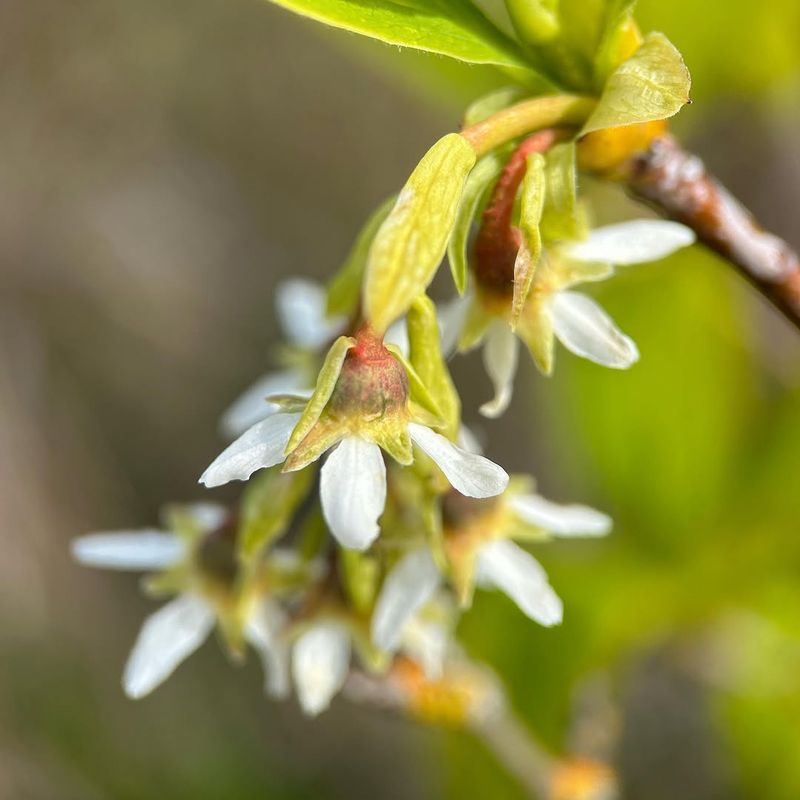
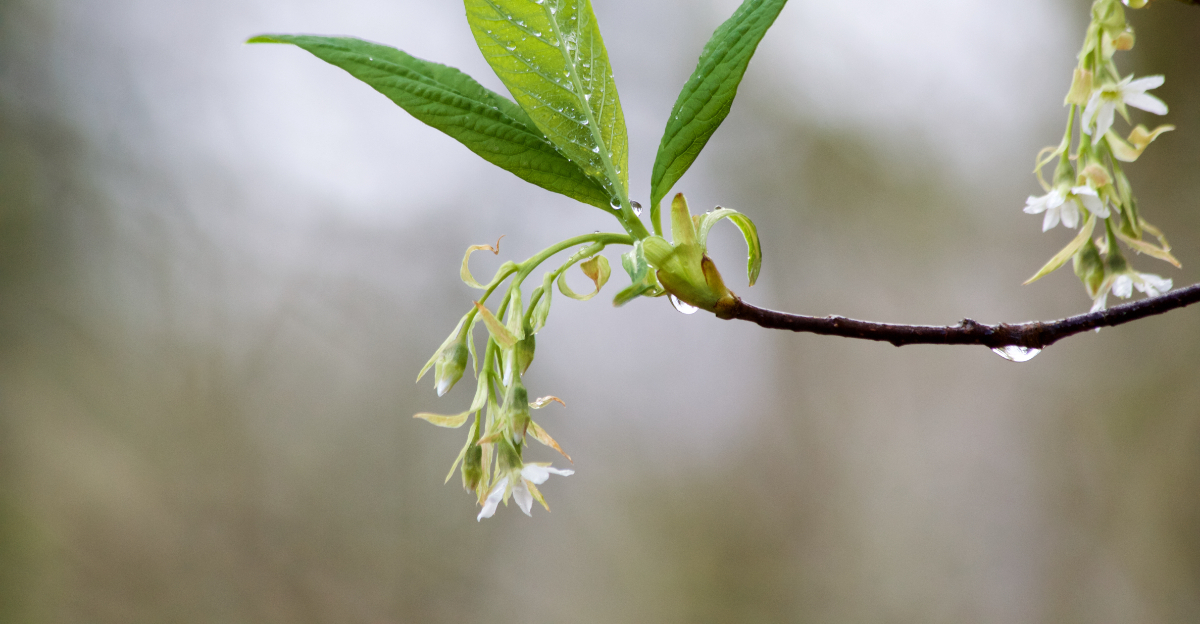
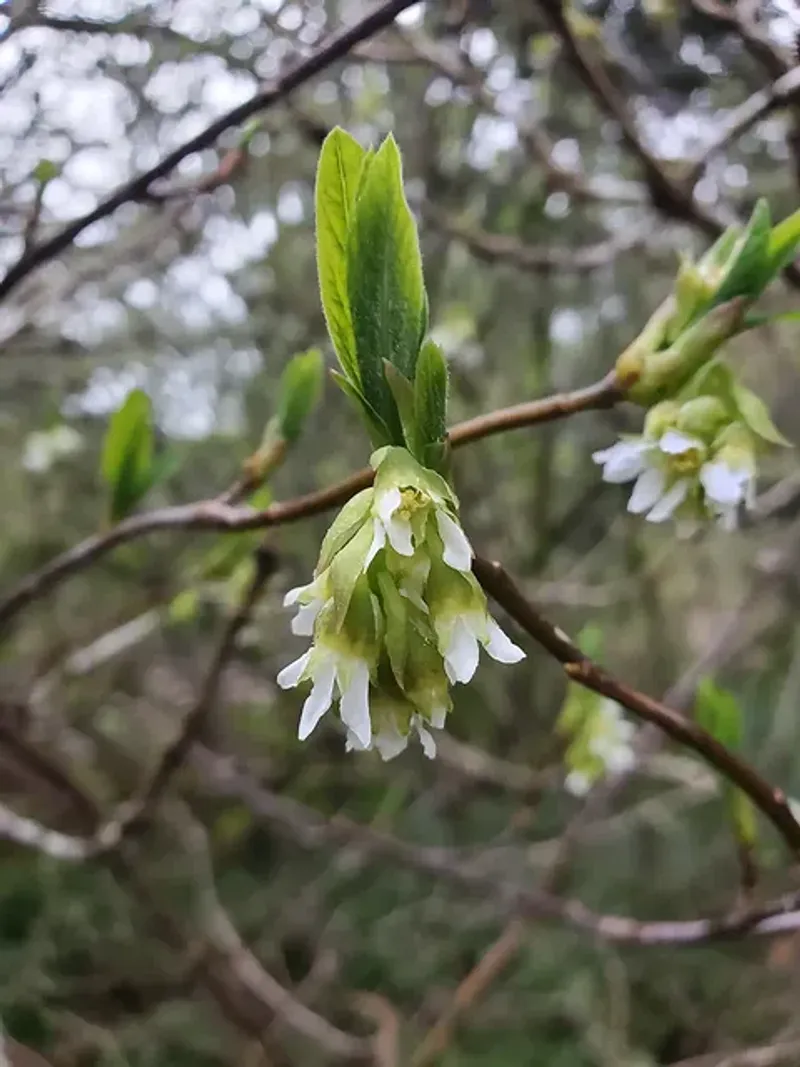
One of the most exciting things about osoberry is how early it blooms. While most garden shrubs are still dormant in late winter, osoberry is already pushing out leaves and clusters of small, drooping white flowers.
In many parts of the Pacific Northwest, it starts blooming as early as February or March.
That early bloom time is not just pretty to look at. It provides an important early food source for native bees and other pollinators that are just waking up after winter.
At a time when not much else is flowering in the garden, osoberry gives these insects something to work with. That makes it a genuinely useful plant, not just a decorative one.
The flowers are small and delicate, hanging in loose clusters from the branches. They have a faint, pleasant scent that is noticeable up close.
On a mild late-winter day, walking past an osoberry in bloom is one of those quiet garden moments that feels like a real reward for patience.
Early spring interest is something many gardeners wish they had more of in shaded areas. Rhododendrons bloom later in the season and often need more sun to put on a good show.
Osoberry fills that early-season gap naturally and reliably, giving shaded garden corners a moment of brightness before the rest of the yard has fully woken up from winter.
6. Its White Blooms Add Quiet Beauty To Dark Garden Edges
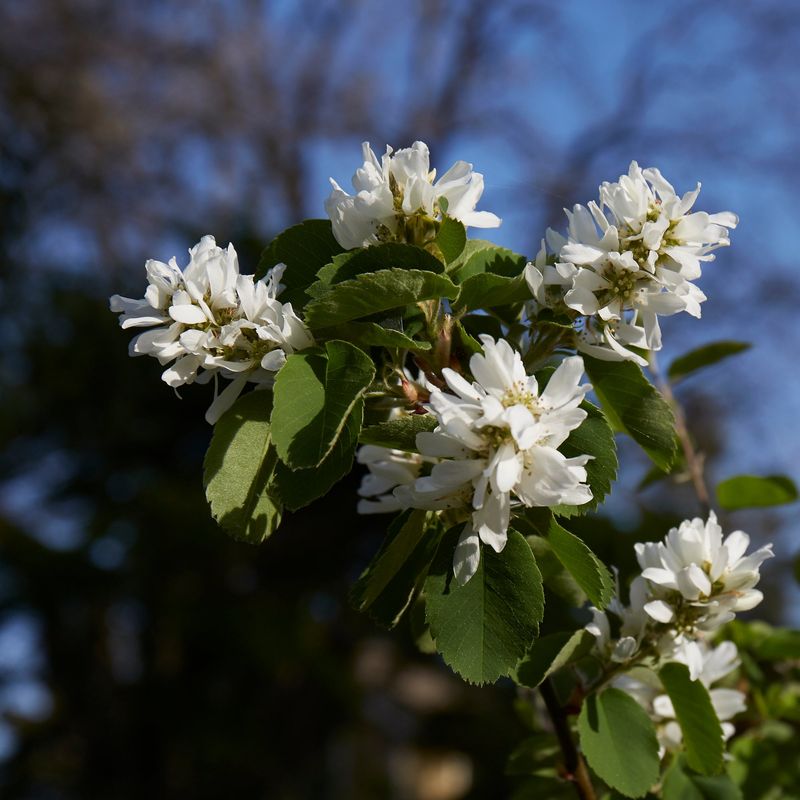
There is something understated and lovely about white flowers in a shaded garden. They catch whatever light filters through the tree canopy and seem to glow softly against dark soil and shadow.
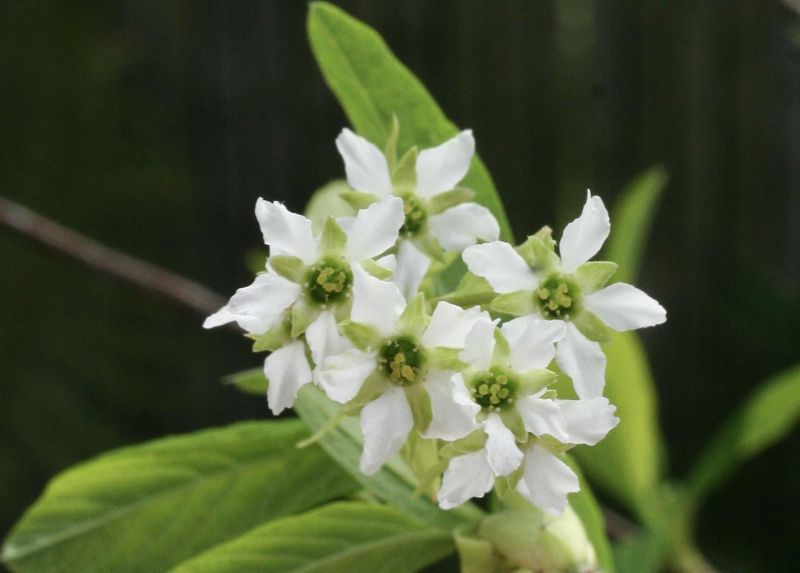
Osoberry’s small white blooms do exactly that, bringing a gentle brightness to edges and corners that would otherwise feel heavy and dim.
The flowers hang in drooping clusters called racemes. Each cluster holds several small blossoms that face downward, giving the whole shrub a graceful, slightly wild look that fits perfectly in a naturalistic garden style.
Unlike showier flowering shrubs, osoberry does not demand attention. It simply adds to the scene quietly and beautifully.
Oregon gardeners who prefer a natural or woodland-inspired aesthetic, osoberry is a strong fit. It does not look out of place among ferns, native grasses, or other understory plants.
Its flowers complement the soft greens and browns of a shaded garden without clashing or overwhelming the space.
White-flowering plants are also useful for brightening areas that get very little direct light. Dark corners can feel heavy and uninviting, but adding a plant with light-colored blooms changes the mood noticeably.
Osoberry offers that brightening effect without needing any special care or spotlight conditions to perform well. For anyone trying to bring some elegance to a tricky shaded edge, these quiet white blooms are worth every bit of planting effort.
7. Birds Appreciate The Small Summer Fruits
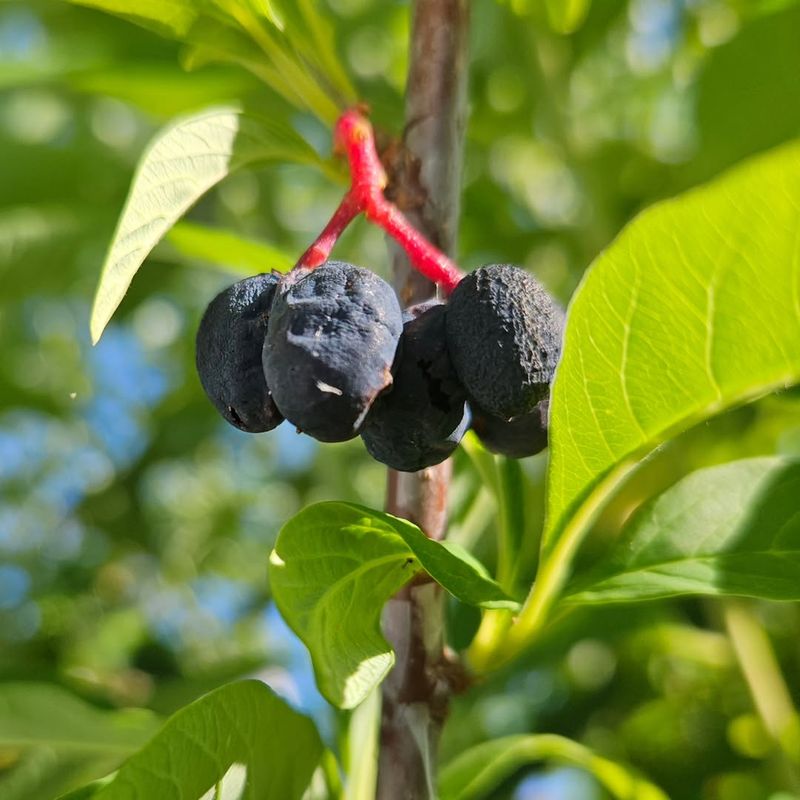
By summer, osoberry moves from flowers to fruit. Female plants produce small, plum-shaped fruits that start out yellow-green and ripen to a deep blue-purple by midsummer.
They look a little like tiny plums, which makes sense since osoberry is related to the plum family. The fruits do not last long on the branches because birds find them quickly.
Cedar waxwings, robins, thrushes, and other native songbirds are especially fond of osoberry fruits.
In a garden that includes osoberry, it is common to see small flocks of birds moving through during the fruiting season.
For anyone who enjoys watching backyard wildlife, that kind of bird activity is a real treat.
The fruits are technically edible for humans too, though they have a slightly bitter taste that most people do not find very appealing. Native peoples in the Pacific Northwest did use them as a food source historically, often mixing them with other foods to balance the flavor.
Today, most Oregon gardeners are happy to leave the fruits for the birds.
Planting osoberry as part of a wildlife-friendly Oregon garden makes a lot of sense. It supports pollinators in spring with its early flowers and then feeds fruit-eating birds in summer.
That two-season contribution to local wildlife is something very few ornamental shrubs can match. Adding it to a shaded corner turns a neglected space into an active, living part of the garden ecosystem.
8. The Shrub Can Grow Big Enough To Fill A Rhododendron-Sized Gap
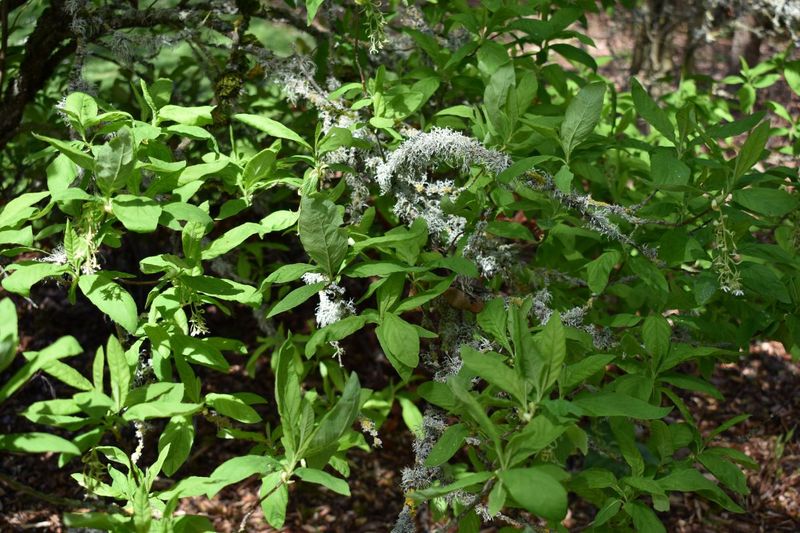
Size matters when you are trying to fill a gap left by a struggling or removed shrub. Osoberry can reach six to ten feet tall and spread nearly as wide under good conditions.
That is a substantial shrub, and it grows at a steady enough pace to fill in a large space within a few seasons.
For gardeners who had a rhododendron in a wet, shaded spot and eventually gave up on it, osoberry can step into that same space and actually thrive there.
The two shrubs occupy a similar size range, which means osoberry can provide the same kind of visual screening, structure, and mass that a large rhododendron would have offered.
Osoberry also spreads slowly by producing suckers from its base, which means it can gradually form a multi-stemmed clump over time.
That spreading habit is useful for filling larger areas or creating a natural-looking thicket along a fence or property edge.
If you want to keep it contained, removing the suckers each year is easy enough.
The shrub holds its shape reasonably well without heavy pruning. Light trimming after flowering helps keep it tidy if needed, but many gardeners let it grow naturally and find it maintains a pleasing form on its own.
Anyone with a sizeable gap in a shaded, wet part of the yard, osoberry brings the right combination of size, toughness, and natural beauty to fill it well.