The Plants Pennsylvania Gardeners Should Stop Pruning Once September Arrives
September in Pennsylvania is the month when a lot of well intentioned pruning goes wrong.
The garden is transitioning, certain plants are showing end of season growth that looks like it should be cleaned up, and the habit of reaching for the pruners whenever something looks a little untidy can do real damage to plants that are in the middle of a critical biological process.
Some plants should not be pruned once September arrives. The consequences of cutting them now are not immediately obvious, but they show up clearly come spring when blooms fail to appear, winter hardiness is compromised, or plants that should have come back strongly take the season to recover instead.
The timing of pruning matters enormously, and September marks the point in the Pennsylvania growing calendar where the wrong cuts on the wrong plants cause problems that last well beyond the current season.
Knowing which plants to leave completely alone from September onward is just as important as knowing what to do for your garden in fall.
1. Azaleas
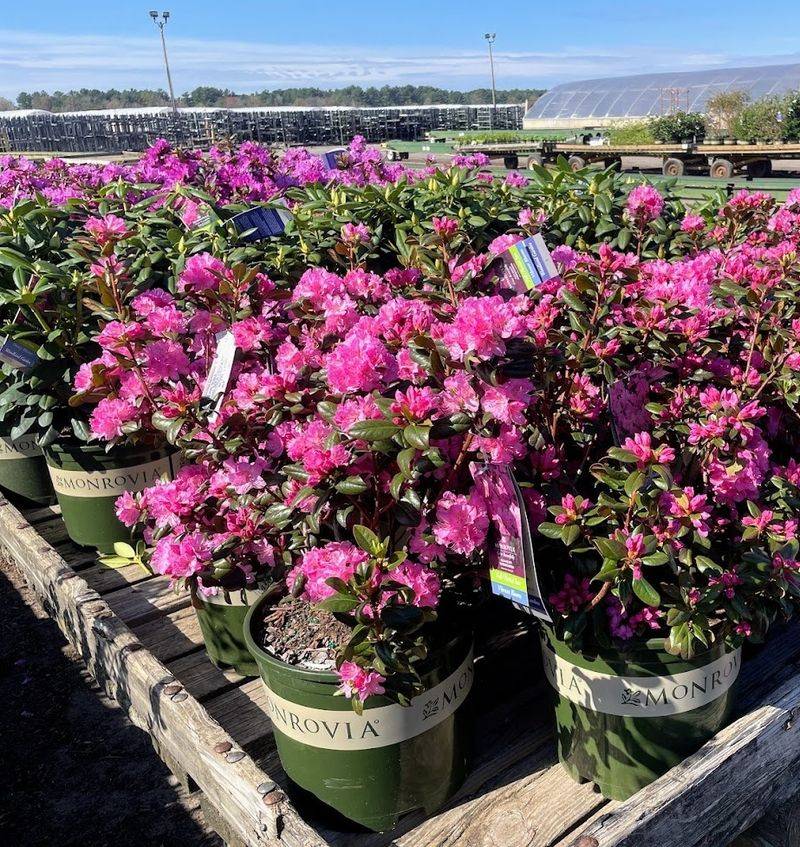
Walk through almost any Pennsylvania neighborhood in May and you will likely spot azaleas showing off their bold, colorful blooms.
These popular shrubs are a springtime staple, and they earn that reputation by putting on a stunning show year after year. However, keeping that show going requires some smart timing when it comes to pruning.
Azaleas bloom on what gardeners call “old wood,” which means the flower buds for next spring actually form on the stems that grew this year. By late summer, those buds are already developing and getting ready for their big debut in spring.
When you prune in September, you are not just trimming extra growth, you are cutting off the buds that would have become next year’s flowers.
The best time to prune azaleas is right after they finish blooming in spring. That gives the plant the entire growing season to produce new stems and set fresh buds before fall arrives. Pruning then is safe and actually encourages healthy new growth.
If your azalea looks a little overgrown right now, resist the urge to tidy it up with a fall trim. A slightly shaggy azalea in September is far better than a neatly trimmed one with no flowers next May.
You can remove any clearly broken or damaged branches at any time of year without worrying too much, but save any real shaping for after the spring bloom. Your patience will pay off with a gorgeous floral display when the weather warms up again.
2. Rhododendrons
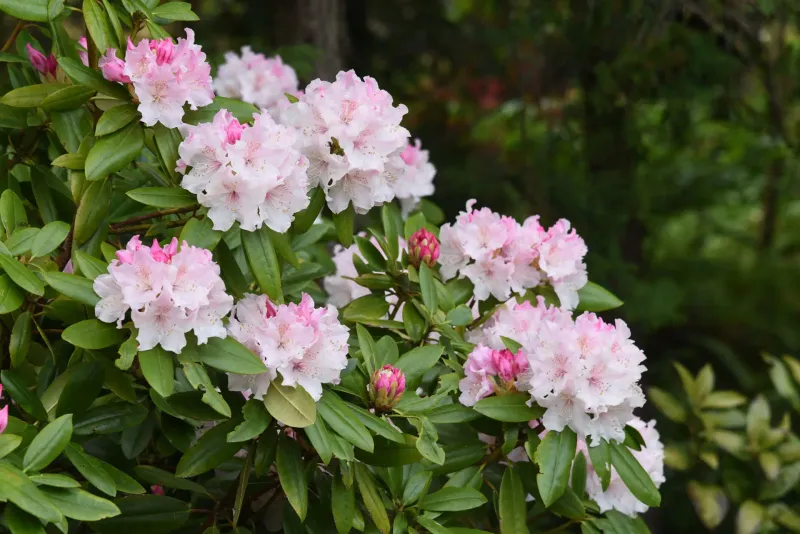
Rhododendrons are one of those plants that make a yard look like it belongs in a magazine. Their large, dramatic flower clusters come in shades of purple, pink, red, and white, and they have been a favorite of Pennsylvania gardeners for generations.
Getting them to bloom their best, though, means knowing when to leave them alone. Much like azaleas, rhododendrons bloom on old wood. By the time late summer arrives, the flower buds for next spring are already forming right at the tips of the branches.
Your Pennsylvania Garden Changes Every Week. Your Plan Should Too.
Gardening in Pennsylvania changes quickly throughout the season. Every Friday you’ll receive a simple weekly plan showing exactly what to plant, prune, fertilize, harvest, and protect so you never miss the right timing.
You might not notice them at first glance, but they are there, quietly preparing for the next season. A September pruning session can easily remove dozens of those buds without you even realizing it.
The smarter move is to hold off on any shaping until right after the plant finishes flowering in spring or early summer. That timing gives the shrub plenty of time to grow new stems and develop buds before the following winter.
Many experienced gardeners also remove the spent flower heads, called deadheading, right after blooming to encourage stronger bud development.
If your rhododendron is getting too large for its space, a gradual approach works best. Trim a little each year right after flowering rather than cutting back hard all at once.
Rhododendrons are resilient plants, but they respond much better to gentle, well-timed pruning than to aggressive fall cutbacks.
Giving them the respect of proper timing means you will be rewarded with full, lush blooms that make your whole yard look incredible come spring.
3. Lilacs
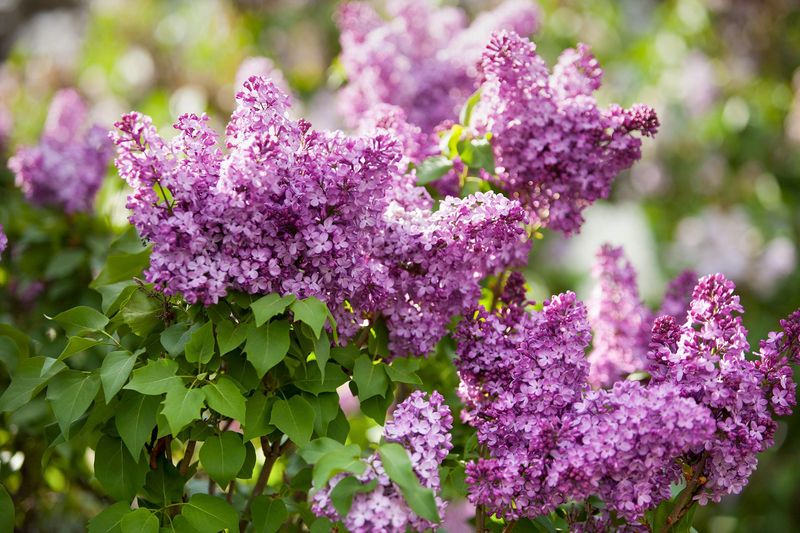
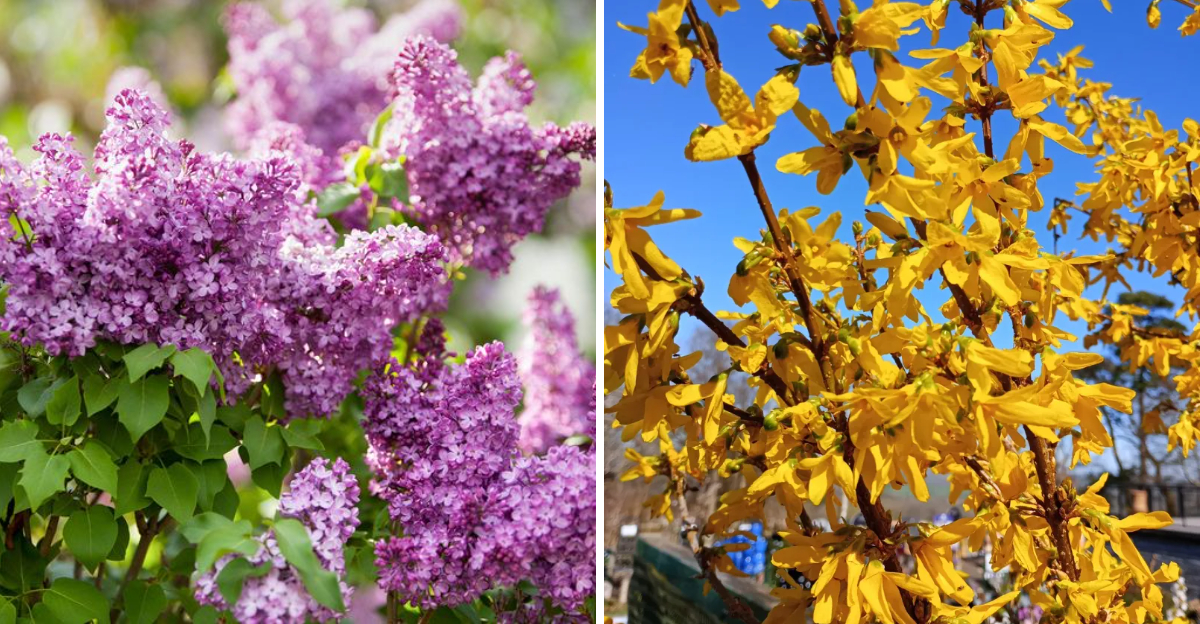
Few things in a garden smell as wonderful as a lilac in full bloom. That sweet, unmistakable fragrance drifting through the yard on a warm spring evening is something Pennsylvania gardeners look forward to all year long.
Protecting that experience means being careful about when you reach for the pruning shears.
Lilacs bloom on growth that was produced the previous season. In simple terms, the stems your lilac grew this past spring and summer are the exact stems that will carry flowers next May.
If you trim those stems away in September, you are removing the plant’s ability to bloom next spring. The result is a pruned, tidy-looking shrub that offers almost no flowers when the season rolls around.
Right after the flowers fade in late spring is the golden window for lilac pruning. At that point, the plant has the whole summer ahead to push out new growth that will carry next year’s blooms.
Pruning then keeps the shrub shapely and encourages it to produce more flowering wood over time.
Older lilac bushes sometimes develop thick, woody stems that crowd out the younger, more productive growth. Removing a few of the oldest stems right after flowering each year is a great way to keep the plant vigorous and blooming well.
Just remember, September is not the time for that work. Even if your lilac looks overgrown or unruly heading into fall, leave it be.
A little patience between now and next spring will mean a fragrant, flower-filled reward that makes all the waiting worthwhile.
4. Forsythia
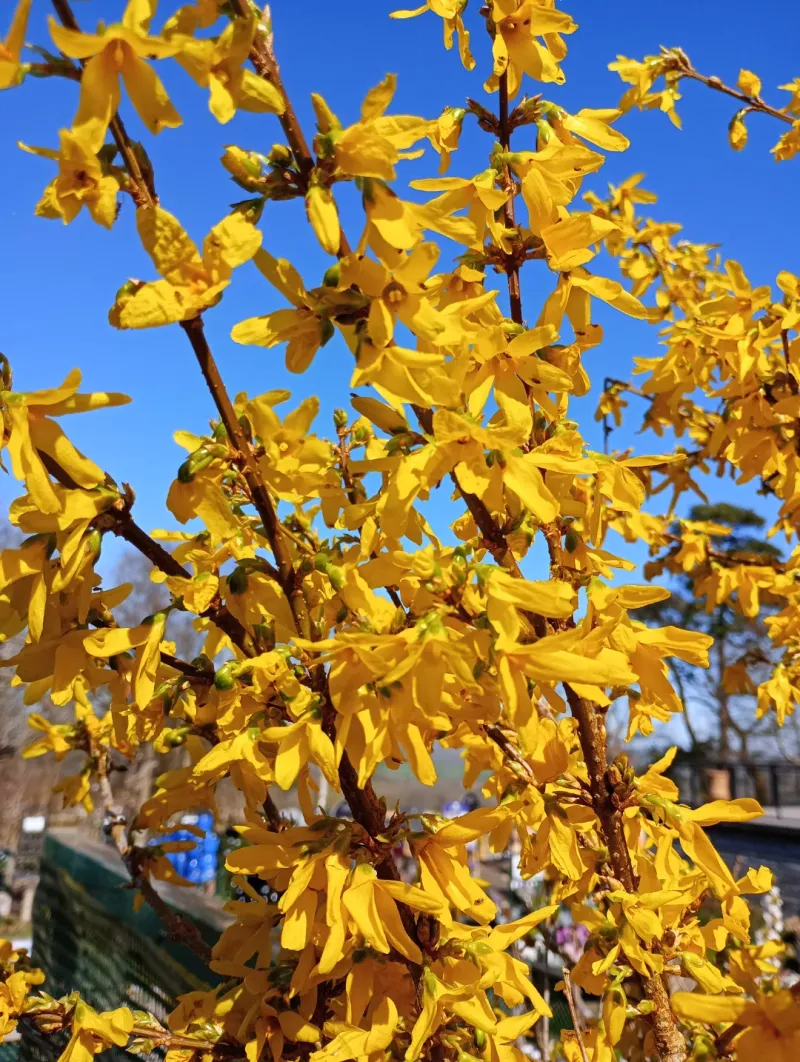
Forsythia is often the first sign that winter is finally over. Those cheerful yellow flowers pop open on bare branches in early spring before almost anything else in the yard has woken up, and they have a way of lifting everyone’s mood after a long Pennsylvania winter.
Keeping that bright display coming back every year is easier than you might think, as long as you respect the timing.
Forsythia blooms on old wood, meaning the flowers form on stems that grew the previous season. By September, those stems are already carrying the buds that will burst into yellow color next March or April.
Trimming branches in fall removes those buds and leaves you with a shrub that may look neat but will put on a much weaker floral show come spring.
The ideal time to prune forsythia is immediately after it finishes blooming in early spring. At that point, the plant has a full growing season to produce new stems, and those new stems will be loaded with buds by the following fall.
Pruning right after bloom also gives you more control over the plant’s shape without sacrificing any flowers.
Forsythia can grow quite vigorously, so it is tempting to cut it back hard when it starts sprawling into paths or neighboring plants. If it truly needs reshaping, wait until spring.
Leaving healthy, arching branches untouched once September arrives is the simplest thing you can do to protect next year’s color. A forsythia that lights up your yard in March is well worth a little restraint in the fall.
5. Bigleaf Hydrangeas
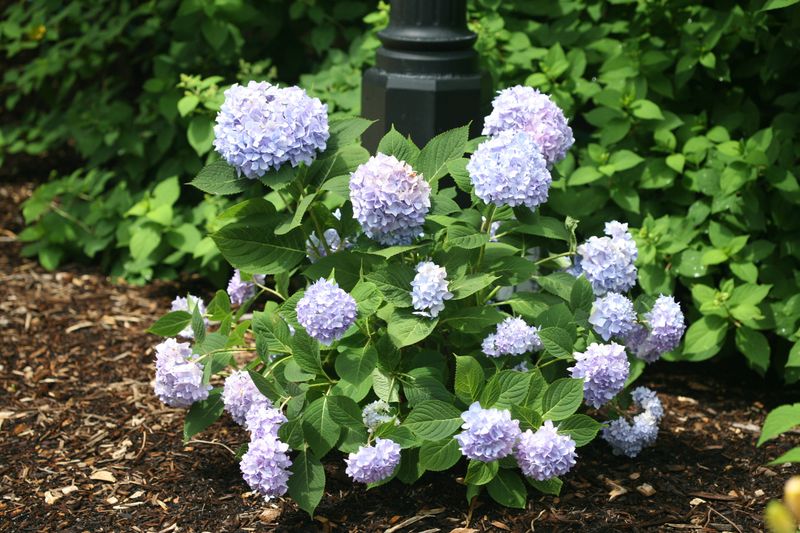
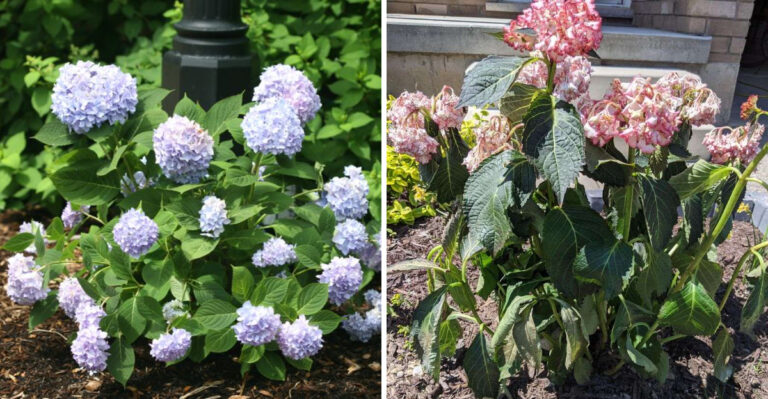
Bigleaf hydrangeas, sometimes called mophead or lacecap hydrangeas, are among the most beloved flowering shrubs in Pennsylvania gardens. Their oversized blooms in shades of blue, pink, and purple make them a showstopper from midsummer onward.
However, they are also one of the most commonly over-pruned shrubs in the region, which is why so many gardeners end up frustrated when their plants produce few or no flowers.
Most bigleaf hydrangea varieties bloom on old wood. The flower buds for next summer develop on the stems from this current growing season, and by September those buds are already in place.
Cutting the plant back in fall removes those buds and sets the stage for a bloomless summer ahead.
The safest approach is to avoid fall cutbacks entirely unless you are removing clearly broken or badly damaged stems. Even stems that look bare and woody through winter are often holding viable buds, so leave them in place.
In late spring, once you can see which stems are producing new leaves, you can carefully remove any that appear to have not survived the winter.
Some newer bigleaf hydrangea varieties, often labeled as “reblooming” types, can produce flowers on both old and new wood. Even with those varieties, avoiding a hard fall pruning is the safer choice for maximizing blooms.
If you are unsure which variety you have, the conservative approach is always to wait. Protecting those buds through the fall and winter is the key to enjoying a full, gorgeous hydrangea display when summer returns to Pennsylvania.
6. Oakleaf Hydrangeas
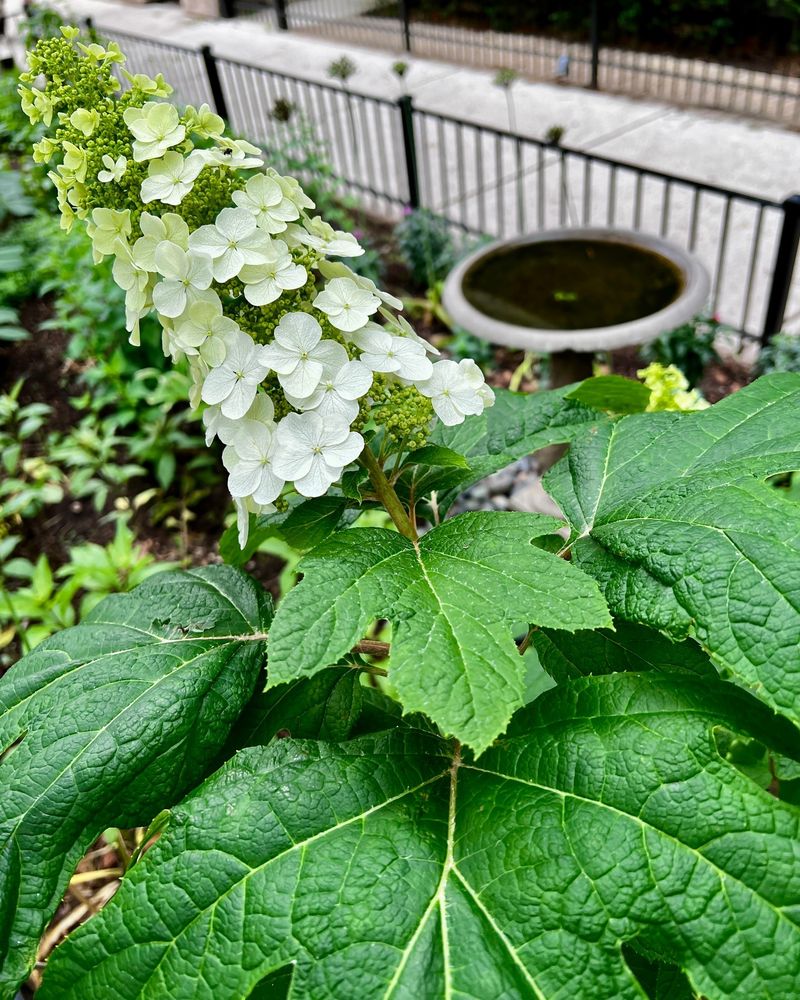
Oakleaf hydrangeas are a standout in any Pennsylvania garden, and they offer something most flowering shrubs cannot match: four seasons of interest.
You get the cone-shaped white flowers in summer, the rich red and burgundy foliage in fall, the attractive peeling bark in winter, and fresh growth in spring. Protecting all of that beauty starts with knowing when not to prune.
Just like their bigleaf cousins, oakleaf hydrangeas bloom on old wood. The flower buds for next summer are already present on this year’s stems by the time September comes around.
Pruning in fall puts those buds at risk, and losing them means trading next summer’s flower display for a tidier-looking shrub this October, which is not a good trade.
Oakleaf hydrangeas are also naturally attractive even when they have not been recently shaped.
Their bold leaves and interesting branching structure give them a presence in the garden that many other shrubs lack. You do not need to prune them frequently to keep them looking good.
When pruning is necessary, aim for right after flowering in summer, usually by midsummer at the latest. At that point, the plant still has time to develop new growth and set buds before cold weather arrives.
Removing spent flower heads after blooming is fine and can actually help the plant direct its energy into bud development.
September pruning risks sacrificing next year’s flowers for no real benefit, so put the shears away and let this tough, beautiful Pennsylvania native do its thing through fall and winter.
7. Mountain Laurel
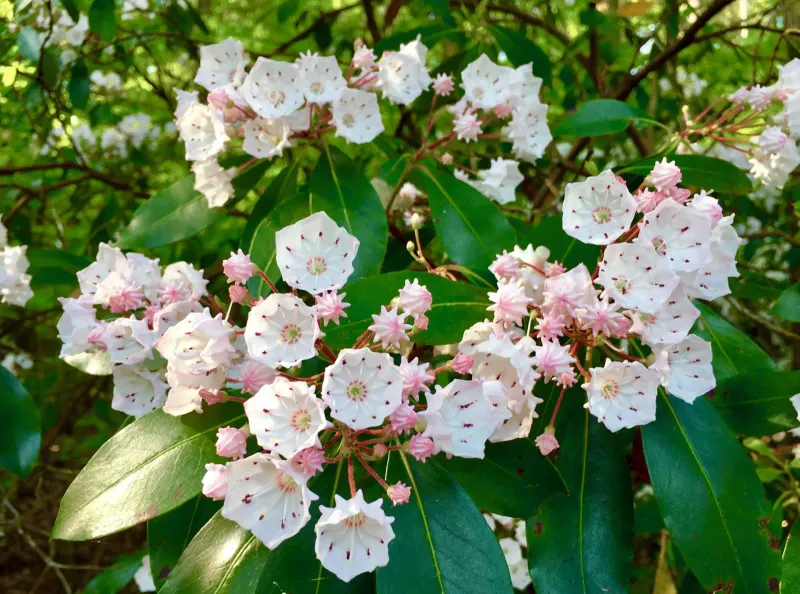
Mountain laurel holds a special place in Pennsylvania gardens because it is the official state flower. This native evergreen shrub grows wild in the forests and hillsides of the state, and it brings that same natural beauty into home landscapes.
Its delicate clusters of pink and white flowers are a breathtaking sight in late spring, and protecting that display requires leaving the plant alone once fall is approaching.
Mountain laurel flowers on established growth, meaning the buds for next spring’s bloom develop on mature stems during the current growing season. By September, those buds are well on their way.
Any pruning done at this point removes buds that the plant worked hard all summer to develop, which directly reduces how many flowers you will see next May or June.
The best window for pruning mountain laurel is right after it finishes flowering in late spring or early summer.
At that time, you can remove any awkward or crossing branches, shape the plant slightly, and encourage healthy new growth, all without touching a single future flower bud.
Mountain laurel is also a slow grower by nature, so it rarely needs heavy pruning anyway. Letting it develop at its own pace produces a fuller, more natural-looking shrub over time.
As September arrives, the plant is quietly shifting its energy toward hardening off its stems and buds for the winter ahead.
Disturbing that process with late-season shaping can set it back more than most gardeners expect. Trust the plant, step back, and let it prepare for winter on its own terms.