Never Leave Your Ripe Tomatoes On The Vine Before Heavy Pennsylvania Rain
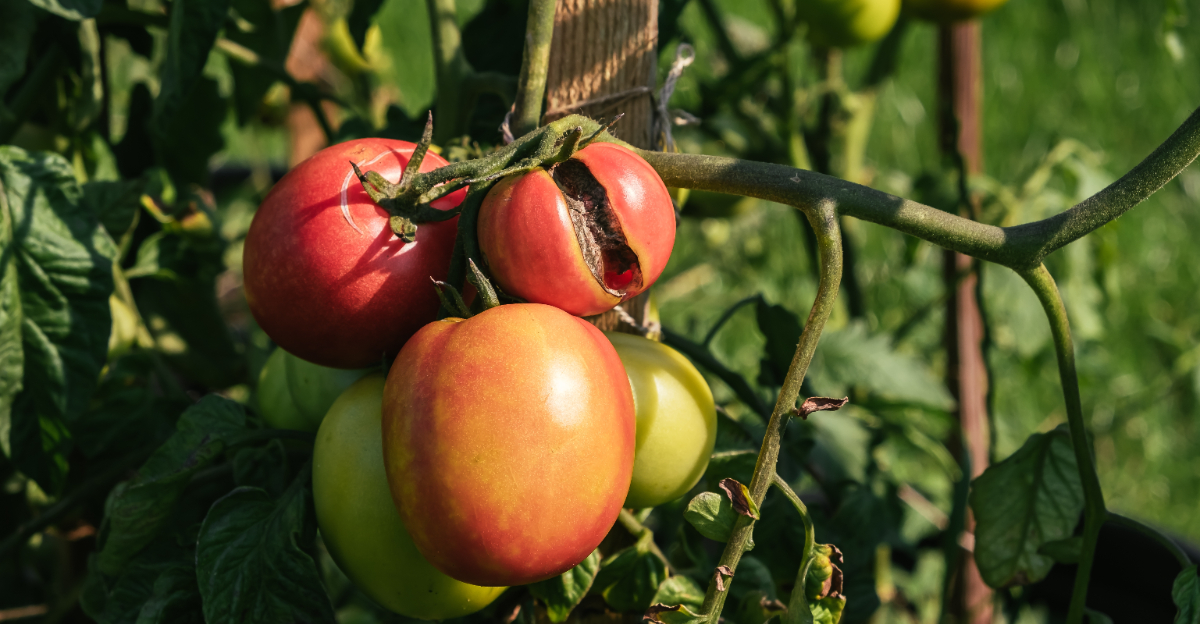
Your tomato plants finally hit their peak this week, heavy with fruit and glowing that deep red you have been waiting on since June. Then a Pennsylvania weather alert buzzes with a flood watch for the next three days.
That timing could not be worse. A soaked root system pushes water into ripening fruit faster than the skin can stretch, and split tomatoes are often the first sign of trouble after a summer downpour.
Fungal spores also thrive in wet, humid conditions, spreading across leaves and stems within hours of the first drop. Left unchecked, a single storm can turn a season of careful watering and feeding into a mushy, cracked mess on the ground.
A few targeted moves before the rain arrives can protect most of your crop. Here is what actually helps, and what just wastes your time.
The Real Reason Heavy Rain Splits Ripe Tomatoes On The Vine
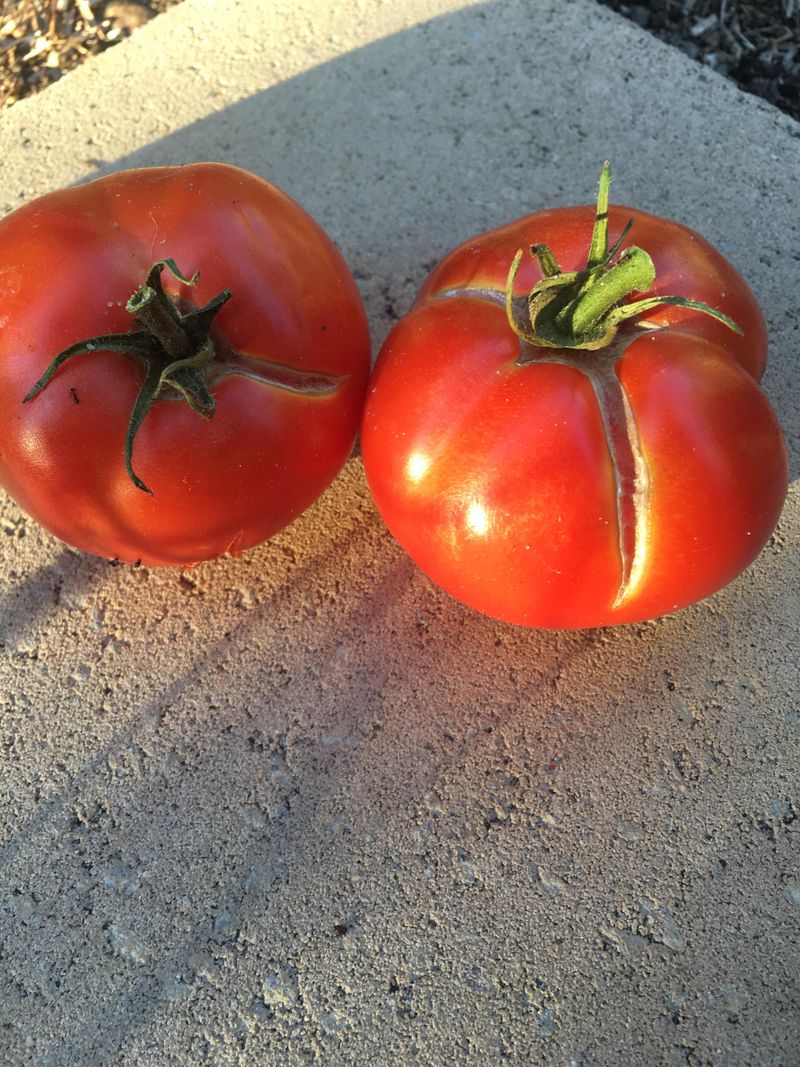
Your tomato just split wide open overnight. That cracked, burst skin you found after the storm is not a mystery, it is simple plant biology gone wrong.
Tomatoes absorb water through their roots constantly. When a heavy downpour hits, the roots suck up a massive surge of moisture all at once.
The skin of a ripe tomato is already stretched tight. It cannot expand fast enough to handle that sudden flood of water inside.
So it splits. Sometimes the crack is small and shallow. Other times the whole fruit bursts open completely, skin and all.
Ripe tomatoes are the most vulnerable because their skins have softened. Green tomatoes handle water surges much better, their skin is still firm and flexible.
Pennsylvania summers bring serious storms. Rainfall totals during a single event can top two inches in just a few hours.
That kind of soaking is more than most Pennsylvania garden soil can drain quickly. The roots keep drinking even after the soil is saturated.
Once a tomato splits, bacteria and mold move in fast. A cracked fruit left on the vine often rots within a day or two in warm, humid air.
Waiting until the last minute to harvest is a gamble most gardeners lose. Picking a day early costs you nothing, leaving fruit exposed can cost you the whole batch.
Signs Your Tomatoes Are Ready To Pick Before The Storm Hits
Storm clouds are building on the Pennsylvania horizon. You have maybe 24 hours to decide which tomatoes are ready and which ones need more time.
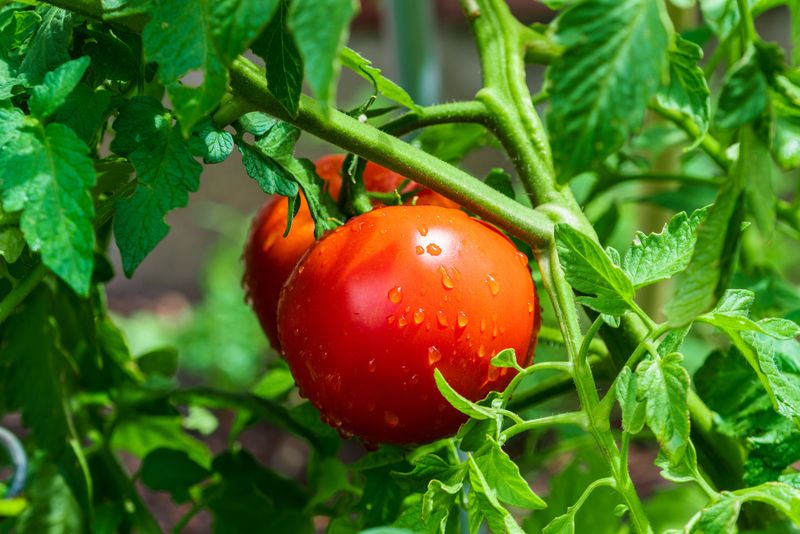
Color is your first clue. A tomato that has shifted from pink to deep red, or orange to full orange, is ripe enough to pick.
Press the fruit gently with your thumb. Ripe tomatoes give slightly under light pressure without feeling mushy or hollow.
Check the shoulder, which is the area near the stem. If it still has a hard green patch, give it another day, but not if rain is coming.
A tomato at the “breaker stage” is a safe pick. That means it has started changing color, even if it is not fully red yet.
Your Pennsylvania Garden Changes Every Week. Your Plan Should Too.
Gardening in Pennsylvania changes quickly throughout the season. Every Friday you’ll receive a simple weekly plan showing exactly what to plant, prune, fertilize, harvest, and protect so you never miss the right timing.
Breaker-stage tomatoes will finish ripening indoors perfectly well. You lose very little by pulling them early before a storm.
Smell is another solid indicator. Ripe tomatoes release a sweet, earthy scent near the stem end that green ones simply do not have.
Look at the vine itself. When the stem connecting the fruit starts to dry or crack slightly, the tomato is ready to separate naturally.
These signals are your cue to act, not to wait for tomorrow. Your eyes and your nose usually know before the forecast does.
Harvesting Tips That Protect Both The Plant And The Fruit
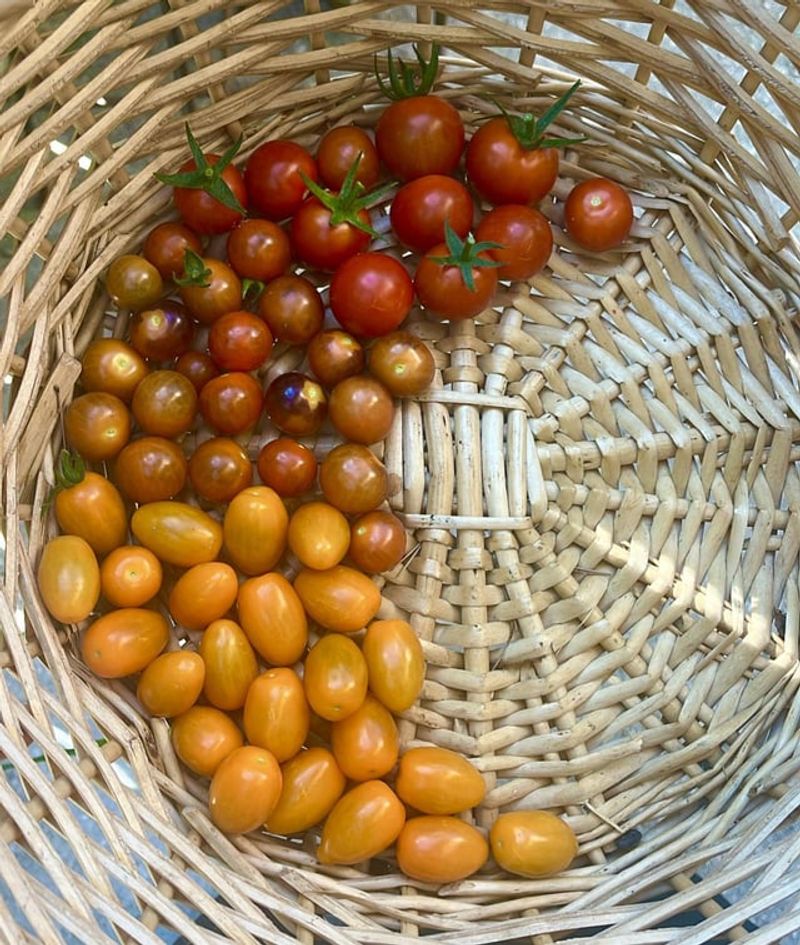
Yanking a tomato off the vine feels satisfying but it is a bad habit. A rough pull can tear the stem, stress the plant, and bruise the fruit all at once.
Grab a small pair of garden scissors or pruning snips before you head outside. Clean cuts protect both the tomato and the plant.
Snip the stem about a quarter inch above the tomato. Leaving a small stub attached helps the fruit stay fresh longer after picking.
Work from the bottom of the plant upward. Lower tomatoes tend to ripen first since they set fruit earliest in the season.
Place each tomato gently into a shallow basket or box. Avoid stacking them more than two layers deep, the weight on the bottom layer causes bruising fast.
Avoid picking in the heat of midday if you can. Morning harvests keep the fruit cooler and slow down the ripening process slightly during transport.
Wet tomatoes are slippery and more prone to damage. If rain has already started, pat each fruit dry with a soft cloth before placing it in your container.
Check every plant carefully. Sometimes a ripe tomato hides under leaves and is easy to miss during a rushed pre-storm harvest.
Good harvesting technique takes only a few extra minutes. Those minutes protect weeks of hard growing work and keep your plants healthy for the next round of fruit.
Storing Freshly Picked Tomatoes So They Keep Ripening Indoors
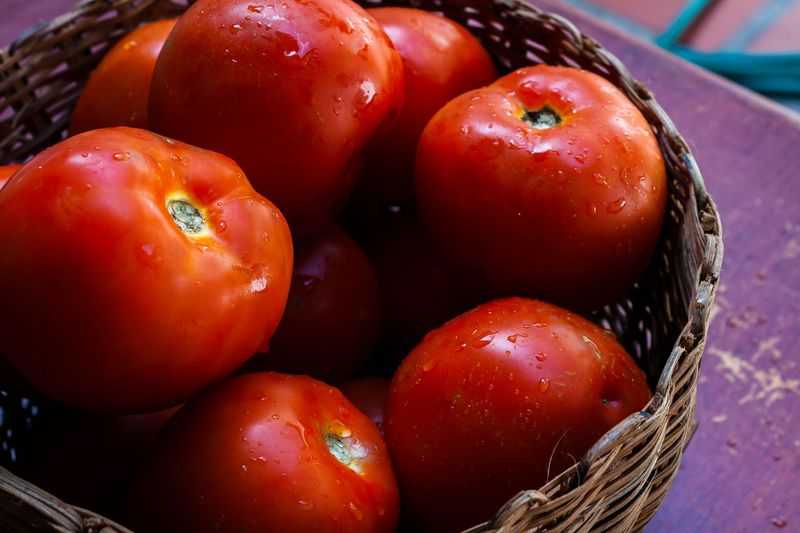
You just hauled in a big basket of tomatoes ahead of the storm. Now what you do next determines whether they taste amazing or turn into mush.
Skip the refrigerator for fresh tomatoes. Cold temperatures destroy their texture and strip away the flavor compounds that make a homegrown tomato worth eating.
Set them out on your kitchen counter or a table in a single layer. Keep them stem-side down to protect the scar left where the stem was attached.
Room temperature between 55 and 70 degrees Fahrenheit is the sweet spot for ripening. A cool basement or pantry works well if your kitchen runs hot in summer.
Keep tomatoes out of direct sunlight indoors. Sunlight on a windowsill speeds up ripening unevenly and can cause soft, mushy patches on one side.
Sort your tomatoes by ripeness stage as you store them. Fully ripe ones go into a separate group for eating within two or three days.
Breaker-stage tomatoes need a few more days on the counter. Check them daily and move them to the “eat soon” group as they deepen in color.
Placing an apple or banana nearby can speed things up slightly. Those fruits release ethylene gas, which nudges nearby tomatoes to ripen faster.
Storing tomatoes properly after a pre-storm harvest is just as important as picking them on time. Handle them right and they will taste like they never left the vine.
Protecting The Plants Left Behind Once The Rain Moves In
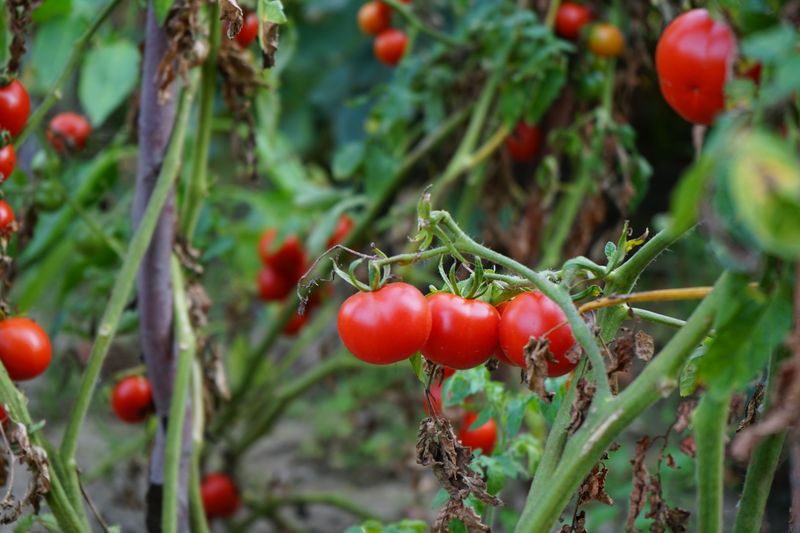
After you harvest the ripe ones, the plants still need your attention. A heavy Pennsylvania storm can batter stems, wash away soil, and leave your remaining tomatoes in rough shape.
Check your stakes and cages before the rain arrives. Loose supports will topple under strong wind gusts and drag the whole plant down with them.
Tie any drooping branches back to their supports using soft garden twine. Avoid wire or stiff ties that can cut into wet, swollen stems during a storm.
Mulch around the base of each plant if you have not already. A two-inch layer of straw or wood chips slows soil erosion and prevents muddy water from splashing disease spores onto lower leaves.
Trim off any leaves that are already touching the ground. Wet leaves against wet soil are a perfect setup for fungal problems like blight.
If the forecast calls for hail along with rain, consider draping lightweight row cover fabric over your plants. It will not stop all damage but it can reduce some of the impact.
After the storm passes, walk your garden carefully. Snap off any broken branches cleanly with pruners rather than leaving jagged tears that invite infection.
Shake off standing water pooling in the center of plant canopies. Prolonged moisture sitting on leaves overnight encourages mold and disease to spread quickly.
A little prep work before the storm keeps your remaining plants strong. Strong plants mean more tomatoes to enjoy for the rest of the season.
Simple Habits That Prevent This Problem All Summer Long
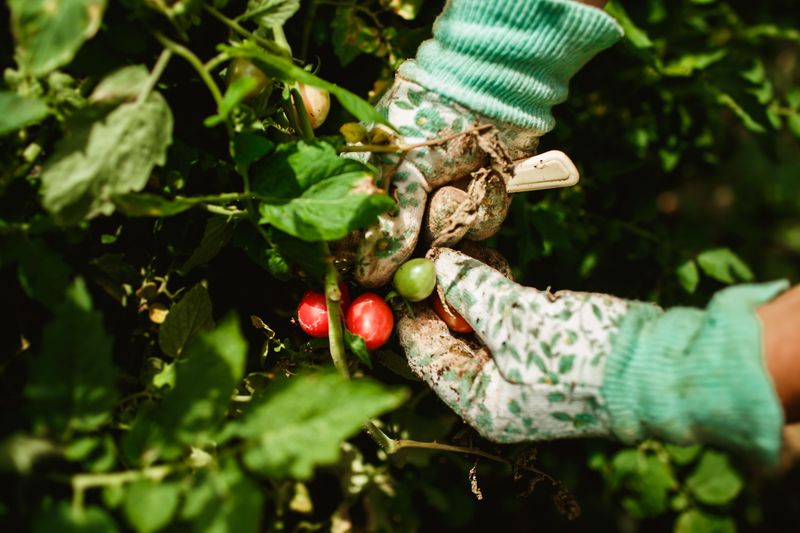
One frantic harvest before a storm is stressful. Building a few easy routines into your week makes it something you almost never have to scramble for again.
Check your local Pennsylvania weather forecast every Monday morning. Knowing what is coming three to five days out gives you plenty of time to plan your picking schedule.
Walk your garden every two to three days during peak season. Regular visits mean you spot ripe fruit before it sits too long and becomes vulnerable.
Pick tomatoes slightly early rather than waiting for peak perfection on the vine. A tomato at 90 percent ripeness will finish beautifully on your counter with very little risk.
Keep your tools clean and your basket ready near the garden entrance. A quick harvest should take ten minutes, not a full search-and-prep mission.
Water your plants deeply but less frequently throughout the week. Consistent soil moisture reduces the shock your plants feel when a sudden heavy rain dumps on them.
Prune suckers and extra foliage regularly to improve airflow. Better airflow means faster drying after rain and fewer fungal problems that weaken fruit skin.
Keep a simple garden journal to track ripening patterns. After one full season, you will get a strong sense of when your varieties tend to peak and can plan ahead with confidence.
Build this check into your weekly routine instead of treating it as a one-off scramble. A consistent habit protects far more fruit than a single rushed harvest ever could.