Should You Trim Crepe Myrtle Flowers For One More Fall Bloom In Florida
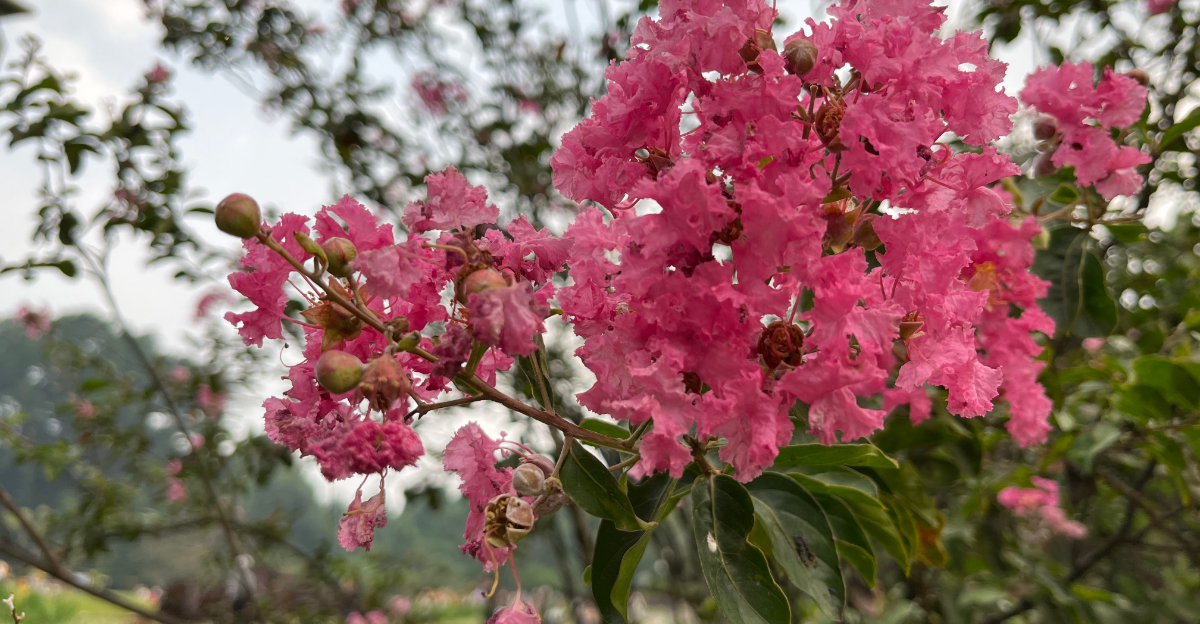
Your crepe myrtle has finished one big flush of color, and now those faded flower clusters are hanging at the ends of the branches. Cutting them off can feel like the obvious move, especially with Florida’s long warm season still stretching ahead.
Plenty of gardeners hope that removing spent blooms will convince the tree to put on one more show before fall slips away. Sometimes that little snip pays off.
Sometimes the timing works against you. Crepe myrtles respond to spent-flower removal in a way that makes late-season trimming worth thinking through instead of treating it like routine cleanup.
The condition of the tree, the time left in the growing season, and Florida’s weather all come into play.
Before you start clipping every brown cluster you see, there is one question worth answering first: does your crepe myrtle still have enough season left to turn that cleanup into fresh color?
1. Trim The Spent Flower Clusters And Nothing More
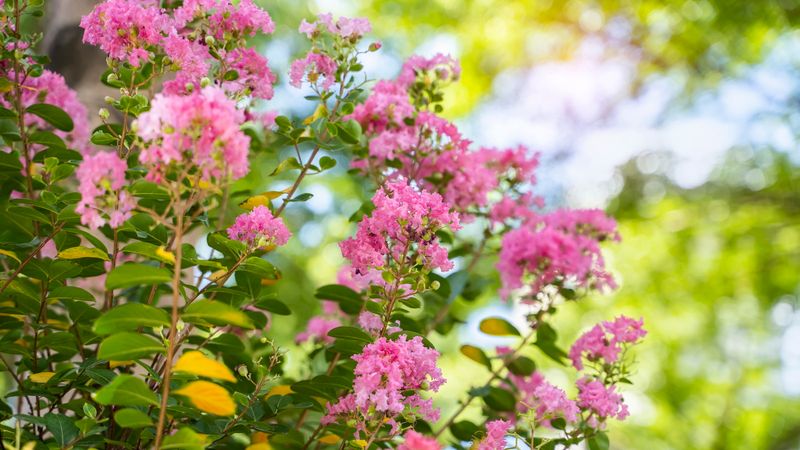
Faded flower clusters hanging at the tips of crepe myrtle branches are easy to spot. They turn brown and dry after the petals drop, and they are exactly what light trimming targets.
Removing only those spent terminal clusters is the goal, nothing more.
UF/IFAS guidance explains that tip pruning during the growing season can stimulate buds just below the cut. Those buds may push out new growth that carries fresh flower clusters.
A clean pair of hand pruners applied right at the base of the spent cluster is all the tool the job requires.
Cutting deeper into the branch, removing healthy green stems, or thinning the canopy is a completely different action. That kind of work reshapes the tree and removes wood that was never the source of the problem.
Florida gardeners sometimes get excited and cut more than they should, hoping extra cutting means extra flowers. Research does not support that idea.
The goal here is surgical and small-scale. Remove the brown, finished cluster.
Leave everything else alone. A few snips per branch tip is a reasonable amount of work.
Turning a light task into a major pruning session crosses a line that can set the tree back rather than push it forward.
2. Four To Six Weeks Makes August Timing Matter
An August calendar sitting next to a pair of pruners is a useful image for understanding why timing shapes the whole conversation. UF/IFAS guidance indicates that a new flower flush after trimming may take roughly four to six weeks to develop.
That window connects directly to whether warm growing weather still remains.
A gardener who removes spent clusters in early August could reasonably expect new blooms to appear by mid to late September. A gardener who waits until late September has far less warm weather left to work with.
Crepe myrtles need heat and active growth to push new flowering shoots.
Cultivar, tree vigor, local weather patterns, and site conditions all influence how quickly or slowly the tree responds. No exact bloom date can be promised because too many variables are in play.
Your Florida Garden Changes Every Week. Your Plan Should Too.
Gardening in Florida changes quickly throughout the season. Every Friday you’ll receive a simple weekly plan showing exactly what to plant, prune, fertilize, harvest, and protect so you never miss the right timing.
Some trees may respond faster, and some may not respond at all.
Making the cut later in the season does not automatically produce a faster response. The tree still follows its own schedule.
Florida gardeners in cooler parts of the state face a narrower window than those in warmer areas. Acting early in August rather than waiting gives the tree its best shot at cycling through new growth and producing color before temperatures drop.
3. Some Crape Myrtles Rebloom Without Any Help
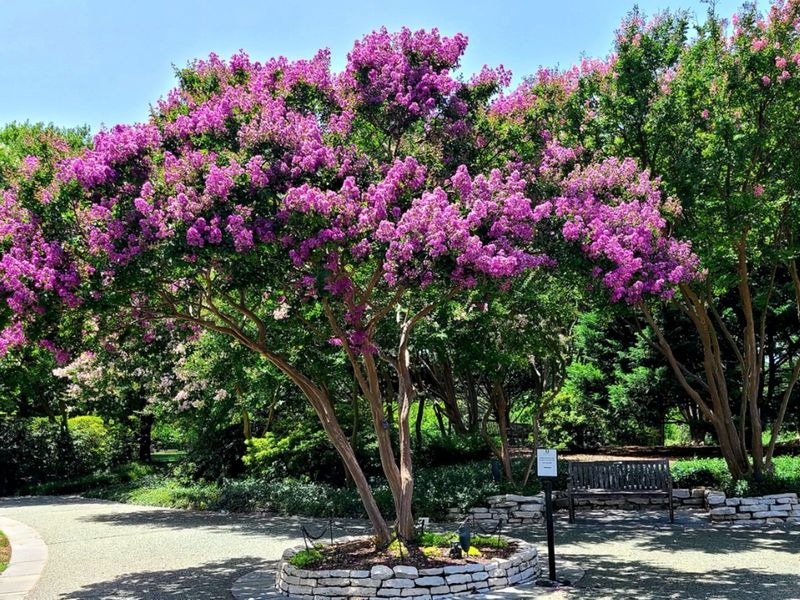
Genetics drive a lot of what gardeners observe in their yards. Many newer crepe myrtle cultivars were specifically selected for long flowering seasons and a natural tendency to produce repeated bloom cycles.
Some of these plants push out fresh clusters on their own without any pruning at all.
Before reaching for the pruners in August, spend a few days watching the tree. New buds forming below spent clusters are a sign the plant is already cycling into another round.
Cutting at that moment may interrupt what was already in motion rather than encouraging something new.
Older cultivars tend to have shorter natural bloom seasons and may be less likely to rebloom on their own. Newer cultivars introduced through university and commercial breeding programs often perform differently.
That difference in genetics matters more than many gardeners realize.
None of this means every modern cultivar reblooms reliably, or that older types never produce a second flush. Bloom behavior varies by individual plant, and local conditions always play a role.
Observing your specific tree over one or two seasons gives you better information than any general rule. Watching before cutting is a habit that saves time and leads to smarter decisions in the garden.
4. Hard Pruning Can Delay The Flowers You Want
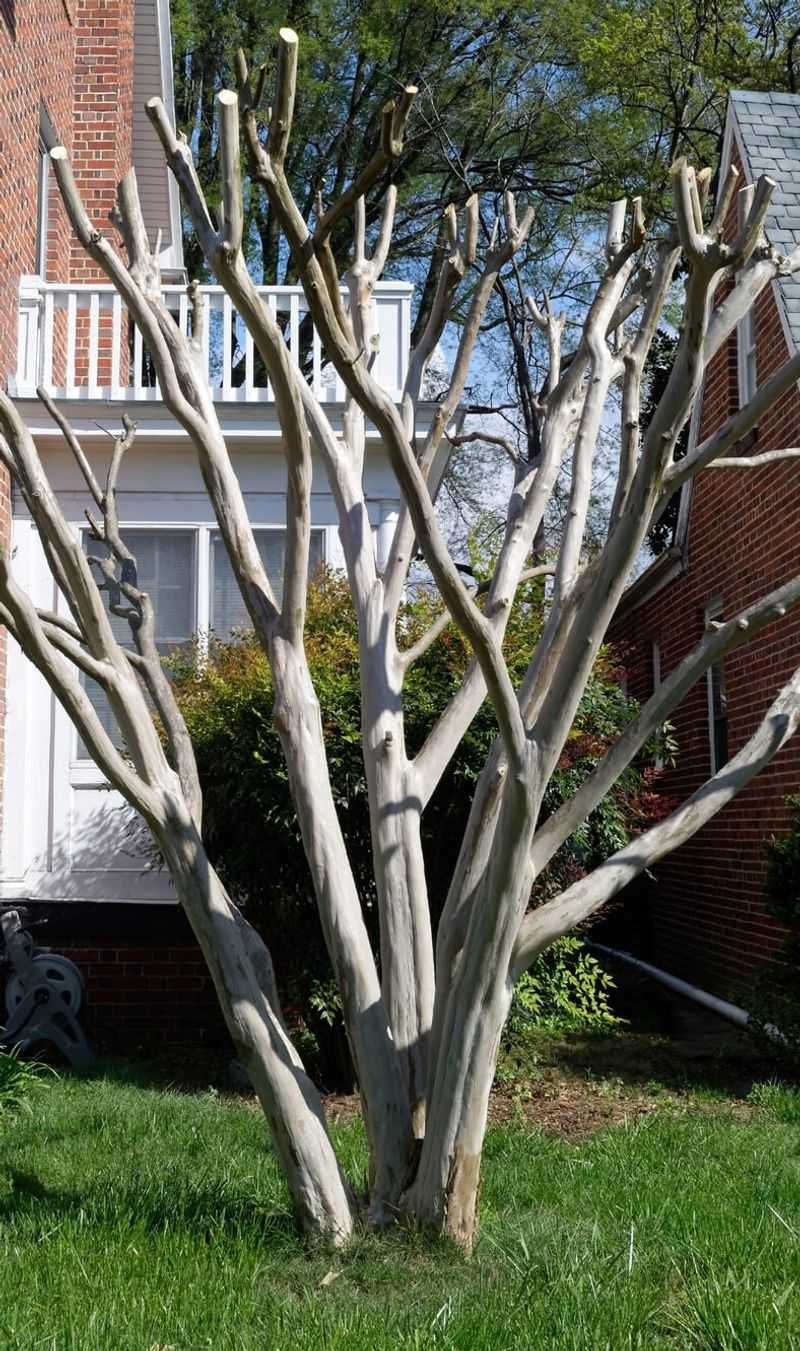
Cutting too much is one of the most common mistakes Florida gardeners make when they want more flowers. UF/IFAS research shows that flowering can decline as pruning severity increases.
Removing major branches or heavily reducing the canopy does not speed up the next bloom cycle. Most of the time, it slows it down.
Topping a crepe myrtle, which means cutting the main branches back to thick stubs, forces the tree to spend energy regenerating lost wood. That energy goes into producing rapid, weak sprouts rather than flower buds.
The tree is essentially starting over from a structural standpoint, and flowering takes a back seat to basic recovery.
Snipping off a spent flower cluster at the branch tip is a precise, limited action. Cutting back a major branch is a structural change that affects the whole tree.
These two actions are not versions of the same thing. Treating them as similar leads to outcomes that frustrate gardeners who expected more flowers and got fewer.
Keeping the cut small and targeted is the approach that aligns with the goal of encouraging another seasonal bloom. Any wood removed beyond the spent cluster itself is extra work the tree did not need and may not recover from before the growing season closes.
5. A Stressed Tree Is Better Left Alone
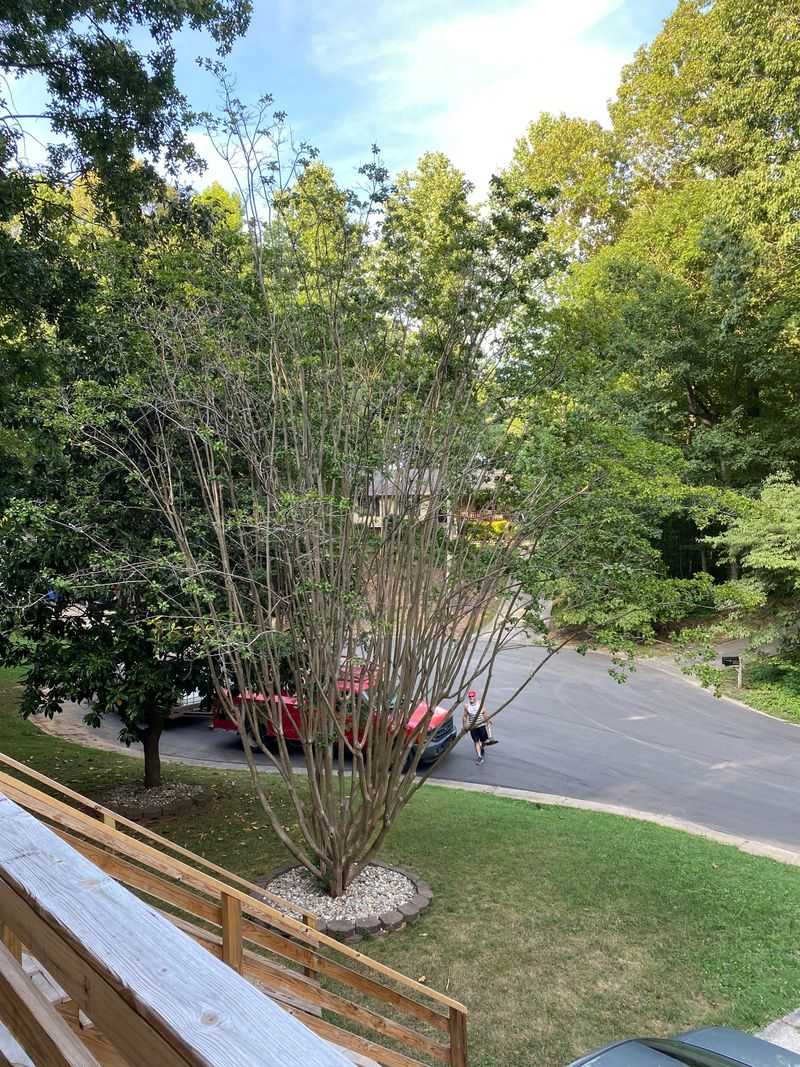
Chasing a second flower display sounds appealing, but the condition of the tree has to come first. A crepe myrtle dealing with drought stress, waterlogged roots, a serious pest infestation, or disease is already working hard just to stay stable.
Asking it to produce another round of blooms on top of that is asking too much.
Drought stress limits the water and nutrients a tree can move through its system. Prolonged wet soil around the roots can restrict oxygen and damage root function.
Both conditions reduce the vigor that trimming depends on to trigger new growth. A tree that looks tired, sparse, or off-color is sending a clear signal that something else needs attention first.
Light trimming is not inherently harmful to a stressed tree, but it is also unlikely to produce the result a gardener hopes for. Address the underlying problem first, whether that means adjusting irrigation, treating a pest, or improving drainage.
This gives the tree a better foundation for recovery and future flowering.
A vigorous, well-established tree with healthy foliage and strong new growth is the best candidate for a late-season trimming attempt. Identifying which category your tree falls into before making any cut is the most practical first step a gardener can take.
6. Full Sun Gives New Flowering Shoots A Better Shot
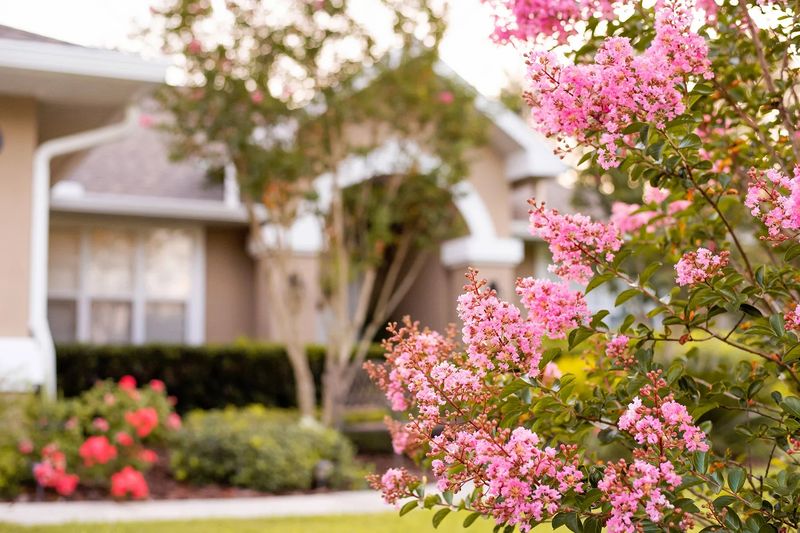
Bright sunlight is not a bonus for crepe myrtles. It is a requirement.
These trees flower best in full sun, and that strong light directly supports the active growth that produces new flower clusters after trimming. Without enough sun, the energy available for pushing new buds is reduced from the start.
Imagine two trees in the same neighborhood, both trimmed on the same August afternoon. One sits in an open yard with six or more hours of direct sun each day.
The other grows near a large oak that shades it through the hottest part of the afternoon. The same pruning action on both trees may produce very different results weeks later.
Shade does not make rebloom impossible, but it does reduce the odds. A tree in partial shade may respond more slowly, produce fewer new flower clusters, or skip a second flush entirely.
The growing conditions around the tree shape what the tree can do after a pruning cut.
Gardeners with shaded crepe myrtles should set realistic expectations before trimming. Moving the tree is rarely practical, but understanding why a shaded plant underperforms helps avoid frustration.
Sun exposure is one of the clearest predictors of how well a crepe myrtle responds after late-summer tip removal.
7. Big Trees Are Not Worth Chasing One More Bloom
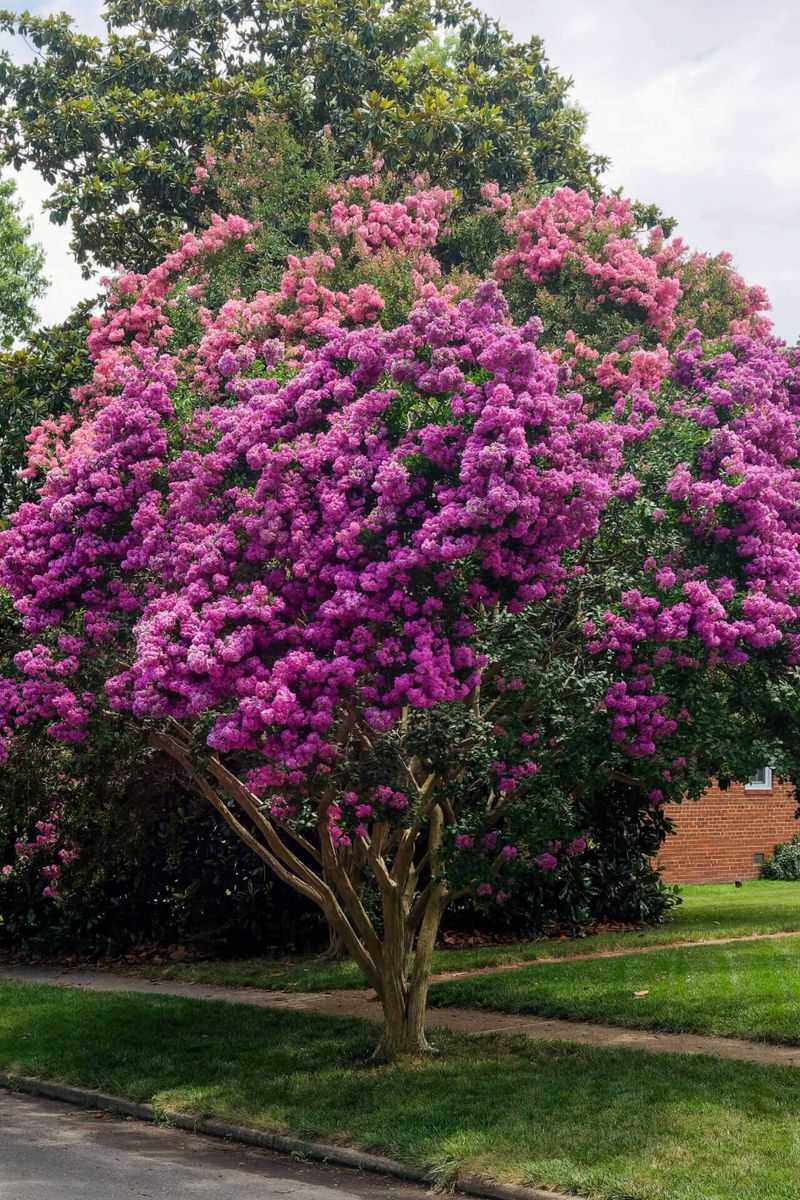
A tall, mature crepe myrtle can carry hundreds of spent flower clusters spread across an enormous canopy. UF/IFAS notes that tip pruning becomes impractical on large specimens.
Reaching even a fraction of those clusters safely requires equipment and effort that go far beyond what the task is worth.
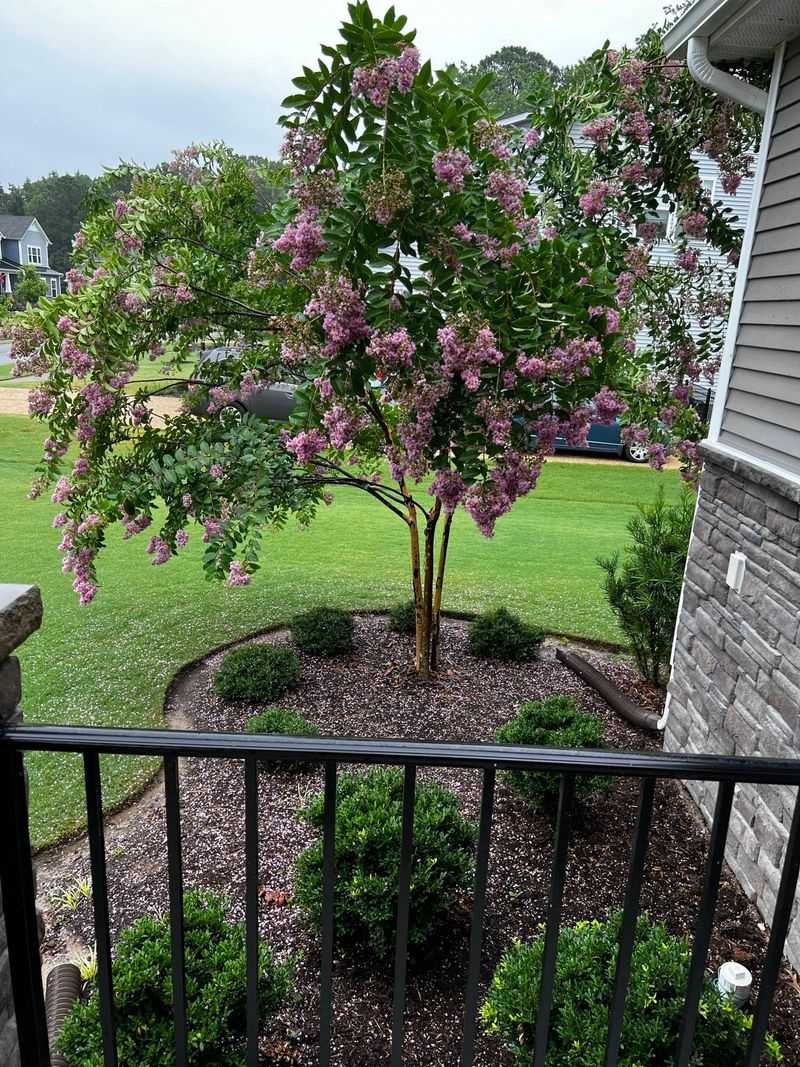
A compact shrub-form crepe myrtle growing to shoulder height is a completely manageable candidate for trimming. A 20-foot tree with a wide-spreading canopy is a different situation entirely.
The math does not favor spending a long afternoon on a ladder to chase one optional flower flush.
Reaching spent clusters on a large tree can require climbing or awkward use of an extended pole pruner. Those risks outweigh the potential reward of one more bloom.
One more bloom is a nice extra, not a necessity for the tree’s health or long-term performance.
Leaving a large, mature crepe myrtle alone at the end of summer is a perfectly reasonable choice. The tree will continue its natural cycle regardless.
Focusing trimming efforts on smaller, manageable plants where the work is safe and practical produces better results with far less effort. Scale matters when deciding whether to act.
8. Let Your Region Decide If A Fall Rebloom Makes Sense
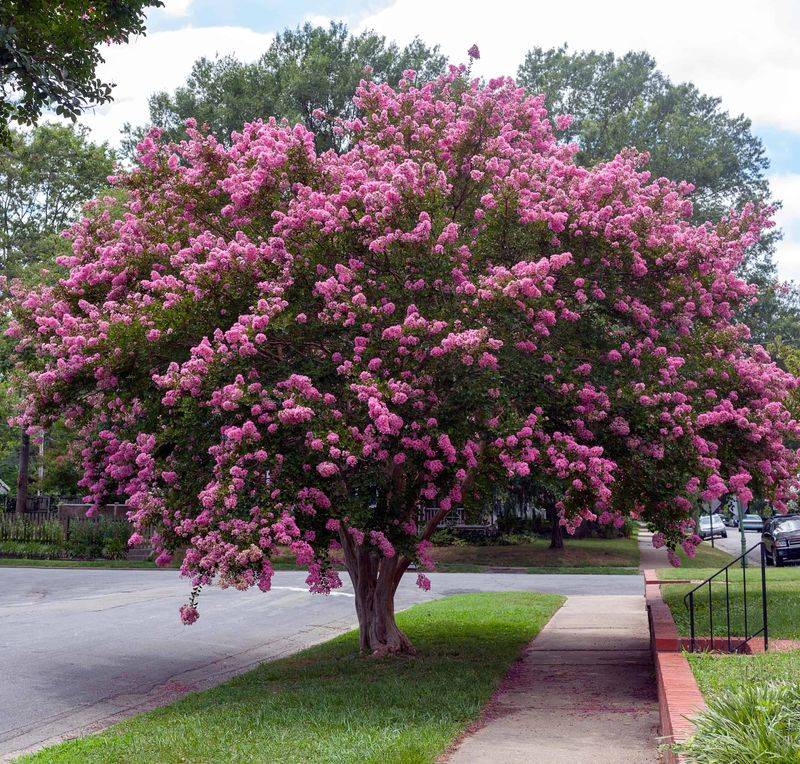
North, Central, and South Florida do not share the same late-summer and fall growing conditions. That difference matters when a gardener is deciding whether a late-season trimming attempt is worth the effort.
Warm temperatures fuel the active growth that produces new flower clusters after a tip is removed.
Gardeners in South Florida typically have more warm growing weather remaining after an August trimming than gardeners near the Georgia border. The four-to-six-week response window fits more comfortably into a South Florida fall.
In North Florida, cooler nights may arrive earlier and slow new growth. No rigid regional cutoff date exists in the authoritative literature.
Local microclimates, tree cultivar, and individual site conditions add more variation on top of regional patterns. Treating any date as a guaranteed endline oversimplifies what is actually a flexible, plant-driven process.
So, should you trim crepe myrtle flowers for one more fall bloom? Lightly removing spent terminal clusters can be worth trying on a manageable, vigorous tree that still has enough warm growing season ahead.
Heavy pruning just to force another flower display is not the answer. Keep the cut small, choose the right tree, watch the calendar, and let regional conditions guide your final call.