Why Iowa Gardens Are Seeing More Monarch Butterflies This Week
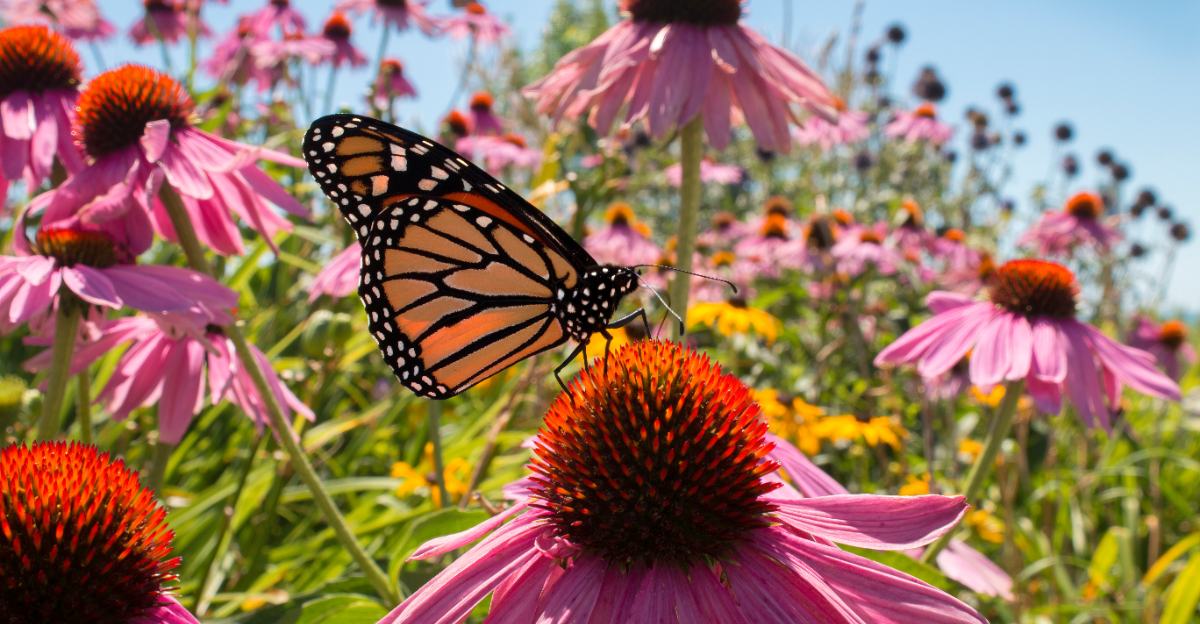
Orange wings are cutting across Iowa skies this week, and you have a front row seat. Something is pulling monarchs toward yards like yours in numbers nobody expected this early.
Countless generations of monarchs have mapped a route that somehow keeps leading back to Iowa. Your garden, planted on purpose or grown wild by accident, may be sitting right on that path without you realizing it.
Timing like this rarely happens by chance, and these butterflies are not choosing your yard at random. Certain forces are aligning right now, and few people stop to ask what they actually are.
Patterns like this do not last long, and missing the explanation means missing what makes this moment so rare.
Iowa’s Role In The Monarch’s Summer Breeding Range
Monarchs do not just pass through Iowa by accident. The state sits squarely inside the monarch’s core summer breeding range, making it one of the most important stops in North America.
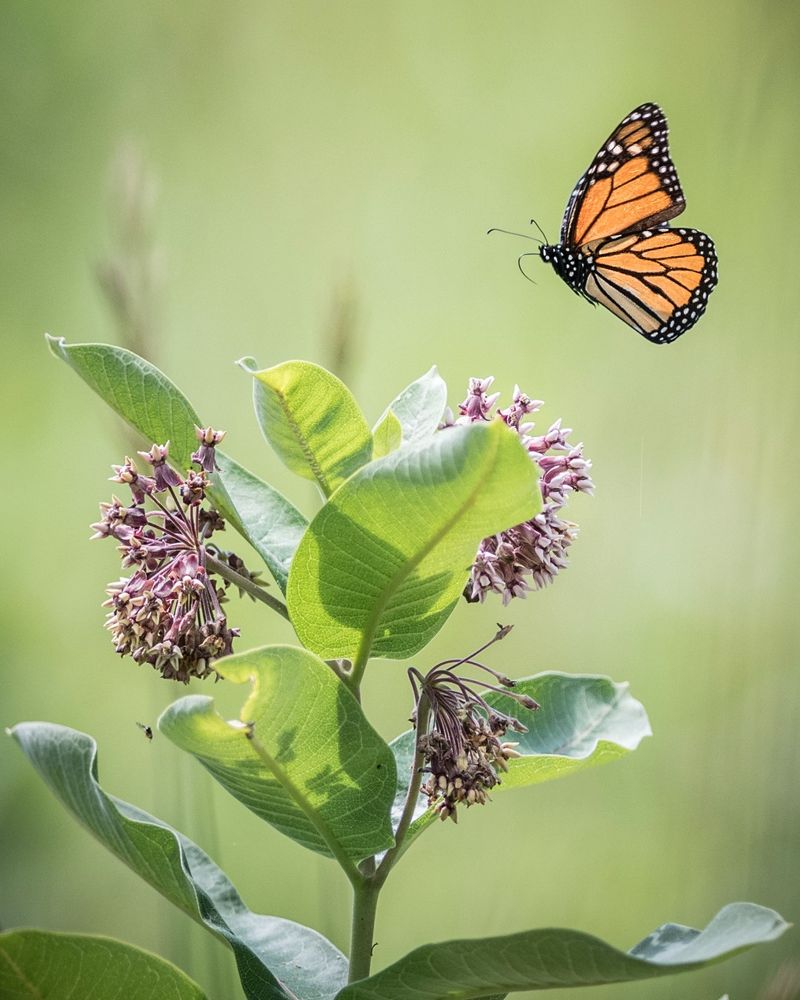
Female monarchs arrive in late spring to lay eggs on milkweed plants scattered across prairies, roadsides, and gardens. Each egg hatches into a caterpillar that feeds exclusively on milkweed leaves.
Iowa’s mix of prairie remnants, roadside patches, and backyard gardens creates pockets of habitat that monarchs depend on wherever they can find them. The state’s geography also places it along a well-documented monarch flyway that runs through the central U.S. each year.
Warm summers here mean multiple generations of monarchs can breed before fall migration begins. That means the butterflies you spot now may be the great-grandchildren of the ones that arrived in May.
Farmers and gardeners who preserve milkweed patches are quietly doing conservation work without even realizing it. Even a single healthy plant can support several caterpillars through the season.
This breeding success is a big part of what’s bringing so many butterflies through Iowa gardens this week. A strong summer season produces more adults ready to begin the southern journey.
Healthy breeding numbers translate into bigger migration waves. When conditions align just right, the result is a striking show of orange wings filling the late-summer sky.
Recognizing The Start Of Fall Migration
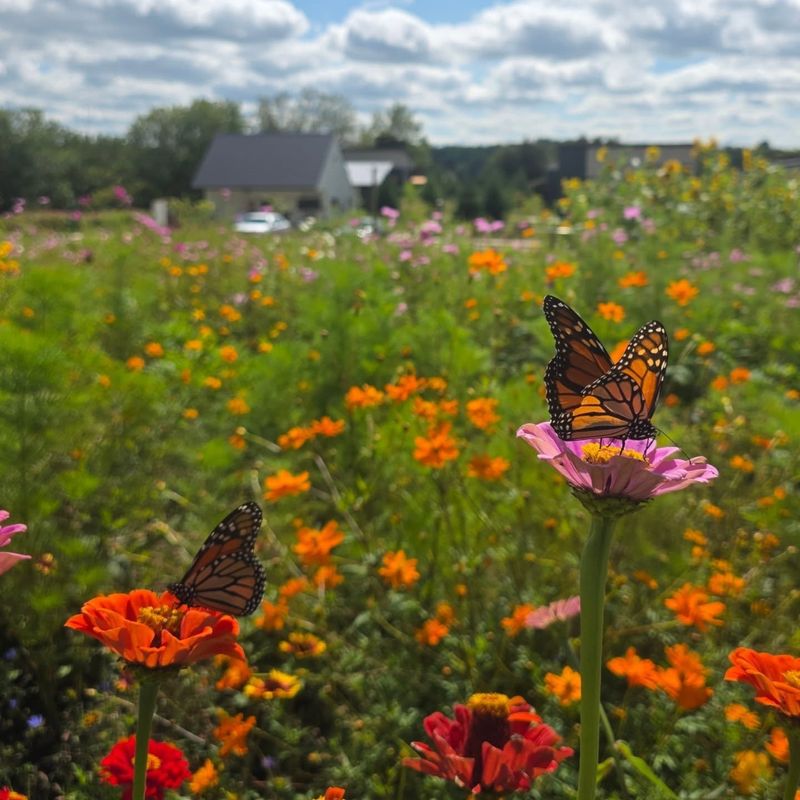
Late August hits, and suddenly your garden becomes a rest stop. Monarchs gather, rest, and fuel up before launching one of the longest insect migrations on Earth.
The shift from summer breeding to fall migration is triggered by shorter days and cooler nights. Monarchs sense these changes and begin preparing their bodies for a journey of over 2,000 miles.
Unlike their summer relatives, fall monarchs live much longer, sometimes up to eight months. They are biologically different, built to survive the long flight to Mexican overwintering sites.
You can spot the difference in behavior pretty easily. Summer monarchs zip around quickly looking for mates and egg-laying spots, while fall migrants move more slowly and deliberately, stopping often to feed.
Gardens full of late-blooming flowers become critical refueling stations. Butterflies landing on your coneflowers or zinnias right now are loading up on nectar to power their wings southward.
Your Iowa Garden Changes Every Week. Your Plan Should Too.
Gardening in Iowa changes quickly throughout the season. Every Friday you’ll receive a simple weekly plan showing exactly what to plant, prune, fertilize, harvest, and protect so you never miss the right timing.
Watching monarchs drift through your yard this week is watching migration happen in real time. Each one is following an ancient route with real precision.
The peak migration window for the state typically runs from late August through mid-September. Catching this window means witnessing one of the more remarkable natural events in the region.
Missing it is easy if you are not paying attention. Step outside on a sunny afternoon and look up.
Garden Plants That Fuel Their Journey South
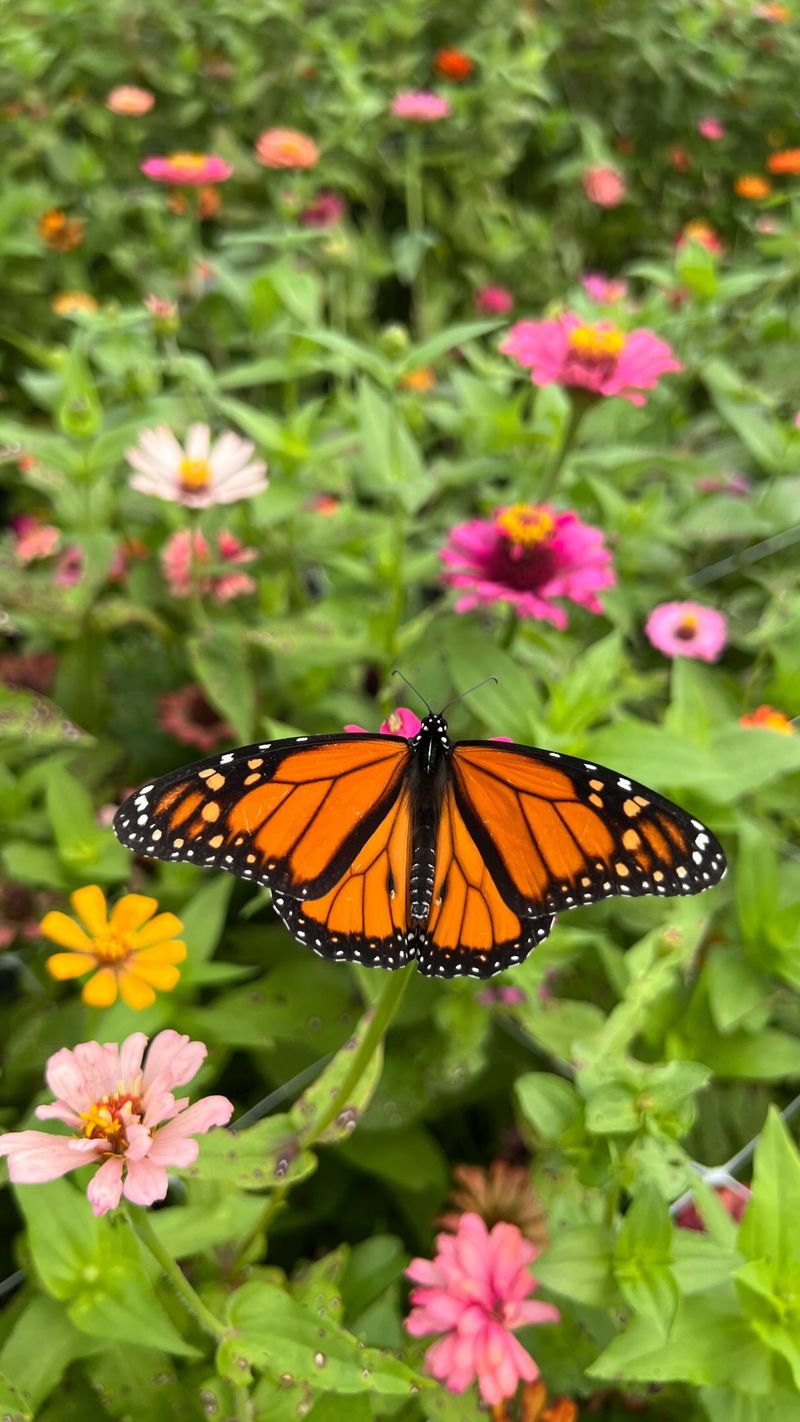
Monarchs are picky about their fuel. Not every flower makes the cut, and the right plants in your yard can make a real difference for a migrating butterfly.
Goldenrod is arguably the single most important nectar source during fall migration. It blooms at exactly the right time and produces rich, energy-dense nectar that helps monarchs build fat reserves.
Zinnias are another powerhouse plant that gardeners love for good reason. They are easy to grow, bloom for months, and draw monarchs in from surprising distances.
Coneflowers, also called echinacea, offer a wide landing pad and reliable nectar through late summer. Planting a mix of purple and yellow varieties extends your blooming window considerably.
Liatris, sometimes called blazing star, is a native prairie plant that monarchs favor heavily. Its tall purple spikes are hard to miss and often pull migrating butterflies in from nearby patches.
Native asters bloom in September and October, catching the tail end of migration perfectly. Adding a few aster plants near the edge of your garden creates a soft landing zone for tired travelers.
What’s currently blooming in your yard plays a real role in this week’s activity. A garden full of the right late-summer flowers gives passing monarchs a reason to stay a while.
Plant for the season they need, not just the season you love. A well-stocked fall garden gives every passing monarch a better shot at a strong, well-fueled journey south.
Milkweed’s Continued Importance For The Species
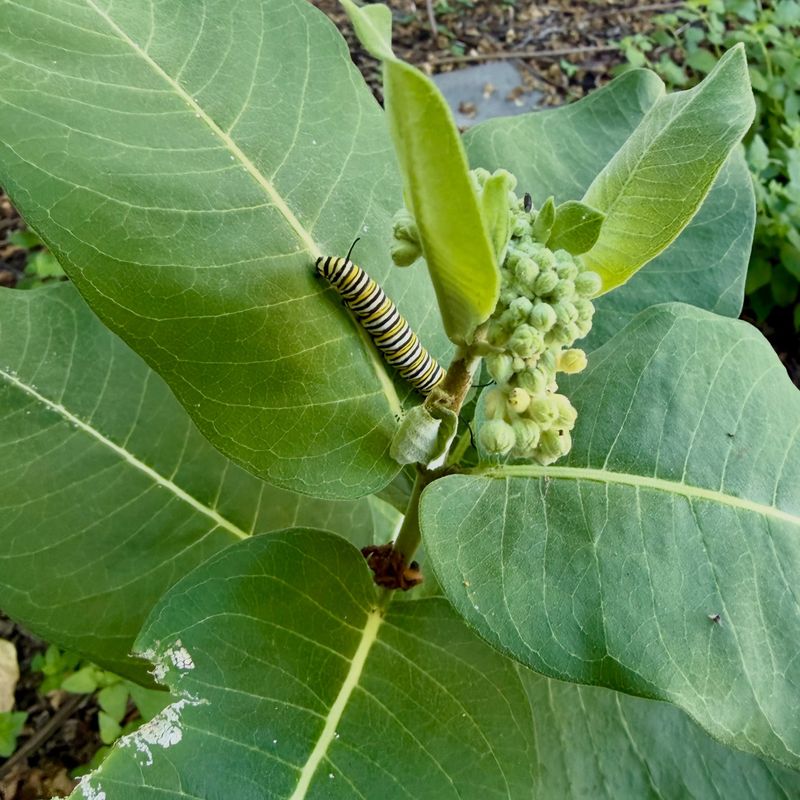
Few plants share as tight a bond with a single species as milkweed does with the monarch butterfly. Their futures are deeply tied together.
Milkweed is the primary plant monarch caterpillars rely on for food. Females will search tirelessly for it, and a garden without milkweed is far less likely to catch the attention of a breeding monarch looking for a place to lay eggs.
Common milkweed, native to the Midwest, is the gold standard for supporting monarchs. Its broad leaves feed caterpillars and its flowers provide nectar for adult butterflies at the same time.
Butterfly weed is a compact, drought-tolerant relative that works beautifully in smaller gardens. Its bright orange flowers are showstoppers in July and August, drawing monarchs in from surprising distances.
Swamp milkweed thrives in wetter spots and blooms in soft pink clusters. Planting it near a rain garden or low-lying area makes use of tricky landscape spots while supporting wildlife.
Tropical milkweed is popular at garden centers, but experts caution against using it in northern states. It can disrupt migration patterns if left standing too late into fall without being cut back.
Milkweed loss across the Midwest is one of the biggest threats the species faces, largely tied to shrinking natural habitat and reduced wild plant cover in farmland areas. Restoring even small patches can help offset that loss.
Planting even one milkweed in your yard is a meaningful act. It connects your garden to the broader effort to protect one of nature’s most beloved travelers.
Tracking And Tagging Efforts You Can Join
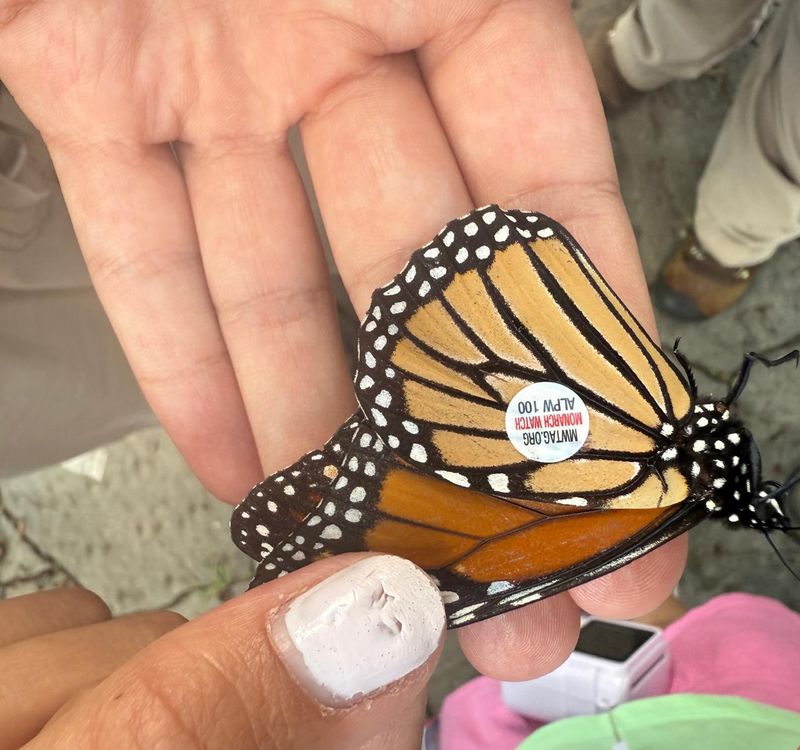
Citizen science sounds fancy, but it really just means regular people helping scientists collect data. Monarch tagging is one of the easiest and most rewarding ways to get involved.
Journey North is a free program that lets anyone report monarch sightings online. Your observation from a backyard in Cedar Rapids or Des Moines feeds into a broader migration map that researchers and enthusiasts track all season.
Monarch Watch, based at the University of Kansas, runs the largest butterfly tagging program in the country. Volunteers purchase tiny adhesive tags, apply them to monarchs, and release the butterflies to continue south.
Each tag carries a unique code. If a tagged butterfly is found at the overwintering sites in Mexico, researchers can trace it back to the exact location where it was tagged.
Tagging events are often hosted by nature centers, state parks, and schools throughout August and September. Searching for local events near you can turn a Saturday morning into a memorable outdoor experience.
You do not need any special training to participate. Most programs offer short tutorials, and experienced volunteers are typically happy to walk newcomers through the process step by step.
Kids are especially enthusiastic taggers. Holding a live monarch, feeling its wings flutter in your palm, and knowing you helped track it south tends to leave a lasting impression.
Joining these efforts places you inside a global conservation story. Your small act of tagging becomes part of something much larger than your own garden.
Simple Ways To Make A Yard More Butterfly Friendly
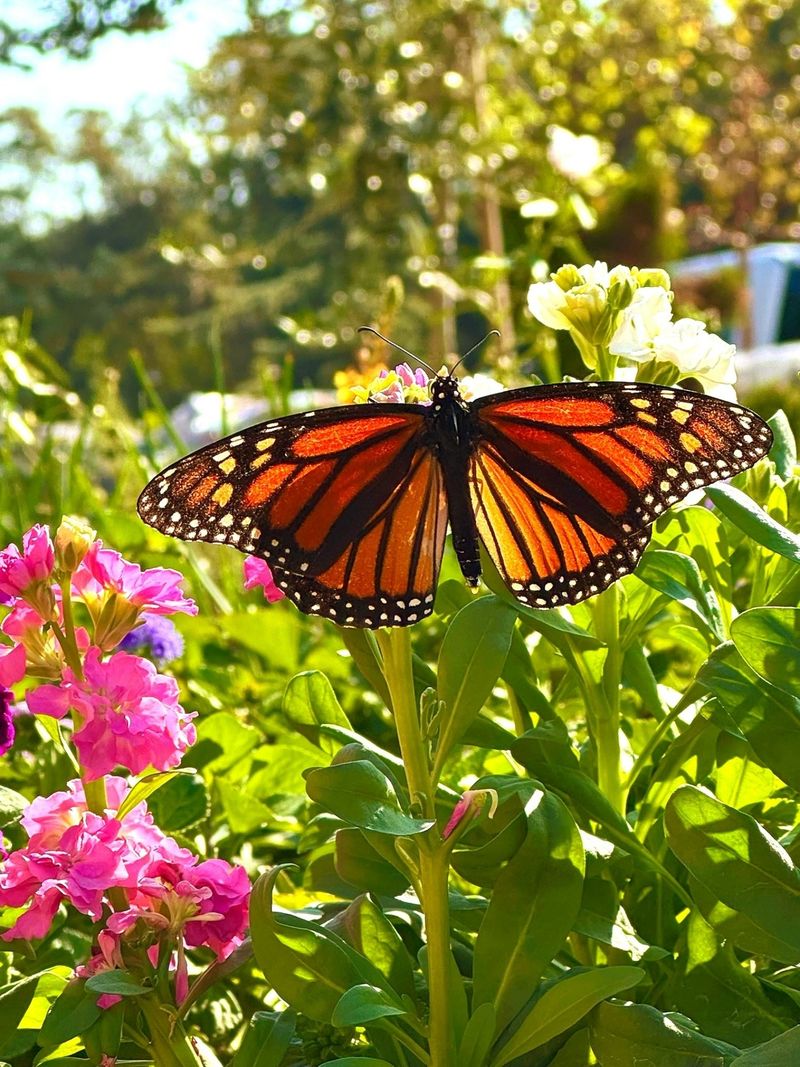
You do not need a big budget or a landscape degree to turn your yard into a monarch magnet. Small changes made now can pay off in a big way during peak migration weeks.
Start by adding a shallow dish of water with pebbles or marbles inside. Butterflies need water but struggle to land safely on open surfaces, so the stones give them a dry perch to drink from.
Skip the pesticides near flowering plants whenever possible. Even products labeled as safe for bees can harm butterflies, and a chemical-free garden is far more welcoming to all pollinators.
Leave some leaf litter and stems standing through fall and winter. Many beneficial insects overwinter in dry plant material that most people rake away without a second thought, so a slightly messier yard often supports more wildlife.
Create a sunny, sheltered spot with flat stones for butterflies to bask on. Monarchs are cold-blooded and need warmth from the sun to power their flight muscles before taking off each morning.
Group your flowering plants in clusters rather than spreading them out one by one. A mass of blooms is far more visible to a passing butterfly than isolated plants scattered across a large space.
Reducing lawn area and replacing it with native plantings is one of the higher-impact changes a homeowner can make. Even a small patch of natives tends to outperform a traditional lawn for wildlife value.
More people making these small choices is part of what’s bringing extra monarch activity to yards this week. Your yard is already part of the solution.