This Georgia Native Shrub Can Handle The Dry Soil Where Azaleas Struggle
Dry soil can make some garden favorites difficult to grow. When azaleas struggle in the same spot, another choice may work much better.
Stop fighting a garden bed that naturally stays dry. The right shrub can make that space easier to manage.
Georgia has native options that handle these conditions better than thirsty garden favorites.
You can still get attractive flowers and seasonal interest from a tougher plant. Better yet, you will not spend every warm stretch worrying about the same dry soil.
Look closely at the conditions before choosing another shrub for that space.
Sometimes the smartest garden fix is not changing the soil at all. Choosing a plant that already suits the location can turn a frustrating corner into one of the easiest parts of your yard.
1. New Jersey Tea Is The Native Shrub Behind This Tough Reputation
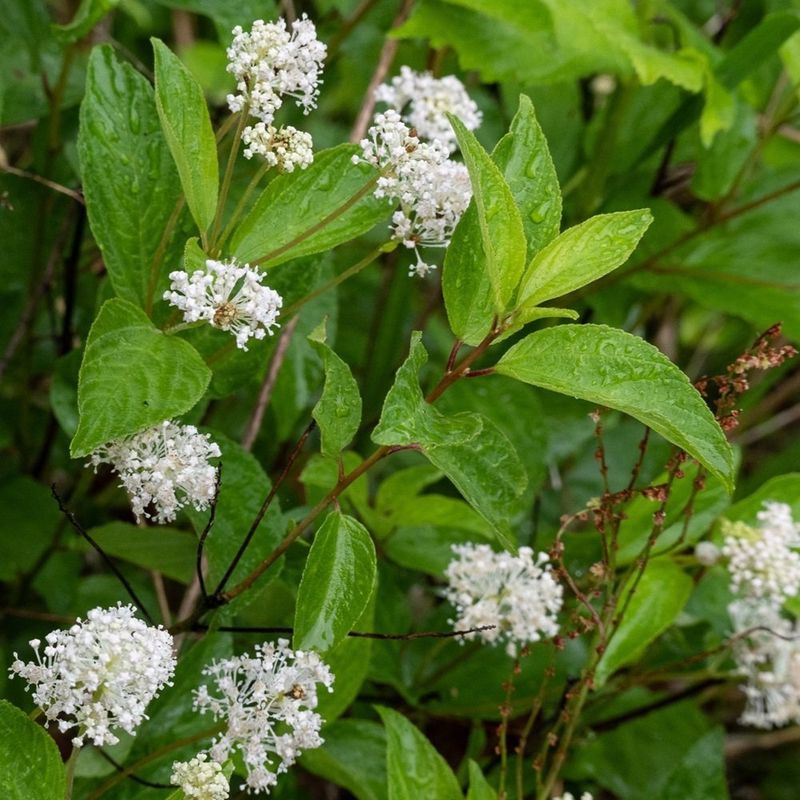
Ceanothus americanus earned its common name during the American Revolution, when colonists brewed its leaves as a tea substitute. That history alone makes it worth knowing.
Beyond the story, though, this shrub has built a serious reputation as one of the toughest native plants in the eastern United States.
Most gardeners in Georgia discover it after years of watching other shrubs struggle in dry, exposed spots. New Jersey Tea handles those conditions without much fuss.
Sandy soil, rocky slopes, and full sun rarely slow it down once it gets established.
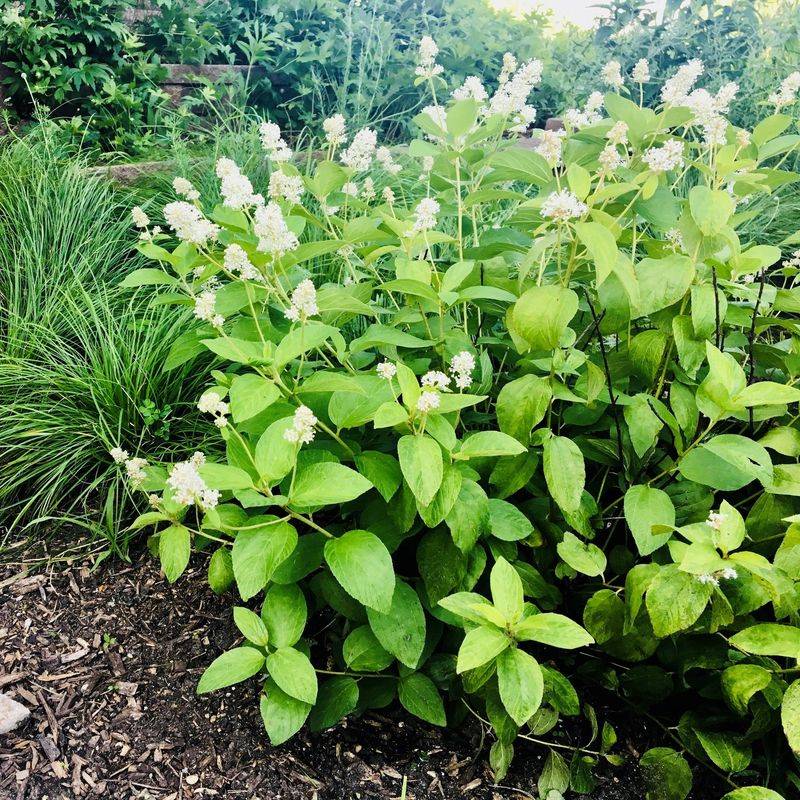
Reaching about two to four feet tall and wide, it stays compact and manageable.
Pruning is rarely necessary. It naturally keeps a tidy, rounded shape without much help from the gardener.
Root systems on this shrub grow deep and wide over time.
Those roots anchor the plant through dry summers and help it access moisture that shallow-rooted plants simply cannot reach.
Native to much of the eastern half of North America, it fits naturally into Georgia landscapes without needing extra soil amendments or fertilizers. Planting a shrub that already belongs to the region tends to work out better in the long run.
New Jersey Tea is proof that native plants can be both practical and attractive in a home garden setting.
2. Dry Well-Drained Ground Gives It The Conditions It Prefers
Wet, heavy clay is where this shrub runs into trouble. Well-drained or even dry ground is where it genuinely performs well.
That preference flips the script on most shrubs, which tend to want consistent moisture.
Sandy loam, gravelly slopes, and rocky hillsides all suit New Jersey Tea nicely.
If your yard has a spot that drains fast after rain and bakes in summer heat, this shrub is worth considering for that location.
Poor soil quality is not a problem here. Nitrogen-fixing bacteria attach to the roots of this plant, helping it pull nutrients from the air and feed itself even in lean soil conditions.
Compacted soil can limit root growth, so loosening the planting area a bit before installing the shrub is a smart move.
Beyond that, soil amendments are generally not needed or recommended for this species.
Your Georgia Garden Changes Every Week. Your Plan Should Too.
Gardening in Georgia changes quickly throughout the season. Every Friday you’ll receive a simple weekly plan showing exactly what to plant, prune, fertilize, harvest, and protect so you never miss the right timing.
Standing water is the one condition to avoid.
Soggy ground during winter or extended rainy periods can stress the root system more than summer heat ever will.
Choosing the right planting spot matters more than almost anything else with this shrub. Get the drainage right from the start, and New Jersey Tea tends to settle in and thrive without requiring much ongoing attention from the gardener afterward.
3. Its Smaller Size Fits Into Spots Larger Shrubs Can Overwhelm
Not every yard has room for a six-foot shrub. Smaller spaces need plants that stay proportional, and New Jersey Tea fits that need well.
Most plants top out between two and four feet tall, which keeps them from crowding out neighboring plants or blocking views.
Narrow side yards, dry foundation beds, and sloped areas along driveways are all reasonable spots for this shrub. It fills space without taking over, which is harder to find than most gardeners expect.
Mixed native plantings benefit from having a mid-sized shrub like this one.
It bridges the gap between low groundcovers and taller background plants, giving the planting bed a layered, natural look without extra effort.
Container growing is possible for a season or two, but this shrub develops a deep taproot over time. Transplanting becomes more difficult as the plant matures, so choosing a permanent location early saves a lot of effort later.
Urban and suburban gardens in Georgia often have awkward corners or dry strips where larger plants fail. New Jersey Tea handles those spots without needing irrigation systems or special soil prep.
Compact size also means less pruning, less cleanup, and less overall maintenance. For gardeners who want something attractive without constant upkeep, a smaller native shrub like this one is genuinely practical.
4. White Flower Clusters Brighten The Shrub During Summer
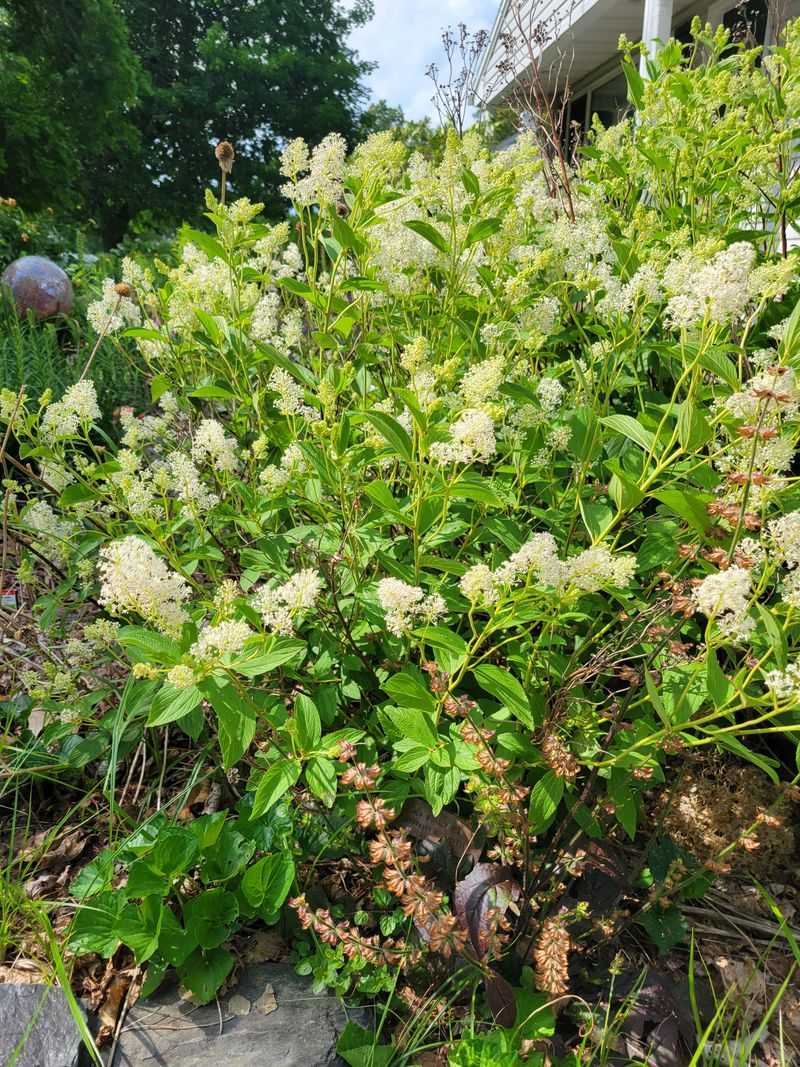
White flowers on a shrub can look sharp and clean in any garden setting.
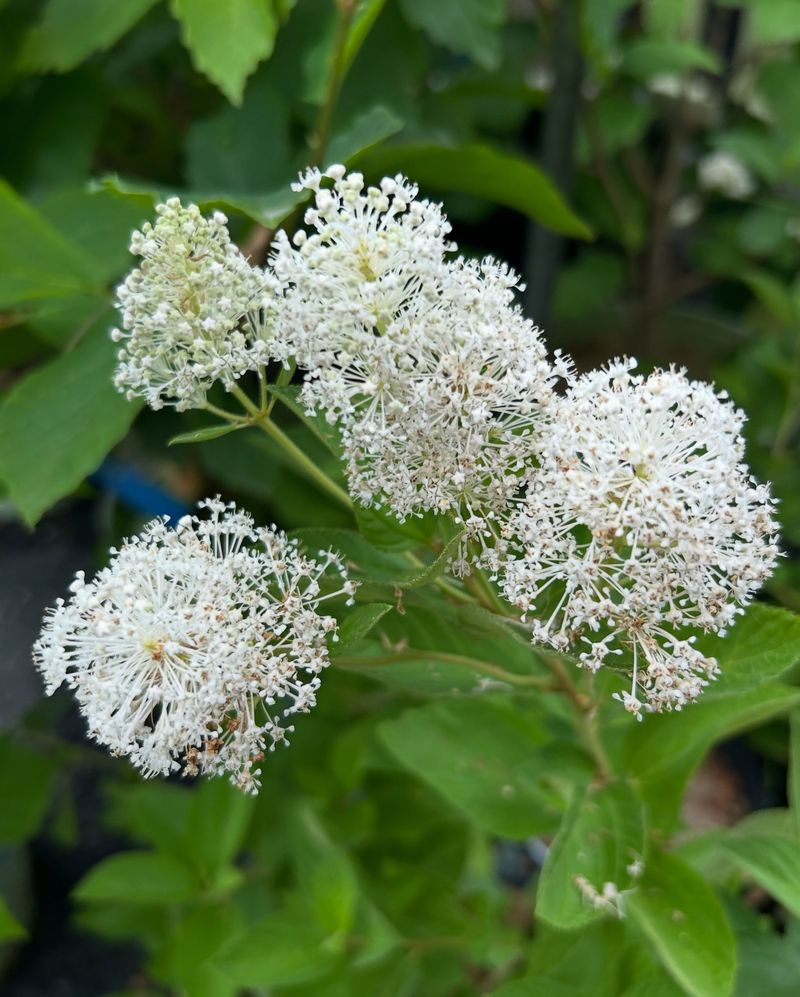
New Jersey Tea produces dense, cone-shaped clusters of tiny white blooms that appear in late spring through early summer, typically from May into July depending on local conditions.
Each flower cluster sits at the tip of a branch, and healthy plants can produce dozens of clusters at once. During peak bloom, the shrub looks almost entirely white from a short distance away.
Fragrance is part of the package. Blooms carry a mild, pleasant scent that becomes more noticeable on warm afternoons when you walk close to the plant.
Unlike many flowering shrubs, New Jersey Tea blooms on new growth.
That means a light pruning in early spring will not reduce the flower count later in the season, which gives gardeners a bit more flexibility when shaping the plant.
Bloom time lines up with a stretch of summer when many other native shrubs have already finished flowering. That timing fills a gap in the garden’s seasonal display and keeps the yard looking active through the hottest months.
After blooming, small dark seed capsules replace the flowers. Those capsules add minor visual interest into fall and provide food for birds that forage in the garden through the later part of the season.
5. Blooms Draw Pollinators While The Garden Is Fully Active
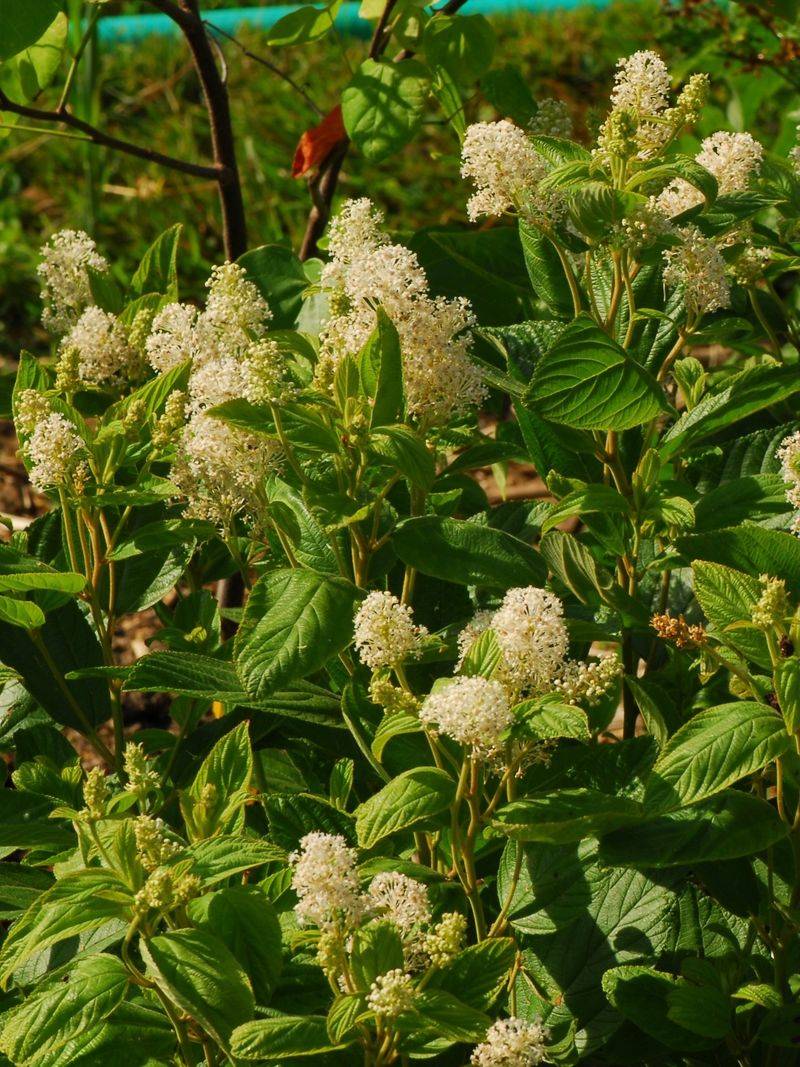
Bees find this shrub fast. Native bees, bumble bees, and honeybees all visit the flowers regularly during bloom time, and on a warm morning the plant can be buzzing with activity.
Bloom timing matters for pollinators.
New Jersey Tea flowers in early to midsummer, which overlaps with a period when many pollinators are actively foraging and raising young.
That timing makes the plant genuinely useful rather than just decorative.
Beetles, wasps, and flies also visit the flowers. Ceanothus species are known to support a wide range of insect visitors, not just the most familiar pollinators like bees and butterflies.
Gardens that include native flowering shrubs tend to support more pollinator diversity over time. Adding New Jersey Tea alongside other native plants creates more consistent food sources across different bloom periods.
Planting near vegetable gardens or fruit trees can benefit those plants indirectly.
More pollinators active in the yard generally means better pollination rates for nearby crops, though results will vary based on many factors.
Avoiding pesticide use near the shrub during bloom time protects visiting insects. Even products considered low-risk can affect pollinators when applied directly to flowering plants.
Letting the plant bloom fully without deadheading gives pollinators the longest possible access to the flowers each season.
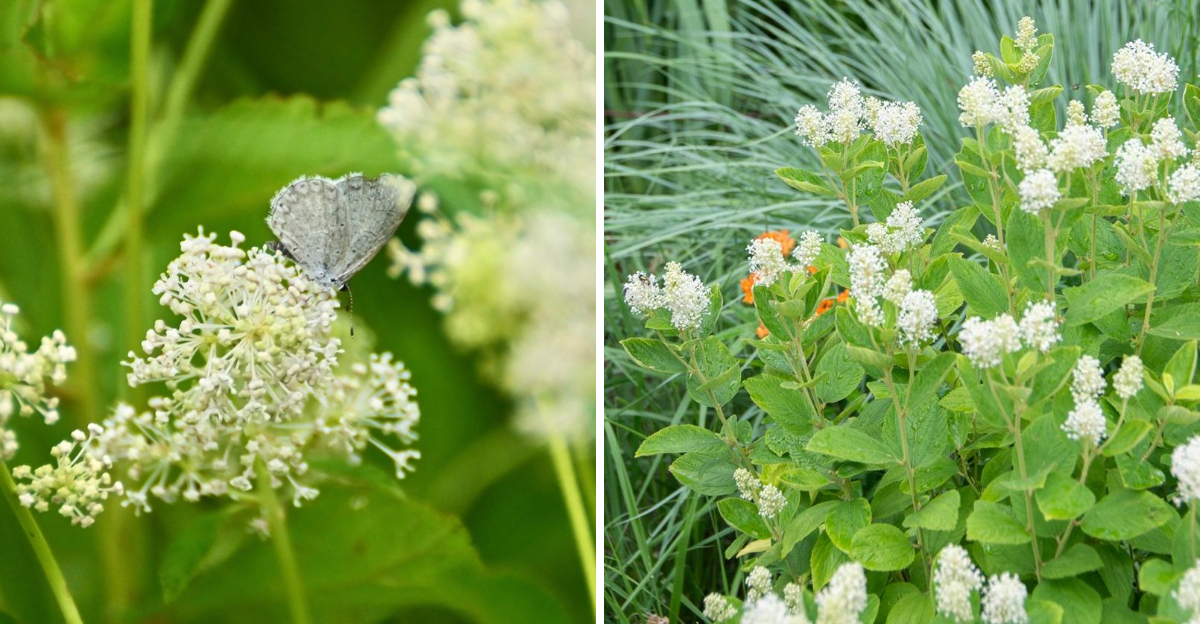
6. Summer Azure Butterflies Depend On It As A Host Plant
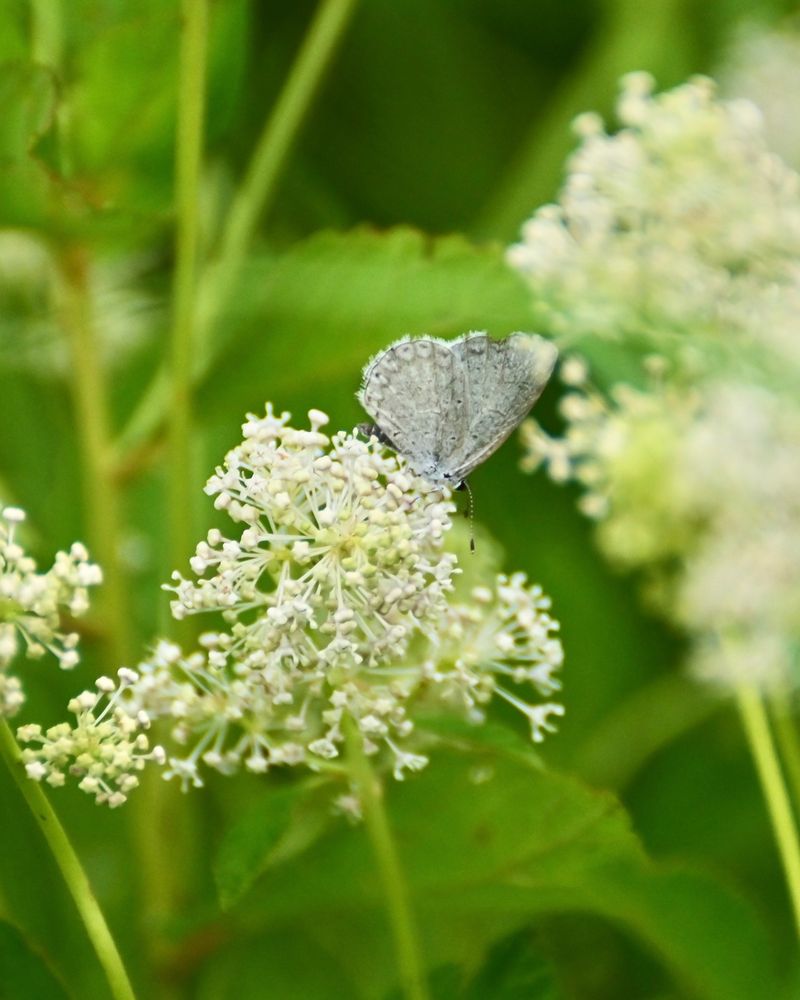
Summer Azure butterflies have a specific relationship with this shrub that goes well beyond just visiting for nectar.
Females lay eggs directly on the flower buds, and the caterpillars feed on the blooms and developing seed capsules as they grow.
That makes New Jersey Tea a true host plant for this species, not just a food source.
Without host plants, butterfly populations cannot reproduce. Planting shrubs that support larval development has a bigger conservation impact than planting for nectar alone.
Summer Azures are small, pale blue butterflies that are easy to overlook at first glance. Once you know what to look for, spotting them near a blooming New Jersey Tea in June becomes a satisfying part of the garden experience.
Caterpillars on this shrub are tiny and well-camouflaged. Most gardeners never notice them, and the feeding damage they cause is usually minimal and does not harm the plant significantly.
Other Ceanothus-feeding insects also use the plant throughout the season.
Supporting a host plant like this one adds a layer of ecological function that purely ornamental shrubs cannot provide.
Georgia gardeners interested in supporting native butterfly populations have limited options among shrubs. New Jersey Tea fills that role reliably and looks good doing it, which is a combination that is worth planting for.
7. New Shrubs Need Regular Water Until Their Roots Settle In
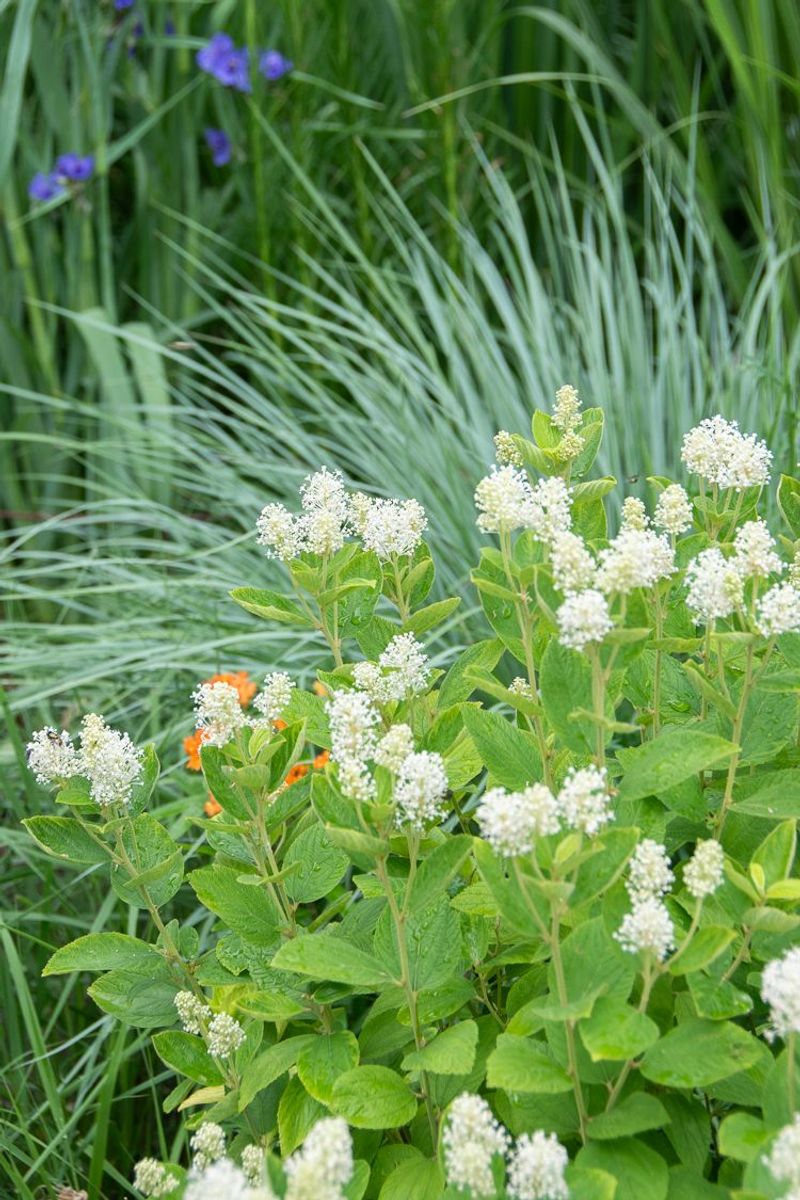
Drought tolerance does not kick in right away. Newly planted New Jersey Tea shrubs need consistent watering during their first growing season while the root system gets established in the surrounding soil.
Watering once or twice per week during dry stretches is a reasonable starting point for new plants. Deep, infrequent watering encourages roots to grow downward rather than staying shallow near the surface.
Mulching around the base of the plant helps retain soil moisture and keeps the root zone cooler during hot summer months.
A two to three inch layer of wood chip mulch works well, but keep it a few inches away from the main stem.
After one full growing season, most plants start showing signs of improved drought tolerance.
By the second or third year, established shrubs in well-drained sites often get through dry summers with little or no supplemental water.
Overwatering during establishment is a real risk. Soggy soil around the roots creates conditions that can stress the plant more than dry soil would.
Letting the top inch of soil dry out between waterings is a practical guide.
Planting in fall gives roots extra time to settle before summer heat arrives. Georgia gardeners who plant in September or October often see stronger, faster establishment compared to spring-planted shrubs in the same conditions.