The Yellow Pennsylvania Native You’ll Start Seeing Everywhere As Fall Approaches
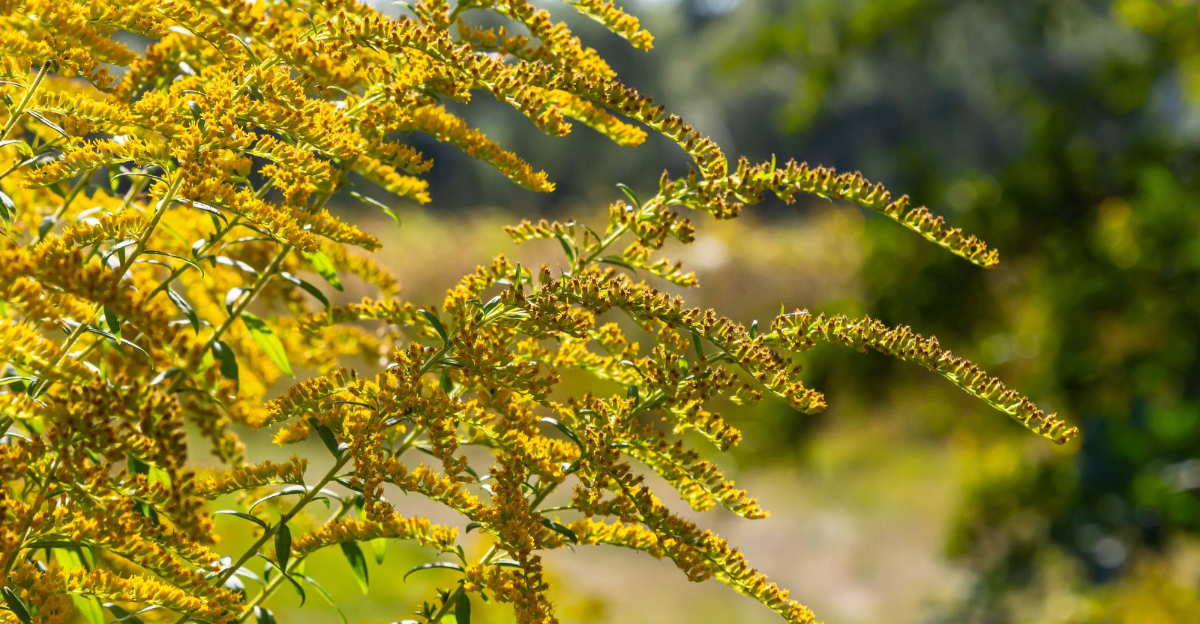
There is a moment every late summer when the roadsides, meadows, and open fields just light up with yellow, and it happens so reliably that it starts to feel like the landscape’s way of announcing a seasonal shift.
A big part of that golden display comes from tall goldenrod, known botanically as Solidago altissima, one of the most widespread and visually impactful native wildflowers around.
Flora of Pennsylvania confirms it as a genuine native, present throughout the state and commonly found in fields, open woods, and along roadsides.
Its flowering period stretches from late summer well into fall, which makes it one of the longest-performing wildflowers you can spot as the season begins to turn.
Once you know what you are looking at out there in a Pennsylvania meadow or roadside, it is genuinely hard to stop noticing it.
1. Tall Goldenrod Turns Roadsides Yellow As Fall Approaches
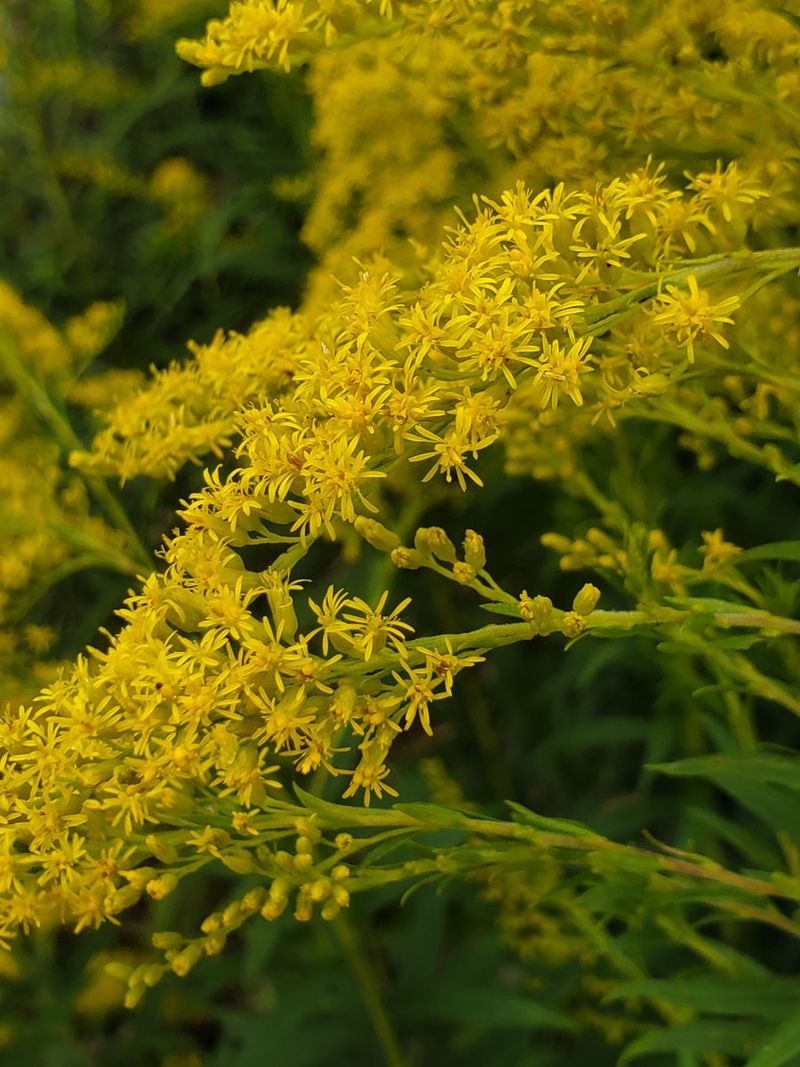
Yellow clusters of flowers lining roadsides are one of the most recognizable signs that summer is winding down.
As late summer moves into early fall, those roadside bursts of gold become harder to ignore, and tall goldenrod is often at the center of that seasonal display.
Flora of Pennsylvania specifically identifies tall goldenrod as a species people are especially likely to encounter along roadsides, making it one of the most commonly spotted goldenrods in the state.
Solidago altissima grows in disturbed open areas, and roadsides provide exactly that kind of habitat. Mowing, soil disturbance, and full sun exposure create conditions where tall goldenrod can establish itself and spread.
Over time, large colonies can form along road edges, producing the sweeping yellow displays that catch the eye of nearly every driver or walker passing through in late summer.
Its tall flowering stems can also rise above surrounding vegetation, making the yellow blooms especially noticeable from a distance.
As more stems come into flower, entire stretches of roadside can take on a golden appearance.
Not every yellow roadside flower is tall goldenrod, since the state is home to several goldenrod species that can look similar from a distance.
Still, Solidago altissima is considered one of the more commonly encountered roadside goldenrods across Pennsylvania.
That seasonal flash of yellow along highways and back roads is a reliable late-summer signal, and tall goldenrod deserves a good portion of the credit for painting those familiar roadside scenes gold each year.
2. Late-Summer Blooms Bring Color To Open Pennsylvania Landscapes
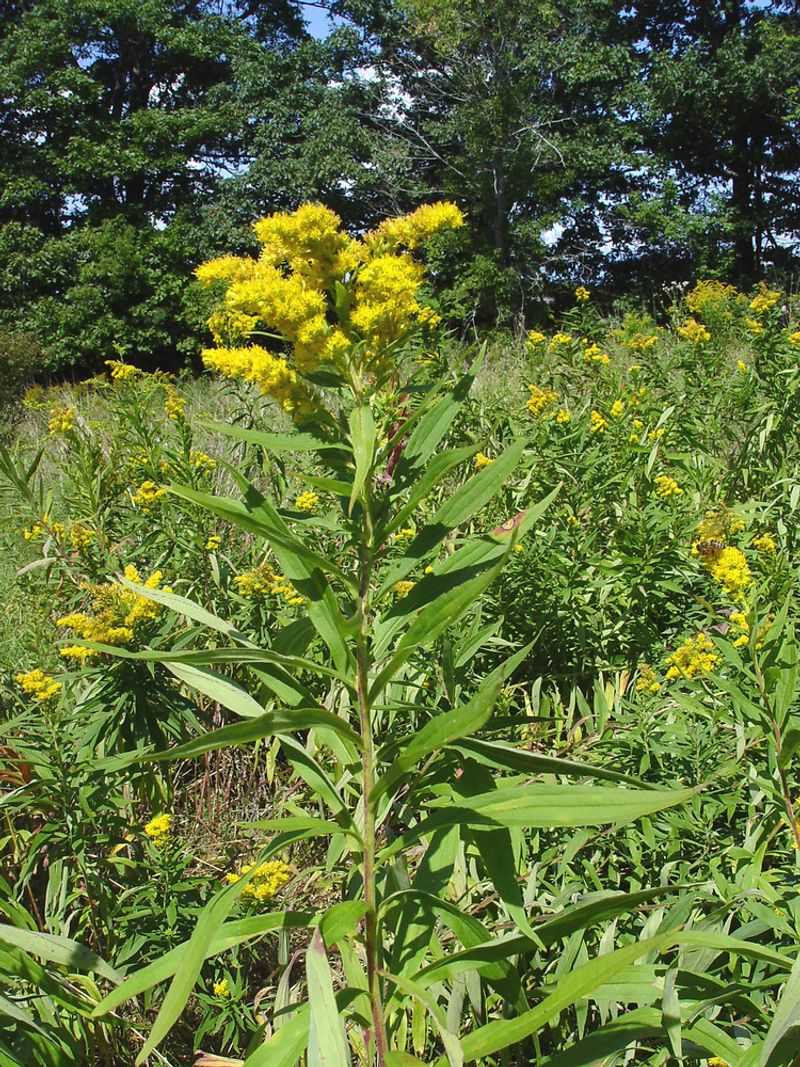
Open landscapes take on a noticeably warmer color palette as summer fades.
Penn State has described late-summer and autumn meadows as taking on golden hues as goldenrods reach their peak flowering, and the Department of Conservation and Natural Resources has also noted goldenrod adding yellow color to fields during fall.
Tall goldenrod contributes meaningfully to that seasonal color shift, though it is not the only yellow-flowering native plant visible at this time of year.
What makes goldenrod so visually striking is the sheer number of small flower heads packed together on each plant.
Your Pennsylvania Garden Changes Every Week. Your Plan Should Too.
Gardening in Pennsylvania changes quickly throughout the season. Every Friday you’ll receive a simple weekly plan showing exactly what to plant, prune, fertilize, harvest, and protect so you never miss the right timing.
When many plants bloom together across a field or open slope, the effect is a broad wash of warm yellow that reads clearly even from a moving vehicle.
That massed color is part of why goldenrod has become so closely associated with the look and feel of late summer across the region.
Other native wildflowers, including sunflowers and various asters, also contribute to the late-season display, but goldenrods tend to dominate in many open settings.
Tall goldenrod, with its height and large flower clusters, stands out even among other goldenrod species.
For Pennsylvania residents watching the landscape shift from summer green to early fall gold, Solidago altissima is one of the most visible native plants driving that seasonal transformation each year.
3. Fields And Meadows Provide Familiar Goldenrod Habitat
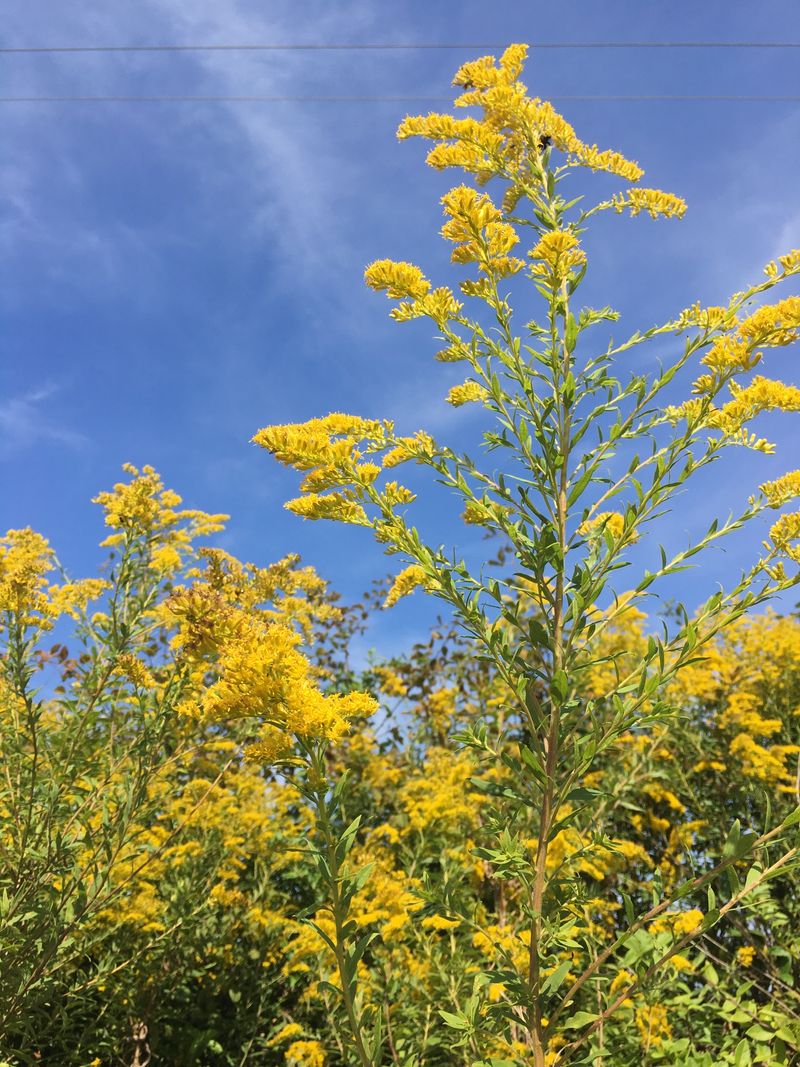
Spend any time driving through rural areas in late summer and you will notice just how many fields and meadows seem to glow with yellow. Tall goldenrod is a familiar presence in those open spaces.
Flora of Pennsylvania lists fields, roadsides, and open woods among the habitats where Solidago altissima commonly occurs, making it a plant that fits naturally into many of the open and semi-open landscapes found throughout the state.
Disturbed land often favors tall goldenrod. Old farm fields, abandoned lots, utility corridors, and areas recovering from grading or clearing can all provide suitable growing conditions.
When land is left open and undisturbed for a season or two, goldenrod is frequently among the first native plants to move in and establish a visible presence. That ability to colonize open ground is part of why it becomes so noticeable across the landscape as fall approaches.
Travelers passing through in late summer often remark on the abundance of yellow wildflowers along field edges and in open clearings. Much of that yellow comes from goldenrod, and tall goldenrod is frequently part of the mix.
It does not occupy every meadow or field across Pennsylvania, but in suitable open habitats, it can form impressive colonies that turn large sections of the landscape a warm, cheerful gold well before the leaves begin to change color.
4. Tall Stems Carry Plumes Of Small Yellow Flowers
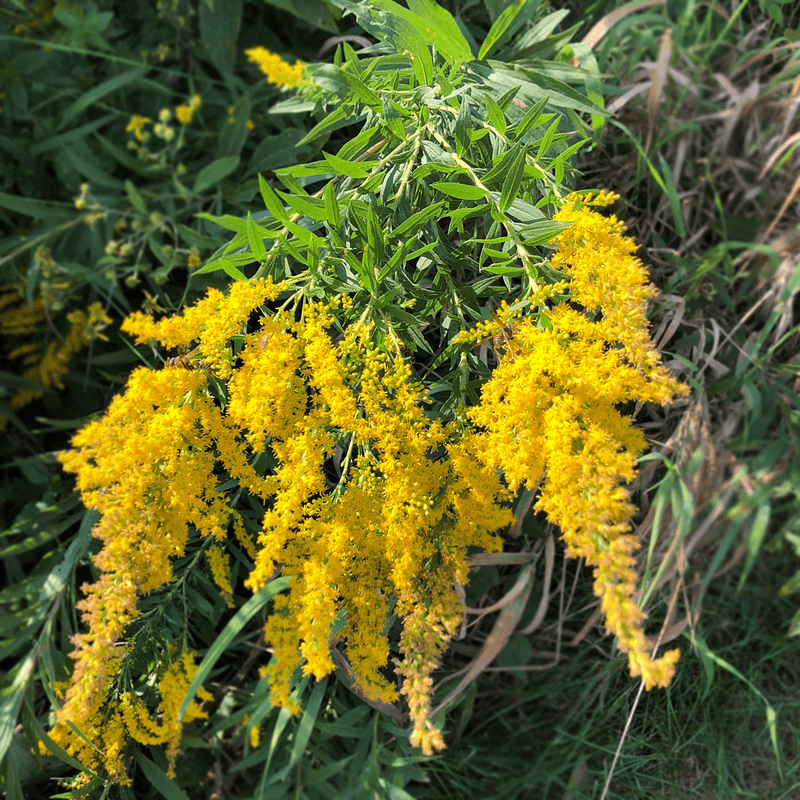
Up close, tall goldenrod has a look that is worth taking a moment to appreciate.
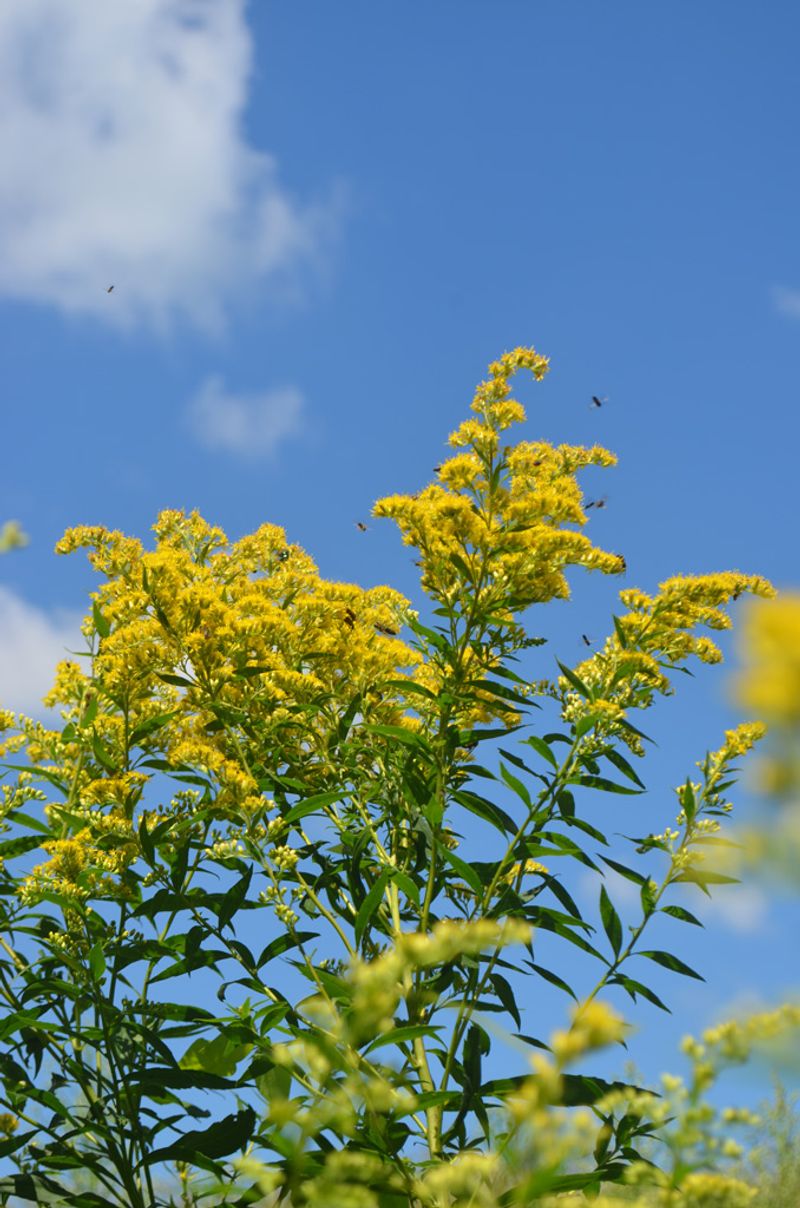
Flora of Pennsylvania describes Solidago altissima as a plant that can reach roughly three to seven feet in height, making it one of the taller wildflowers you might encounter in a Pennsylvania field or along a roadside.
The flower clusters form graceful, arching plumes composed of many small individual yellow flower heads, giving each plant a feathery, fountain-like top that is quite appealing when seen in person.
The leaves of tall goldenrod are lance-shaped and tend to have a rough texture on the upper surface, with fine hairs on the underside. The stems also carry small hairs, which can be one of several features worth examining when trying to identify the plant.
No single trait is enough to confirm identification on its own, but taken together, these characteristics provide a helpful starting point for anyone learning to recognize Solidago altissima in the field.
The overall impression of a tall goldenrod plant in full bloom is one of abundant, cheerful color. Those arching plumes of yellow catch the light well, especially on sunny late-summer days, and the plant’s height means the flower clusters are often visible from a distance.
For Pennsylvania residents just beginning to notice goldenrod in the landscape, paying attention to plant height and flower cluster shape is a reasonable first step toward putting a name to those familiar golden plumes.
5. A Long Bloom Period Can Stretch Well Into Fall
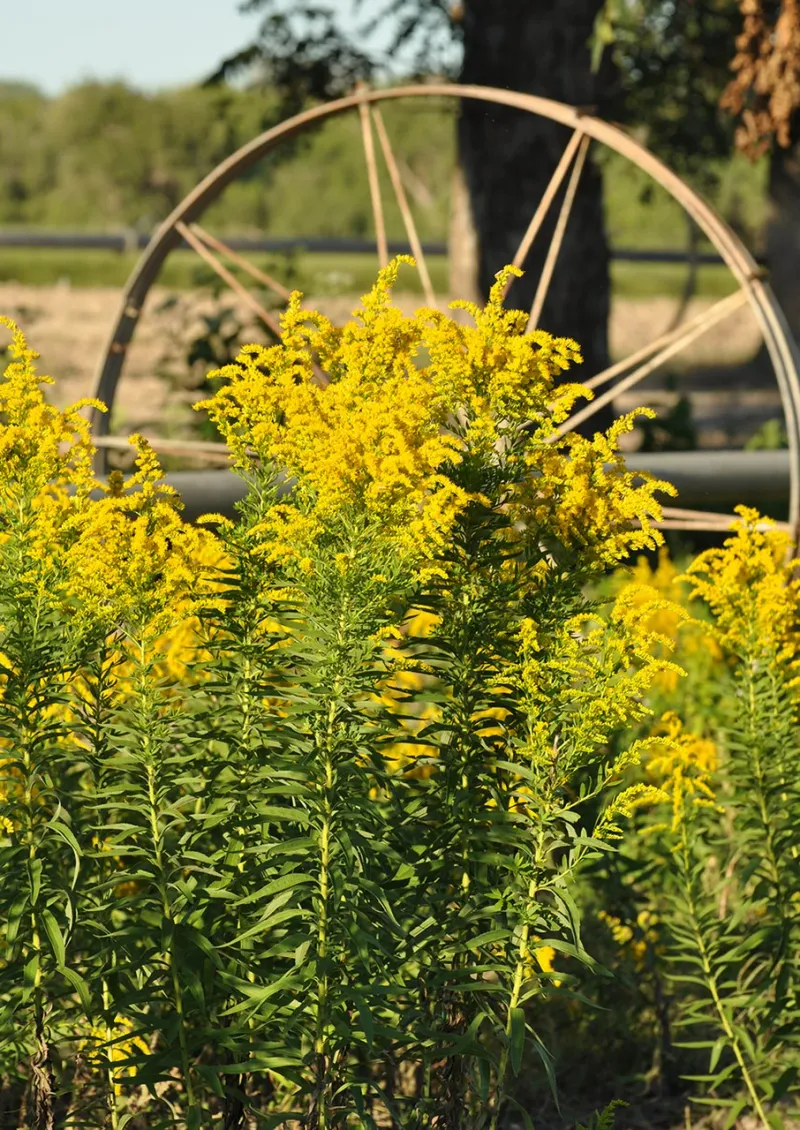
Few native wildflowers have a bloom period as extended as tall goldenrod. Flora of Pennsylvania records Solidago altissima flowering from July through November, with the main flowering period described as extending from late summer into fall.
That is a remarkably long window for a single plant, and it helps explain why goldenrod feels so present in the landscape for such a sustained stretch of the year.
Of course, observed flowering times can vary. Location within the state, local weather patterns, individual plant variation, and seasonal conditions all influence when a particular plant begins flowering and how long it stays in bloom.
Not every tall goldenrod will flower through November, and some plants may begin earlier or finish sooner depending on their specific setting. The recorded range gives a useful general picture, but real-world observations will not always match it exactly.
What the long bloom period does mean is that tall goldenrod bridges the gap between summer and fall in a meaningful way.
When many other native wildflowers have already finished blooming, goldenrod is still going strong, keeping color in the landscape and keeping resources available for the insects that depend on late-season flowers.
For Pennsylvania residents watching the seasonal shift, the persistent presence of goldenrod blooms is one of the clearest botanical signals that summer is fading and fall is genuinely on its way.
6. Late Flowers Provide Valuable Food For Pollinators
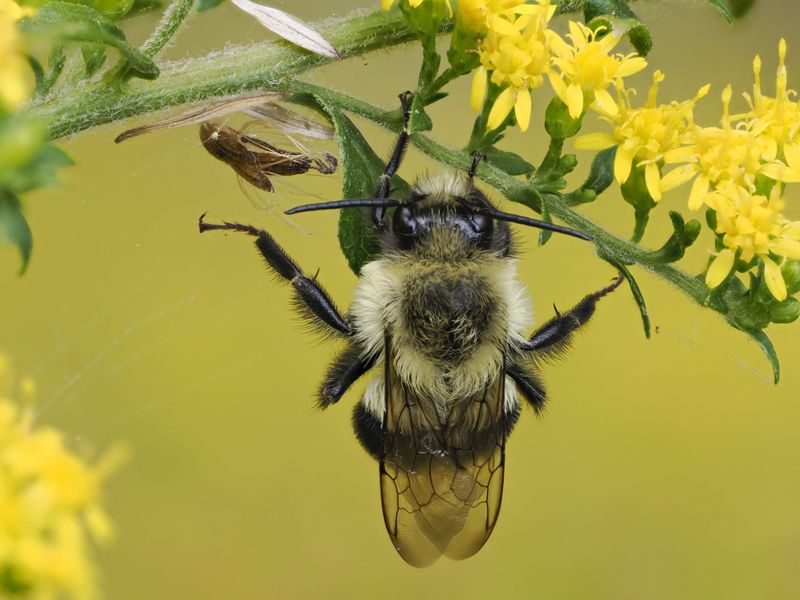
Walk up to a patch of tall goldenrod in full bloom and you will likely hear it before you fully see what is happening. The hum of insect activity around goldenrod flowers can be surprisingly lively, especially on warm, sunny late-summer days.
Penn State has noted that most goldenrods reach peak bloom in late summer through fall, a time when fewer other plants may be flowering, making their flowers a valuable food resource for pollinators that are still active.
Bees, wasps, flies, butterflies, and beetles are among the many insects that visit goldenrod flowers for nectar and pollen. The timing of goldenrod’s bloom makes it especially useful because many insects are still building energy reserves heading into the colder months.
Penn State has also noted that goldenrods support the larvae of numerous beneficial native insects, adding to their ecological value beyond just providing flowers for visiting adults.
Tall goldenrod’s contribution to late-season pollinator support is part of what makes it ecologically significant as a Pennsylvania native.
When the landscape is transitioning and many summer flowers have already finished, a large patch of goldenrod can function as a reliable late-season resource.
For anyone interested in supporting native pollinators in Pennsylvania, the presence of goldenrod in nearby fields, roadsides, or open spaces is genuinely worth appreciating as fall draws closer each year.
7. Sunny Open Spaces Suit This Widespread Pennsylvania Native
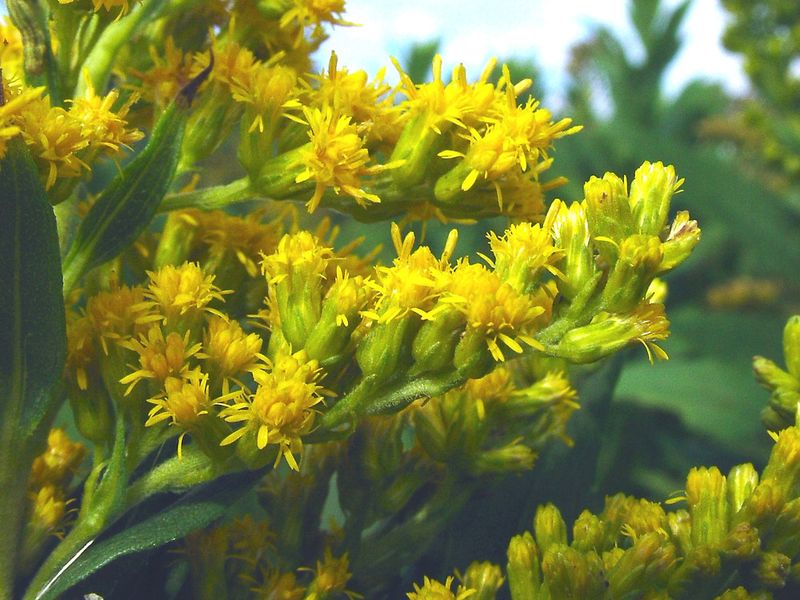
Bright, open growing conditions seem to bring out the best in tall goldenrod. Its natural habitats, including fields, roadsides, clearings, thickets, and open woods, share a common thread of good light exposure and relatively open canopy.
Flora of Pennsylvania documents Solidago altissima in these kinds of settings across the state, and observing where goldenrod thrives in the wild gives a useful sense of the conditions it tends to prefer.
Penn State has noted that goldenrod species can vary in their exact soil and light requirements, so it is worth being careful about applying general goldenrod advice to Solidago altissima specifically.
Tall goldenrod is most reliably associated with open, sunny habitats based on its documented natural occurrences.
It is a plant that fits naturally into the kinds of semi-wild, open spaces common throughout the region, from rural farm edges to suburban field margins.
State DCNR encourages the use of native plants in landscaping and notes their adaptation to local environmental conditions. If you are interested in growing goldenrod at home, sourcing plants or seeds from reputable native plant growers is a responsible approach.
Avoiding the collection of plants from wild roadside populations protects those natural stands.
A sunny spot with reasonable growing conditions may provide a good starting point for exploring whether tall goldenrod fits your Pennsylvania garden or naturalized planting area.
8. Similar Goldenrod Species Can Make Identification Tricky
Pennsylvania is home to a notable number of goldenrod species, and sorting them out can be genuinely challenging even for experienced plant enthusiasts.
Flora of Pennsylvania specifically notes that tall goldenrod is difficult to distinguish from several similar species.
Canada goldenrod and smooth goldenrod are among the species that can look quite similar to Solidago altissima, and telling them apart often requires a closer look at several plant features together rather than relying on any single characteristic.
Stem texture is one feature worth examining. Tall goldenrod stems carry small hairs, while smooth goldenrod, as its name suggests, tends to have stems with less hairiness.
Leaf surface texture, the shape and arrangement of the flower clusters, and flowering time can also provide useful clues.
Still, variation within species and overlap between species means that confident identification sometimes requires careful observation and, in uncertain cases, consultation with a regional flora or knowledgeable botanist.
Yellow color, plant height, and roadside habitat alone are not enough to confirm that a plant is Solidago altissima. Many goldenrod species share those broad characteristics.
For residents curious about which goldenrod they are looking at, Flora of Pennsylvania is a helpful resource for working through the details.
Learning to notice stem texture, leaf characteristics, and flower-cluster form will make goldenrod identification more rewarding, even if a definitive answer sometimes takes a little extra effort in the field.