This Arizona Native Shrub Blooms Right As Everything Else Fades
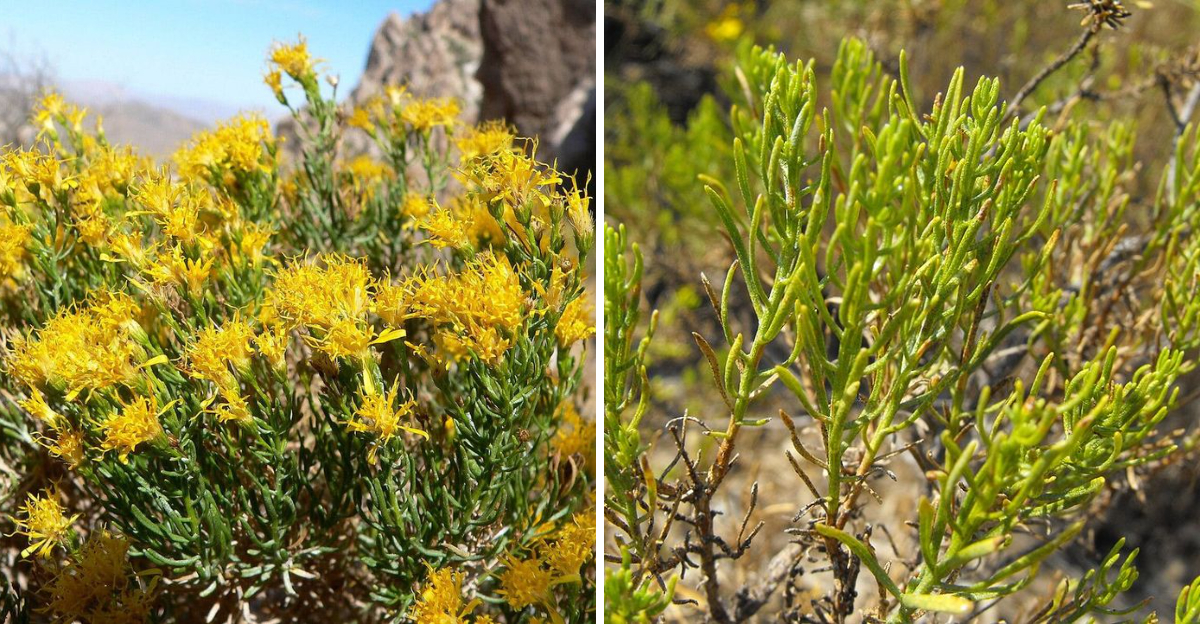
Just when your yard starts losing some of its summer color, one native shrub can surprise you with another floral display.
That timing makes it especially valuable when other plants are beginning to look less lively.
In Arizona, seasonal changes do not always mean garden color has to disappear at the same time. Certain native plants follow their own schedule and can bring fresh interest when your landscape needs it most.
Look beyond the usual flowering favorites if you want your yard to stay colorful longer. Choosing plants with different bloom periods can completely change how the garden moves through each season.
This shrub also brings more to the landscape than flowers alone. Your planting location still matters if you want the strongest performance.
Knowing what makes this native shrub special may earn it a spot in your yard.
1. Fall Is When Turpentine Bush Starts Stealing The Show
Fall arrives and most garden plants look exhausted. Turpentine bush is just getting started.
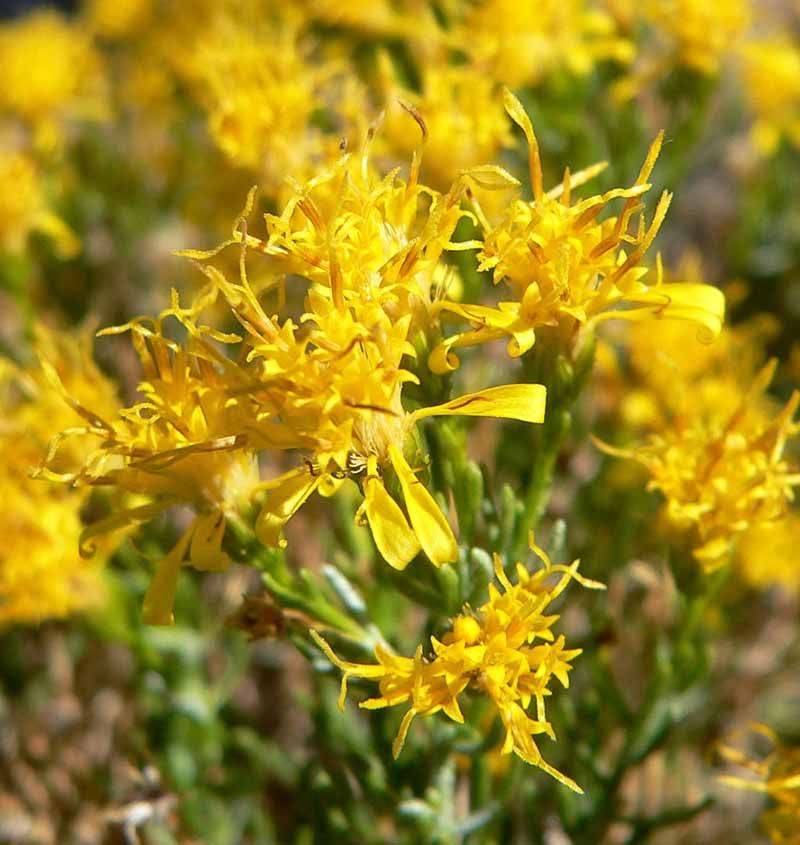
While other shrubs fade into brown and gray, this native plant pushes out a fresh flush of golden blooms that catch your eye from a distance.
Ericameria laricifolia, its botanical name, belongs to the aster family. It typically starts flowering in September and can keep going into November depending on temperatures and local conditions.
That late-season window is genuinely hard to find in any native plant.
Gardeners often overlook it early in the year because it blends in quietly. Come fall, it becomes one of the most noticeable plants in any xeriscape.
The contrast against dry rocky soil makes those yellow flowers pop in a way that feels almost dramatic.
Planting it near faded perennials helps the fall display look intentional. Pair it with plants that peak in spring or summer, and your garden stays interesting across multiple seasons without much extra effort on your part.
Fall timing also means less competition from other bloomers. Turpentine bush gets the stage mostly to itself during those cooler months.
2. Golden Yellow Flowers Cover Its Dense Green Foliage
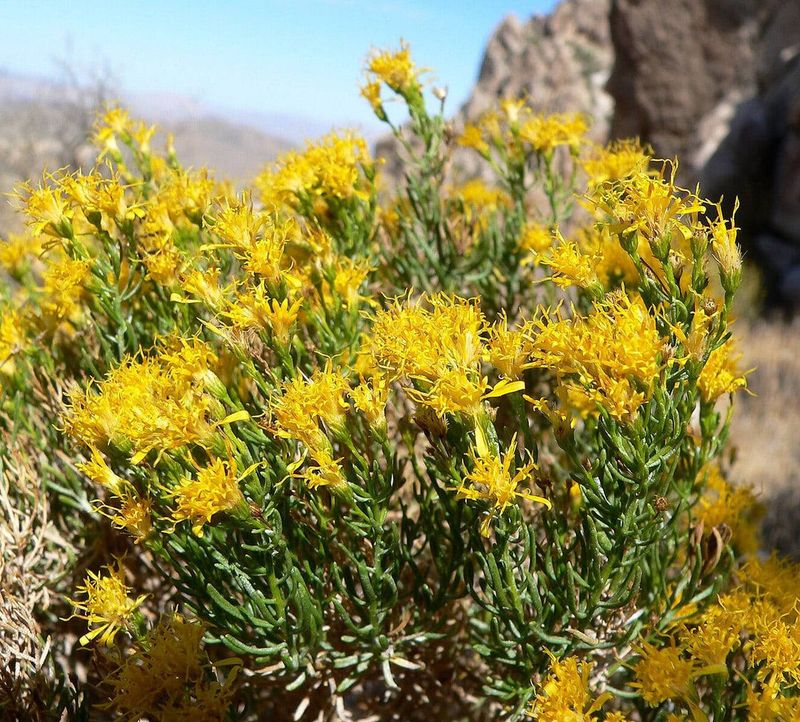
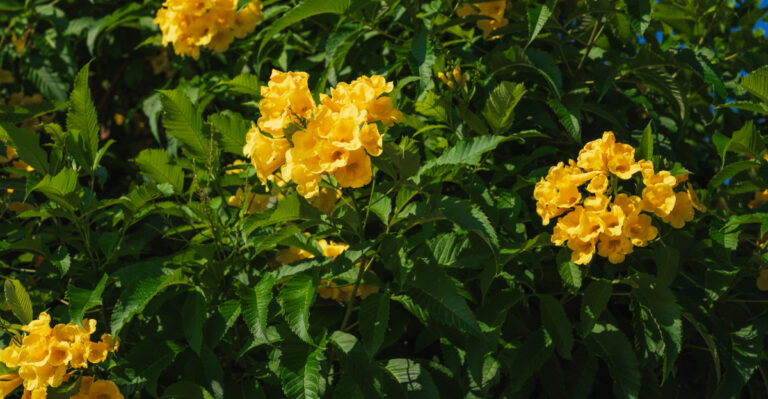
Bright yellow clusters blanket this shrub so thoroughly that the green leaves underneath nearly disappear. Each flower is small on its own, but grouped together they create a bold, cheerful mass of color that holds up well even in dry desert air.
Turpentine bush produces composite flower heads typical of the aster family. Each head contains both ray and disc florets, giving the blooms a textured, layered look up close.
From a few feet away, the effect reads as a solid wash of golden yellow across the entire plant.
Color intensity can vary slightly depending on soil conditions, sun exposure, and how much moisture the plant received earlier in the season. Full sun generally produces the most vibrant bloom coverage.
Shaded plants may flower less heavily, though they still contribute meaningful color.
Dark green foliage provides a sharp contrast that makes the yellow blooms look even brighter. Leaves are small, narrow, and slightly resinous, which is where the common name comes from.
Your Arizona Garden Changes Every Week. Your Plan Should Too.
Gardening in Arizona changes quickly throughout the season. Every Friday you’ll receive a simple weekly plan showing exactly what to plant, prune, fertilize, harvest, and protect so you never miss the right timing.
Brushing against the foliage releases a faint turpentine-like scent that most people find interesting rather than unpleasant.
For gardeners who want late-season color without hauling out annuals every fall, this shrub delivers reliably.
3. Its Late Blooming Season Can Stretch Into Winter
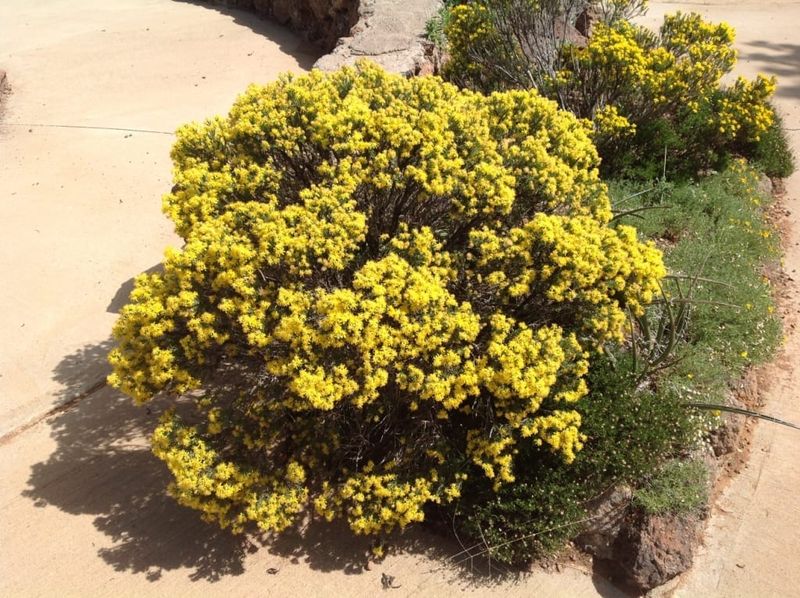
Some plants give you two weeks of flowers and call it done. Turpentine bush can stretch its bloom period across two to three months under the right conditions.
That kind of staying power is unusual and genuinely worth noting for fall and winter garden planning.
In warmer low-elevation areas, blooms sometimes persist well into December. Higher elevations tend to see an earlier end to flowering as temperatures drop more sharply.
Local weather patterns, frost timing, and site-specific conditions all influence exactly how long the display lasts.
Even after peak bloom, the plant holds its structure well. Seed heads that follow the flowers have a soft, silvery texture that adds subtle winter interest without looking ragged or messy.
Leaving them in place also supports birds that feed on small seeds through colder months.
Gardeners who want something that earns its space across multiple seasons will find turpentine bush hard to beat.
Spring green-up, fall flowers, and winter seed heads mean the plant is doing something worthwhile almost year-round without requiring extra irrigation or fertilizer inputs.
Not every plant in every location will bloom this long. Soil drainage, summer heat stress, and available sunlight all play a role.
4. Bees And Butterflies Visit The Late Season Flowers
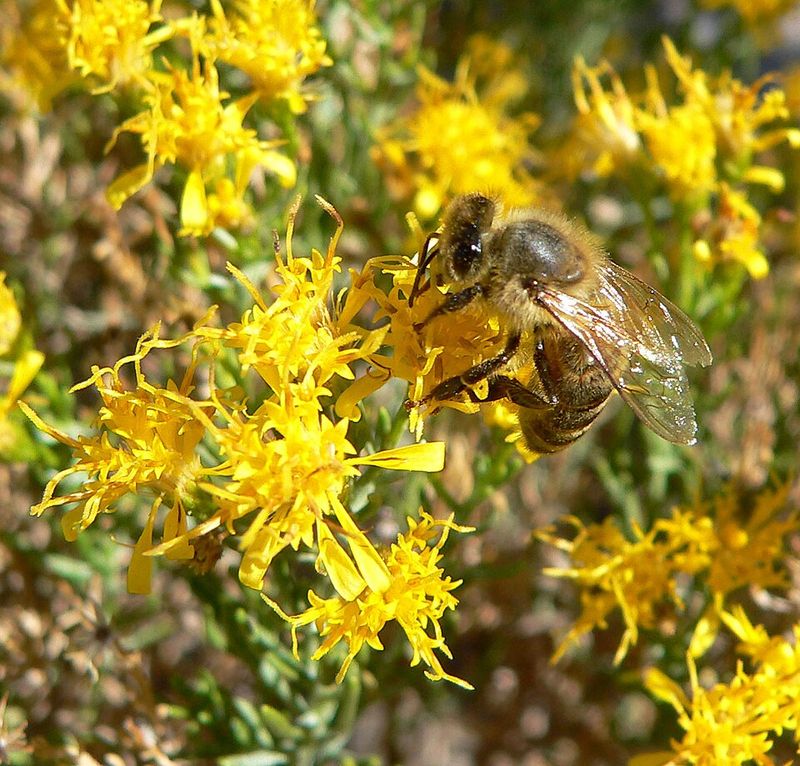
Pollinators need food sources late in the year just as much as they do in spring. Turpentine bush fills that gap in a way that few other native plants can.
When most flowering plants have already finished for the year, this shrub is still serving up nectar and pollen.
Native bees are especially drawn to it. Smaller bee species that might get outcompeted at busier spring flowers often thrive on turpentine bush because there is less competition during fall.
Watching a single shrub host dozens of bees on a warm October afternoon is a genuinely impressive sight.
Butterflies also visit regularly during the bloom period. Painted ladies and queen butterflies have been observed nectaring on turpentine bush flowers in the Southwest.
Fall migrations bring additional butterfly activity through desert regions, and a blooming turpentine bush can act as a reliable fuel stop.
Supporting pollinators through fall matters for the broader ecosystem. Colonies and individuals that build up food reserves before winter tend to have better survival rates into spring.
Planting turpentine bush contributes to that support without requiring any special effort from the gardener beyond basic establishment.
If you already grow native plants for wildlife, adding turpentine bush extends the season your garden stays active and useful.
5. Evergreen Leaves Keep The Shrub Looking Full
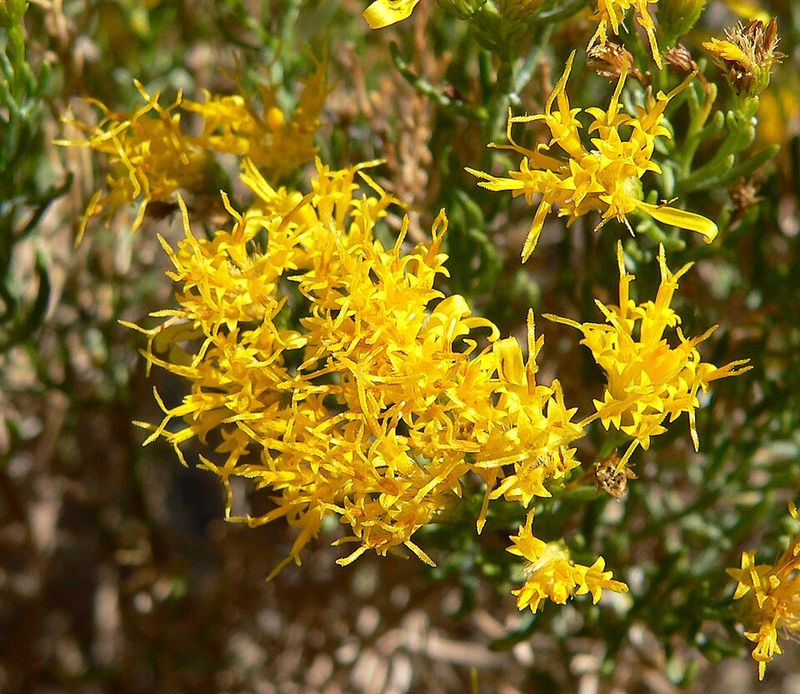
Bare stems through winter can make a garden feel empty and neglected. Turpentine bush skips that problem entirely.
Foliage stays on the plant through cold months, keeping the shrub looking full and structured even when nothing nearby is actively growing.
Leaves are small, narrow, and a deep resinous green. They do not drop with the first cold snap the way many deciduous shrubs do in dry climates.
In mild winters, the plant looks nearly the same in January as it did in September, which gives the garden a sense of continuity.
Evergreen foliage also means the shrub serves as a visual anchor during shoulder seasons. Spring and early summer, before bloom time, the dense green mound fills space and provides a backdrop for neighboring plants that are actively flowering.
It earns its spot in the garden even when it is not the main attraction.
Foliage texture is fine enough to blend easily with other desert plants without competing visually. It works well next to coarser-leaved plants like brittlebush or next to ornamental grasses that add movement.
Mixing textures keeps a dry garden from looking flat or monotonous through the off-season.
Deer tend to leave turpentine bush alone, likely because of the resinous scent in the foliage.
6. Rocky Desert Ground Fits Its Natural Growing Conditions
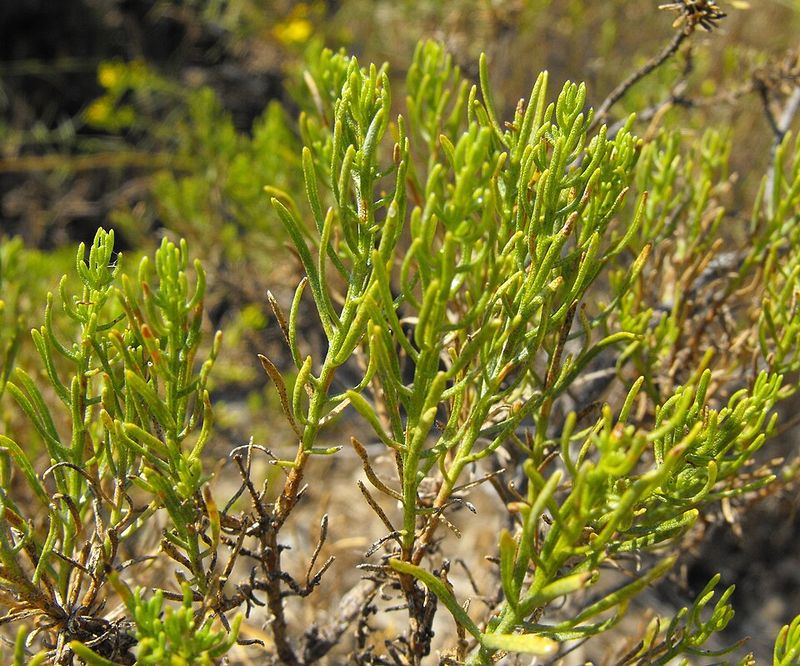
Loose, rocky soil is where turpentine bush feels most at home. It grows naturally on rocky slopes, gravelly washes, and desert hillsides across the Southwest.
Trying to grow it in heavy clay or poorly drained soil often leads to root problems and weak performance.
Good drainage is probably the single most important factor for long-term plant health. Roots that sit in wet soil are far more likely to develop rot, especially during summer monsoon season when rainfall can be intense and unpredictable.
Raised beds or sloped planting areas help in gardens where native soil holds moisture too long.
Once established, turpentine bush handles drought well. Supplemental watering during the first growing season helps roots get anchored.
After that, most plants in Arizona do fine on rainfall alone, though an occasional deep soak during extended dry spells can support better bloom coverage in fall.
Soil amendment is usually unnecessary. Adding rich compost or fertilizer can actually push the plant toward excessive leafy growth at the expense of flowers.
Lean, gritty soil encourages the compact form and heavy bloom production that make this shrub worth growing in the first place.
Mulching with decomposed granite rather than organic mulch suits its natural preferences better.
7. Compact Growth Works Well In Smaller Desert Gardens
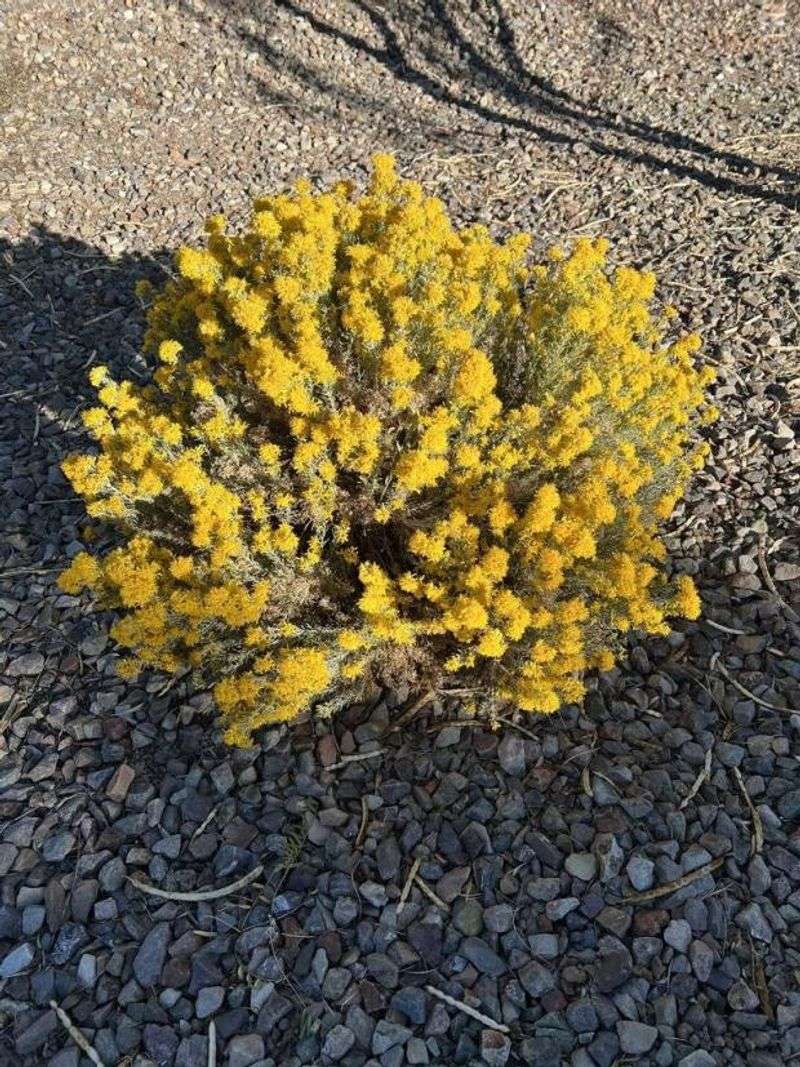
Not every desert garden has unlimited space. Turpentine bush fits neatly into smaller landscapes without needing constant pruning or shaping to stay manageable.
Mature plants typically reach three to four feet tall and wide, which works well in tight spots or along low borders.
That moderate size makes it versatile. Use it as a low foundation plant near walls, tuck it into a corner between larger shrubs, or line a path with a row of them for a structured seasonal display.
It holds its shape reasonably well without aggressive intervention from the gardener.
Pruning is generally minimal. Light trimming after the bloom period helps maintain a tidy form if needed, but many gardeners skip it entirely and let the plant grow naturally.
Avoid heavy cutting during summer since that can stress the plant heading into its most important season.
Container growing is possible for patios or small courtyard gardens, though root space and drainage become more important to manage carefully.
A large, unglazed clay pot with excellent drainage holes works better than a sealed decorative container that holds moisture.
Spacing plants about three to four feet apart gives each one room to fill out without crowding.
Crowded plants tend to have reduced airflow, which can occasionally encourage fungal issues in humid monsoon conditions.