Desert Globemallow Is Thriving in Restoration Plots and Arizona Yards
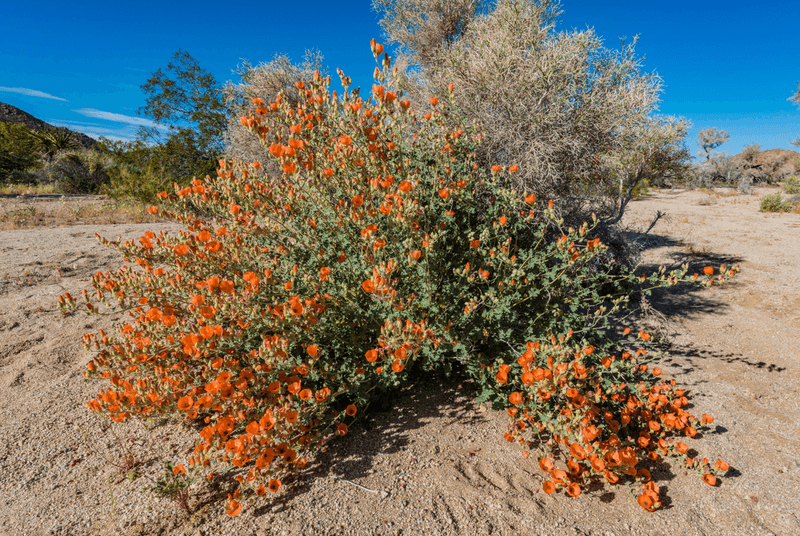
Few desert plants glow like desert globemallow when its apricot flowers open against gray-green leaves. This Arizona native has a real restoration success story near Lake Pleasant, and it can earn a spot in a low-desert yard.
The story is local, though, and blooms depend on rain and location. Here is how to spot the plant, place it well, and grow it with realistic expectations.
What the Local Restoration Story Shows
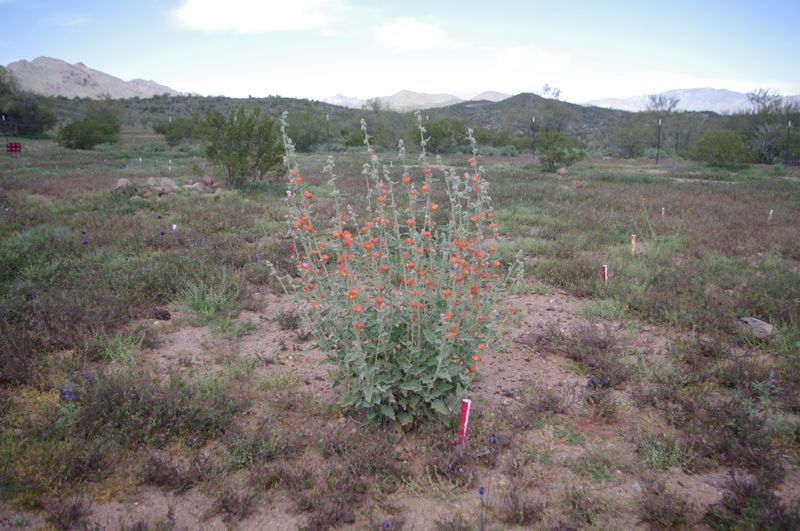
Near Lake Pleasant, a seeded restoration plot gave desert globemallow a chance to shine. A USGS photo documents Sphaeralcea ambigua thriving at that site, which is a real and encouraging example of what seed can do.
The plant also turns up in gardens and revegetation work, which shows people can successfully grow it. One plot, though, is not a statewide trend.
Nobody has measured a broad decline followed by a comeback, and Arizona washes were not all once painted orange.
So the honest version of the story is local. Big flower displays happen in some places during favorable, well-watered years.
That is exactly why this guide treats globemallow as a promising yard plant rather than a rescued species, and why your own results will depend on your site and the season.
Recognize Desert Globemallow in Its Native Habitat
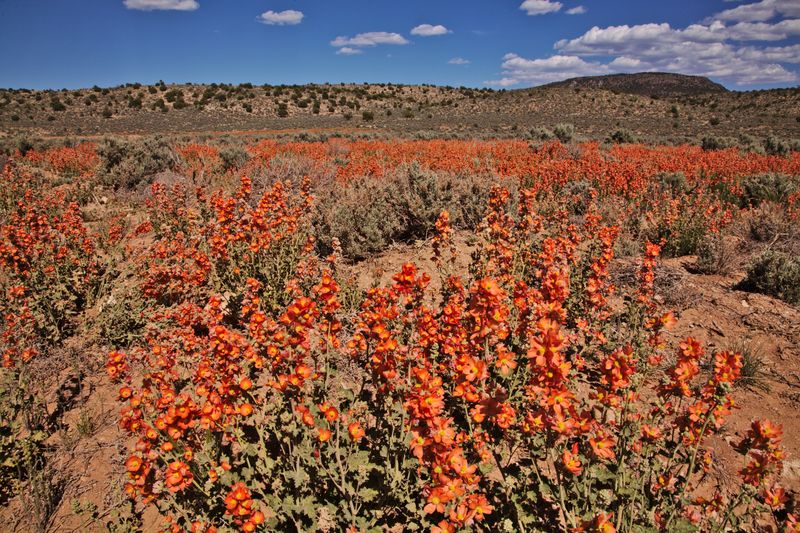
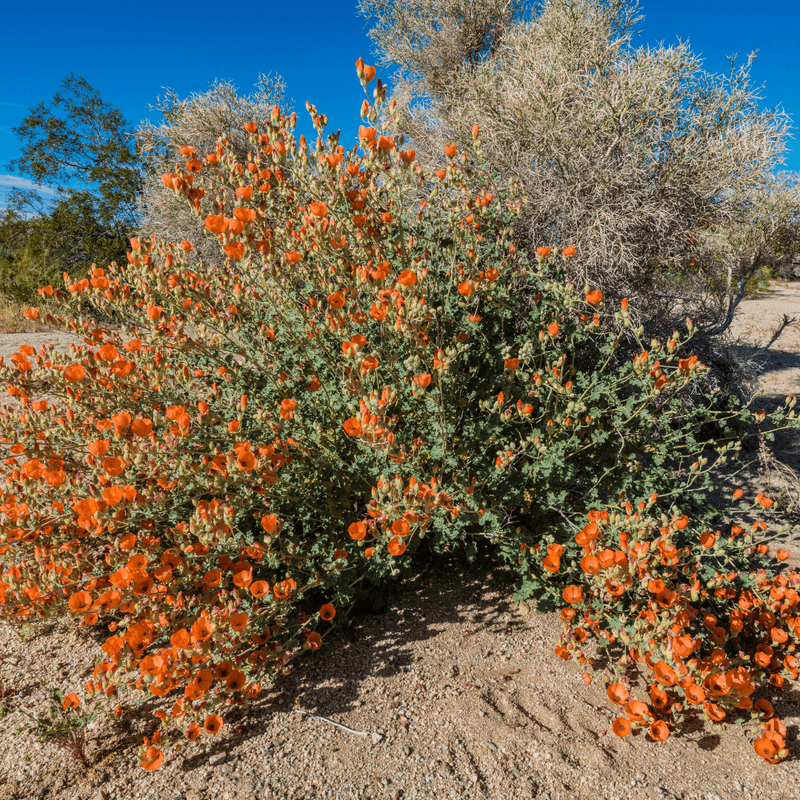
Picture a rounded, airy plant roughly 20 to 40 inches tall, with soft gray-green leaves covered in fine hairs. USDA’s plant guide describes it as a perennial subshrub, meaning the base turns woody while the upper stems stay softer.
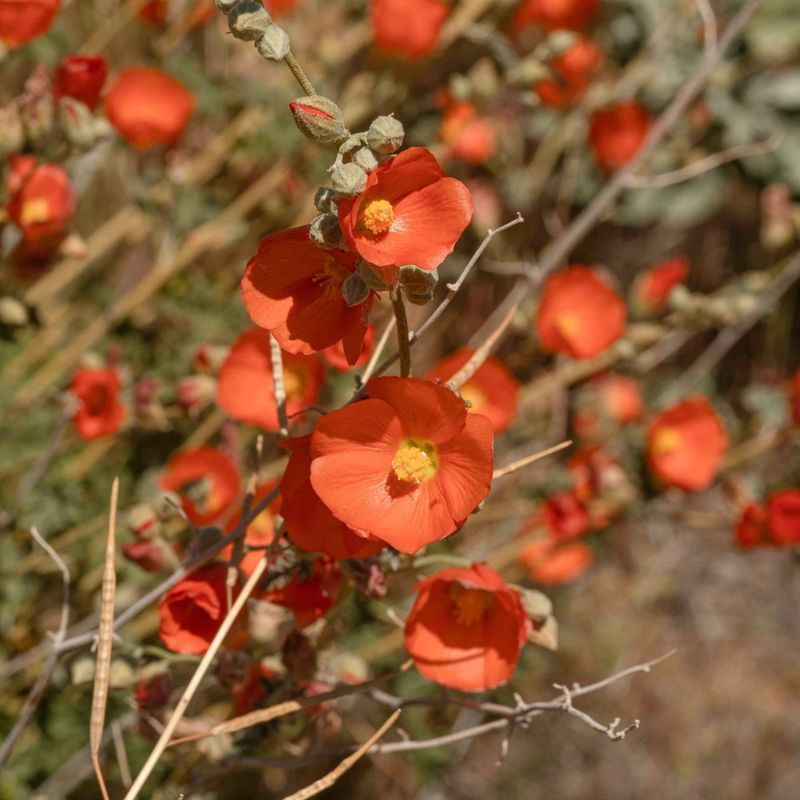
Flowers have five petals and open in loose clusters, usually apricot to orange.
In Arizona, you will find it in desert scrub, on dry rocky slopes, along roadsides, in disturbed ground, and at the edges of sandy washes, generally below 3,500 feet.
The word globemallow covers several species, so do not assume every one you meet is this plant. The Yavapai County plant page lists Sphaeralcea emoryi as a similar species.
Check the species name on seed packets and nursery tags before you plant.
Rainfall Shapes the Flower Display
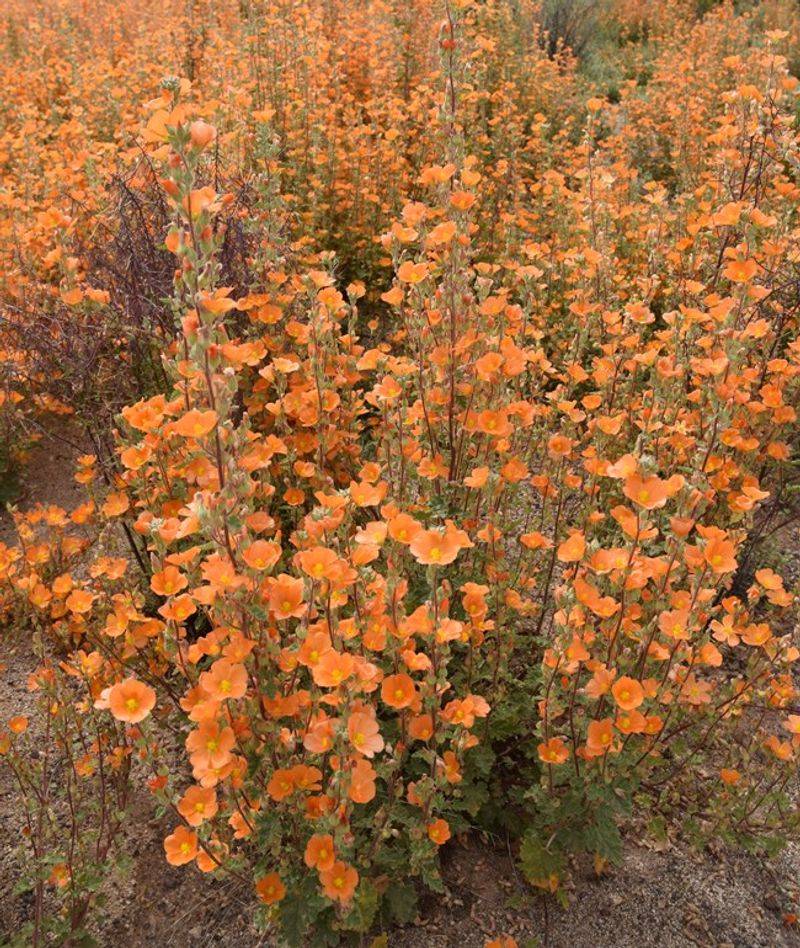
Spring is the main bloom season, but a good soaking can bring extra flushes later. The National Park Service describes blooms across several seasons and broad displays when water is plentiful at Grand Canyon-Parashant.
That is one place, not a promise for every Phoenix or Tucson wash.
Color is another thing to expect with an open mind. Orange and apricot are the usual shades, yet flowers can also be pink, lavender, white, or red, according to the Arizona Native Plant Society.
Seed-grown plants can differ from their parents, so your patch may be a mix.
Watch your own yard after rain. A dry year may give only a few blooms, while a wet winter can reward you with a lot more.
Choose a Sunny, Well-Drained Yard Site
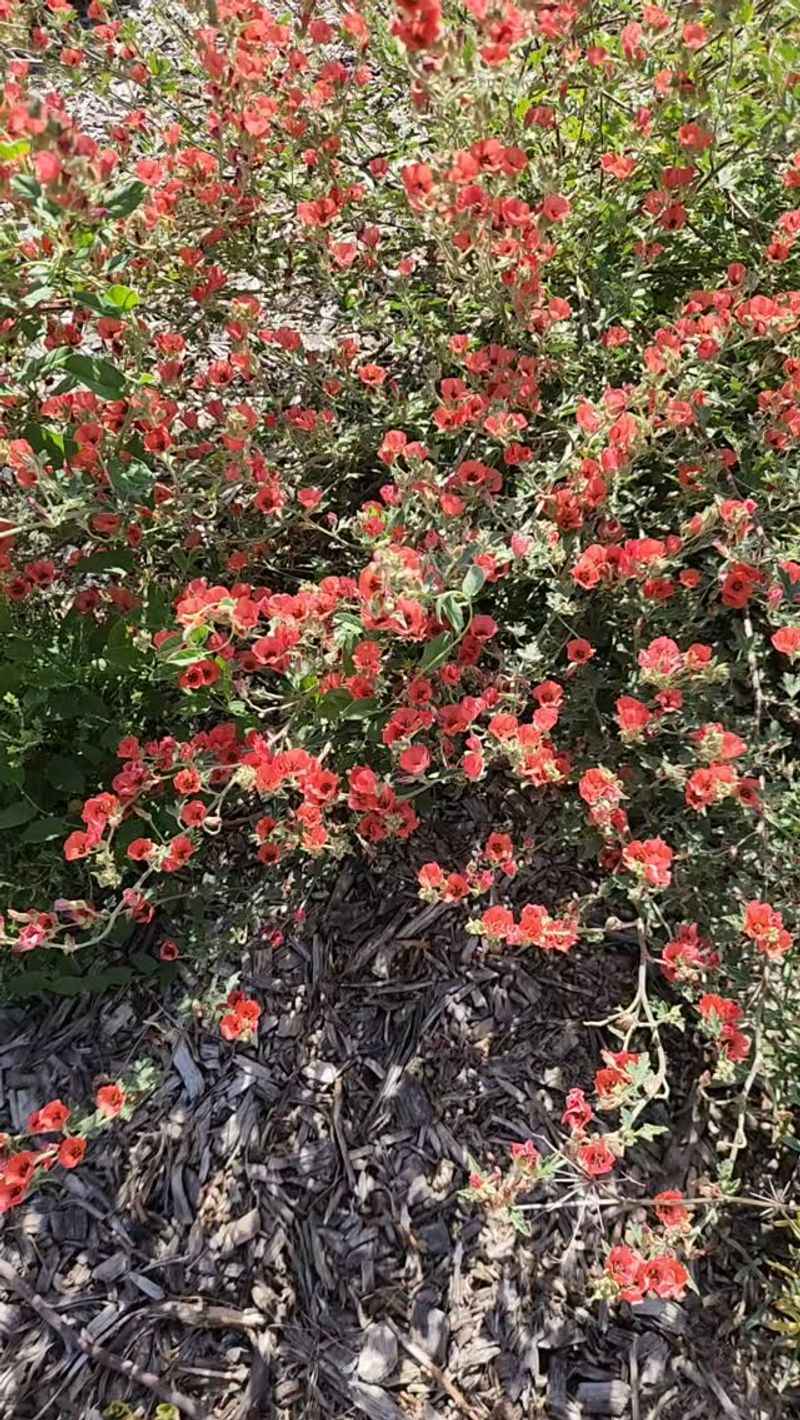
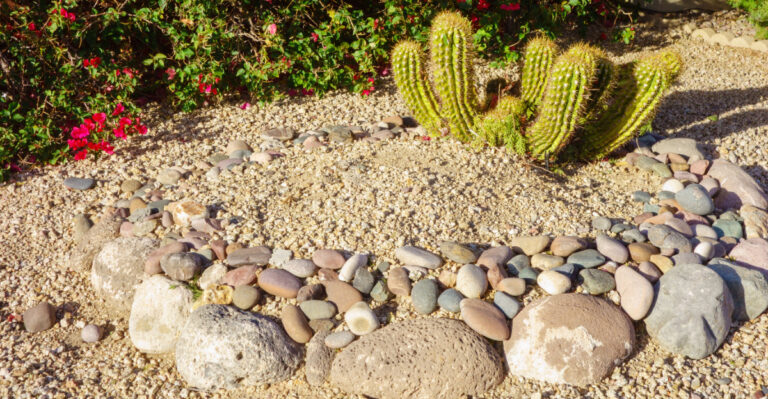
Think of the dry slopes and wash edges where it grows naturally, then copy that setting. In a low-desert yard, pick a spot with full sun and soil that drains well, such as a gentle slope or a raised area.
Your Arizona Garden Changes Every Week. Your Plan Should Too.
Gardening in Arizona changes quickly throughout the season. Every Friday you’ll receive a simple weekly plan showing exactly what to plant, prune, fertilize, harvest, and protect so you never miss the right timing.
Soggy ground or a low spot where water pools is a poor match.
Water needs change with age. USDA’s plant guide indicates established plants can live on natural rainfall, but a new planting still needs establishment care while roots settle.
No fixed schedule fits every yard, so check the soil and the plant’s condition.
Extra water can boost flowering, as the Arizona Native Plant Society notes. Leave it room, since mature plants spread wider than a seedling suggests.
Start From Seed With Realistic Expectations
Fall is a sensible time to sow. USDA reports that fall-planted seed usually sprouts in winter and grows quickly in spring.
Treat that as an option rather than a guarantee, since weather and seed quality play big roles.
Hard seed coats can hold back germination. In one University of Arizona greenhouse test, untreated seed did not sprout, while seed that was scarified and chilled reached 35 percent.
That was a single seed lot, so it cannot predict your results, and scarifying is not necessary or risk-free for every batch.
Buy from a reputable source, sow a bit more than you need, and be patient. Direct seeding is not foolproof.
Offer Habitat Value Without Promising Visitors
Flowers do double duty when they feed local wildlife. USDA identifies desert globemallow as habitat for native bees and common checkered skipper butterflies.
The National Park Service adds that bees and hummingbirds use the blooms. Those are documented uses, so your yard may draw them, but sightings depend on your neighborhood, the season, and how much else is in bloom.
A few globemallows alongside other natives can make a better feeding stop than one lone plant. Keep expectations modest on pests as well.
Nothing here shows globemallow deters scorpions, mosquitoes, or ticks, so treat it as a pollinator plant, not a pest solution.
Manage Reseeding and Handle Foliage With Care
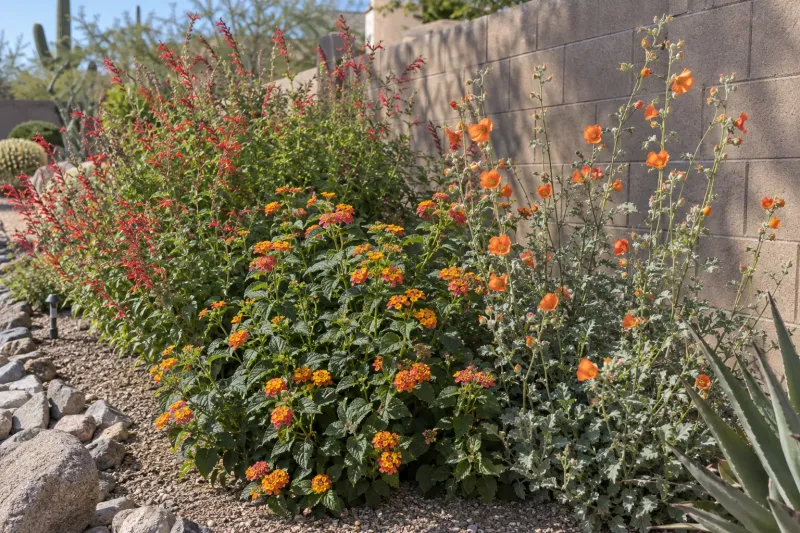
Happy globemallows make more globemallows. The Arizona Native Plant Society warns that plants and their offspring can take over space meant for other species.
Pull or thin volunteers where they crowd neighbors, ideally while they are small.
For upkeep, the Arizona-Sonora Desert Museum suggests a winter cutback to keep a plant compact and full of flowers. USDA also mentions periodic cutting back to maintain appearance.
Wear gloves and eye protection while pruning or pulling. USDA notes that leaf hairs have been linked to eye irritation, so a little care goes a long way.
Do not dig up wild plants for your yard, since root loss makes transplanting hard. Seed is the better route.
A plant that returns on its own is a pleasant surprise worth managing.