Finish This Arizona Lawn Task Before Fall Overseeding Begins
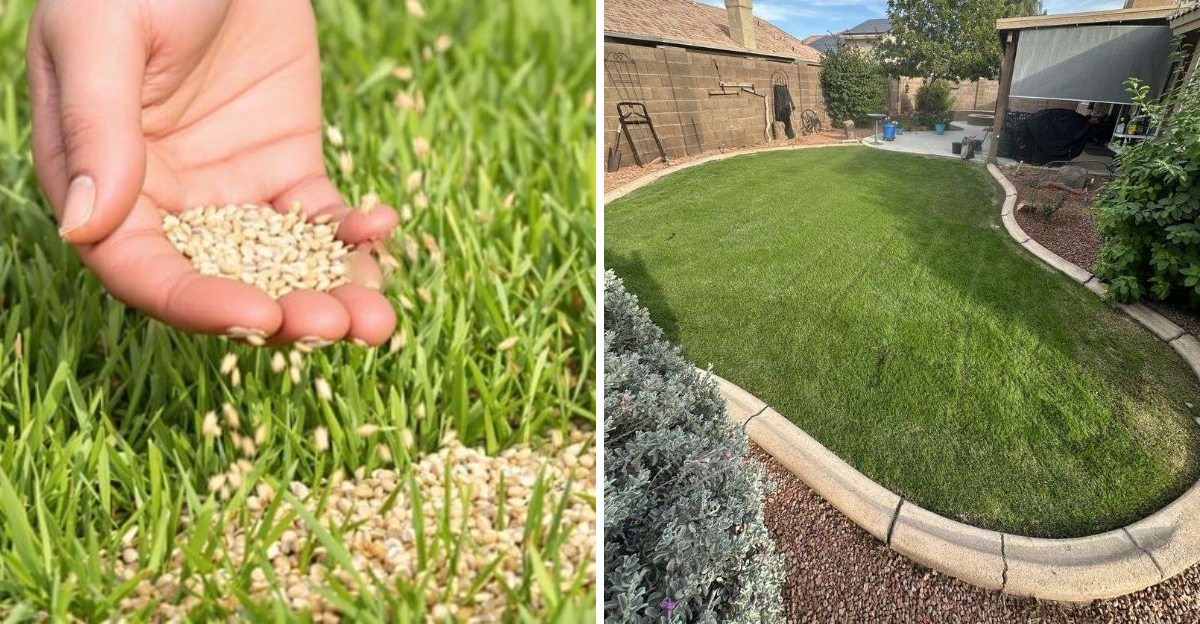
Fall overseeding can give your lawn fresh green color, but rushing straight into spreading seed can create disappointing results.
Your summer grass needs some attention first, and the timing of that work matters more than many gardeners realize.
Arizona lawns face an unusual seasonal change when warm-season turf begins slowing while cooler growing conditions approach. That transition creates a short window when proper preparation can make overseeding much easier.
Look closely at the lawn before opening that bag of seed. Thick growth can prevent new seed from reaching the soil where successful germination begins.
Good preparation does not require turning your entire yard into a major project. Your goal is simply to create better conditions before new grass starts growing.
Handle this lawn task first, and your overseeding work has a stronger foundation for fall.
1. Stop Feeding Bermudagrass Before Overseeding
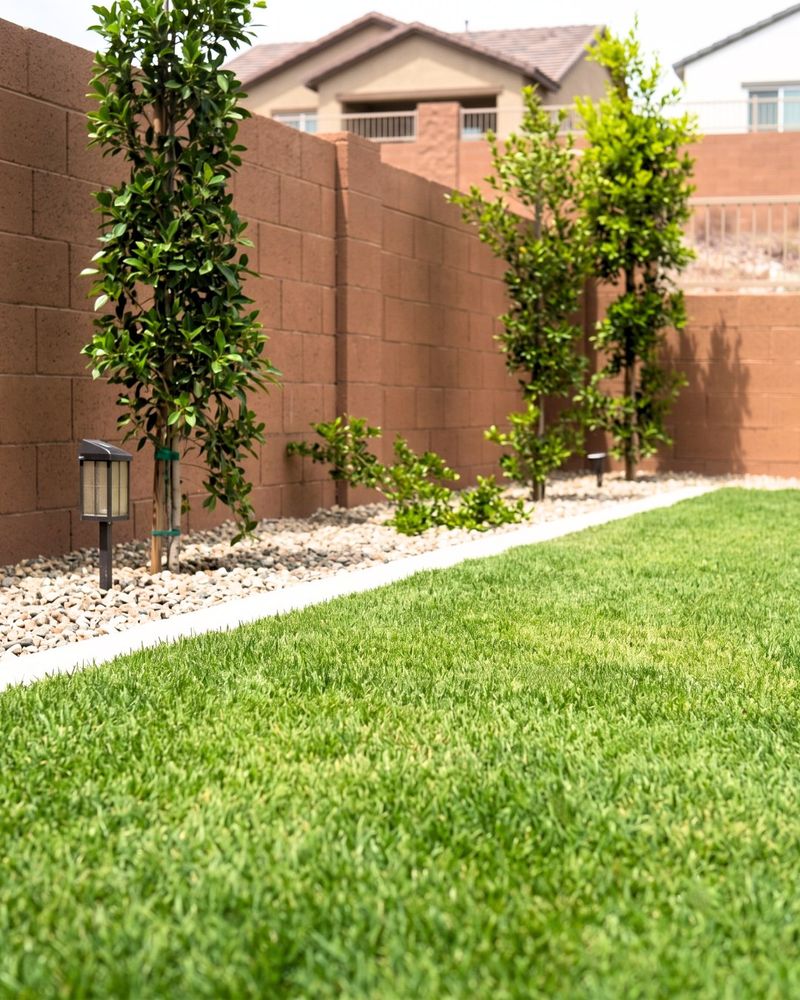
Feeding your Bermudagrass right before overseeding is one of the most common mistakes Arizona homeowners make. Nitrogen pushes Bermuda into a strong growth surge, and that surge works directly against your overseeding goals.
When Bermuda is actively growing and thick, ryegrass seed struggles to reach the soil. Good seed-to-soil contact is critical for germination, and a lush, nitrogen-fed Bermuda canopy blocks that contact almost entirely.
Stop applying any nitrogen fertilizer at least six to eight weeks before your planned overseeding date. Letting the Bermuda slow down naturally gives the ryegrass seed a real fighting chance once it hits the ground.
Phosphorus-based products are sometimes used closer to seeding to support root development, but check with a local extension office before adding anything to your soil.
Soil conditions vary widely across different yards, and what works in one lawn may not work in another.
Skipping that last round of fertilizer feels counterintuitive. Most people want their lawn looking its best heading into fall.
Pulling back on feeding is exactly what sets up a successful overseeding result, though, and the payoff shows up a few weeks after the seed goes down.
2. Raise The Mowing Height Two Weeks Before Seeding
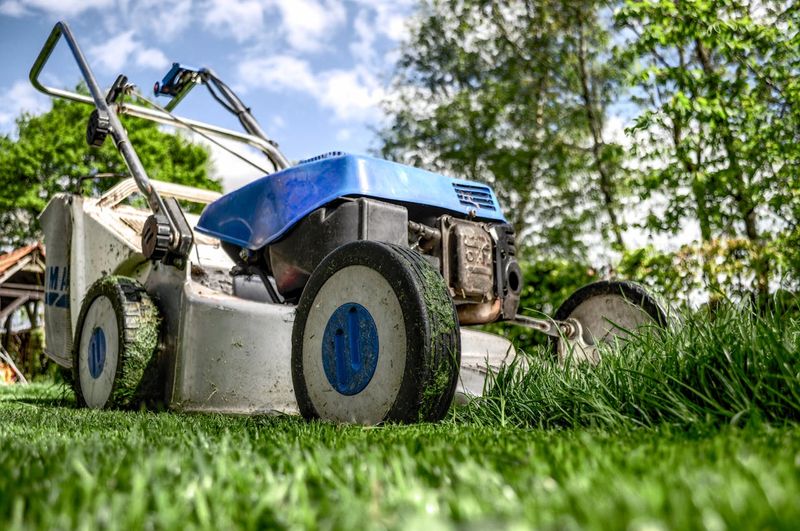
Raising your mowing height two weeks before overseeding might feel like the wrong move, but there is solid logic behind it. Letting the Bermudagrass grow slightly taller gives you more leaf material to work with when you scalp it down right before seeding.
Mowing higher during this window also reduces stress on the turf.
Bermuda that gets repeatedly cut short before overseeding can thin out unevenly, leaving bare patches that do not hold seed well once you are ready to spread.
Set your mower one notch higher than your usual summer cut. Even a quarter to half inch of extra height during this two-week period makes a noticeable difference when you go back down to scalp height later.
Avoid the temptation to keep mowing at your normal frequency during this stretch.
Letting the grass grow just slightly between cuts helps it build enough canopy for a clean, low scalp cut when the time comes.
Timing matters here. If you wait too long to raise the height, you lose the benefit.
Your Arizona Garden Changes Every Week. Your Plan Should Too.
Gardening in Arizona changes quickly throughout the season. Every Friday you’ll receive a simple weekly plan showing exactly what to plant, prune, fertilize, harvest, and protect so you never miss the right timing.
Mark your calendar two weeks before your intended seeding date and adjust the mower deck on that day, not whenever you get around to it.
3. Reduce Irrigation As The Overseeding Date Gets Closer
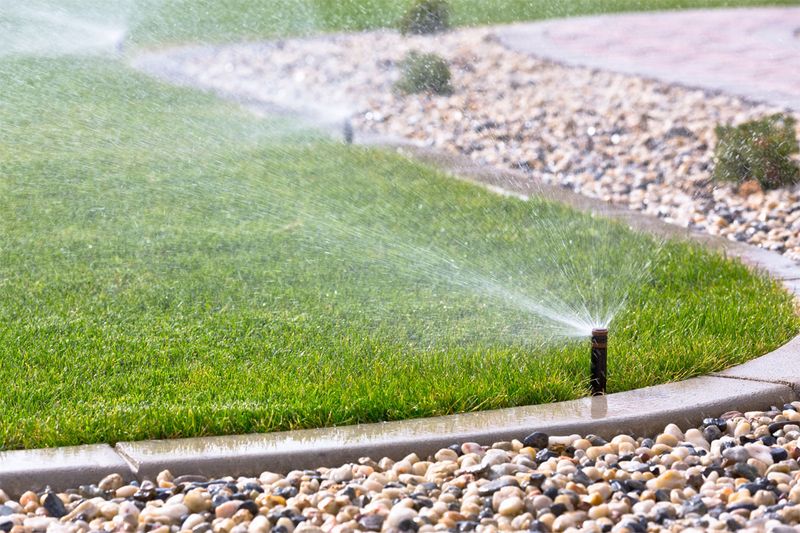
Pulling back on water before overseeding puts a mild, manageable stress on the Bermudagrass. That stress actually works in your favor when ryegrass seed is about to go down.
Slightly stressed Bermuda slows its lateral spread and thins its canopy just enough to let seed settle closer to the soil. A well-watered, lush lawn tends to repel seed rather than accept it.
Start reducing your irrigation schedule about two to three weeks before your target seeding date. Cut back on the frequency first, then reduce the run time of each zone if conditions allow.
Watch the lawn closely and adjust based on how it responds.
Hot, dry spells in early fall across Arizona can make this tricky. You do not want the lawn to look visibly parched or stressed to the point of browning.
The goal is mild moisture reduction, not a drought situation.
A good rule of thumb is to water just enough to keep the Bermuda from wilting while still allowing the top inch of soil to dry out between cycles.
That drier surface layer helps ryegrass seed stay in place and make solid contact with the ground once it is spread.
4. Stop Watering One To Three Days Before Seeding
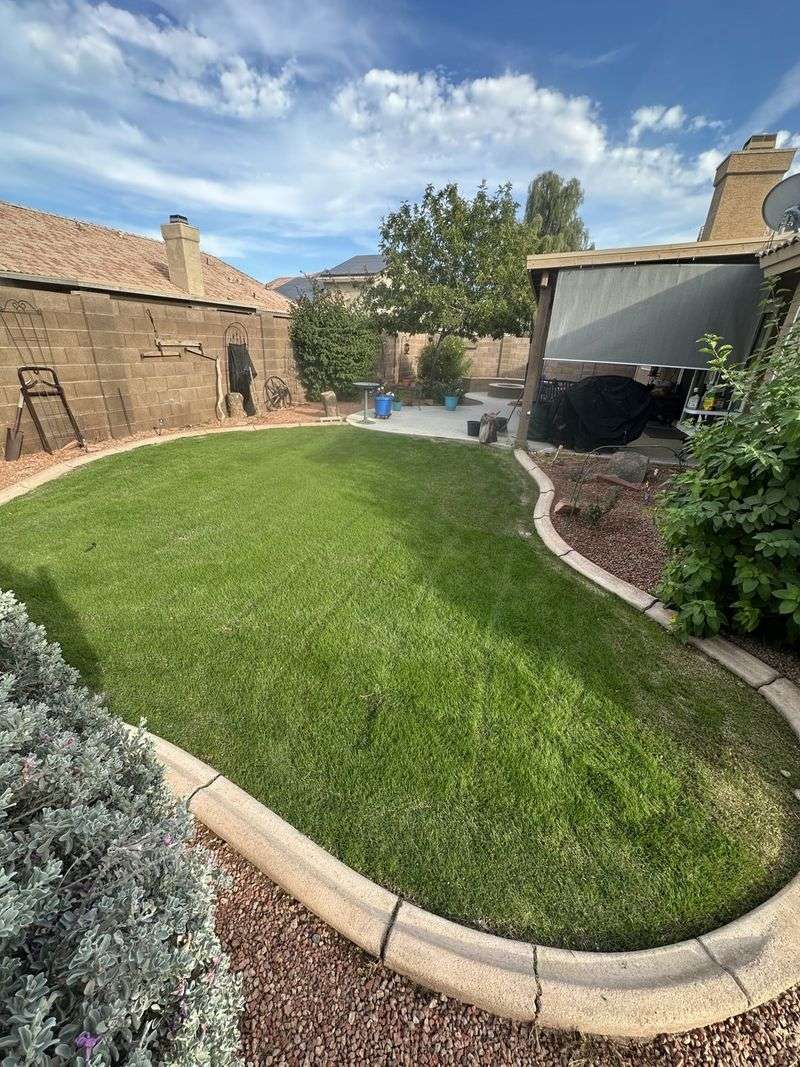
Wet soil on seeding day causes more problems than most people expect. Seed spreaders do not distribute evenly over damp grass, and ryegrass seed tends to clump and bunch rather than spread in a uniform layer.
Shut off your irrigation system one to three days before you plan to seed. Exact timing depends on your soil type and how much moisture it holds.
Sandy soils dry faster, while clay-heavy soils hold moisture longer and may need the full three days.
Checking the top layer of soil by hand is the most reliable method. Press your fingers about an inch into the soil near the surface.
If it feels cool and moist, wait another day. If it feels dry and crumbly, you are in good shape to seed.
Avoid watering after a monsoon rain during this window. Late-season storms can push moisture levels back up quickly in some Arizona yards, so check the forecast before you finalize your seeding date.
Dry conditions at seeding time also help seed stay where you put it. Wind and foot traffic move seed around less when the surface is firm and dry.
Getting seed down on the right surface is one of the simplest ways to improve your germination results.
5. Cut Bermudagrass Short Just Before The Seed Goes Down
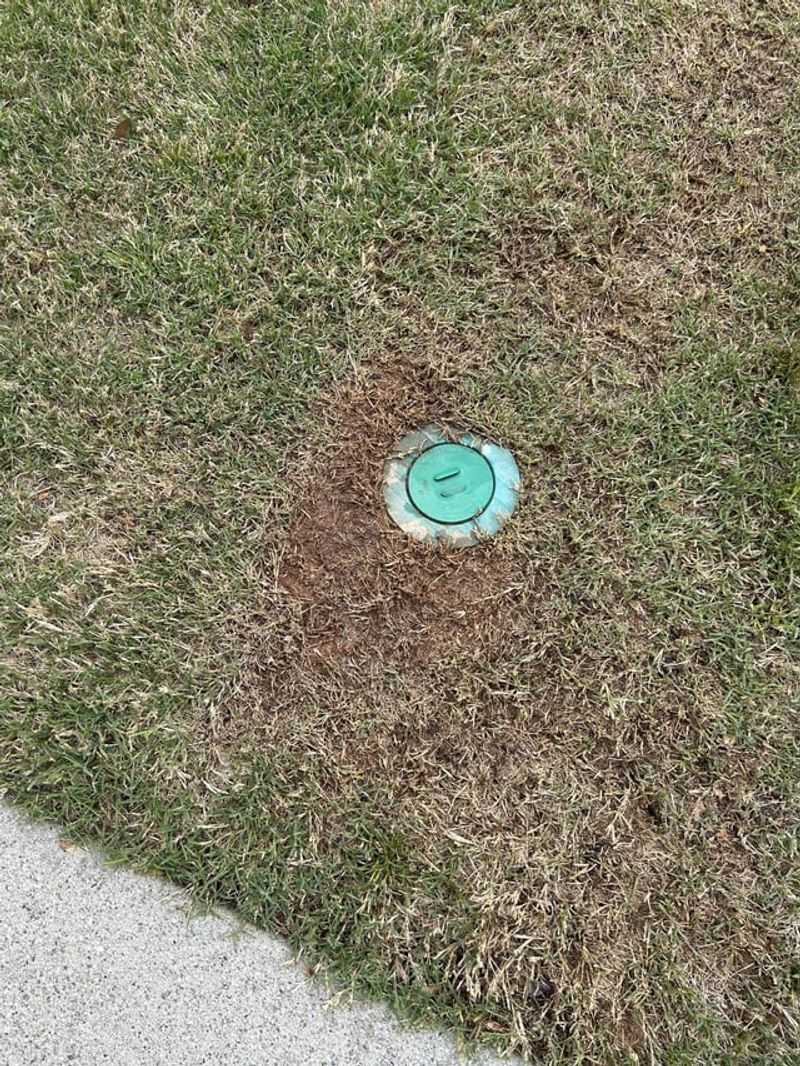
Scalping the Bermudagrass right before seeding is one of the most important steps in the entire overseeding process. Cutting the turf short exposes the soil and gives ryegrass seed the direct contact it needs to germinate well.
Set your mower to its lowest or near-lowest setting for this final cut. Most Bermudagrass lawns get scalped down to about half an inch or lower, depending on the mower.
Go in one direction first, then cross-cut in the opposite direction to get an even, consistent result.
Sharp mower blades make a real difference here. Dull blades tear the grass rather than cut it cleanly, which leaves a rough, uneven surface that does not hold seed as well.
Sharpen or replace your blades before this cut if they have not been touched all season.
Mow in the morning when temperatures are cooler and the turf is firm. Afternoon heat in early fall can still be intense in the desert Southwest, and mowing during peak heat adds unnecessary stress to the turf.
Bag the heavy clippings from the scalp cut if there is significant buildup. A thick layer of clippings left on top can mat down and block seed from reaching the soil, which is the opposite of what you want heading into seeding day.
6. Leave The Final Clippings On The Lawn As Mulch
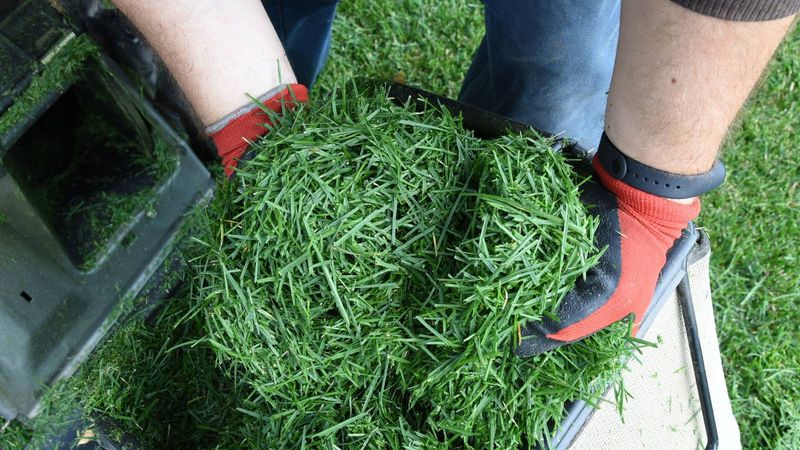
After the scalp cut, a light layer of fine clippings left on the surface can actually help your overseeding effort rather than hurt it. Thin clippings act as a natural mulch layer that holds moisture and shades freshly spread seed from intense heat.
The key word here is light. A sparse, thin layer of clippings helps seed stay in place and retain surface moisture after your first watering.
A thick, matted layer does the opposite and can block germination entirely.
If your scalp cut left behind a heavy buildup, rake or bag the excess before spreading seed. Shoot for a layer thin enough that you can still see the soil surface through the clippings.
That level of coverage is about right.
Some lawn professionals use a thin layer of topdressing sand instead of relying on clippings. That approach works well too, especially if your yard has uneven spots or low areas that need leveling before seed goes down.
Clippings from the final cut before seeding tend to be shorter and finer than regular mowing clippings. Finer material breaks down faster and does not interfere with germination the way thick, wet clippings from a tall lawn would.
Use your judgment based on what your mower leaves behind.
7. Wait For Cooler Weather Before Spreading Winter Grass Seed
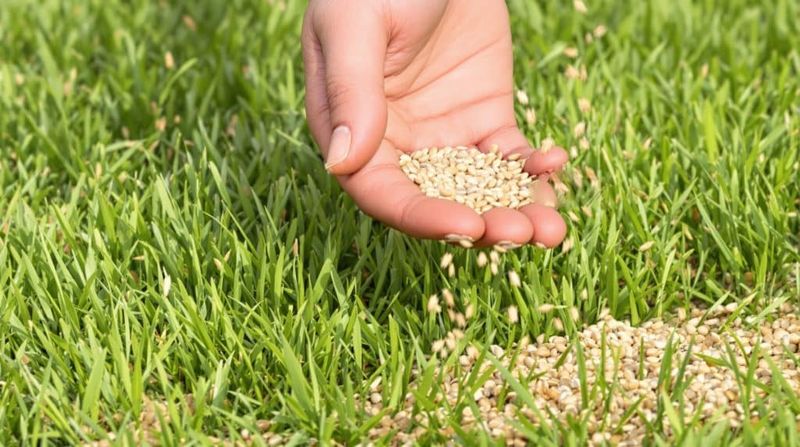
Spreading ryegrass seed too early in the fall is a mistake that costs homeowners time, money, and effort. Warm soil temperatures slow germination significantly, and seed sitting in hot soil can lose viability before conditions ever improve.
Soil temperature is the number you actually care about, not the air temperature on your phone. Ryegrass germinates best when soil temperatures drop to around 65 to 70 degrees Fahrenheit at a depth of two to three inches.
Air temps can feel cooler while soil stays warm for weeks longer.
Pick up an inexpensive soil thermometer at a garden center and check your lawn in the morning, when readings are most accurate. Waiting for consistent soil temperatures in that target range gives your seed the best shot at even, reliable germination.
In most parts of Arizona, that window typically falls somewhere between mid-October and early November, though it shifts year to year depending on how long summer heat lingers.
Watch the actual conditions in your yard rather than following a fixed calendar date.
Patience at this stage protects your investment. Ryegrass seed is not cheap, and spreading it before the soil is ready means a portion of it may not perform as expected.
Wait for the right conditions, and the results are usually worth holding out for.