The Coneflower Cutback Mistake That Costs Ohio Gardens Next Year’s Self-Seeding
Sharp shears in autumn feel productive, yet they quietly erase a gift your coneflowers were about to give you. Ohio winters test every gardening decision you make this season.
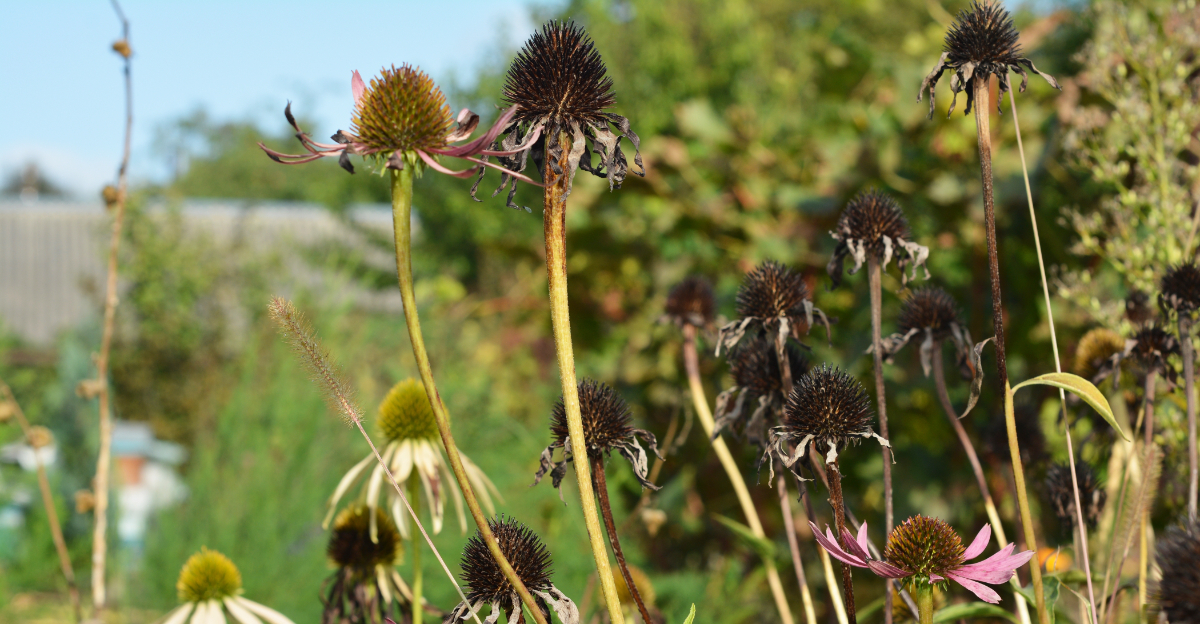
Ripe seed heads left standing through frost do work no trowel could replace. Birds strip them, wind scatters them, and freezing air cracks them open naturally.
Timing matters more than most Ohio gardeners assume, and getting it wrong costs you plants you once got for free. Waiting costs nothing, but cutting too soon costs an entire generation of blooms.
Your beds tend to expand on their own or shrink back year after year. Patience looks lazy, yet it remains the smartest move available to you.
Rushing rarely pays off here, while restraint almost always does. You are one wrong snip away from starting over, and what comes next tells you exactly how to avoid it.
Late August Is When The Last Seed Heads Still Have Time To Ripen
Late August sneaks up on gardeners fast. This narrow window is where most gardeners unknowingly cut their future blooms short.
Seed heads that look done are not always done. Many coneflower centers are still maturing inside, even when the petals have dropped.
Ripening takes longer than most people expect. A seed head pulled in late August may look brown and crispy, but the seeds inside could still be soft and unviable.
Timing is everything with Echinacea. Gardeners who wait until mid-September give their plants the extra weeks needed to fully develop those seeds.
Think of it like letting fruit stay on the vine. Pulling it too soon means you lose the harvest before it ever had a chance.
Ohio’s late summers are warm enough to keep the ripening process going. Even cooler nights in late August do not stop seed development entirely.
A good rule of thumb is to watch the center cone closely. When it shifts from green-brown to a deep, dark brown, the seeds are getting close to ready.
Patience in August pays off big in spring. Those extra two or three weeks of waiting can fill your garden beds with new volunteer seedlings at no cost to you.
Removing Spent Blooms Now Ends The Cycle Before It Starts
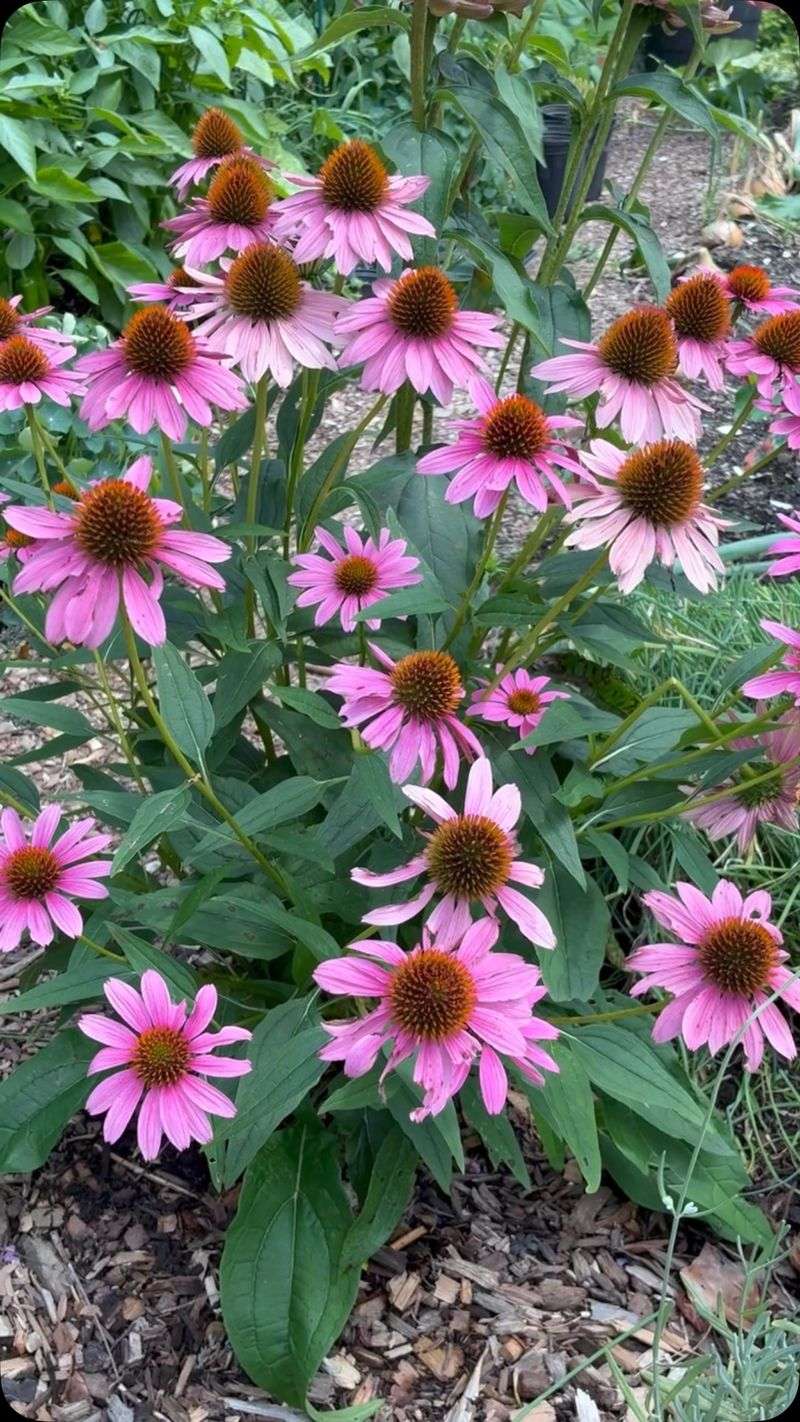
Trimming spent blooms feels productive. Snipping off those faded flowers gives you a sense of control and a tidier-looking garden bed.
Cutting too early is exactly what breaks the seed cycle before it has a chance to work. Once the seed head is gone, so is the potential for new plants.
Self-seeding is nature’s free nursery. Coneflowers drop seeds that sprout on their own the following spring, saving you money and effort.
When you remove a seed head before the seeds mature, that cycle stops in its tracks. No seeds hit the soil, so no seedlings appear in spring.
Many gardeners trim spent blooms out of habit, not out of necessity. Coneflowers do not actually need this pruning to keep blooming through the season.
Leaving spent flowers standing is a low-effort choice with a high reward. The plant handles the rest on its own, no extra work required.
Your Ohio Garden Changes Every Week. Your Plan Should Too.
Gardening in Ohio changes quickly throughout the season. Every Friday you’ll receive a simple weekly plan showing exactly what to plant, prune, fertilize, harvest, and protect so you never miss the right timing.
Some gardeners worry that leaving seed heads makes the garden look messy. A simple solution is to leave the back rows standing and tidy only the front border.
Selective leaving usually beats all-or-nothing thinking. Letting even a handful of seed heads mature and drop can fill bare spots with new growth by May.
One season of patience creates years of abundance. Resisting the urge to cut now sets your garden up for a self-sustaining cycle that keeps giving.
The Difference Between Straight Species Coneflowers And Named Cultivars
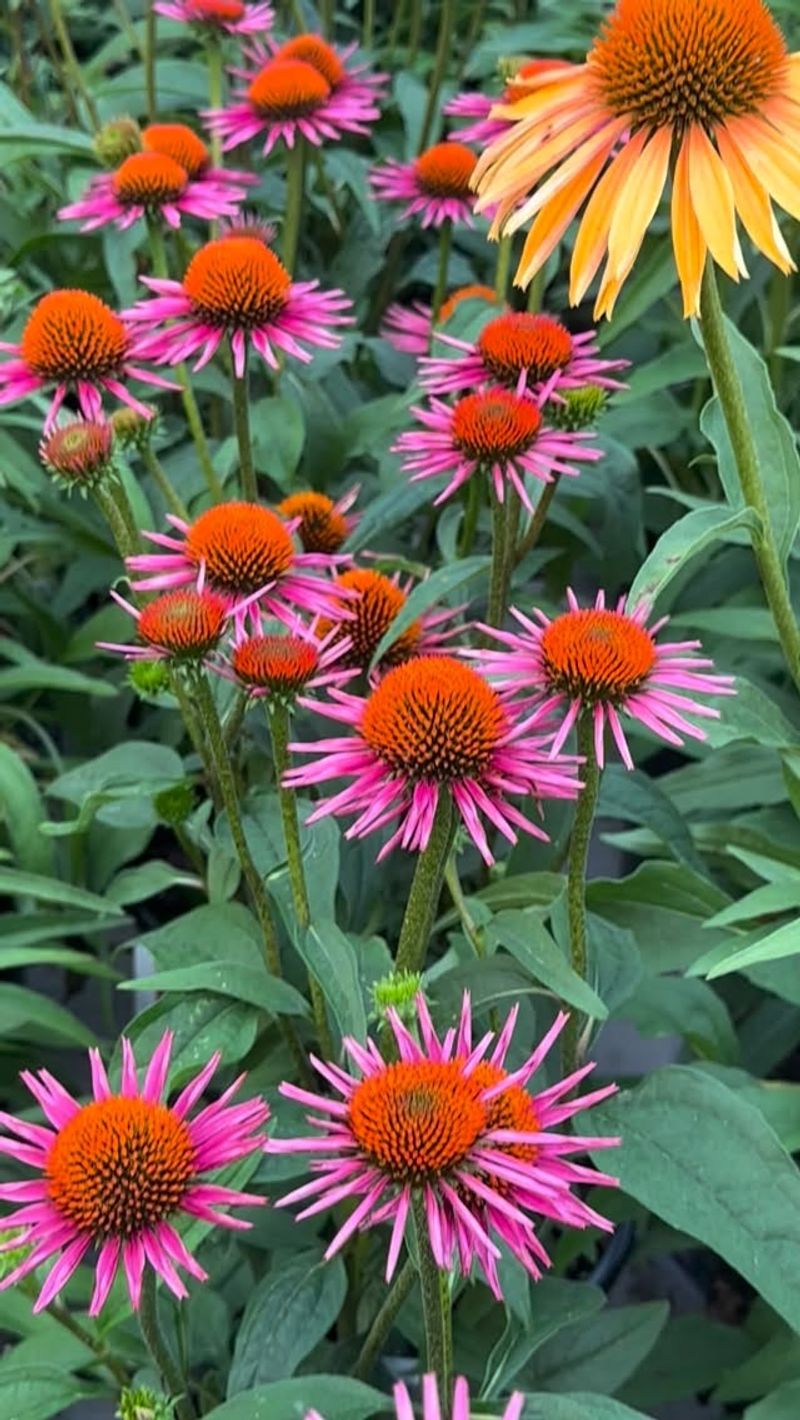
Not all coneflowers behave the same way when it comes to seeds. Knowing which type you have changes everything about your fall garden strategy.
Straight species coneflowers, like Echinacea purpurea, are the original wild types. Their seeds come true, meaning the seedlings look just like the parent plant.
Named cultivars are a different story. Varieties like ‘Magnus,’ ‘White Swan,’ or ‘PowWow Wild Berry’ were bred for specific traits that do not reliably pass to offspring.
Seedlings from cultivars can look completely different from the mother plant. You might plant a deep red variety and get pale pink or even purple seedlings the next year.
This is not a flaw, just a fact of plant genetics. Cultivars are often hybrids, and hybrid seeds tend to revert toward one of the parent lines.
If your goal is self-seeding for consistent color, stick with straight species plants. They are the most dependable choice for a self-sustaining coneflower patch.
Cultivars are still worth growing for their showier blooms or compact habits. Just do not count on their seedlings to match the parent in color or form.
Labeling your plants in summer helps you track which ones are species and which are cultivars. That small habit saves a lot of confusion come spring when seedlings start popping up.
Which Seed Heads To Leave Standing And Which To Take
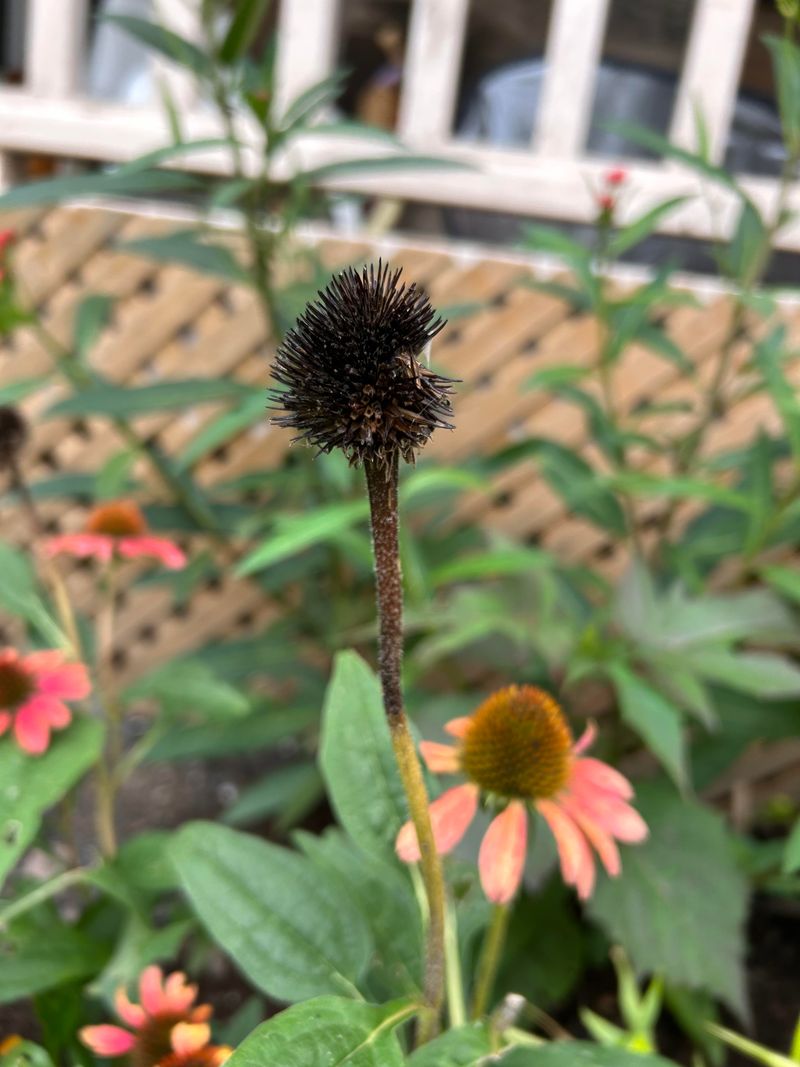
Not every seed head deserves to stay. Smart gardeners learn to read their plants and make selective choices rather than blanket decisions.
Leave the seed heads on your straight species coneflowers without hesitation. Those are your best bet for producing true-to-type seedlings next spring.
Seed heads on cultivars can come down once the petals drop. Since the offspring will not match anyway, there is less reason to keep them standing all winter.
Look for seed heads that are fully dark and firm to the touch. Those are the ripest ones, and the seeds inside are most likely viable.
Pale or soft-centered seed heads are still maturing. Give those another two to three weeks before making any decisions about cutting them.
If a plant shows signs of fungal disease on its stems or leaves, removing that seed head is a smart call. Diseased plants can spread problems through dropped seeds and debris.
Healthy, robust seed heads from strong plants produce the best seedlings. Selecting the most vigorous specimens to leave standing is a form of natural plant selection.
Aim to leave at least five to ten seed heads per garden bed. That number gives you a solid chance of seeing volunteer seedlings appear without overwhelming the space.
Selective leaving beats all-or-nothing thinking every time. A few well-chosen seed heads standing through winter can transform an empty bed into a thriving patch by June.
Goldfinches Rely On Ohio Coneflower Seed Through Fall
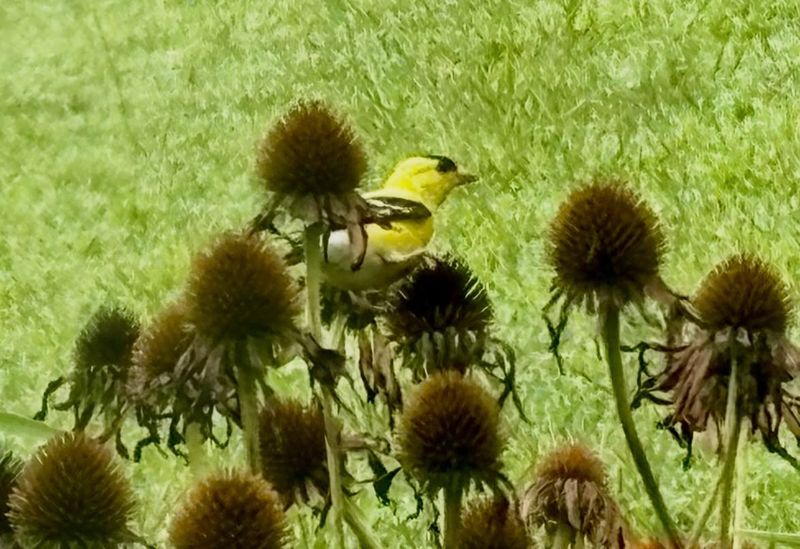
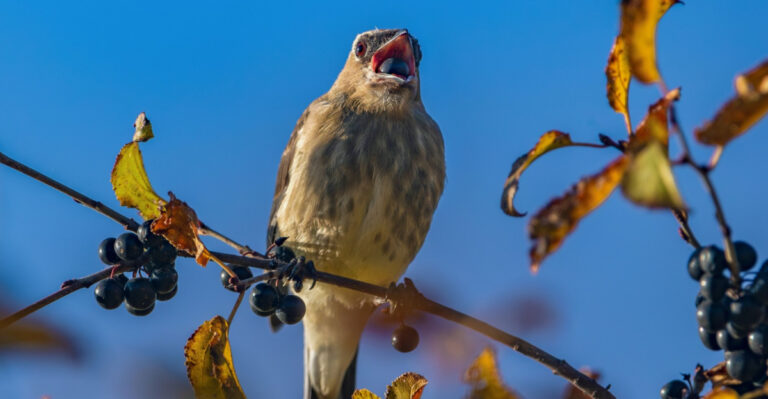
Picture a goldfinch in full yellow plumage clinging to a spiky coneflower cone. That image is one of fall’s best backyard rewards, and it only happens if you leave the seed heads standing.
American goldfinches are one of the most enthusiastic coneflower seed eaters in the midwest. They visit garden beds daily during migration and through the cooler months.
Goldfinches time their molt and migration around seed availability. When seed heads disappear too early, these birds lose a reliable food source right when they need it most.
Coneflower seeds are packed with fat and protein. That energy content makes them especially valuable to birds preparing for long flights or cold nights.
Leaving seed heads standing is one of the simplest ways to support local wildlife. No feeders, no special equipment, just a little restraint with the pruning shears.
Other birds join the feast too. Chickadees, house finches, and dark-eyed juncos all forage through Echinacea seed heads during fall and early winter.
A garden that feeds birds also benefits from their presence. Birds naturally scatter seeds as they feed, which can actually help spread coneflowers to new spots in your yard.
Watching goldfinches work through a seed head is genuinely entertaining. Set up a chair nearby in October and you will likely have free wildlife viewing on most mornings.
Where Volunteer Seedlings Appear And How To Move Them
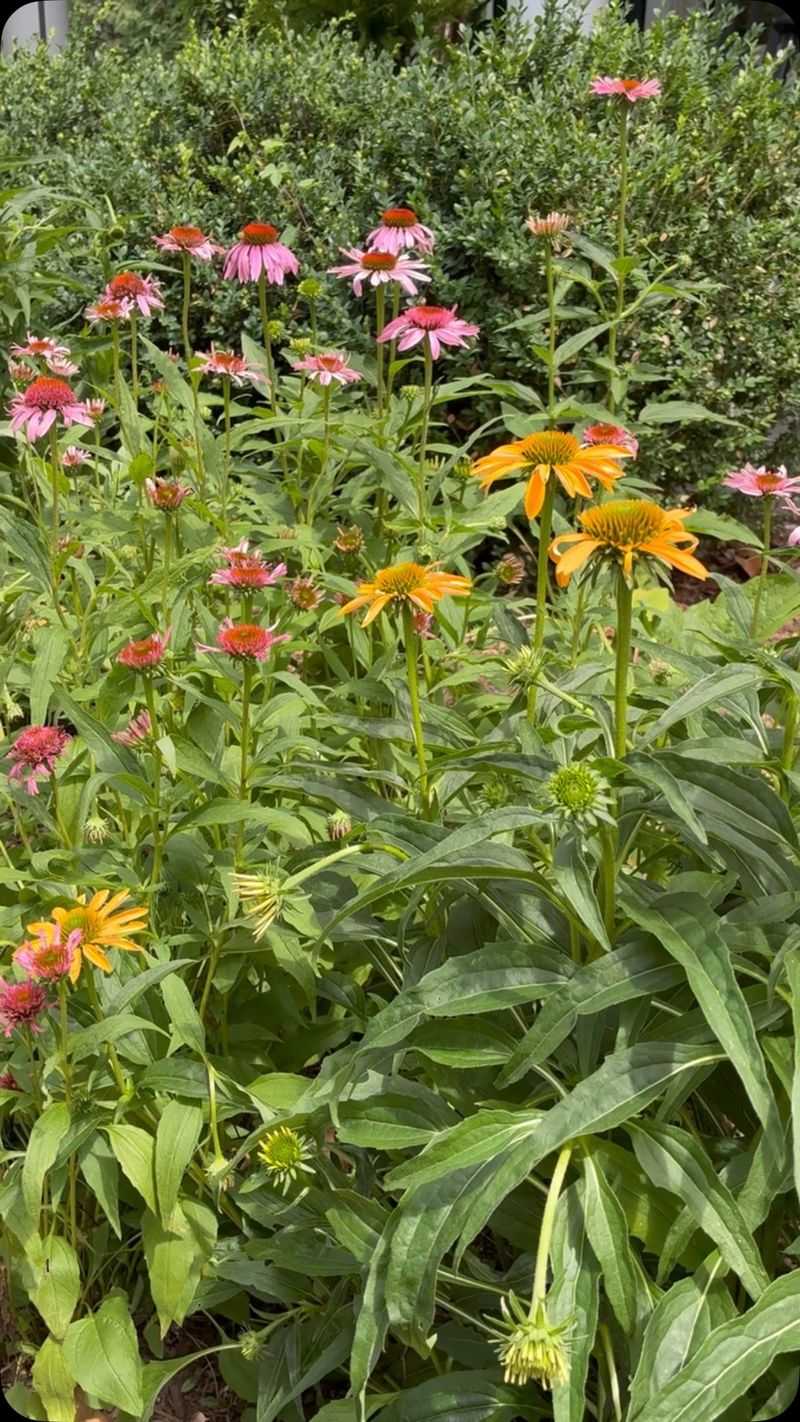
Spring brings surprises. Tiny rosettes of rough-textured leaves appear in unexpected spots, and that is your reward for leaving those seed heads standing all winter.
Volunteer coneflower seedlings tend to cluster near the base of the mother plant. Seeds fall straight down, so most sprout within a foot or two of where the original plant stood.
Some seeds travel farther, carried by birds or rolled by wind and rain. You might find a seedling popping up in a gravel path or tucked against a garden border edge.
Transplanting volunteers is easy when they are small. Wait until seedlings have at least four true leaves before attempting to move them anywhere.
Use a narrow trowel to dig deep beneath the taproot. Coneflowers develop a taproot early, and disturbing it causes stress that can slow establishment.
Move seedlings on a cloudy day or in the evening to reduce transplant shock. Water them in thoroughly right after planting to help roots settle into new soil.
Give transplanted seedlings a spot with full sun and well-drained soil. Echinacea thrives in conditions similar to its native prairie habitat, so avoid heavy clay or consistently wet areas.
Most volunteers bloom in their second year. That patience pays off with a garden full of coneflowers that cost you little more than a winter of restraint.
A garden full of volunteer coneflowers next spring starts with what you choose not to cut this fall.